标签: Oceania

大洋洲

  • War in the Middle East: latest developments

    War in the Middle East: latest developments

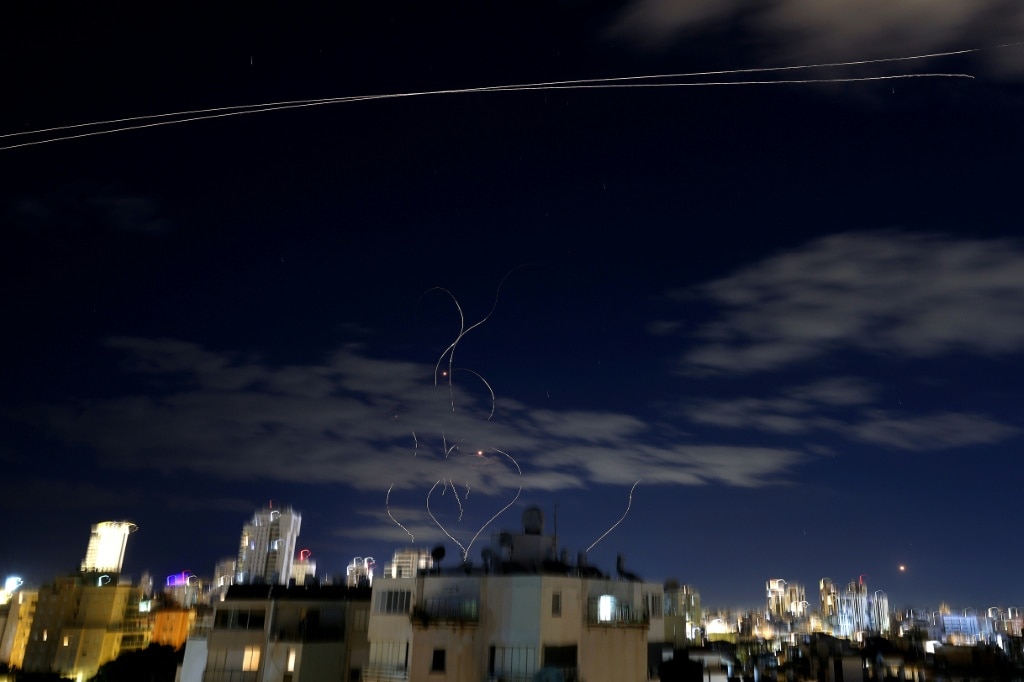
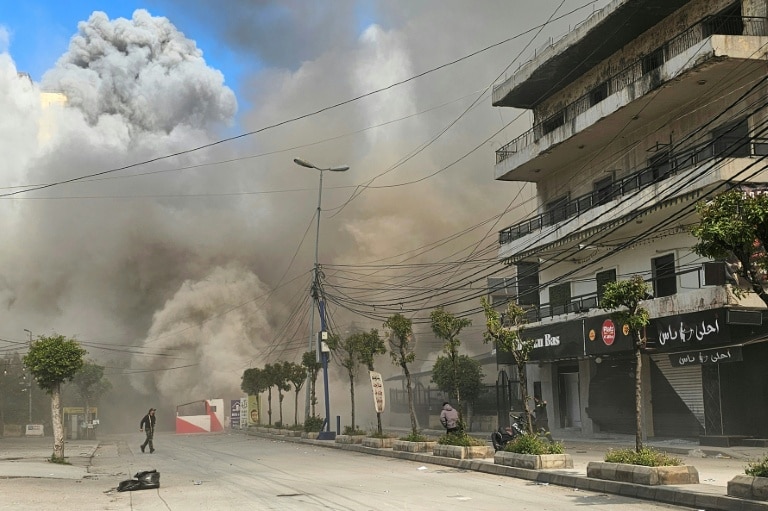
    The protracted Middle East conflict has entered a perilous new phase, marked by a sharply escalating human cost and expanding geopolitical ramifications. Lebanese health authorities reported a devastating surge in casualties, with the death toll from Israeli strikes climbing to 486 and injuries reaching 1,313—a significant increase from previous figures that underscores the intensifying violence along the southern border.

    The strategic landscape shifted further with Israel’s confirmed elimination of a key Hezbollah commander, Abu Hussein Ragheb, who headed the Iran-backed group’s Nasr unit in southern Lebanon. This targeted strike occurred amid renewed hostilities between Israeli forces and the Lebanese militant organization.

    International responses multiplied as U.S. President Donald Trump prepared to address the nation from his Doral golf club near Miami, announcing his first press conference since authorizing strikes against Iran. The White House indicated the administration was reviewing “all credible options” regarding oil prices, which breached the $100-per-barrel threshold—a psychological marker not seen since Russia’s invasion of Ukraine—before retreating slightly.

    The political dimension deepened as Hezbollah pledged formal allegiance to Iran’s newly appointed supreme leader, Mojtaba Khamenei, who succeeded his father following the elder Khamenei’s death during initial U.S.-Israeli attacks. President Trump expressed dissatisfaction with the new leadership but declined to specify his administration’s approach, simply telling the New York Post: “Not going to tell you. I’m not happy with him.”

    Lebanese President Joseph Aoun delivered a startling condemnation of Hezbollah, accusing the group of deliberately working toward state “collapse” to serve Iranian interests. In virtual discussions with European officials, Aoun asserted that recent missile launches were designed to “plunge Lebanon into aggression and chaos… all for the sake of the Iranian regime’s calculations” and called for direct negotiations with Israel to halt the warfare.

    The humanitarian tragedy continued unfolding as state media confirmed an Israeli tank attack killed a priest in the Christian community of Al-Qlayaa in southern Lebanon. Meanwhile, Trump announced Australia had granted asylum to several members of Iran’s women’s football team who refused to sing their national anthem in protest against the Islamic republic, though some players reportedly feared returning home due to family safety concerns.

    Global economic and security implications widened as Iran’s security chief, Ali Larijani, declared the strategic Strait of Hormuz—a vital corridor for global energy shipments—could not be secured while conflict raged. European leaders responded with plans to enhance maritime operations, with French President Emmanuel Macron announcing preparations for a “purely defensive” mission to reopen the critical waterway once active combat diminishes.

    The United Arab Emirates distanced itself from the conflict, emphasizing it would “not partake in any attacks against Iran” while decrying what it characterized as unwarranted targeting. NATO confirmed intercepting a ballistic missile fired from Iranian territory into Turkish airspace—the second such incident within days—prompting Turkish President Recep Tayyip Erdogan to caution Tehran against “provocative steps.”
  • Zelensky says 11 countries asking Ukraine for drone help against Iran

    Zelensky says 11 countries asking Ukraine for drone help against Iran

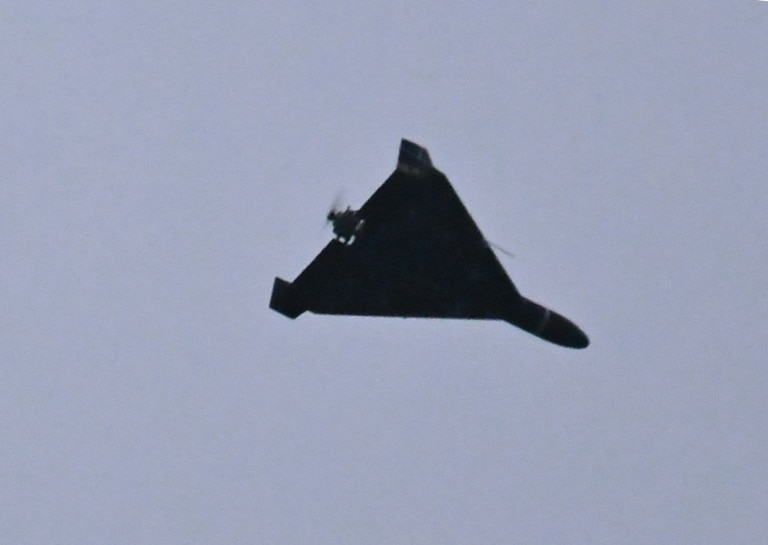
    Ukrainian President Volodymyr Zelensky has revealed that eleven nations have formally requested Kyiv’s assistance in developing defense capabilities against Iranian-designed attack drones. The unprecedented international outreach comes as Ukraine continues to withstand nightly barrages of Shahed-136 drones deployed by Russian forces, while similar Iranian-origin systems now threaten stability across the Middle East.

    Speaking on Monday, Zelensky confirmed that multiple countries—including regional neighbors of Iran, European states, and the United States—have sought access to Ukraine’s hard-won expertise in counter-drone warfare. “There is clear interest in Ukraine’s experience in protecting lives, relevant interceptors, electronic warfare systems and training,” the president stated, without identifying the specific nations involved.

    The Ukrainian military has achieved remarkable success against drone threats, consistently neutralizing over 80% of incoming Russian drones through an integrated defense approach. This sophisticated system combines affordable drone interceptors—specially designed aircraft that collide with hostile drones mid-flight—with advanced electronic jamming technology, acoustic detection systems, multi-spectrum radars, anti-aircraft artillery, and fighter jets.

    According to Igor Fedirko, CEO of the Ukrainian Council of Defence Industry, Kyiv has developed a unique “body of knowledge and skills” unmatched globally. “No one in the world has the expertise and experience that we do,” Fedirko emphasized, noting that Ukraine employs combined systems and early warning technologies refined through continuous combat conditions.

    Ukrainian drone specialists are already deploying to the Middle East, with initial teams expected to arrive this week. In exchange for sharing their valuable knowledge, Ukraine has proposed a strategic barter arrangement: trading their proven drone interception capabilities for sophisticated air defense missiles that remain in critically short supply.

    Fedirko underscored that this expertise came at tremendous cost, stating: “These technologies that we paid a huge price for, with the blood and death of citizens and soldiers, cannot be just handed over for free.” The development positions Ukraine, once primarily a recipient of international military aid, as an emerging exporter of cutting-edge defense technology and tactical knowledge.

  • Stocks slide as oil soars past $100 on Mideast war

    Stocks slide as oil soars past $100 on Mideast war

    Global financial markets experienced significant volatility on Monday as geopolitical tensions in the Middle East propelled oil prices above $100 per barrel for the first time since Russia’s 2022 invasion of Ukraine. The dramatic price surge followed retaliatory actions by Iran targeting crude-producing Gulf nations, raising immediate concerns about regional energy infrastructure security and potential prolonged conflict.

    Benchmark Brent crude and West Texas Intermediate both breached the psychological $100 threshold during Asian trading before paring gains, settling at $99.76 and $95.67 per barrel respectively by late European hours. This represents a 38% increase for Brent since the eve of the current Middle East conflict and a 64% surge year-to-date.

    The market reaction was most pronounced in Asian equities, with Seoul’s Kospi plunging 6.0% and Tokyo’s Nikkei 225 dropping 5.2%. European markets showed more resilience, with London’s FTSE 100 declining 0.3% and Frankfurt’s DAX falling 0.8%. Wall Street exhibited mixed signals as the Nasdaq Composite remained flat while the Dow Jones Industrial Average dropped 0.8%.

    Market analysts highlighted the critical vulnerability of the Strait of Hormuz, where maritime traffic has been severely disrupted. This vital waterway typically handles approximately one-fifth of global crude oil and liquefied natural gas shipments, amplifying supply chain concerns.

    Chris Beauchamp, Chief Market Analyst at IG, noted: ‘The overnight panic in oil has eased temporarily, but the fundamental drivers behind this shock move remain firmly in place. We’re now seeing open season on oil infrastructure across the region, which establishes a near-term price floor significantly above pre-war levels.’

    The energy price surge has reignited stagflation fears, with Mitsubishi UFJ analyst Lee Hardman warning that ‘the surge higher for oil is significantly increasing stagflation risks for the global economy and could trigger a deeper sell-off in global equity markets.’

    Central banks face renewed pressure, with monetary policy expectations shifting dramatically. Trade Nation analyst David Morrison observed that investors now anticipate only one interest rate cut from the Federal Reserve this year, compared to two cuts projected just last week. Meanwhile, expectations have shifted toward potential rate hikes from the European Central Bank rather than maintained stability.

    Currency markets reflected the uncertainty, with the euro dipping to $1.1591 while the pound strengthened slightly to $1.3396 against the dollar.

  • EU lawmakers set to greenlight ‘return hubs’ for migrants

    EU lawmakers set to greenlight ‘return hubs’ for migrants

    The European Parliament is positioned to enact sweeping immigration reforms this week that would establish extraterritorial processing centers for rejected asylum seekers. This significant policy shift comes as center-right and far-right parliamentary factions forged an unexpected alliance to bypass centrist opposition, signaling a notable rightward turn in EU migration governance.

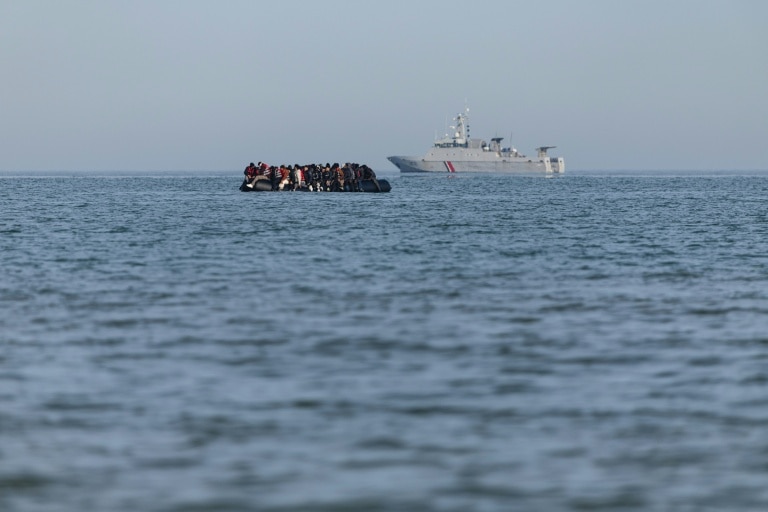
    The legislative package, already endorsed by EU member states, responds to mounting political pressure across the 27-nation bloc to address irregular migration. The proposed measures would authorize the creation of ‘return hubs’ outside EU borders where unsuccessful asylum applicants could be detained prior to deportation. Additionally, the reforms introduce stricter enforcement mechanisms including prolonged detention periods and extended entry bans for non-compliant migrants.

    This policy transformation emerges against a backdrop of declining public support for liberal migration approaches, which has catalyzed substantial electoral advances for right-wing parties throughout Europe. Despite a 26% reduction in irregular border crossings and nearly 20% decrease in asylum applications during 2025, Brussels has intensified focus on improving repatriation efficiency—currently only approximately 20% of ordered departures result in actual returns.

    Human rights organizations have launched vehement criticism against the proposed system. Amnesty International warned of ‘grave risks of systematic human rights violations,’ while migration advocacy group PICUM drew parallels to controversial U.S. Immigration and Customs Enforcement practices. Several EU nations including France and Spain have expressed reservations regarding the operational effectiveness of return centers, while Germany, Austria and Nordic countries anticipate the hubs will serve as a migration deterrent.

    Following anticipated parliamentary approval, interinstitutional negotiations between EU lawmakers and member state representatives will commence to finalize the legislative text.

  • Water emerges as a dangerous new war target

    Water emerges as a dangerous new war target

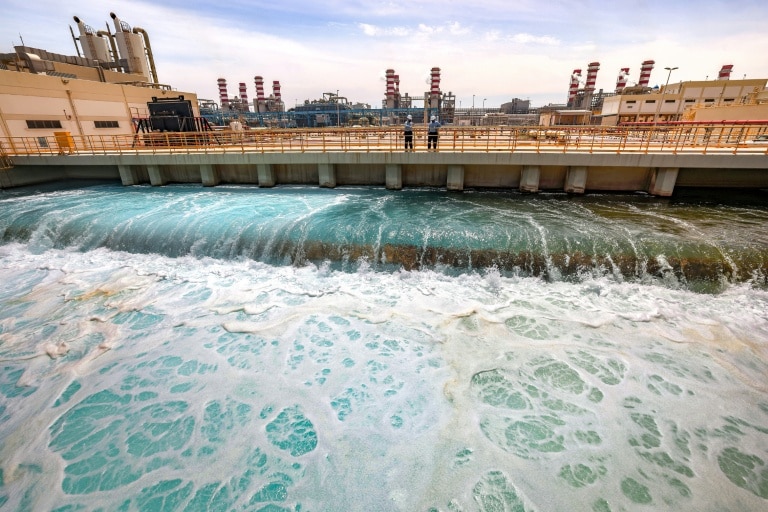
    Water desalination facilities are becoming unprecedented military targets in Middle Eastern conflicts, marking a dangerous escalation in warfare tactics. Recent attacks have highlighted the vulnerability of these critical installations that provide drinking water to millions across the arid region.

    Bahrain’s interior ministry reported Sunday that an Iranian drone strike damaged a water desalination plant, accusing Tehran of indiscriminately targeting civilian infrastructure. Iranian authorities countered by alleging the United States attacked a desalination facility on Qeshm Island serving 30 villages from a Bahrain-based installation.

    These developments occur in a region where water scarcity presents extreme challenges. According to World Bank data, the Middle East experiences water availability approximately ten times lower than global averages. Desalination technology consequently becomes indispensable, with approximately 42% of global capacity located throughout the region.

    National dependencies reveal staggering figures: desalinated water provides 42% of drinking water in the UAE, 70% in Saudi Arabia, 86% in Oman, and 90% in Kuwait. Experts warn that targeting these facilities could trigger catastrophic consequences. Water economist Esther Crauser-Delbourg cautioned that initial attacks on water infrastructure could unleash conflicts far exceeding current scales.

    Historical precedents exist but remain limited. Houthi rebels have previously targeted Saudi desalination plants, while Saudi-led coalitions struck Yemeni water infrastructure. Israeli operations have affected water systems in Gaza, with similar incidents dating back to the 1991 Gulf War.

    Security measures are intensifying in response to growing threats. Philippe Bourdeaux, Veolia’s regional director for Africa and the Middle East, confirmed enhanced security protocols including missile defense systems around major facilities. Operators are implementing contingency plans for power outages and seawater contamination scenarios, while maintaining water reserves sufficient for two to seven days of consumption.

    The CIA warned as early as 2010 that disrupting Arab desalination facilities could yield more severe consequences than losing any other industry. A 2008 diplomatic cable suggested Riyadh might require evacuation within one week if critical desalination infrastructure suffered severe damage.

  • Ukrainian bank worker detained by Hungary was forcibly medicated: Kyiv

    Ukrainian bank worker detained by Hungary was forcibly medicated: Kyiv

    A significant diplomatic confrontation has erupted between Ukraine and Hungary following the controversial detention of seven Ukrainian banking officials. According to Kyiv’s foreign ministry, these employees endured severe mistreatment while in Hungarian custody, including psychological pressure and physical coercion.

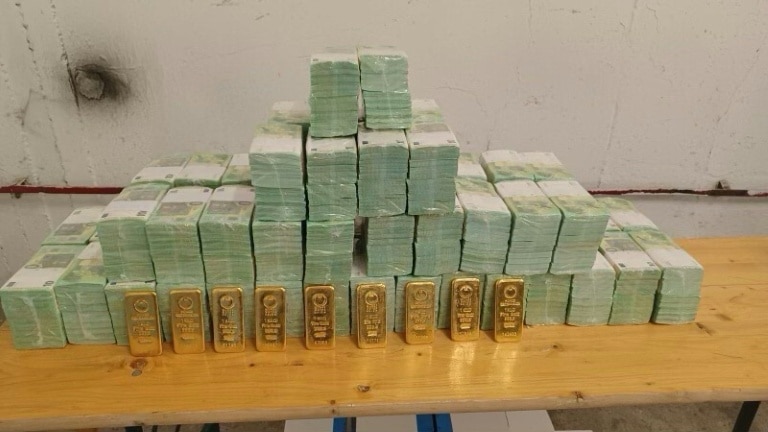
    The incident unfolded when Hungarian authorities intercepted a routine financial transfer from Austria to Ukraine, seizing approximately $40 million, €35 million, and nine kilograms of gold bars belonging to state-owned Oschadbank. While Budapest justified the action as part of a money-laundering investigation, Ukrainian officials characterized it as an extreme measure that violated international norms.

    Testimonies from the released bank employees reveal disturbing details of their detention. The individuals reported being held in handcuffs for 28 consecutive hours, blindfolded during transportation, and denied access to legal representation or Ukrainian diplomatic personnel. Most alarmingly, one diabetic employee lost consciousness during custody and was subsequently administered a medication against his will that caused dangerous spikes in blood sugar and hypertension, necessitating emergency hospital treatment.

    Ukraine has condemned these actions as ‘unacceptable and disproportionate,’ asserting they represent a blatant violation of European human rights conventions. The Ukrainian government has formally demanded the immediate return of all seized assets and vehicles.

    The confrontation occurs against the backdrop of ongoing tensions regarding the Druzhba pipeline, which transports Russian oil to Hungary. Budapest alleges that Ukraine is deliberately delaying the pipeline’s reopening following January damage from Russian attacks, characterizing it as economic ‘blackmail.’ Kyiv maintains the delay is necessary for legitimate repair work, while suggesting Hungary’s actions against the bank employees constitute retaliatory measures for the energy dispute.

  • Iran war sends oil price soaring as Khamenei son takes charge

    Iran war sends oil price soaring as Khamenei son takes charge

    Global energy markets experienced significant turbulence as escalating hostilities between Iran and Israel triggered a dramatic surge in oil prices, coinciding with the appointment of Mojtaba Khamenei as Iran’s new supreme leader. The benchmark Brent crude surpassed $100 per barrel for the first time since the Ukraine conflict four years prior, while West Texas Intermediate recorded a staggering 75% increase since the conflict’s initiation.

    The transition of power occurred amidst intensified military exchanges, with Tehran launching missile barrages targeting Israeli positions and Gulf energy infrastructure. Saudi Arabia reported drone incursions targeting oil fields, while Bahrain’s state energy company Bapco declared force majeure, indicating potential contract defaults due to circumstances beyond its control. The United Arab Emirates and Kuwait similarly reported fresh attacks on energy facilities.

    Financial markets worldwide reacted immediately to the geopolitical instability. Asian economies bore early brunt with Japanese and South Korean markets closing down over 5%, while European markets opened sharply lower with continental gas prices soaring 30%. The Philippine government implemented fuel rationing measures, and Vietnam prepared to eliminate import tariffs on petroleum products.

    G7 finance ministers convened emergency discussions regarding potential strategic oil reserve releases to mitigate price pressures. French President Emmanuel Macron, current chair of the group, emphasized the need to protect the global economy from energy market volatility.

    International responses revealed deepening geopolitical divisions. Russian President Vladimir Putin extended direct support to the new Iranian leadership, affirming Russia’s continued partnership. China cautioned against targeting leadership figures while emphasizing respect for Iranian sovereignty. Conversely, former U.S. President Donald Trump characterized Mojtaba Khamenei as politically insignificant despite his influential connections to Iran’s Revolutionary Guard Corps.

    The conflict expanded beyond the immediate region with Hezbollah engaging Israeli forces in eastern Lebanon, while Israeli strikes targeted financial institutions linked to the militant group in Beirut. The U.S. State Department ordered non-emergency personnel evacuation from Saudi Arabia following a drone strike on its embassy, signaling anticipation of prolonged hostilities.

  • Landmark trial opens for Turkish opposition champion Imamoglu

    Landmark trial opens for Turkish opposition champion Imamoglu

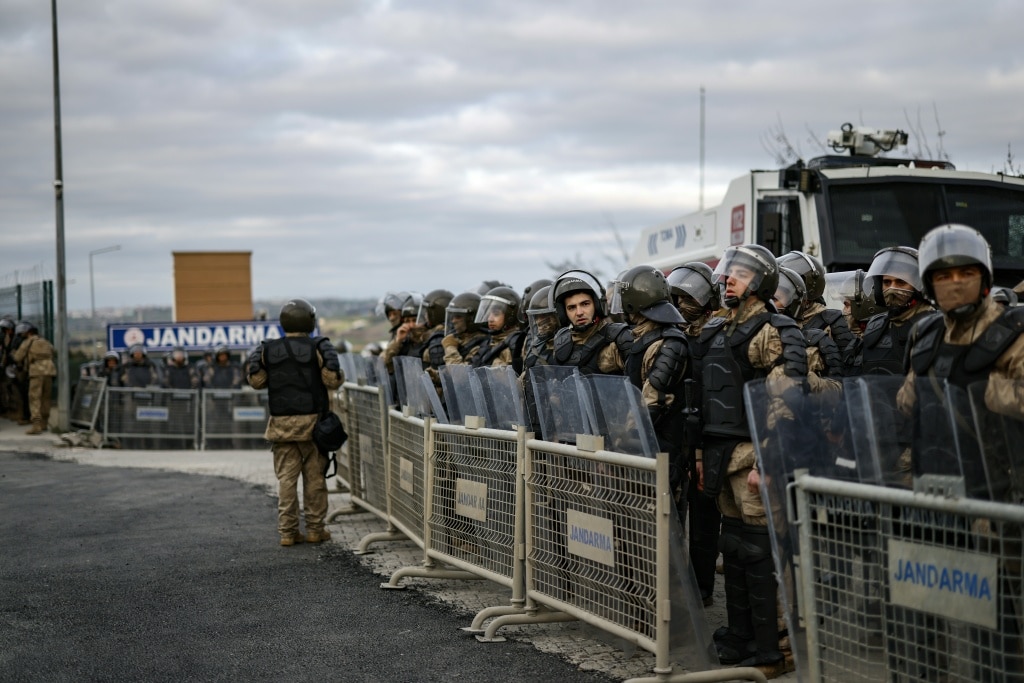
    A landmark corruption trial against Istanbul’s imprisoned mayor Ekrem Imamoglu commenced under turbulent circumstances on Monday, with proceedings abruptly suspended minutes after opening. The case, which critics condemn as a politically motivated maneuver to eliminate President Recep Tayyip Erdogan’s most formidable electoral challenger, descended into chaos when the presiding judge cleared the courtroom following defense team objections.

    Imamoglu, arrested in March 2023 immediately after being nominated as the presidential candidate for the main opposition CHP party, faces 142 charges including graft, embezzlement, and espionage. Prosecutors are seeking a staggering 2,430-year prison sentence against the 54-year-old mayor, who remains detained alongside over 400 co-defendants in what has been described as one of Turkey’s most expansive legal proceedings.

    The trial opening witnessed emotional scenes as supporters in the gallery chanted “We are proud of you!” when Imamoglu entered the specially constructed Silivri courthouse. Tensions escalated when the judge announced the mayor would testify last despite being the principal accused, triggering shouts of “Shame, shame!” from observers. The session collapsed completely when defense lawyers protested that witness lists had been leaked to pro-government media while being withheld from the defense team.

    CHP leader Ozgur Ozel, present at the hearing alongside Imamoglu’s wife Dilek, denounced the proceedings as “a conspiratorial case” and “an attempted coup by Tayyip Erdogan against the next president and the next government.” The trial has drawn international condemnation from human rights organizations including Amnesty International and Human Rights Watch, which accuse Ankara of weaponizing its judicial system against political opponents.

    Beyond the corruption charges, Imamoglu faces an additional legal hurdle that could permanently bar him from presidential politics: a separate lawsuit challenging the validity of his university degree, which constitutes a constitutional requirement for presidential candidates. Political analysts suggest that should Imamoglu be disqualified, CHP leader Ozel would likely become the opposition’s standard-bearer in elections scheduled before mid-2028.

  • Federal government funds 50 new medical uni placements to tackle GP shortfall in Australia

    Federal government funds 50 new medical uni placements to tackle GP shortfall in Australia

    The Australian government is launching a significant initiative to address the nation’s growing general practitioner shortage by expanding medical education opportunities. Education Minister Jason Clare announced that universities can now apply for state-funded medical placements, with applications opening this Tuesday for 50 new government-subsidized positions.

    This development represents the second phase of a comprehensive medical workforce strategy, following the earlier allocation of 100 primary healthcare-focused placements across ten universities earlier this year. The latest round of placements, backed by more than $5.7 million in funding, is scheduled to commence in 2028.

    Minister Clare emphasized the critical timing of this initiative, stating, ‘These placements will provide more opportunities for young Australians at a time when we need more doctors, particularly more GPs. The number of new medical places we have funded at universities is triple what the last Liberal government achieved in half the time.’

    The program comes in response to alarming government projections indicating Australia could face a shortfall of 2,600 GPs by 2028, potentially escalating to 8,600 by 2048. All public universities are eligible to apply for these placements, including institutions considering establishing new medical schools. Applications will remain open until April 7.

    Concurrently, the government reports promising developments in GP training registrations, with projections indicating over 2,100 commencing registrars in 2026 – potentially the largest cohort of future GPs in Australian history. Health Minister Mark Butler revealed that doctor registrations have surged by more than 30% in 2024-25 compared to 2021-22, marking the highest two-year increase in medical professionals joining the healthcare system in a decade.

    Minister Butler connected these efforts to broader healthcare reforms, noting, ‘Training a domestic medical workforce is crucial to ensuring every Australian can access quality health care where and when they need it. The growth in popularity of general practice and rural generalism shows our efforts to strengthen Medicare and support primary care are working.’

    The medical education expansion complements a separate $617 million investment in Medicare to train additional domestic doctors and nurses, alongside a recent $220 million five-year agreement with state and territory governments to address public hospital funding challenges and alleviate bed blockages caused by aged care patients.

  • Alleged Bondi gunman seeks order to suppress family’s identity

    Alleged Bondi gunman seeks order to suppress family’s identity

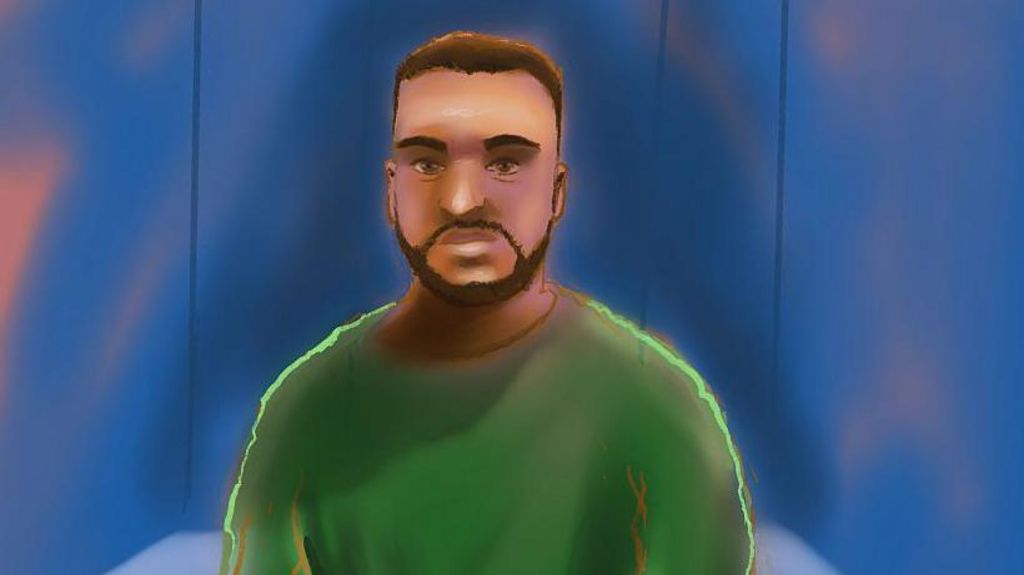
    Naveed Akram, the primary suspect in December’s Bondi Beach shooting massacre, has formally requested a judicial order prohibiting media outlets from disclosing identifying information about his immediate family members. The 24-year-old defendant, who faces 59 criminal charges including 15 counts of murder, did not personally attend Monday’s hearing at Sydney’s Downing Centre Local Court.

    Through legal representation, Akram petitioned for comprehensive non-publication protections covering the names, residential addresses, workplaces, and educational institutions of his mother, brother, and sister. Magistrate Greg Grogin issued a provisional suppression order while acknowledging the complicated circumstances, particularly noting that the mother’s identity had already entered widespread public circulation through previous media coverage.

    The judicial officer raised pragmatic concerns during proceedings, questioning whether protective measures remained functionally viable given existing publicity. News Corp Australia, representing multiple major media entities including Sky News Australia, indicated potential legal challenges to the suppression order. The matter is scheduled for further review next week.

    Background context reveals Akram’s mother previously granted media interviews defending her son shortly after the tragic incident. His father, Sajid Akram, died during a confrontation with police responders at the attack scene. The surviving suspect, who sustained critical injuries during the event, has not yet entered a formal plea despite a previous court appearance where he verbally acknowledged understanding procedural matters.

    Authorities have characterized the December 14th attack on a Jewish festival as Australia’s most devastating mass shooting event since the 1996 Port Arthur tragedy. Prosecutors maintain that Akram and his accomplice operated independently without organizational support, though allegedly inspired by Islamic State ideologies.