标签: Oceania

大洋洲

  • Moment driver arrested hiding in Melbourne shopping centre dumpster after alleged police chase across city suburbs

    Moment driver arrested hiding in Melbourne shopping centre dumpster after alleged police chase across city suburbs

    A dramatic police operation culminated with the apprehension of a suspect found concealed within a dumpster at a shopping center in Melbourne’s southeastern suburbs. The incident unfolded on March 27th after authorities were alerted to a Holden Commodore reportedly being operated in an erratic manner in the Mount Eliza area around 10 a.m.

    Upon attempts by officers to intercept the vehicle on Gulls Way in Frankston South, the driver allegedly initiated a flight from police. The pursuit was subsequently monitored by the Victoria Police Air Wing, which tracked the vehicle’s movement into the Carrum Downs shopping center complex on Halls Road.

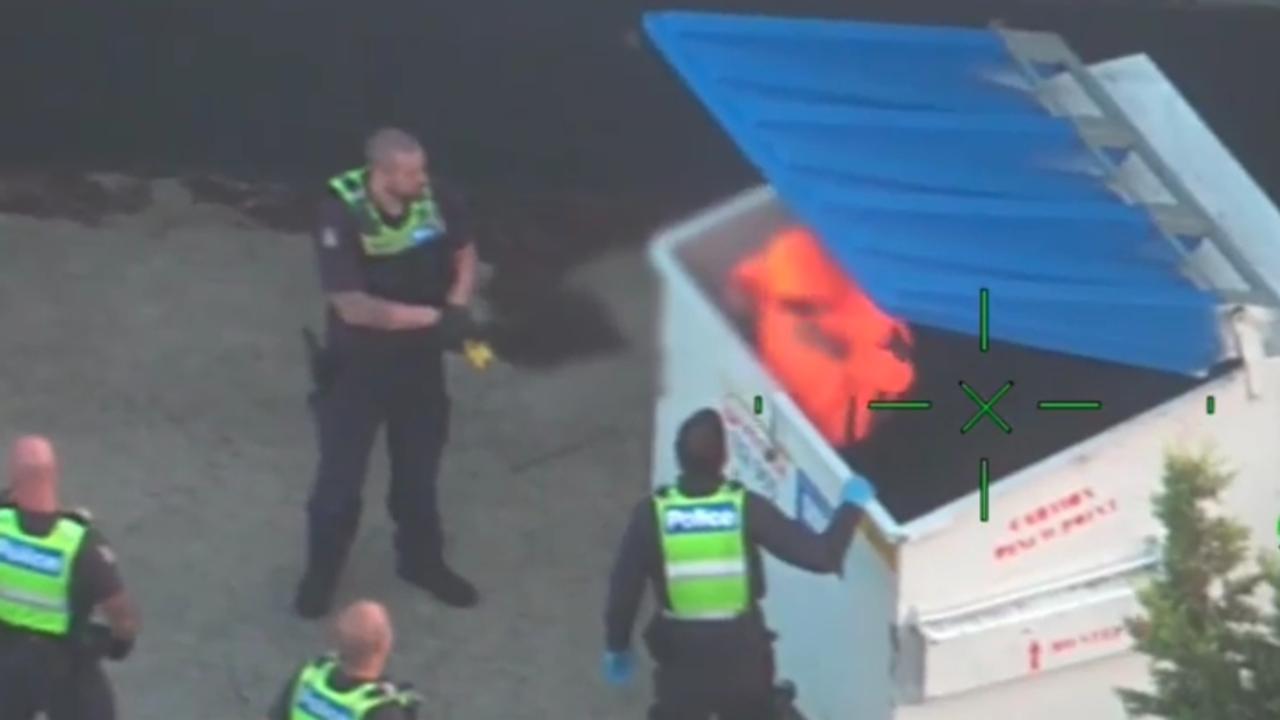
    Utilizing an integrated approach combining aerial surveillance, ground units, and security camera systems, law enforcement personnel successfully pinpointed the suspect’s location in a loading bay. Aerial footage disclosed the moment the 40-year-old man from Dandenong, clad in a distinctive orange high-visibility hoodie, was discovered squatting within a large industrial waste container.

    Confronted by police, the individual emerged from the dumpster and submitted to arrest on the ground. The suspect has been interviewed by authorities concerning his driving behavior, while his vehicle was impounded as part of the ongoing investigation into the incident.

  • War in the Middle East: latest developments

    War in the Middle East: latest developments

    The Middle East conflict has entered a perilous new phase with Iran’s military issuing a stark warning that any hotel housing US soldiers in the region would be considered a legitimate target. Armed Forces spokesman Abolfazl Shekarchi declared on state television that facilities accommodating American forces effectively become American installations from Iran’s perspective.

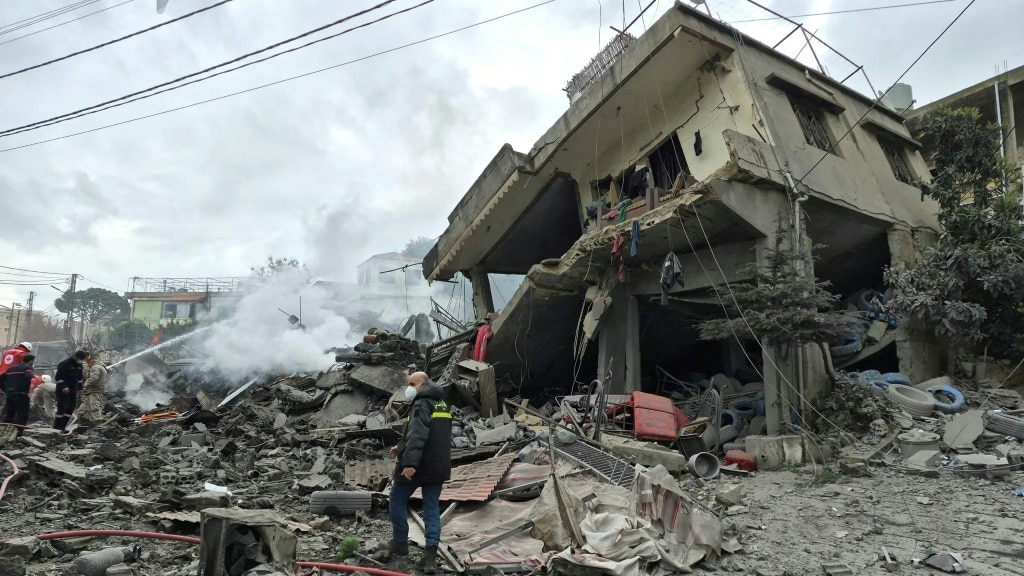
    Regional tensions intensified as Kuwait’s primary commercial port at Shuwaikh sustained material damage from a dawn drone attack, though authorities reported no casualties. Simultaneously, Lebanese media documented Israeli strikes hitting Beirut’s southern suburbs early Friday, with explosions reported in Hezbollah strongholds.

    Military actions expanded significantly as Iran’s Revolutionary Guards claimed responsibility for coordinated missile and drone strikes targeting sites in Israel and US military facilities across the Gulf region. The Guards specifically identified a maintenance facility for US Patriot air defense systems in Bahrain as among their targets.

    Diplomatic efforts accelerated with the UN Security Council scheduling emergency closed-door consultations on Friday following Russia’s formal request to address strikes on Iranian civilian infrastructure. The Russian delegation cited attacks on educational and healthcare facilities as particularly concerning.

    Global energy markets felt immediate repercussions as Japan announced temporary suspension of restrictions on coal-fired power plants to address energy shortages exacerbated by the conflict. The year-long measure will permit full operation of older, less efficient plants beginning April. India concurrently slashed fuel taxes by 10 rupees per liter to mitigate economic pressure on one of the world’s largest crude importers.

    Saudi Arabia reported successful interception and destruction of four drones over its eastern territory, while US Secretary of State Marco Rubio joined G7 foreign ministers in France to coordinate international response strategies. Rubio emphasized the critical importance of reopening the Strait of Hormuz for global energy security.

    In a significant diplomatic development, US President Donald Trump announced a temporary pause on previously threatened strikes against Iranian power plants, extending his deadline to April 2026 while characterizing ongoing negotiations with Tehran as progressing favorably despite media reports to the contrary.

  • Gabon battles for baby sea turtles’ survival

    Gabon battles for baby sea turtles’ survival

    On the white sandy beaches of Gabon’s Pongara National Park, a critical conservation drama unfolds daily as tiny sea turtle hatchlings undertake their perilous first journey to the ocean. These palm-sized creatures face overwhelming odds—with an estimated survival rate of just one in a thousand—as they navigate natural predators and human-induced threats along Gabon’s 900 kilometers of coastline.

    Four species of sea turtles—green, olive ridley, hawksbill, and the critically endangered leatherback—return annually to Gabon’s shores from October to April, making the country Africa’s most significant nesting ground and the world’s premier leatherback nesting site. The nation’s wild coastline, favorable equatorial climate, and gently sloping beaches create optimal nesting conditions, but survival challenges abound.

    Conservationists from NGOs and the national parks agency conduct daily patrols during nesting season, relocating threatened nests to protected hatcheries where eggs can safely incubate for 60 days. “They need to build up their muscles so they can swim in the ocean,” explains volunteer Clémence, emphasizing why hatchlings must complete their treacherous sand crossing rather than being placed directly in water.

    The conservation effort faces a multidimensional crisis. Coastal erosion from rising sea levels, natural predators including crabs and birds, plastic pollution, industrial fishing, and poaching all threaten turtle survival. However, the most immediate threat emerges from funding shortages that have crippled monitoring operations.

    Since the suspension of U.S. grants during the Trump administration, turtle monitoring activities have “stopped or slowed down drastically,” according to Edouard Moussavou, Pongara Park’s deputy director. The financial crisis extends to Gabon’s eco-rangers—approximately 580 conservation professionals who regularly go unpaid. Sosthene Ndong Engonga, secretary-general of the National Union of Gabonese Ecoguards, reports that rangers frequently must “make a big fuss to get our salaries,” with some waiting months for payment.

    Despite these challenges, dedicated rangers like Alain Banguiya, who hasn’t been paid for two months, continue night patrols. “We have a duty to fight to the end,” Banguiya asserts. “Despite the obstacles, we stay the course: conservation.” Their perseverance highlights both the fragility of conservation systems and the unwavering commitment required to protect Earth’s most vulnerable species.

  • Hungarians’ growing anger at living in EU’s ‘most corrupt state’

    Hungarians’ growing anger at living in EU’s ‘most corrupt state’

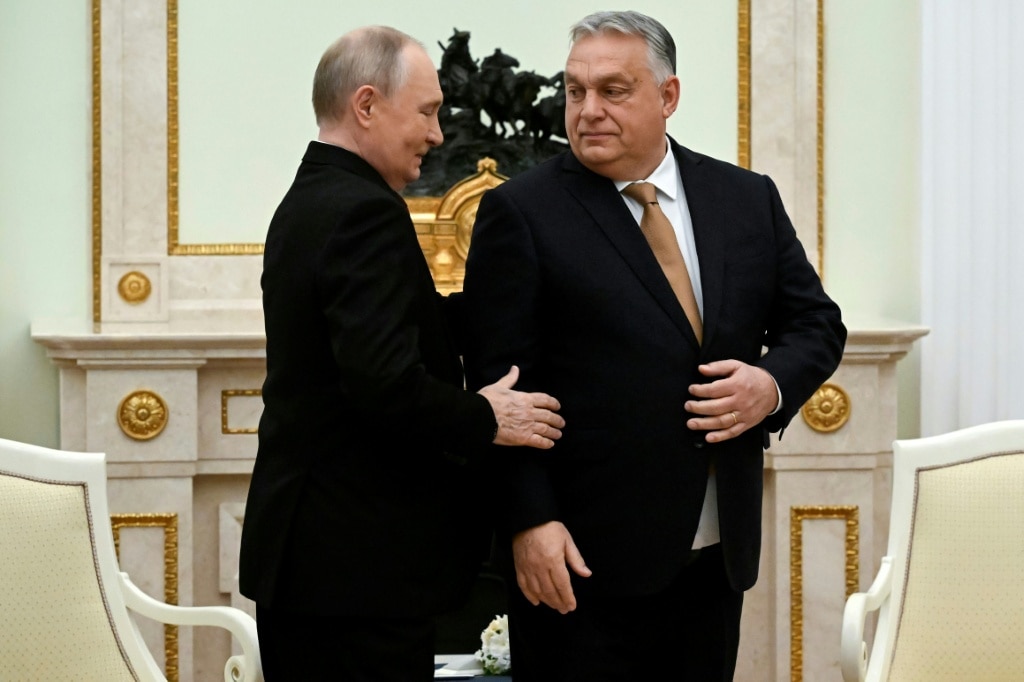
    Hungarian Prime Minister Viktor Orbán faces unprecedented political vulnerability as widespread public anger over systemic corruption and economic hardship converges ahead of critical parliamentary elections. Despite official declarations portraying modest personal wealth, evidence suggests Orbán’s inner circle has accumulated extraordinary fortunes through state-connected enterprises, fueling popular discontent in what Transparency International ranks as the European Union’s most corrupt nation.

    The growing public frustration stems from perceived inequities in wealth distribution, with citizens enduring sluggish economic growth, soaring inflation rates, and deteriorating public services while government allies prosper. Political analyst Zoltan Ranschburg notes that the government’s narrative maintained credibility during periods of relative economic stability but has rapidly deteriorated amid prolonged financial pressures.

    Independent investigations reveal staggering financial impacts, with anti-corruption crusader Akos Hadhazy documenting approximately €2.84 billion annually drained from state coffers since 2016 through graft mechanisms. This systematic corruption has manifested through Orbán’s family connections, including his father’s transformation into a major business figure with luxurious estates worth hundreds of millions, and his son-in-law’s rapid ascent through EU-funded public lighting contracts later flagged for serious irregularities by the EU anti-fraud office OLAF.

    Perhaps most symbolically significant is the trajectory of childhood friend Lorinc Meszaros, who evolved from plumbing to becoming Hungary’s wealthiest individual with a $4.8 billion fortune built largely on public contracts across construction, energy, banking, and media sectors. Industry insiders confirm the rigged nature of Hungary’s procurement system, with one contractor revealing that tender outcomes are frequently predetermined, creating payment delays that cripple smaller businesses while connected elites flourish.

    The European Union has responded by freezing €19 billion in funds designated for Hungary, citing persistent corruption concerns and rule-of-law violations. Opposition leader Peter Magyar has capitalized on this discontent, campaigning on promises to recover blocked EU funds and investigate the wealth accumulation of current leadership families, presenting the most substantial electoral challenge to Orbán’s 16-year administration.

  • Nepali rapper to be sworn in as new prime minister

    Nepali rapper to be sworn in as new prime minister

    In a historic political transformation, Balendra Shah—a 35-year-old rapper and reformist leader—is set to be sworn in as Nepal’s new prime minister on Friday. His rise follows a landslide electoral victory this month, fueled by a youth-driven movement demanding systemic change and an end to corruption.

    Shah, popularly known as Balen, broke his post-election silence not with a conventional speech, but through a powerful rap song calling for national unity. The track, released on social media and streaming platforms, has already amassed nearly three million views. Lyrics such as, “The strength of unity is my national power,” and “My heart is full of courage, my red blood is boiling,” resonate with a generation hungry for reform.

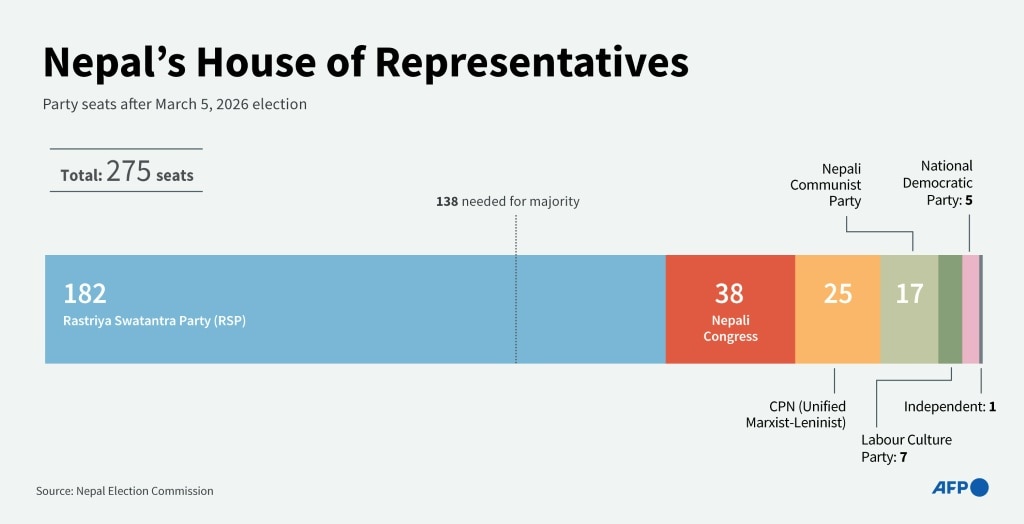
    His party, the Rastriya Swatantra Party (RSP), secured a commanding majority of 182 seats in the 275-member House of Representatives. Shah ran alongside RSP president Rabi Lamichhane, a former deputy prime minister and television personality, who remains a key figure in the new administration.

    The political upheaval comes six months after a deadly anti-corruption uprising in which at least 77 protesters were killed. The movement began in response to a temporary social media ban but quickly expanded into widespread demonstrations against economic hardship and governance failures.

    Outgoing caretaker Prime Minister Sushila Karki, a 73-year-old former chief justice, expressed confidence in the incoming government during her farewell address. She emphasized the need to combat corruption, foster economic development, and promote social justice, adding that the nation’s future now rests in the hands of its youth.

    A soon-to-be-released investigative report, commissioned by Karki’s administration, recommends prosecuting former Prime Minister KP Sharma Oli—a four-time Marxist leader defeated by Shah in his own constituency—as well as former Interior Minister Ramesh Lekhak and ex-police chief Chandra Kuber Khapung. The report cites negligent conduct and failure to prevent casualties during the crackdown on protesters, which resulted in numerous fatalities from bullet wounds, many to the chest or head.

  • Daniel Devlin found guilty of manslaughter for attack that killed Ali Chaaban in Melbourne

    Daniel Devlin found guilty of manslaughter for attack that killed Ali Chaaban in Melbourne

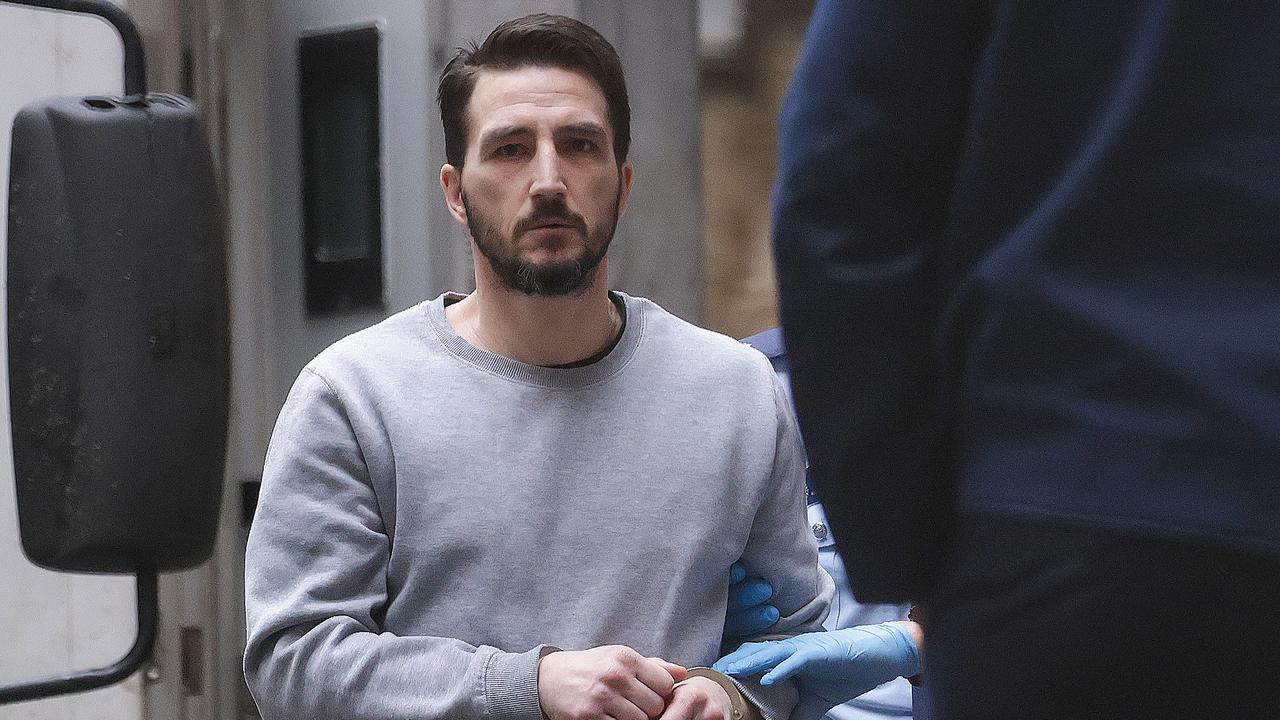
    A verdict of manslaughter delivered in Victoria’s Supreme Court triggered an emotional outburst from the gallery as Daniel Devlin was held criminally responsible for the death of Ali Chaaban. The conviction concludes a week-long trial centered on a violent confrontation that occurred in Heidelberg West on June 15, 2024.

    Prosecutor Jim Shaw presented the Crown’s case, detailing how Devlin arrived at Mr. Chaaban’s residence—an acquaintance, but not a friend—and was explicitly told he was not welcome. The interaction rapidly escalated into a physical altercation outside the home. Evidence presented to the jury described Devlin removing his shirt before the two men engaged in a fight, which culminated in Mr. Chaaban being knocked to the ground.

    The prosecution argued that Devlin placed Mr. Chaaban in a prolonged headlock, a action characterized as “clearly dangerous.” This claim was supported by footage from police body-worn cameras, which allegedly captured Devlin continuing to assault the critically injured man even as officers arrived on scene and attempted to intervene. Mr. Chaaban succumbed to his injuries in Austin Hospital the following morning, with the official cause of death determined to be blunt force trauma to the neck.

    The defense, led by barrister Justin Hannebery KC, posited an alternative explanation for the death. He suggested that the presence of methamphetamine in Mr. Chaaban’s system introduced reasonable doubt, arguing that the autopsy could not definitively pinpoint the duration or precise mechanism of the fatal injury. Hannebery further contended that the headlock could be interpreted as an “innately defensive” maneuver rather than an aggressive act, and noted a lack of clear evidence regarding which party initiated the physical conflict.

    Despite these arguments, the jury returned a guilty verdict. The Chaaban family, present in court, expressed profound relief and a sense of justice following the decision. Devlin is scheduled to return for a pre-sentence hearing on March 31, where sentencing will be determined.

  • Cyclone triggers outages at major Australian LNG plants

    Cyclone triggers outages at major Australian LNG plants

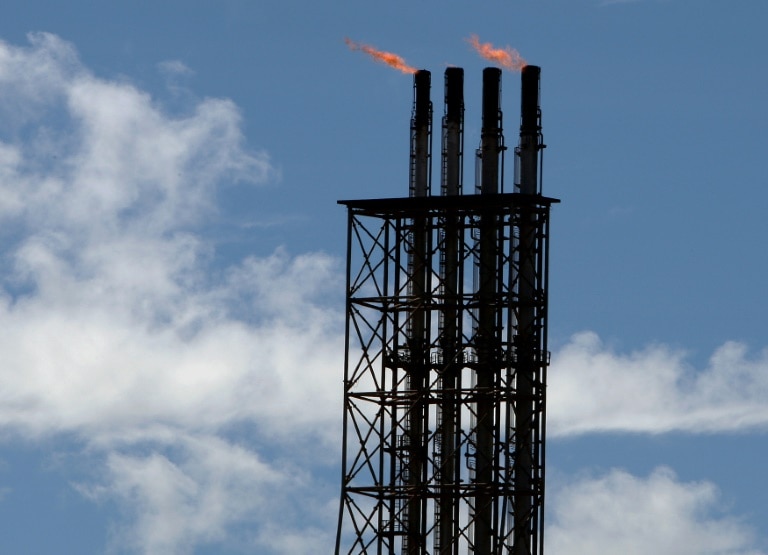
    A severe tropical cyclone has forced the shutdown of major liquefied natural gas (LNG) facilities along Western Australia’s coast, creating additional strain on global energy markets already grappling with supply disruptions from Middle East conflicts. The simultaneous outages at Chevron’s Gorgon and Wheatstone plants, along with Woodside Energy’s North West Shelf operations, have removed significant LNG capacity from world markets at a critical time.

    Cyclone Narelle, packing winds reaching 200 kilometers per hour, prompted safety shutdowns across Australia’s northwest gas processing region on Friday. Chevron confirmed both its Gorgon (15 million metric tonne annual capacity) and Wheatstone (9 million metric tonne capacity) facilities experienced production interruptions, collectively representing over 5% of global LNG supply. Woodside Energy similarly reported offline status at its Karratha gas plant, which serves one of the world’s largest offshore gas operations.

    The timing exacerbates existing market tensions caused by the Iran-Israel conflict, which has disrupted shipments through the critical Strait of Hormuz shipping channel. Energy analyst Josh Runciman of the Institute for Energy Economics and Financial Analysis noted the cyclone arrived at the ‘worst possible time,’ warning that even minor production setbacks could trigger significant price fluctuations in global markets.

    Asian markets face particular vulnerability, as Australia supplies approximately 40% of Japan’s LNG requirements according to the Asia Natural Gas and Energy Association. LNG spot prices in some Asian regions have already doubled since February 28th when U.S.-Israel military actions against Iran commenced.

    International Energy Agency Executive Director Fatih Birol, visiting Canberra this week, emphasized Australia’s increasingly vital role in global energy security while cautioning that ‘Australia alone will not be able to offset the entire lack of LNG coming from the Middle East.’

    With companies monitoring Cyclone Narelle’s progression, Chevron and Woodside have committed to restoring production once weather conditions permit safe operations. The supply interruption comes as Australia considers implementing a windfall tax on LNG exporters benefiting from elevated prices driven by geopolitical tensions.

  • PM seeks to reassure Australians over fuel supply amid panic buying

    PM seeks to reassure Australians over fuel supply amid panic buying

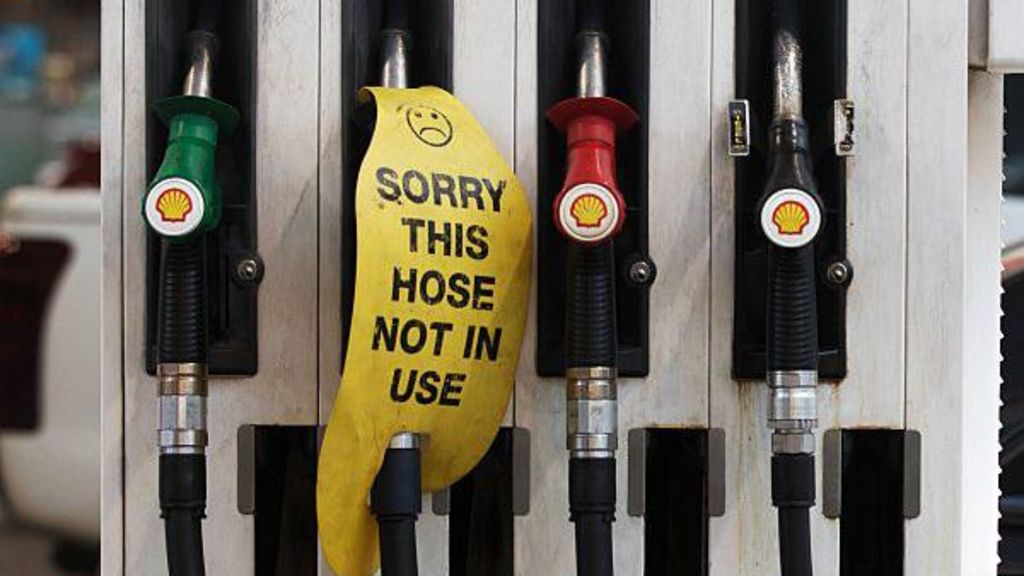
    A severe fuel supply disruption is unfolding across Australia, with hundreds of service stations reporting shortages of at least one type of fuel this week. The crisis has been triggered by a perfect storm of international conflict and domestic panic buying, creating widespread logistical challenges and record-high prices.

    The situation escalated following the closure of the Strait of Hormuz after the outbreak of war between the US, Israel, and Iran. This critical chokepoint for global oil shipments being blocked caused an immediate spike in international oil prices. In response, Australian motorists have engaged in widespread panic purchasing, with many filling jerry cans and storing fuel in garages, further straining distribution networks.

    Prime Minister Anthony Albanese addressed the nation on Friday, seeking to reassure citizens about the country’s fuel security while acknowledging the significant challenges. “The longer this war goes on, the greater the impact will be. But we continue to act to prepare and shield Australians from the worst of it,” he stated during a press conference.

    Energy Minister Chris Bowen, appearing alongside the Prime Minister, emphasized that the core issue is one of distribution and demand rather than actual supply volume. “For the next few weeks, Australia’s supply of petrol and diesel and oil will be the same, if not higher, than it normally would be,” Bowen asserted, indicating that physical fuel availability remains consistent with pre-war levels.

    Price data reveals the dramatic impact on consumers. The Australian Institute of Petroleum reported the average retail petrol price reached 238 Australian cents per liter as of Sunday, a sharp increase from 171 cents just four weeks earlier. Diesel prices have hit unprecedented levels, with the National Roads and Motorists’ Association recording prices of 314.5 cents per liter in Sydney as of Thursday.

    NRMA spokesperson Peter Khoury explained the behavioral factors exacerbating the situation: “People are filling up jerry cans of fuel and storing it in their garages. We’re hearing increasingly of transport companies telling their drivers that if you’re half full and you see diesel, buy it.”

    The crisis has particularly impacted independent petrol stations, which lack the long-term supply contracts that major retailers benefit from. These contracts are being prioritized by oil companies, leaving smaller operators struggling to secure inventory.

    Adding to the complexity, a cyclone in Western Australia has triggered outages at two of the world’s largest LNG plants—Gorgon and Wheatstone—which collectively supply approximately 5% of the global market according to operator Chevron. This development has placed additional pressure on energy markets worldwide.

    The government has responded with several measures, including releasing oil from the national stockpile and temporarily lowering fuel standards to increase available supply. While ruling out rationing thus far, Prime Minister Albanese is convening an emergency national cabinet meeting on Monday to develop a comprehensive response strategy to manage the escalating crisis.
  • Cameron Ciraldo calls out GIO Stadium officials after no one called to check on his injured hand

    Cameron Ciraldo calls out GIO Stadium officials after no one called to check on his injured hand

    Canterbury-Bankstown Bulldogs head coach Cameron Ciraldo has expressed significant disappointment with GIO Stadium management for their failure to conduct a welfare check following a serious hand injury he sustained in their coaches’ box last weekend. The incident occurred during the final minutes of the Bulldogs’ clash with Canberra when a window Ciraldo attempted to open suddenly shattered, severely lacerating his right hand and necessitating immediate medical treatment involving five stitches.

    Speaking at a Friday press conference, Ciraldo revealed his surprise that no stadium representative had contacted him regarding the accident. “I would have appreciated someone ringing to inquire about what occurred and verify my condition,” Ciraldo stated. “However, if proper stadium maintenance isn’t your priority, perhaps such considerations don’t cross your mind either.” Despite the injury, Ciraldo confirmed his availability for this weekend’s match against Newcastle Knights at Accor Stadium.

    The coaching setback comes as the Bulldogs continue preparations for their upcoming fixture without key recruit Leo Thompson, who remains sidelined with a calf injury delaying his club debut. Ciraldo provided an update on Thompson’s rehabilitation progress, noting the prop forward’s active involvement in team meetings and defensive strategy sessions despite his physical limitations.

    Assistant coach Adam O’Brien’s insider knowledge of Newcastle’s playing roster is expected to provide tactical advantages, particularly concerning the containment of dynamic five-eighth Fletcher Sharpe. Ciraldo identified Sharpe’s exceptional speed and unpredictable positioning as primary defensive concerns that dominated his strategic planning throughout the week.

    Meanwhile, center Bronson Xerri will complete another NSW Cup appearance following his recent demotion from first-grade selection. Ciraldo praised Xerri’s professional response to the setback, noting his improved training intensity and positive attitude since the roster decision was announced publicly.

  • General Forest Tree Surgeon fined $70,000 after worker suffers brain injury from falling tree trunk

    General Forest Tree Surgeon fined $70,000 after worker suffers brain injury from falling tree trunk

    A Sydney-based tree service company has been ordered to pay a substantial penalty following a workplace incident that left an employee with severe brain trauma. General Forest Tree Surgeon Pty Ltd faced conviction in the NSW Industrial Court and received a $70,000 fine for safety violations that resulted in a November 2022 accident.

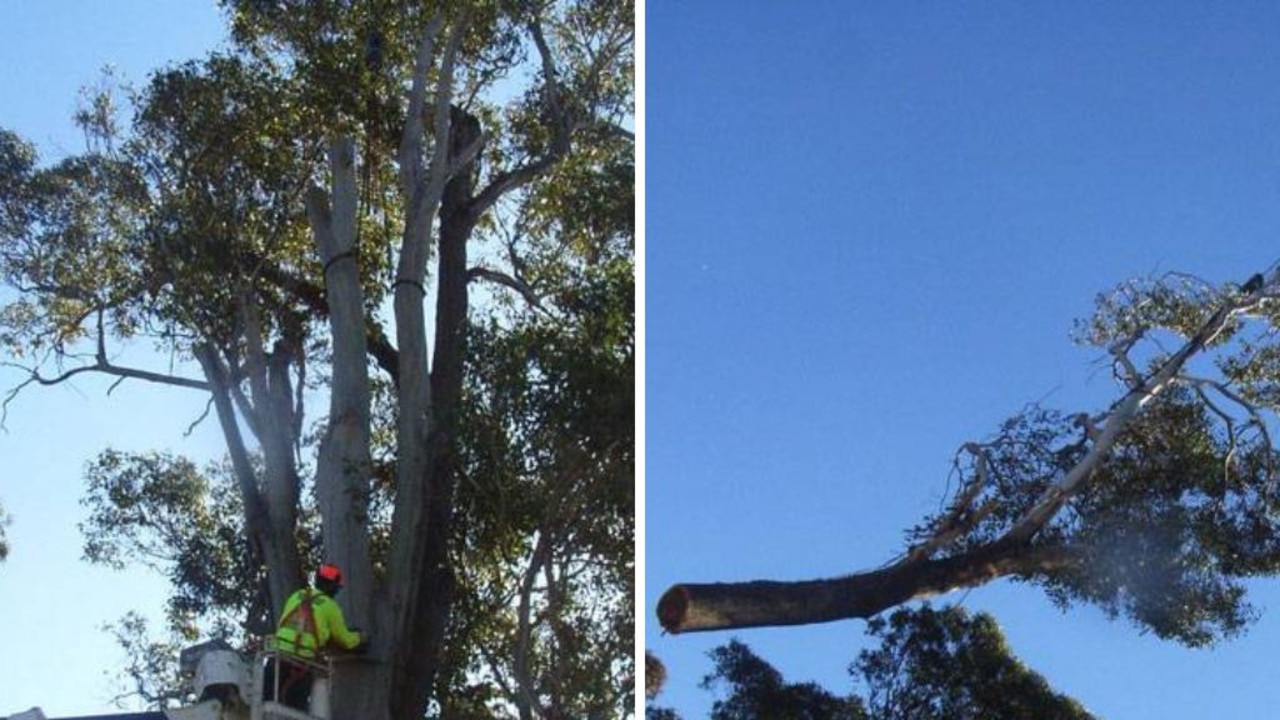
    The incident occurred at a residential construction site in Elderslie where company personnel were engaged in tree removal operations. Workers were tasked with pruning and removing several trees, including a 10-meter Celtis Australis specimen. Despite multiple toolbox meetings and verbal instructions to avoid designated exclusion zones during cutting operations, critical safety measures were absent from the worksite.

    Justice Ingmar Taylor’s investigation revealed that while witches’ hats demarcated the drop zone perimeter, the area lacked physical barriers, warning signage, or a dedicated spotter to monitor the most hazardous phases of the operation. The court heard that an experienced arborist was performing ‘step cutting’ procedures—a technique involving manual breaking and dropping of trunk sections—when the incident occurred.

    The injured worker, Guven Simsek, who had been employed with the family-run business for less than four months and possessed no formal arboriculture qualifications, entered the restricted area without authorization or work-related purpose. Although the arborist had previously noticed Simsek without proper head protection and instructed him to wear his helmet, the worker was struck in the head by a falling trunk section while looking downward within the drop zone.

    The impact resulted in significant head trauma subsequently diagnosed as a frontal lobe brain contusion. Justice Taylor emphasized that the risk of workers being struck by falling debris was both foreseeable and preventable through straightforward, cost-effective safety implementations. The judgment notably stated that verbal warnings represent the ‘lowest order of control’ and cannot substitute for physical safeguards, particularly when workers demonstrate inattention or disregard protocols.

    The court recognized the company’s immediate guilty plea, demonstrated remorse, and substantial post-incident safety enhancements as mitigating factors. These improvements included hiring safety specialists to overhaul protocols, implementing mandatory physical barriers and signage, requiring site supervisors to act as spotters, introducing rope-assisted branch lowering systems, and establishing annual external safety audits. The company reported no subsequent incidents since implementing these measures.

    In addition to the financial penalty, the court ordered payment of SafeWork NSW’s legal costs and directed that fifty percent of the fine be allocated to the regulatory authority.