标签: Oceania

大洋洲

  • UK police question suspect after car hits pedestrians in English city

    UK police question suspect after car hits pedestrians in English city

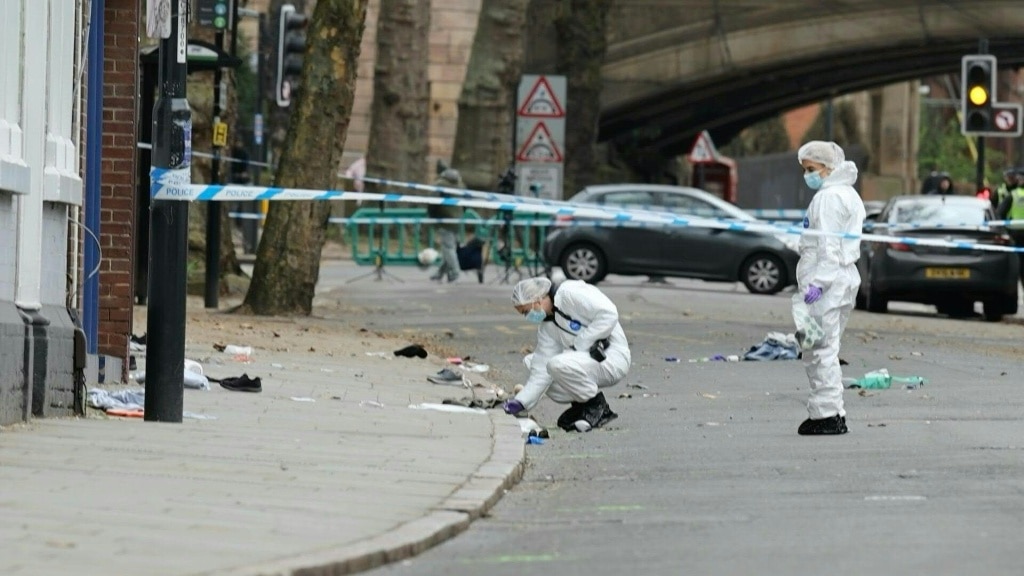
    British authorities in Derby are conducting intensive investigations following a vehicular assault that left seven pedestrians injured on Saturday night. The incident occurred at approximately 9:30 PM in the Friar Gate district, a popular nightlife area in the central English city.

    Police apprehended a 36-year-old male suspect, a long-term UK resident originally from India, within seven minutes of the incident. The rapid arrest was facilitated by eyewitness accounts tracking the movements of the black Suzuki Swift vehicle involved. The suspect remains in custody facing multiple charges including attempted murder, dangerous driving causing serious injury, and grievous bodily harm with intent.

    Chief Superintendent Emma Aldred confirmed that counter-terrorism specialists are supporting the investigation as standard protocol, but emphasized there is no current evidence suggesting terrorist motives. “This appears to be an isolated horrific incident with no wider risk to the public,” Aldred stated during a Sunday briefing.

    All seven victims sustained serious but non-life-threatening injuries and received treatment at Royal Derby Hospital and Queen’s Medical Centre in Nottingham. Authorities specifically countered online misinformation confirming no fatalities occurred.

    The UK Interior Ministry has declined to comment on the suspect’s immigration status while the investigation continues. This cautious approach follows lessons learned from the 2024 Southport stabbing case, where premature speculation about perpetrator background contributed to significant social unrest.

  • ‘No structural damage’: Dragons clear Kyle Flanagan of any major damage after terrifying scenes on the Gold Coast

    ‘No structural damage’: Dragons clear Kyle Flanagan of any major damage after terrifying scenes on the Gold Coast

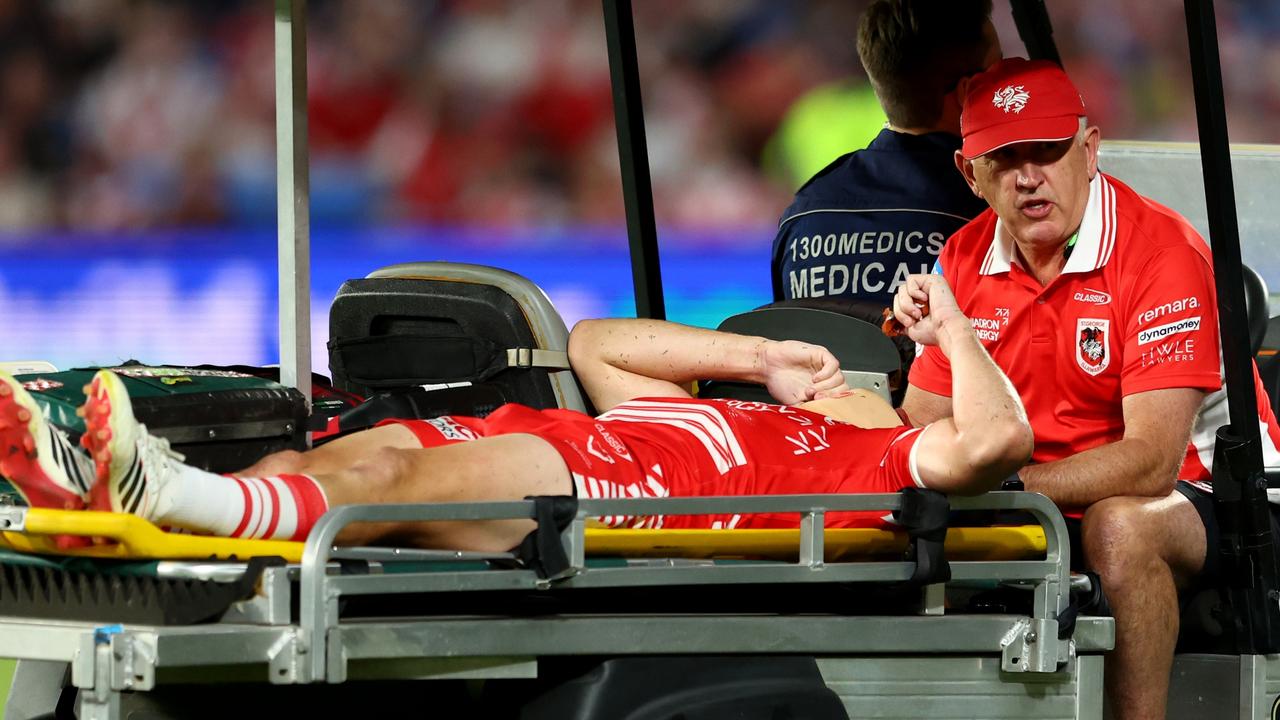
    St George Illawarra Dragons have issued a positive medical update concerning playmaker Kyle Flanagan, who sustained a severe head injury during Sunday’s NRL match against the Gold Coast Titans. The concerning incident occurred during the second half when Flanagan collided head-first with teammate Hayden Buchanan while executing a tackle, resulting in immediate medical intervention.

    Flanagan remained motionless on the field for approximately five minutes before being carefully immobilized and transported via medi-cab to Gold Coast University Hospital. The dramatic scene unfolded under the watchful eye of his father, Dragons head coach Shane Flanagan, who witnessed the incident from the coaching box.

    Medical imaging conducted overnight has confirmed the absence of structural damage to Flanagan’s neck or spine. Club officials reported the five-eighth maintained full movement and sensation in his extremities throughout the ordeal, though he did experience an extended period of unconsciousness following the collision.

    Despite the frightening nature of the injury, Flanagan has been cleared to travel home with the team while undergoing mandatory monitoring under the NRL’s strict concussion protocols. This medical oversight automatically rules him out of contention for Saturday’s upcoming match against the North Queensland Cowboys as the Dragons continue their search for their first victory of the 2024 season.

    The match itself concluded with Gold Coast securing their inaugural win under interim coach Josh Hannay, overcoming a halftime deficit to triumph 22-14. The victory came despite disciplinary action against Titans prop Moeaki Fotuaika, who received a grade one careless high tackle charge accompanied by a $1,000 fine.

  • ‘Shot of a lifetime’: March Madness as heavyweights Duke eliminated in one of the craziest finishes ever

    ‘Shot of a lifetime’: March Madness as heavyweights Duke eliminated in one of the craziest finishes ever

    In one of the most spectacular finishes in NCAA tournament history, the Connecticut Huskies engineered a miraculous comeback against top-seeded Duke, capped by an unbelievable game-winning shot that has instantly become March Madness legend. Trailing by 19 points and facing elimination, the Huskies mounted a furious rally that culminated in Braylon Mullins’ incredible three-pointer with merely 0.3 seconds remaining, securing a dramatic 73-72 victory and ending Duke’s championship aspirations.

    The game appeared destined for a conventional conclusion when Duke held a 72-70 advantage with ten seconds left, needing only to execute a simple foul strategy to secure their place in the Final Four. However, a critical defensive play by UConn resulted in a tipped pass and possession change, setting the stage for Mullins’ historic moment. The guard received the inbound pass and launched a desperation shot from well beyond the arc that found nothing but net, sending social media into a frenzy and cementing his place in tournament folklore.

    This stunning victory propels UConn into a Final Four confrontation with Illinois as the program seeks its third national championship in four years under the leadership of coach Dan Hurley. The victory exemplifies the unpredictable nature of the NCAA tournament, where a single possession can reverse fortunes and create enduring memories. March Madness, featuring 68 teams in a single-elimination format, continues to captivate audiences with its high-stakes drama and potential for life-changing moments, including the $1 billion prize offered for a perfect bracket prediction.

    While the tournament has produced numerous iconic moments throughout its history, Mullins’ game-winner against the nation’s top-ranked team, considering the magnitude of the occasion and the spectacular nature of the shot, immediately enters the pantheon of the most remarkable plays ever witnessed in college basketball.

  • Fugitive Dezi Freeman shot dead by Australian police after months on the run, reports say

    Fugitive Dezi Freeman shot dead by Australian police after months on the run, reports say

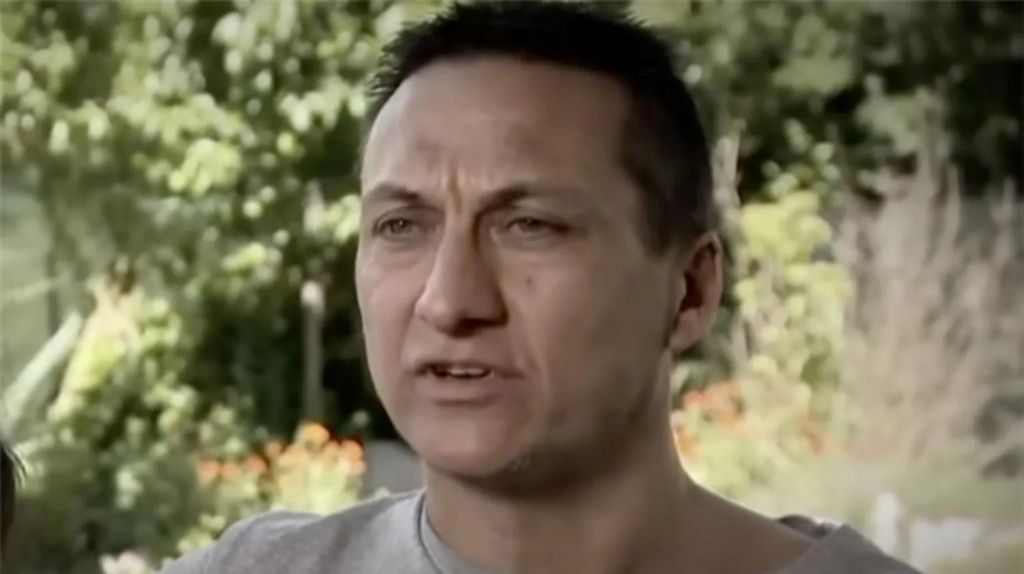
    Australian authorities have confirmed the fatal shooting of Dezi Freeman, ending a seven-month nationwide manhunt for the prime suspect in the killing of two police officers. The dramatic conclusion unfolded on Monday morning at a rural property in north-east Victoria, where specialized police units engaged the fugitive shortly after 8:30 AM local time.

    The 56-year-old Freeman, whose legal name was Desmond Filby, had evaded capture since August 26th when he allegedly executed Detective Senior Constable Neal Thompson and Senior Constable Vadim de Waart during a police visit to his Porepunkah residence. The officers were serving a search warrant related to child sex abuse investigations when the confrontation turned deadly.

    Victoria Police confirmed that no officers sustained injuries during Monday’s operation. The state coroner has been dispatched to the scene as part of standard investigative protocols following police-involved shootings.

    Freeman identified as a ‘sovereign citizen,’ part of an anti-government movement that rejects institutional authority and legal frameworks. His online presence revealed extensive conspiracy theory advocacy, which law enforcement sources suggest contributed to his violent resistance against police operations.

    The Police Association of Victoria issued a measured statement acknowledging the development while emphasizing that the resolution “doesn’t lessen the trauma” experienced by the fallen officers’ families and colleagues. The association characterized Freeman’s death as a “step forward” rather than closure for the grieving law enforcement community.

    Authorities have launched a comprehensive investigation into the circumstances surrounding Monday’s shooting, maintaining transparency about the procedures that led to the fatal encounter. The investigation will examine tactical decisions, operational protocols, and whether alternative resolutions were possible given Freeman’s documented history of violence and anti-authority ideology.

    The seven-month search operation involved one of Victoria’s most extensive bushland manhunts, with hundreds of officers combing through dense terrain near the original crime scene. Freeman’s ability to evade capture despite massive police resources had become a subject of national concern, raising questions about rural security and the challenges of tracking determined fugitives in Australia’s vast wilderness areas.

  • South Australia defeats Victoria in epic Sheffield Shield final at Junction Oval

    South Australia defeats Victoria in epic Sheffield Shield final at Junction Oval

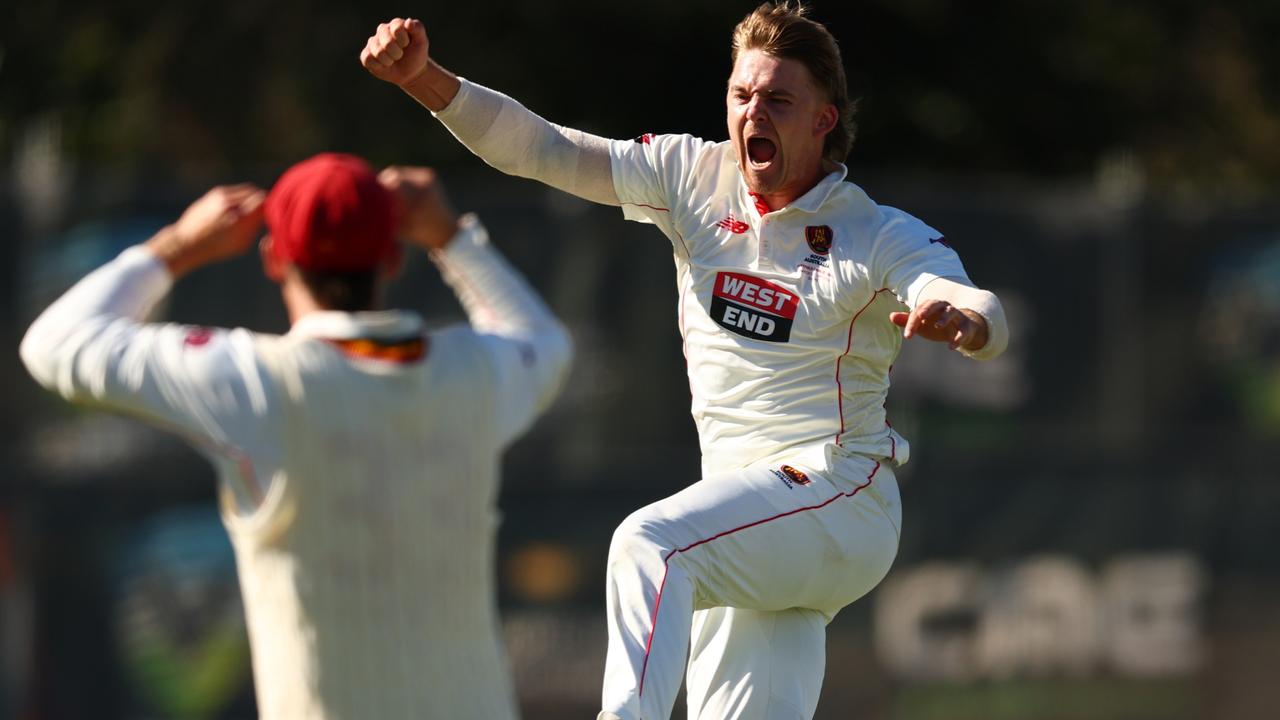
    In a stunning reversal of fortune, South Australia has secured back-to-back Sheffield Shield championships for the first time in its storied cricketing history, defeating Victoria by 56 runs in a dramatic finale at Melbourne’s Junction Oval.

    The five-day contest reached its climax on Monday morning as South Australia’s bowling attack dismantled Victoria’s batting lineup, capturing five crucial wickets in rapid succession during the final session. The victory marks an unprecedented achievement for South Australia, who had never before claimed consecutive titles in the competition’s long history.

    Victoria appeared poised for victory after establishing a commanding 63-run first-innings advantage and reducing South Australia to a precarious 5-16 early in their second innings. The match turned decisively on day four through the heroic partnership of Alex Carey, who crafted a masterful 103 runs, and Nathan McAndrew, whose valuable 60 runs provided critical resistance.

    Requiring 94 runs for victory at the start of the final day’s play, Victoria’s hopes quickly unraveled as South Australia’s pace bowlers dominated proceedings. Liam Scott initiated the collapse by capturing Todd Murphy’s edge, while McAndrew compounded the damage by removing Mitch Perry in his opening over.

    The match featured several pivotal moments, including a controversial dismissal of Ollie Peake—whose bat potentially obstructed the camera view on a close no-ball review—and the premature exit of Victorian captain Will Sutherland, caught at slip after facing just 11 deliveries.

    McAndrew received Player of the Match honors for his all-round excellence, contributing six wickets alongside his vital second-innings runs. South Australian captain Nathan McSweeney acknowledged the game-changing partnership between Carey and McAndrew, noting how it transformed the team’s belief when defeat seemed imminent.

    The victory sparked jubilant celebrations among the South Australian contingent, cementing their status as the premier team in Australian domestic cricket and establishing a new chapter in the state’s sporting legacy.

  • Russian tanker heads to Cuba despite US oil blockade

    Russian tanker heads to Cuba despite US oil blockade

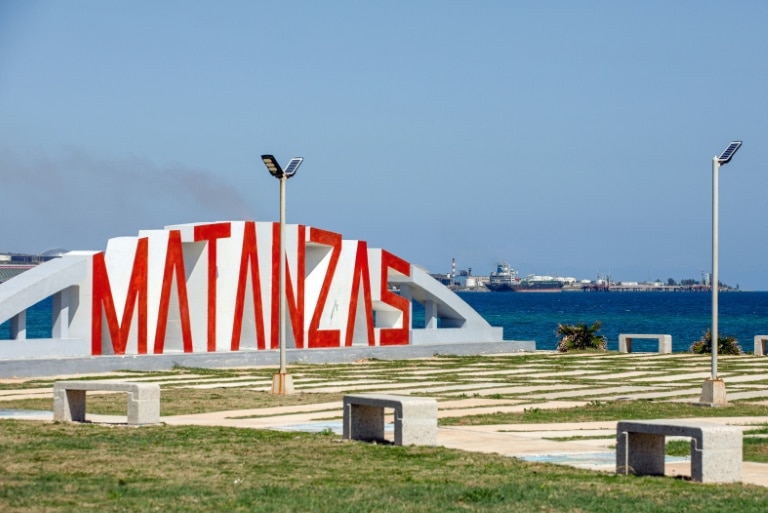
    A Russian-flagged oil tanker, the Anatoly Kolodkin, is poised to dock in Cuba on Tuesday, marking a direct challenge to U.S. sanctions and its de facto fuel blockade of the island nation. Despite being under U.S. sanctions, the vessel is transporting 730,000 barrels of crude oil to the port of Matanzas, offering a temporary reprieve for Cuba’s severe energy crisis.

    According to data from maritime tracker MarineTraffic, the tanker was navigating off Cuba’s eastern coast on Sunday. Its arrival will constitute the first major oil shipment to reach Cuba since January, following the loss of its primary oil supplier, Venezuela, after the U.S. captured socialist leader Nicolas Maduro.

    The situation has escalated into a geopolitical standoff. U.S. President Donald Trump has repeatedly threatened action against Cuba, stating at a recent Miami forum that ‘Cuba is next’ and previously musing about imposing tariffs on nations supplying oil to the island. However, expert analysis suggests the window for U.S. interception has closed. Jorge Pinon, a Cuba energy specialist at the University of Texas at Austin, noted that once the vessel enters Cuban territorial waters, stopping it becomes ‘almost impossible’ for the U.S. government. This assessment appears validated by reports from The New York Times, citing a U.S. official, that the Coast Guard is permitting the passage.

    The delivery arrives amid a dire situation in Cuba. President Miguel Diaz-Canel has enacted strict fuel rationing and emergency measures to conserve energy. The population of 9.6 million faces daily power outages, soaring fuel prices, crippled public transport, and a series of nationwide blackouts in 2024 that have sparked rare public protests. The country’s fragile economy is further strained by suspended airline flights.

    The Anatoly Kolodkin, which departed the Russian port of Primorsk on March 8, was initially escorted by a Russian navy ship through the English Channel before proceeding alone across the Atlantic. Meanwhile, a separate vessel, the Hong Kong-flagged Sea Horse, which was suspected of carrying Russian diesel to Cuba, diverted to Venezuela instead.

    While the crude delivery is critical, it is not an immediate solution. Pinon estimates it will take 15-20 days to process the oil and another 5-10 days to distribute the refined products. The most pressing need is diesel, which this shipment could potentially be converted into approximately 250,000 barrels of—enough to meet national demand for just 12.5 days. The Cuban government now faces a difficult allocation decision: whether to prioritize diesel for backup power generators to reduce blackouts or for the transportation sector to keep essential economic functions operational.

  • ‘It actually isn’t a hip drop’: Ivan Cleary rules out judiciary return as Panthers accept one-match ban for premiership star

    ‘It actually isn’t a hip drop’: Ivan Cleary rules out judiciary return as Panthers accept one-match ban for premiership star

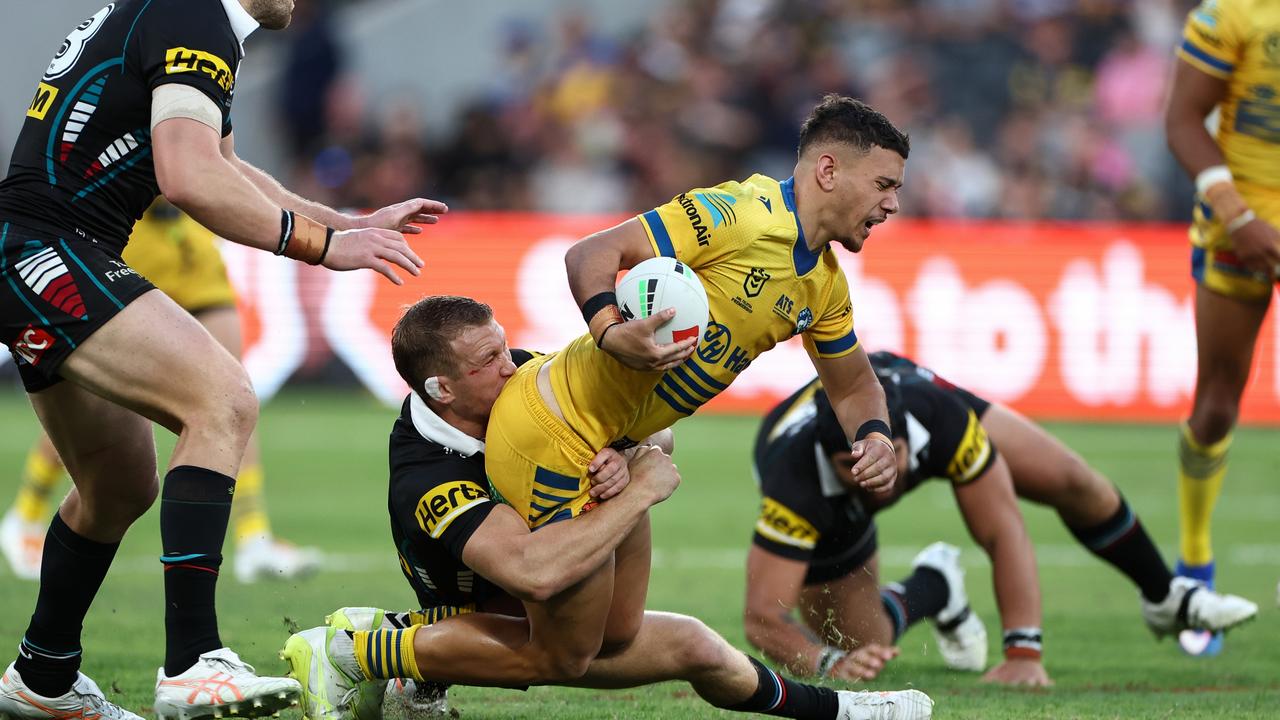
    Penrith Panthers coach Ivan Cleary has confirmed the club will not contest Mitch Kenny’s one-match suspension, despite maintaining strong objections to the dangerous contact classification. The decision comes after Kenny’s sin-bin offense during Saturday’s match against Parramatta Eels, which resulted in a syndesmosis injury for fullback Isaiah Iongi.

    Cleary expressed significant frustration with the NRL’s judicial process, particularly regarding the interpretation of hip-drop tackles. “It actually isn’t a hip drop, it’s dangerous contact,” Cleary stated, highlighting what he perceives as inconsistent application of rules. “What once was a hip drop or still is a hip drop is now dangerous contact. That’s been brought into that context.”

    The controversy emerges just one week after Dragons forward Ryan Couchman received a four-match suspension for a hip-drop tackle that ended Eels star J’maine Hopgood’s season with an ACL injury. Cleary suggested that injury outcomes disproportionately influence disciplinary decisions, remarking, “if there’s a body, someone killed him.”

    With Kenny serving his suspension during Friday’s crucial match against Melbourne Storm, off-season recruit Freddy Lussick is poised to make his debut at hooker. Cleary praised Lussick’s pre-season performance, describing him as “one of the fittest guys I’ve ever seen” who “turned up with a great attitude” and “made every post a winner every day.”

    The Panthers face a formidable challenge against the Storm, who are seeking redemption after consecutive losses despite commanding second-half leads. Cleary specifically identified Storm fullback Sua Fa’alogo as a significant threat, noting his “electric” playing style and “incredible ability to beat people.” However, with Penrith having conceded only 30 points through four rounds, the team remains confident in their defensive capabilities.

    Cleary’s decision to avoid judiciary proceedings follows his successful defense of son Nathan earlier this year, indicating strategic consideration of the NRL’s current disciplinary climate.

  • Hungary’s anxious rural voters will decide Orban’s fate

    Hungary’s anxious rural voters will decide Orban’s fate

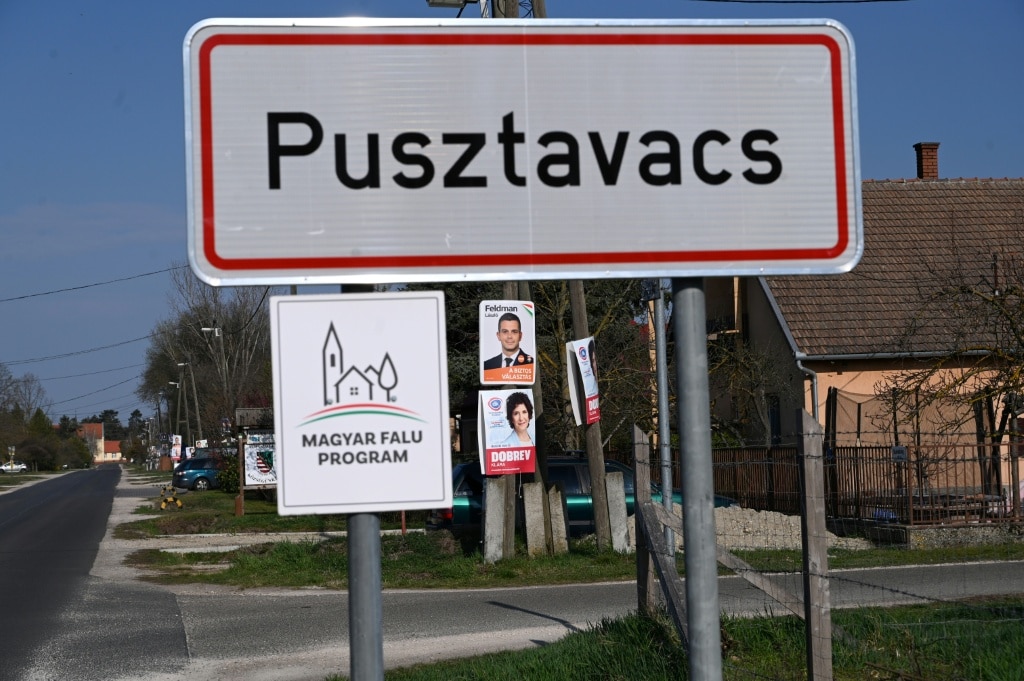
    In the Hungarian countryside, where half the nation’s 9.5 million residents reside, a profound political transformation is underway ahead of the pivotal April 12 parliamentary elections. For decades, rural communities like the village of Pusztavacs served as unwavering strongholds for Prime Minister Viktor Orbán’s Fidesz party. Now, economic stagnation, corruption allegations, and the emergence of charismatic opponent Péter Magyar have triggered what analysts describe as a rural ‘political awakening’ that could end Orbán’s 14-year reign.

    The political landscape reveals deep voter ambivalence. While some residents credit Orbán’s government with infrastructure improvements and family support programs, others express growing discontent over economic conditions and fears about Hungary’s involvement in neighboring Ukraine’s conflict. Orbán’s campaign has strategically amplified these security concerns, flooding government-friendly media with warnings that opposition parties would drag Hungary into war—a claim both the EU and Magyar’s Tisza party vehemently deny.

    Magyar’s anti-corruption message and nationalist-conservative positioning have resonated unexpectedly in traditional Fidesz territories. His Tisza party currently leads opinion polls, with sociologists noting his effective adoption of conservative values that appeal to rural constituencies. Electoral analysts emphasize that victory requires conquering rural districts, comparing Magyar’s challenge to a ‘Himalayan expedition’ where urban support constitutes merely the base camp.

    Personal stories highlight this political shift. A middle-aged reserve soldier in Pusztavacs who previously supported Fidesz now regrets his vote, while pensioner László Budavari plans to support Tisza because his three daughters threaten emigration if Orbán wins a fifth term. Yet Orbán retains loyalists like 86-year-old Mária Balogh, who believes the prime minister ‘provides rather than takes away’ despite courts ruling her fears about pension taxes under Magyar as groundless.

    This electoral battle ultimately represents a fundamental choice between continuity and change, with Hungary’s rural voters positioned as the decisive arbiters of the nation’s political future.

  • Two Australian states offer free public transport as war pushes up fuel prices

    Two Australian states offer free public transport as war pushes up fuel prices

    In response to skyrocketing fuel prices triggered by Middle East conflicts, two Australian states have announced unprecedented free public transport initiatives. Victoria and Tasmania are implementing temporary fare-free periods to alleviate financial pressure on commuters and reduce road traffic.

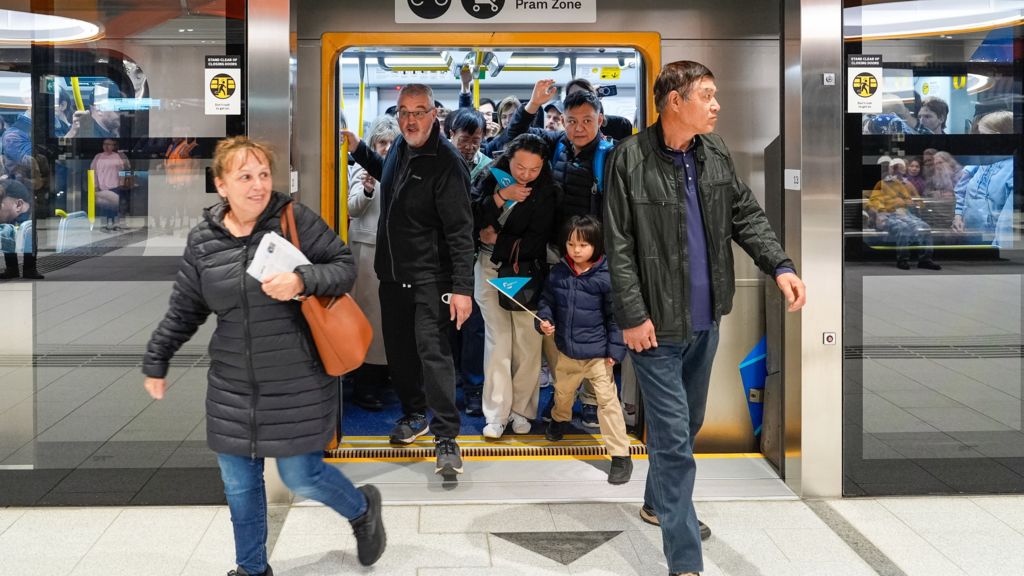
    Victoria Premier Jacinta Allan confirmed that all train, tram, and bus services will be completely free throughout April. “This immediate measure won’t resolve every challenge, but it provides crucial relief for Victorians during this difficult period,” Allan stated on Saturday. The initiative aims to decrease dependency on private vehicles as petrol prices continue their upward trajectory.

    Simultaneously, Tasmania announced an even more extensive program, eliminating fares on coaches, buses, and ferries from Monday through June’s end. Premier Jeremy Rockliff emphasized that “rising fuel costs significantly impact family budgets, prompting our decisive action to protect Tasmanians.” The island state will additionally waive school bus fees, generating approximately A$20 weekly savings for affected families.

    This policy divergence highlights regional variations in addressing the fuel crisis. New South Wales Transport Minister John Graham indicated his state reserves resources for potential extended disruptions, noting “this situation will likely persist beyond a single month.” Other states including South Australia, Queensland, and Western Australia have implemented alternative measures such as expanded senior travel benefits, previously introduced flat fares, or historical fare reductions.

    The national context reveals severe price inflation, with average petrol costs surging from A$2.09 to A$2.38 per litre within one month according to Australian Institute of Petroleum data. Although supply chain issues aren’t cited as primary concerns, international oil market volatility continues driving domestic price increases.

    Globally, Australia joins multiple nations implementing conservation measures following the effective closure of the Strait of Hormuz—a critical waterway handling 20% of global oil and gas shipments. Egypt has mandated early business closures and remote work policies, Ethiopia placed non-essential government staff on leave, and the Philippines declared a national emergency incorporating transport subsidies and reduced government operational days.

  • War in the Middle East: latest developments

    War in the Middle East: latest developments

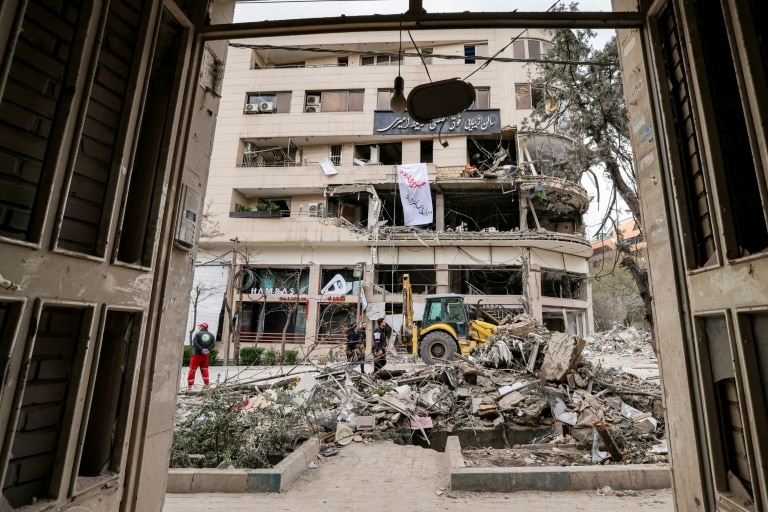
    The Middle East conflict has entered a new phase of heightened escalation with a series of significant military and diplomatic developments unfolding across the region. Overnight, Israeli forces targeted a key ballistic missile production facility in Tehran operated by Iran’s defense ministry, marking the latest in a series of strikes against Iranian military infrastructure since hostilities began on February 28.

    The conflict has expanded beyond direct Iran-Israel engagements, with Yemen’s Houthi rebels launching missiles and drones toward Israeli targets, drawing condemnation from France for further escalating regional tensions. In response to the widening conflict, Bahrain implemented a maritime curfew from 6:00 pm to 4:00 am local time to enhance coastline security against what it termed ‘blatant Iranian aggression.’

    Diplomatic efforts are underway as foreign ministers from Pakistan, Saudi Arabia, Egypt, and Turkey initiated talks with Islamabad mediating between the United States and Iran. The multilateral discussion aims to address the evolving regional situation and mutual concerns among Muslim nations.

    Iranian officials have made several significant threats, with Parliament Speaker Mohammad Bagher Ghalibaf accusing the United States of secretly planning ground operations despite public diplomatic efforts. Separately, Iran’s navy chief warned that the USS Abraham Lincoln aircraft carrier would be targeted if it enters Iranian range.

    The conflict has taken a toll on media personnel, with Qatari news network Al Araby TV reporting its Tehran office building was struck by an Israeli missile, wounding ten people according to the Iranian Red Crescent. The network condemned the attack on a civilian commercial building as a violation of international law. Meanwhile, Lebanon held funerals for three journalists killed by an Israeli strike, drawing criticism from French officials who called potential deliberate targeting of journalists ‘extremely serious.’

    Religious tensions emerged as Israeli police prevented Jerusalem’s Latin Patriarch from celebrating Palm Sunday at the Church of the Holy Sepulchre, prompting condemnation from Italian and French leaders who cited violations of religious freedom. Israeli Prime Minister Benjamin Netanyahu later stated the action was taken out of concern for the cardinal’s safety.

    Additional strikes hit the Iranian port city of Bandar Khamir near the strategic Strait of Hormuz, killing five people according to Iranian state media. The Revolutionary Guards claimed retaliatory strikes on aluminum plants in Bahrain and the UAE, describing them as facilities connected to US military and aerospace sectors.

    The human cost continued to mount with the Israeli army announcing the death of a fifth soldier in combat in south Lebanon. Iran’s Revolutionary Guards also threatened US universities in the Middle East following claims that US-Israeli strikes destroyed two Iranian universities, prompting the American University of Beirut to move to online instruction.

    Amid the tensions, two Indian-flagged LPG tankers successfully navigated through the Strait of Hormuz—a critical chokepoint that Iran has largely closed to maritime traffic—carrying approximately 94,000 tonnes of combined cargo toward India’s coast.