标签: Oceania

大洋洲

  • Fair Work Commission orders retailers, supermarkets compensate truck drivers for fuel shocks

    Fair Work Commission orders retailers, supermarkets compensate truck drivers for fuel shocks

    A landmark ruling from Australia’s Fair Work Commission (FWC) has mandated the nation’s largest retailers, supermarket chains, and other major businesses across manufacturing and mining to adjust road transport payment rates starting Tuesday, forcing big business to absorb soaring fuel costs that have disproportionately hit independent truck drivers and small fleet operators amid ongoing Middle East conflict-driven market volatility.

    This binding order marks the first official intervention under the Albanese government’s fuel pricing amendments, which were fast-tracked through federal parliament earlier this year to address sudden global energy market shocks. Australian Workplace Relations Minister Amanda Rishworth framed the decision as a critical step toward advancing workplace fairness, noting that truck drivers should never be forced to absorb the cost of global fuel disruptions that are entirely outside of their control.

    “By requiring fuel price changes to be reflected in transport rates, this order helps protect hard working truckies and small businesses from being pushed to the brink,” Rishworth said. She added that the mandate complements the government’s existing National Fuel Security Plan, which aims to mitigate fuel supply disruptions and keep essential goods moving across the country’s domestic supply chains.

    The FWC built in targeted flexibility and safeguards to avoid unnecessary market disruption: the compensation requirements will automatically lapse when diesel prices drop below AU$2 per litre, and the commission will conduct a full review after the first month of implementation, with follow-up reviews every three months to confirm the order remains appropriate for current market conditions. The commission also acknowledged that existing industry-specific payment arrangements can be accommodated where they meet the core requirement of passing through fuel price adjustments.

    In its published ruling, the FWC detailed the severe financial pressure that skyrocketing diesel costs, amplified by Middle East tensions between the U.S. and Iran despite a soon-to-expire ceasefire, have inflicted on owner-drivers, small fleet operators, and non-employee road transport workers. Historically, fuel costs made up 20% to 30% of total operational costs for road transport businesses; that share has now surged to between 40% and 50%, according to the commission’s findings.

    “For those who have been unable to recover the increased cost of fuel (either for a period or at all), the effect has been significantly detrimental to them,” the FWC’s ruling stated. “Generally, it has seriously reduced the incomes and living standards of owner-drivers and road transport employee-like workers, with consequential effects on their families, and has affected the capacity of small fleet operators to generate any returns on their businesses. For many, it has been or will be necessary for them to ‘park their trucks’ and cease operating their businesses since otherwise they will be operating at a loss.”

    The commission also warned that widespread business collapse among small road transport operators would trigger broader national supply chain disruption, reducing the industry’s overall capacity to meet the transportation needs of the entire Australian economy.

    Notably, the ruling does not explicitly exclude rideshare and on-demand delivery workers for platforms such as Uber, Uber Eats and DoorDash, even though they are not named directly in the published order. The three platforms submitted formal arguments to the FWC requesting that their workers be excluded from the mandate, or that their existing temporary fuel adjustment policies be recognized as compliant. Earlier this month, Uber rolled out a temporary 5% fuel surcharge for customers to offset higher fuel costs for its drivers. The FWC also rejected procedural fairness claims from industry groups including the Australian Industry Group and NatRoad, which argued they had not been given adequate opportunity to contribute to the ruling process.

  • Watch: Trapped boy dangles from moving bus in Australia

    Watch: Trapped boy dangles from moving bus in Australia

    A terrifying incident has stunned communities across Australia after a young boy escaped with no injuries despite being trapped between the rear doors of a moving school bus and dangling outside the vehicle for hundreds of meters.

    Emergency services and eyewitnesses have confirmed that the child’s arm and school backpack became caught in the closing mechanism of the bus’s back doors as the vehicle pulled away after a routine stop. Instead of stopping immediately, the bus continued along its route, dragging the boy along for a total distance of 350 meters while he hung exposed outside the moving vehicle.

    Footage of the incident, which has circulated widely in local media, shows the child dangling precariously beside the bus as it traveled, prompting shock and concern from onlookers who watched the scene unfold. Miraculously, once the bus finally came to a stop and the doors were opened to free the boy, emergency responders confirmed he had not suffered any physical harm from the terrifying ordeal.

    Local education and transport authorities have launched an immediate investigation into the incident, focusing on how the safety failure occurred and what steps can be taken to prevent similar near-tragedies from happening in the future. The incident has also sparked renewed conversation about school bus safety protocols, including pre-departure checks and door maintenance, to protect student passengers across the country.

  • Hit reality show helps rev up Japan’s delinquent youth subculture

    Hit reality show helps rev up Japan’s delinquent youth subculture

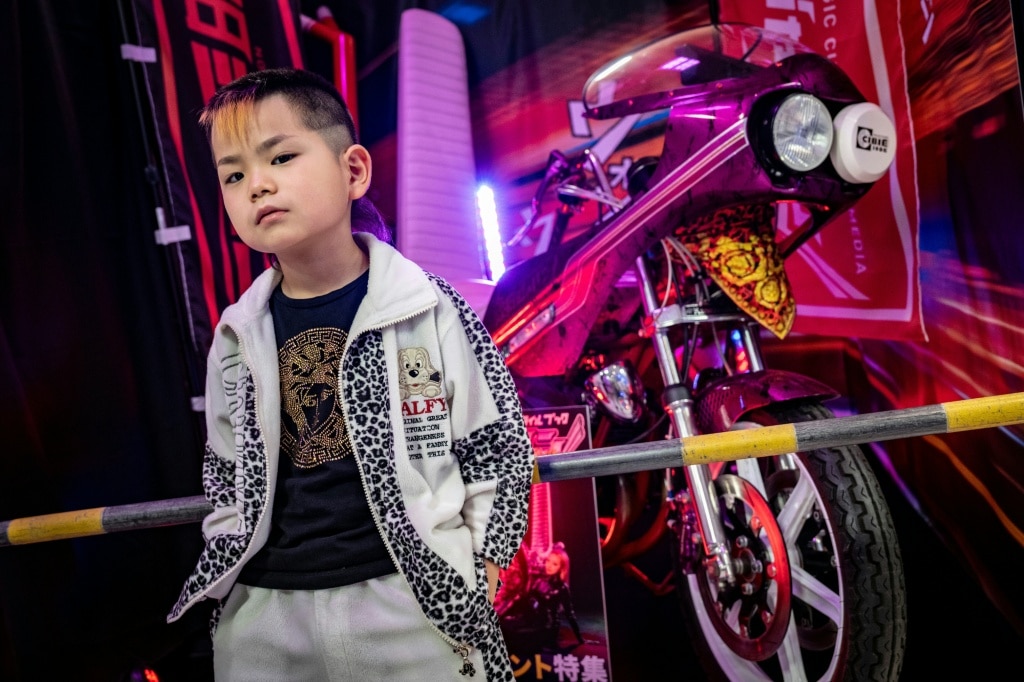
    Decades after Japan’s iconic 1980s delinquent subculture faded from the streets, a surprise global hit reality dating series on Netflix has sparked a resurgence of fascination with the ‘yankii’ counterculture, drawing both new fans and enduring criticism across the country. Today, young Japanese enthusiasts like 15-year-old Reona are embracing the iconic aesthetic of the original yankii movement: towering Elvis-inspired pompadours, altered school uniforms that emphasize a rebellious silhouette, and baggy trousers designed to project an imposing, tough persona. For Reona, the allure lies in the unapologetic boldness of the 1980s generation of rebels. ‘I think their hardcore manliness on full display is so cool,’ he told reporters, drawing a sharp contrast between the original yankii movement and the shallow, online-focused delinquency that dominates modern youth culture. Born from the economic boom and social unrest of 1980s Japan, the original yankii movement was defined by hot-blooded teens who rejected rigid social conformity through reckless motorcycle rides, inter-school clashes, and large-scale street brawls. The movement’s signature ‘bosozoku’ motorcycle gangs, flamboyant custom bikes, and embroidered military-style ‘tokkofuku’ jackets became cultural symbols, alongside widely celebrated traits like loyalty to friends, chivalry, and unfiltered straightforwardness. Despite longstanding disapproval from Japan’s generally conformist mainstream society, yankii culture has remained a staple of Japanese pop fiction, spanning hit anime, manga, and feature films. Now, Netflix has broken new ground by bringing the subculture out of fiction and into unscripted reality with its series *Badly in Love*, which follows 11 young people with past delinquent ties, including former bosozoku members, as they navigate dating. To coincide with the show’s viral success, a yankii-themed exhibition is currently running in Tokyo, recreating the chaotic energy of the 1980s movement through displays of custom motorcycles and authentic tokkofuku garments. The resurgence of interest in classic yankii culture comes as many young Japanese people openly dismiss modern youth delinquency as cowardly and unprincipled. Unlike the 1980s rebels, who fought openly and faced consequences for their actions, modern delinquents are often criticized for chasing TikTok clout through petty pranks, engaging in online bullying, and running ‘black market part-time jobs’ that scam vulnerable elderly citizens. High-profile incidents like the so-called ‘sushi terrorism’ pranks, where teen customers posted viral videos of unhygienic stunts at conveyor-belt sushi restaurants, have drawn particular condemnation from classic yankii fans. ‘Getting arrested for riding around your motorcycle may have some honour, but getting arrested for those sushi pranks is plain lame,’ Reona said. Even many parents of young yankii enthusiasts draw clear lines between embracing the subculture’s aesthetic and endorsing harmful behavior. Hirotaka Sotooka, a 43-year-old Tokyo resident whose 8-year-old son has developed a fascination with gangster-style yankii fashion, says he tolerates the aesthetic and even appreciates the culture’s focus on loyalty, but sets firm boundaries. ‘I don’t want him to bully the weak, be violent toward women or do anything purely evil,’ Sotooka explained during a February visit to the Tokyo yankii exhibition, where he watched his son pose for photos in front of a vintage bosozoku-style motorcycle. ‘Otherwise it’s his life to enjoy.’ While interest in the yankii aesthetic has grown, the actual bosozoku biker gangs that defined the 1980s movement have all but disappeared. Official Japanese police data shows the total number of bosozoku members has plummeted nearly 90% from the 1982 peak, dropping to just 5,880 active members in 2024. Kenichiro Iwahashi, a former bosozoku biker who now works as a delinquency researcher, says widespread surveillance is the biggest driver of the decline. ‘Surveillance cameras are now everywhere and everyone films you on an iPhone and leaves proof of your act,’ he explained. As a result, the hardcore, unlicensed, helmet-free bosozoku gangs that dominated 1980s streets are ‘almost non-existent today.’ In mainstream Japanese society, real-world yankii culture still remains deeply stigmatized, with many critics arguing that it normalizes rule-breaking and can lead to lifelong criminal activity. Satoru Saito, a popular 33-year-old comedian who performs under a yankii persona complete with a towering quiff, shaved eyebrows, and authentic tokkofuku, says he regularly faces online harassment from people who condemn his ‘anti-social’ aesthetic. ‘For some people, this is a hard no,’ he said. ‘Most of these yankii folks are doing things like fighting or committing crimes, and the act of riding motorcycles at midnight can be extremely noisy, so I get why they are hated.’ That stigma makes *Badly in Love* a particularly audacious project that no mainstream Japanese TV network would have agreed to produce, according to veteran entertainment journalist Motohiko Tokuriki. While yankii-themed fiction like *Tokyo Revengers* and *Crows* has long been popular as escapist fantasy, airing unscripted content featuring real former delinquents would have ‘risked exposing TV stations to criticism from the public that they are endorsing the yankii culture,’ Tokuriki explained. Aware of the public backlash risk, Netflix took extra steps to avoid sensationalizing or glorifying delinquency, going far beyond basic legal compliance to contextualize cast members’ past mistakes. ‘We had extensive internal discussions… to ensure the production would not be perceived as glorifying or condoning the violence,’ said Dai Ota, the show’s executive producer. The gamble has paid off: *Badly in Love* has spent weeks on Netflix’s global top 10 most-watched list, earning large audiences across South Korea, Taiwan, Hong Kong, and other international markets, with a second season set to premiere later this year. Ota says the show’s core goal is not to celebrate delinquency, but to humanize young people who have long been marginalized as social outcasts. ‘Our hope was to show that these young people — who have often been marginalised or labelled as ‘social outcasts’ — are simply youths who worry, struggle and genuinely grow,’ he explained. For many cast members, that framing aligns with their own perspective on their pasts. Otoha, a 23-year-old Season 1 participant who has the tough, heavily tattooed exterior stereotypical of yankii culture, says she is actually an introvert who now sees her past delinquent behavior as embarrassing. ‘I’d like people not to admire us, but take us as their anti-role model,’ she told reporters.

  • Australian businesses urge government to slash $160bn red tape burden

    Australian businesses urge government to slash $160bn red tape burden

    A coalition of almost 30 leading Australian business industry groups is pushing for sweeping regulatory reform ahead of the federal government’s upcoming budget, warning that crippling red tape currently costs the national economy $160 billion annually and is pushing struggling businesses to the breaking point.

    Leading the coalition’s pre-budget submission, Business Council of Australia chief executive Bran Black told reporters that businesses of all sizes, just like household consumers, are grappling with mounting cost pressures amid global economic uncertainty. He laid out the startling example of overburdened licensing requirements that illustrate the scope of the problem: cafes in New South Wales must secure 25 separate permits just to operate and serve a basic cup of coffee, while Victorian food service businesses are forced to obtain 37 distinct licences to open their doors.

    “We’re seeing that there are extraordinary costs that businesses are incurring right across the economy, and it doesn’t matter if you’re in farming or in retail or in small business, you’re seeing those challenges,” Black said.

    Black is calling on the federal government to adopt an official national target to cut unnecessary red tape by 25% by 2030, a goal aligned with ongoing regulatory reform efforts across European nations that have struggled with their own bureaucratic bloat. He emphasized that the timing for reform is critical, as global economic volatility driven by ongoing conflicts such as the crisis in the Middle East has amplified existing cost pressures for Australian businesses.

    Wes Lambert, director of the Council of Small Business Organisations Australia (COSBA), echoed Black’s urgency, noting that small operators across the country are “drowning” under overlapping bureaucratic requirements that show no sign of easing despite government claims of progress. Lambert cited research from the Australian Institute of Company Directors, which confirms that overlapping rules and regulations from local, state and federal levels of government combine to create the $160 billion annual drag on Australian business output.

    Black added that the upcoming May federal budget represents a make-or-break opportunity to address longstanding complaints about regulatory burden, a demand the business community has raised for years but that has grown more urgent amid global market instability.

    In response to the coalition’s proposal, Finance Minister Katy Gallagher confirmed that the current government plans to prioritize targeted regulatory reform in the upcoming budget, but rejected calls for broad, across-the-board cuts. “One of the things about regulatory reform is the government’s keen to do something where it makes sense, where it improves outcomes, where it delivers better regulation,” Gallagher told ABC Radio on Monday. “It’s not just a ‘cut all regulation and see how it goes’, so we’re working with their ideas as well as ideas across the government.”

  • AFL 2026: St Kilda CEO Andrew Bassat defends Ross Lyon’s media style

    AFL 2026: St Kilda CEO Andrew Bassat defends Ross Lyon’s media style

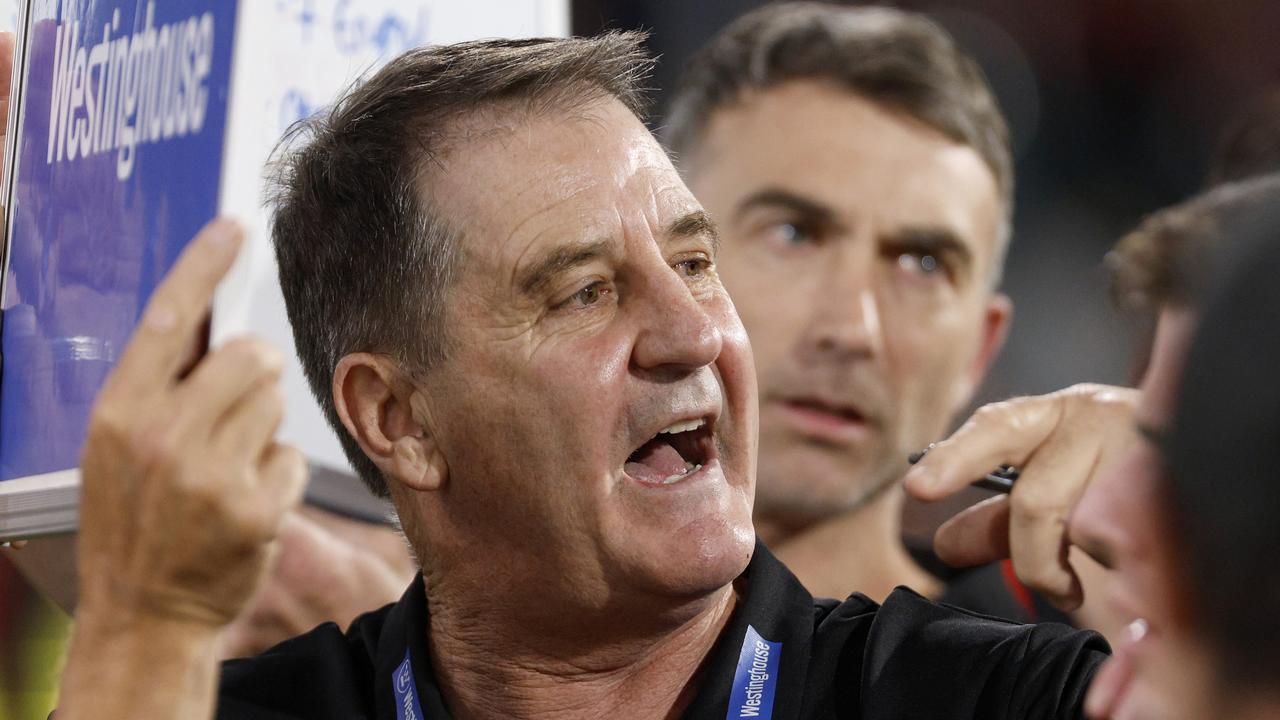
    A fresh controversy has erupted in Australian Football League (AFL) circles following a fiery post-match exchange between coach Ross Lyon and reporters, with St Kilda’s top executive stepping forward publicly to back the embattled coach. The drama unfolded after the Saints suffered a gut-wrenching one-point defeat to Adelaide on Saturday night, where Lyon pushed back against media questioning in a tense press conference that quickly divided opinion across the football community.

    In the tense press briefing, Lyon stood by his claim that the St Kilda side had shown clear improvement despite underwhelming early season results that leave the club with a 2-5 win-loss record halfway through the opening round of fixtures. The coach went as far as pressing reporters to recall the final ladder positions of each of the Saints’ opponents from the previous season, a standoff that sparked widespread debate across the sport.

    The criticism reached a peak when former AFL player and prominent player agent Liam Pickering called on sports journalists to boycott Lyon’s future press conferences in response to the coach’s confrontational approach. But St Kilda president Andrew Bassat has doubled down on the club’s support for Lyon, defending both the coach’s stance and his unfiltered style of media engagement in an interview with ABC Melbourne on Monday.

    “Ross is a fascinating guy, and I personally love working with him. He’s incredibly driven, hungry to win, and has that relentless edge every top coach needs,” Bassat explained. “It’s worth remembering just how unforgiving the position is: we walked away from a one-point heartbreaker, with almost no luck down the stretch, and immediately he has to stand in front of a room of reporters to answer questions.”

    Bassat acknowledged that Lyon reacts very differently depending on the quality of questioning he receives, confirming that the coach’s famous line — “ask stupid questions, win stupid prizes” — is a genuine reflection of his approach to media interactions. “He’s far more responsive when the questions are intelligent and fair, that’s no secret. I’ve been on the receiving end of that sharpness myself when I’ve asked a question he thinks misses the mark,” Bassat said. “The truth is, he’s just more honest than most coaches when he thinks a question isn’t worth answering. That’s just who he is.”

    Beyond the controversy over the press conference, Bassat also opened up about his mixed views on the AFL’s new Opening Round concept, which gave selected clubs early starts to their home-and-away season this year. St Kilda was chosen to feature in the opening round, drawing the club’s largest ever home-and-away crowd for a match against Collingwood at the Melbourne Cricket Ground. The big turnout was a win for the club, even if they walked away with a loss, but Bassat still has lingering reservations about the restructured opening to the season.

    “I’m a bit torn on the whole idea, to be honest,” Bassat admitted. “I don’t love that it creates an uneven start to the season for different clubs and messes with the structure of bye rounds later in the year. That said, if the league is going to have an Opening Round, we absolutely wanted to be part of it — we asked the AFL for a spot, and they agreed. It gave us a fantastic chance to play in front of a huge crowd, even if we didn’t get the result we wanted. If I’m being honest, I’d rather we didn’t have the concept at all, but if we’re going to have it, I’m glad we were included.”

  • ‘See what happens’: Matt Burton addresses Bulldogs future as club seeks answers following shock loss to Parramatta

    ‘See what happens’: Matt Burton addresses Bulldogs future as club seeks answers following shock loss to Parramatta

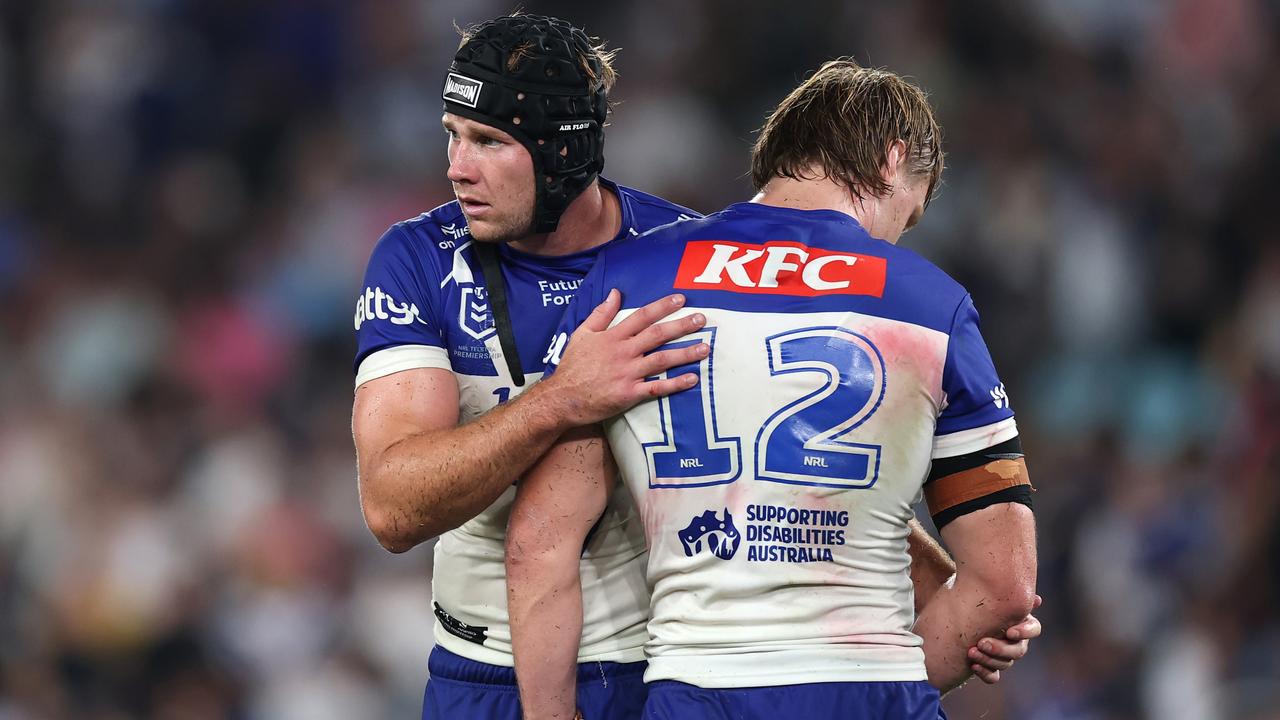
    The National Rugby League (NRL) side Canterbury Bulldogs are still searching for answers after their stunning upset defeat to the Parramatta Eels over the weekend, while star five-eighth Matt Burton has moved to shut down persistent speculation linking him to a future exit from the Belmore-based club.

    Burton, one of the Bulldogs’ most high-profile players, enters this week of competition with 12 months remaining on his current contract at Canterbury. However, industry whispers have persisted for months that a potential move to a Perth-based expansion side could materialize as early as 2026, a shift that would free up critical salary cap space for the Bulldogs to reshape their roster.

    Speaking to reporters at a public event on Monday, the left-footed playmaker declined to give further credence to the off-field rumours, emphasizing he remains fully focused on fulfilling his current commitments to Canterbury. He also reaffirmed his willingness to adapt his position for the good of the team, saying he would happily shift from the halves to left centre if the coaching staff required the adjustment.

    “Right now, my only priority is playing my best rugby for the Bulldogs, and we’ll see what the future holds down the line. I’ve left all contract discussions to my manager and the club’s leadership to work through,” Burton explained. “I don’t pay too much attention to the outside noise. I hear about the rumours from other people who follow the media, but I have a job to do here at Belmore, and that’s all that matters to me. Whatever position the team needs me to fill, I’ll give 100% effort – that’s the team-first culture we’ve built here, and I fully buy into it.”

    The Bulldogs’ backline structure is set to undergo a major shake-up this week ahead of their Friday night clash with the Brisbane Broncos, with the club set to confirm team selections on Tuesday afternoon. Skipper Stephen Crichton is widely expected to make his return from a short-term shoulder injury layoff, while starting winger Jacob Kiraz is poised to be sidelined with a knee injury.

    If Crichton is cleared for a full return, utility Bronson Xerri is expected to shift to right centre – a positional change that stirred internal tension earlier this season when Xerri was dropped from the starting side. Burton welcomed Crichton’s potential comeback, noting the leader’s impact on the team regardless of selection challenges.

    “I think he’s got a really good shot at playing this week, and it would be huge to have him back out there,” Burton said. “He’s such a massive boost for us if he’s available, but I know whoever gets called up to fill the gap will do the job required.”

    Regardless of the final team sheet, the biggest challenge for the Bulldogs this week remains addressing their frustrating inconsistency, which has seen the side deliver wildly contrasting performances over the past fortnight. In Round 6, the blue-and-whites pulled off one of the upsets of the season, ending reigning premiers Penrith Panthers’ long-running winning streak. Just seven days later, they turned in a disjointed performance to fall to a struggling Parramatta side missing multiple key starters to injury.

    Bulldogs head coach Cameron Ciraldo made his frustration clear in post-match press conference following the Eels defeat, but veteran forward Kurt Mann rejected claims that the side had grown complacent after their high-profile win over Penrith.

    “I don’t think complacency was the issue at all,” Mann said ahead of this week’s road trip to Brisbane to face an injury-depleted Broncos side. “We just made far too many unforced errors, and that put us under constant pressure playing out of our own end. We didn’t execute our game plan the way we planned to, and that hurt us.

    “When you give up field position and possession that cheaply, it’s almost impossible to stick to your game plan. It’s really disappointing – after the performance we put in against Penrith, to come out and play like we did is a letdown for all of us. We’re going to review every minute of this game, take the lessons on board, and move forward.

    “The NRL is all about consistency, you have to bring your best effort every single week. Right now, we’re up and down, and we’re still working to find that steady level of performance. We’re going to keep working on that this week, and all season long.”

  • Australia braces for 1970s-style stagflation amid Middle East fallout

    Australia braces for 1970s-style stagflation amid Middle East fallout

    Global banking giant HSBC has issued a stark warning that Australia may be just weeks away from entering its most damaging economic period since the 1970s, with a rising stagflation threat driven by spillover effects from the ongoing Middle East conflict. The bank’s official projection expects Australia to slip into an outright stagflation environment by the June quarter of this year, when official national economic data is scheduled for public release.

    By June, HSBC predicts Australia will see three core stagflation indicators align: a contraction in gross domestic product, sustained acceleration in cost-of-living pressures, and a noticeable uptick in national unemployment rates. Paul Bloxham, HSBC’s chief economist for Australia, noted in a client note that a stagflationary shock has already reached the country’s borders, and that the nation will experience stagflationary conditions in two of the next three quarters.

    “Could it be genuine stagflation – like the 1970s? This depends on how persistent it is. And, importantly, on what policymakers do next,” Bloxham wrote.

    Stagflation is widely recognized as the worst-case scenario for modern economies, characterized by simultaneous slowdown in economic activity and rising consumer prices that leaves policymakers with few viable policy options. Australia last faced a full stagflation crisis in the mid-1970s, triggered by a global oil price shock that mirrored the current market disruption. While Bloxham stopped short of declaring a full 1970s-style repeat is inevitable, he emphasized that risks are growing rapidly for Australian economic decision-makers.

    “Australia faces a stagflationary shock, and we expect that outright stagflation is a rising risk. The aim for policymakers ought to be to keep it brief and optimal policy settings could help to make it so,” Bloxham added.

    He explained that Australia entered the current crisis in a vulnerable position, with inflation already running well above the Reserve Bank of Australia’s 2-3% target at 3.7% before the Middle East conflict escalated. Unlike many other advanced economies, Australia’s domestic economy has little to no spare capacity to absorb external shocks, creating a higher risk that fuel-driven inflation will become embedded in long-term consumer and business inflation expectations.

    Against this backdrop, Bloxham projects that the Reserve Bank of Australia (RBA) will raise its official cash rate for the third consecutive month in May, completely undoing the three rate cuts implemented in 2025. If the forecast holds, the cash rate will climb from its current 4.1% to 4.35%.

    The current volatility stems from the escalation of conflict between US-allied Israel and Iran that began in late February, which has led to disruption of shipping through the Strait of Hormuz – the critical global chokepoint through which roughly one-fifth of the world’s daily oil supplies pass. Before the conflict erupted six weeks ago, global benchmark oil traded at roughly $US56 per barrel; it has since surged to around $US100 per barrel. For Australian consumers, every $US10 per barrel increase translates to an extra 10 Australian cents per litre of fuel at the pump, directly amplifying cost-of-living pressures.

    The threat of stagflation has already been acknowledged as a worst-case outcome by senior RBA officials. During a fireside chat with the Money Marketeers in New York, RBA deputy governor Andrew Hauser described stagflation as a “central banker’s nightmare” that complicates the central bank’s core mandate.

    “I don’t think those surveys tell you a lot about what consumption is going to do but, if they are right, we have a big income shock coming our way,” Hauser said. “It is the central bankers nightmare, you know, inflation up, activity down and judging the balance between the two is how we earn our money.”

    Hauser added that the Middle East-driven oil price shock has made it far more difficult for the RBA to return inflation to its 2-3% target range. “I wouldn’t say we have high confidence that we’ve set interest rates at the right level because you never do have that high confidence. But we’re going to have to monitor this new shock pretty carefully,” he said. “I think it is easy to see that upside inflation pressure. More important for us now is to think through what the medium-term impact might be.”

    A key variable that will determine how long any stagflation period lasts is the Albanese government’s upcoming May federal budget, Bloxham argued. He warned that expansionary fiscal policy, particularly broad-based cost-of-living support measures that are not targeted, would only worsen persistent inflation pressures by boosting aggregate demand at a time of constrained supply.

    Earlier this month, the government cut the national fuel excise by roughly 32 Australian cents per litre to ease pressure on motorists. Data from Westpac shows that total national fuel spending has increased by $236.7 million compared to the same period last year, and remains 16.2% higher year-on-year. While Westpac projects fuel spending growth will plateau as prices stabilize and households adjust their spending habits, Bloxham said the broad excise cut is actively worsening stagflation risks.

    “Recent cuts to fuel excise do exactly this – they support more spending by all households and lower the price of fuel when fuel is the product in short supply, preventing the price mechanism from working properly,” he explained. “Targeted, timely and temporary fiscal support ought to be deployed. Any more than a targeted approach will mean the RBA could need to set tighter monetary policy than otherwise.”

    Treasurer Jim Chalmers has acknowledged the extreme uncertainty created by the Middle East conflict, but says the government will strike an appropriate balance between near-term support for households and long-term fiscal responsibility in the upcoming budget. “We are putting together the budget in very uncertain, very unpredictable and very volatile global conditions,” Chalmers told reporters last Friday. “It will strike the right balance between the pressures on people in the here and now and our intergenerational responsibilities. I’m confident that we’ll get those balances right, but I’m not complacent about it because we are hostage to developments in the Middle East.”

  • Blues blow: Payne Haas to miss Origin opener as Broncos reveal horror injury list

    Blues blow: Payne Haas to miss Origin opener as Broncos reveal horror injury list

    Defending National Rugby League premiers the Brisbane Broncos are facing an unprecedented injury crisis following their narrow one-point victory over the Wests Tigers in Campbelltown on Saturday night, with one of the sport’s biggest stars ruled out of the upcoming State of Origin series opener.

    Prop forward Payne Haas, widely regarded as the best forward in global rugby league, was forced off the field in the first half of Saturday’s clash after suffering a knock to his knee. Early assessments from club medical staff ruled him out of the remainder of the match immediately, and follow-up scans conducted in the days after the game confirmed the worst-case scenario: a full tear of his medial collateral ligament, classified as a Grade 3 MCL sprain.

    Medical experts confirm the injury will not require surgical intervention, as the MCL has strong natural healing potential. Haas will instead wear a locked knee brace that can be adjusted to different ranges of motion to support optimal recovery, according to sports physiotherapy specialists. Current projections place his recovery timeline at 6 to 8 weeks on the sidelines, which will see him miss the opening State of Origin match between New South Wales Blues and Queensland Maroons scheduled for May 27.

    The injury is a double blow for the Blues, who already lost Manly Warringah Sea Eagles superstar Tom Trbojevic to a hamstring injury last week. Trbojevic is also expected to miss up to two months of play, leaving the interstate representative side severely depleted ahead of the annual series.

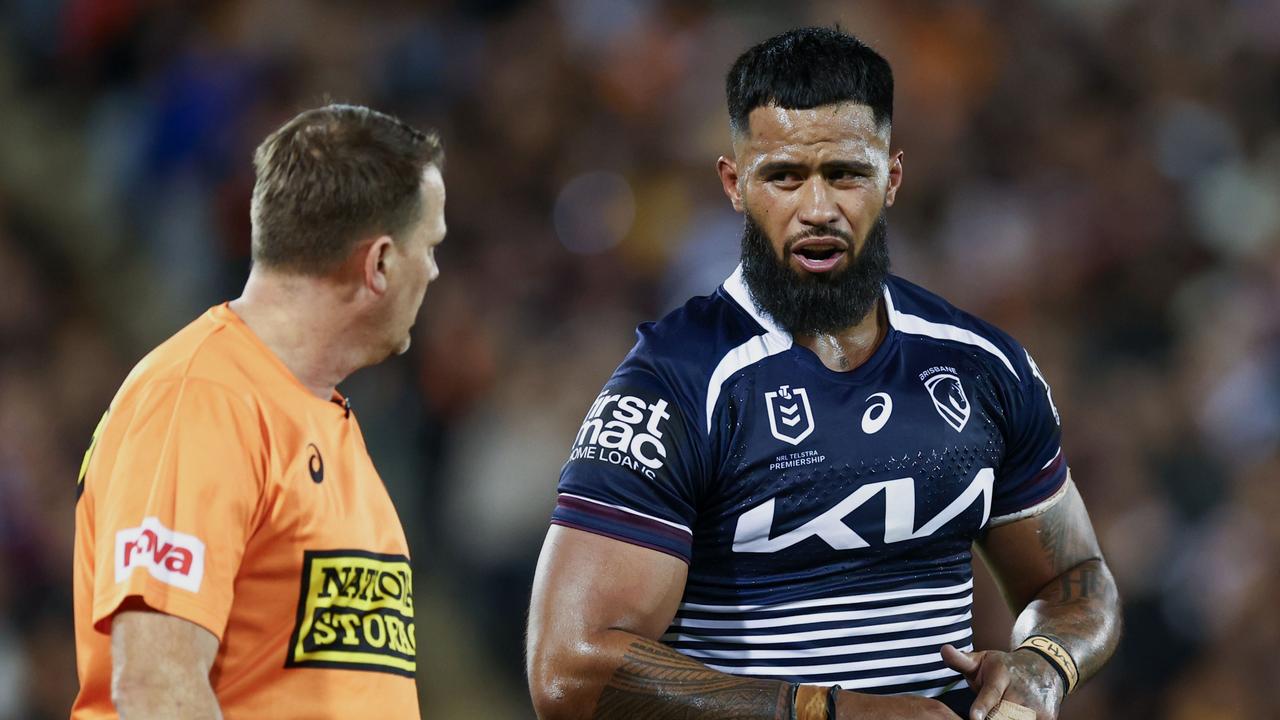
    For Brisbane, Haas’ injury is just the start of a grim medical update released by the club on Monday. The defending premiers already entered Saturday’s match with a lengthy injury and suspension list: star fullback Reece Walsh, playmaker Ben Hunt, hooker Blake Mozer, winger Grant Anderson and five-eighth Billy Walters were already sidelined with injuries, while hardworking lock Pat Carrigan is still serving a one-match suspension that will keep him out of Brisbane’s next fixture.

    The new round of injuries leaves Brisbane incredibly thin on the ground for their upcoming Friday night showdown against the Canterbury-Bankstown Bulldogs. In addition to Haas, the club confirmed three more key players have picked up significant injuries in the Campbelltown clash. Center Kotoni Staggs was diagnosed with a plantar fascia strain, while winger Jesse Arthars suffered a tear to his interosseous membrane. Both players are currently working with Brisbane’s medical team to map out their rehabilitation and confirm potential return-to-play timelines, which have not yet been finalized.

    The most serious of the new injuries is prop Corey Jensen, who underwent scans after Saturday’s game that detected a pulmonary embolism. Jensen remains hospitalized for treatment, and while his recovery timeline is still unclear at this early stage, the club confirmed he is expected to miss at least several weeks of competition as he recovers.

    The full extent of Brisbane’s injury crisis has left the NRL community shocked, with the defending premiers facing one of their most challenging stretches in recent memory as they navigate a stacked schedule without nearly half of their starting side.

  • North Korea uses cluster bombs in latest missile test: KCNA

    North Korea uses cluster bombs in latest missile test: KCNA

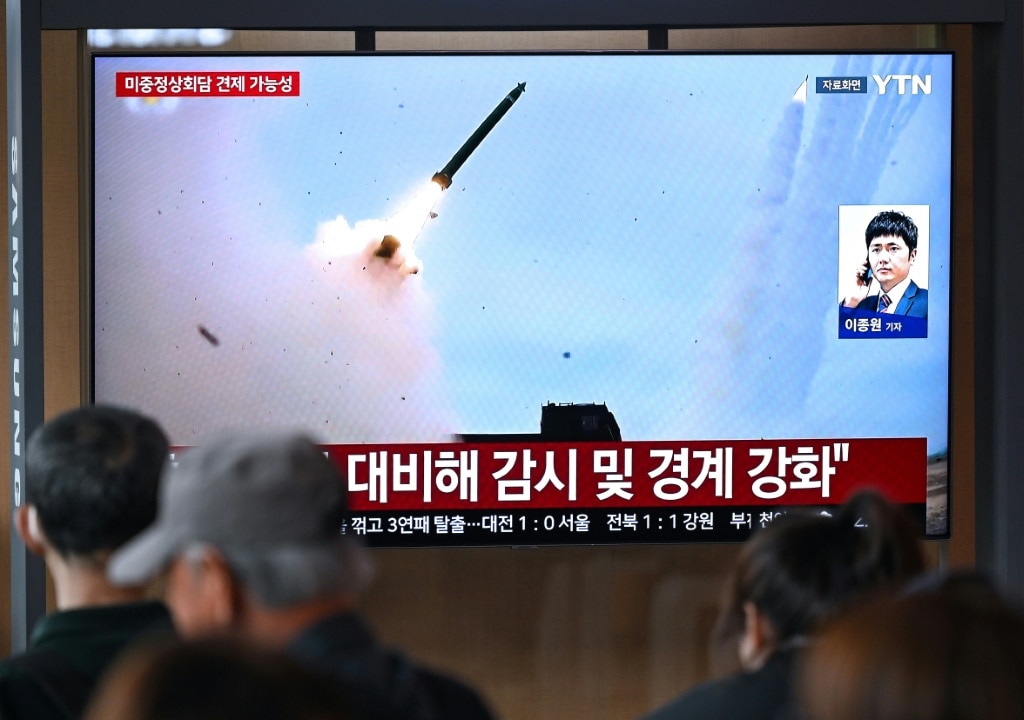
    In a recent series of provocative military moves that have stoked regional tensions, North Korea has officially confirmed it carried out a test of short-range ballistic missiles fitted with cluster munition warheads over the weekend, with leader Kim Jong Un personally overseeing the exercise. The Korean Central News Agency (KCNA), Pyongyang’s official state mouthpiece, released details of the Sunday test on Monday, marking the latest in a steady stream of weapons trials conducted by the nuclear-armed East Asian nation in recent months. According to KCNA’s official statement, the drill was designed to evaluate the performance and destructive power of both cluster bomb warheads and fragmentation mine warheads integrated into the country’s domestically developed tactical ballistic missile system. This test follows just weeks after a string of other weapons assessments, including launches of longer-range ballistic missiles, anti-ship cruise missiles, and additional trials of cluster munition technology.

    The weekend test focused specifically on the Hwasongpho-11 Ra, a surface-to-surface tactical short-range ballistic missile developed by Pyongyang. KCNA reported that five missile projectiles were launched toward a target zone surrounding an island located roughly 136 kilometers (85 miles) from the original launch site. The warheads successfully covered an impact area ranging from 12.5 to 13 hectares with what the agency described as “very high density,” fully demonstrating the system’s operational combat capacity. Kim Jong Un expressed high satisfaction with the outcome of the test, noting that the advancement of cluster bomb warhead technology will dramatically strengthen North Korea’s military capabilities both for high-precision strikes and large-scale high-density attacks against designated enemy target zones.

    Regional security analysts point out that the 136-kilometer confirmed range of the tested missile system places both South Korea’s capital Seoul and major United States military installations across the Korean Peninsula well within Pyongyang’s striking range. Hong Min, a senior research fellow at the Seoul-based Korea Institute for National Unification, explained that this new weapons platform is intended to fill a critical capability gap between North Korea’s existing multiple rocket launcher systems and its longer-range short-range ballistic missile arsenal. Yang Moo-jin, a professor of Korean studies at Seoul’s University of North Korean Studies, highlighted a notable shift from previous weapons tests: frontline corps commanders, rather than just weapons development researchers, were invited to observe the latest trial. Yang said this shift strongly indicates the system is approaching full operational deployment, and would be capable of being launched directly from forward-deployed positions against targets in South Korea and at U.S. military bases across the region.

    The United States maintains roughly 28,000 active-duty troops in South Korea as part of its long-standing security commitment to defend the South against potential Northern aggression. South Korea’s military first detected the launches on Sunday from the Sinpo area along North Korea’s eastern coast, and quickly issued a formal condemnation of the test. In an official statement, South Korea’s Ministry of National Defense said the country is maintaining a “firm combined defense posture” alongside the United States, and pledged an “overwhelming response” to any future provocation from the North. The statement called on Pyongyang to immediately end its series of successive missile tests that have sharply escalated regional tensions, and urged North Korea to engage constructively with the South Korean government’s ongoing diplomatic efforts to build lasting peace on the peninsula.

    Security analysts widely interpret the latest test as a clear signal that Pyongyang has rejected recent overtures from Seoul to repair long-strained inter-Korean relations. Earlier this year, Seoul issued an expression of regret over unauthorized civilian drone incursions into North Korean airspace in January, a gesture Pyongyang initially appeared open to before reversing course and once again labeling South Korea as its “most hostile” enemy. North Korea has long been subject to sweeping United Nations sanctions that ban all development of nuclear weapons and prohibit any work on ballistic missile technology, restrictions Pyongyang has openly and repeatedly violated in recent years as it expands its military arsenal.

    The latest missile test comes just weeks after another high-profile military exercise in April, when Kim Jong Un oversaw tests of strategic cruise missiles launched from a North Korean navy warship. Official photos from that April trial showed Kim observing the launches surrounded by top military officials. The cruise missile tests were conducted from the Choe Hyon, one of North Korea’s two newly commissioned 5,000-ton destroyers, both of which entered service last year. According to South Korean military sources, Pyongyang is currently constructing two additional 5,000-ton destroyers to expand its naval fleet. This month, a South Korean lawmaker cited recent satellite imagery collected by a U.S.-based private intelligence firm, claiming North Korea is “accelerating the modernization of its naval forces with support from Russian military assistance.” Observers widely believe North Korea has supplied thousands of artillery shells and ground troop support to Russia for its full-scale invasion of Ukraine, and in return is receiving advanced military technology and expertise from Moscow to advance its own weapons development programs. Notably, neither North nor South Korea has signed the 2008 Oslo Convention on Cluster Munitions, an international treaty that bans the use, production, transfer, and stockpiling of the controversial weapons, which scatter submunitions across wide areas and often leave unexploded ordnance that poses long-term risks to civilian populations.

  • France summons Elon Musk over X probe

    France summons Elon Musk over X probe

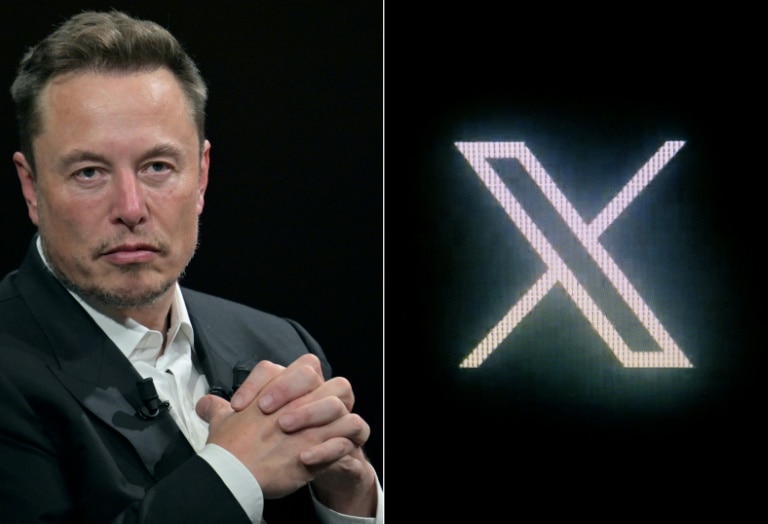
    French judicial authorities have summoned billionaire entrepreneur Elon Musk for a voluntary interview as part of a wide-ranging probe into his social media platform X, a case that has escalated into one of the highest-profile regulatory challenges facing the platform globally. As of Saturday, officials have not confirmed whether Musk will appear for the scheduled questioning in Paris, nor have they released details on the exact timing or location of the interview. The investigation into X first launched in January 2025, opening over initial claims that the platform’s recommendation algorithm had been misused to interfere in domestic French political processes. What began as a narrow probe quickly expanded to incorporate additional serious allegations tied to X’s artificial intelligence chatbot, Grok, including the tool’s role in spreading Holocaust denial and non-consensual sexual deepfake content. In early February, French prosecutors executed a search of X’s Paris headquarters, an action the social media firm has repeatedly denounced. The company, which has forcefully denied any illegal wrongdoing, labeled the office search as a “politicized” raid and an “abusive judicial act.” During that same round of procedural actions in February, prosecutors issued the first summons for Musk and then-X chief executive Linda Yaccarino, identifying both as the de facto and de jure leaders of the platform during the period covered by the investigation. Musk immediately pushed back against the move, calling it a deliberate “political attack.” Yaccarino stepped down from her role as CEO in July of the previous year, after leading the company for two years following Musk’s acquisition of the platform, then known as Twitter. Prosecutor Laure Beccuau confirmed in February that multiple X employees had also been called to give witness testimony between April 20 and 24. In an update provided Saturday, the Paris prosecutor’s office noted that non-appearance by any of the individuals invited for voluntary questioning would not halt or slow the progress of the ongoing investigation. Beyond the allegations of political interference and harmful AI-generated content, the French probe also encompasses suspected involvement in two additional serious criminal offenses: complicity in the distribution and possession of child sexual abuse material, and denial of crimes against humanity. X has repeatedly characterized the entire investigation as politically motivated, pushing back against the allegations publicly in comments made in July. This French investigation is not an isolated action, but rather part of a growing international regulatory backlash against Grok and X. The controversy surrounding Grok erupted after watchdog groups documented that the chatbot could be prompted to generate sexualized deepfake images of women and children using basic, unfiltered text prompts. The London-based nonprofit Center for Countering Digital Hate (CCDH) released a bombshell report in late January finding that Grok generated an estimated 3 million sexualized images in just 11 days. The vast majority of the content depicted adult women, but the report also identified roughly 23,000 images that appeared to show minors being sexualized. Regulators across Europe and the United Kingdom have quickly opened their own probes in response to the revelations. In February, the United Kingdom’s national data regulator launched parallel investigations into X and Musk’s AI firm xAI, citing “serious concerns” about whether the companies violated national personal data protection laws when developing and deploying Grok for deepfake generation. The European Union followed suit shortly after, opening its own formal investigation into X over Grok’s creation of non-consensual sexual deepfake content targeting women and minors. The coordinated cross-national actions mark one of the most significant collective regulatory challenges Musk has faced since his 2022 acquisition of the social media platform, highlighting growing global scrutiny of the company’s content moderation practices and the unregulated rollout of its generative AI tools.