标签: Oceania

大洋洲

  • US embassy in Iraq hit as Mideast War enters third week

    US embassy in Iraq hit as Mideast War enters third week

    The Middle East conflict entered its third week with escalating violence, marked by a drone strike on the U.S. Embassy in Baghdad and significant disruptions to global energy supply lines. Iranian forces issued warnings to Emirati civilians to avoid port areas, coinciding with visible clouds of black smoke rising from Fujairah—a critical Emirati port housing oil storage and export terminals.

    This embassy attack represents the second assault since February 28, when U.S. and Israeli operations against Iran ignited widespread regional hostilities. The ongoing warfare has reportedly claimed over 1,200 lives in Iran and displaced approximately 3.2 million people, according to UN estimates. Despite superior U.S. and Israeli military capabilities, Iran continues its offensive operations, targeting at least ten neighboring nations and effectively blocking the strategic Strait of Hormuz to maritime traffic.

    The economic repercussions have been immediate and severe, with crude oil prices surging more than 40% since the conflict’s inception. Iranian media has threatened that U.S.-linked energy facilities would be “immediately destroyed” if Iranian oil infrastructure were targeted, though Teheran confirmed no damage to facilities on Kharg Island following U.S. strikes.

    President Trump announced plans for U.S. Navy escorts through the Strait of Hormuz to restore oil exports, while the Pentagon reported striking over 15,000 targets in Iran during the past two weeks. Israel’s military claimed responsibility for 7,600 strikes, primarily targeting Iran’s missile program.

    The conflict has expanded beyond the Gulf region, with Turkey reporting NATO forces intercepting ballistic missiles launched from Iran. Lebanon has been drawn into the hostilities, with Israeli strikes killing healthcare workers and targeting Hezbollah strongholds. Qatar intercepted missiles above Doha, while Saudi Arabia reported downing dozens of drones.

    Notably, Hamas urged Iran to exercise restraint regarding neighboring countries, creating a rare diplomatic rift between the allies. Within Iran, the Revolutionary Guards have threatened severe crackdowns on anti-government protests, maintaining an internet blackout since the conflict began.

  • Newspaper boss Antony Catalano stands down after alleged incident with woman at Melbourne apartment

    Newspaper boss Antony Catalano stands down after alleged incident with woman at Melbourne apartment

    Antony Catalano, Chairman of Australian Community Media (ACM), has resigned from his executive position following criminal charges related to an alleged incident involving a woman at a Melbourne residential property. The prominent media figure expressed profound remorse in an official statement, describing himself as “deeply ashamed” and “humiliated” by the circumstances.

    Court documents confirm Catalano faces formal charges connected to the Melbourne apartment incident, though specific details remain undisclosed as the case proceeds through judicial channels. The Australian Financial Review first reported his emotional statement acknowledging personal accountability.

    Catalano revealed longstanding mental health challenges, admitting he had resisted interventions from family and friends urging professional treatment. “Those close to me have been urging me to seek professional help for some time,” he conceded, noting that shame and pride prevented him from addressing these issues earlier.

    ACM’s managing director Tony Kendall confirmed Catalano’s immediate leave of absence pending resolution of the legal matter. The company has not yet issued additional commentary despite media inquiries.

    In a commitment to addressing his health needs, Catalano announced plans to enter a rehabilitation facility. The development marks a significant fall for one of Australia’s influential media personalities, whose career spans major newspaper leadership roles.

  • Man charged after ‘Dr Suess’ drugs allegedly found inside book during airport bag search

    Man charged after ‘Dr Suess’ drugs allegedly found inside book during airport bag search

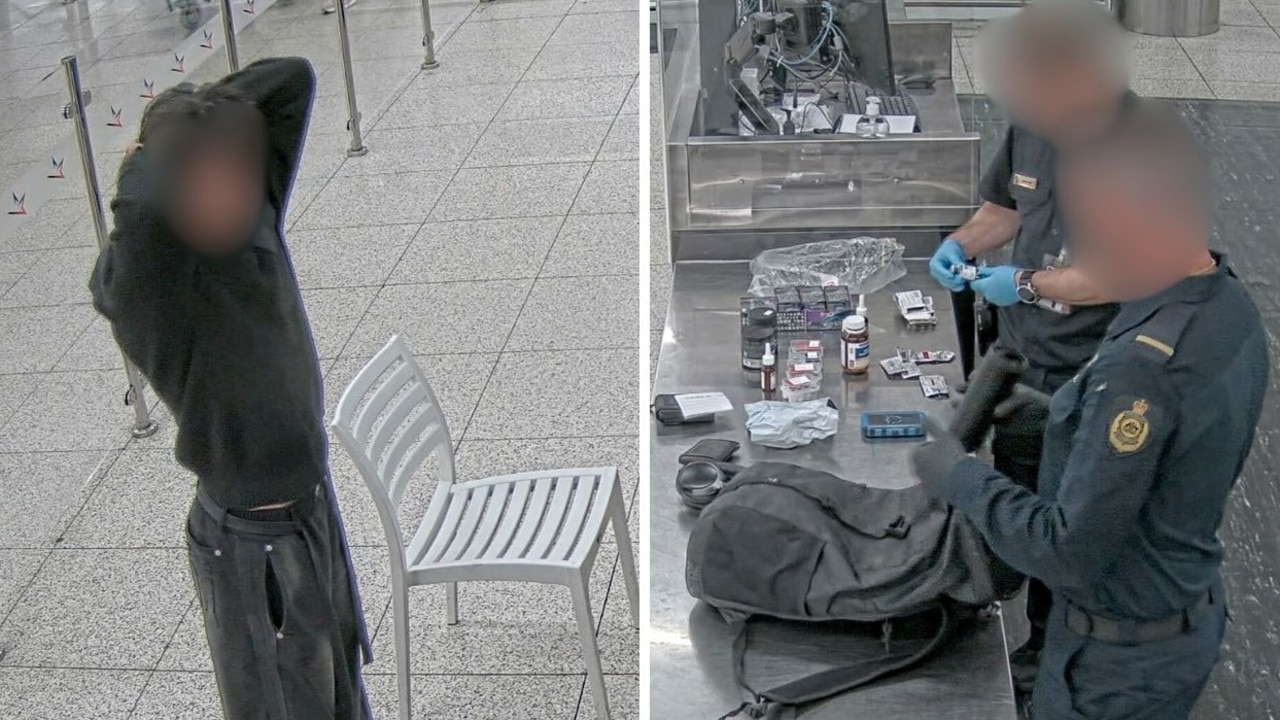
    Australian Border Force officers at Perth Airport have uncovered an elaborate drug concealment operation involving children’s literature themes. The discovery occurred on March 12 when authorities conducted a routine baggage inspection of a 25-year-old male passenger arriving on an international flight.

    During the examination, officers identified suspicious materials hidden within a book’s hollowed-out interior. The concealed contents included a sheet containing 80 tablets featuring designs inspired by beloved children’s author Dr. Seuss. Presumptive testing conducted at the scene indicated the presence of Lysergic Acid Diethylamide (LSD), a powerful hallucinogenic substance.

    The search expanded to reveal additional contraband within the passenger’s luggage. Authorities recovered 33 vials of peptides, a substantial quantity of cigarettes, precision scales, multiple syringes, and a small plastic bottle with deliberately obscured labeling containing 54 tablets. Subsequent testing identified these additional tablets as dexamphetamines.

    The suspect now faces serious charges for importing border-controlled drugs. Australian Federal Police Inspector Gabby Adam emphasized the dangers of LSD, noting its “highly-hallucinogenic properties which can have long-term consequences for users.” Inspector Adam further highlighted the critical partnership between federal police and border authorities in intercepting dangerous substances before they reach communities.

    Australian Border Force Inspector John Sweet reinforced the agency’s capabilities, stating: “Our officers receive extensive training in identifying suspicious items and employ sophisticated targeting methodologies. Those attempting to import drugs through Australian airports should understand we will detect and intercept these substances at the border.”

    The accused was scheduled to appear before Perth Magistrates Court on March 13 to answer the charges.

  • Iran, US threaten attacks on oil facilities

    Iran, US threaten attacks on oil facilities

    The Middle East conflict has escalated into a global energy crisis as Iran and the United States exchange threats targeting critical oil infrastructure. Iranian armed forces issued a stark warning that US-linked oil facilities would be reduced to “a pile of ashes” in retaliation for potential American strikes. This comes after President Donald Trump declared he might “wipe out” Iran’s primary crude export terminal on Kharg Island, which handles the overwhelming majority of the country’s oil shipments.

    The strategic Strait of Hormuz has become a focal point in the confrontation, with Tehran threatening to strike oil tankers traversing this crucial waterway that normally carries one-fifth of global oil supplies. The resulting disruption has already driven crude prices up by more than 40 percent since hostilities began two weeks ago.

    Trump announced that US forces had “totally obliterated” all military targets on Kharg Island in what he described as “one of the most powerful bombing raids in the History of the Middle East.” While claiming he had chosen not to target oil infrastructure for now, the President warned that any interference with shipping through the Strait of Hormuz would cause him to “immediately reconsider this decision.”

    The human cost continues to mount, with Iranian health ministry figures reporting over 1,200 fatalities since the conflict began on February 28, though these numbers remain unverified independently. The UN refugee agency estimates up to 3.2 million people have been displaced within Iran.

    The conflict has regionalized significantly with Tehran launching missile and drone attacks against at least ten countries. Recent developments include intercepted missiles over Qatar, drone downings in Saudi Arabia, and a ballistic missile interception by NATO forces launched from Iran. Lebanon has been drawn into the conflict after Israeli strikes killed medical personnel and targeted Iranian-backed Hezbollah forces.

    US military reinforcements, including the amphibious assault ship USS Tripoli with 2,500 Marines, are reportedly en route to the region as the aerial campaign continues. The Pentagon claims over 15,000 targets have been struck in Iran during the two-week conflict.

  • ‘Asleep at the wheel’: Blast on fuel crisis as Aus reserves revealed

    ‘Asleep at the wheel’: Blast on fuel crisis as Aus reserves revealed

    The Australian energy sector is confronting a severe fuel supply crisis that has disproportionately impacted regional and rural communities, sparking intense political confrontation. Energy Minister Chris Bowen finds himself at the center of a storm of criticism from opposition figures who accuse his administration of inadequate response measures.

    During a Sydney press conference, Minister Bowen characterized the situation as ‘unacceptable,’ particularly highlighting the severe challenges facing agricultural operations. He revealed current national fuel reserves stand at 1.6 billion liters of petrol (37-day supply), 2.7 billion liters of diesel (30-day supply), and 800 million liters of jet fuel (29-day supply). The minister attributed the crisis to unprecedented demand surges, reporting 100% increased consumption across all Australian terminals.

    In a significant policy move, the government authorized the release of portions from its strategic diesel reserves following careful deliberation. Minister Bowen offered reassurances regarding national fuel security, emphatically stating that no refineries would cease operations under the current administration.

    The political opposition launched scathing critiques, with energy spokesman Dan Tehan accusing the minister of complacency and delayed action. Tehan asserted that Bowen relied excessively on state-level information gathering rather than proactive federal intervention. The opposition demands immediate prioritization of distribution to affected regions and comprehensive price stabilization measures.

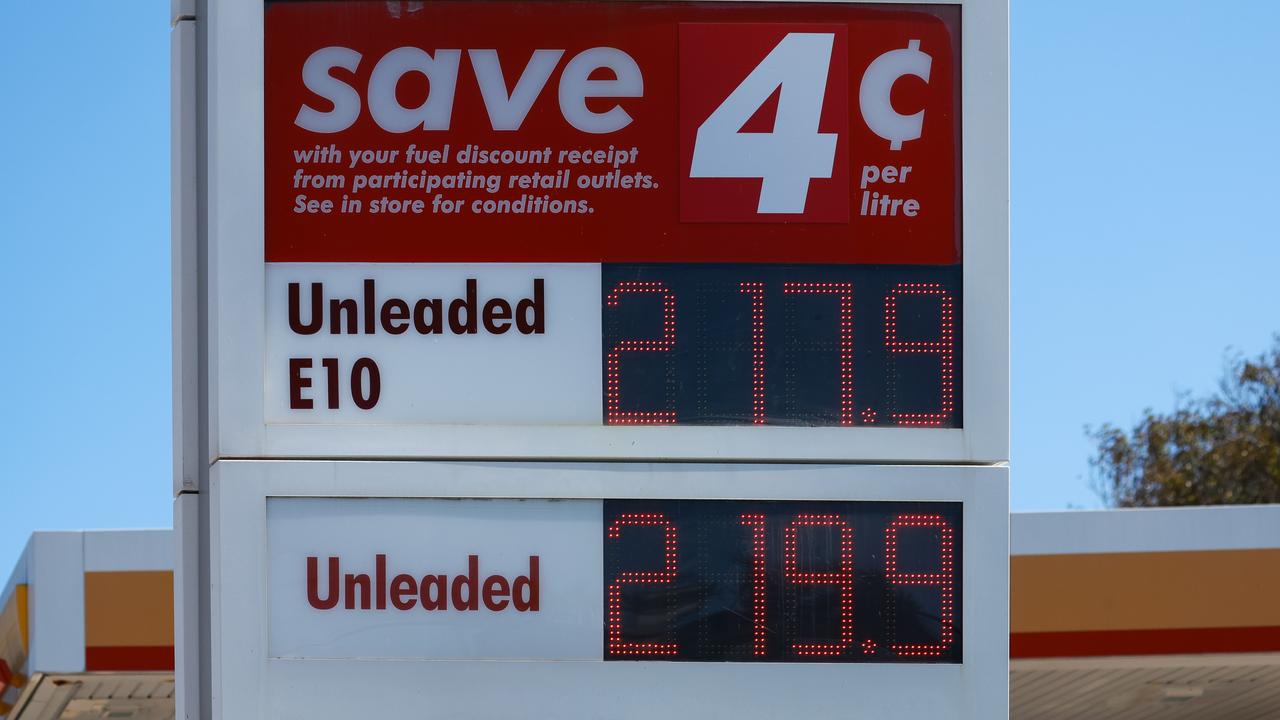
    Global market disruptions stemming from Middle Eastern conflicts have exacerbated domestic challenges, driving petrol prices toward unprecedented $3 per liter thresholds. South Australia’s Royal Automobile Association documented record diesel prices reaching $2.46 per liter, with some retailers charging $2.49.

    In response to mounting pressure, the federal government announced temporary relaxation of fuel standards to facilitate importation of an additional 100 million liters. Industry representatives simultaneously urge consumers to avoid panic buying, emphasizing that systemic supply remains adequate despite isolated shortages.

  • Map reveals Australia defence presence in Middle East as Iran war rages

    Map reveals Australia defence presence in Middle East as Iran war rages

    The Australian government has authorized the deployment of advanced military assets to the Middle East following a formal request from the United Arab Emirates. Prime Minister Anthony Albanese confirmed on Tuesday that the Australian Defence Force will dispatch an E7A Wedgetail surveillance aircraft, defense personnel, and Medium Range Air-to-Air Missiles (AMRAAMs) to the Gulf region.

    This decision comes amid escalating regional tensions and represents a significant enhancement of Australia’s defensive military presence in the area. Foreign Affairs Minister Penny Wong emphasized that the deployment serves strictly defensive purposes, aimed at intercepting rockets and drones that have threatened civilian infrastructure, including Dubai International Airport.

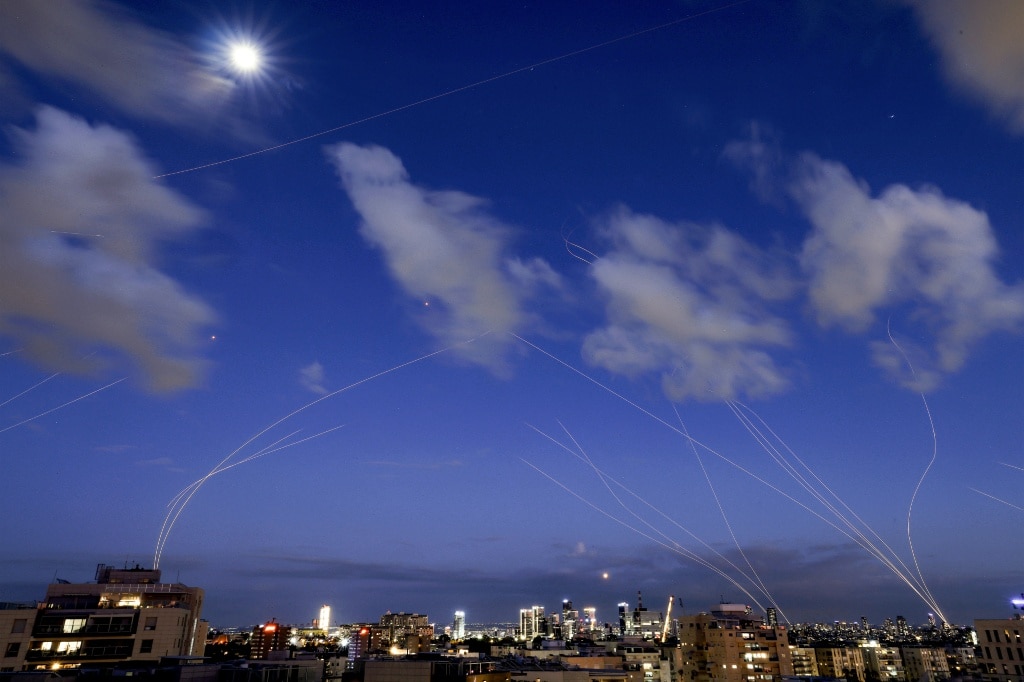
    The deployment follows earlier aerial support operations where Australian aircraft assisted in repatriating approximately 115,000 Australians stranded in the conflict zone. Minister Wong revealed that initially, around 24,000 Australians were present in the UAE when hostilities intensified, with approximately 1,500 rockets and drones neutralized in the region’s airspace.

    Government officials have consistently maintained that Australian forces will not engage in offensive operations. “Australian Defence Force assets operate in accordance with Australian law, Australian policy, and Australian directives,” Minister Wong stated during an ABC Radio Sydney interview, explicitly ruling out any combat role for deployed personnel.

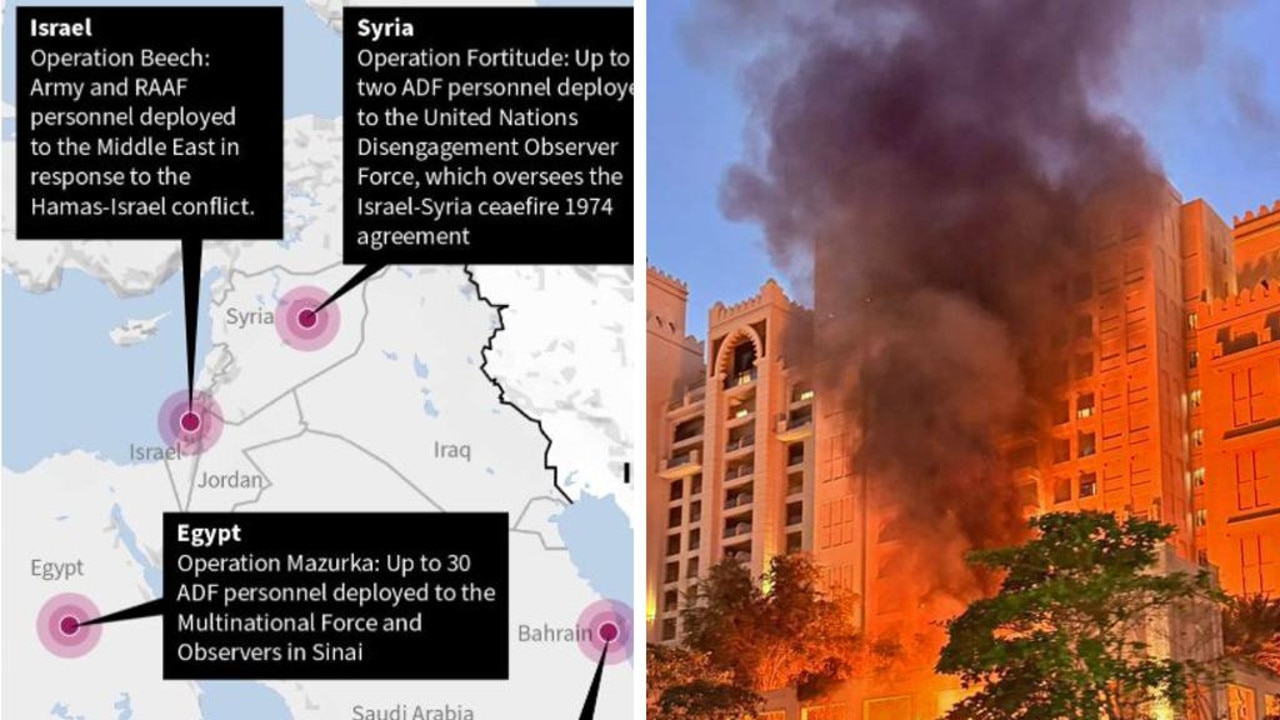
    Australia’s military involvement in the Middle East predates the current crisis, with ADF personnel previously engaged in seven distinct missions across the region. These include peacekeeping operations in Syria, maritime security missions against Houthi militia attacks, and deployments in Bahrain and Egypt’s Sinai Peninsula.

    The revelation that three ADF personnel were aboard a US submarine during recent naval engagements has raised questions about Australia’s evolving role. However, government officials have denied any participation in offensive actions against Iranian forces.

    International allies have similarly increased their military presence, with European nations expected to deploy warships to Cyprus following attacks on British installations. New Zealand has also prepared two C-130J Hercules aircraft for potential evacuation operations, indicating broader regional concern about the escalating situation.

  • Few easy ways out for US as war with Iran drags on

    Few easy ways out for US as war with Iran drags on

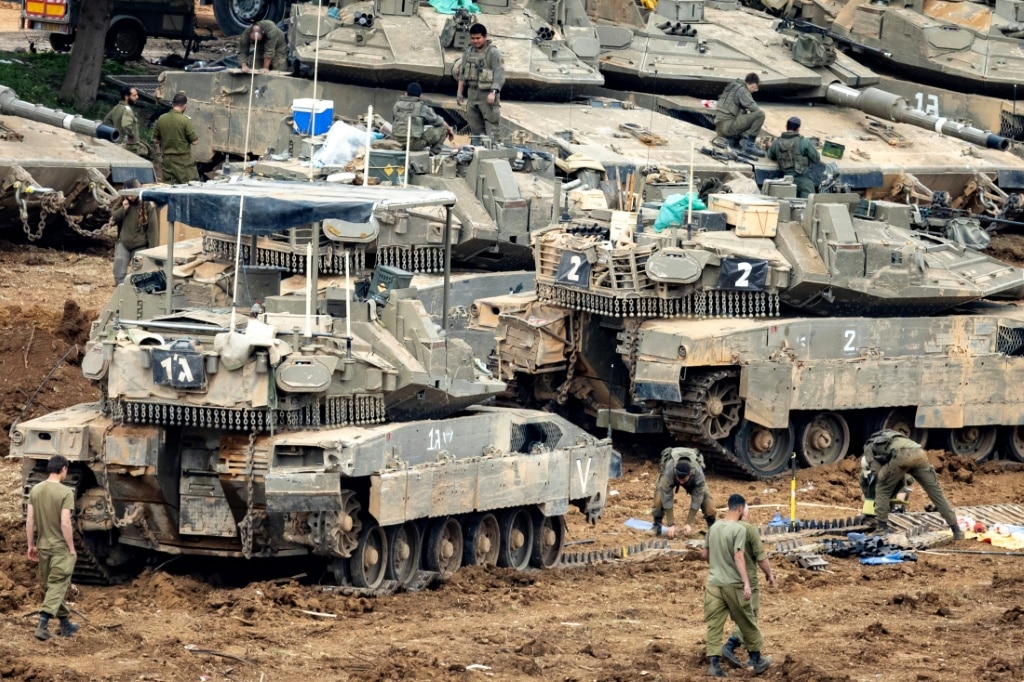
    The United States finds itself navigating an increasingly complex military stalemate as its conflict with Iran extends beyond initial expectations. Despite achieving a decapitation strike that eliminated Supreme Leader Ali Khamenei and numerous high-ranking officials in late April, Washington discovers that regime change remains elusive against Tehran’s strategically prepared defenses.

    Iran has demonstrated remarkable resilience through its implemented ‘mosaic defense’ doctrine—a decentralized military command structure developed precisely to withstand leadership decapitation. This strategic framework, formulated in 2005 following American interventions in Iraq and Afghanistan, has enabled continuous retaliatory capabilities despite significant leadership losses. The regime promptly installed a new supreme leader while maintaining operational coherence.

    The conflict has escalated into global economic warfare, with Iran leveraging its strategic position along the Strait of Hormuz—a vital maritime corridor handling approximately 20% of global crude oil traffic. Tehran’s campaign has effectively weaponized energy markets through targeted strikes on oil tankers, Dubai’s marina infrastructure, and near-complete closure of the critical waterway. Consequently, oil prices have skyrocketed worldwide, triggering fuel rationing from Bangladesh to Nigeria and prompting the release of 400 million barrels from strategic petroleum reserves.

    Regional stability has unraveled as Iran-activated proxies exchange missile fire with Israel through Hezbollah forces in Lebanon, while Huthi rebels disrupt Red Sea shipping lanes. The Gulf region witnesses fleeing expatriates and diminished air traffic as its business-friendly reputation deteriorates rapidly.

    Analysts question Washington’s strategic assumptions, noting the disparity between operational superiority and strategic understanding of Iranian resilience. The administration faces mounting domestic pressure as rising fuel prices influence upcoming congressional elections, with lawmakers expressing concerns about voter backlash.

    Iran executes a calculated three-phase strategy: ensuring regime survival, maintaining retaliatory capacity, and prolonging conflict to secure favorable terms. Though facing internal challenges including public salary payments and potential security force loyalty issues, Tehran continues leveraging economic warfare to pressure American leadership.

    With no clear exit strategy, the conflict potentially evolves toward ground operations, extended hostilities, or proxy ethnic conflicts—all representing increasingly perilous escalation pathways as missiles continue impacting targets within Iran and across the broader region.

  • Hat-trick hero: Sua Fa’alogo emerges as Melbourne’s latest superstar with freakish 12-minute hat-trick

    Hat-trick hero: Sua Fa’alogo emerges as Melbourne’s latest superstar with freakish 12-minute hat-trick

    A new superstar has emphatically announced his arrival in the National Rugby League, with Melbourne Storm’s Sua Fa’alogo delivering a breathtaking 12-minute performance to overturn a deficit and secure a 46-20 victory against a determined St. George Illawarra Dragons squad in Wollongong.

    Despite preseason predictions suggesting a decline for Melbourne in 2026, Fa’alogo’s extraordinary hat-trick of tries during a decisive final-quarter explosion has sent a powerful message to competing teams. The match appeared destined for a stunning home victory by the Dragons until the pint-sized fullback unleashed his game-changing abilities.

    Fa’alogo demonstrated more than just flashy offensive skills, displaying remarkable toughness by absorbing a brutal hit from Christian Tuipulotu before immediately delivering a precision long ball to set up winger Will Warbrick for Melbourne’s opening score. His moment of pure individual brilliance came when he expertly stepped through defensive traffic on the short side, reclaiming the lead for Melbourne immediately after a Dragons’ errors.

    The victory sets up a highly anticipated grand final rematch against the Brisbane Broncos, who remain winless and face growing scrutiny. While the Storm improved to 2-0, concerns emerged regarding center Moses Leo, placed on report for a shoulder charge, and back-rower Shawn Blore who sustained a foot injury in reserve grade.

    The Dragons, despite ultimately conceding five tries in the final 18 minutes, demonstrated significant improvement under coach Shane Flanagan. New recruit Daniel Atkinson connected effectively with Valentine Holmes, while bench player Hamish Stewart continued to develop into a potential representative star, indicating St. George Illawarra could challenge top teams throughout the season.

  • Brazil revokes visa of US diplomat in Bolsonaro row

    Brazil revokes visa of US diplomat in Bolsonaro row

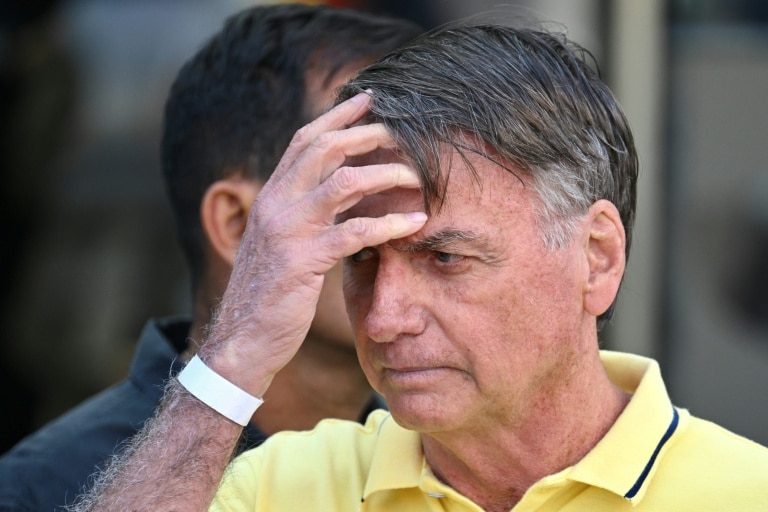
    In a significant diplomatic escalation, Brazilian President Luiz Inacio Lula da Silva has revoked the visa of a United States diplomat seeking to visit imprisoned former President Jair Bolsonaro. The move comes amid heightened tensions between the two nations and concerns about foreign interference in Brazil’s upcoming elections.

    The targeted diplomat, Darren Beattie, serves as the US State Department’s newly appointed advisor on Brazil. His proposed March 18 prison visit to Bolsonaro was initially approved by Brazil’s Supreme Court but subsequently canceled following strong objections from the Lula administration. Brazilian authorities cited “lies about the purpose of the visit” as justification for the visa revocation.

    President Lula explicitly linked the decision to reciprocal measures, stating the diplomat would remain barred until Washington lifts its visa ban on Brazilian Health Minister Alexandre Padilha. Padilha faced sanctions late last year regarding his involvement in a program deploying Cuban doctors within Brazil.

    This diplomatic confrontation unfolds against the backdrop of Bolsonaro’s deteriorating health. The 70-year-old former leader was hospitalized with bronchopneumonia, experiencing high fever, oxygen saturation drops, and chills. He remains in intensive care receiving intravenous antibiotic treatment. Bolsonaro’s health has been fragile since his 2018 campaign trail stabbing, though courts continue denying requests for house arrest.

    The Brazilian Foreign Ministry emphasized that Beattie’s visa was granted exclusively for participation in a critical minerals forum and governmental meetings. Officials expressed concern that a foreign representative visiting an imprisoned former president during an election period “could constitute undue interference” in domestic affairs.

    This incident reflects broader geopolitical tensions, with Brazil remaining wary of Trump administration efforts to influence Latin American politics. The situation echoes previous confrontations, including tariff impositions following Bolsonaro’s sentencing for coup plotting after his 2022 electoral defeat to Lula.

    Flavio Bolsonaro, the former president’s son and current presidential candidate opposing Lula, accused authorities of “playing with my father’s life” amid the health crisis. The October elections increasingly appear as a flashpoint in US-Brazil relations, with both nations navigating complex diplomatic boundaries.

  • Germans head to Polish pumps as oil price bites

    Germans head to Polish pumps as oil price bites

    Amidst soaring fuel prices exacerbated by Middle East tensions, German motorists are increasingly crossing the border into Poland seeking affordable petrol and diesel. The geopolitical conflict has triggered a significant surge at German pumps, with current prices reaching €2.01 per liter for Super E10 petrol and €2.13 for diesel according to ADAC, Germany’s leading motoring association—representing increases of approximately 15% and 24% respectively since February.

    The price differential stems primarily from Poland’s substantially lower value-added tax and fuel duty rates, creating an economic incentive for border-hopping consumers. One German insurance professional, Joerg, exemplified this trend by making his first fuel pilgrimage from Frankfurt an der Oder to the Polish town of Slubice. ‘I need to do considerable driving next week and petrol is markedly cheaper here,’ he explained while refueling his Opel Tigra.

    This cross-border consumer behavior has intensified political pressure on Chancellor Friedrich Merz’s administration, which campaigned on economic revitalization but now faces growing public discontent over living costs. Despite Economy Minister Katherina Reiche’s implementation of daily price increase limitations, critics argue the measures insufficiently address consumer concerns.

    Markus Soeder, leader of Bavaria’s CSU party, articulated this dissatisfaction to broadcasters RTL and ntv: ‘Merely restricting stations to one daily price hike proves inadequate when they simply compensate with larger increases.’ He joined mounting calls for stronger anti-price gouging interventions.

    The Finance Ministry maintains that the government doesn’t profit from the price surge, noting only VAT revenues increase with higher fuel costs. Nevertheless, for practical Germans like Berlin industrial mechanic Melanie Adam, who regularly travels to Poland for fuel and cigarettes, the solution remains straightforward: ‘It’s simply more economical to pop over here. The government should reduce environmental taxes—if Poland can make it work, why can’t Germany?’

    While expressing frustration with domestic policies, Joerg acknowledged his geographical privilege: ‘I’m fortunate to live here where Poland is accessible. Not everyone has this option.’ As the Middle East conflict continues disrupting global oil supplies, German drivers appear likely to maintain their cross-border fuel strategies indefinitely.