
A senior constable from New South Wales (NSW) Police has been formally charged with assault following an incident at a pro-Palestinian protest in Sydney earlier this year. Hannah Thomas, a former Greens party candidate, claims she was struck in the face by the officer during a demonstration in Belmore on June 27. The altercation left her with severe facial injuries that necessitated surgical intervention. The protest was staged outside SEC Plating, a company accused by demonstrators of supplying components to the Israel Defense Forces (IDF), allegations the company denies. NSW Police confirmed that the officer’s employment is under review, and a critical incident investigation—activated when an officer is involved in an event causing death or serious injury—is ongoing. The officer, who faces charges of assault occasioning actual bodily harm, is scheduled to appear in court in November. The protest, deemed unauthorized by police, escalated into a scuffle after officers ordered the crowd to disperse. Five individuals, including Thomas, were arrested. Thomas, 35, was hospitalized following the alleged assault and later revealed on Instagram that she might suffer permanent vision loss in her right eye. Initially charged with failing to comply with police orders and resisting arrest, all charges against Thomas were dropped earlier this month, and she was awarded approximately A$22,000 in legal costs. Her lawyer, Peter O’Brien, announced plans to file civil proceedings against NSW Police, citing malicious prosecution, assault, and malfeasance in public office, among other claims. The incident has drawn attention amid the broader context of the Israel-Gaza conflict and its global repercussions.
标签: Oceania
大洋洲
-

Anger in Australia after telecom outage linked to deaths
Australian telecommunications giant Optus is under intense scrutiny following a catastrophic systems outage that left hundreds unable to contact emergency services for 13 hours, resulting in multiple deaths. The incident, which occurred last week, affected more than half of the country, with over 600 emergency calls failing to connect, primarily in South Australia, Western Australia, and the Northern Territory. Optus CEO Stephen Rue has publicly apologized for the ‘completely unacceptable’ failure, acknowledging that at least three lives were lost due to the outage, including a baby boy. However, police have indicated that the network failure was ‘unlikely’ to be the cause in the infant’s case. Authorities in Western Australia also suspect a fourth death linked to the incident. The Australian Communications and Media Authority (Acma) has launched an investigation, criticizing Optus for its delayed response. The company waited 40 hours to inform the public and regulators, contrary to standard practice. Rue attributed the outage to a technical fault during a network upgrade but admitted the company was unaware of the issue for 13 hours. Despite multiple customer complaints, the problem was not escalated promptly. Acma expressed deep concern, emphasizing that access to emergency services is a fundamental responsibility of telecom providers. This is the second major outage for Optus in two years, following a 2023 incident that resulted in A$12 million in penalties. Communications Minister Anika Wells has condemned the failure, stating that Optus will face ‘significant consequences.’ Prime Minister Anthony Albanese has suggested Rue consider resigning. Investigations are ongoing, with Rue promising daily public updates.
-

UK formally recognises Palestinian state
In a landmark move, UK Prime Minister Sir Keir Starmer has announced the formal recognition of a Palestinian state, marking a significant shift in British foreign policy. The decision, unveiled in a video statement on X, aligns the UK with countries like Australia, Canada, and Portugal, which have also recognized Palestinian statehood. France is expected to follow suit. Starmer emphasized that the recognition aims to preserve the possibility of peace and a two-state solution amidst escalating violence in the Middle East. However, the move has drawn sharp criticism from Israeli Prime Minister Benjamin Netanyahu, who declared that a Palestinian state ‘will not happen,’ and from families of hostages held in Gaza, who argue it rewards terrorism. The US and Israeli governments view the recognition as a diplomatic victory for Hamas following its October 2023 attack on southern Israel, which resulted in 1,200 deaths and 251 hostages. Starmer countered these claims, asserting that the decision does not legitimize Hamas but instead seeks to isolate the group from future governance. Palestinian Authority President Mahmoud Abbas welcomed the move, calling it a step toward peaceful coexistence with Israel. The UK Foreign Office clarified that recognition is based on provisional borders along the 1967 lines, with final boundaries to be negotiated. The two-state solution envisions a Palestinian state in the West Bank and Gaza Strip, with East Jerusalem as its capital. Despite recognition by 75% of UN member states, Palestine lacks internationally agreed borders, a capital, or an army, rendering its statehood largely symbolic. The announcement comes amid worsening conditions in Gaza, where Israeli military operations have displaced hundreds of thousands and caused widespread devastation. A recent UN commission accused Israel of genocide in Gaza, a claim Israel vehemently denies. UK Deputy Prime Minister David Lammy acknowledged that recognition alone would not resolve the crisis but stressed the importance of advocating for a two-state solution. Meanwhile, Israeli far-right leaders have called for annexing the West Bank and dismantling the Palestinian Authority. The decision has sparked mixed reactions domestically, with Conservative leader Kemi Badenoch labeling it ‘absolutely disastrous,’ while Liberal Democrat leader Sir Ed Davey praised it as ‘long overdue.’
-
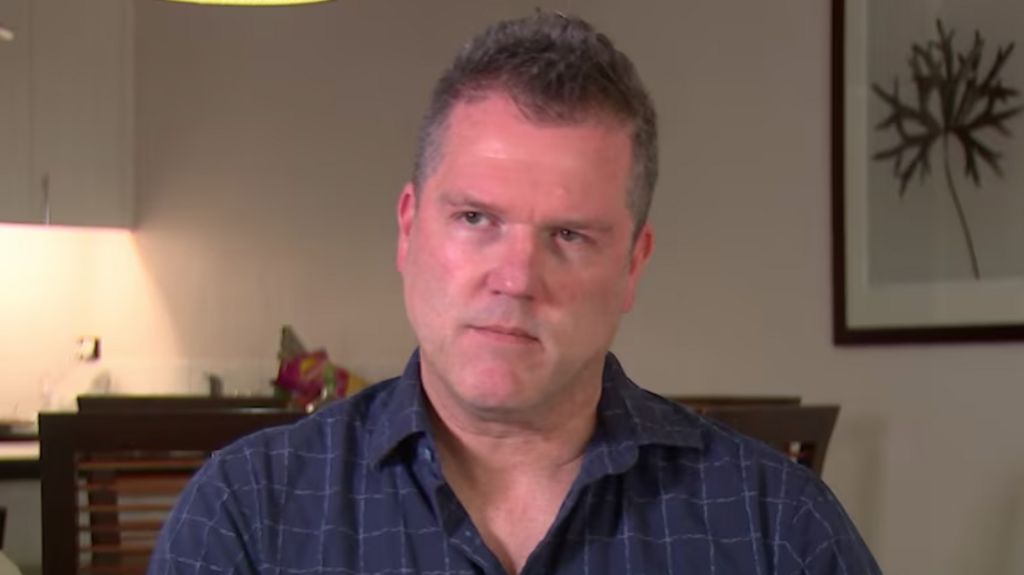
Doctor penalised for calling mushroom murderer ‘disturbed sociopath’
A prominent Australian doctor, Chris Webster, who played a pivotal role in the trial of Erin Patterson—a woman convicted of murdering three relatives with a toxic mushroom meal—has faced disciplinary action from the Medical Board of Australia. Dr. Webster, a key witness in the trial, made disparaging remarks about Patterson in media interviews, calling her a ‘heinous individual’ and a ‘disturbed sociopathic nut-bag.’ The board deemed his comments unprofessional and ordered him to undergo ethics, privacy, and social media training. Additionally, he must receive mentorship from another doctor for one year. The Australian Health Practitioner Regulation Agency (Ahpra) launched an investigation following numerous complaints about Dr. Webster’s explicit language and media conduct. Despite the sanctions, Dr. Webster stands by his comments, asserting that they were based on publicly discussed trial details and did not breach patient confidentiality. He acknowledged the board’s decision but expressed disappointment, stating that the community might suffer due to his reduced availability. Patterson, 50, was sentenced to life imprisonment with no possibility of parole for at least 33 years for the 2023 murders of her in-laws and the attempted murder of another relative. Dr. Webster, who treated the victims before their transfer to a major hospital, remains a practicing GP in Leongatha, Victoria, with strong local support.
-
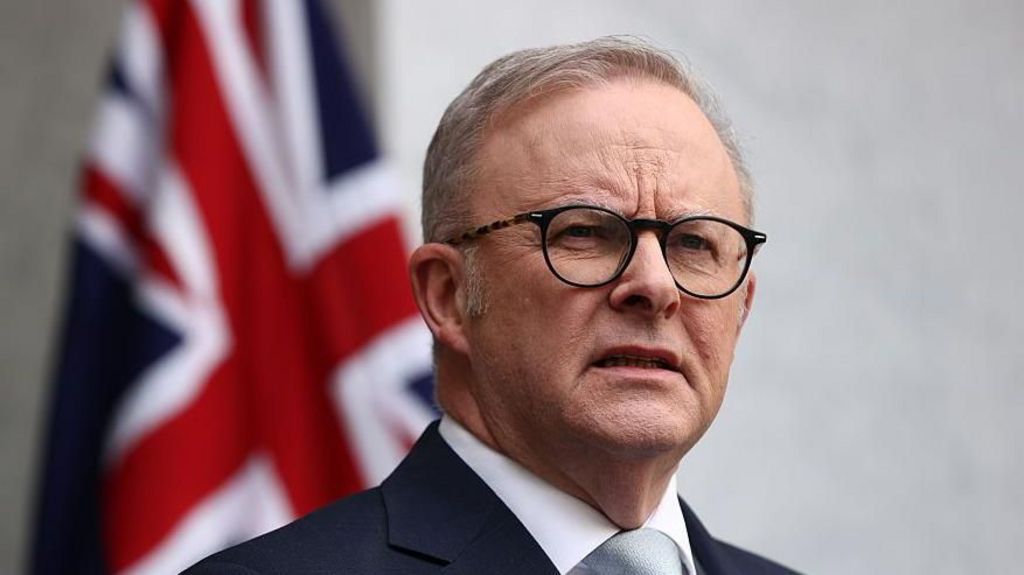
Australia announces higher emissions cuts by 2035
In a significant move to combat climate change, Australian Prime Minister Anthony Albanese has announced a new emissions reduction target for 2035. The nation, known as one of the world’s largest per capita polluters, aims to cut its carbon emissions by at least 62% compared to 2005 levels. This announcement comes as Australia faces mounting global criticism for its reliance on fossil fuels and increasing climate-related challenges. The new target surpasses the previous goal of a 43% reduction by 2030 and aligns with recommendations from the Climate Change Authority, a government advisory body. Albanese emphasized that the target is ‘responsible, science-backed, and achievable with proven technology.’ The commitment will be formally presented at the upcoming UN General Assembly meeting in New York. Australia’s climate efforts are part of its obligations under the 2015 Paris Climate Agreement, which aims to limit global temperature rise to 1.5°C above pre-industrial levels. Recent years have seen Australia grapple with extreme weather events, including severe droughts, historic bushfires, and record-breaking floods. A landmark government-commissioned risk assessment warned of escalating climate risks, such as heatwave-related deaths, water quality degradation, and sea level rises threatening 1.5 million people. Despite these challenges, Australia’s climate agenda remains contentious. The opposition Liberal National coalition has criticized the new target, calling it costly and lacking credibility, while independent and Greens MPs advocate for more aggressive cuts. Meanwhile, the Labor government continues to approve fossil fuel projects, such as the recent extension of Woodside’s North West Shelf gas project, drawing criticism from environmental advocates. Australia’s dual approach—pursuing renewable energy while supporting fossil fuels—highlights the complexities of its climate policy.
-
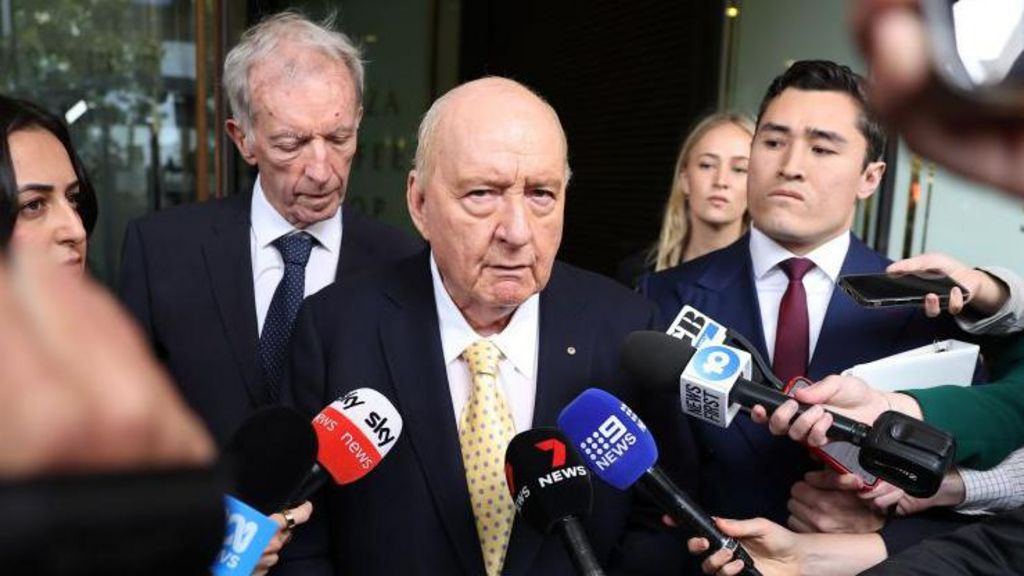
Sex abuse charges against top Australian radio host downgraded
In a significant legal development, veteran broadcaster and former Wallabies coach Alan Jones, 84, has pleaded not guilty to 27 charges of indecent assault and sexual touching. The charges stem from allegations that he assaulted nine men over two decades. During a court hearing on Thursday, prosecutors downgraded 11 of the most serious charges, which were related to alleged assaults on individuals under his authority, and dropped some charges entirely. The case, now set to be heard by a magistrate rather than a jury, will return to court next month. Deputy Chief Magistrate Sharon Freund noted that the case was restructured after two alleged victims withdrew, though no explanation was provided for their departure. Jones’ lawyer, Bryan Wrench, described the dropped charges as a ‘very big development’ and a ‘significant concession,’ emphasizing that there was no evidence of Jones having authority over the complainants. Police have indicated that some of the alleged victims knew Jones personally, with at least one having been employed by him. Others reportedly faced assault during their first encounter with him. Jones, a polarizing figure in Australian media, has consistently denied the allegations, calling them ‘baseless’ or ‘distortions of the truth.’ Known for his controversial remarks, Jones has faced multiple defamation lawsuits and advertiser boycotts throughout his career. The case continues to draw significant public attention as it unfolds.
-

Trump clashes with Australian journalist over business deals in office
In a recent confrontation, former US President Donald Trump accused an Australian journalist of ‘hurting Australia’ during an interview. The incident occurred when John Lyons from the Australian Broadcasting Corporation (ABC) questioned Trump about his financial gains since returning to the White House in January. Trump, evading the specifics, stated that his children manage the family businesses and criticized Lyons for damaging Australia’s interests. He hinted at discussing the matter with Australian Prime Minister Anthony Albanese during their upcoming meeting. The tension between Trump and Lyons escalated when Trump abruptly ended the conversation, signaling for silence before moving on. This exchange comes amidst strained US-Australia relations, particularly following the Trump administration’s review of the Aukus submarine deal and the imposition of tariffs on Australian exports. Lyons defended his line of questioning as legitimate and non-provocative, emphasizing the importance of journalistic integrity in maintaining the alliance between the two nations. The White House later commented on the incident through a social media post, labeling Lyons as a ‘rude foreign Fake News loser’.
-
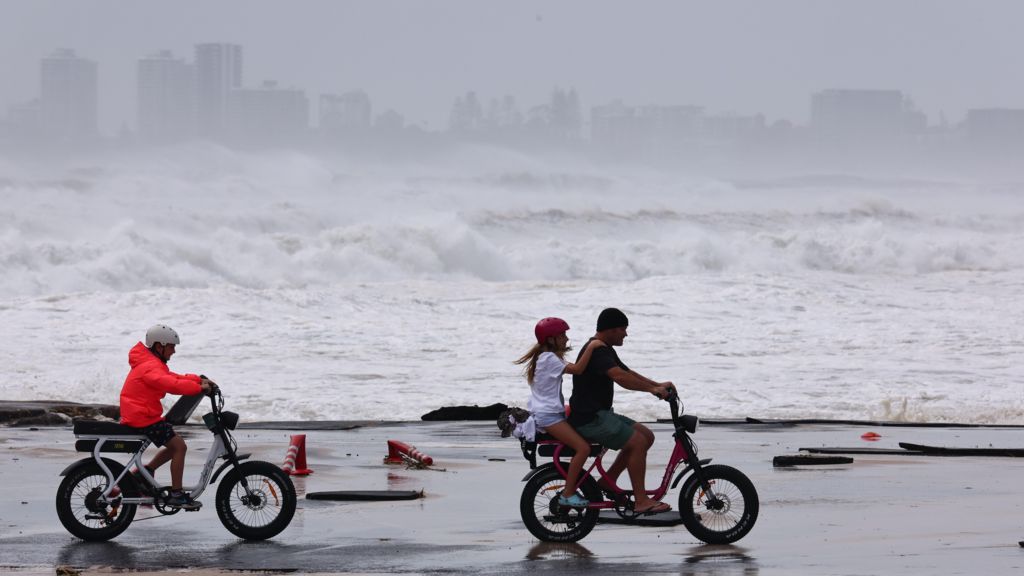
Rising seas will threaten 1.5 million Australians by 2050 – report
A groundbreaking climate report has revealed that Australia is already grappling with the severe impacts of climate change, with escalating risks projected for the coming decades. The National Climate Risk Assessment, Australia’s first comprehensive climate evaluation, warns that 1.5 million coastal residents could face threats from rising sea levels by 2050. The report highlights increased frequency and intensity of climate hazards, including floods, cyclones, heatwaves, droughts, and bushfires. Climate Change Minister Chris Bowen emphasized that while Australians are already experiencing these consequences, mitigating global warming now is crucial to safeguarding future generations. The report examined three warming scenarios—above 1.5°C, 2°C, and 3°C—and found that Australia, one of the world’s highest per capita polluters, has already surpassed 1.5°C. At 3°C, heat-related deaths in Sydney could surge by over 400%, with Melbourne seeing nearly triple the current rates. The 72-page document, released ahead of the government’s 2035 emissions reduction targets, underscores that no community will be spared from cascading and compounding climate risks. It predicts a A$611 billion drop in property values, deteriorating water quality, and heightened threats to coral reefs like the Great Barrier Reef and Ningaloo Reef. Northern Australia, remote communities, and outer suburbs of major cities are particularly vulnerable. The report also warns of increased pressure on health systems, infrastructure, ecosystems, and emergency services. In response, the government unveiled a national adaptation plan to coordinate federal, state, and local efforts. Bowen reiterated Australia’s commitment to a 43% emissions reduction by 2030, though critics argue the nation’s reliance on fossil fuels remains problematic. Climate Council CEO Amanda McKenzie called for more ambitious targets, stressing that delays in reducing emissions will exacerbate the devastating impacts of heatwaves, floods, and bushfires.
-
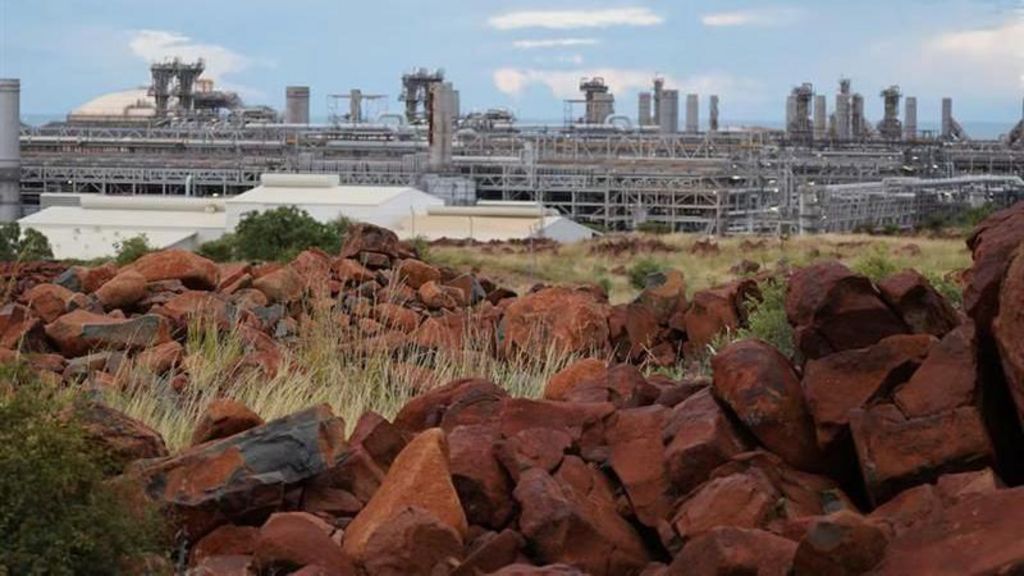
Major Australian gas project extended until 2070
The Australian government has officially extended the operational lifespan of the North West Shelf, one of the nation’s largest fossil fuel projects, by four decades to 2070. This decision comes just days before the federal government is set to announce its 2035 emissions reduction targets. Australia, one of the world’s highest per capita polluters, has committed to reducing emissions by 43% by 2030 but faces criticism for its continued reliance on fossil fuels. Critics argue that the extension undermines global climate goals, while Environment Minister Murray Watt defended the decision, citing 48 new strict conditions imposed on oil and gas giant Woodside Energy. These conditions mandate the reduction of specific gas emissions by 2030 and achieving net zero by 2050. Additionally, safeguards have been introduced to protect the ancient Indigenous rock art in Western Australia’s Pilbara region. Woodside Energy’s Chief Operating Officer, Liz Westcott, welcomed the extension, emphasizing the company’s commitment to providing reliable energy. The North West Shelf project, which includes a processing and export plant in Karratha, is located near the 60,000-year-old World Heritage-listed Murujuga rock art. Watt highlighted that the new conditions would prevent unacceptable impacts on the heritage site, including restrictions on air emissions that could accelerate damage. The decision also includes legal requirements for industry consultation with Indigenous communities and a robust monitoring system to ensure compliance with emissions limits. Further protections for the heritage site were announced under a ‘partial declaration.’ Peter Hicks, chair of the Murujuga Aboriginal Corporation, praised the additional protections for an area of great cultural significance. However, climate groups, including the Australian Conservation Foundation, condemned the extension, labeling the project a ‘carbon bomb’ that jeopardizes global efforts to combat rising temperatures. Australian Greens leader Larissa Waters described the decision as a ‘betrayal and disastrous for the planet’s future.’ Australia has faced successive natural disasters in recent years, with climate experts warning of more crises unless significant emissions reductions are achieved. Prime Minister Anthony Albanese, who came to power in 2022 promising stronger climate action, has been criticized for his government’s continued support of coal and gas projects.
-

Mystery of dancing spiders’ DNA could explain how they develop into new species
Australia’s peacock spiders, known for their dazzling colors and intricate mating dances, are more than just a visual spectacle. With over 100 distinct species, these tiny arachnids, each no larger than a pinhead, exhibit an extraordinary level of diversity that has captivated scientists. Researchers are now delving into the genetic mysteries behind this phenomenon, focusing on a little-understood component of their DNA known as ‘dark DNA.’ This enigmatic part of the genetic code, which makes up a significant portion of the spiders’ genome, may hold the key to their rapid adaptation and speciation. Jonah Walker, a researcher at the Sanger Institute, explains that studying these spiders could shed light on the broader processes that drive variation in the natural world. ‘Peacock spiders are at the extreme end of diversity,’ he says. ‘By studying them, we can understand the mechanisms that produce such variation in general.’ The spiders’ unique mating rituals, which include rhythmic drumming sounds and vibrant abdominal displays, vary widely across species. Walker, who overcame his own arachnophobia to study these creatures, collaborated with Dr. Joana Meier and an international team to catalog each species’ behavior, movement, and songs. By cross-referencing this data with their DNA, the team aims to identify the genetic factors responsible for their traits. Early findings suggest that ‘dark DNA,’ which is three times more abundant in peacock spiders than in humans, may play a crucial role in their evolution. This research is part of the broader Earth BioGenome Project, which aims to decode the genetic sequences of all 1.8 million known species within the next decade. Dr. Meier emphasizes that understanding the DNA of diverse organisms, including spiders, butterflies, and moths, will provide unprecedented insights into the principles of genetics and evolution. ‘By studying the DNA of all living things, we not only learn about them but also about ourselves,’ she says. The project has already decoded 3,000 species, with plans to complete 10,000 more next year. The ultimate goal is to unravel the intricate web of life, offering a deeper understanding of how all organisms are interconnected.