标签: Oceania

大洋洲

  • WHO declares international emergency as Ebola outbreak kills more than 80 in DR Congo

    WHO declares international emergency as Ebola outbreak kills more than 80 in DR Congo

    The World Health Organization (WHO) has officially declared a Public Health Emergency of International Concern (PHEIC) in response to a fast-spreading Ebola outbreak caused by the rare Bundibugyo strain in the Democratic Republic of the Congo (DRC), which has already claimed more than 80 lives across two countries. This marks the 17th Ebola outbreak the Central African nation has faced, with public health experts warning of extreme risks of regional and cross-border spread amid a lack of targeted medical countermeasures.

    The first confirmed case in Goma, a major population hub in eastern DRC currently held by the Rwanda-backed M23 militia, was verified by national laboratory testing on Sunday, amplifying global alarm over the outbreak’s trajectory. According to the Africa Centres for Disease Control and Prevention (Africa CDC), as of Saturday, the outbreak has been linked to 88 confirmed deaths and 336 suspected cases of the highly contagious haemorrhagic fever.

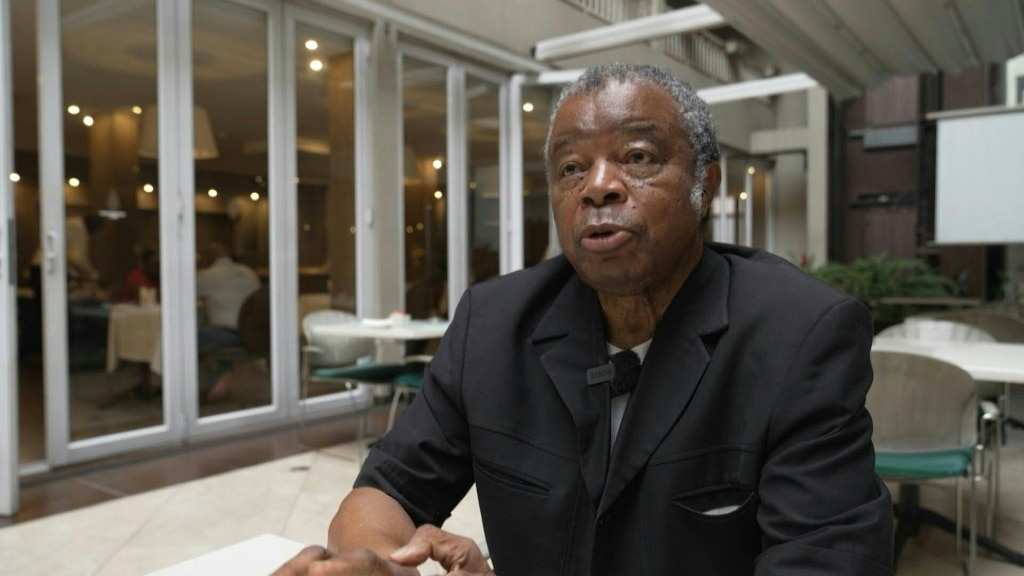
    Professor Jean-Jacques Muyembe, director of the Congolese National Institute for Biomedical Research (INRB), detailed that the Goma patient is the widow of an Ebola victim who died in the northeastern city of Bunia. The woman, already infected when she traveled to Goma after her husband’s death, represents the first confirmed case in a major urban center, raising fears of wider community transmission.

    WHO Director-General Tedros Adhanom Ghebreyesus announced the emergency declaration via the social platform X, noting that while the outbreak qualifies as a PHEIC— the global body’s second-highest alert level under the International Health Regulations (IHR), with a pandemic classified as the highest— it does not yet meet the formal criteria for a pandemic. The WHO emphasized that critical gaps remain in understanding the outbreak’s full scale, writing, “There are significant uncertainties to the true number of infected persons and geographic spread.”

    A core challenge facing response teams is the nature of the strain itself. Unlike the more common Zaire Ebola strain, for which effective vaccines are widely available, the Bundibugyo strain— first identified in 2007— has no licensed vaccine or specific antiviral treatment. DRC Health Minister Samuel-Roger Kamba highlighted the strain’s extreme virulence, noting that its fatality rate can reach 50 percent. By comparison, the Zaire strain has a recorded fatality rate of 60 to 90 percent, but the availability of vaccines and treatments has drastically reduced mortality in recent outbreaks.

    The current outbreak was first confirmed in Ituri Province, a northeastern region bordering Uganda and South Sudan, on August 15. Local civil society representative Isaac Nyakulinda told Agence France-Presse (AFP) that communities in the affected area have been struggling to cope for weeks. “We’ve been seeing people die for the past two weeks,” Nyakulinda said. “There is nowhere to isolate the sick. They are dying at home and their bodies are being handled by their family members, increasing the risk of further transmission.”

    Congolese health officials traced the outbreak back to an index case, a nurse who first presented with Ebola symptoms at a Bunia health facility on April 24. Early symptoms of Ebola include fever, vomiting, and haemorrhaging, progressing to severe organ failure and internal bleeding in advanced cases. The virus, which is thought to originate in bat populations, spreads between humans through direct contact with bodily fluids or infected blood; victims only become contagious once symptoms develop, and the incubation period can last up to 21 days.

    On Saturday, officials confirmed that the outbreak has already crossed international borders, with one Congolese national dying of the disease in neighboring Uganda. Medecins Sans Frontieres (MSF, also known as Doctors Without Borders), the leading medical aid group working on the ground, is mobilizing for a large-scale emergency response, but has flagged multiple barriers to effective action.

    “The number of cases and deaths we are seeing in such a short timeframe, combined with the spread across several health zones and now across the border, is extremely concerning,” said Trish Newport, MSF’s Emergency Programme Manager. The DRC’s poor transport and communications infrastructure, a longstanding challenge for public health responses, has slowed the movement of critical medical supplies to affected regions. The country, home to more than 100 million people and four times the size of France, has limited paved road networks in remote rural areas where the outbreak first took hold.

    Most of the early transmission has occurred in hard-to-reach areas, meaning only a small share of suspected cases have been confirmed via laboratory testing. Even so, the WHO says early indicators point to a far larger outbreak than currently documented: high positivity rates from initial tested samples, cross-border transmission, and rising numbers of suspected cases “all point towards a potentially much larger outbreak than what is currently being detected and reported, with significant local and regional risk of spread.”

    This outbreak comes just months after DRC declared an end to its previous Ebola outbreak in the same region, which was declared eradicated in December 2024 after killing 34 people. Since Ebola was first identified in 1976, the virus has killed roughly 15,000 people across Africa, despite major medical advances in prevention and treatment over the past decade. The 2018-2020 Ebola outbreak in eastern DRC remains the deadliest in the country’s history, killing nearly 2,300 people before it was contained.
  • Italian PM meets victims of Modena car incident

    Italian PM meets victims of Modena car incident

    A violent car ramming incident in the northern Italian city of Modena that left eight pedestrians wounded has sparked political friction, even as the country’s top leaders rushed to visit victims and law enforcement worked to untangle the motives behind the attack.

    The episode unfolded on Saturday afternoon, when a 31-year-old local man of Moroccan heritage drove his vehicle at high speed into a busy downtown street crowded with pedestrians and cyclists, according to official accounts and security footage broadcast by local media. After striking multiple people, the driver crashed into a storefront, colliding head-on with one woman who later required a double amputation. Four of the eight injured people remain in serious condition as of Sunday.

    After attempting to flee the scene, the suspect was cornered by four bystanders who intervened to stop him. He pulled a knife during the confrontation and wounded one of the good Samaritans before being detained. Investigators later confirmed the driver is an Italian citizen and an economics graduate who had no prior criminal record. Authorities confirmed he had a documented history of mental health challenges: he received treatment at a local mental health facility in 2022 for schizoid disorders, but was lost to follow-up care after an initial observation period. Tests ruled out the influence of psychotropic substances at the time of the attack, and searches of his home near Modena have found no evidence of ideological radicalization, ruling out a terrorist link to date.

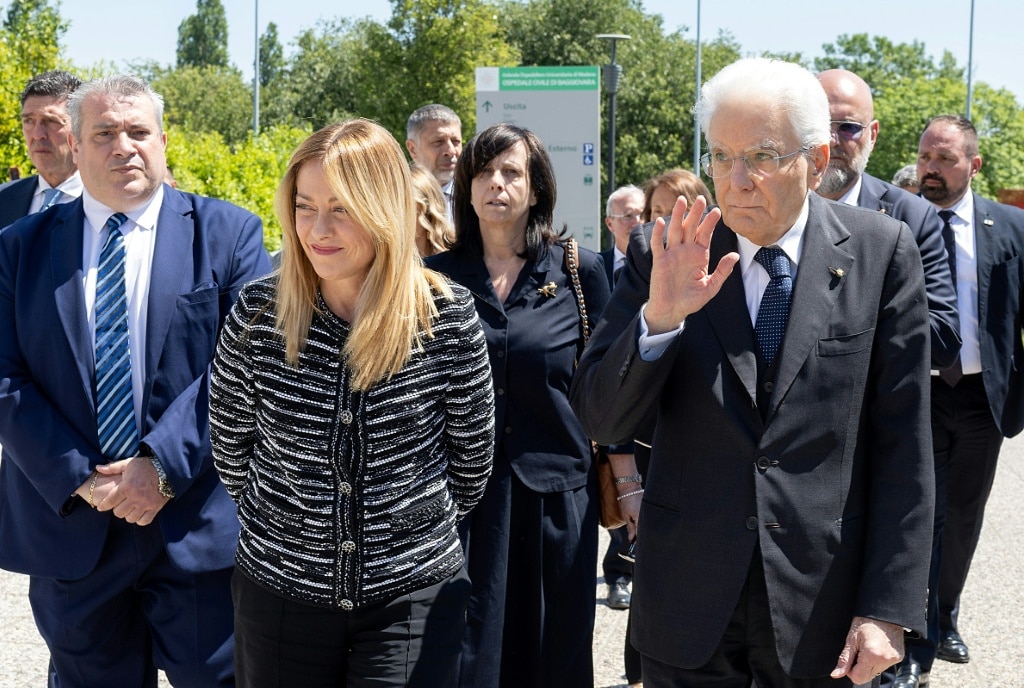
    Italy’s Prime Minister Giorgia Meloni, head of the country’s far-right-led governing coalition, canceled a scheduled official trip to Cyprus to travel to Modena on Sunday alongside President Sergio Mattarella. The pair visited injured victims at local hospitals, and Meloni took to social media to praise the courage of the civilians who detained the suspect, calling the attack “extremely serious.”

    Interior Minister Matteo Piantedosi told reporters Sunday that early investigations point to the incident being driven by psychiatric issues, stressing that it appears to be an isolated, tragic event. “There are sometimes situations in which reasons overlap, so we will let investigators complete their work,” Piantedosi said. “But from what we know now, the city can be reassured that this is not part of a broader threat.” He joined other officials in commending the quick action of the civilians who stopped the suspect.

    But even as investigators worked, political factions quickly moved to leverage the incident for their own policy goals. Far-right parties in Meloni’s coalition — including the League, led by Matteo Salvini — seized on the attacker’s migrant heritage to push for harsher immigration controls, even though he is a native-born Italian citizen. Salvini claimed the attack proved that integration of second-generation immigrants in Italy had “failed,” and the League called for new legislation to revoke residence permits from immigrants who commit crimes.

    These moves drew sharp pushback from Modena’s center-left mayor Massimo Mezzetti, who pointed out that two of the four bystanders who stopped the knife-wielding suspect were Egyptian nationals. Mezzetti called on residents to gather for a unity rally in the city center Sunday evening, framing the event as a rebuke to bad-faith political actors. “We need to unite against those who want to divide and sow hatred,” the mayor said. “This is the best response to the vultures on social media who are trying to use this extremely serious incident for political ends.” Elly Schlein, leader of the main opposition Democratic Party, also planned a visit to the city Sunday to meet with local officials and victims.

  • ‘Fight relentlessly’: Ukraine commander vows strikes into Russia

    ‘Fight relentlessly’: Ukraine commander vows strikes into Russia

    In an underground command center tucked away from Russian surveillance, the head of Ukraine’s unmanned combat forces, Robert Brovdi — who goes by the call sign “Madyar” — spends his days mapping out a growing campaign of long-range strikes deep inside Russian territory. For Brovdi, these escalating attacks are not just military strategy: they are deliberate retribution for Moscow’s full-scale invasion of Ukraine.

    In an exclusive interview with Agence France-Presse conducted ahead of one of the war’s largest drone barrages, Brovdi laid out the strategic logic and expanding scope of Ukraine’s deep-strike campaign. In the wave of attacks that followed the interview, Kyiv launched nearly 600 drones across Russia, leaving four people dead.

    Brovdi and other Ukrainian officials frame the strikes as a targeted effort to undermine Russia’s war capacity, prioritizing two key types of infrastructure: defense manufacturing sites and oil storage and processing facilities. By crippling these assets, Ukraine aims to cut off the resources Russia relies on to sustain its invasion.

    “All sources that fund Putin’s war effort have become legitimate, priority military targets anywhere in the occupying country’s territory, from the south to the Urals and even Siberia,” Brovdi stated.

    Over the past several months, Ukraine has dramatically expanded its deep-strike operations, launching attacks more frequently and hitting targets farther from the shared border than ever before. Kyiv estimates that attacks on major sites including the ports of Tuapse and Primorsk have caused billions of dollars in damage, while Russian officials have confirmed multiple civilian and military casualties from the strikes.

    Brovdi identified three core drivers behind Ukraine’s new, more aggressive approach to cross-border strikes: greater access to resources to build and deploy long-range drones, a deliberate strategic shift to disrupt Russia’s war machine at its source, and the gradual weakening of Russia’s integrated air defense network.

    “The enemy built a multi-layered wall of air defenses, and we had to cut a door through it to get inside,” he explained. Starting in December 2025, his forces launched a systematic campaign to pick apart Russian air defense systems, prioritizing their destruction to clear a path for deeper strikes. While Brovdi acknowledged that destroying the entire national air defense network remains a distant goal, he said the campaign has already yielded tangible results.

    “We’ve gotten to the point that there isn’t much more air defense left to destroy to open up access to almost all of Russian territory,” he said. “With such a vast land mass full of high-value sensitive targets, the enemy can never predict where we will strike next.”

    Ukrainian President Volodymyr Zelensky has defended the cross-border strikes as a legitimate right of self-defense, following a massive Russian missile attack on Kyiv earlier this month that killed 24 civilians.

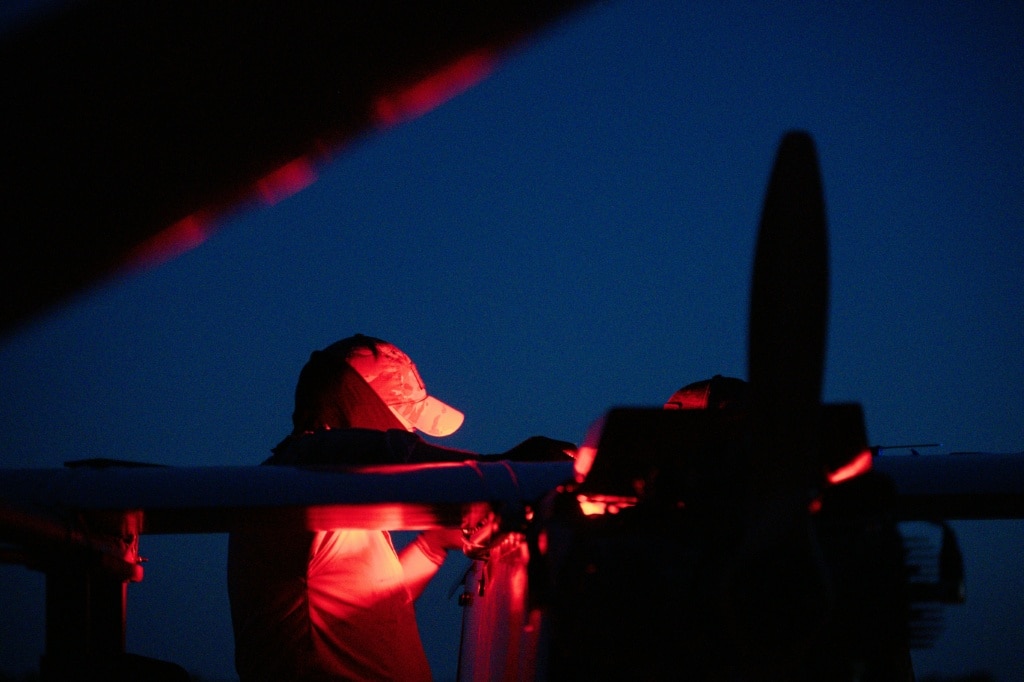
    On the night of the large-scale barrage that followed Brovdi’s interview, AFP reporters on the ground observed Ukrainian drone operators preparing long-range unmanned aerial vehicles for launch in total darkness, working only by the faint glow of red flashlights. The drones, which resemble small fixed-wing aircraft, lifted off into the night leaving trails of orange flame behind them. After the attack, Ukraine’s Security Service (SBU) confirmed that the strikes demonstrated even the heavily fortified Moscow region is no longer beyond Ukraine’s reach.

    The growing threat of Ukrainian strikes has already caused palpable disruption in Russia. Earlier this year, Moscow significantly scaled back its annual May 9 Victory Day parade, the country’s most important symbolic military celebration. For the first time in almost 20 years, no military hardware was displayed along Red Square. Russian authorities had previously warned Kyiv against striking the celebration, threatening severe retaliation — until former U.S. President Donald Trump announced a three-day ceasefire would take effect, paired with a planned major prisoner swap of 1,000 POWs from each side.

    Brovdi explained his decision to hold off on planned strikes targeting the parade celebrations, posing a rhetorical question about the trade-offs of such an attack: “Is a dramatic image of explosions in the heart of the war, in central Moscow, worth more than 1,000 lives that could be saved in the prisoner swap? Is it worth risking our relationship with the Americans?” A delay of just a few days made no meaningful difference to the overall campaign, he added.

    Looking ahead, Brovdi vowed that Ukraine would continue its campaign of strikes without letup, relying on unpredictability to keep Russian defenses off balance. “Surprise is like that children’s shooting gallery game, where the bunny pops up out of different windows one after another — you have to be fast to catch it,” he said. “We will fight relentlessly.”

  • Fernandes equals Premier League assist record in Man Utd win, West Ham brace for Newcastle

    Fernandes equals Premier League assist record in Man Utd win, West Ham brace for Newcastle

    The final weeks of the English Premier League season delivered a historic milestone, high-stakes relegation drama, and shifting European qualification hopes across a packed weekend of action, headlined by Bruno Fernandes’ record-equaling achievement for Manchester United.

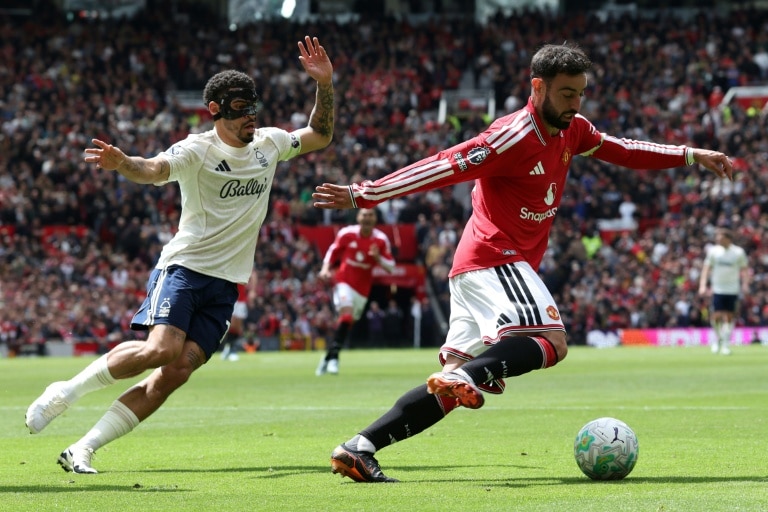
    Manchester United secured a narrow 3-2 victory over Nottingham Forest at Old Trafford to lock in third place in the league table, and in the process, Bruno Fernandes matched the Premier League’s single-season assist record of 20. The Portuguese midfielder now stands alongside Arsenal legend Thierry Henry and Manchester City star Kevin De Bruyne as the only players to hit that mark in a single campaign. The record-tying play came with 14 minutes remaining in regulation, when Fernandes’ drilled cross into the box was poked home by Bryan Mbeumo — Mbeumo’s first goal scored since February.

    The match was not without controversy, as a handball by Mbeumo in the build-up to Matheus Cunha’s go-ahead goal survived a VAR review and stood. The game opened with an early lead for United, as Luke Shaw volleyed home just five minutes after kickoff. Nottingham Forest fought back to level the score seven minutes into the second half, when Morato headed in a cross from Elliot Anderson. Just minutes after the equalizer, Cunha put United back in front after the ball ricocheted off Mbeumo’s thigh onto his arm before falling to the Brazilian attacker. Morgan Gibbs-White cut United’s lead back to one goal in the 78th minute, but the Red Devils held on for the win to extend their strong run of form under interim manager Michael Carrick.

    Carrick, who took over as interim boss in January following the sacking of Ruben Amorim, is widely expected to sign a permanent two-year contract to stay on at the club. Speaking after the match, Carrick confirmed that details of his future will be finalized in the near future: “Over the coming days there’ll be clarity in the situation,” he said.

    Elsewhere, the relegation battle remains down to the wire, with third-bottom West Ham United set to face a make-or-break clash against Newcastle United on Sunday. Nuno Espirito Santo’s side sit just two points adrift of fourth-bottom Tottenham Hotspur, who do not play until Tuesday against Chelsea. A win for West Ham would lift them out of the relegation zone. It has been more than a decade since West Ham last competed in the second tier (2011-12), while Tottenham has not fallen to the Championship since the 1977-78 season, adding extra pressure to the final matchweek survival fight.

    European qualification hopes also took hits and boosts across Sunday’s fixtures. At Elland Road, Leeds United grabbed a 1-0 stoppage-time win over Brighton & Hove Albion, but the victory came at a cost: German midfielder Anton Stach, who is hoping to earn a spot in Germany’s 2026 World Cup squad, was stretchered off the pitch, leaving his tournament prospects in doubt. Dominic Calvert-Lewin scored the late winning goal for Leeds, damaging seventh-placed Brighton’s bid to secure a spot in continental competition next season.

    Eighth-placed Brentford also saw their European ambitions dented after a 2-2 draw with Crystal Palace. Palace got off to a quick start, with Ismaila Sarr converting a sixth-minute penalty to open the scoring. Dango Ouattara equalized for Brentford before halftime, and Adam Wharton restored Palace’s lead with his first goal for the club in the 52nd minute. But Ouattara struck again in the 88th minute to salvage a point for Brentford, leaving both sides outside the European spots.

    Sunderland boosted their own European hopes with a 3-1 away win over Everton, which in turn crushed Everton’s own chances of qualifying for continental competition. Merlin Rohl put Everton ahead with a deflected strike in the 43rd minute, but Brian Brobbey equalized for Sunderland in the 59th minute. Enzo Le Fee put Sunderland ahead in the 81st minute, and Wilson Isidor added a third in stoppage time to secure all three points for the ninth-placed side.

    Fulham’s European dreams were also hampered after they could only manage a 1-1 draw against already-relegated Wolverhampton Wanderers. Mateus Mane gave Wolves an early lead with a 25th-minute long-range strike, and Antonee Robinson equalized from the penalty spot in first-half stoppage time to split the points.

    In off-the-field news that broke early Sunday, Chelsea appointed Xabi Alonso as their new permanent manager, less than 24 hours after the Blues fell 1-0 to Manchester City in the FA Cup final. Alonso, who led Bayer Leverkusen to the 2024 Bundesliga title, agreed to a four-year contract with the 10th-placed Chelsea side. The 44-year-old was dismissed by Real Madrid in January after just seven months in charge, and will officially take over at Chelsea on July 1.

  • Di Giannantonio wins Catalan MotoGP Grand Prix, Alex Marquez injured in horror crash

    Di Giannantonio wins Catalan MotoGP Grand Prix, Alex Marquez injured in horror crash

    The 2024 Catalan MotoGP Grand Prix delivered a dramatic day of high-speed racing defined by shocking crashes, two red-flag stoppages, and a fairy-tale victory for Ducati’s Fabio Di Giannantonio on Sunday. The Italian rider secured his first MotoGP win in three years despite sustaining a hand injury early in the event from debris of a catastrophic crash that sidelined reigning Catalan winner Alex Marquez.

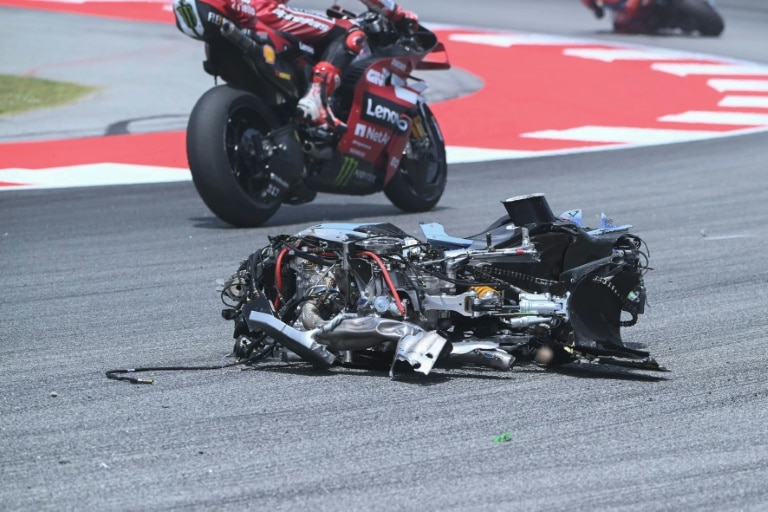
    Trouble struck the circuit before the race could even find its rhythm. Pole-sitter Pedro Acosta suffered a sudden technical failure that cut his engine power mid-corner, leaving Alex Marquez with no time to avoid a collision. Marquez was flipped violently off his Ducati-Gresini bike, which was completely destroyed in the impact. The 2023 race winner and Saturday sprint champion was airlifted to a local hospital for urgent care, just one week after his older brother – eight-time world champion Marc Marquez – suffered a violent crash at Le Mans that left him injured.

    Race officials immediately called the first red flag to clear debris from the track. When racing resumed, disaster struck again on the opening corner: French rider Johann Zarco collided with Luca Marini and defending series champion Pecco Bagnaia, sending Zarco sliding off the track and forcing a second red-flag stoppage. Zarco was transported by ambulance for mandatory medical evaluations after the incident. The race restarted with 12 laps remaining on the calendar.

    When the final run to the checkered flag got underway, Acosta held the lead for most of the remaining distance, until Di Giannantonio made a decisive overtake with just two laps left to claim the top spot. Joan Mir and Fermin Aldeguer also slipped past Acosta, who was taken out in a late collision with Ai Ogura not long before the finish line. Aldeguer rounded out the podium in third, while Mir crossed the line in second – though both Mir and several other riders now face official investigations over potential violations of MotoGP’s tyre pressure regulations.

    In the overall championship standings, current leader Marco Bezzecchi endured a difficult weekend but still managed to expand his gap at the top. His closest title contender, Jorge Martin, was caught up in a crash caused by Raul Fernandez’s aggressive inside overtake, marking Martin’s fifth crash of the entire weekend. Bezzecchi crossed the line in sixth, pushing his championship lead to 13 points over Martin.

    For Di Giannantonio, the win was almost derailed before he even got to the final restart: the Italian suffered a hand injury when a loose wheel from Marquez’s destroyed bike hit him during the first crash. But he pushed through the pain to secure the milestone victory. After taking the checkered flag, he opened his post-race comments by prioritizing the health of fallen riders over his own win.
    “I’m so happy. But first of all I was really worried about all the riders who crashed,” Di Giannantonio told reporters. “Today has not been an easy day for everybody. I really hope that Alex (Marquez) is fine. We’ve been really lucky. We know that our sport is amazing. We try to give an amazing show, we are humans, we are in danger.”

  • Anthony Albanese lands housing infrastructure deal with Queensland

    Anthony Albanese lands housing infrastructure deal with Queensland

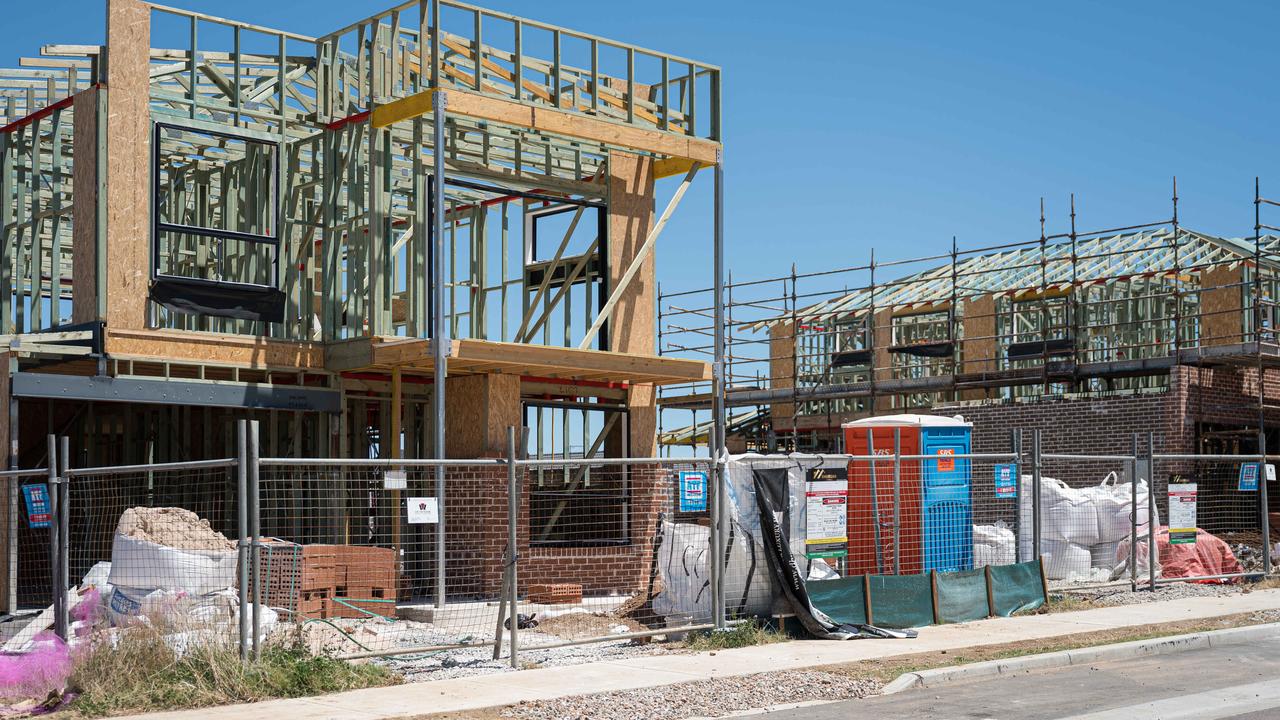
    Australia’s national Albanese government has sealed a historic infrastructure agreement with Queensland’s state government that will pave the way for more than 51,000 new residential properties across the Sunshine State, a quarter of which are reserved exclusively for first-time homebuyers with no competition from private investors.

    This deal marks the third major housing supply agreement struck between the federal government and state authorities in 2024, following earlier pacts that will enable 4,000 new homes in Tasmania and more than 34,000 in Western Australia. All agreements center on funding core enabling infrastructure—from arterial roads and water networks to sewage systems and power connections— that removes barriers to developers breaking ground on new residential projects.

    Under the Queensland agreement, the commonwealth will contribute a total of AU$2 billion to infrastructure, split between AU$399 million in direct grants and AU$1.6 billion in zero-interest concessional loans. The Queensland state government, led by Premier David Crisafulli’s Liberal-National administration, will match the federal government’s grant contribution with an additional AU$399 million, bringing the total infrastructure investment to AU$4 billion. Funds will be directed first to three priority development zones: Mount Peter near Cairns, Southern Thornlands, and Waraba, with the first completed homes expected to hit the market by mid-2028.

    Federal Housing Minister Clare O’Neil emphasized that the investment in often-overlooked core infrastructure is the critical first step to expanding housing supply and driving down costs for Queensland residents. “We’re investing in the boring but essential infrastructure like roads and sewerage that help us unlock more homes for Queenslanders, because the more homes we build, the more affordable housing becomes,” O’Neil said. “This deal opens up tens of thousands of new homes to residents with no competition from investors.”

    Queensland Deputy Premier Jarrod Bleijie echoed that urgency, noting that rapid population growth has created an immediate need for additional housing across the state. “More and more people are wanting to become Queenslanders every day, and we’re working to ensure they have a place to call home,” Bleijie said. “Availability equals affordability, and by providing funding to get the vital infrastructure like roads, water, sewerage and power in place, the builders can get building.”

    The Queensland agreement forms part of the federal government’s broader AU$6.3 billion national housing agenda, which includes a new AU$2 billion Local Infrastructure Fund announced in the 2026–27 federal budget. Federal Treasurer Jim Chalmers explained that the government is pursuing a multi-pronged approach to the national housing crisis, combining infrastructure investment with targeted tax reforms to adjust negative gearing and capital gains tax rules. The reforms are designed to level the playing field for domestic buyers, prioritizing first-time Australian homeowners over foreign investors.

    “We’re coming at this housing challenge from every responsible angle, and this budget builds on our ambitious housing agenda,” Chalmers said.

    Queensland has its own long-term target to address its housing shortage: the state government has committed to delivering 1 million new homes by 2044, including 53,500 new social and community housing units. It has already allocated a separate AU$2.4 billion to housing-enabling infrastructure through initiatives such as the Residential Activation Fund.

    The agreement comes as Australia’s ongoing housing affordability and supply crisis returns to the top of the national political agenda. After rolling out earlier measures to boost supply and expand access to home loans for first-time buyers, the Albanese government has now turned its attention to tax reform. The opposition Coalition, by contrast, has pledged to roll back many of the current government’s housing policies, instead focusing on cutting planning red tape and linking net overseas migration— which many conservative politicians identify as a core driver of housing unaffordability— to annual housing completion targets.

  • War in Middle East: latest developments

    War in Middle East: latest developments

    Ongoing conflict across the Middle East entered a new phase this weekend, bringing a mix of targeted military strikes, diplomatic maneuvers, and far-reaching economic and global sporting impacts that have rippled across regions.

    One of the most surprising developments tied to the broader unrest comes from global football governance. FIFA Secretary General Mattias Grafstrom labeled a Saturday meeting in Istanbul with Iranian football federation representatives as both “excellent” and “constructive”, focused on securing Iran’s full participation in the 2026 FIFA World Cup co-hosted by the United States, Canada, and Mexico. Despite the active military conflict in the region, Iran has confirmed plans to base its national squad and play all three of its group stage matches on U.S. soil. To prepare for the tournament, head coach Amir Ghalenoei announced Saturday that the Iranian team will depart for a pre-tournament training camp and friendly matches in Turkey on Monday, where players will complete U.S. visa applications ahead of their opening match against New Zealand in Los Angeles on June 15. Diplomatic relations between Iran and the U.S. have been severed since 1980, requiring the side to complete all entry documentation from the neutral Turkish location.

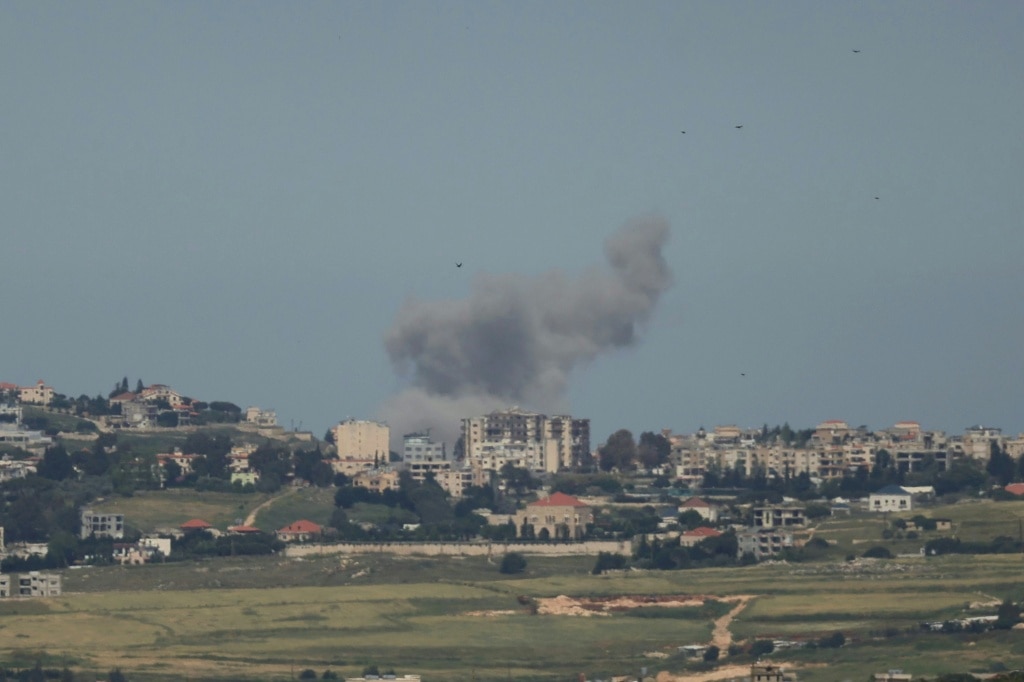
    On the military front, Israel has renewed air strikes against Hezbollah positions in Lebanon, breaking a period of fragile ceasefire that had held for a short period. Lebanon’s state-run National News Agency (NNA) confirmed that two strikes hit the town of Sohmor in the eastern Bekaa Valley, with additional strikes targeting multiple locations across southern Lebanon. The escalation comes as a Hezbollah-affiliated member of Lebanon’s parliament described ongoing negotiation efforts between the two nations as a dead end. The Israel Defense Forces also confirmed Saturday that one additional soldier had been killed in combat in southern Lebanon, pushing the service’s total personnel losses to 21 since open conflict with Hezbollah began in early March.

    Diplomatic shifts continue to reshape regional power dynamics this week. Iranian media confirmed that Mohammad Bagher Ghalibaf, speaker of Iran’s parliament and a recently prominent lead negotiator in talks with the United States, has been tapped to oversee and coordinate all Iranian relations with China. While the official appointing authority has not been publicly confirmed, Tehran-based Tasnim News Agency reported via informal sources that Ghalibaf will take charge of synchronizing work across all government sectors involved in Iran-China bilateral ties. Pakistan has also ramped up its diplomatic engagement in the region, with Interior Minister arriving in Tehran Saturday to help move forward stalled peace talks between Iran and the U.S. that have remained gridlocked even amid a fragile ceasefire. His visit comes just days after Pakistani Army Chief Field Marshal Asim Munir traveled to the Iranian capital for similar talks.

    The United States has also adjusted its military posture in the region, with the Pentagon announcing Saturday that the USS Gerald R. Ford aircraft carrier has returned to its home port in the U.S. after an extended 326-day deployment. The carrier was dispatched to the Middle East ahead of the outbreak of open conflict with Iran, and completed operations in the Caribbean before moving to the region to support combat missions against Iranian targets.

    The economic fallout of the conflict continues to hit regional energy markets hard. Iraq’s new oil minister confirmed that crude oil exports passing through the Strait of Hormuz plummeted to just 10 million barrels in April, down from a typical monthly volume of 93 million barrels. As a founding member of OPEC, Iraq moves the vast majority of its crude exports through the strategic waterway, but has been forced to scramble for alternative shipping routes after Iran imposed a blockade on the strait. Iran also confirmed Saturday that multiple European nations have begun negotiations with the Islamic Revolutionary Guard Corps Navy to secure safe passage for their commercial vessels through the strait, following similar talks already completed with East Asian powers including China, Japan, and Pakistan. No further details on the ongoing European negotiations were provided.

    Even beyond the Middle East, the conflict has sparked deadly unrest. Officials in Comoros confirmed that days of mass protests over spiking fuel prices, driven indirectly by the U.S.-Israeli conflict with Iran, turned deadly Saturday when one person was killed in overnight clashes between demonstrators and police.

  • Mass Ukraine drone barrage kills 4 in Russia: Moscow

    Mass Ukraine drone barrage kills 4 in Russia: Moscow

    In one of the most massive aerial offensives of the Russia-Ukraine conflict to date, Ukraine launched an unprecedented overnight drone barrage consisting of nearly 600 unmanned aerial vehicles across Russian territory, Russian officials confirmed Sunday. The attack left four people dead across two regions and marked a sharp escalation of cross-border strikes following a recent deadly Russian assault on Kyiv.

    According to Russia’s defence ministry, its air defence systems intercepted and destroyed 556 drones overnight, with an additional 30 neutralized after sunrise. Interception operations spanned 14 Russian regions, as well as the Crimean Peninsula — which Russia annexed from Ukraine in 2014 — and adjacent waters of the Black and Azov Seas. The region surrounding Moscow was among the areas hardest hit by the attack.

    Moscow Region Governor Andrey Vorobyov announced via Telegram that three people were killed in strikes on the region: one woman died when a drone crashed directly into a private residential building, with two additional male victims also confirmed dead, while four other people sustained injuries. Vorobyov added that the attack began at 3 a.m. and deliberately targeted civilian and infrastructure sites, with one person initially reported trapped under rubble following the impact.

    Within the city of Moscow proper, located roughly 400 kilometers from the Ukrainian border and only rarely targeted despite frequent strikes on surrounding areas, Mayor Sergei Sobyanin confirmed that local air defences shot down more than 80 inbound drones. Twelve people were wounded by falling debris, including a group of construction workers at a worksite adjacent to a local oil and gas refinery. Sobyanin noted that while minor damage was recorded at debris impact sites, including three residential buildings, refinery operations have not been disrupted.

    In the southern Belgorod region that shares a border with Ukraine, regional officials confirmed a fourth fatality: a man killed when a drone struck a commercial lorry in the Shebekino district.

    The large-scale attack comes as a direct retaliation for a recent Russian strike on Kyiv that killed 24 people and wounded roughly 50 more. Just two days before the drone barrage, Ukrainian President Volodymyr Zelenskyy publicly vowed to step up retaliatory strikes against Russian targets.

    Ukrainian defence officials offered their own account of defensive operations over the same period, claiming that Ukrainian air defences intercepted 279 out of 288 Russian-launched drones overnight.

    Zelenskyy has repeatedly defended Ukraine’s strategy of striking military and energy infrastructure within Russian territory, arguing the tactic weakens Moscow’s ability to fund and sustain its full-scale invasion. Following the recent Russian attack on Kyiv, Zelenskyy reaffirmed that this approach is “entirely justified” in response to years of sustained Russian bombardment of Ukrainian populated areas.

    Diplomatic efforts to de-escalate the conflict have remained completely stalled in recent months. Kyiv has rejected Moscow’s maximalist territorial demands that would require Ukraine to cede full control of the eastern Donbas region. While the United States initially pushed for renewed peace talks, diplomatic momentum has collapsed since Washington shifted its foreign policy focus to the Middle East. The three-day truce both sides agreed to mark the 79th anniversary of World War II victory over Nazi Germany expired earlier this week, with each side quickly accusing the other of violating the ceasefire. The cross-border exchange of strikes has since resumed with increased intensity. Ukraine’s Western allies have repeatedly accused Russia of undermining all diplomatic efforts to end the war through its continued military aggression.

  • North Korean women footballers land in South ahead of rare match

    North Korean women footballers land in South ahead of rare match

    In a moment that has captured cross-border attention, North Korea’s Naegohyang Women’s Football Club touched down at Incheon International Airport near Seoul on Sunday, kicking off the first visit by a North Korean sports delegation to South Korea in nearly a decade. The historic trip comes ahead of their much-anticipated semi-final match at the Women’s Asian Champions League this week.

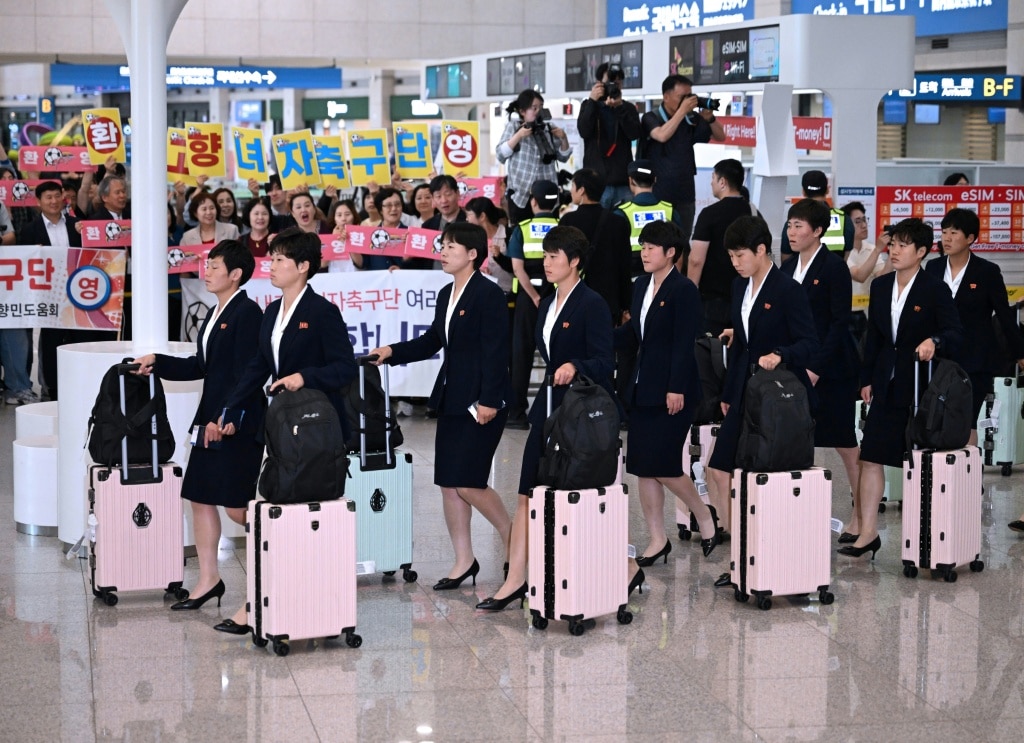
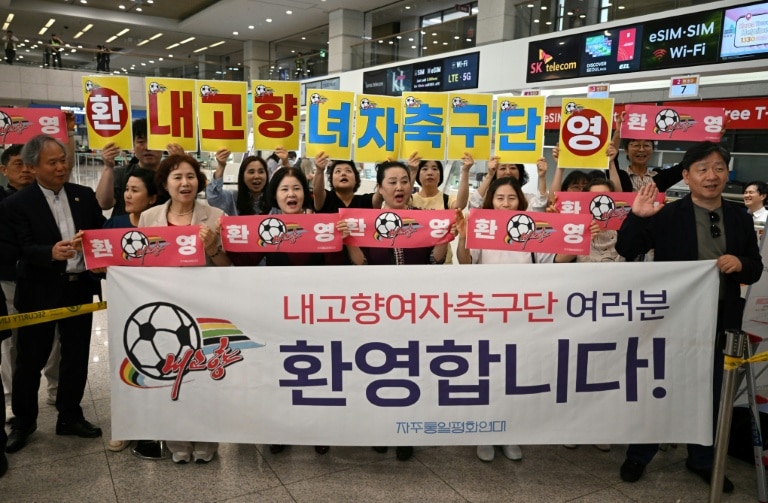
    The 39-member group, made up of players and coaching staff, stepped off the aircraft dressed in matching dark coordinated outfits, wheeling matching pink luggage as they navigated a secured, cordoned path through the airport. A large crowd of journalists gathered to document the arrival, while dozens of representatives from South Korean civic groups held up handwritten welcome signs to greet the delegation. Chants of “We welcome you!” rang out as the team passed, with a heavy uniformed security presence deployed to maintain order during the arrival process. Following their exit from the terminal, the team quickly boarded a chartered bus, which departed for their accommodation under a full police escort.

    Choi Young-ok, one of the South Korean civic group members who turned out to greet the visitors, shared her perspective with AFP on the significance of the moment. She explained that she joined the welcome event specifically to mark the first North Korean sports team visit in eight years, but tempered expectations about what the single match could achieve for inter-Korean relations. “While I do hope it will help, I don’t think this match alone will solve anything significant unless the fundamental issues between the two sides are addressed,” Choi noted, adding simply, “A sports match is just a sports match.”

    Based in Pyongyang, Naegohyang Women’s FC – whose name translates to “My Hometown” in Korean – was founded in 2012. The club claimed the title of North Korea’s top domestic women’s league in the 2021-2022 season, and already holds a 3-0 victory over their upcoming opponent, South Korea’s Suwon FC Women, from the group stage of the same tournament last year. The North Korean delegation travelled to South Korea via Beijing on a commercial Air China flight, and will be based at a hotel in Suwon, a city located south of Seoul. According to local South Korean media reports, both the North Korean and South Korean squads will be staying at the same accommodation, but separate dining areas and movement routes have been arranged to limit unplanned direct interaction between the two groups.

    Public interest in the rare cross-border match has surged among South Korean football fans: more than 7,000 tickets for the Wednesday game sold out within just a few hours of going on sale. The match will be hosted at Suwon Sports Complex, which has a total capacity of just under 12,000 spectators. Seoul’s Unification Ministry has allocated public funding to support civic groups that are organizing cheering activities for both teams, framing the match as a rare opportunity to build “mutual understanding between the two Koreas.”

    However, strict local regulations shape the scope of welcome activities: under South Korea’s National Security Law, displaying the North Korean national flag in public spaces is banned. In past cross-border sports events hosted in South Korea, civic groups have instead used unifying flags depicting the entire Korean Peninsula as an alternative, and local media reports confirm that similar arrangements are in place for this week’s match.

    Women’s football has long been one of North Korea’s most successful international sports, with North Korean national squads consistently competing at the top tier of Asian and global competition. The North Korean senior women’s national team currently sits 11th in the official FIFA world rankings – a far higher position than the North Korean men’s national team, which ranks 118th globally.

  • North Korean women footballers arrive in South Korea: AFP

    North Korean women footballers arrive in South Korea: AFP

    In a landmark moment for inter-Korean sports exchange after nearly a decade of separation, North Korea’s Naegohyang Women’s Football Club touched down in South Korea on Sunday, ahead of their semi-final appearance at the Women’s Asian Champions League. This visit marks the first time a sports delegation from the isolated country has traveled to its southern neighbor since 2016.

    An Agence France-Presse correspondent on the ground at Incheon International Airport reported that the 39-member group, made up of players and coaching staff, stepped out of the arrivals gate clad in matching dark jackets and skirts, greeted by a crowd of cheering South Korean civic activists holding hand-painted welcome banners. “We welcome you!” the supporters shouted as the delegation walked along a security cordoned path, under close supervision from local law enforcement. After clearing the terminal, the team quickly boarded a chartered bus that departed under police escort to their accommodations.

    Based in the North Korean capital Pyongyang, Naegohyang — whose name translates to “My Hometown” in Korean — will face off against host side Suwon FC Women this Wednesday in the tournament’s first semi-final match. Founded in 2012, the club claimed the top title in North Korea’s domestic top-flight league for the 2021-2022 season, and already holds a decisive 3-0 victory over Suwon from the group stage of last year’s competition.

    The delegation traveled to South Korea via Beijing, and will stay at a hotel in Suwon, a city located roughly 30 kilometers south of Seoul. According to local South Korean media reports, organizers have arranged separate dining facilities and transportation routes for the two teams, a measure that will limit unplanned direct interaction between the North Korean and South Korean squads.

    Public excitement around the historic match has surged across South Korea: more than 7,000 tickets to the game sold out within hours of going on sale. South Korea’s Unification Ministry, the government body responsible for inter-Korean relations, has even allocated public funding to South Korean civic groups organizing fan activities for both teams, framing the cross-border sports event as a rare, important opportunity to build connection between the divided Korean people. “This match offers a meaningful chance to boost mutual understanding between the two Koreas,” the ministry noted of its support.