标签: Oceania

大洋洲

  • Bondi hero says he wanted to stop gunman killing innocent people

    Bondi hero says he wanted to stop gunman killing innocent people

    In a remarkable act of bravery that captured global attention, Sydney shopkeeper Ahmed al Ahmed has been officially recognized as a national hero after confronting and disarming one of the gunmen responsible for Australia’s deadliest mass shooting since 1996. The incident occurred on December 14th during a Hanukkah celebration at Bondi Beach, where fifteen attendees lost their lives and forty others sustained injuries in what authorities have declared a terrorist attack targeting the Jewish community.

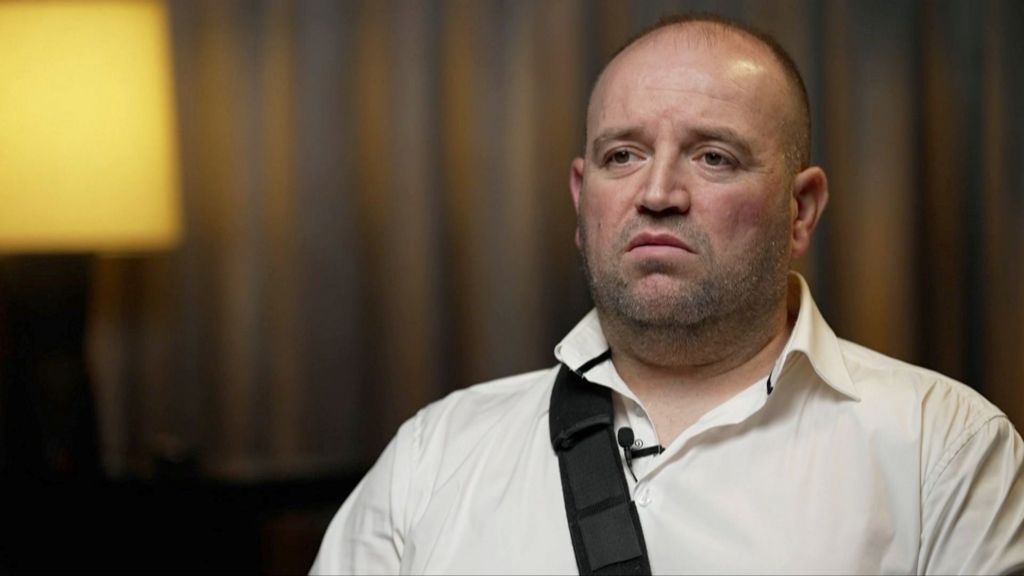
    Ahmed al Ahmed, a Syrian-born Australian citizen and father of two, described the profound internal conviction that drove his actions during an exclusive interview with CBS News. “Emotionally, I felt a power in my body, my brain,” Ahmed recounted. “I don’t want to see people killed in front of me, I don’t want to see blood. That’s my soul asking me to do that.”

    Verified footage shows Ahmed tackling 50-year-old Sajid Akram from behind and wrestling away his long-arm firearm during the attack. “I hold him with my right hand and start saying a word to warn him – ‘drop your gun, stop doing what you’re doing’,” Ahmed explained of his split-second decision-making process.

    The heroic intervention came at significant personal cost. Ahmed was shot multiple times in the shoulder by the second alleged gunman—Akram’s son Naveed—requiring at least three surgical procedures during his hospitalization. Despite his injuries, Ahmed expressed that while his actions saved “lots of people,” he still felt profound sorrow “for the lost.”

    Australia’s political leadership has unanimously praised Ahmed’s courage. Prime Minister Anthony Albanese visited the shopkeeper in hospital, describing him as “the best of our country,” while New South Wales Premier Chris Minns called him a “real-life hero.” The public response has been equally overwhelming, with tens of thousands of community members contributing to a A$2.5 million (£1.24 million; $1.7 million) recognition fund presented to Ahmed during his recovery.

    According to his parents, who spoke with BBC Arabic, their son was “driven by his sentiment, conscience and humanity.” The younger Akram has since been charged with 59 offenses including 15 counts of murder and one count of committing a terrorist attack, while his father was shot dead by responding police officers.
  • What did Sabalenka and Kyrgios’ Battle of the Sexes achieve?

    What did Sabalenka and Kyrgios’ Battle of the Sexes achieve?

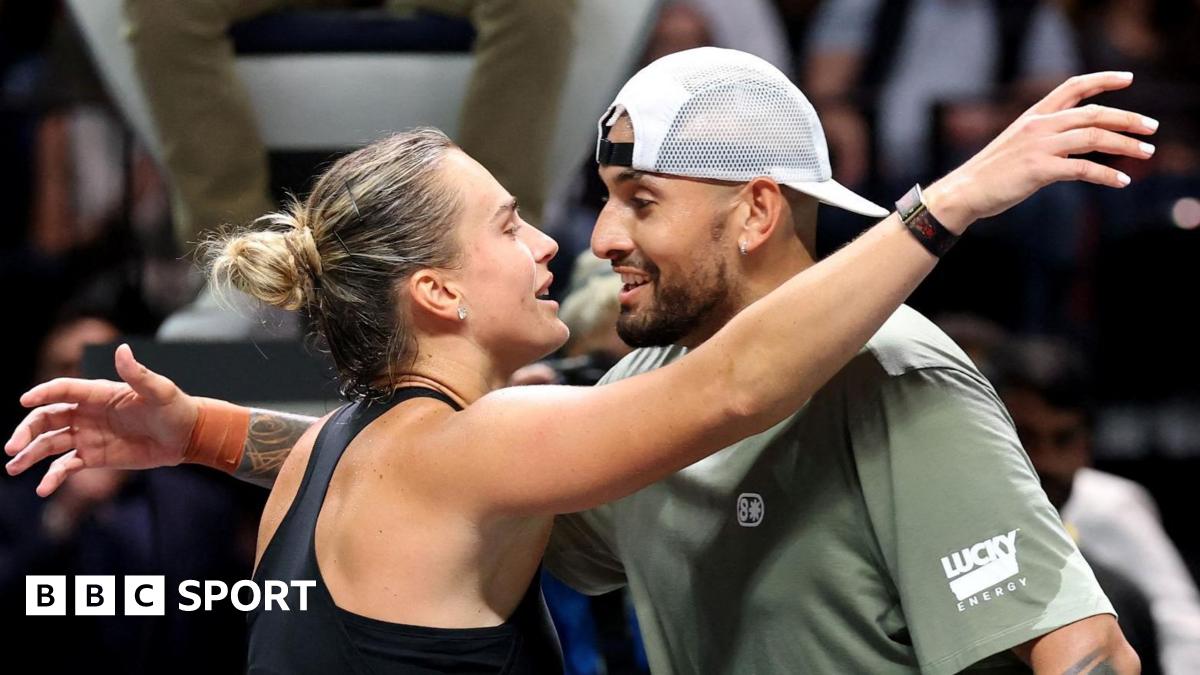
    In a much-publicized exhibition match dubbed the modern ‘Battle of the Sexes,’ Australian tennis star Nick Kyrgios secured a straightforward victory over women’s world number one Aryna Sabalenka in Dubai on Sunday. The 6-3, 6-3 outcome failed to deliver the intensity promised by the pre-event buildup, leaving spectators and analysts questioning the contest’s ultimate purpose and value.

    The unconventional pairing pitted Sabalenka, who recently concluded her second consecutive season as top-ranked women’s player with four titles including the US Open, against Kyrgios, currently ranked 671st following a career-threatening wrist injury. While Kyrgios viewed the exhibition as an opportunity to maintain relevance ahead of a potential 2026 ATP Tour comeback, critics questioned what Sabalenka stood to gain from facing a male opponent whose competitive form has significantly declined.

    Organizers implemented several rule modifications intended to create a more level playing field. Sabalenka’s receiving court dimensions were reduced by 9%, theoretically limiting Kyrgios’s target area. Both players were restricted to a single serve per point—a rule that ultimately hampered Sabalenka more significantly as she struggled with first-serve consistency during crucial moments.

    Despite these adjustments, the match proceeded at what observers described as a ‘pedestrian pace,’ lacking the competitive fire of serious tournament play. Former British number one Annabel Croft noted that while Sabalenka ‘didn’t embarrass herself,’ the exhibition failed to showcase her full capabilities as an elite athlete.

    The event’s entertainment aspects included Sabalenka performing the Macarena during a mid-match timeout when the dance classic played through the arena speakers—a moment that underscored the exhibition’s lighthearted nature rather than its competitive legitimacy.

    Both players defended the event afterward, with Sabalenka asserting it brought increased attention to tennis and Kyrgios calling it ‘a great stepping stone forward for the sport.’ However, the match drew criticism from tennis purists who noted it bore little resemblance to Billie Jean King’s seminal 1973 match against Bobby Riggs, which carried genuine social significance for gender equality.

    The atmosphere at Dubai’s Coca-Cola Arena remained relatively flat throughout the contest, with attendance limited to lower tiers despite a sell-out crowd. As Kyrgios closed in on victory, television cameras captured a young child sleeping in their mother’s arms—an image that perhaps best encapsulated the event’s failure to deliver compelling entertainment.

  • Cruise ship hits reef on first trip since leaving passenger on island

    Cruise ship hits reef on first trip since leaving passenger on island

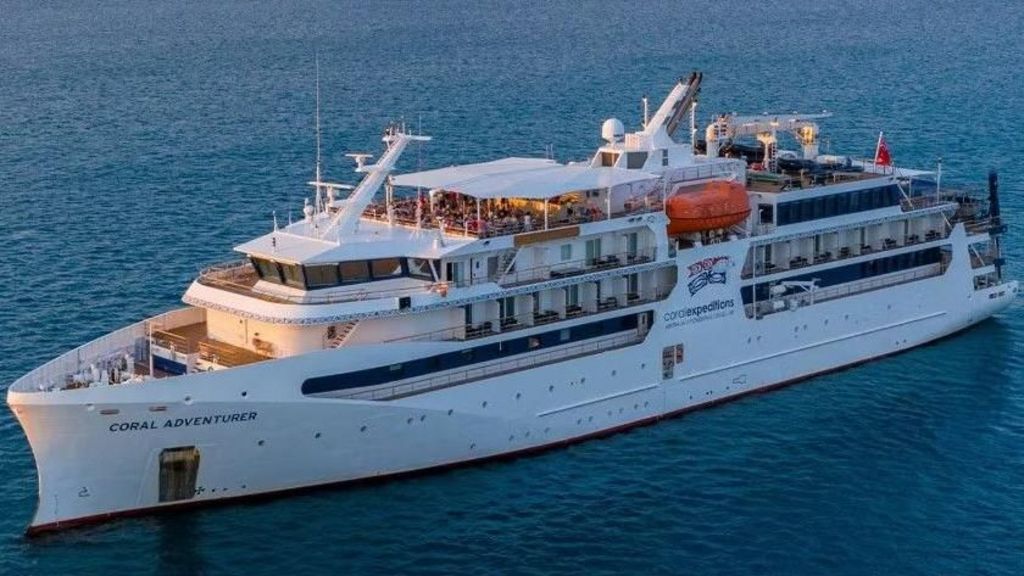
    The Coral Adventurer cruise vessel experienced a grounding incident off the eastern coast of Papua New Guinea on Saturday, marking the latest setback for the embattled cruise operator. The incident occurred approximately 30 kilometers from the city of Lae, according to a company spokesperson.

    All 80 passengers and 43 crew members aboard the ship were reported safe following the incident. Initial inspections conducted after the grounding revealed no apparent damage to the vessel’s hull, though more comprehensive assessments were scheduled for Sunday. The Australian Maritime Safety Authority (AMSA) confirmed it had not received any distress calls from the ship but stated it was monitoring the situation and stood ready to assist Papua New Guinea authorities if required.

    This incident comes as the Coral Adventurer remains under joint investigation by AMSA and Queensland Police following the tragic death of 80-year-old passenger Suzanne Rees in late October. Ms. Rees was left behind during a hiking excursion on Lizard Island, a remote Australian landmass, and was found deceased the following day after a major search operation. The vessel had departed without her and only returned hours later when crew members realized she was missing.

    The current 12-day voyage, scheduled to conclude on December 30th, now faces uncertainty as officials assess the situation. This represents the second major disruption for the Coral Adventurer in recent months, following the cancellation of its previous 60-day expedition after Ms. Rees’s death. On that occasion, the cruise operator provided full refunds to all passengers.

    Coral Expeditions CEO Mark Fifield had previously expressed the company’s profound regret over the October incident, stating the organization was “deeply sorry that this has occurred” and had offered full support to the Rees family. The company continues to collaborate with investigating authorities, though AMSA maintains its policy of not publicly disclosing investigation outcomes.

  • Is the Australian Dream move still alive?

    Is the Australian Dream move still alive?

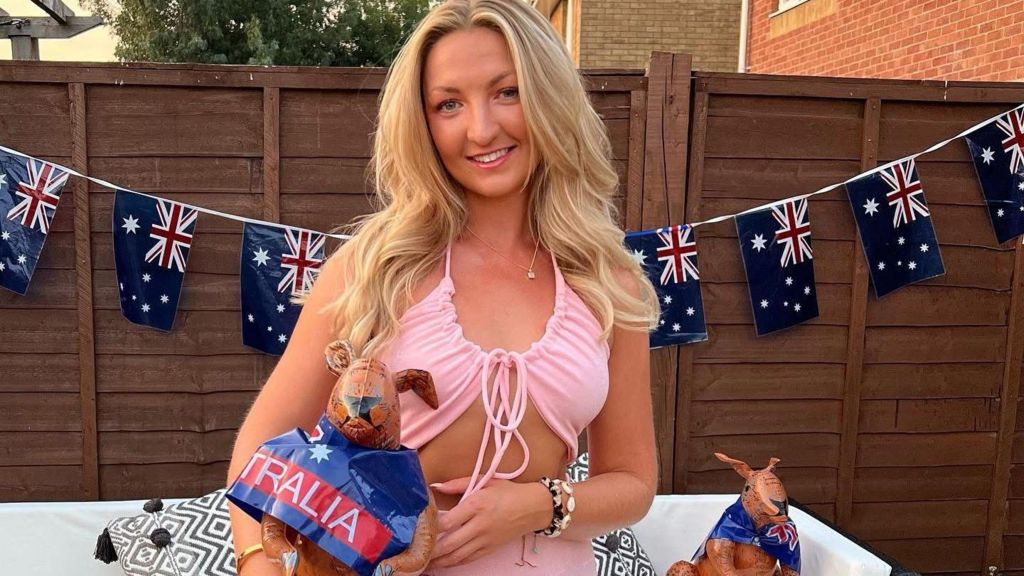
    The phenomenon of young Britons migrating to Australia in pursuit of improved living standards has become increasingly prevalent, with many viewing the move as a solution to their problems. This trend, humorously referenced by the phrase “Who isn’t in Australia?” in some British communities, reflects a growing exodus of youth seeking enhanced opportunities abroad.

    Chanel Buckland, a 28-year-old special needs teacher from Blackwood, Wales, exemplifies this migration pattern. Having relocated to Melbourne three years ago, she now navigates the complex process of obtaining Australian sponsorship. Her experience reveals both the attractions and challenges of such transitions. “The ease of living here is remarkable,” Chanel notes, highlighting superior work-life balance, more generous leave policies (approximately four weeks annual leave plus 13-14 public holidays), and employers who prioritize employee wellbeing.

    The historical context of this migration dates to post-World War II era and the “Ten Pound Poms” program of the 1950s, which promised Britons housing, employment prospects, and improved quality of life. Recent data from the Australian Bureau of Statistics indicates migrant arrivals from the UK reached a decade high in 2024, with 39,580 individuals arriving from various British territories alongside 10,661 Irish migrants.

    Migration agent Mark Welch attributes this surge to pent-up demand following Brexit compounded by COVID-19 travel restrictions. He clarifies that while construction, education, and healthcare sectors actively seek workers, visa eligibility varies significantly by location. Most applicants require trade qualifications, diplomas, or degrees, with citizenship generally requiring applicants under 45 years old, though exceptions exist for academics, scientists, regional medical practitioners, and high-earners exceeding A$183,000 annually.

    Despite the attractions, the reality often proves more complex than Instagram portrayals suggest. Chanel acknowledges underestimating the challenges: “I had to start everything from scratch” – from establishing banking arrangements to building new social networks. The emotional toll includes strained connections with home, where “people have their own lives without me.”

    The experience varies considerably among migrants. Rosie Scott, 34, returned to Kent after five years in Perth, despite describing Australia as “the best place in world.” As a dental nurse, she earned nearly double her UK salary, enabling mortgage payments in Kent while covering Perth rent and travel expenses. Yet she ultimately prioritized proximity to family and friends.

    Amelia Sewell, 25, found profound cultural enrichment in Townsville, north Queensland, working with Torres Strait Islander communities. “Australia gives you opportunity to connect with people whose path you’d never have crossed,” she observes, noting she never envisions returning to Cardiff.

    Conversely, Emily Southwell, 29, endured two “unbelievably difficult” years in Sydney’s Bondi area. Working in marketing, she experienced “constant uncertainty” regarding employment and visas, describing feelings of discrimination and lack of cultural diversity. She believes “Australians often looked after Australians” due to strict immigration laws, finding the UK more naturally diverse and accepting. Her return to London felt like a “breakup,” requiring social media detox to avoid being “triggered” by her former life.

    Despite divergent outcomes, all expressed no regrets about their Australian experiences. As Emily concluded: “Moving to Australia changed me more as a person than anything I’ve ever done,” highlighting the transformative personal growth regardless of ultimate settlement decisions.

  • England win staggering two-day Test in Melbourne

    England win staggering two-day Test in Melbourne

    In an unprecedented display of cricketing chaos, England shattered an 18-match winless streak on Australian soil with a breathtaking four-wicket victory in a mere two days at Melbourne Cricket Ground. The fourth Ashes Test concluded on December 27, 2025, delivering one of the most extraordinary matches in cricket history amid intensely bowler-friendly conditions.

    The match unfolded at breakneck speed, with Australia collapsing to 152 in their first innings courtesy of Josh Tongue’s 5-45, before England responded with 110 as Michael Neser claimed 4-45. Australia’s second innings proved equally disastrous, bundled out for 132 with Brydon Carse’s exceptional 4-34 and captain Ben Stokes’ 3-24 exposing the batting frailties of both sides.

    Chasing 175 for victory, England’s ‘Bazball’ approach finally found its ideal conditions as openers Zak Crawley (37) and Ben Duckett (34) blasted a rapid 51-run partnership—their highest opening stand of the series. The tactical surprise came when Carse was promoted to number three as pinch-hitter, though it was Jacob Bethell’s composed 40 that provided the crucial middle-order stability.

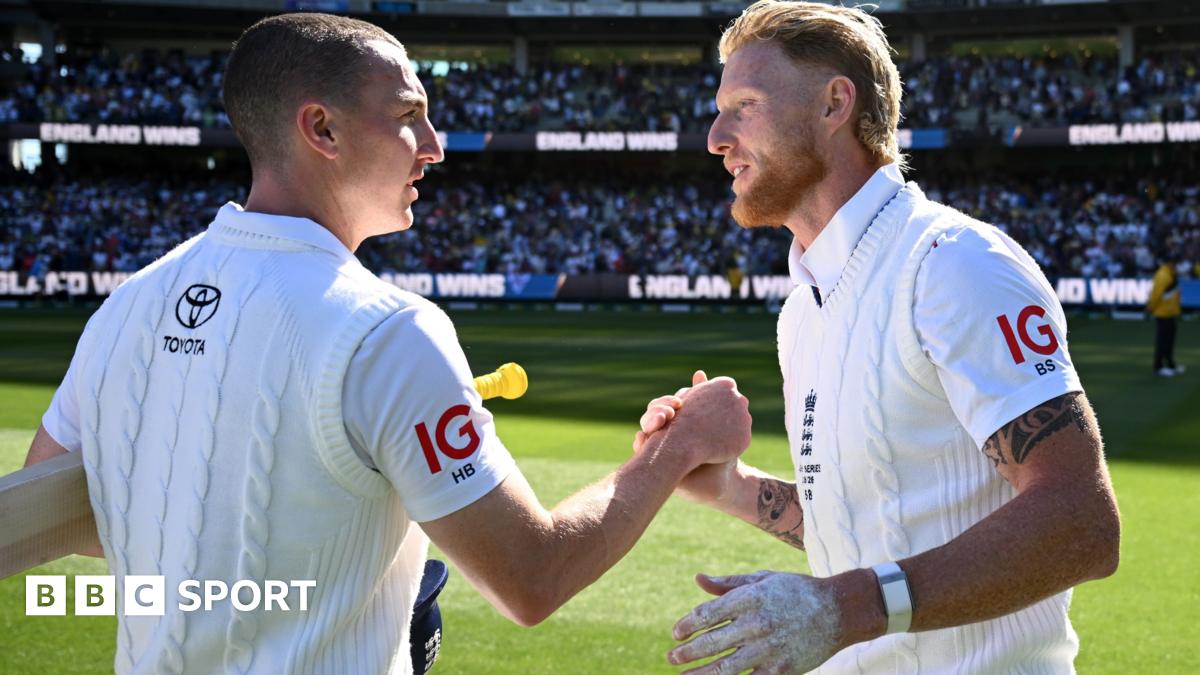
    The victory, sealed when Harry Brook deflected the winning runs off his thigh pad, triggered euphoric celebrations among England’s traveling supporters who witnessed their first Test win in Australia since 2011. The match marked only the 27th Test in history to conclude within two days, and the first Ashes series since 1896 to feature two such abbreviated Tests.

    While questions immediately arose about the suitability of the grassy MCG pitch for Test cricket, the extraordinary conditions created theater of the highest drama. Australia maintains a 3-1 series lead heading into the final Test in Sydney, but England’s victory provides much-needed respite for captain Stokes, coach Brendon McCullum, and their under-fire leadership team after a challenging tour.

  • Brothers 10,000 miles apart meet for first time after childhood adoption

    Brothers 10,000 miles apart meet for first time after childhood adoption

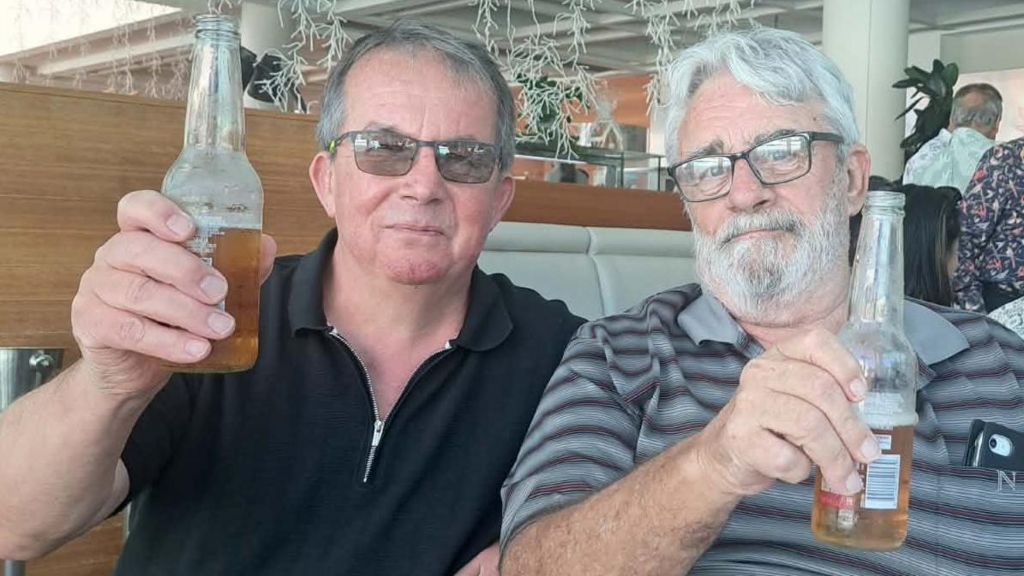
    In an extraordinary tale of familial connection spanning decades and continents, two brothers separated by adoption have finally embraced in a profoundly emotional reunion. Russell Gower, 64, embarked on a monumental 23-hour journey from his home in Llanharan, South Wales, to Brisbane, Australia, to meet his biological brother Peter, 69, for the first time.

    The brothers share parents Ray and Jill Gower, who faced the social stigma of unwed teenage pregnancy in 1950s Britain. Peter was placed for adoption shortly after birth and raised in Australia, completely unaware of his biological family’s existence. His parents later married and had two more children—Russell and sister Jackie, both of whom are now deceased.

    Peter’s discovery of his true heritage came only recently when his adoptive sister revealed the long-concealed truth. His Australian granddaughter subsequently located Russell through investigative efforts, with DNA testing conclusively confirming their biological relationship.

    Russell had learned during his teenage years about an adopted brother from his sister, though their mother never directly addressed the subject. On her deathbed in 2007, while battling terminal cancer, she began to reveal the secret but passed away before completing her confession.

    Their initial meeting, captured by relatives on Peter’s driveway, defied all expectations of awkwardness. Despite vastly different upbringings—Russell growing up in Wales while Peter was raised on the opposite side of the world—their connection felt immediately natural. The brothers, who share strikingly similar physical builds, described their first handshake and embrace as feeling inherently right, as if they were “wired the same.”

    The emotional significance deepened when they realized their reunion coincided with what would have been their mother’s 85th birthday. Russell believes she would have been “chuffed” to see her sons finally together, sharing beers and conversation.

    The entire extended family of 17 members will celebrate this Christmas with a festive barbecue—a stark contrast to traditional Welsh celebrations—marking both the holiday and their remarkable reunion. Russell now describes the experience as transformative, believing destiny intervened to connect them against all odds.

  • No spinner for Australia on ‘grassy’ MCG pitch

    No spinner for Australia on ‘grassy’ MCG pitch

    Australia has unveiled a bold tactical approach for the pivotal Boxing Day Test at the Melbourne Cricket Ground, opting to field an exclusive pace attack on a surface described by stand-in captain Steve Smith as “quite furry, quite green.” The selection strategy sees the omission of specialist spinner Todd Murphy from the 12-man squad, signaling a clear response to the pitch’s pronounced grassy covering, measured at 10mm.

    The hosts will deploy four specialist seamers alongside all-rounder Cameron Green, with Michael Neser, Brendon Doggett, and Jhye Richardson competing for the two remaining bowling slots. This decision comes amid significant bowling injuries, with captain Pat Cummins (back) and Josh Hazlewood both absent from the entire series, and primary spinner Nathan Lyon ruled out with a hamstring injury sustained in Adelaide.

    Smith returns to leadership duties after missing the previous Test due to illness, while Usman Khawaja retains his place following impressive performances of 82 and 40 in Adelaide, batting at number five with Green shifting to seventh position. The selection reflects Australia’s dominance in the series, having already secured the Ashes with a 3-0 lead while pursuing a historic 5-0 whitewash.

    Meanwhile, England faces their own challenges, having named their XI with Jacob Bethell replacing Ollie Pope at number three and pace spearhead Jofra Archer officially ruled out of the series with a side strain. The absence of Archer potentially concludes one of Test cricket’s most compelling rivalries, given the history between him and Smith that included a concussion incident at Lord’s in 2019 and recent heated exchanges in Brisbane.

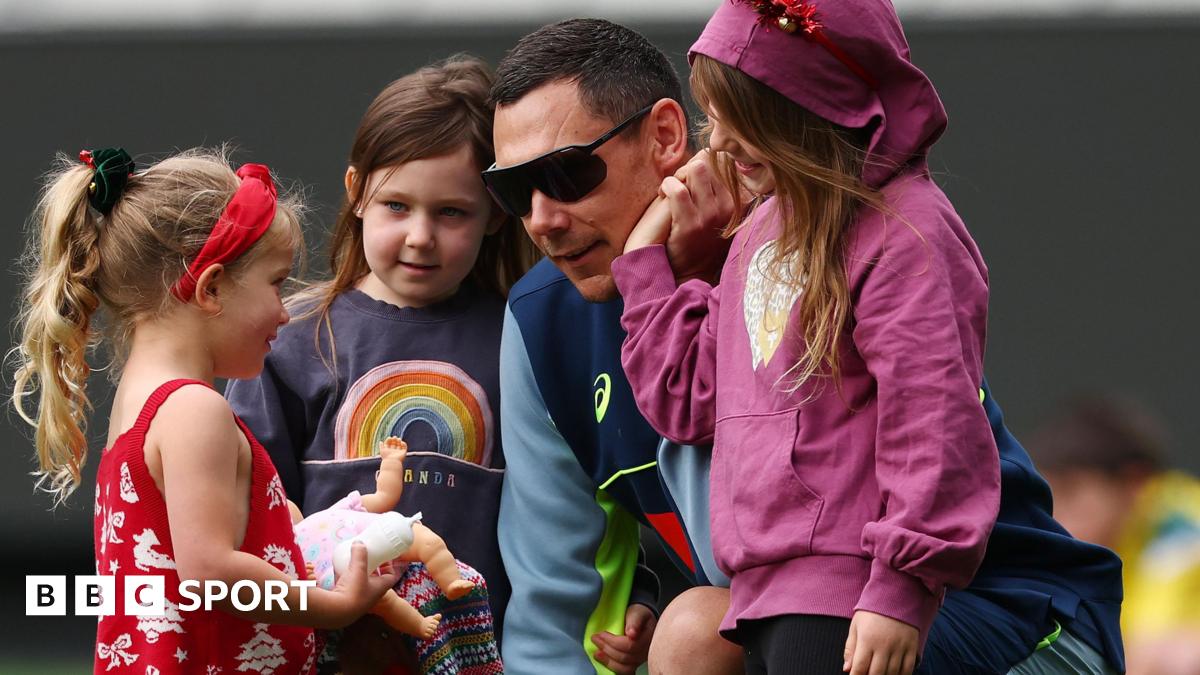
    The match preparations included a unique Christmas Day atmosphere with players from both sides training simultaneously in nets, many England personnel wearing festive Santa hats as families gathered on the MCG outfield. However, England’s tour has been marred by controversy following reports of excessive drinking during their break in Noosa, with director of cricket Rob Key confirming an investigation into player behavior.

    Smith expressed sympathy for England’s situation, noting that “when you’re losing, the spotlight is always on you” based on his own experience with intense public scrutiny following the 2018 ball-tampering scandal. Meteorological conditions appear favorable for Australia’s pace-heavy strategy, with Smith anticipating “quite a bit of movement” given forecasted cold and overcast conditions matching the pitch’s green complexion.

  • Australia to deport British man charged with displaying Nazi symbols

    Australia to deport British man charged with displaying Nazi symbols

    Australian authorities have taken decisive action against a British national residing in Queensland, canceling his visa and initiating deportation proceedings following allegations of promoting Nazi ideology and inciting violence against Jewish communities. The 43-year-old man, whose identity remains protected under Australian law, was arrested earlier this month after federal police uncovered his social media activities involving the display of prohibited Nazi symbols and explicit calls for violence.

    The case emerged when the Australian Federal Police (AFP) launched an investigation in October after detecting offensive content on platform X (formerly Twitter). Despite the social media company blocking his initial account, the individual reportedly created a new profile with similar identification to continue disseminating hate material. During a late November raid on his Caboolture residence near Brisbane, authorities confiscated multiple weapons including knives, axes, and several swords adorned with swastika symbols.

    Home Affairs Minister Tony Burke delivered a strong statement regarding the case, emphasizing: ‘He came here to hate – he doesn’t get to stay.’ The minister further clarified Australia’s stance on visa holders during an ABC interview, stating, ‘If you come to Australia on a visa, you are here as a guest.’

    The accused currently remains in immigration detention in Brisbane while awaiting court proceedings scheduled for January. He faces three charges of displaying banned Nazi symbols and one count of using internet services to cause offense. Police authorities are evaluating whether to postpone deportation to ensure his appearance in court.

    This case represents the second high-profile visa cancellation under Australia’s strengthened hate crime legislation. Last month, authorities revoked the visa of South African national Matthew Gruter after his participation in a neo-Nazi rally outside the New South Wales parliament. Both individuals retain the right to appeal their visa cancellations and may either depart voluntarily or face forced deportation to their home countries.

    AFP Assistant Commissioner Stephen Nutt affirmed the government’s commitment to social cohesion, stating: ‘We want to ensure these symbols are not being used to fracture social cohesion. If we identify instances where this is happening, we will act swiftly to disrupt the behaviour, prosecute those involved and protect the dignity, safety and cohesion of our diverse community.’

    Australia recently implemented stricter hate crime laws introducing mandatory prison sentences for displaying hate symbols or performing Nazi salutes, reflecting increased governmental efforts to combat rising antisemitism and right-wing extremism.

  • Australian move to fast-track new gun and protest laws after Bondi shooting draws criticism

    Australian move to fast-track new gun and protest laws after Bondi shooting draws criticism

    The New South Wales government has enacted comprehensive security legislation in response to the Bondi Junction shootings, triggering intense debate between civil liberties advocates and proponents of public safety. Premier Chris Minns recalled parliament to fast-track measures addressing firearm restrictions, protest regulations, and hate speech prohibitions.

    The legislative package introduces significant changes to firearm ownership, limiting most license holders to four weapons while permitting farmers and sport shooters to possess up to ten. The reform follows revelations that Bondi attacker Sajid Akram owned six registered firearms. License renewal periods will shorten from five to two years, with additional reviews planned for permissible firearm categories.

    Protest regulations have been substantially enhanced, granting police authority to restrict demonstrations near worship sites and remove face coverings from individuals suspected of even minor offenses. The government has also prohibited the phrase ‘globalise the intifada,’ which Premier Minns characterized as ‘an invitation to violence’ that fosters social division.

    Civil liberties organizations have condemned the measures as democratic erosion. NSW Council for Civil Liberties president Timothy Roberts argued these laws contradict Supreme Court rulings on political communication freedoms, stating they ‘oppress some parts of our community’ rather than promoting healing.

    Conversely, Jewish community representatives welcomed the reforms. NSW Jewish Board of Deputies president David Ossip described the hate speech provisions as a ‘watershed moment,’ emphasizing that protest rights shouldn’t extend to concealing identities or inciting violence.

    The political response reflects deep divisions, with Shooters, Fishers and Farmers party representative Mark Banasiak claiming licensed owners are being ‘punished for agency failings,’ while Walter Mikac—whose family perished in Australia’s deadliest mass shooting—applauded the ‘community safety first’ approach.

  • Alleged Bondi gunmen threw ‘tennis ball bomb’, new documents allege

    Alleged Bondi gunmen threw ‘tennis ball bomb’, new documents allege

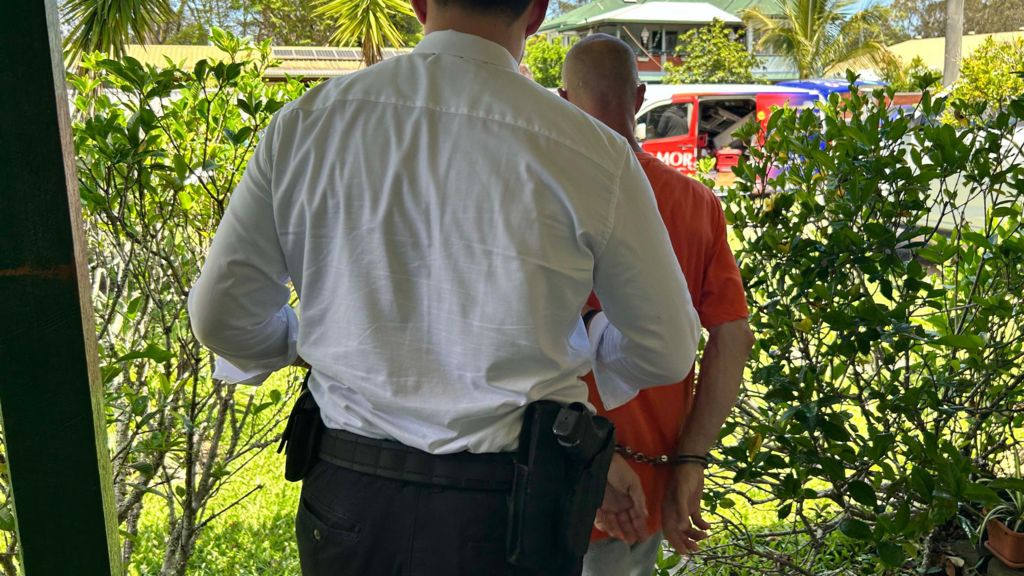
    Newly unsealed court documents have exposed the meticulous preparation and extremist motivations behind the deadly terrorist attack at a Hanukkah celebration on Bondi Beach. The alleged perpetrators, 24-year-old Naveed Akram and his father Sajid Akram, who was killed during the incident, reportedly recorded a video manifesto in October featuring Islamic State group imagery and detailed explanations of their intent.

    Police evidence indicates the attackers employed four undetonated explosive devices during their assault on December 14, including an improvised ‘tennis ball bomb.’ Surveillance footage captured the pair conducting reconnaissance missions at the beach two days prior to the attack, with additional CCTV showing them transporting ‘long and bulky items wrapped in blankets’ from their rented accommodation in Campsie hours before the violence unfolded.

    According to investigative reports, these concealed items included three firearms, multiple homemade explosive devices, and two Islamic State flags. The attackers allegedly positioned these flags on their vehicle’s interior windows before proceeding to a footbridge where they initiated their assault. Despite throwing three pipe bombs and the tennis ball device during their approach, none of the explosives detonated, though authorities confirmed they were functionally viable.

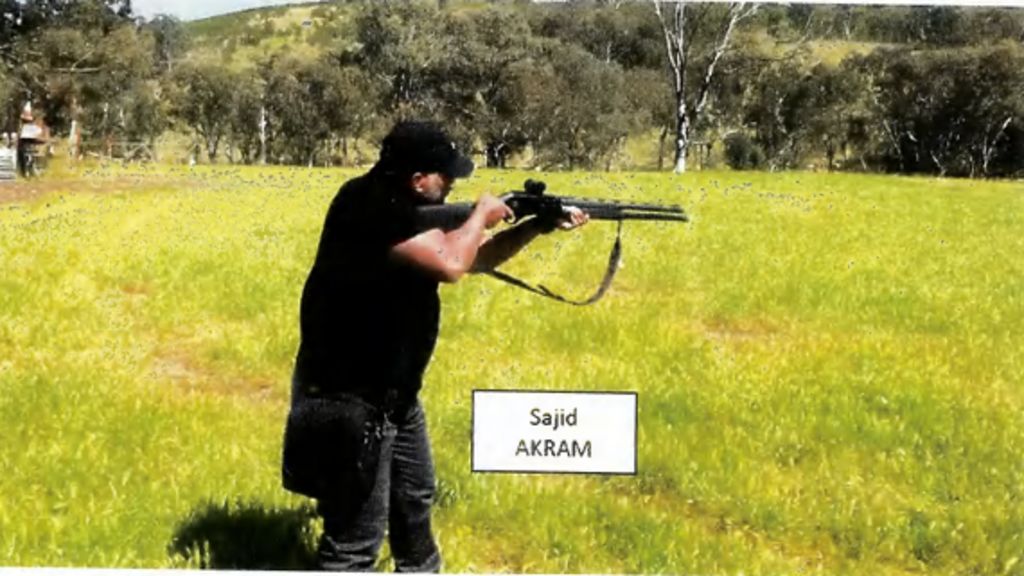
    Digital evidence recovered from Naveed Akram’s mobile device contained footage showing both individuals engaged in tactical firearms training in rural New South Wales, further demonstrating their extensive preparation. The accused, currently hospitalized with abdominal gunshot wounds inflicted by responding officers, faces fifteen murder charges among numerous other offenses. A temporary suppression order protecting survivor identities was partially lifted Monday following media petitions, though most names remain redacted from public documents.