标签: Oceania

大洋洲

  • Jerome Powell: The careful Fed chair standing firm against Trump

    Jerome Powell: The careful Fed chair standing firm against Trump

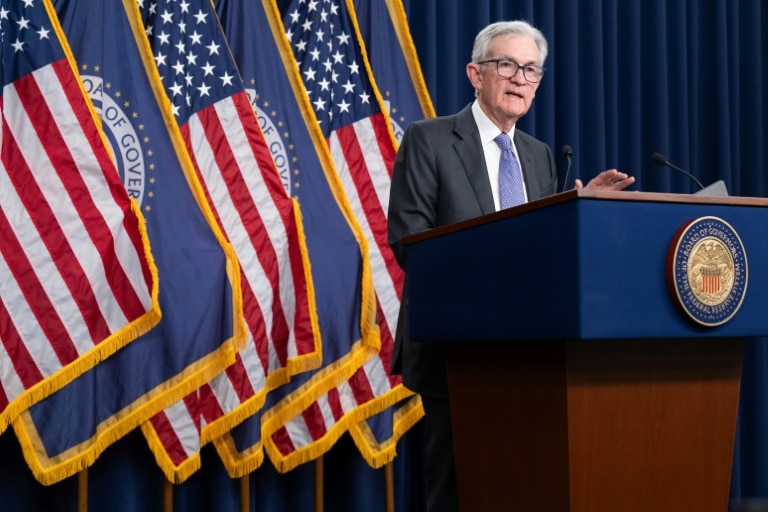
    Federal Reserve Chairman Jerome Powell has broken his characteristic silence with an unprecedented public rebuttal against what he characterizes as political pressure from the Trump administration. The central bank leader issued a forceful statement condemning a Justice Department investigation he views as an attempt to influence monetary policy decisions.

    Powell’s remarkable departure from his typically restrained approach underscores the severity of current tensions between the nation’s monetary authority and the executive branch. The Fed chair specifically accused administration officials of threatening prosecution to compel interest rate reductions, warning such actions jeopardize the institution’s fundamental independence.

    This confrontation represents a dramatic escalation in the ongoing friction between Powell and President Trump, who previously appointed him to lead the Fed in 2018. Despite enduring months of public criticism from Trump during his first term over interest rate increases, Powell maintained his customary diplomatic approach until recent developments.

    Jason Furman, former economic advisor to President Obama, noted the significance of Powell’s response: ‘The extraordinary nature of this statement reveals its gravity. Powell historically avoided engagement when questioned about Trump’s Fed criticisms, often providing minimal responses.’

    Powell’s tenure has navigated extraordinary economic challenges, from pandemic-era emergency measures that slashed rates to zero, to subsequent aggressive tightening cycles combating inflation. Throughout these policy shifts, the former investment banker has maintained consensus within the Fed’s diverse rate-setting committee while preserving the institution’s nonpartisan reputation.

    Despite recent compromises on issues like climate change initiatives, Powell’s forceful defense against perceived political interference has drawn praise from economic observers. David Wessel of the Brookings Institution remarked: ‘Trump pushed him beyond acceptable limits, prompting this robust response. This will likely cement Powell’s legacy as a chair who defended Fed independence under substantial pressure.’

    The confrontation follows recent incidents where Powell publicly corrected presidential statements regarding Fed building renovation costs, demonstrating increased willingness to challenge inaccurate claims. With his term concluding in May 2026, this episode may define Powell’s chairmanship as one that upheld institutional autonomy against unprecedented political pressure.
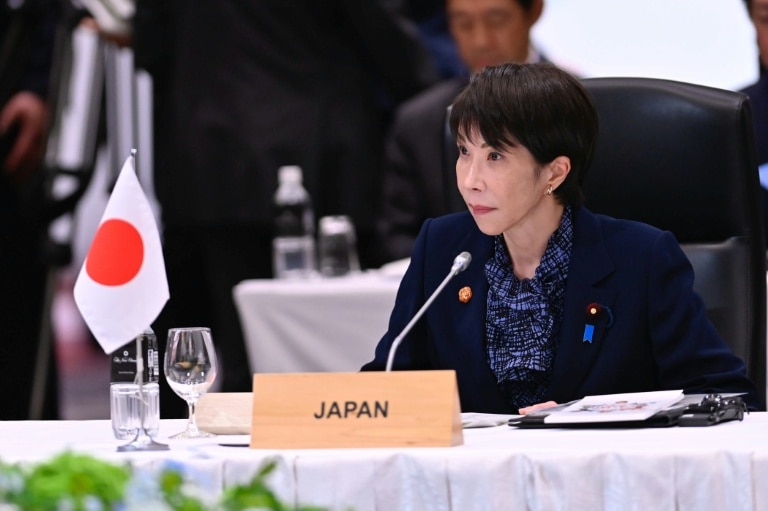
  • Leaders of Japan and South Korea meet as China flexes muscles

    Leaders of Japan and South Korea meet as China flexes muscles

    In a significant diplomatic move, Japanese Prime Minister Sanae Takaichi welcomed South Korean President Lee Jae Myung for bilateral talks in Nara, western Japan, on Tuesday. The high-level meeting comes at a critical juncture in East Asian geopolitics, marked by escalating tensions between Tokyo and Beijing.

    The summit agenda focused heavily on regional security challenges, particularly China’s assertive posture following Prime Minister Takaichi’s November remarks suggesting potential Japanese military intervention in a Taiwan contingency. Beijing’s subsequent retaliation, including restrictions on exports of dual-use items with military applications, has raised concerns about supply chain vulnerabilities, especially regarding rare earth minerals crucial to both nations’ economies.

    Analysts observe that the growing regional instability is driving the two U.S. allies toward closer coordination. Dr. Benoit Hardy-Chartrand, an East Asian geopolitics expert at Temple University’s Tokyo campus, noted that ‘tense regional geopolitics could provide Takaichi and Lee further impetus for wanting to build stronger relations.’

    The leaders, both assuming office in 2025, emphasized their commitment to continuing ‘shuttle diplomacy’ through regular meetings. While publicly highlighting warming ties and multi-sector cooperation, behind closed doors they addressed the broader implications of China’s economic measures, which affect South Korea through deeply interconnected supply chains.

    President Lee maintained a diplomatic balance, telling NHK that while China-Japan confrontation is ‘undesirable for Northeast Asian stability,’ he would not directly intervene in the dispute. The timing of his Japan visit shortly after meeting Chinese leader Xi Jinping demonstrates Seoul’s careful diplomacy to avoid perceived favoritism.

    The summit also covered relations with the United States under President Donald Trump’s unpredictable ‘America First’ policies, prompting both nations to strengthen their bilateral partnership as old certainties evolve. Historical tensions from Japan’s 1910-1945 occupation of Korea, though still present, were set aside in favor of pragmatic cooperation against contemporary geopolitical challenges.

  • Australia great Healy to retire from cricket

    Australia great Healy to retire from cricket

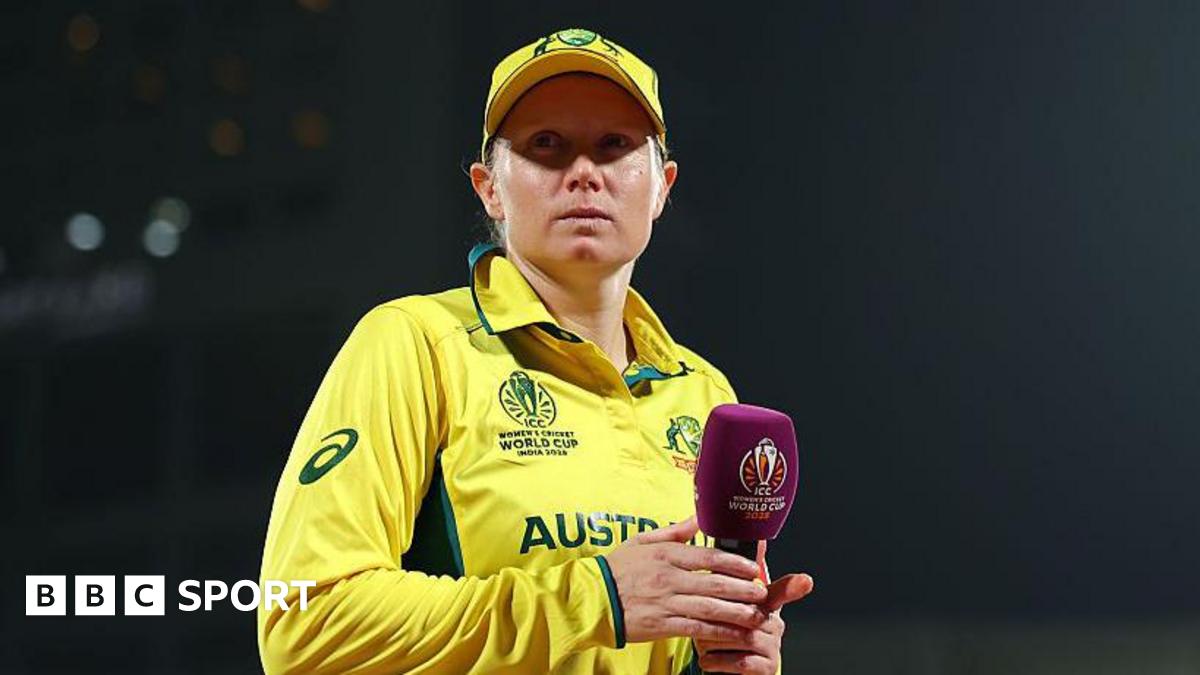
    Australian cricket icon Alyssa Healy has revealed her decision to retire from all formats of cricket following the upcoming home series against India scheduled for February and March. The 35-year-old wicketkeeping batter made the emotional announcement after an extraordinary 15-year international career that established her as one of the game’s most dominant players.

    Healy’s retirement marks the end of an era for Australian women’s cricket, where she compiled staggering statistics including over 7,000 runs and 275 dismissals across all formats. Her leadership recently guided Australia to a remarkable 16-0 Ashes whitewash against England in 2025, cementing her legacy as one of the sport’s most successful captains.

    The accomplished cricketer’s career highlights include two World Cup victories, with her record-breaking 170 runs in the 2022 final against England standing as the highest individual score in World Cup final history. Additionally, she claimed six T20 World Cup titles throughout her tenure with the national team.

    In her retirement statement, Healy expressed mixed emotions: ‘While my passion for representing Australia remains undiminished, I’ve gradually lost that relentless competitive drive that has fueled my career since debuting as a 19-year-old. I will profoundly miss the camaraderie with teammates, our victory celebrations, and the privilege of opening the batting in Australian colors. Representing my nation has been the highest honor.’

    Cricket Australia CEO Todd Greenberg paid tribute to Healy’s monumental contributions: ‘Alyssa stands among the absolute greats of cricket history. Her impact both on and off the field throughout her 15-year career is truly immeasurable. We anticipate celebrating her extraordinary achievements throughout the forthcoming India series.’

    Healy comes from cricket royalty as the niece of legendary Australian wicketkeeper Ian Healy and is married to Australian fast bowler Mitchell Starc. She has already established a successful transition into broadcasting as a commentator and analyst, suggesting a smooth progression into her post-playing career.

    The retirement series will see Australia host India for a Test match, three ODIs, and three T20 internationals, providing fans with final opportunities to witness one of women’s cricket’s most influential figures in action.

  • NATO, Greenland vow to boost Arctic security after Trump threats

    NATO, Greenland vow to boost Arctic security after Trump threats

    In a decisive response to former President Donald Trump’s persistent threats of annexation, NATO and Greenland’s leadership have announced coordinated efforts to reinforce Arctic security arrangements. The autonomous Danish territory has firmly positioned its defense strategy within the NATO framework while explicitly rejecting any potential US takeover attempts.

    Greenlandic Prime Minister Jens-Frederik Nielsen articulated the territory’s stance, emphasizing that “security and defense belong in NATO” and committing to develop Greenland’s military capabilities through close cooperation with the alliance and its member states, including the United States. This declaration follows Trump’s recent provocative statements suggesting the US would acquire Greenland “one way or the other.”

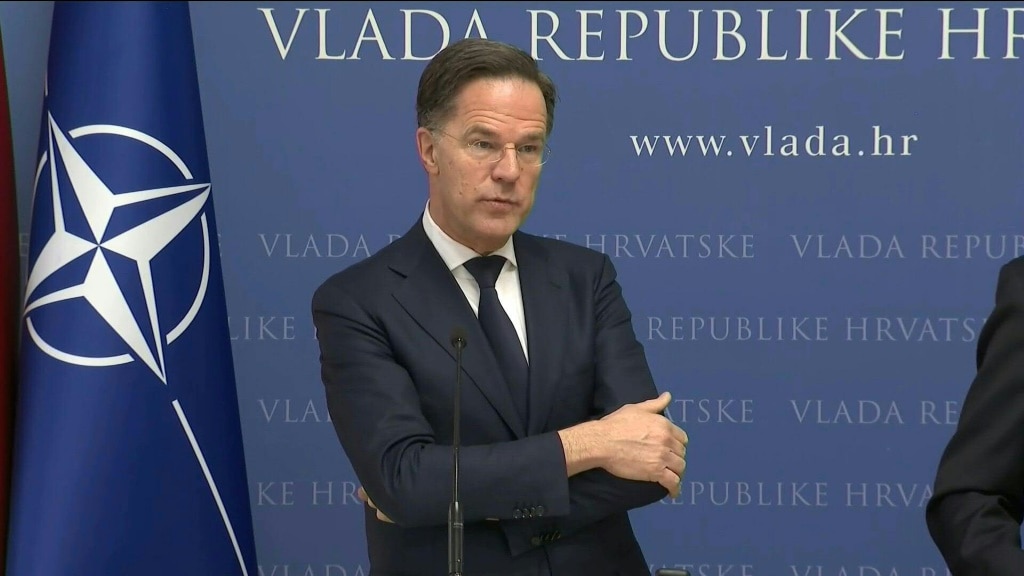
    NATO Secretary General Mark Rutte confirmed the alliance is developing “next steps” to enhance Arctic security, with diplomatic sources indicating preliminary discussions about potential new regional missions, though no concrete proposals have been formally advanced.

    The geopolitical significance of Greenland extends beyond strategic positioning to substantial economic considerations. The territory possesses vast untapped resources, including rare earth minerals critical for technology manufacturing, adding material incentive to strategic concerns.

    Local sentiment in Nuuk, Greenland’s capital, reflects growing apprehension among residents. Theology student Nuunu Binzer expressed evolving concerns: “We laughed at Trump first when he tried to buy us but now the second time he’s more aggressive.” Another student, Mininnguaq Fontain, acknowledged the complicated reality: “I would rather see our country doesn’t have any soldiers but of course if we get attacked then I would feel more safe if soldiers are here.”

    Denmark has responded with substantial financial commitments, allocating approximately 90 billion kroner ($14 billion) toward regional security in 2025. The Danish government maintains that any armed US action against Greenland would fundamentally undermine NATO’s foundation. Current agreements allow the United States to expand its military presence on the island through notification rather than negotiation, under terms established in a 1951 treaty updated in 2004.

    Diplomatic efforts are intensifying, with Danish and Greenlandic representatives scheduled to meet US Secretary of State Marco Rubio in Washington this week. Denmark seeks to present a unified front with Greenland’s leadership before these critical discussions.

    Historical context underscores the sensitivity of these developments: Greenland transitioned from Danish colony to home rule status in 1979 and continues to contemplate further autonomy. Current polling indicates overwhelming opposition among Greenland’s 57,000 residents to any form of US acquisition.

  • Trump keeping Iran air strikes on the table: White House

    Trump keeping Iran air strikes on the table: White House

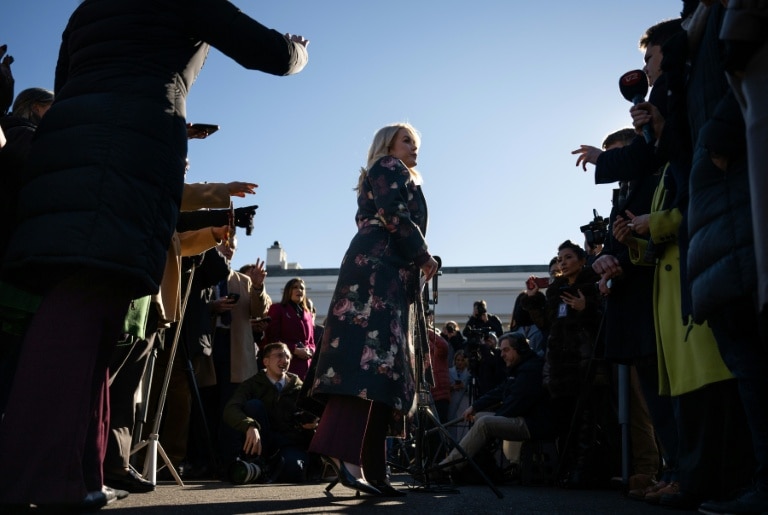
    The White House has confirmed that military strikes against Iran remain a viable option for President Trump as reports emerge of violent crackdowns on protesters within the country. Press Secretary Karoline Leavitt stated Monday that while diplomacy remains the preferred approach, the administration maintains all options available to address the escalating situation.

    Leavitt revealed a significant discrepancy between Iran’s public rhetoric and private communications, noting that Iranian officials have adopted a “far different tone” in confidential discussions with Special Envoy Steve Witkoff. This diplomatic channel remains active despite the absence of formal relations between the nations, with Iran’s Foreign Ministry confirming communications between top diplomat Abbas Araghchi and the American envoy.

    The administration’s position comes amid growing concerns about civilian casualties during widespread protests in Iran. Rights organizations report mounting fatalities as information gradually emerges despite Tehran’s implementation of an extensive internet blackout. Leavitt acknowledged these developments, stating the president “certainly doesn’t want to see people being killed in the streets of Tehran.”

    President Trump previously identified the killing of protesters as a clear red line, suggesting Sunday that Iran may have already crossed this threshold. While acknowledging Iran’s outreach for potential negotiations, Trump emphasized that the United States “may have to act before a meeting” occurs. The administration continues to monitor the situation closely, balancing diplomatic overtures with military preparedness.

  • Ugandan opposition leader Bobi Wine warns of protests if polls rigged

    Ugandan opposition leader Bobi Wine warns of protests if polls rigged

    Ugandan opposition figure and presidential contender Bobi Wine has issued a stark warning regarding potential electoral manipulation in the upcoming national vote. In an exclusive interview with AFP conducted Monday, the political challenger declared he would mobilize public demonstrations if President Yoweri Museveni’s administration attempts to rig Thursday’s election results.

    With over 20 million registered voters participating in the electoral process, the 81-year-old incumbent Museveni remains positioned to extend his 40-year governance tenure, largely due to his comprehensive authority over state institutions and security forces. His primary opposition emerges from 43-year-old Robert Kyagulanyi, professionally known as Bobi Wine, who previously contested the presidency in 2021 amid widespread allegations of electoral misconduct and government suppression.

    ‘The response to rigged elections will be peaceful mass protests,’ Wine stated from his Kampala residence. ‘We have empowered our supporters to act without awaiting formal instructions should democracy be subverted.’

    International monitoring organizations including the United Nations and Amnesty International have documented numerous pre-election violations by Ugandan authorities, citing hundreds of arrests targeting Wine’s supporters. This political tension reflects broader regional instability across East Africa, where youthful populations increasingly protest democratic backsliding and economic challenges.

    While acknowledging the likelihood of government violence against protesters, Wine emphasized strategic non-violent resistance. ‘History demonstrates that even violent regimes eventually yield to sustained peaceful opposition,’ he noted, adding that his movement had prepared supporters for potential state violence.

    Regarding international involvement, Wine expressed openness to United States intervention should election integrity be compromised, though he clarified that any external support should respect Ugandan sovereignty. ‘The ultimate responsibility for liberation and governance remains with the Ugandan people,’ he affirmed.

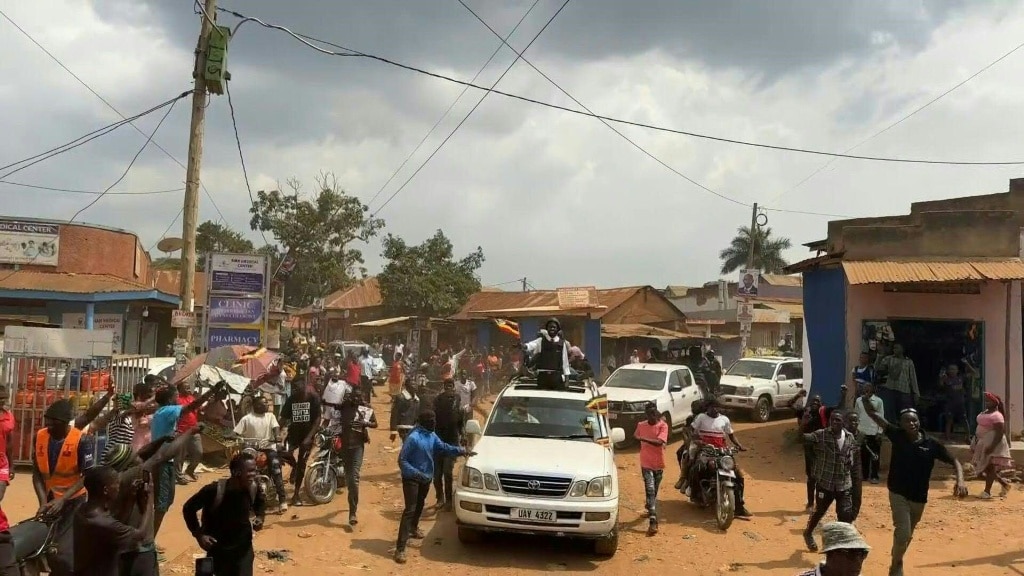
    The political climate intensified during Wine’s final campaign events in Kampala, where enthusiastic crowds gathered despite heavy security presence. Supporters expressed overwhelming enthusiasm for the opposition leader, with some comparing him to religious figures and others emphasizing desires for reduced corruption, expanded freedoms, and economic opportunity.

    As the campaign period concluded, significant police and security deployments monitored public gatherings, though dispersals occurred without reported violence. Wine’s concluding message emphasized identification with ordinary citizens: ‘Museveni doesn’t represent you—I am you, and you are me.’

  • Alonso leaves Real Madrid, Arbeloa appointed as coach

    Alonso leaves Real Madrid, Arbeloa appointed as coach

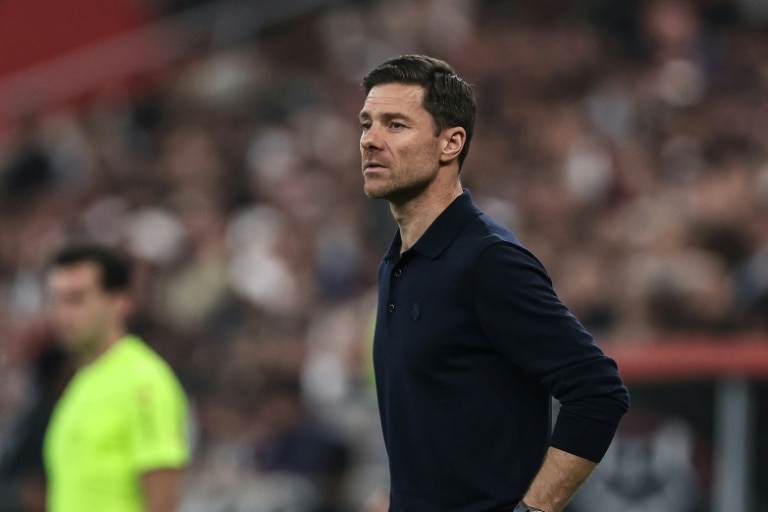
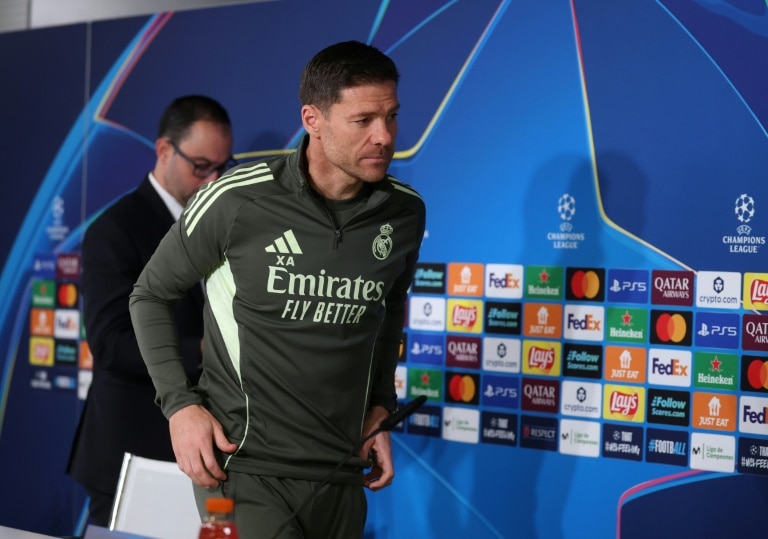
    In a significant managerial shakeup, Real Madrid CF has announced the immediate departure of head coach Xabi Alonso by mutual agreement, following the team’s disappointing performance in the Spanish Super Cup final against Barcelona. The Spanish giants have moved swiftly to appoint former club legend Alvaro Arbeloa as his replacement, promoting him from his role as coach of the reserve team, Castilla.

    The decision comes after eight challenging months under Alonso’s leadership, during which the team struggled to find consistency despite occasional flashes of brilliance. The 3-2 defeat to arch-rivals Barcelona in Saudi Arabia proved to be the final catalyst for change, with club management determining that a new direction was necessary.

    Arbeloa, who enjoyed a distinguished playing career with Los Blancos from 2009-2016, brings intimate knowledge of the club’s culture and expectations. During his playing days, the 42-year-old Spaniard secured two Champions League titles, one La Liga championship, and numerous other honors while making 238 appearances for the club. His international pedigree is equally impressive, having won the World Cup with Spain in 2010 and European Championships in 2008 and 2012.

    Alonso’s tenure, which began in June 2025 following his departure from Bundesliga champions Bayer Leverkusen, was marked by tactical experimentation and inconsistent results. Despite signing a three-season contract, the Basque coach faced early setbacks including a 4-0 Club World Cup semifinal defeat to Paris Saint-Germain and a 5-2 league thrashing by Atletico Madrid. While the team managed a notable Clasico victory over Barcelona in October, Alonso’s modern tactical approach never fully materialized on the pitch.

    The new manager’s first test will be a Copa del Rey last-16 encounter against second-tier Albacete on Wednesday, presenting an immediate opportunity to establish his leadership and tactical philosophy.

  • Alonso leaves Real Madrid, Arbeloa appointed as coach

    Alonso leaves Real Madrid, Arbeloa appointed as coach

    In a significant managerial shakeup, Real Madrid CF has announced the immediate departure of head coach Xabi Alonso following a disappointing tenure. The decision, reached by mutual consent, comes just one day after the team’s 3-2 defeat against arch-rivals Barcelona in the Spanish Super Cup final held in Saudi Arabia.

    The club confirmed in an official statement that Alonso’s successor will be former Madrid defender and current reserve team coach Alvaro Arbeloa. The 42-year-old, who has been developing his coaching career within Real Madrid’s academy system since 2020, takes charge of the first team with immediate effect. The length of Arbeloa’s contract was not specified in the announcement.

    Alonso’s appointment in June 2025, following the departure of veteran manager Carlo Ancelotti, was initially met with optimism. However, the Basque coach struggled to establish consistency throughout his brief reign. Despite a recent rally of five consecutive victories that temporarily secured his position toward the end of 2025, the Super Cup defeat proved to be the final catalyst for change.

    The team currently sits second in La Liga, four points behind leaders Barcelona, having failed to demonstrate the dominant form expected of the Spanish giants. Sunday’s performance against Barcelona, which saw Madrid outplayed by Hansi Flick’s side, marked Alonso’s final match at the helm of the prestigious club.

  • Cuba denies being in talks with Trump on potential deal

    Cuba denies being in talks with Trump on potential deal

    Cuban President Miguel Diaz-Canel has issued a firm denial regarding any diplomatic negotiations with the United States government, directly contradicting claims made by former President Donald Trump. The Caribbean nation’s leadership has adopted a defiant stance following Trump’s threats of unspecified actions should Cuba refuse to ‘make a deal’ in the wake of Venezuelan leader Nicolas Maduro’s capture.

    Trump intensified pressure on Cuba through statements made aboard Air Force One and on his Truth Social platform, declaring an immediate cessation of all Venezuelan oil and financial support to Havana. The former president warned Cuba to negotiate ‘BEFORE IT IS TOO LATE,’ though he provided no specifics about the proposed terms or consequences of non-compliance.

    President Diaz-Canel clarified that beyond technical migration contacts, no substantive discussions exist between the two governments. In a show of national resolve, he affirmed Cuba’s readiness to ‘defend the homeland to the last drop of blood,’ underscoring the gravity of the escalating tensions.

    This confrontation revives historical animosities dating to the 1959 Cuban Revolution and the subsequent missile crisis that brought the world to the brink of nuclear war. The Trump administration previously reversed the détente initiated by President Obama, and the current developments signal a further deterioration in bilateral relations.

    The economic dimension adds complexity to the standoff. Cuba faces its most severe economic crisis in decades, exacerbated by the loss of subsidized Venezuelan oil. Interestingly, reports indicate Mexican oil exports to Cuba have recently surpassed those from Venezuela, potentially offering Havana an alternative energy source.

    The political landscape is further complicated by the involvement of figures like Senator Marco Rubio, whom Trump humorously suggested could serve as Cuba’s president. Rubio, a longtime critic of Cuba’s communist government, has consistently advocated for aggressive policies toward the island nation.

  • Venezuela releases more political prisoners as pressure builds

    Venezuela releases more political prisoners as pressure builds

    Venezuela’s government has announced the release of dozens more political detainees amid mounting international pressure and diplomatic maneuvers following the military ouster of long-term autocrat Nicolas Maduro. The interim administration of Delcy Rodriguez, while maintaining its allegiance to Maduro’s legacy, is engaging in multifaceted negotiations with Washington seeking to leverage Venezuela’s substantial oil reserves.

    According to official statements from Caracas, 116 political prisoners gained freedom in recent hours, though opposition groups and human rights organizations report significantly lower figures—approximately 50 releases since last Thursday based on AFP calculations using NGO and opposition data. The discrepancy highlights ongoing tensions in Venezuela’s transitional process.

    The developments occur against a backdrop of intensified diplomatic activity. US envoys visited Caracas Friday to discuss reopening Washington’s embassy after seven years of severed relations. President Trump expressed openness to meeting with Rodriguez, noting their administrations were collaborating “really well.”

    Meanwhile, Venezuelan opposition leader Maria Corina Machado conducted high-level diplomacy at the Vatican, urging Pope Leo XIV to “intercede for all Venezuelans who remain kidnapped and disappeared.” Machado emphasized the opposition’s recognition of Edmundo Gonzalez Urrutia’s legitimacy as the true victor of the disputed 2024 presidential elections and sought papal support for Venezuela’s “transition to democracy.”

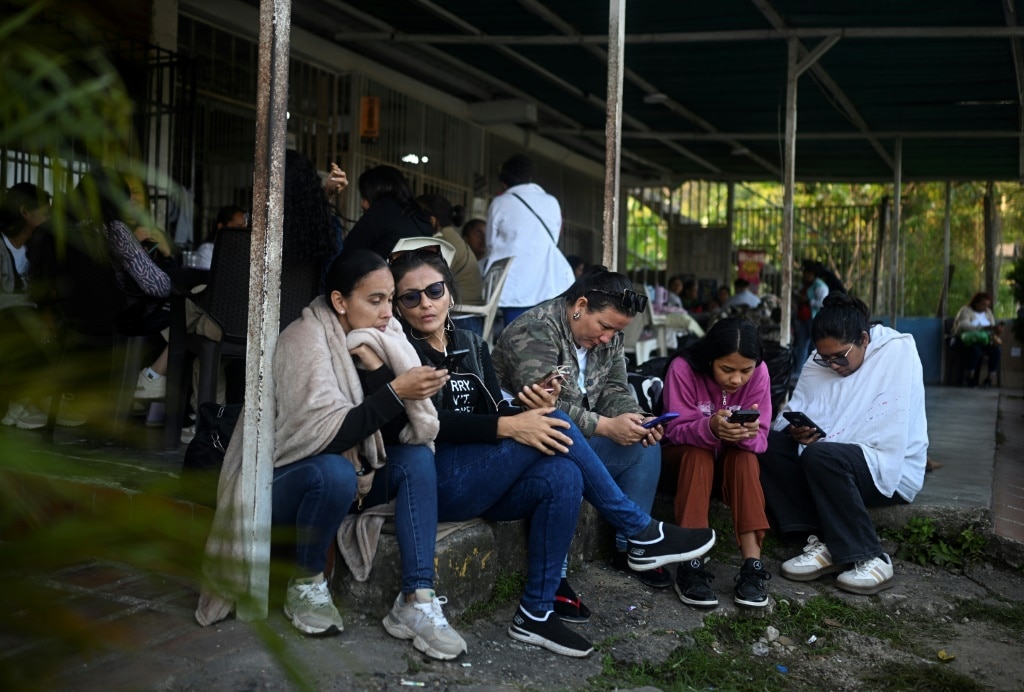
    Despite these developments, frustration grows among families awaiting releases. Approximately 40 relatives remained camped outside El Rodeo prison Monday, with some reporting that freed prisoners were whisked away through back exits without reuniting with waiting families. Human rights groups estimate between 800-1,200 political prisoners remain detained in Venezuela, leading UN experts to note that current release numbers “fall far short of Venezuela’s international human rights obligations.”