标签: Oceania

大洋洲

  • Ross Judd: Man accused of Mount Waverley double murder declares ‘I’m innocent’ in court

    Ross Judd: Man accused of Mount Waverley double murder declares ‘I’m innocent’ in court

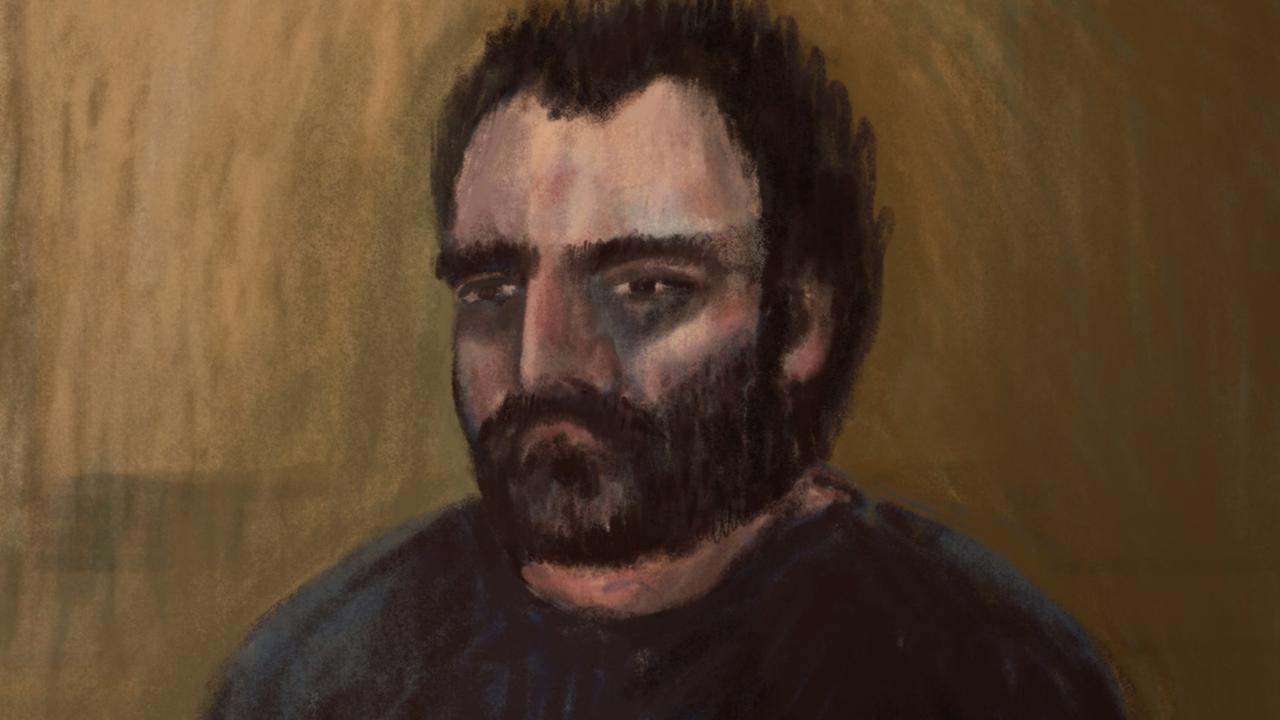
    In a dramatic court appearance at Melbourne Magistrates’ Court, 35-year-old Ross Judd vehemently proclaimed his innocence regarding the brutal double homicide of pregnant Athena Georgopoulos, 39, and her partner Andrew Gunn, 50. The alleged murders occurred on August 11 last year at a Mount Waverley property, with Judd describing the judicial process as “deeply unfair” during his Tuesday afternoon hearing via video link from Melbourne Assessment Prison.

    Appearing in a white T-shirt, Judd expressed frustration with the protracted legal proceedings, stating, “It’s taking way too long… I’m innocent, he stole my dog, my money.” The defendant has not yet entered formal pleas to the murder charges.

    The court proceedings revealed that Judd’s legal team requested an adjournment to facilitate comprehensive assessment by forensic psychiatrist Dr. Andrew Carroll. This evaluation aims to determine whether Judd experienced any mental impairment at the time of the alleged offenses, with the psychiatric report scheduled for completion in March.

    Magistrate officials repeatedly cautioned Judd against speaking directly about the case without legal consultation, though he persistently sought to address the court regarding the timeline and nature of the proceedings.

    According to police allegations, Judd—a man of no fixed address—carried out a targeted attack against the couple, who were discovered by neighbors approximately at 10 PM on August 11. The crime scene investigation revealed substantial forensic challenges, including extensive DNA evidence and disturbing graffiti messages spray-painted on external walls stating: “enough is enough,” “karma has no menu,” and “meat is murder.”

    Judd remains in custody pending his next court appearance scheduled for March 31, while investigators continue processing the complex evidence from what authorities describe as a particularly gruesome crime scene.
  • Pioneering gay footballer Josh Cavallo accuses former club of homophobia

    Pioneering gay footballer Josh Cavallo accuses former club of homophobia

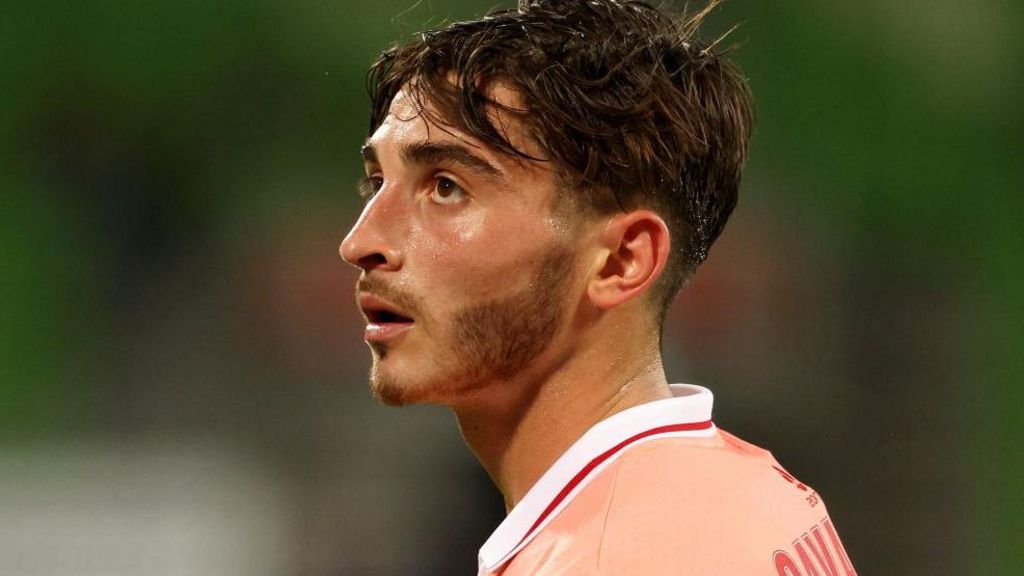
    Joshua Cavallo, the pioneering professional footballer who made history in 2021 as the first active top-tier male player to publicly come out as gay, has leveled serious allegations against his former club Adelaide United. In a detailed Instagram post published Tuesday, Cavallo asserted that “internal homophobia” within the Australian club systematically sidelined him and ultimately pushed him out of the organization.

    The 24-year-old defender, who recently signed with lower-division club Stamford AFC after departing Adelaide United in May 2023, described a troubling pattern of discrimination that emerged despite the club’s initial public support following his groundbreaking announcement. Cavallo revealed that behind the public facade of inclusivity, he experienced marginalization that severely limited his playing opportunities and career development.

    According to Cavallo’s account, a management change at the club introduced “politics” that kept him off the pitch under the pretext of injuries while the actual reason was homophobic discrimination. In one particularly distressing revelation, Cavallo alleged that teammates mocked a photograph of him and his partner in a group chat, creating a hostile environment that made him question whether coming out publicly had been the right decision.

    Adelaide United issued a firm response categorically rejecting the allegations. A club spokesperson stated that “all on-field decisions relating to team selection are made solely on footballing grounds” and expressed extreme disappointment with Cavallo’s claims. The club emphasized its commitment to fostering an inclusive environment and pointed to its ongoing participation in Pride Cup matches as evidence of its dedication to LGBTQ+ inclusion.

    The case highlights the persistent challenges facing LGBTQ+ athletes in professional sports, particularly in male football where openly gay players remain exceptionally rare. Cavallo’s original coming out in 2021 had been celebrated as a landmark moment for LGBTQ+ representation in sports, inspiring other players including England’s Jake Daniels who came out in 2022.

    Despite the personal cost, including near-daily death threats following his initial announcement, Cavallo maintains that his only regret is not coming out sooner. His allegations against Adelaide United now raise serious questions about the gap between public inclusivity initiatives and the private realities faced by LGBTQ+ athletes in professional sports organizations.

  • French museum fare hikes for non-European tourists spark outcry

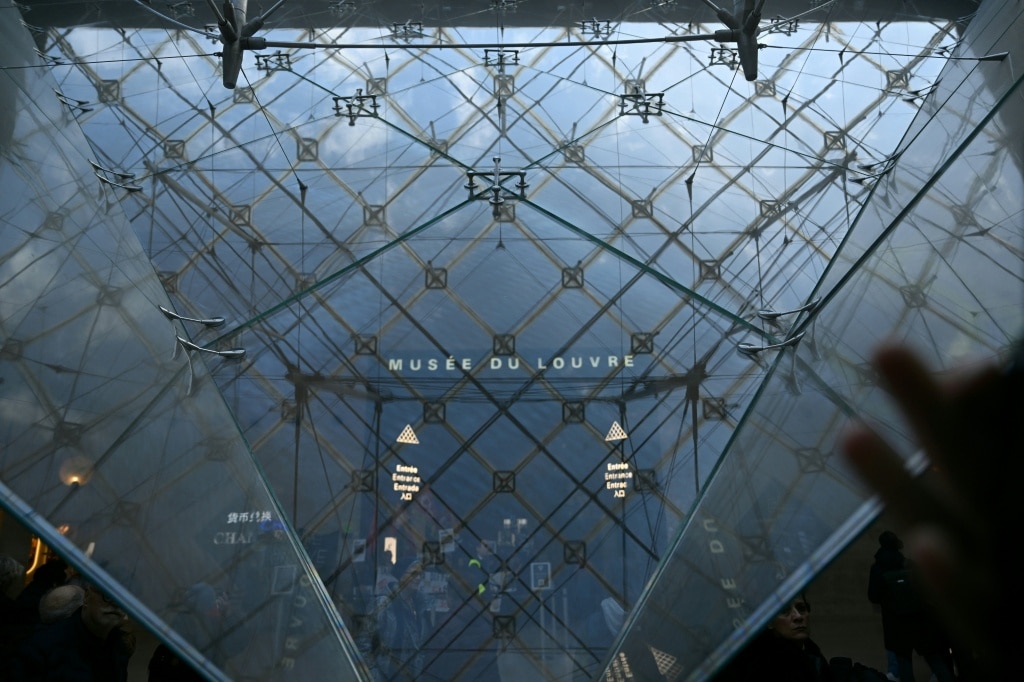
    French museum fare hikes for non-European tourists spark outcry

    France has ignited an international debate by implementing a two-tiered pricing system at its premier cultural institutions, with the Louvre Museum leading the controversial change effective this Wednesday. Under the new policy, adult visitors from outside the European Union, Iceland, Liechtenstein, and Norway now face a 45% price increase, bringing admission to €32 ($37), while the Palace of Versailles has similarly raised fees by three euros for non-European tourists.

    The French government justifies the measure as a necessary financial strategy, projecting annual revenue increases of €20-30 million to support heritage conservation efforts, including a massive billion-euro renovation plan for the Louvre announced by President Emmanuel Macron. Culture Minister Rachida Dati emphasized that ‘The French are not meant to pay for everything all by themselves,’ defending the surcharge as dedicated to preserving national heritage.

    However, the policy has drawn sharp criticism from multiple quarters. Louvre trade unions have condemned the approach as ‘shocking philosophically, socially and on a human level,’ organizing strike actions in protest. They argue that the museum’s extensive collection of 500,000 artifacts—many originating from Egypt, the Middle East, and Africa—holds universal human value beyond national boundaries.

    Academic Patrick Poncet has drawn parallels between France’s move and policies of the Trump administration, which similarly increased National Park fees for foreign visitors. Poncet characterized the pricing strategy as ‘symptomatic of the return, as elsewhere in the world, of unabashed nationalism’ in commentary for Le Monde.

    The policy places France in a unique position within Europe, where most cultural institutions maintain uniform pricing or offer discounts based solely on age rather than nationality. Britain maintains free access to permanent collections at national museums, while venues across Italy, Spain, and Greece provide age-based discounts without nationality distinctions. The Louvre will continue offering free admission to minors from all countries and Europeans under 26.

    Practical implementation challenges also concern staff, who must now verify visitors’ identity documents—an additional logistical burden. The debate continues as other French cultural sites including Chambord Palace and the Paris Opera implement similar pricing structures, raising questions about whether other European destinations might follow France’s controversial precedent.

  • Aaron Papazoglu hit with additional charge after fatal crash in Hornsby

    Aaron Papazoglu hit with additional charge after fatal crash in Hornsby

    A 19-year-old motorist stands accused of triggering a catastrophic chain of events that resulted in the death of an expectant mother outside a Hornsby carpark last November. Aaron Papazoglu now confronts an upgraded charge of aggravated dangerous driving occasioning death, with authorities alleging he exceeded the speed limit by more than 45 km/h during the incident.

    The tragedy unfolded on George Street when police indicate a Kia Carnival had appropriately slowed to allow Samanvitha Dhareshwar, 33, and her family to safely cross the footpath. Prosecutors assert Papazoglu’s BMW sedan then collided with the stationary Kia, propelling it forward with sufficient force to fatally strike Ms. Dhareshwar, who was approximately 32 weeks pregnant.

    Initially charged with dangerous driving occasioning death, negligent driving occasioning death, and causing the loss of a fetus, Papazoglu received the additional serious charge on January 6th following extended investigation into the circumstances surrounding the collision. The new charge carries significantly heightened penalties under New South Wales traffic legislation.

    The case underwent preliminary proceedings at Downing Centre Local Court this week, resulting in a four-week adjournment. Papazoglu, who secured bail shortly after the November incident, has yet to enter formal pleas regarding any charges. The matter returns to court on February 17th for further proceedings as the prosecution continues building its case against the teenage driver.

  • Sabalenka favourite at Australian Open but faces Swiatek, US threats

    Sabalenka favourite at Australian Open but faces Swiatek, US threats

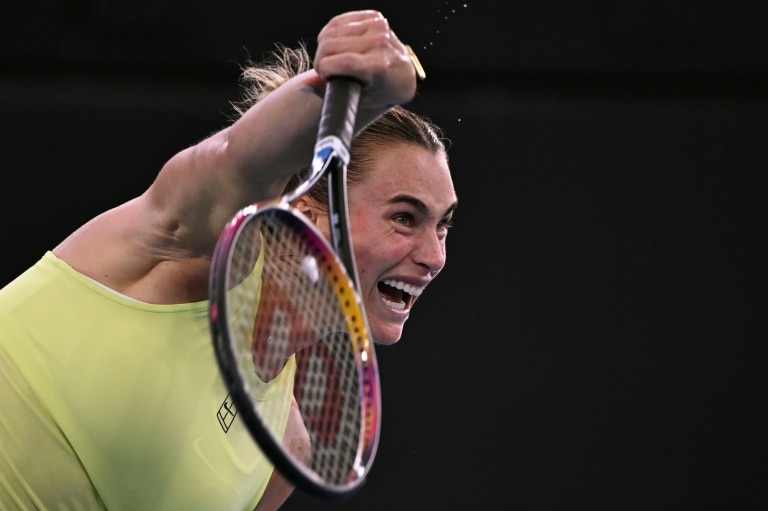
    As the Australian Open prepares to serve off this Sunday, the women’s singles draw presents a compelling narrative of reigning champions, rising stars, and seasoned veterans. World number one Aryna Sabalenka enters Melbourne Park as the statistical favorite, aiming to secure her third title in four years following her dominant victory at the Brisbane International. However, the Belarusian powerhouse confronts arguably the most competitive field in recent Grand Slam history.

    The American contingent emerges as particularly formidable, led by defending champion Madison Keys whose stunning three-set victory over Sabalenka in last year’s final captured her maiden major title. Though Keys experienced limited tournament success thereafter, her explosive game remains tailor-made for Melbourne’s hardcourts. She joins a powerful American cohort featuring third-ranked Coco Gauff, the reigning French Open champion who recently demonstrated her credentials with a commanding 6-4, 6-2 victory over Iga Swiatek at the United Cup.

    Fourth-ranked Amanda Anisimova represents another serious threat following her breakthrough 2025 season that included finals appearances at Wimbledon and the US Open, plus WTA 1000 triumphs in Beijing and Qatar. Despite falling to Sabalenka in a gripping WTA Finals semifinal, Anisimova has proven she can challenge the very best. Sixth-ranked Jessica Pegula completes this formidable American top-10 presence.

    World number two Iga Swiatek remains the most intriguing challenger to Sabalenka’s supremacy. The Polish superstar, holder of six Grand Slam titles, has curiously never captured the Australian Open crown despite reaching last year’s semifinals in dominant fashion. Her recent loss to Gauff notwithstanding, Swiatek’s relentless baseline game makes her a perpetual threat.

    Beyond the established contenders, the tournament welcomes back former champion Naomi Osaka, whose 2019 and 2021 Melbourne triumphs cemented her status as a hardcourt specialist. Now ranked 16th, the Japanese star seeks to recapture her championship form. Meanwhile, Moscow-born Kazakh Elena Rybakina (world number five) and the legendary Venus Williams—who at 45 becomes the oldest woman to compete in the main draw—add further intrigue to this deeply competitive field.

    Sabalenka remains the player to beat despite her runner-up status from last year. Her powerful baseline game and improved mental resilience have established her as the tour’s most consistent performer across surfaces. ‘There is no difference if I’m defending champion or not,’ Sabalenka remarked in Brisbane. ‘The goal remains always the same—to bring my best tennis and continuously improve.’ This mindset, coupled with her formidable track record at Melbourne Park, makes the top seed the narrow favorite in what promises to be a thrilling fortnight of tennis.

  • Household spending spree shows first sign of cracking amid interest rate fears

    Household spending spree shows first sign of cracking amid interest rate fears

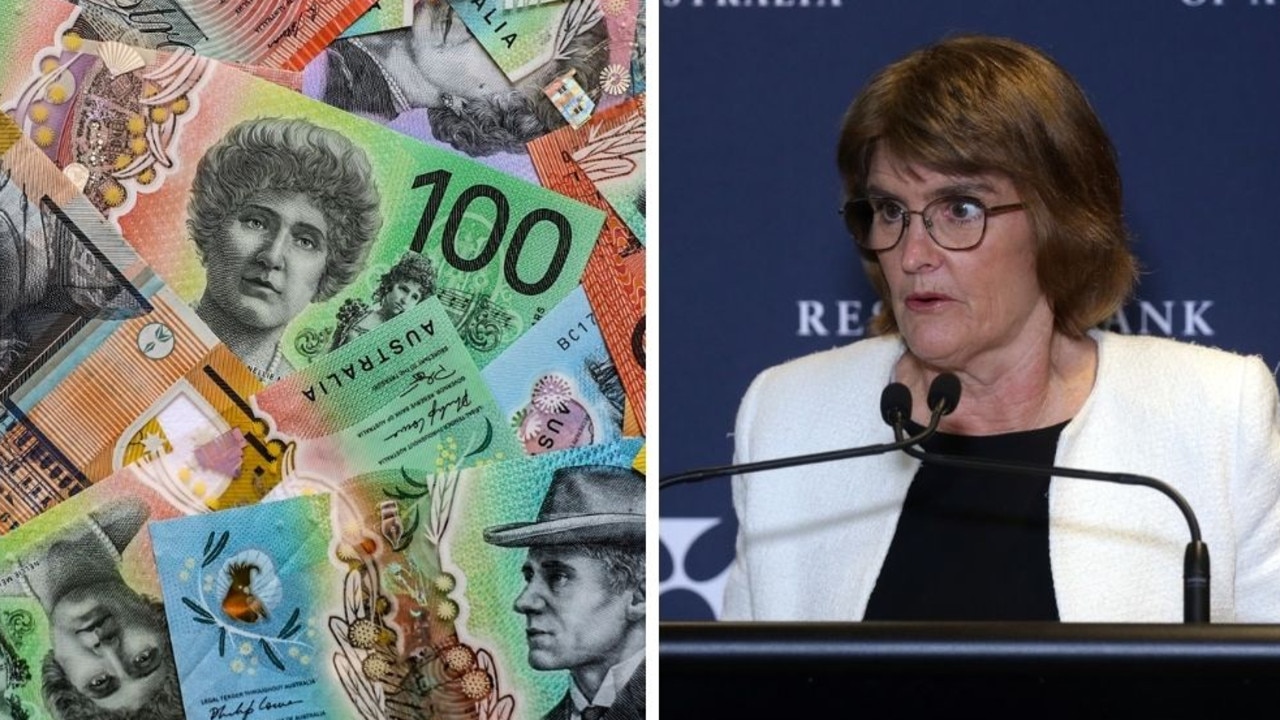
    Australian households are exhibiting a remarkable economic paradox: maintaining the fastest spending pace in two years while simultaneously reaching unprecedented levels of financial pessimism. The latest Westpac-Melbourne Institute consumer sentiment index reveals a concerning trend, dropping 1.7% to 92.9 in January following December’s dramatic 9% collapse. This psychological downturn occurs despite recent Australian Bureau of Statistics data showing a robust 6.3% spending surge through November—the most vigorous consumption rate in 24 months.

    The primary driver of this confidence crisis stems from shifting mortgage rate expectations. Matthew Hassan, Westpac’s Head of Australian Macro-Forecasting, notes that nearly two-thirds of consumers now anticipate higher mortgage rates within the next year—more than double September’s figures. This anxiety persists as the Reserve Bank of Australia prepares for its February 2-3 meeting, with economists divided between maintaining the current 3.60% rate or implementing a 25-basis-point increase to 3.85%.

    Compounding financial concerns, job security anxieties have emerged despite Australia’s stable 4.3% unemployment rate maintained through five of the past six months. Housing market pressures further exacerbate the situation, particularly in Queensland, Western Australia, and South Australia where Proptrack data shows dramatic price surges: Brisbane (14.6%), Perth (17.2%), and Adelaide (12.8%).

    AMP economist My Bui suggests this confidence deterioration signals the end of the recent spending boom, predicting more contained expenditure in December and January. The situation presents RBA Governor Michele Bullock with a complex policy challenge as she attempts to interpret how Black Friday sales and value-conscious consumption patterns might influence future inflation and rate decisions.

  • AI helps fuel new era of medical self-testing

    AI helps fuel new era of medical self-testing

    The landscape of preventive medicine is undergoing a radical transformation as artificial intelligence converges with consumer electronics to create a new generation of self-testing devices. Moving beyond conventional smartwatches and fitness rings, these innovations promise to detect major diseases earlier than ever before, from Alzheimer’s to cancer.

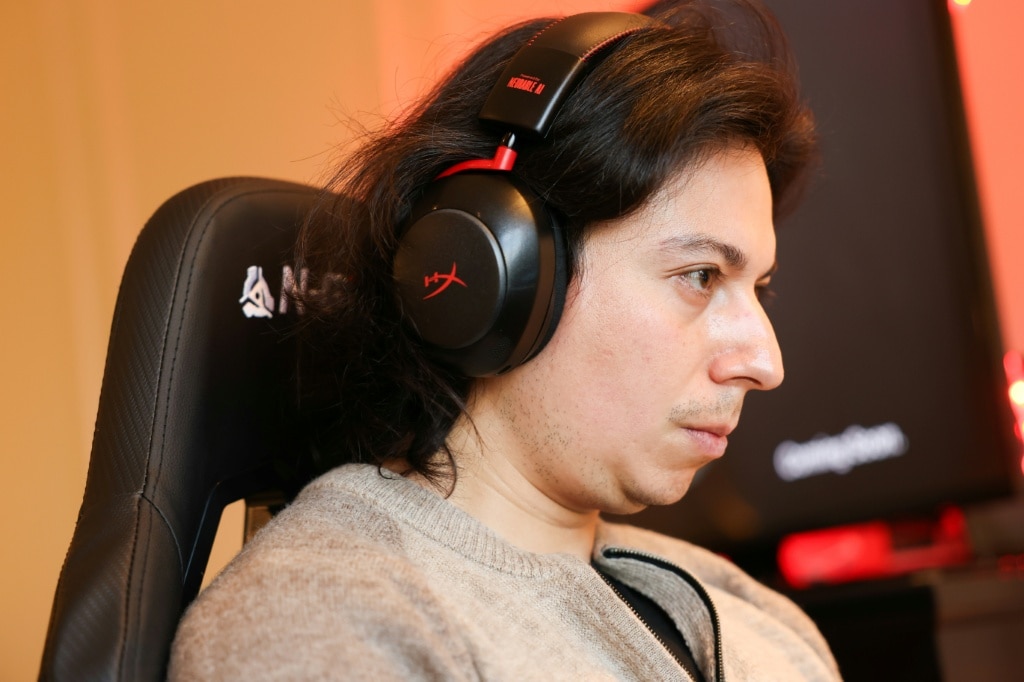
    At the forefront of this revolution is neurotechnology startup Neurable, which has developed an electroencephalogram (EEG) headset capable of identifying early neurological indicators. The device records and interprets brain activity, with its connected application comparing this data against the user’s medical history to identify deviations that might signal developing conditions.

    “Current preventive medicine models fail because people don’t want constant doctor visits,” explains Ramses Alcaide, Neurable’s CEO and co-founder. “Our technology can detect problems like Parkinson’s disease up to a decade before physical symptoms like tremors appear.”

    The company is already deploying its technology in demanding real-world scenarios, collaborating with the Ukrainian military to evaluate mental health among frontline soldiers and former prisoners of war for signs of post-traumatic stress disorder (PTSD).

    Parallel innovations are emerging across the medical wearable space. French startup NAOX has created FDA-cleared EEG earbuds connected to a compact monitoring unit designed for epilepsy patients. Unlike conventional devices that focus on detecting full seizures, NAOX’s technology identifies subtle electrical “spikes” in brain activity that are more frequent and challenging to detect.

    “We’re working with Paris hospitals to better understand the correlation between these brain spikes and Alzheimer’s disease,” notes Marc Vaillaud, NAOX’s chief innovation officer.

    The miniaturization of medical technology, accelerated by AI advancements, has enabled previously unimaginable portability and affordability. IriHealth is preparing to launch a $50 smartphone attachment that scans the iris for health indicators. While iridology remains scientifically controversial, the company claims 81% accuracy in detecting colon cancer among previously diagnosed patients.

    This proliferation of health monitoring technology aligns with growing consumer demand. Recent research from OpenAI reveals over 200 million internet users consult ChatGPT weekly for health information, prompting the organization to develop a specialized medical chatbot that integrates with wearable data.

    Despite the promise, experts urge cautious optimism. University of Pennsylvania professor Anna Wexler, who studies consumer detection products, notes reservations: “I don’t believe wearable EEG devices are fully reliable yet,” while acknowledging that “AI has expanded the possibilities of these devices.”

    As these technologies continue evolving, they represent a fundamental shift toward decentralized, continuous health monitoring that could transform how we approach disease prevention and early intervention.

  • Penny Wong tight-tipped over Trump’s threat to invade Greenland

    Penny Wong tight-tipped over Trump’s threat to invade Greenland

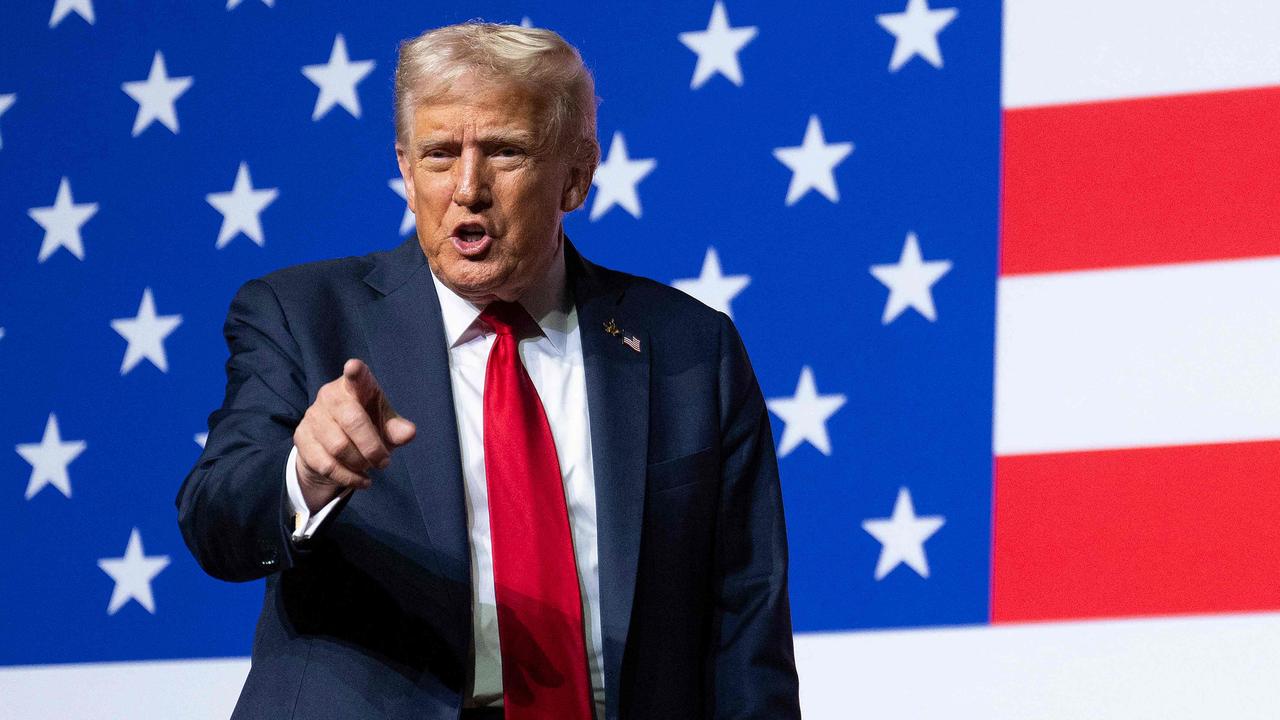
    Australian Foreign Minister Penny Wong has adopted a measured diplomatic stance regarding former US President Donald Trump’s renewed assertions about potentially acquiring Greenland through military means. During a Sky News interview on Tuesday, Senator Wong emphasized the United States’ continued role as Australia’s “closest strategic partner” and “most important security ally” while carefully avoiding explicit commentary on what might constitute a ‘red line’ for Australia regarding US actions against the Arctic territory.

    The minister acknowledged that differences in perspective have occurred throughout the 75-year history of the US-Australia alliance, stating that Australia maintains a “principled position” and approaches the relationship as “responsible partners with regard to Australia’s national interests.” This diplomatic positioning comes amid heightened concerns following the US military action in Venezuela and arrest of its leader, Nicolas Maduro, earlier this month.

    Trump, who initially floated the idea of purchasing the 2.2 million square kilometer autonomous Danish territory during his first term, has recently intensified rhetoric about Greenland’s strategic importance. The former president and his officials have refused to rule out military force to acquire the island, which Trump claims is necessary for national security. During remarks aboard Air Force One, Trump asserted that without US intervention, Russia or China would dominate the region, disparaging Greenland’s current defense capabilities.

    The Danish government and Greenland’s administration have consistently rejected any compromise of their sovereignty. In response to growing geopolitical tensions, Denmark’s parliament recently voted to expand military cooperation with the US, granting American troops access to Danish air bases. Meanwhile, European NATO allies including France and Germany have declared the Arctic region a priority, with Greenland’s government committing to strengthen its defense under NATO auspices.

    The situation reflects Greenland’s complex historical relationship with Denmark, which colonized the primarily Inuit island before granting it progressive autonomy throughout the late 20th and early 21st centuries.

  • How Australian festival imploded after axing Palestinian author

    How Australian festival imploded after axing Palestinian author

    Australia’s prestigious Adelaide Festival has descended into chaos following its controversial decision to disinvite prominent Palestinian-Australian author Dr. Randa Abdel-Fattah from its Writers’ Week program, triggering what may become the largest literary boycott in Australian cultural history.

    The festival board justified its action by citing ‘cultural sensitivities’ following December’s Bondi Beach shooting, where gunmen allegedly inspired by Islamic State killed 15 people at a Jewish festival. While explicitly denying any connection between Abdel-Fattah and the tragedy, board members argued her inclusion would be inappropriate given her previous statements regarding Israel.

    The author, a novelist, lawyer, and academic, condemned the decision as ‘a blatant and shameless act of anti-Palestinian racism and censorship,’ rejecting what she termed the ‘despicable’ attempt to associate her with the Bondi attack.

    The repercussions were immediate and severe. Within days, 180 writers and participants withdrew from the festival in protest, including literary luminaries such as former New Zealand Prime Minister Jacinda Ardern, British author Zadie Smith, US-Russian journalist Masha Gessen, and acclaimed Australian writers Helen Garner and Kathy Lette. The mass exodus represents approximately two-thirds of the scheduled participants.

    Organizational turmoil followed as four of the eight board members, including the chair, resigned without public explanation. Louise Adler, the Jewish daughter of Holocaust survivors and director of Writers’ Week, also stepped down, declaring she ‘cannot be party to silencing writers’ and warning that the exclusion ‘weakens freedom of speech and is the harbinger of a less free nation.’

    The controversy has exposed deep divisions within Australia’s cultural landscape. Norman Schueler of the Jewish Community Council for South Australia acknowledged his organization had lobbied for Abdel-Fattah’s removal, calling it ‘a very wise move’ that would ‘improve the cohesiveness of the festival.’ South Australian Premier Peter Malinauskus publicly endorsed the decision while denying direct involvement.

    Abdel-Fattah’s supporters argue the incident reflects broader attempts to suppress Palestinian voices in Western cultural institutions. ‘The only Palestinians they will tolerate are silent and invisible ones,’ the author stated, accusing Australian arts organizations of displaying ‘utter contempt and inhumanity towards Palestinians.’

    The controversy has historical parallels. Critics, including Premier Malinauskus, have accused Abdel-Fattah of hypocrisy, noting she previously advocated for the exclusion of New York Times journalist Thomas Friedman from the 2024 festival over controversial columns. Abdel-Fattah rejected these allegations, maintaining Friedman’s writing employed dehumanizing language while her exclusion was based solely on identity and political viewpoint.

    With potential legal action looming and the festival’s future in jeopardy, the incident has sparked nationwide debate about free speech, cultural censorship, and the boundaries of acceptable discourse in Australia’s artistic communities. As Australian-British novelist Kathy Lette argued in her withdrawal statement, ‘As authoritarianism rears its hideous head around the world, we need to defend these havens of free speech.’

  • Trump has options on Iran, but first must define goal

    Trump has options on Iran, but first must define goal

    The United States administration faces complex strategic considerations regarding potential intervention in Iran’s escalating civil unrest, with President Donald Trump weighing options that span from economic pressure to military engagement. As protests continue across numerous Iranian cities, the White House must determine its ultimate objective before selecting an appropriate course of action.

    Ten days after Trump declared the U.S. “locked and loaded” and prepared to assist Iranian demonstrators, the administration maintains its rhetorical pressure despite mounting casualties among protesters. The historical context remains crucial: Iran has stood as a principal adversary since the 1979 Islamic revolution overthrew the Western-aligned monarchy. A potential collapse of the current clerical regime would fundamentally reshape Middle Eastern geopolitics.

    Current administration measures include economic leverage through recently imposed 25% tariffs on Iran’s trading partners and discussions about restoring internet access restricted by Tehran. Behind the scenes, diplomatic channels remain active through Trump’s personal envoy Steve Witkoff, indicating continued communication between the two governments.

    Expert analysis reveals divergent perspectives on potential intervention outcomes. Reza Pahlavi, exiled son of the former Shah, has publicly encouraged stronger U.S. involvement, contrasting Trump’s approach with Obama’s hesitation during the 2009 protests. Council on Foreign Relations senior fellow Ray Takeyh suggests targeted actions against specific regime elements, particularly the Revolutionary Guards leading protest suppression, could influence undecided citizens to join demonstrations.

    However, Chatham House expert Sanam Vakil warns that external intervention might strengthen regime cohesion and justify intensified crackdowns. The scale of current protests—spanning 130-150 urban centers—presents operational challenges that exceed limited airstrikes, according to Johns Hopkins professor Vali Nasr, who suggests Trump may prefer symbolic military actions rather than comprehensive engagement.

    Foundation for Defense of Democracies researcher Behnam Ben Taleblu emphasizes the risk that military action could disperse protesters rather than amplify their efforts, particularly if intelligence and targeting prove inadequate. Meanwhile, alternative perspectives suggest many Iranians would welcome diplomatic solutions that ease sanctions and reduce war threats, potentially creating pathways for gradual political transformation rather than immediate regime collapse.