标签: Oceania

大洋洲

  • Trump hits Iran trade partners with tariffs as protest toll soars

    Trump hits Iran trade partners with tariffs as protest toll soars

    In a significant escalation of economic pressure, U.S. President Donald Trump has declared an immediate 25% tariff on any nation engaging in trade with Iran. The move aims to isolate Tehran financially as reports emerge of a brutal government crackdown on protests, with estimates suggesting hundreds of fatalities.

    Iranian authorities claim to have reestablished control following nationwide demonstrations that began last Thursday, which represent the most substantial challenge to the country’s clerical leadership since the 1979 Islamic Revolution. However, human rights organizations accuse the government of employing lethal force against protesters and obscuring the true scale of violence through a prolonged internet blackout.

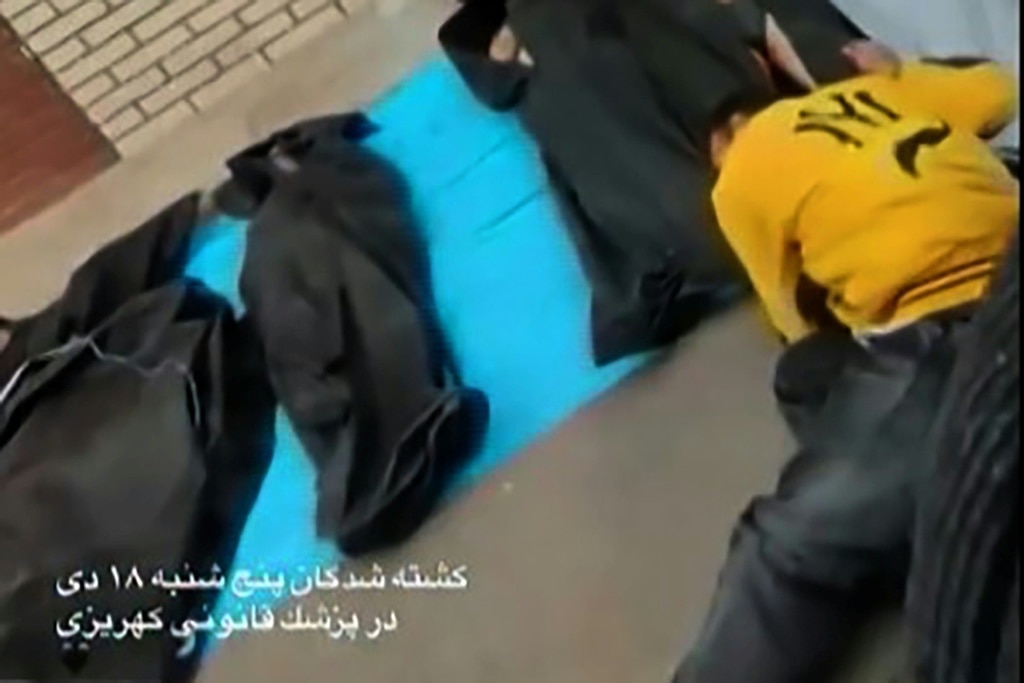
    According to Iran Human Rights (IHR), a Norway-based NGO, at least 648 individuals, including nine minors, have been killed during the unrest. The organization cautioned that the actual death toll might be significantly higher—potentially exceeding 6,000—while approximately 10,000 people have been arrested. The internet shutdown has severely hampered independent verification of these figures.

    In response to the turmoil, Iranian officials staged mass pro-government rallies, which Supreme Leader Ayatollah Ali Khamenei characterized as evidence of the protest movement’s defeat. Foreign Minister Abbas Araghchi defended the internet restrictions, alleging they were necessary to counter “terrorist operations” directed from abroad.

    The White House reiterated that President Trump remains prepared to employ military force against Iran but is prioritizing diplomatic measures. Meanwhile, international leaders have expressed concern over the situation. German Chancellor Friedrich Merz declared that regimes relying solely on violence to maintain power are “effectively finished,” while French President Emmanuel Macron condemned the “state violence” targeting Iranian citizens.

    Analysts note that while the protests pose a serious challenge to the Islamic Republic, the regime’s extensive repressive apparatus, including the Revolutionary Guards Corps, continues to provide significant stability. The outcome remains uncertain as both domestic tensions and international pressures intensify.
  • ‘Lost essentially everything else’: Woman fighting breast cancer loses home to Victorian bushfires on same day mother dies

    ‘Lost essentially everything else’: Woman fighting breast cancer loses home to Victorian bushfires on same day mother dies

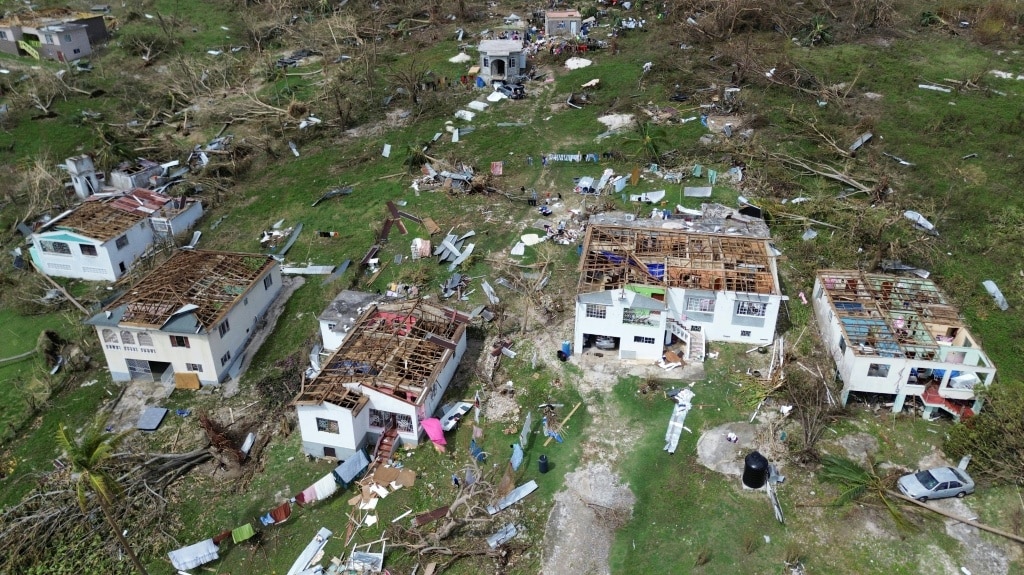
    Amidst the catastrophic bushfires ravaging Victoria, deeply personal stories of profound loss and resilience are emerging from affected communities. These narratives reveal the multi-layered devastation confronting residents as structural losses surpass 350 properties statewide.

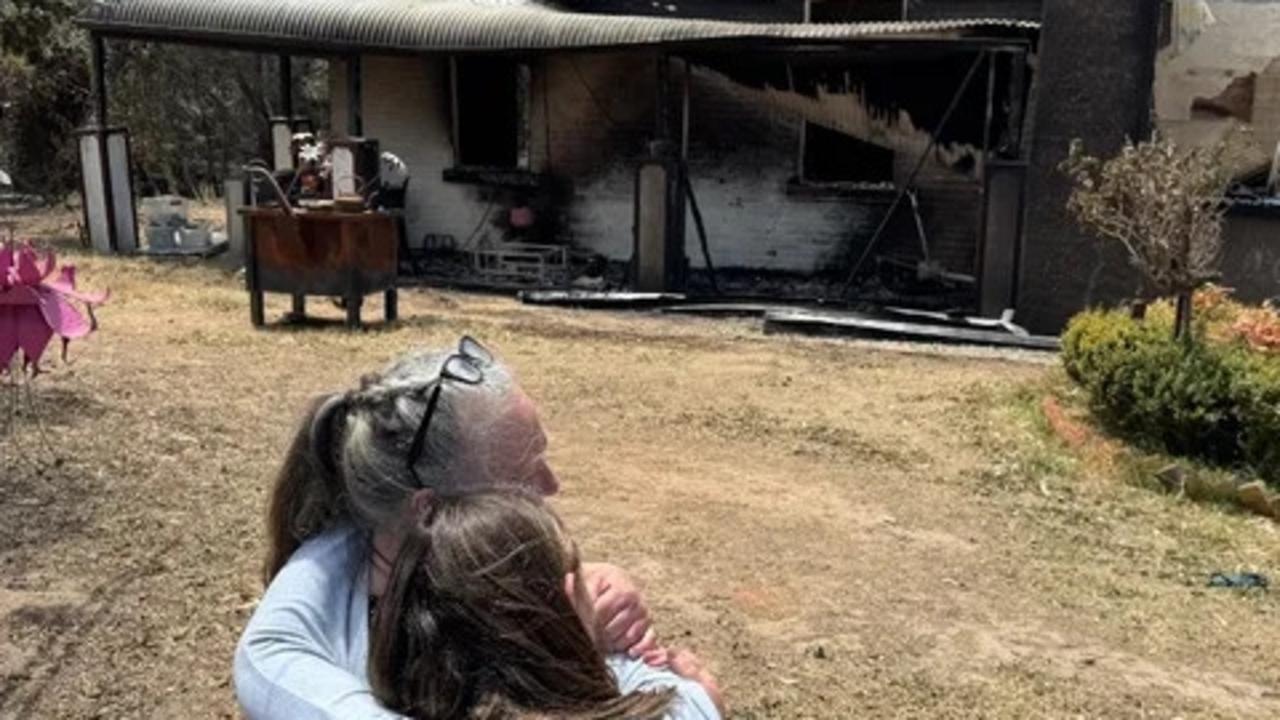
    In an extraordinary convergence of misfortune, Harcourt resident Mandy Dashwood experienced two life-altering events simultaneously—the destruction of her home occurred on the very day her mother passed away. Compounding these tragedies, Ms. Dashwood is currently undergoing treatment for breast cancer. Her niece, Remi Goldrick, established a crowdfunding campaign to support recovery efforts, noting that while insurance provides some coverage, it cannot compensate for the immense personal toll and lost time required for rebuilding. Describing her aunt as having created ‘a beautiful sanctuary filled with love,’ Ms. Goldrick emphasized that Ms. Dashwood has dedicated years to assisting vulnerable Australians experiencing domestic violence.

    Another heartbreaking account involves Lynda Quinton, a single mother of five whose Harcourt property was ‘absolutely decimated’ by the uncontrolled blazes. The family escaped with minimal possessions—a few photographs and their pets—while losing virtually all other belongings including clothing, furniture, and household essentials. Ms. Quinton, deeply embedded in the local community through her children’s school attendance and participation in community events, now faces complete displacement.

    Further north in Longwood, Ruben and Carolina Fuentes witnessed their family farmhouse—described as the ‘heart of their farm’—destroyed within hours. The couple lost essential infrastructure, equipment, tools, and irreplaceable family memorabilia. Their son Rueben noted the particular cruelty of their situation given their extensive volunteer work with a fortnightly food bank program that supports migrants with meals and clothing.

    These individual stories reflect the broader crisis as fire authorities continue combating uncontrolled blazes across Victoria. The emerging pattern reveals not just property destruction but the complete unraveling of lives, livelihoods, and community networks, with recovery expected to involve extensive and costly cleanup operations before rebuilding can commence.

  • The junior Slam champion who match-fixed to ‘escape’ tennis

    The junior Slam champion who match-fixed to ‘escape’ tennis

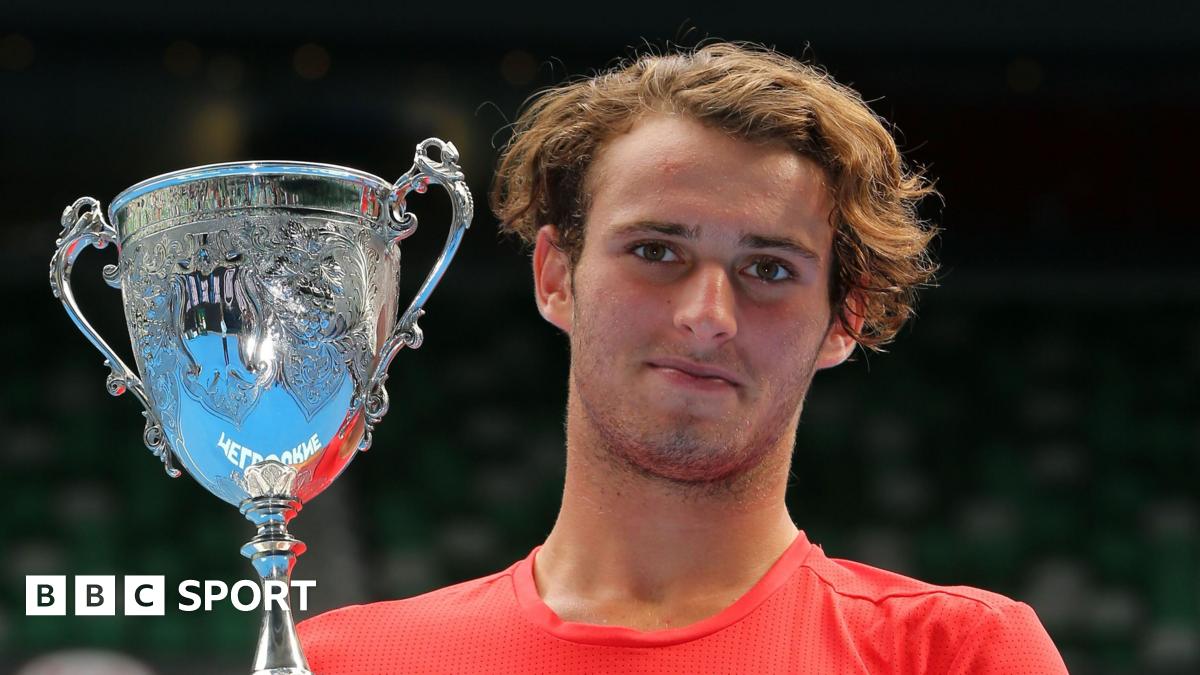
    A decade after his spectacular fall from grace, former Australian Open junior champion Oliver Anderson reflects on the match-fixing scandal that derailed his tennis career and the unexpected journey that brought him back to the sport.

    In January 2016, Anderson captured the Australian Open boys’ singles title before home crowds, defeating competitors who would become ATP Tour stalwarts. Yet just nine months later, the promising teenager found himself embroiled in a match-fixing scheme at an ATP Challenger event in Traralgon, Australia.

    Anderson’s descent into corruption followed injury setbacks that disrupted his momentum after Melbourne. Facing financial pressures during recovery from surgery, he accepted an approach from match-fixing syndicates targeting vulnerable athletes. The arrangement called for Anderson to deliberately drop the first set against Harrison Lombe, an opponent ranked outside the top 1,500.

    Surveillance footage reveals damning evidence: looping second serves and casual net returns from the 704th-ranked Anderson. Despite losing the opening set as planned, Anderson inexplicably fought back to claim victory in three sets—a outcome that triggered betting alerts when a punter attempted to wager A$10,000 on Lombe taking the first set.

    “Anyone watching would have instantly thought something was up,” Anderson acknowledges in a candid interview with BBC Sport.

    The scheme unraveled when undercover police intercepted Anderson courtside after his subsequent match. “I knew I’d made an absolute blunder,” he recalls of the confrontation.

    Cooperation with authorities spared Anderson conviction, resulting instead in a two-year good behavior bond from Victoria state magistrates. Tennis authorities imposed a 19-month suspension deemed sufficient punishment.

    During his exile, Anderson explored passions beyond tennis, channeling his love for British rock into guitar playing and entering the family’s textile business. He established his own resortwear brand while occasionally performing in Queensland bars.

    Seven years after his competitive departure, a casual hit with his brother reignited Anderson’s competitive spirit. Sporadic practice sessions led to an invitation from Tennis Australia’s National Academy, where coaches offered a wildcard entry to Futures events.

    Thus began an improbable global odyssey across tennis’s backwaters—from Mexico and the Dominican Republic to Mozambique, where Anderson gradually rebuilt his ranking. His perseverance culminated in a tournament victory in Angola before injury setbacks recently halted progress.

    Now 27, Anderson views his return as validation regardless of competitive outcomes. “I could finish now and I’d consider it a great comeback,” he reflects. “I met great people, visited awesome places, and competed meaningfully again. If I stopped today, I’d still call it a success.”

    The former prodigy maintains hope for Grand Slam qualifying appearances but acknowledges perspective gained from his tumultuous journey through tennis’s brightest lights and darkest corners.

  • Disaster losses drop in 2025, picture still ‘alarming’: Munich Re

    Disaster losses drop in 2025, picture still ‘alarming’: Munich Re

    A significant decline in global financial losses from natural disasters marked the year 2025, though the underlying climate trends remain deeply concerning, according to a comprehensive annual report from reinsurance giant Munich Re. Total worldwide losses reached $224 billion, representing a dramatic 40% decrease from the previous year. A primary factor in this drop was the absence of a major hurricane making landfall on the U.S. mainland for the first time in several years.

    Despite the overall financial improvement, the human toll was severe, with approximately 17,200 lives lost—a figure that exceeds 2024’s total of 11,000, though it remains slightly below the decade’s average. The report paints a complex picture of a year characterized by extreme weather events increasingly linked to climate change.

    The costliest single catastrophe was the series of devastating wildfires that swept through Los Angeles in January, resulting in total losses of $53 billion, with insured losses accounting for roughly $40 billion. The second most financially impactful event was a powerful earthquake that struck Myanmar in March, causing an estimated $12 billion in damage, only a minor fraction of which was covered by insurance.

    Munich Re’s Chief Climate Scientist, Tobias Grimm, described 2025 as a year with ‘two faces.’ The first half constituted the most expensive loss period in the insurance industry’s history, while the second half saw the lowest losses in a decade. He emphasized that the Earth ‘continues to warm,’ stating, ‘More heat means more humidity, stronger rainfall, and higher wind speeds—climate change is already contributing to extreme weather.’

    Regionally, the United States bore the brunt of the financial impact with $118 billion in total losses, $88 billion of which was insured. The Asia-Pacific region suffered about $73 billion in losses, but with a starkly low insurance penetration of only $9 billion. Europe recorded $11 billion in losses, while Africa experienced $3 billion, with less than a fifth covered by insurance.

    The findings arrive amidst a global political landscape where skepticism toward climate science and green policies is growing, particularly following the return to power of U.S. President Donald Trump. Nonetheless, the data underscores a rising cumulative cost from smaller-scale, frequent disasters like local floods and forest fires, which amounted to $166 billion and are having the most pronounced ongoing impact.

  • Gold and silver hit record highs as global tensions drive investors

    Gold and silver hit record highs as global tensions drive investors

    Precious metals skyrocketed to unprecedented levels during Tuesday’s trading session as escalating geopolitical tensions and concerns over U.S. Federal Reserve independence triggered a massive flight to safety among global investors. The remarkable rally saw gold bullion momentarily touch an all-time high of $US4,629.94 before experiencing some pullback, while silver simultaneously climbed to $US85.50 per ounce.

    The Australian market reflected this commodities surge with the benchmark ASX 200 advancing 49.10 points (0.56%) to close at 8805.50, while the broader All Ordinaries index gained 45.80 points (0.50%) to finish at 9138.50. Materials stocks emerged as the standout performers, rallying more than two percent as the triple threat of record-breaking gold, silver, and copper prices created a powerful tailwind for mining companies.

    Market analyst Kyle Rodda of Capital.com attributed the sustained precious metals rally to growing investor apprehension. ‘Gold and silver achieved fresh record highs as the search for dollar alternatives intensifies,’ Rodda observed. ‘Despite the extended rally, the uptrend appears fundamentally sound with conspicuously strong underlying drivers.’

    The commodities boom propelled major mining giants to significant gains. BHP shares advanced 2.30% to $47.58, while Rio Tinto jumped 2.18% to $145.53. Gold specialists Northern Star Resources led sector gains with a 3.62% surge to $26.35, with Evolution Mining adding 2.01% to $13.17.

    Australia’s banking sector contributed substantially to market momentum, with all four major institutions posting solid gains. Commonwealth Bank traded 0.48% higher at $154.82, Westpac added 1.10% to $38.50, NAB leapt 1.85% to $42.39, and ANZ jumped 1.64% to $36.48.

    However, the market advance displayed sectoral unevenness, with only four of eleven sectors finishing higher. Energy shares retreated following recent oil price volatility, with Woodside falling 1.73% and Ampol slumping 4.82%. Consumer discretionary stocks similarly underperformed, led by declines in JB Hi-Fi, Eagers Automotive, and Breville.

    Individual corporate developments included Endeavour Group shares dropping 2.89% after forecasting lower margins, and GQG Partners plummeting 8.64% despite reporting increased funds under management. Defense contractors Austal and DroneShield bucked the negative trend with notable gains, possibly reflecting heightened geopolitical concerns.

  • Australian novelist Craig Silvey charged with child exploitation offences

    Australian novelist Craig Silvey charged with child exploitation offences

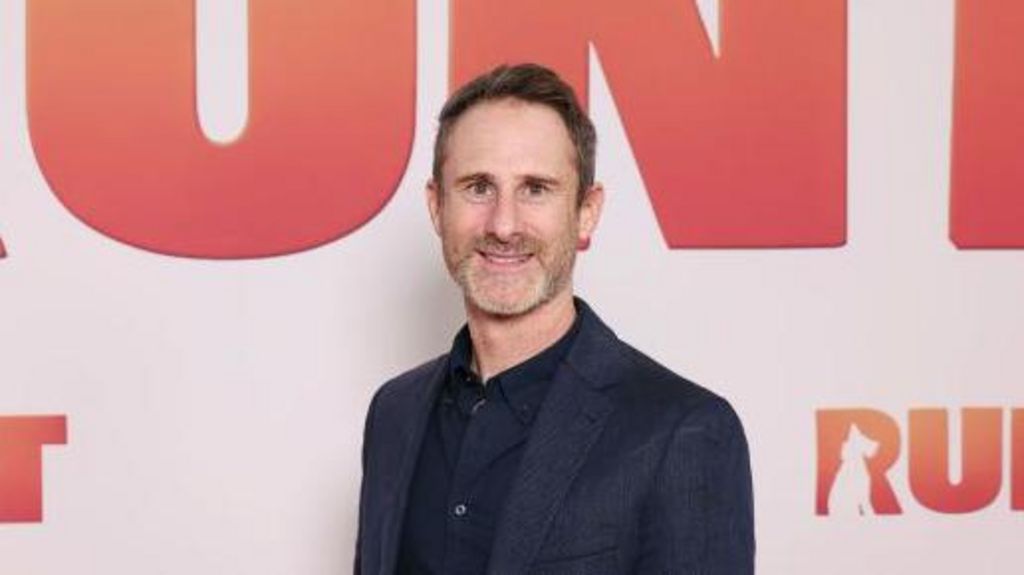
    Renowned Australian novelist Craig Silvey, celebrated for his literary masterpiece Jasper Jones, has been formally charged with serious child exploitation offenses following a police operation at his Perth residence. The 43-year-old author, a father of three, appeared before Fremantle Magistrates Court on Tuesday facing allegations of both possessing and distributing illicit material involving minors.

    According to law enforcement officials, Silvey was actively communicating with other suspected child exploitation offenders through digital platforms at the time of his arrest on Monday. The investigation culminated in a coordinated raid on his home, where evidence was seized by specialized cybercrime units.

    The court proceedings resulted in Silvey being granted conditional bail despite the gravity of the charges. The defendant did not enter a formal plea during the preliminary hearing, with the case adjourned until February 10 for further proceedings.

    Silvey’s literary achievements stand in stark contrast to the current allegations. His seminal work Jasper Jones has achieved remarkable commercial and critical success, selling over 500,000 copies since publication. The coming-of-age story has become a staple in Australian educational curricula and was adapted into a major motion picture in 2017 featuring acclaimed actress Toni Collette.

    The author’s subsequent children’s book Runt and its recently published sequel Runt and the Diabolical Dognapping have both enjoyed significant commercial success, with the latter topping Australia’s children’s bestseller charts according to publisher Allen & Unwin.

    The case has sent shockwaves through Australia’s literary community, raising questions about the intersection of artistic achievement and personal conduct. Legal experts suggest the charges could carry substantial penalties if convicted, though the judicial process remains in its early stages.

  • Brendan Nicholls: Man accused of road rage attack on Imam Ismet Purdic denied bail

    Brendan Nicholls: Man accused of road rage attack on Imam Ismet Purdic denied bail

    A Melbourne court has denied bail to a 23-year-old man charged in connection with an alleged religiously-motivated road rage assault against a prominent Muslim religious leader and his wife. Brendan Nicholls faced Dandenong Magistrates Court on Tuesday following his arrest two days prior, with the prosecution detailing a disturbing sequence of events that has sparked widespread condemnation from community and political leaders.

    The alleged incident occurred on January 10 when Imam Ismet Purdic, leader of the Bosnia-Herzegovina Islamic Society Noble Park Mosque, was driving with his wife on the South Gippsland Highway. According to Detective Senior Constable Courtney Milner’s testimony, the religious leader was traveling approximately 20-25km/h below the speed limit when a black Volkswagen Golf began tailgating and honking aggressively.

    The court heard that the Golf subsequently overtook Purdic’s vehicle before intentionally slowing down and swerving to block its path. Three occupants then exited their car at a service station where Purdic had pulled in, allegedly launching a physical attack that included punching and kicking the Imam’s Toyota Kluger, causing significant damage. Prosecutors stated that Purdic was punched in the head after exiting his vehicle, while his wife was subjected to religious slurs including being called “Muslim b—h” by a female assailant who police expect to charge on summons.

    Magistrate Hugh Radford rejected Nicholls’ bail application despite defense arguments that the Bunnings employee could live with his mother under strict conditions. The magistrate expressed particular concern about the random nature of the attack against complete strangers and found no compelling reason for bail that would mitigate the perceived risk. Nicholls reacted vociferously to the decision, yelling obscenities as he was removed from the courtroom while his mother collapsed sobbing.

    The case has drawn significant attention from community organizations and political leaders. The Australian National Imams Council condemned the attack as a “disturbing reminder of the escalating danger facing visibly Muslim Australians,” noting increased Islamophobic incidents since recent terror attacks in Bondi. Victorian Premier Jacinta Allan explicitly denounced the alleged assault, affirming her commitment to protecting Muslim women’s right to move freely without fear of hate-based violence.

    Nicholls has been remanded in custody until February 4, with his lawyer noting this marks his first time in detention and requesting medical attention for drug withdrawal symptoms. A second accused, a 22-year-old from Cranbourne East, has been charged with criminal damage and common assault and granted bail to appear in court in May.

  • Man charged after officers’ alleged shock find of illicit tobacco substances in NSW storage facility

    Man charged after officers’ alleged shock find of illicit tobacco substances in NSW storage facility

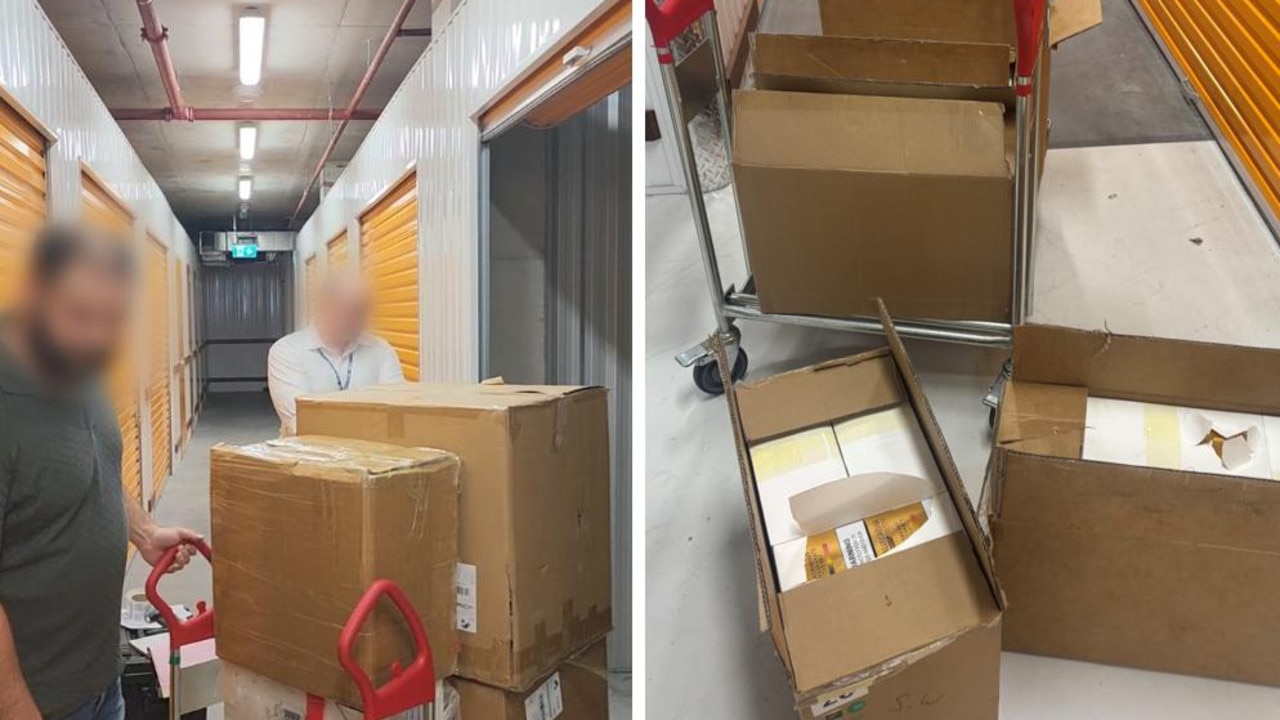
    New South Wales authorities have made a significant breakthrough in their campaign against illegal tobacco operations, charging a 30-year-old man following the discovery of a substantial cache of illicit products valued at nearly $427,000. The investigation culminated when strike force officers executed a search warrant at a storage facility in Oran Park, located southwest of Sydney.

    During the operation, law enforcement officials uncovered and confiscated an extensive inventory of prohibited items, including 384,600 cigarettes, 1,070 vaping devices, approximately nine kilograms of loose tobacco leaf, and 23 containers of nicotine gum. The comprehensive seizure represents one of the substantial hauls in the state’s ongoing crackdown on illegal tobacco distribution networks.

    In a dramatic turn of events, the suspect arrived at the storage premises while police were actively conducting their search. Authorities promptly apprehended the individual, who was reportedly carrying additional contraband tobacco products at the time of his arrest. The simultaneous discovery of both the stored and personally transported illicit goods strengthened the case against the accused.

    The defendant now faces multiple serious charges, including dealing with property proceeds of crime exceeding $100,000, supplying vaping goods within New South Wales, possessing more than 100 times the commercial quantity of vaping goods, selling illicit tobacco, and possessing tobacco at 50 times or more the commercial quantity threshold.

    Following his arrest, the court denied bail to the accused, who remains in custody pending his scheduled appearance before the judicial system on Tuesday. This case highlights the continued efforts by NSW Police to combat the illegal tobacco trade, which represents significant revenue loss to the state and potential health risks to consumers through unregulated products.

  • Salah and Mane meet again with AFCON final place on the line

    Salah and Mane meet again with AFCON final place on the line

    The stage is set for a monumental African football showdown as Egyptian captain Mohamed Salah and Senegalese star Sadio Mane prepare to face off in Wednesday’s Africa Cup of Nations semifinal in Tangiers, Morocco. This marks their first on-field encounter since their Champions League final appearance together at Liverpool in May 2022.

    The rivalry between these two football icons extends beyond club allegiances, carrying significant historical baggage from recent continental competitions. Senegal emerged victorious against Egypt in both the 2022 AFCON final and a subsequent World Cup qualifying playoff, with both matches ultimately decided by penalty shootouts where Mane prevailed over his former teammate.

    Currently, both players approach the semifinal with contrasting career trajectories. Mane, having secured his AFCON winner’s medal in 2022, transitioned from Liverpool to Bayern Munich before joining Saudi Pro League’s Al-Nassr. Meanwhile, Salah remains with Liverpool despite speculation about a potential move to Saudi Arabia, arriving at this tournament with unparalleled motivation to claim his first continental title with Egypt.

    The psychological dimension adds compelling narrative layers to this sporting contest. Mane recently revealed on the Rio Ferdinand Presents podcast that their on-pitch relationship at Liverpool occasionally encountered challenges regarding ball distribution, though he maintained respect for Salah’s character off the field. Conversely, Salah has openly acknowledged the immense pressure he feels to deliver international success for Egypt, stating after their quarterfinal victory: “I have won almost every prize. This is the title I am waiting for.”

    Beyond individual aspirations, this match carries substantial team implications. Senegal seeks to advance toward their third AFCON final appearance in four tournaments, while Egypt aims to move closer to securing a record-extending eighth continental championship. Both nations have already qualified for the upcoming World Cup in North America, potentially offering these 34-year-old veterans their final opportunity to compete on football’s grandest stage.

  • Executive Council of Australian Jewry welcomes Bondi reforms, warns of ‘significant shortcomings’

    Executive Council of Australian Jewry welcomes Bondi reforms, warns of ‘significant shortcomings’

    Australia’s leading Jewish advocacy organization has expressed cautious approval of the federal government’s newly proposed hate speech legislation, while simultaneously highlighting substantial deficiencies in the draft framework. The Executive Council of Australian Jewry (ECAJ) acknowledged the Albanese administration’s efforts to strengthen protections against hate-motivated violence and harassment but identified critical flaws that could potentially undermine the legislation’s effectiveness.

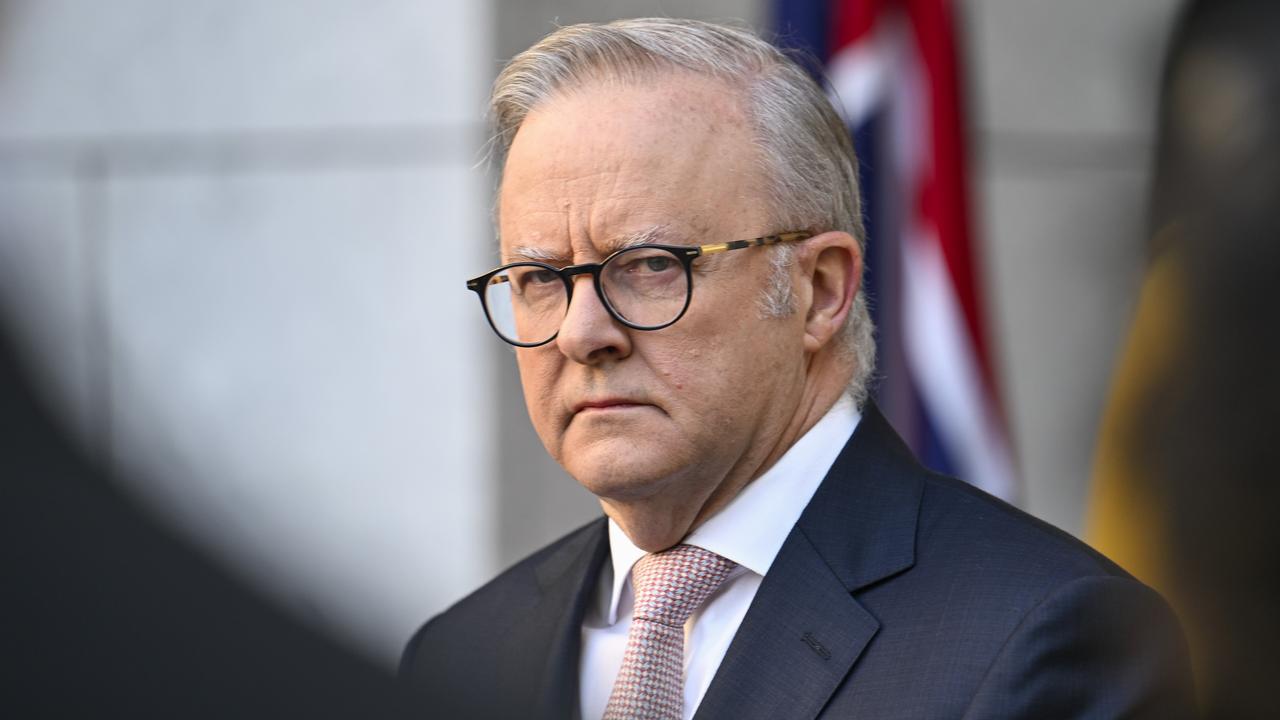
    The comprehensive reform package, unveiled by Prime Minister Anthony Albanese on Monday, introduces several groundbreaking measures including new criminal offenses targeting ‘hate preachers’ who radicalize minors, provisions against inciting hatred to facilitate harassment, and criminalization of membership in proscribed hate organizations. The proposed legislation additionally seeks to enhance the Home Affairs Minister’s authority regarding visa cancellations and implements firearm regulation reforms, notably a national buyback program and restrictions limiting gun licenses exclusively to Australian citizens.

    ECAJ Co-Chief Executive Peter Wertheim characterized the legislative initiative as ‘a significant step in the right direction’ toward fostering national unity through reinforced anti-hate protocols. He contextualized the urgent need for such measures, referencing both last month’s antisemitic terrorist attack and the broader climate of hostility that preceded it. Wertheim criticized the existing legal framework as obsolete, noting that ‘spurious civil liberties arguments’ have historically rendered hate speech laws practically unenforceable, allowing perpetrators of notorious hate speech incidents to evade accountability.

    However, the Council articulated four principal concerns regarding the proposed serious vilification offense. The legislation notably excludes protections based on gender identity and sexual orientation, fails to address instances where hatred is recklessly promoted rather than intentionally incited, and incorporates a controversial exemption for quotations from religious texts used in theological instruction. Additionally, the offense requires prosecutors to demonstrate that the conduct would cause ‘a reasonable member of the targeted group’ to fear for their safety—a notably high evidentiary threshold.

    Wertheim emphasized that ‘none of the world’s recognised religions promotes racial hatred knowingly and deliberately,’ asserting that invoking religious justification to dehumanize others based on identity should be relegated to history. The legislation is currently undergoing examination by the Parliamentary Joint Committee on Intelligence and Security, where Department of Home Affairs and Attorney-General’s officials faced rigorous questioning about the bill’s implications.

    During committee hearings, Coalition senators challenged the consultation process, revealing that religious organizations were permitted only thirty minutes to review the legislation under non-disclosure agreements before its publication. Officials clarified that the religious text exemption aims to protect benign theological discussion rather than endorse any religious text containing antisemitic content, noting that some scriptures contain ‘archaic language’ without promoting hatred. The legislation specifically avoids prohibiting particular statements, instead establishing general thresholds for criminalizing speech while excluding mere expressions of cultural superiority.