标签: Oceania

大洋洲

  • Belgian court decides on holding trial over 1961 Congo leader murder

    Belgian court decides on holding trial over 1961 Congo leader murder

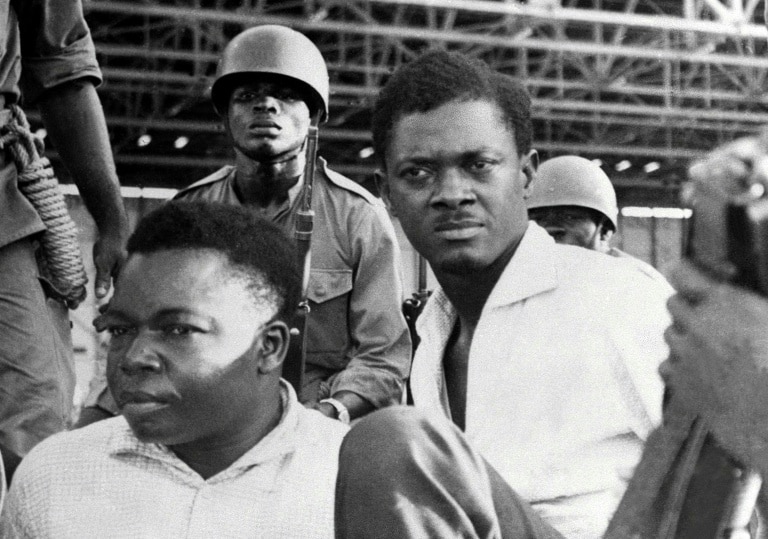
    A Brussels court is poised to deliver a landmark decision on Tuesday regarding the potential prosecution of 93-year-old former Belgian diplomat Etienne Davignon for alleged complicity in the 1961 assassination of Congolese independence leader Patrice Lumumba. This case represents the most significant legal development in six decades of seeking accountability for the murder of Congo’s first prime minister.

    Davignon, who later served as a European Commission vice president during the 1980s, stands as the sole surviving defendant among ten Belgians accused by Lumumba’s family of participating in a state-sponsored operation to eliminate the charismatic leader. The prosecution seeks to charge him with ‘participation in war crimes’ specifically related to Lumumba’s ‘unlawful detention and transfer’ and subsequent ‘humiliating and degrading treatment.’

    The legal proceedings have revealed starkly contrasting arguments. Davignon’s defense team contends that the extraordinary passage of time—more than six decades—renders a fair trial impossible, while Lumumba’s descendants maintain that justice delayed should not mean justice denied. ‘We are counting on the Belgian justice system to do its job and shed light on history,’ stated Yema Lumumba, the 35-year-old granddaughter of the assassinated leader.

    Historical context reveals Lumumba as a fiery critic of Belgian colonial rule who ascended to power when Congo gained independence in 1960. His tenure proved brief however, as he quickly alienated both Belgian and American interests, leading to his ouster in a coup merely months after assuming office. On January 17, 1961, Lumumba was executed at age 35 in Katanga province with support from Belgian mercenaries, after which his body was dissolved in acid to prevent recovery.

    This case emerges within Belgium’s broader reckoning with its colonial past, a process that has already yielded symbolic gestures including the 2022 repatriation of Lumumba’s sole known remains—a tooth confiscated from the daughter of a deceased Belgian police officer involved in the body’s disposal. During the remains transfer ceremony, then-Prime Minister Alexander De Croo formally acknowledged Belgium’s ‘moral responsibility’ in Lumumba’s disappearance, citing officials who ‘chose not to see’ and ‘not to act.’

    The court’s decision remains subject to appeal, with potential trial proceedings possibly commencing in early 2027 should prosecutors prevail. Legal representatives for the Lumumba family have characterized Davignon as ‘a link in the chain’ of a ‘disastrous state-sponsored criminal enterprise,’ highlighting his role as a junior diplomat involved in Congolese independence negotiations preceding the assassination.
  • Nigeria suicide attacks kill 23, wound more than 100

    Nigeria suicide attacks kill 23, wound more than 100

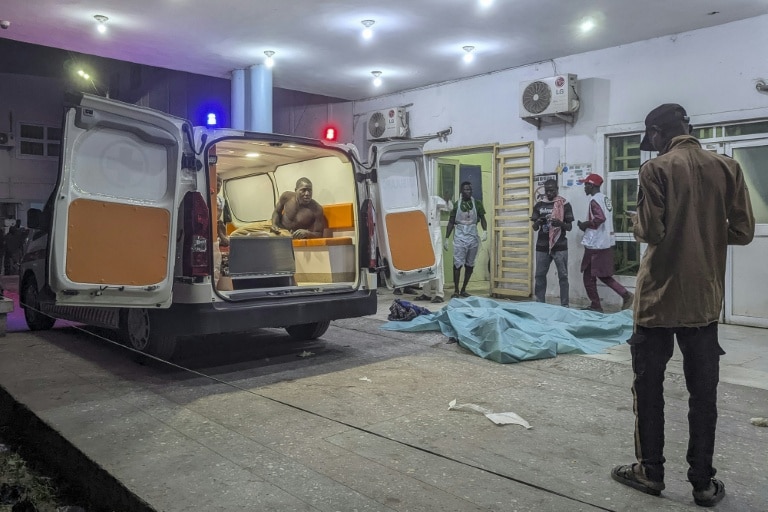
    A devastating series of coordinated suicide bombings has torn through the northeastern Nigerian city of Maiduguri, marking a grim escalation of violence in a region long plagued by jihadist insurgency. Local authorities confirmed that three separate explosions on Monday evening resulted in a tragic loss of at least 23 lives and left more than 108 individuals wounded with varying injuries.

    The assaults targeted critical civilian infrastructure, striking the city’s bustling main market, the entrance gate of the University of Maiduguri Teaching Hospital, and a crowded area near the Post Office flyover. The attacks occurred just one day after suspected jihadists launched a separate assault on a military outpost on the city’s outskirts, signaling a dangerous resurgence of violence in an area that had recently experienced a period of relative calm.

    Eyewitness Mala Mohammed, 31, described the chaotic scenes following the initial detonations. ‘After about two or three minutes, other people who were running along the road started shouting that it was a bomb at the market entrance,’ he recounted. ‘Unfortunately, as they were running towards Post Office, the person who had the explosive device ran into the crowd while people were still trying to escape.’

    The violence has been attributed to extremist groups Boko Haram and the Islamic State West Africa Province (ISWAP), whose 16-year campaign to establish an Islamist caliphate has already claimed over 40,000 lives and displaced approximately two million people across Nigeria’s northeast. Borno State Governor Babagana Zulum condemned the ‘barbaric’ attacks, suggesting they may be retaliation for intensified military operations against jihadist strongholds in the nearby Sambisa forest.

    Security forces have since restored order to the affected areas and implemented heightened surveillance measures throughout Maiduguri to prevent further bloodshed. The tragic events underscore the persistent threat posed by extremist factions despite governmental efforts to contain the insurgency and protect vulnerable civilian populations.

  • Miners and banks lead ASX higher after surprise Reserve Bank rate division

    Miners and banks lead ASX higher after surprise Reserve Bank rate division

    Australia’s financial markets experienced a notable reversal on Tuesday as the ASX 200 snapped a three-day decline, climbing 30.90 points (0.36%) to close at 8,614.30. The broader All Ordinaries index followed suit, gaining 26 points (0.30%) to finish at 8,819.40. This upward movement occurred despite ongoing concerns about elevated fuel prices and a surprisingly divided Reserve Bank of Australia regarding monetary policy.

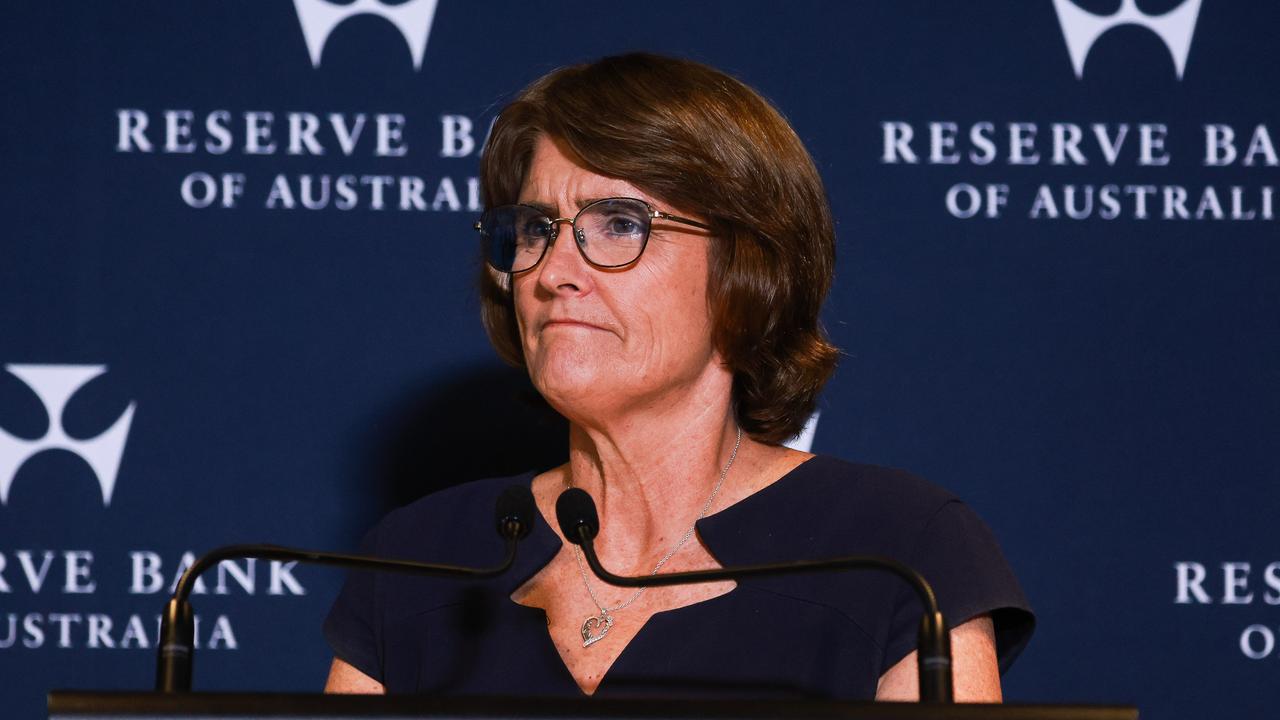
    The central bank’s governing board revealed a rare 5-4 split decision in favor of implementing a 25 basis point rate hike, bringing the cash rate to 4.10%. This division among policymakers actually reassured traders, according to market analysts, who interpreted the disagreement as signaling potential caution in future rate increases.

    IG market analyst Tony Sycamore commented: ‘The split vote acts as a powerful counterweight to the rate hike itself. The fact that four board members voted to hold suggests the next rate hike may not come until the second half of the year, indicating significant discomfort within the Board regarding current monetary tightening.’

    Financial institutions emerged as primary beneficiaries of the trading session, with all four major banks recording gains. Westpac led the surge with a 1.39% increase to $41.49, followed by National Australian Bank (0.85% to $47.46), Commonwealth Bank (0.34% to $176.12), and ANZ (0.21% to $37.53).

    The materials sector also demonstrated strength despite energy sector weaknesses, with BHP advancing 1.10% to $49.73 and Fortescue Metals climbing 1.32% to $19.95. Meanwhile, Brent crude prices rose 2.7% to approximately $102.91 per barrel as Middle East conflicts continued disrupting global oil supplies.

    Notable corporate movements included Pepper Money’s dramatic 14.9% plunge to $1.79 after Challenger reduced its takeover offer from $2.60 to $2.25 per share. Conversely, Pantoro Gold emerged as the ASX 200’s top performer with a 12.02% surge to $3.82.

    Economists highlighted the complex interplay between international factors and domestic inflation challenges. Commonwealth Bank’s head of Australian economics, Belinda Allen, noted: ‘While Middle East tensions contribute to fuel price increases, ultimately domestic inflation remains too high. Demand growth must slow to restore economic balance and ensure inflation returns to target levels.’

  • Family of alleged Bondi gunmen have received death threats, court hears

    Family of alleged Bondi gunmen have received death threats, court hears

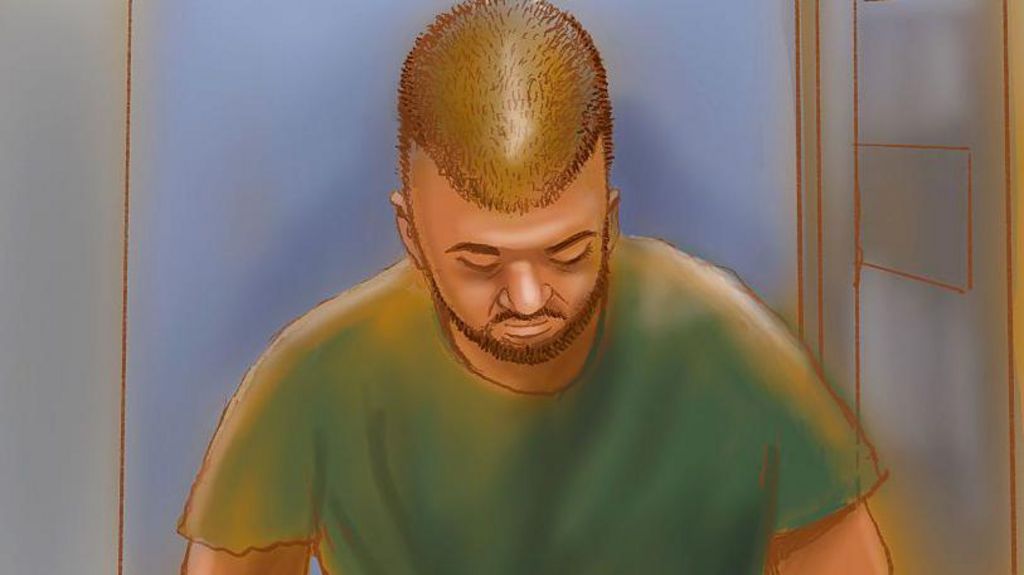
    A Sydney courtroom became the stage for a poignant legal battle on Tuesday as legal representatives for Naveed Akram, the alleged perpetrator of December’s Bondi attack, pleaded for identity protection for his immediate family members. The 24-year-old defendant, currently detained in a high-security facility, faces 59 criminal charges related to the violent incident at a Jewish festival that claimed 15 lives—an event authorities have classified as Australia’s most devastating terrorist attack.

    Defense counsel Richard Wilson articulated before the Downing Centre Local Court that while public outrage over the tragedy was thoroughly understandable, Akram’s mother, brother, and sister had no conceivable involvement in the December assault. Wilson emphasized that the family exists in a state of perpetual terror, fearing retaliatory violence from vigilantes should their identities remain publicly accessible.

    Detailed testimonies submitted to the judicial body revealed disturbing patterns of harassment against the family. Their residence has become a target for hostile demonstrations, including verbal abuse shouted from passing vehicles, nocturnal visits from unidentified groups, and projectiles such as eggs and pork chops hurled at their home. The family’s digital communications have been inundated with menacing texts and phone calls, including one particularly chilling inquiry asking Akram’s mother whether she remained alive.

    During the proceedings, Akram participated via video link from prison, maintaining a subdued posture with his head lowered and only speaking to acknowledge his ability to hear the arguments. The hearing addressed a temporary suppression order granted the previous week, which Magistrate Daniel Reiss is now evaluating for permanent implementation despite acknowledging that the mother’s identity had already achieved widespread circulation.

    Media conglomerates including News Corp Australia, the Australian Broadcasting Corporation, and Guardian Australia have collectively contested the suppression petition. Legal representative Matthew Lewis argued that concealment would prove functionally ineffective given the existing public knowledge, characterizing the situation as having ‘the cat well and truly out of the bag.’ Lewis further contended that the frequency of threatening incidents had diminished over time and noted the absence of evidence indicating immediate danger to the family.

    The media coalition stressed the fundamental importance of judicial transparency, asserting that open proceedings facilitate communal healing and understanding following traumatic national events. The court is expected to reach a definitive decision regarding the suppression order on April 2.

  • Kabul drug rehab clinic in ruins after Pakistan strikes on Afghanistan

    Kabul drug rehab clinic in ruins after Pakistan strikes on Afghanistan

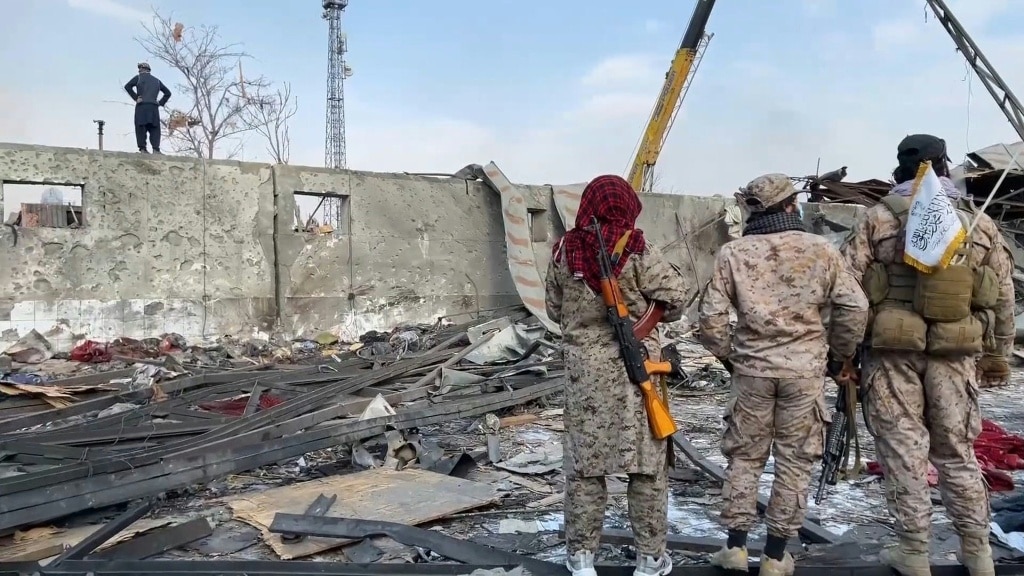
    A major humanitarian crisis is unfolding in Kabul following a devastating Pakistani airstrike that obliterated a drug rehabilitation center on Monday night. Rescue teams continue to sift through smoldering debris in a desperate search for survivors, with Taliban authorities reporting a death toll potentially numbering in the hundreds.

    AFP correspondents at the scene documented at least thirty bodies extracted from the ruins, while medical personnel scrambled to treat dozens of wounded civilians. The facility, which housed approximately 3,000 patients from across Afghanistan, was reduced to blackened wreckage containing chairs, blankets, and fragments of hospital beds amidst human remains.

    The incident has sparked frantic scenes as distraught families gathered outside the destroyed clinic seeking information about missing relatives. Baryalai Amiri, a 38-year-old mechanic searching for his brother who had been admitted 25 days earlier, expressed his anguish: “We are not given the proper information. So far, we don’t know where he is.”

    This tragedy represents a significant escalation in the ongoing border conflict between Afghanistan and Pakistan. Islamabad maintains that its operations specifically target “military installations and terrorist support infrastructure” with precision, denying allegations of striking civilian facilities. Conversely, the Taliban government rejects Pakistan’s accusations that Afghanistan harbors Islamist extremists responsible for cross-border attacks.

    The international community has expressed grave concern. UN Special Rapporteur Richard Bennett voiced dismay at reports of civilian casualties and urged immediate de-escalation, emphasizing the protection of civilians and civilian infrastructure under international law. China confirmed its special envoy has spent the past week mediating between the parties, while regional experts warn that conflict resolution appears increasingly unlikely as both sides demonstrate determination to continue military engagements.

  • Gold Coast Suns challenged by coach to stop being ‘good’ and become ‘great’

    Gold Coast Suns challenged by coach to stop being ‘good’ and become ‘great’

    Despite opening their AFL campaign with two commanding victories, the Gold Coast Suns are refusing to settle for mere adequacy as they pursue true greatness under coach Damien Hardwick.

    The team has electrified the early season with resounding home triumphs, dismantling Geelong by 56 points before delivering a 59-point demolition of West Coast. However, these substantial margins have failed to satisfy the coaching staff’s demanding standards.

    Attention now turns to Saturday’s MCG encounter against Richmond, where the Suns aim to address concerning elements from their recent performance. While establishing a formidable 62-point halftime advantage against West Coast, the team experienced a noticeable second-half dip that drew internal criticism.

    Wingman Sam Clohesy articulated the team’s philosophy, emphasizing their obligation to uphold certain standards when wearing the club jersey. “We probably did let it off a little bit against the Eagles,” Clohesy acknowledged. “It’s about maintaining intensity and making other teams genuinely concerned about facing us.”

    The playing group embraces Hardwick’s mantra that “being good stops you from being great”—a principle driving their pursuit of continuous improvement despite double-digit victory margins. Clohesy identified the second-half performance against West Coast as particularly needing refinement, noting opponents elevated their intensity while the Suns failed to match this escalation adequately.

    Internal competition provides additional motivation, with no player afforded complacency due to emerging talent and returning stars. The imminent return of Brownlow medallist Matt Rowell and defender Charlie Ballard, combined with exceptional performers in reserve grades, creates selection pressure that elevates training standards and on-field performance.

    This environment fosters collective elevation, with players understanding their positions remain constantly under threat. The club’s depth and competition have generated palpable excitement about their long-term prospects, with players convinced they possess the foundation for sustained success in coming seasons.

  • Israel strikes Tehran, Beirut as Iraq pulled deeper into Mideast war

    Israel strikes Tehran, Beirut as Iraq pulled deeper into Mideast war

    The Middle East conflict escalated dramatically on Tuesday as Israeli forces launched coordinated strikes against Tehran and Beirut, simultaneously drawing Iraq deeper into a widening regional war that has triggered global economic disruption and massive civilian displacement.

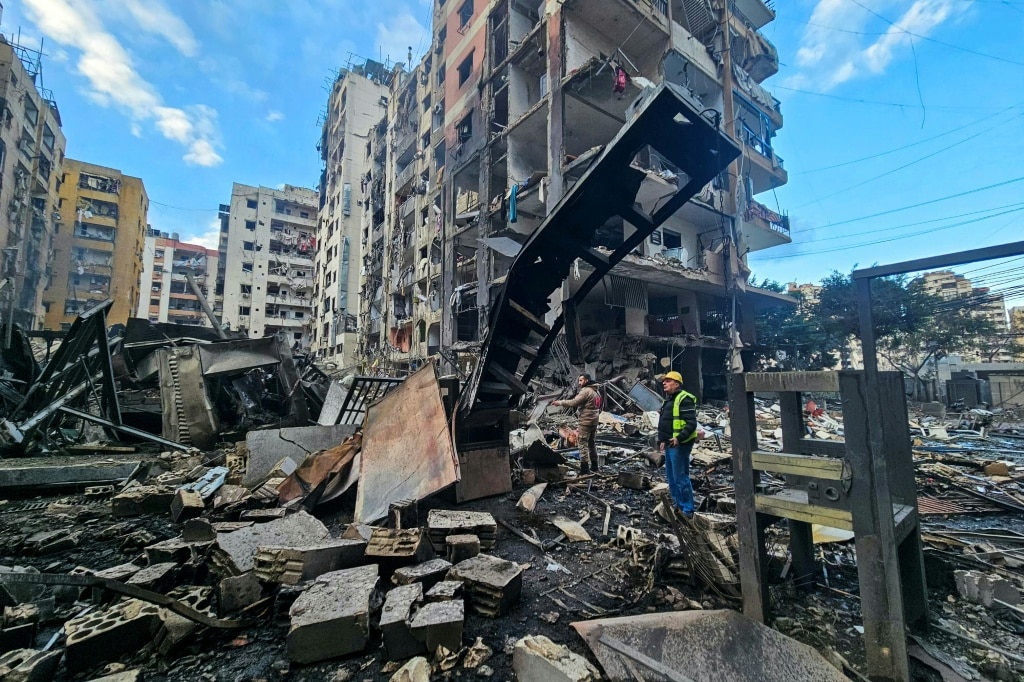
    Israeli military operations targeted what officials described as ‘terror regime infrastructure’ in the Iranian capital, which has endured near-daily bombardment since the joint U.S.-Israeli initiation of hostilities on February 28. Concurrently, dawn strikes hit a residential building in Beirut’s southern suburbs, a known stronghold of the Iranian-backed Hezbollah militant group.

    The conflict, now entering its third week, has resulted in hundreds of casualties and expanded to include Iranian retaliatory strikes against Gulf nations. Lebanese authorities report over one million registered displaced persons since March 2, with approximately 130,000 seeking refuge in more than 600 collective shelters.

    Iraq’s deepening involvement became evident as drone and rocket attacks targeted the U.S. embassy complex in Baghdad’s fortified Green Zone early Tuesday. Additional strikes killed four individuals at a residence reportedly hosting Iranian advisors, highlighting the nation’s continued role as a proxy battleground between U.S. and Iranian interests.

    The economic repercussions have been severe, with global oil prices surging over 40% since the conflict’s inception. The strategic Strait of Hormuz, through which approximately one-fifth of global crude oil passes, has experienced significant traffic disruption due to repeated attacks on oil infrastructure, including major fields in the United Arab Emirates and southern Iraq.

    Australia’s central bank responded to the crisis by raising key interest rates Tuesday, citing ‘sharply higher fuel prices’ directly attributable to the conflict.

    Diplomatic tensions intensified as several nations distanced themselves from U.S. President Donald Trump’s demand for allied participation in securing the Strait of Hormuz. British Prime Minister Keir Starmer indicated London was developing alternative plans with allies but explicitly ruled out NATO involvement, a position echoed by Germany, Japan, Australia, and several European Union members.

    Western allies including Canada, France, Germany, Italy, and the United Kingdom have concurrently urged Israeli restraint in Lebanon, where limited ground operations against Hezbollah have been announced. Israeli President Isaac Herzog countered these appeals, calling for European support in ‘any effort to eradicate Hezbollah now.’

    Iranian Foreign Minister Abbas Araghchi maintained a defiant stance, asserting Tehran’s readiness to ‘continue the war wherever it may lead’ despite significant casualties and infrastructure damage. The UN refugee agency estimates up to 3.2 million people have been displaced within Iran, where security forces previously suppressed domestic protests with lethal force.

  • Why did only two Iranian football players stay in Australia?

    Why did only two Iranian football players stay in Australia?

    In a revealing post-tournament development, Australia’s offer of humanitarian visas to seven members of Iran’s national football team has resulted in just two players choosing to remain in the country. The decision-making process, as detailed by BBC correspondent Katy Watson, highlights the complex considerations facing athletes from nations with strained international relations.

    The Australian government extended the humanitarian protection following the team’s participation in recent international matches, creating a potential pathway for players seeking political asylum or refuge from persecution. Despite this opportunity, the majority of the squad ultimately returned to Iran, underscoring the powerful personal and professional ties that compel athletes to maintain their homeland connections.

    This incident occurs against a backdrop of heightened geopolitical tensions and follows patterns of defection concerns involving Iranian athletes abroad. The relatively low uptake of Australia’s visa offer suggests either improved conditions for athletes within Iran or the significant personal sacrifices involved in permanent relocation. Sports analysts note that such decisions frequently involve weighing family security, career prospects, and national loyalty against political circumstances.

    The two players who remained join a growing diaspora of Iranian athletes who have sought international protection in recent years, though their identities and specific reasons for staying remain protected for privacy and security reasons. Australian immigration authorities have maintained strict confidentiality regarding individual cases, citing standard procedures for humanitarian visa recipients.

  • Iran ‘negotiating’ with FIFA over moving World Cup games to Mexico: embassy

    Iran ‘negotiating’ with FIFA over moving World Cup games to Mexico: embassy

    The Iranian Football Federation has initiated formal negotiations with FIFA to transfer its 2026 World Cup group stage matches from the United States to Mexico, citing substantial security apprehensions and logistical complications. This diplomatic maneuver follows controversial statements from former U.S. President Donald Trump regarding the safety of Iranian athletes on American soil.

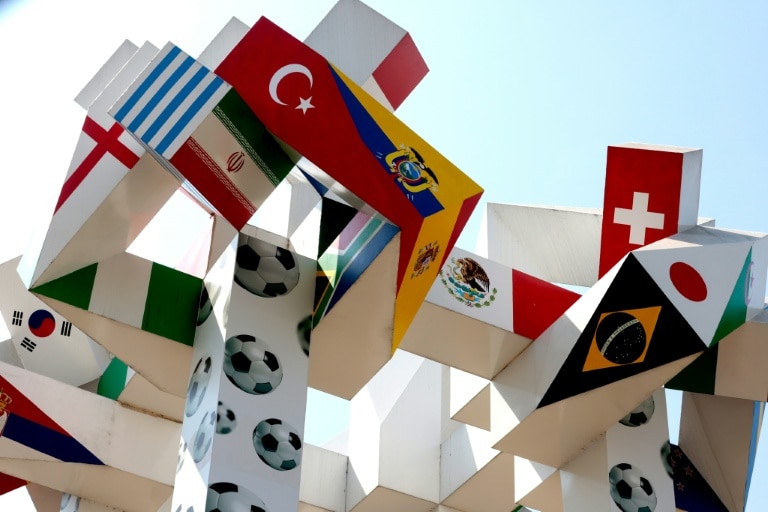
    Iran’s participation in the prestigious tournament, co-hosted by the United States, Canada, and Mexico from June 11 to July 19, 2026, has encountered significant uncertainty amidst escalating Middle Eastern tensions. The situation deteriorated when Trump publicly declared that the Iranian national team should reconsider their travel plans “for their own life and safety,” despite previously extending welcome through FIFA President Gianni Infantino.

    Mehdi Taj, President of Iran’s Football Federation, explicitly stated through the Iranian Embassy in Mexico’s official channels: “When Trump has explicitly stated that he cannot ensure the security of the Iranian national team, we will certainly not travel to America. We are currently negotiating with FIFA to hold Iran’s matches in the World Cup in Mexico.”

    Iran’s scheduled matches include confrontations with New Zealand and Belgium in Los Angeles, followed by a crucial game against Egypt in Seattle. The team’s designated training base in Tucson, Arizona, now faces potential abandonment.

    Abolfazl Pasandideh, Iran’s Ambassador to Mexico, has formally criticized the U.S. government’s alleged lack of cooperation regarding visa processing and logistical support for the Iranian delegation. The ambassador confirmed having personally proposed to FIFA the relocation of Iran’s matches to Mexican venues.

    The geopolitical context underscores these developments, with recent military engagements between the United States, Israel, and Iran exacerbating diplomatic tensions. Iran has emphatically asserted that “no one can exclude Iran’s national team from the World Cup,” reflecting their determination to compete despite political challenges.

    FIFA has not yet issued an official response to these negotiation requests or the surrounding controversy, leaving the football world awaiting resolution of this unprecedented international sports diplomacy dilemma.

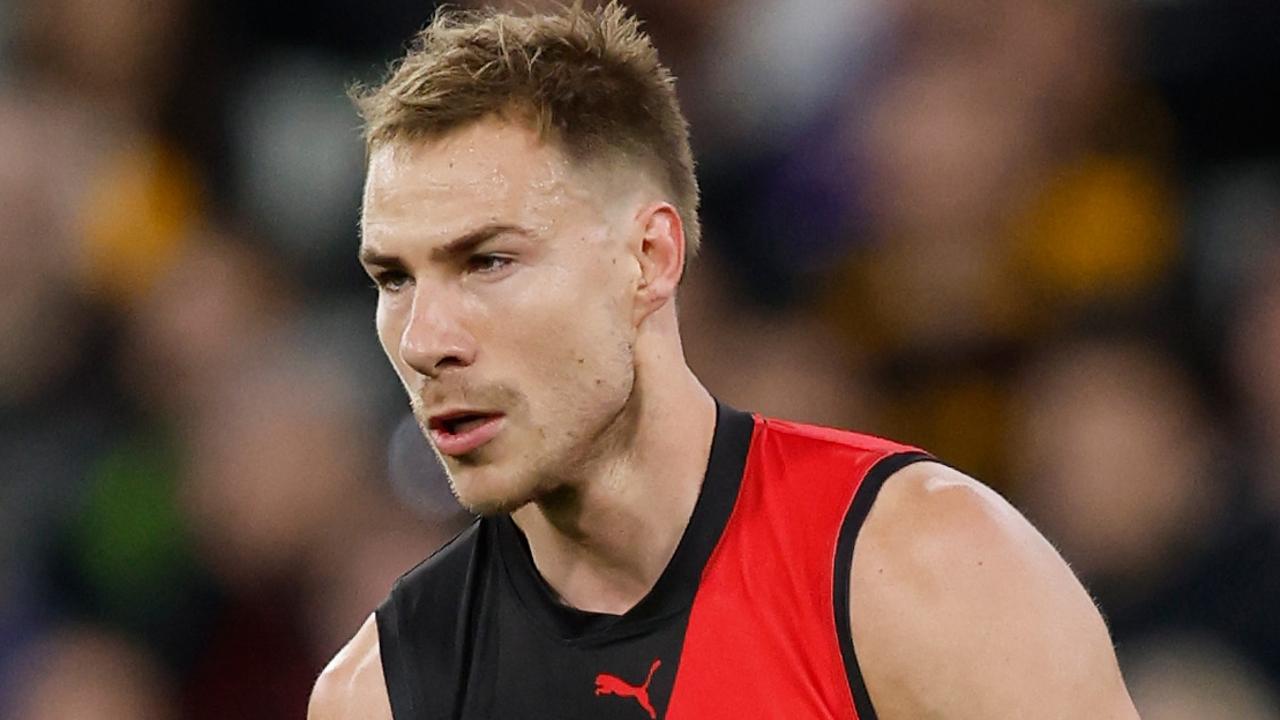
  • AFL 2026: Essendon defender Ben McKay quick to shut down Matthew Lloyd’s analysis

    AFL 2026: Essendon defender Ben McKay quick to shut down Matthew Lloyd’s analysis

    Essendon Football Club’s key defender Ben McKay has delivered a robust response to critiques from premiership greats, staunchly defending his team’s effort and commitment following a disappointing Round 1 performance against Hawthorn. The Bombers’ significant loss prompted former champion Matthew Lloyd to characterize his old side as “out of their depth” and “lazy” in their season opener.

    McKay, however, presented a counter-narrative during a media appearance. He attributed the loss not to a lack of effort but to deficiencies in on-field decision-making and execution. The defender emphasized his role as a senior player in shielding younger teammates from external criticism and reinforcing the internal guidance provided by coach Brad Scott and high performance manager Dean Solomon.

    The debate expanded when another premiership forward, Richmond’s Jack Riewoldt, questioned Essendon’s standing among Victoria’s traditional “big four” clubs, citing their prolonged finals victory drought spanning over two decades. McKay met this assertion with firm opposition, labeling the view as “ignorant.” He pointed to the club’s substantial fan base, consistent sell-out crowds—including approximately 85,000 attendees in their opening match—and rich historical legacy as irrefutable evidence of their elite stature.

    While acknowledging that on-field success is the ultimate measure of relevance, McKay expressed confidence that improved performances would naturally silence detractors and restore full pride among the Essendon faithful.