The Middle East conflict entered a dangerous new phase this weekend as Israeli forces conducted fresh strikes against targets in Tehran and Beirut. These developments occurred alongside significant policy shifts from the United States administration regarding its military objectives in the region.
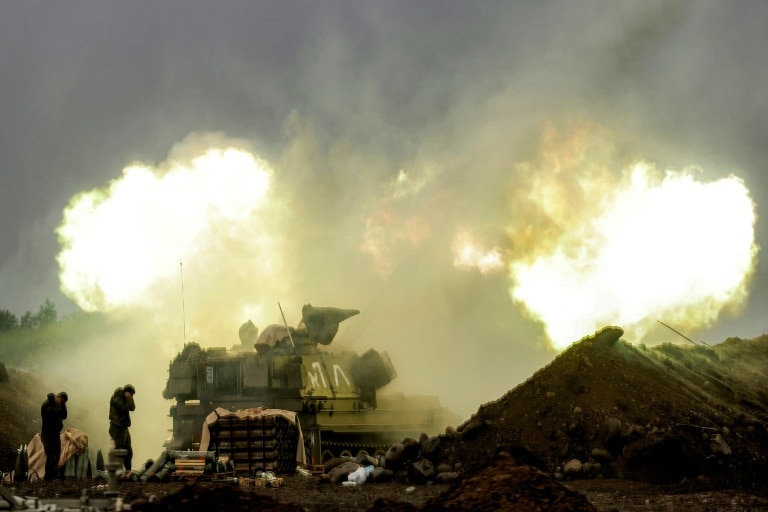
Israeli military officials confirmed operations against what they described as ‘regime targets’ in Iran’s capital, extending their campaign that began following the initial US-Israeli offensive on February 28. Simultaneously, Israel intensified its operations in Lebanon, specifically targeting Hezbollah strongholds in Beirut’s southern suburbs and border regions near Khiam.
The military escalation coincided with President Donald Trump’s announcement that Washington was considering ‘winding down’ its military efforts in the Middle East. Through social media, Trump stated the US was ‘very close to meeting our objectives,’ though White House Press Secretary Karoline Leavitt clarified the administration had initially projected a 4-6 week mission timeline.
Contradicting the de-escalation rhetoric, reports emerged of thousands of US Marines being deployed to the region, potentially signaling preparation for ground operations. Trump maintained aggressive rhetoric toward Iran, claiming Washington was ‘obliterating’ the country while denying seeking a truce.
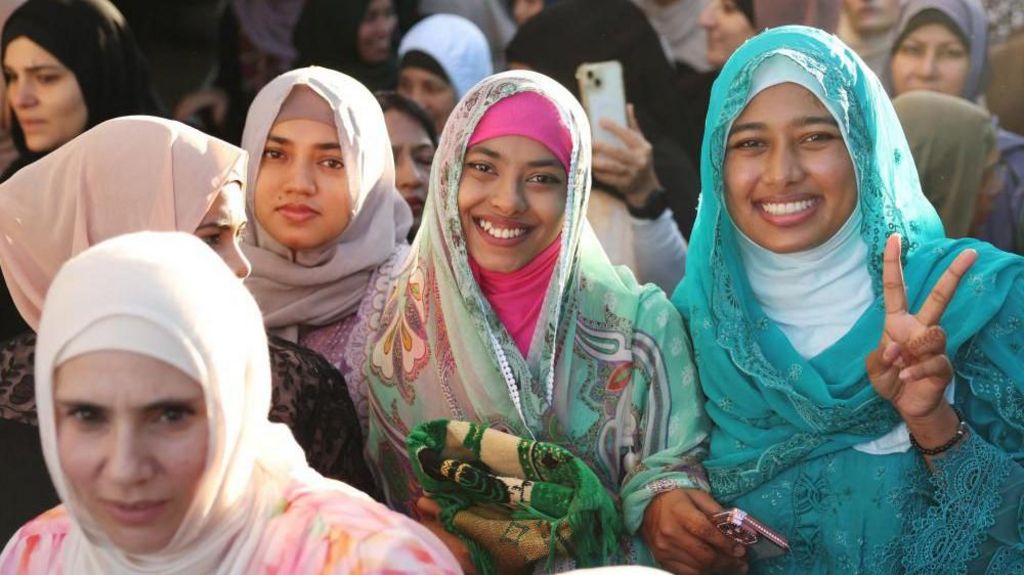
The humanitarian situation continued deteriorating across multiple fronts. Lebanon’s health ministry reported over 1,000 fatalities and more than one million displaced persons. Muslim communities celebrated Eid al-Fitr under the shadow of conflict, with particular tension surrounding Israel’s closure of access to Jerusalem’s Al-Aqsa mosque and other holy sites.
In a significant economic move, the US Treasury Department temporarily lifted sanctions on Iranian oil already loaded onto vessels before March 20. Treasury Secretary Scott Bessent estimated this would bring approximately 140 million barrels of oil to global markets through April 19, attempting to alleviate supply fears that had driven Brent crude prices above $112 per barrel.
The geopolitical standoff extended to critical maritime channels, with Trump accusing NATO allies of being ‘cowards’ and demanding they secure the Strait of Hormuz. Iran confirmed restricting vessels from countries involved in attacks against them while offering assistance to others. When questioned about potential operations against Iran’s Kharg Island oil hub, Trump remained deliberately ambiguous, stating only that he ‘may have a plan or I may not.’