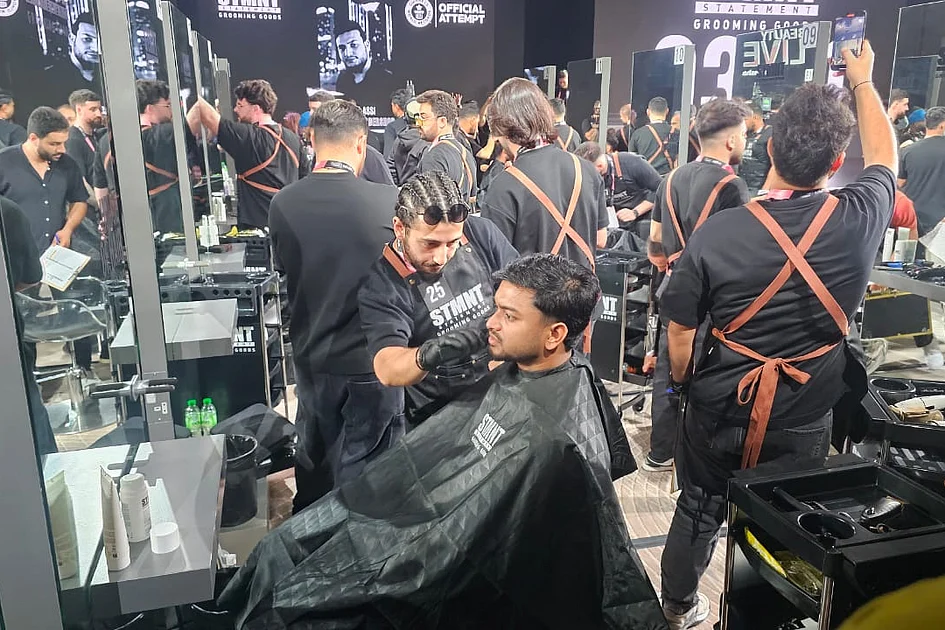
In a remarkable display of precision and teamwork, 48 barbers from across the GCC and Lebanon made history at the Beautyworld Middle East 2025 event in Dubai. Under the banner of BeautyLive by Fresha and in collaboration with STMNT Grooming, these skilled professionals achieved a Guinness World Record for the most consecutive beard trims and shaves completed in one hour by a team. The event, held at the Dubai World Trade Centre, saw 190 men groomed in just 60 minutes, averaging one trim every 19 seconds. Each barber attended to approximately four clients, spending around 15 minutes per person. The achievement not only set a new benchmark but also introduced a fresh category to the Guinness World Records. The atmosphere was electric, with music playing, cameras rolling, and the crowd cheering as the barbers worked in perfect harmony. For participants like Khaled Kabboul from Director’s Cut and Amir Manzour from Mantis Barbershop, the event was a testament to the artistry and community spirit of barbering. ‘This moment is huge for us,’ said Kabboul. ‘We showed that barbering isn’t just a service; it’s a form of art, skill, and community.’ Manzour added, ‘Being part of something this historic means a lot. It was intense but deeply fulfilling.’ The successful attempt was meticulously monitored and verified by Guinness World Records adjudicators, who confirmed the new record. This event not only celebrated the craft of barbering but also highlighted Dubai’s penchant for hosting extraordinary achievements.
标签: North America
北美洲
-
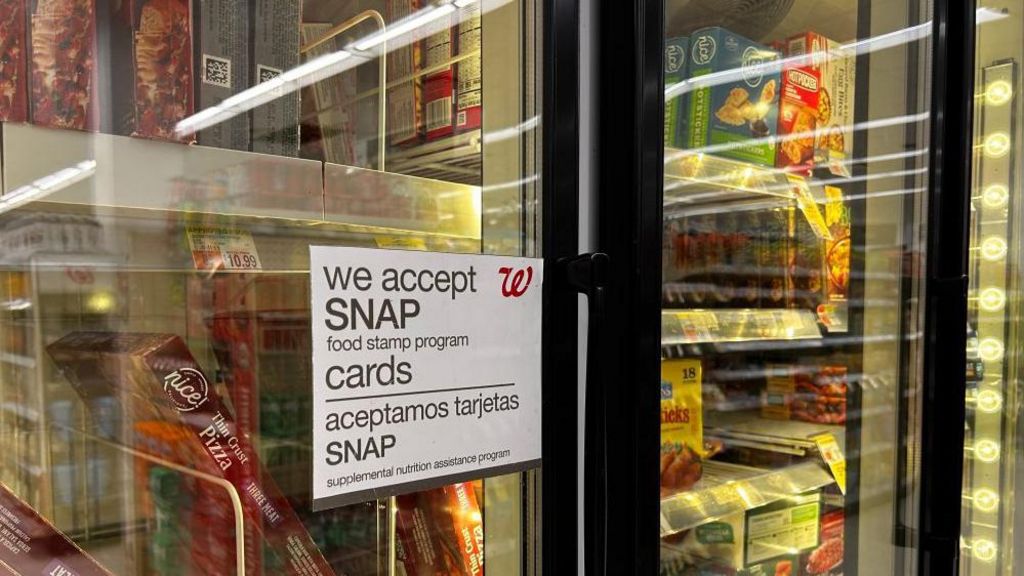
Half of US states sue Trump administration over halting food stamps
A coalition of 25 U.S. states and the District of Columbia has filed a lawsuit against the Trump administration over its decision to halt funding for the Supplemental Nutrition Assistance Program (SNAP), commonly known as food stamps. The program, which supports over 40 million low-income Americans, faces a potential funding crisis as the U.S. Department of Agriculture (USDA) refuses to tap into a $6 billion emergency contingency fund. The USDA argues the reserve may be needed for emergencies like natural disasters, but the lawsuit contends this move is unlawful and would leave millions unable to afford groceries. This marks the first time in SNAP’s history that funds would not be distributed. The lawsuit, led by Democratic attorneys general, warns that cutting SNAP benefits would lead to food insecurity, hunger, and malnutrition, particularly harming children. States involved include California, New York, and Illinois, among others. California Governor Gavin Newsom criticized the decision, calling it ‘cruel’ and accusing President Trump of lacking humanity. The USDA, in response, blamed Democrats for the funding shortfall, urging them to prioritize reopening the government. Even if the contingency fund is used, it would only cover 60% of one month’s benefits, according to the Center on Budget and Policy Priorities. Some states, like Massachusetts, lack the resources to cover the shortfall, while others, including California, are deploying the National Guard to assist with food distribution. The ongoing federal government shutdown, now in its 28th day, has exacerbated the crisis, making it the second-longest in U.S. history.
-

Vicenzaoro 2025 underscores storytelling’s role in the future of luxury jewellery
The Vicenzaoro 2025 trade fair, held in Italy, has firmly established storytelling as a cornerstone of the luxury jewellery industry’s evolution. This premier global event brought together top brands, designers, and strategists to explore how heritage, innovation, and responsibility are reshaping the sector. Discussions and panels emphasized a significant shift in focus, with cultural narratives, ethical sourcing, and technological advancements now standing alongside traditional craftsmanship and design as key drivers of the industry. Sessions like ‘The Quantum Age’ delved into jewellery’s expanding role at the intersection of identity, culture, and technology, highlighting the need for storytelling to adapt to diverse markets, including India and China. Zhanna Kirkland, a seasoned industry strategist, noted that storytelling has transitioned from a marketing tactic to a strategic necessity in today’s values-driven luxury landscape. She emphasized that consumers increasingly seek transparency and emotional connections, making authentic narratives essential for building trust and loyalty. The VO Vintage segment underscored the importance of provenance, linking jewellery to its historical and cultural legacy. Organizers also previewed upcoming sustainability initiatives and technology integrations that will shape future editions of the fair. Kirkland encapsulated the prevailing sentiment: ‘The future of jewellery lies not just in its design but in the authenticity of the stories it tells and the connections it fosters.’
-
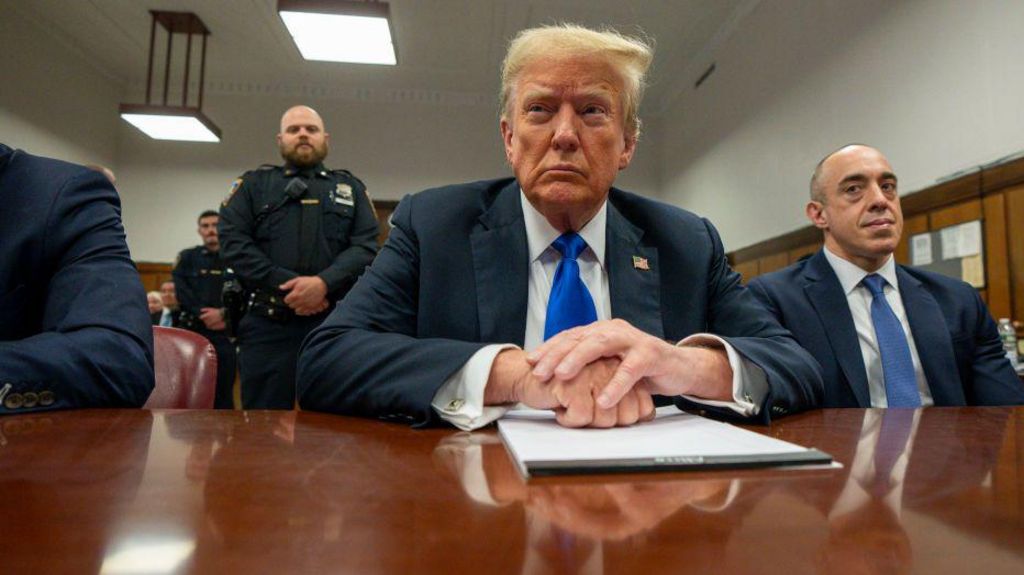
Trump appeals against conviction in hush-money case
Former US President Donald Trump has launched an appeal to overturn his May 2024 criminal conviction in the high-profile hush-money case, asserting that presidential immunity shields him from prosecution. Trump was unanimously found guilty by a New York jury on 34 felony counts of falsifying business records. Despite the conviction, a New York judge granted him an unconditional discharge in December, citing his imminent return to the White House, meaning he faced no jail time or fines. Trump’s legal team has labeled the case as “the most politically charged prosecution in our nation’s history” and argued that it should never have reached the courtroom. The Manhattan District Attorney’s office, which prosecuted Trump, has yet to comment on the appeal. The case stems from allegations that Trump directed his former lawyer, Michael Cohen, to pay $130,000 to adult film star Stormy Daniels to silence her claims of a past sexual encounter before the 2016 election. While the payment itself was not illegal, prosecutors claimed Trump fraudulently recorded reimbursements to Cohen as legal expenses to conceal the transaction’s true purpose. The trial coincided with Trump’s re-election campaign, with prosecutors arguing that the cover-up constituted election interference by withholding critical information from voters. Trump has consistently denied all charges. Following the conviction, the US Supreme Court ruled in June 2024 that presidents enjoy broad immunity from criminal prosecution for “official acts” during their tenure. Trump’s lawyers have since argued that this immunity should apply to the hush-money case and that certain evidence should have been excluded as it pertained to his first presidency. Justice Juan Merchan, who presided over the case, rejected this argument, but Trump’s team has long signaled their intent to appeal. The case will now proceed to the New York Appellate Division, First Department, which previously dismissed a $500 million civil fraud penalty against Trump in a separate case brought by New York Attorney General Letitia James. While the appellate judges upheld the fraud finding, they deemed the financial penalties unjustified.
-
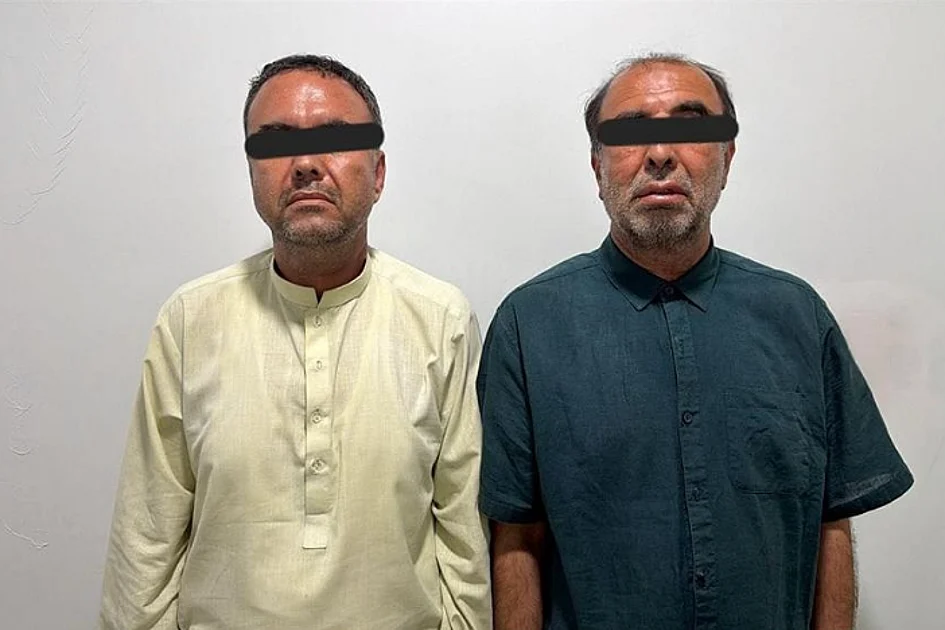
UAE: Gang robbing bank customers busted in Fujairah; criminals wanted in other city
In a swift and decisive operation, Fujairah Police successfully apprehended a criminal gang notorious for targeting bank customers, just three hours after they executed their latest heist. The gang, which had been on the radar of law enforcement in another emirate, was involved in a sophisticated scheme that resulted in the theft of Dh195,000 from a woman. The incident unfolded on the morning of October 23, when the victim reported being deceived by the criminals. The perpetrators had lured her out of her vehicle by falsely claiming there was an issue with her rear tire. Seizing the opportunity, one of the thieves accessed the opposite door and made off with the cash. The police, acting promptly, formed a specialized unit to investigate the crime. Through coordinated efforts with Sharjah Police, the suspects were identified, arrested, and handed over to the relevant authorities for legal proceedings. Authorities have urged the public to remain vigilant, especially when leaving banks, and to report any suspicious activities immediately. This incident highlights the ongoing efforts by UAE law enforcement to combat organized crime and ensure public safety. Earlier this year, Fujairah’s judicial system also handed down severe penalties in unrelated cases, including life sentences for drug smuggling and jail terms for privacy violations, underscoring the emirate’s commitment to upholding the law.
-

‘Why rugby?’: Meet UAE women tackling stereotypes on the field
In a society where traditional gender roles often dominate, a group of Emirati women is challenging stereotypes and redefining what it means to be strong, determined, and free. These women, part of the UAE Rugby Federation’s all-Emirati, all-women team, Al Maha, are not just athletes—they are mothers, students, and dreamers who have found empowerment through the sport of rugby. Despite societal skepticism and family objections, they have embraced rugby as a source of strength, confidence, and purpose. The sport, often perceived as rough and unsuitable for women, has become a platform for these athletes to break barriers and inspire future generations. Rugby was introduced in UAE public schools as part of a talent discovery initiative, with the best players selected to join teams like Al Maha for girls and Al Shaheen for boys. These teams compete against professional clubs, gaining valuable experience and exposure. For many of these women, rugby is more than just a game—it’s a way of life. Zainab Alsuwaidi, a 23-year-old medical student, mother, and national rugby player, began her journey at 17. Initially, her family opposed her participation, viewing rugby as too violent. However, after being selected to represent the UAE in Tunisia, she gained their support. Alsuwaidi’s story is one of resilience, balancing motherhood, studies, and rugby with unwavering determination. Fatima Ali Al Blooshi, 25, was one of the first Emirati women to play rugby. Despite initial family rejection and financial challenges, she persisted, driven by her love for the sport. Over eight years, she has represented the UAE in international tournaments, proving that rugby can be played safely and successfully. Aisha Waleed Al Ali, just 17, transitioned from football to rugby, quickly rising to the national team. Her journey highlights the importance of teamwork, quick thinking, and determination. Supported by the Player Pathway Program (PPP), these women are part of a growing movement to develop Emirati talent for national and Olympic competitions. Their stories are a testament to the power of sport to transform lives and challenge societal norms.
-
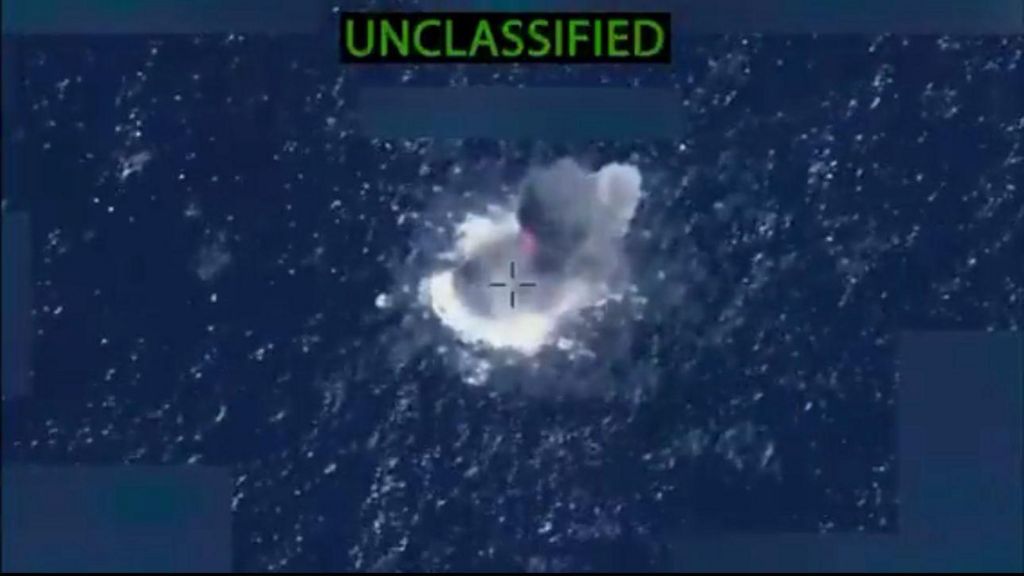
US kills 14 in strikes on four alleged drug boats in Pacific
The US Department of Defense has confirmed the execution of targeted strikes on four suspected drug-trafficking vessels in the Pacific Ocean, resulting in the deaths of 14 individuals. Defense Secretary Pete Hegseth disclosed that one survivor was rescued by Mexican search-and-rescue teams. This operation, authorized by President Donald Trump, represents a significant escalation in the US campaign against drug traffickers, which has now claimed at least 57 lives. The strikes have predominantly occurred off the coasts of South America, particularly in the Caribbean, but have recently expanded to the Pacific, a major drug-trafficking corridor. The US claims the vessels were identified through intelligence and were traversing known narco-trafficking routes. However, the legality of these strikes has been questioned by international law experts and regional governments, including Colombia and Venezuela. Colombian Deputy Foreign Minister Mauricio Jaramillo criticized the operations as “disproportionate and outside international law,” emphasizing the lack of due process for those targeted. The strikes have exacerbated tensions between the US and both Colombia and Venezuela, with the US imposing sanctions on Colombian President Gustavo Petro for allegedly failing to curb drug trafficking. Additionally, the US has deployed significant military assets, including the USS Gerald R Ford, to the Caribbean, raising concerns in Venezuela that the buildup aims to destabilize President Nicolas Maduro’s government. Trump has accused Maduro of leading a drug-trafficking organization, a claim Maduro denies. The situation remains volatile as the US considers expanding its campaign to include land-based targets.
-
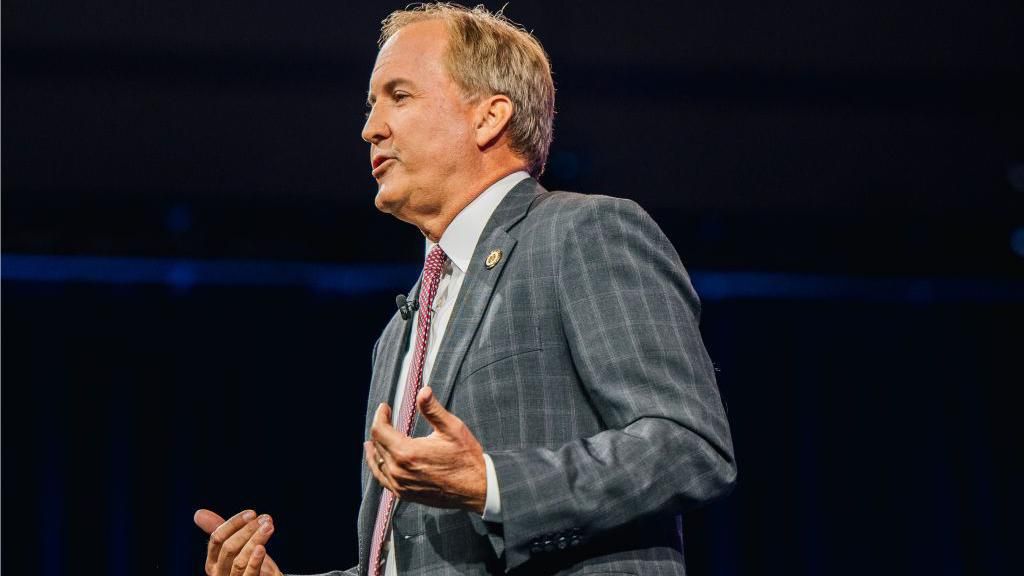
Texas attorney general sues Tylenol makers over autism claims
Texas Attorney General Ken Paxton has filed a lawsuit against the manufacturers of Tylenol, accusing them of concealing potential risks the drug poses to children’s brain development. The legal action targets Johnson & Johnson, the former distributor of the drug, and Kenvue, its current producer. Paxton, a Republican and ally of former President Donald Trump, claims the companies prioritized profits over public safety, stating they ‘betrayed America by profiting off of pain and pushing pills regardless of the risks.’ The lawsuit follows Trump’s recent promotion of an unproven link between Tylenol use during pregnancy and autism in children. Kenvue has refuted these allegations, asserting there is no credible evidence connecting acetaminophen, the active ingredient in Tylenol, to autism. The company expressed concern over the spread of misinformation, which could impact the health of women and children. Medical organizations, including the American College of Obstetricians and Gynecologists, support the safety of acetaminophen, emphasizing its importance as one of the few pain relief options for pregnant women. The lawsuit seeks to compel the companies to cease marketing Tylenol as safe for pregnant women. This case mirrors a 2022 lawsuit by parents of children with autism and ADHD, which was dismissed due to inconclusive evidence. The controversy has sparked debate among public health officials, with the FDA clarifying that no causal relationship between Tylenol and autism has been established.
-
UAE President offers condolences to Saudi King over passing of Princess Nouf bint Saud
On Tuesday, October 28, 2025, the United Arab Emirates (UAE) expressed profound condolences to Saudi Arabia following the passing of Princess Nouf bint Saud bin Abdulaziz Al Saud. UAE President Sheikh Mohamed bin Zayed Al Nahyan conveyed heartfelt sympathies to King Salman bin Abdulaziz Al Saud, the Custodian of the Two Holy Mosques, in a formal message. The President emphasized the shared grief and solidarity between the two nations during this time of loss. Additionally, Sheikh Mohammed bin Rashid Al Maktoum, Vice President, Prime Minister, and Ruler of Dubai, along with Sheikh Mansour bin Zayed Al Nahyan, Vice President, Deputy Prime Minister, and Chairman of the Presidential Court, sent similar messages of condolence to the Saudi monarch. The gesture underscores the deep-rooted diplomatic ties and mutual respect between the UAE and Saudi Arabia. The passing of Princess Nouf, a member of the Saudi royal family, marks a somber moment for the Kingdom, with regional leaders uniting in their expressions of sympathy.
-
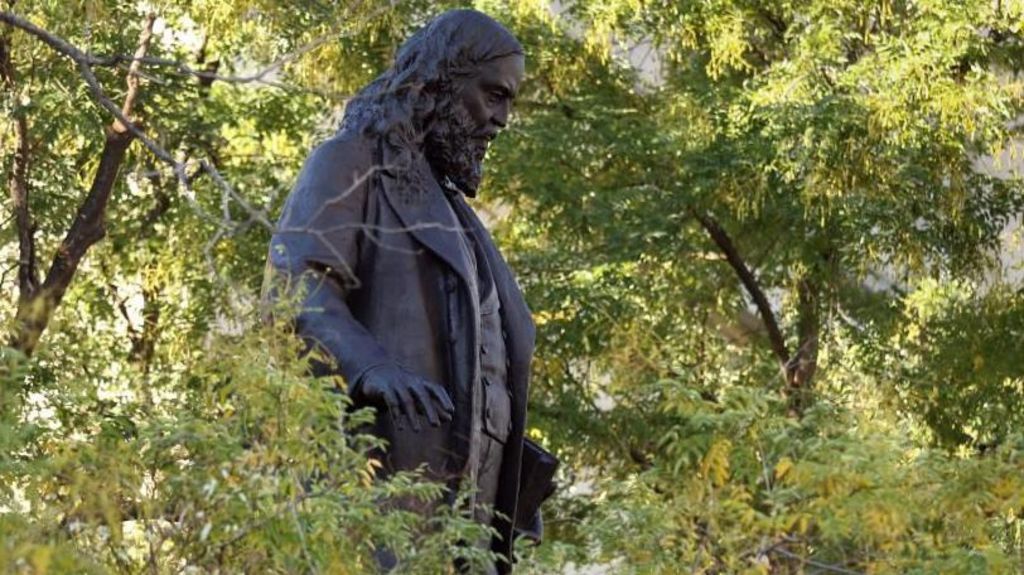
Confederate statue torn down during anti-racism protests reinstalled in Washington
A statue of Confederate General Albert Pike, which was torn down and set ablaze during the 2020 social justice protests, has been reinstalled in Washington, D.C., following an executive order from President Donald Trump. The statue, erected in 1901, has long been a flashpoint in the debate over Confederate monuments, many of which were constructed decades after the Civil War. The National Park Service announced its plan to restore the statue in August, citing federal responsibilities under historic-preservation laws and Trump’s directive to ‘Restore Truth and Sanity to American History.’ The decision has drawn sharp criticism, particularly from Democratic Delegate Eleanor Holmes Norton, who represents the District of Columbia. Norton called the restoration ‘offensive to members of the military who serve honorably’ and reiterated her long-standing opposition to the statue, which she has sought to remove permanently through legislation. Pike, a controversial figure, has been accused of dishonorable conduct during the Civil War, including misappropriating funds and being captured by his own troops. Critics also allege his involvement in the formation of the Ku Klux Klan, though the Freemasons, who funded the statue, deny these claims. The statue’s reinstatement comes amid a broader national reckoning with systemic racism, sparked by the murder of George Floyd in 2020. Floyd’s death led to the removal of over 300 Confederate monuments across the U.S., making the restoration of Pike’s statue a contentious issue. The area surrounding the statue now bears a sign indicating ongoing historic preservation work, as the debate over the role of such monuments in public spaces continues.