
In a groundbreaking performance at the Patriots Theater at the War Memorial in Trenton, New Jersey, a symphonic jazz masterpiece titled ‘O God… Beautiful Machine’ captivated an audience of 1,200. The event, held on a vibrant Saturday evening, brought together an orchestra, jazz ensemble, choir, and Chinese instrumentalists in a harmonious blend of languages and musical timbres. The performance, a collaborative effort by Pulitzer Prize-winning poet Yusef Komunyakaa and composer Vince di Mura, explored the delicate relationship between humanity and the Earth. The concert, presented by the Capital Philharmonic of New Jersey, was dedicated to the late Trenton arts advocate Larry Hilton, whose vision and encouragement were instrumental in bringing this unique project to life. Hilton’s sister, Karen Hilton, shared heartfelt remarks about his belief in the unifying power of art. The evening featured a standout Chinese-language section, ‘The Cassowary,’ which showcased the pipa and Chinese percussion, described by di Mura as a tribute to his Chinese friends and inspired by traditional Chinese melodies. The performance also highlighted the talents of Chinese and Chinese American musicians, including soprano Lina Zha, violist Jing Yang, and pipa soloist Yang Jin, whose careers have bridged Eastern and Western musical traditions. Narrator Bill Engst added a bilingual gravitas to the event. The music, a seamless dialogue between improvisation and structure, Western harmony and Eastern lyricism, left the audience in a prolonged standing ovation, many feeling a profound connection across cultures and traditions.
标签: North America
北美洲
-
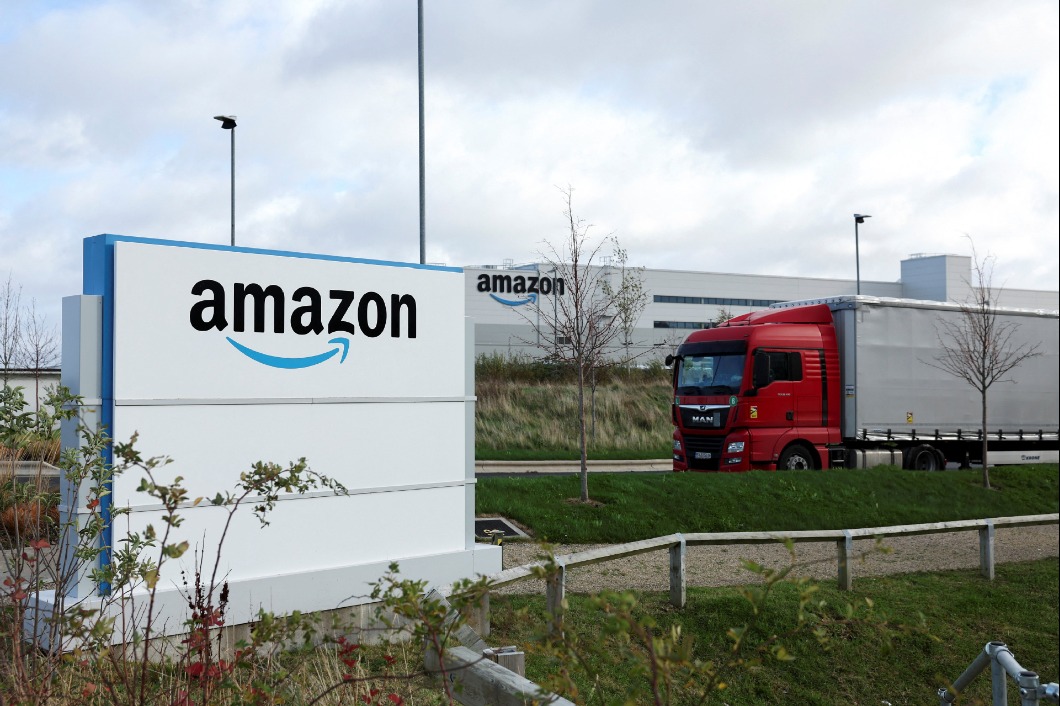
Amazon to cut about 14,000 corporate jobs amid AI-focused restructuring
In a significant move to streamline operations and focus on artificial intelligence (AI), Amazon has announced plans to cut approximately 14,000 corporate jobs globally. This decision, revealed on Tuesday, October 28, 2025, marks the e-commerce giant’s second-largest workforce reduction, following the 22,000 job cuts in 2022. The restructuring aims to eliminate bureaucracy and reallocate resources toward AI-driven innovations, which Amazon views as transformative for its future growth. Beth Galetti, Amazon’s senior vice president of people experience and technology, emphasized in a memo to employees that the company seeks to become ‘even stronger’ by investing in its ‘biggest bets,’ particularly AI. CEO Andy Jassy had previously indicated in June that the integration of generative AI tools would reduce the need for certain roles while creating new opportunities in other areas. The layoffs reflect Amazon’s strategic pivot to leverage AI for operational efficiency and market innovation.
-

Blue Jays see off Ohtani to level World Series
The Toronto Blue Jays have evened the World Series at 2-2 after a decisive 6-2 victory over the Los Angeles Dodgers in Game Four. The triumph, fueled by Vladimir Guerrero Jr.’s early two-run homer and a flurry of runs in the seventh inning, ensures the series will return to Toronto for a potential sixth and seventh game. The Blue Jays, Major League Baseball’s sole Canadian team, rallied from behind at Dodger Stadium, showcasing their resilience and offensive prowess.
After an exhausting 18-inning Game Three that depleted both teams’ bullpens, the Dodgers and Blue Jays relied on their starting pitchers for extended outings. All eyes were on the Dodgers’ Shohei Ohtani, the rare two-way superstar who both pitches and hits at an elite level. However, Ohtani struggled in this outing, going hitless at the plate and exiting the mound in the seventh inning with two runners on base, both of whom scored.
Toronto’s Shane Bieber, a California native, delivered a stellar performance, striking out Ohtani twice and allowing just one run over six innings. The Dodgers initially took the lead in the second inning with Enrique Hernandez’s sacrifice fly, but Guerrero’s homer shifted the momentum. After Ohtani’s departure, the Blue Jays capitalized with runs from Andres Gimenez, Ty France, Bo Bichette, and Addison Barger, extending their lead to 6-1.
Despite a late rally attempt by the Dodgers in the ninth inning, the Blue Jays secured the win with minimal drama. The series now heads into Game Five at Dodger Stadium on Wednesday, with the Blue Jays aiming to maintain their momentum and the Dodgers seeking to regain control.
The World Series has already seen its share of drama, including celebrity sightings at Dodger Stadium. Singer Justin Bieber attended Game Three in a Blue Jays jersey, while Prince Harry and Meghan Markle were spotted in Dodgers caps during Game Four, seated near Dodgers legend Sandy Koufax.
-
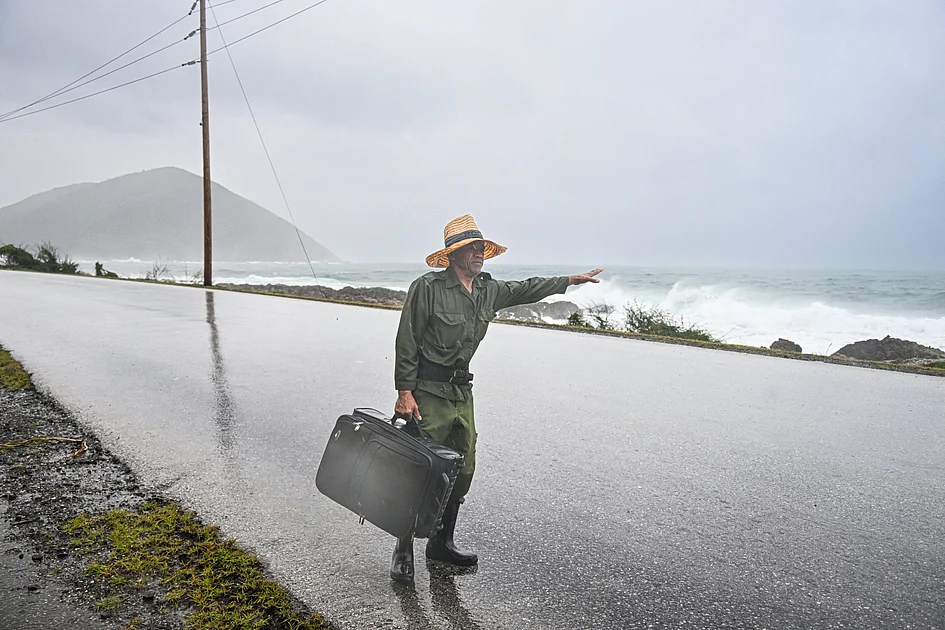
Monster Hurricane Melissa makes landfall in Jamaica
Jamaica faced unprecedented devastation as Hurricane Melissa, a ferocious Category 5 hurricane, made landfall on Tuesday, October 28, 2025. With sustained winds reaching a staggering 185 miles per hour (295 kilometers per hour), Melissa surpassed the intensity of historic storms like Hurricane Katrina in 2005. The storm brought ferocious winds, torrential rains, and life-threatening conditions, marking it as the most powerful hurricane ever to strike the island nation. The US National Hurricane Center issued urgent warnings, emphasizing the extreme danger and urging residents to seek shelter and avoid windows, even during the deceptive calm of the storm’s eye. Tragically, seven deaths have already been reported across Jamaica, Haiti, and the Dominican Republic, with officials expressing concern over residents ignoring evacuation pleas. Jamaican government minister Desmond McKenzie implored citizens to prioritize safety, noting that many of the island’s 880 shelters remained underutilized. The combination of storm surges and heavy rainfall, expected to be measured in feet rather than inches, threatens to trigger catastrophic floods and landslides. Olympic sprinter Usain Bolt, a national icon, took to social media to urge his fellow Jamaicans to stay safe. Meanwhile, residents like Ishack Wilmot in Kingston described the harrowing experience of losing electricity and water while enduring the storm’s relentless intensity. The Jamaican Red Cross, preparing for widespread infrastructure disruptions, highlighted the anxiety caused by Melissa’s slow progression, which prolonged its destructive impact. Meteorologists and climate scientists have linked the storm’s unprecedented strength to human-driven climate change, which has exacerbated the frequency and intensity of such extreme weather events. Hurricane Melissa is expected to continue its path of destruction, moving toward eastern Cuba after devastating Jamaica. Experts warn that the storm’s scale and impact could rival historic hurricanes like Katrina, Maria, and Harvey, underscoring the urgent need for global action on climate change.
-
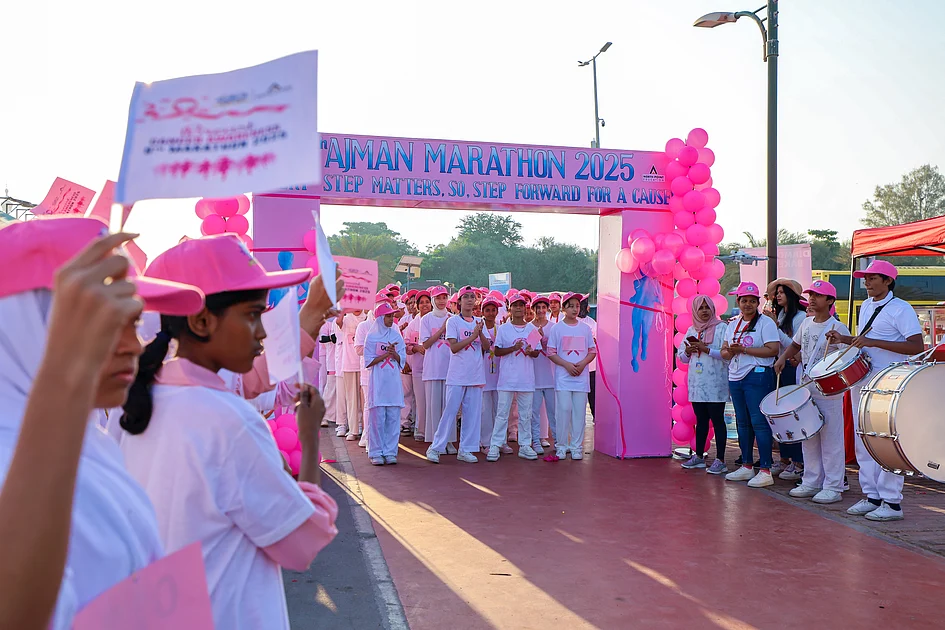
Royal Academy Ajman hosts breast cancer awareness campaign
In a vibrant display of unity and solidarity, the Royal Academy Ajman, under the auspices of North Point Education (NPE), hosted its 8th Annual Breast Cancer Awareness Marathon at Safia Park, Ajman. The event, held in alignment with the UAE’s National Year of Community 2025, drew hundreds of participants from over 36 nationalities, creating a sea of pink that symbolized hope and resilience in the fight against breast cancer. The marathon was inaugurated by Ajman Traffic Department officials, First Assistant Rashid Adel Hammadi and Assistant Saeed Al Shamsi, alongside School Principal Dr. Prema Muralidhar, marking a moment of collaborative pride for the Royal Academy community. Saif Ahmed Mohammed Alabdouli, Licensing & Permits Executive at the Ajman Private Education Authority (APEA), attended as Chief Guest, emphasizing APEA’s commitment to fostering social awareness and community engagement among students. The Office of Special Education Affairs, Ajman, also supported the initiative, reinforcing the event’s mission to promote health awareness and early detection. The marathon kicked off with the release of pink balloons, symbolizing courage and unity, followed by inspiring speeches from students Huda Mohamed (Grade 12B) and Rosy (Grade 7B). A lively flash mob performance energized the crowd, while Dr. Muralidhar highlighted the academy’s dedication to nurturing empathy and social responsibility. The event concluded with the recognition of winners across various categories, celebrating not only athletic achievement but also the collective spirit of compassion and perseverance.
-

Hurricane Melissa makes landfall in Jamaica as category 5 storm
Hurricane Melissa, a catastrophic Category 5 storm, made landfall in Jamaica on Tuesday morning, October 28, 2025. According to the US National Hurricane Center, the hurricane unleashed maximum sustained winds of up to 295 kilometers per hour, posing severe threats to the Caribbean island. The storm’s arrival has triggered widespread flooding and significant damage across Kingston, Jamaica’s capital, as torrential rains and powerful winds battered the region. Emergency services have been mobilized to assist affected communities, while residents brace for further destruction. Hurricane Melissa’s intensity underscores the growing concerns over increasingly powerful storms in the Atlantic hurricane season, attributed to climate change. Authorities have issued urgent warnings for residents to seek shelter and avoid unnecessary travel. The hurricane’s trajectory is being closely monitored as it moves across the Caribbean, with potential impacts on neighboring nations.
-

The AI job cuts are here – or are they?
The recent wave of corporate layoffs, spearheaded by tech giant Amazon, has reignited concerns about Artificial Intelligence (AI) replacing human jobs. Amazon’s decision to cut approximately 14,000 corporate roles follows similar workforce reductions by companies like Chegg, Salesforce, and UPS, all of which have cited AI as a contributing factor. However, experts caution against attributing these layoffs solely to AI, emphasizing the complexity of corporate dynamics and broader economic trends. Martha Gimbel, executive director of Yale University’s Budget Lab, argues that attributing job losses to AI based on executive statements during layoffs is a flawed approach. She highlights that company-specific factors, such as overhiring during the pandemic and the Federal Reserve’s interest rate hikes, play significant roles. A study by the Federal Reserve Bank of St. Louis found a correlation between AI adoption and rising unemployment since 2022, particularly in sectors like office and administrative support. Yet, Morgan Frank, an assistant professor at the University of Pittsburgh, notes that only certain occupations, such as administrative roles, have been directly impacted by AI advancements like ChatGPT. For tech and math-related jobs, the impact remains negligible. The broader economic context, including the pandemic hiring surge and subsequent corrections, complicates the narrative. Enrico Moretti, an economics professor at UC Berkeley, points out that companies like Amazon, which both produce and consume AI, are uniquely positioned to automate roles quickly. Lawrence Schmidt of MIT Sloan School of Management adds that job reallocation, rather than outright job loss, is a more likely outcome. As the debate continues, distinguishing between cyclical economic patterns and AI-driven disruptions remains a critical challenge for policymakers and businesses alike.
-

Trump reveals he underwent MRI scan, says results were ‘perfect’
Former US President Donald Trump disclosed on Monday that he recently underwent an MRI scan, describing the results as ‘perfect.’ The 79-year-old Republican, who is the oldest person ever inaugurated as president, did not elaborate on the reasons for the medical screening, instead directing reporters to consult his physicians. This revelation follows an unexpected visit to Walter Reed Medical Center earlier in October, which had sparked widespread speculation about his health. Trump, who will turn 80 in June, has faced criticism for a perceived lack of transparency regarding his physical condition. During a conversation with reporters aboard Air Force One, Trump emphasized the positive outcome of the scan, stating, ‘I gave you the full results. We had an MRI, and the machine, you know, the whole thing, and it was perfect.’ MRI scans are commonly used to diagnose a variety of conditions, ranging from tumors and strokes to muscle tears and inflammation. The White House had not previously provided an explanation for the October 10 hospital visit, which was unusual given that presidents typically undergo only one comprehensive medical examination annually. Trump also addressed concerns about his health, asserting, ‘Nobody has ever given you reports like I gave you. And if I didn’t think it was going to be good, either, I would let you know negatively.’ His physician, Navy Captain Sean Barbabella, confirmed in a White House-released letter that Trump continues to exhibit ‘excellent overall health.’ The former president has been observed with bruising on his right hand during his second term, which the administration attributes to his use of aspirin as part of a cardiovascular health regimen. Additionally, Trump was diagnosed with chronic venous insufficiency earlier this year, a common vein condition that can cause swelling and cramping but is treatable with medication or medical procedures.
-
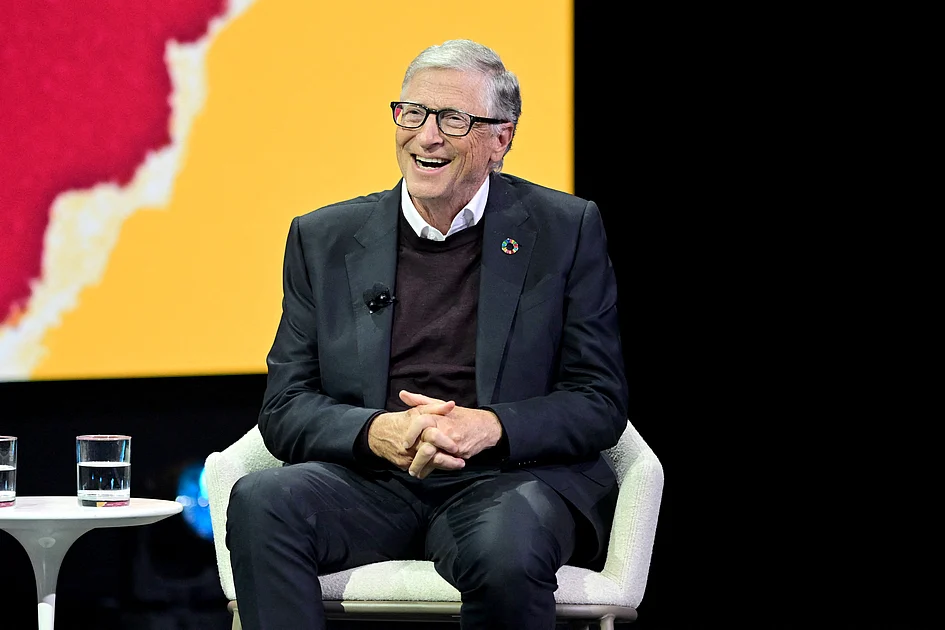
Climate change ‘will not end civilisation’: Bill Gates points out 3 tough truths
Billionaire philanthropist Bill Gates is urging a paradigm shift in the global approach to climate change, emphasizing that solutions should prioritize human welfare over mere temperature targets. In his recent memo titled ‘A New Way to Look at the Problem,’ Gates argues that the fight against climate change must not undermine health, development, and poverty reduction, particularly in the world’s poorest nations. He calls for a ‘strategic pivot’ from focusing solely on limiting rising temperatures to addressing poverty and preventing diseases. Gates reassures that while climate change is a serious issue, it ‘will not be the end of civilisation,’ and he believes that innovation and science will be central to managing its impacts. He projects that by 2100, average global temperatures could rise by 2°C to 3°C compared to pre-industrial levels, surpassing the 1.5°C limit set by the 2015 Paris Agreement. However, he is optimistic that new zero-carbon technologies will become widely available within the next decade, enabling countries to meet rising energy demands without exacerbating climate change. Gates also stresses that success in combating climate change should be measured by improvements in people’s lives, especially in low-income countries, rather than just reductions in emissions or global temperature. Through Breakthrough Energy, Gates has supported over 150 companies working on solutions ranging from low-carbon cement and steel to advanced geothermal energy and AI-driven agriculture. He warns that climate policies must not deepen inequality, citing examples of well-meaning policies that left poor communities worse off, such as fertiliser bans that caused food shortages. Gates believes that focusing on energy, agriculture, and health will have the greatest impact on people’s ability to withstand climate challenges, particularly in developing nations. He emphasizes that health and economic growth can reduce climate-related deaths more effectively than any single environmental measure, citing research from the University of Chicago’s Climate Impact Lab that shows economic growth in low-income countries could cut climate-related deaths by more than 50% by the end of the century. Gates outlines two key priorities for the international climate agenda: driving the Green Premium — the extra cost of choosing clean technologies over fossil fuels — down to zero, and rigorously measuring impact to ensure limited resources go toward initiatives that deliver the greatest benefits for human welfare, from vaccines and malaria prevention to agricultural innovation.
-

iCAUR hosts Global User Summit in Wuhu, China
From October 17 to 21, 2025, iCAUR hosted its annual Global User Summit in Wuhu, China, under the theme ‘Co-create, Co-define.’ The event attracted over a thousand attendees, including media representatives, users, and distributors from across the globe. The summit featured product showcases, off-road driving sessions, and ESG-focused activities, highlighting iCAUR’s commitment to innovation and sustainability. The exhibition area, designed with wood textures and soft tones, created a luxurious yet natural ambiance, allowing guests to explore the brand’s customization ecosystem and witness the fusion of innovation and personal expression. Attendees shared their experiences through livestreams, videos, and photos, capturing the essence of iCAUR’s craftsmanship and creativity. The Tech Interaction Zone showcased AiMOGA humanoid robots and robot dogs in a synchronized dance performance, drawing widespread admiration. A guest from the UAE remarked, ‘They’re incredible — we really need this too!’ emphasizing the potential of such innovations in enhancing global user experiences. The off-road driving sessions tested iCAUR’s vehicles on challenging terrains, including high-speed curves, slopes, wave tracks, and muddy trails. Despite light rain, models like the V27, V23, and 03T, equipped with Golden Range Extender technology and the i-AWD system, demonstrated exceptional performance. On the Crescent Track, the advanced suspension and damping systems ensured smooth handling, earning praise from participants. A Middle Eastern guest noted, ‘Driving the V27 through rough terrain — it’s hard to believe this is a boxy SUV. The comfort really surprised me.’ Former UN Secretary-General Ban Ki-moon visited the exhibition and personally experienced iCAUR’s vehicles, describing the brand as ‘very unique’ and expressing strong interest in the latest models. The summit also marked a significant milestone in iCAUR’s global expansion, with CEO Si Fenghuo signing distributor agreements with partners from Malaysia, the UAE, and Oman. In Oman, iCAUR will collaborate with SBG, the country’s leading automotive group, to accelerate its strategic growth across the Middle East.