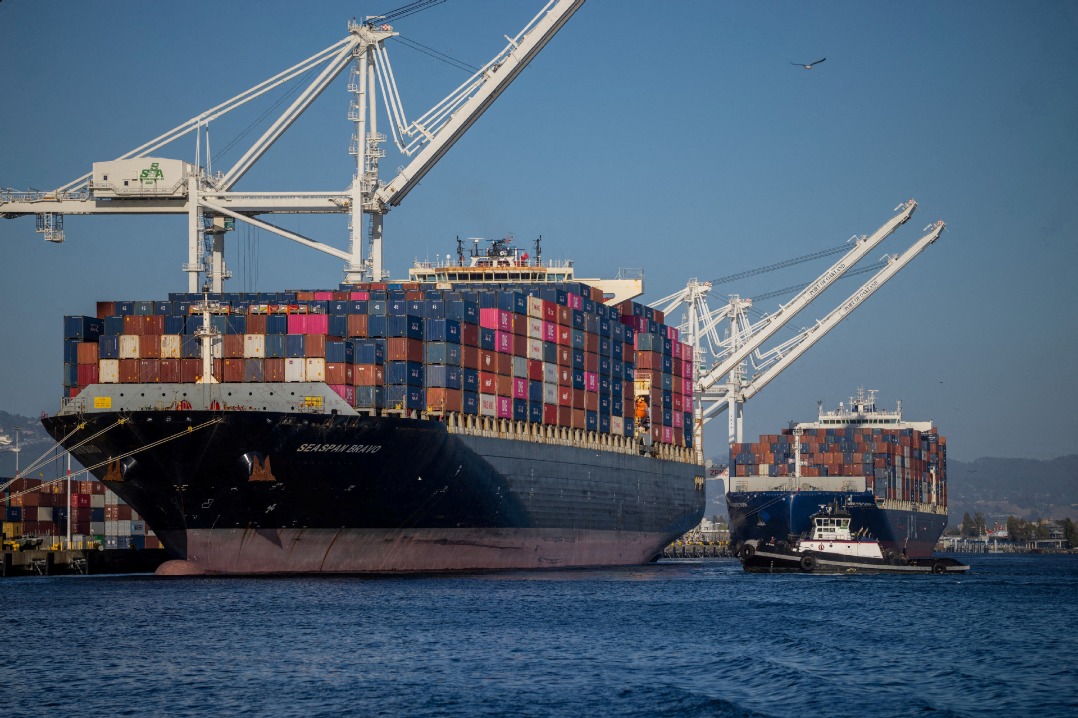
In the face of escalating unpredictability in US trade and foreign policies, key Commonwealth nations such as Canada and New Zealand are actively pursuing strategies to diversify their economic partnerships. Radhika Desai, a political studies professor at the University of Manitoba, highlighted Canada’s precarious position following decades of deepening reliance on the United States. Desai noted that Canadian elites have historically concentrated their economic focus on the US, a strategy she described as a ‘silent surrender.’ This dependence has proven increasingly costly, particularly under the Trump administration, which renegotiated the North American Free Trade Agreement to Canada’s disadvantage. With the potential of a second Trump term, Prime Minister Mark Carney’s perceived inability to challenge Washington has left many Canadians disenchanted. Desai identified two major obstacles to Canada’s shift away from the US: entrenched economic integration and a ruling class resistant to diversification, especially if it involves closer ties with China. Concurrently, Canadian public sentiment has grown increasingly critical of aligning too closely with the US. Desai attributed Washington’s volatility to deeper structural issues within the US, including decades of financialization and deindustrialization, which have made it politically untenable for any candidate to claim economic success. Trump’s focus on tariffs and blame towards trade, China, and immigrants, rather than addressing neoliberalism, has further exacerbated global uncertainties. Desai emphasized that this unpredictability has lasting consequences, with governments worldwide recognizing that the US is unlikely to become a stable economic partner, even under a future Democratic administration. While Canada remains closely tied to the US, Desai believes a gradual realignment towards a multipolar world is inevitable. In a recent move, Prime Minister Carney attended the ASEAN Summit in Kuala Lumpur, aiming to strengthen trade, technology, and energy partnerships with Southeast Asian nations, signaling Canada’s intent to diversify its economic relationships. Meanwhile, the European Union and Australia are advancing their long-awaited Free Trade Agreement, reflecting a shared commitment to an open, rules-based trading system. New Zealand has also been proactive in diversifying its trade partnerships, recently concluding agreements with the UK and the Gulf Cooperation Council, and engaging in negotiations with India. These efforts underscore a broader trend among global allies to enhance supply chain resilience and reduce vulnerability to market-specific shocks.
标签: North America
北美洲
-
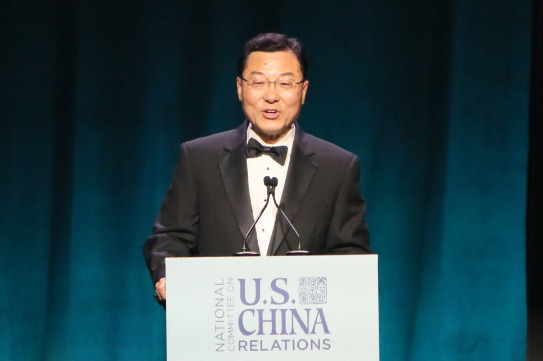
Envoy: China, US can build on momentum
In a pivotal moment for global diplomacy, China and the United States are being encouraged to build on the positive momentum generated by their leaders’ recent meeting in Busan, South Korea. Ambassador Xie Feng, China’s top envoy in Washington, emphasized the need to steer the ‘giant ship’ of bilateral relations toward a stable and cooperative future. Speaking at the US-China Business Council 2025 China Operations Conference & Dinner via video link, Xie highlighted the significance of the meeting, which recalibrated relations at a critical juncture. He acknowledged the challenges but stressed the importance of maintaining hope and fostering mutual understanding. The meeting, preceded by trade talks in Malaysia, addressed concerns from US business and agricultural sectors, leading to tangible outcomes such as reduced tariffs and expanded cooperation in areas like anti-drug efforts and agricultural trade. Xie urged both nations to follow through on their commitments, warning against actions that could disrupt progress. He also pointed to China’s upcoming 15th Five-Year Plan (2026-30) as a catalyst for deeper collaboration, particularly in innovation and sustainable development. With China’s economy projected to grow significantly, Xie emphasized the country’s role as a global growth engine and its commitment to high-standard opening-up. He called on US companies to seize new opportunities and act as bridges for mutual understanding, highlighting the China International Import Expo as a key platform for partnership. The US-China Business Council echoed optimism, describing the latest trade announcements as ‘very encouraging’ and expressing hope for long-term predictability in bilateral ties.
-
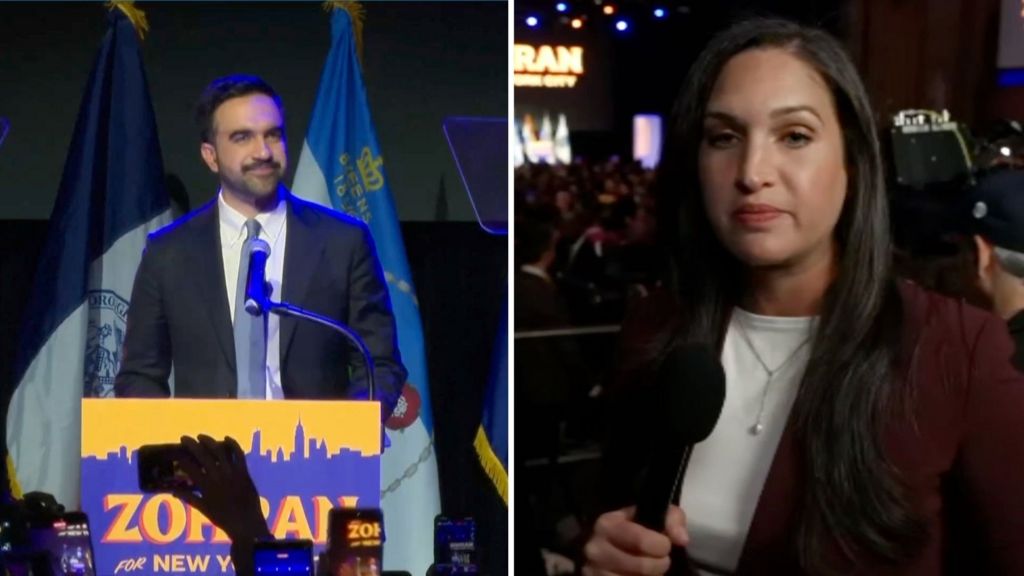
Joy precedes scrutiny: Inside Mamdani’s victory party
Amidst an atmosphere of jubilation and anticipation, BBC News correspondent Nada Tawfik provided an exclusive glimpse into the victory celebration of Zohran Mamdani, the newly elected mayor. The event, held in a vibrant venue, was marked by enthusiastic supporters, lively music, and a palpable sense of triumph. Mamdani, a progressive candidate, delivered a heartfelt speech, expressing gratitude to his campaign team and voters while outlining his vision for the city’s future. However, the festivities were not without an undercurrent of scrutiny, as questions about policy implementation and governance challenges loomed. Tawfik’s report highlighted the dual narrative of joy and responsibility that accompanies such a significant political milestone, offering a balanced perspective on the evening’s events.
-

What to know about Zohran Mamdani and what he wants to do in NYC
In a historic victory, Zohran Mamdani has been elected as the first Muslim and South Asian mayor of New York City, marking a significant shift in the political landscape of the nation’s largest metropolis. The 34-year-old Democratic socialist, who rose from relative obscurity to national prominence, secured the mayoral seat with a bold, progressive platform that resonated deeply with voters seeking change. His victory speech on Tuesday night was a rallying cry for hope and unity, as he declared, ‘Today we have spoken in a clear voice: Hope is alive.’ Mamdani’s campaign, fueled by grassroots support and a strong social media presence, focused on addressing critical issues such as housing affordability, public safety, and economic inequality. His proposals, including a four-year rent freeze for rent-stabilized apartments and the creation of city-owned grocery stores, have sparked both enthusiasm and debate. Critics, however, question the feasibility of his ambitious plans, particularly in light of the city’s complex economic and logistical challenges. Despite facing criticism from President Donald Trump and Republican opponents, Mamdani’s authenticity and ability to connect with younger voters proved decisive. His election signals a new era for New York City, as he aims to transform City Hall into a beacon of compassion and clarity. As Mamdani prepares to take office, the nation watches closely to see how his progressive vision will shape the future of the Big Apple.
-
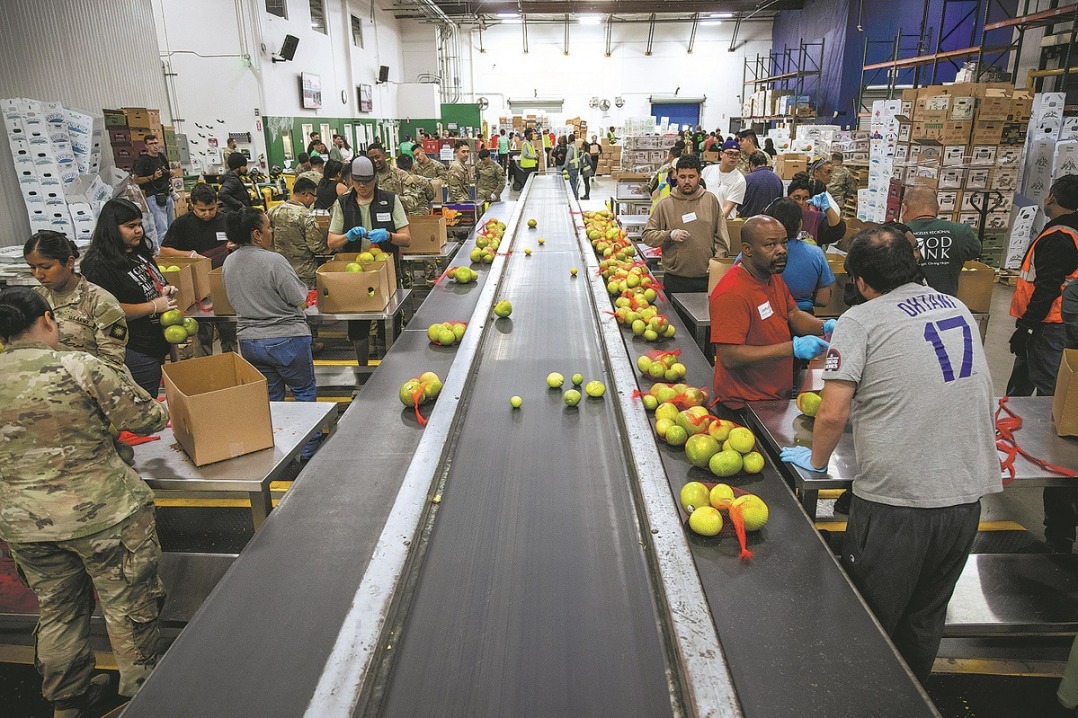
US federal workers turn to food banks to survive
As the US federal government shutdown enters its second month, hundreds of thousands of federal employees are grappling with severe financial strain, forcing many to turn to food banks for survival. The shutdown, which began on October 1 due to a deadlock over healthcare funding and other policy priorities, has left approximately 1.4 million workers without pay, according to the Bipartisan Policy Center. Among them, at least 670,000 are on furlough, while 730,000 continue to work without compensation. The crisis has sparked widespread distress, with workers across the nation sharing stories of hardship and uncertainty. In New York, long lines of federal employees, some visibly embarrassed, queued outside churches and food banks to secure basic necessities like vegetables and non-perishable items. Jacquelin, a federal worker, tearfully recounted the emotional toll of being unable to celebrate her daughter’s birthday or afford simple pleasures like a slice of pizza. Similarly, Christina Dechabert, a Transportation Security Administration employee at JFK Airport, described the situation as ‘draining,’ noting that her savings, meant for retirement, are now being depleted to feed her family. The crisis extends beyond New York, with reports of food distribution events in Washington, DC, drawing massive crowds even before they officially began. Many workers, like an anonymous furloughed woman, feel they are being unfairly treated as ‘collateral damage’ in the political impasse. As negotiations remain stalled, the shutdown continues to take a heavy financial and personal toll on federal workers nationwide.
-
Government shutdown becomes longest in US history
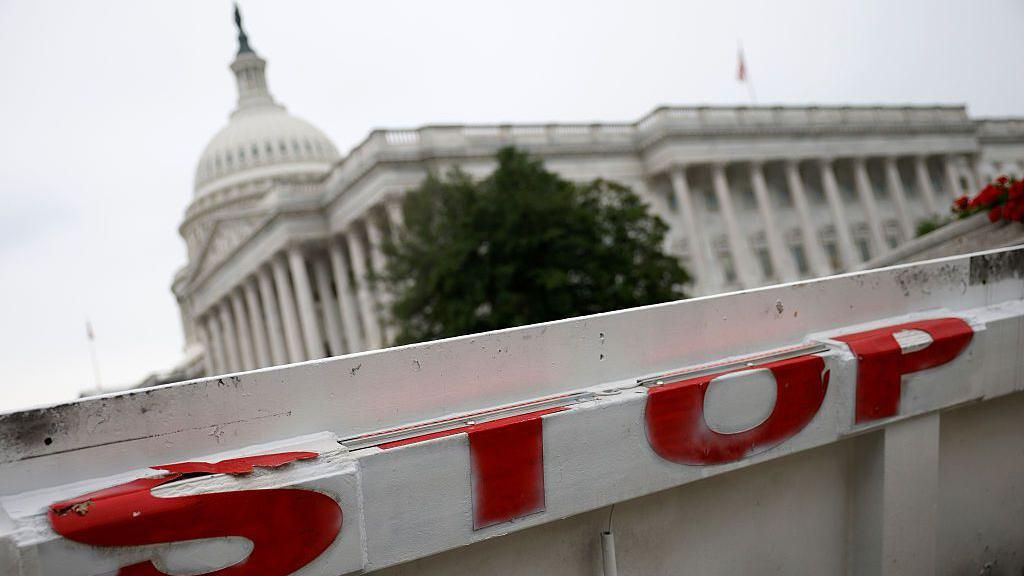
The United States government shutdown has now reached its 36th day, setting a new record as the longest closure in American history. The impasse, which began on October 1, stems from Congress’s failure to agree on a new funding deal. This has left hundreds of thousands of federal employees without pay and disrupted essential services for millions of Americans. Despite weeks of gridlock between Democrats and Republicans, there are faint signs of potential progress. Senate Majority Leader John Thune, a top Republican, expressed cautious optimism, stating that a breakthrough might be imminent. The previous record for a government shutdown was 35 days, set during President Donald Trump’s first term in 2019. The ongoing shutdown has had severe consequences, with thousands of federal workers missing paychecks and growing concerns about disruptions to air travel. Transportation Secretary Sean Duffy warned that parts of U.S. airspace might have to be closed if the shutdown continues, as 13,000 air traffic controllers are working without pay. Low-income Americans relying on government assistance programs like SNAP (Supplemental Nutrition Assistance Program) are also feeling the strain. While a court ruling ensured partial SNAP benefits this month, President Trump has suggested he may defy the order unless Democrats agree to reopen the government. Efforts to pass a short-term funding bill have repeatedly failed in the Senate, with Democrats demanding healthcare subsidies for low-income Americans and Republicans accusing them of holding the government hostage. As the November 21 funding deadline approaches, there is increasing pressure for a compromise, with some moderate lawmakers signaling a willingness to negotiate ahead of Thanksgiving.
-
California voters approve redistricting. Will it tip the balance of power in Washington?
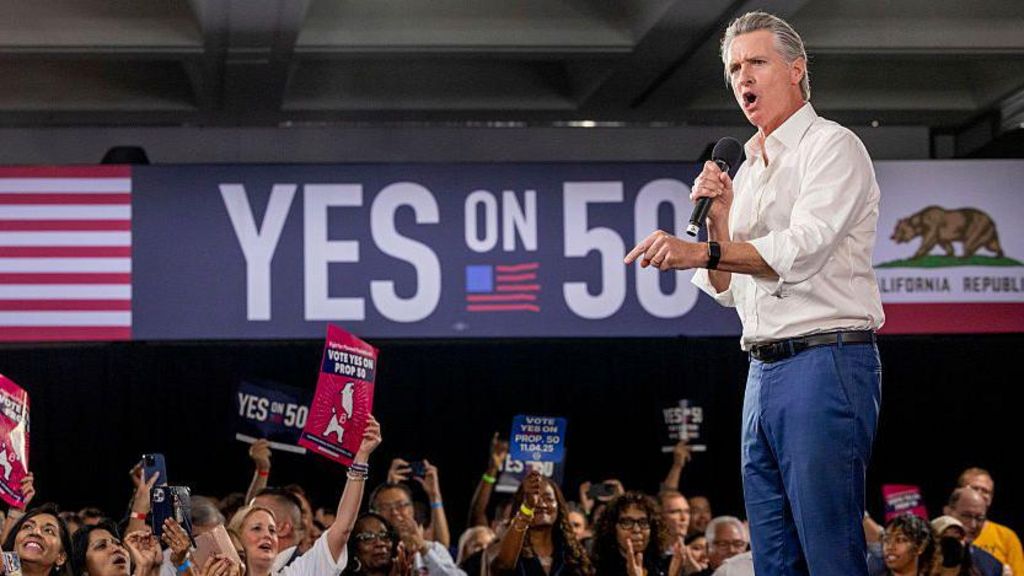
California voters have approved Proposition 50, a redistricting measure designed to favor Democrats in the upcoming 2026 midterm elections. The initiative aims to reconfigure voting districts to potentially secure five House seats currently held by Republicans. This move is seen as a counterattack against similar efforts by Republican-led states, intensifying the nationwide battle for control of the U.S. House of Representatives.
-
What we know about deadly Kentucky cargo plane crash
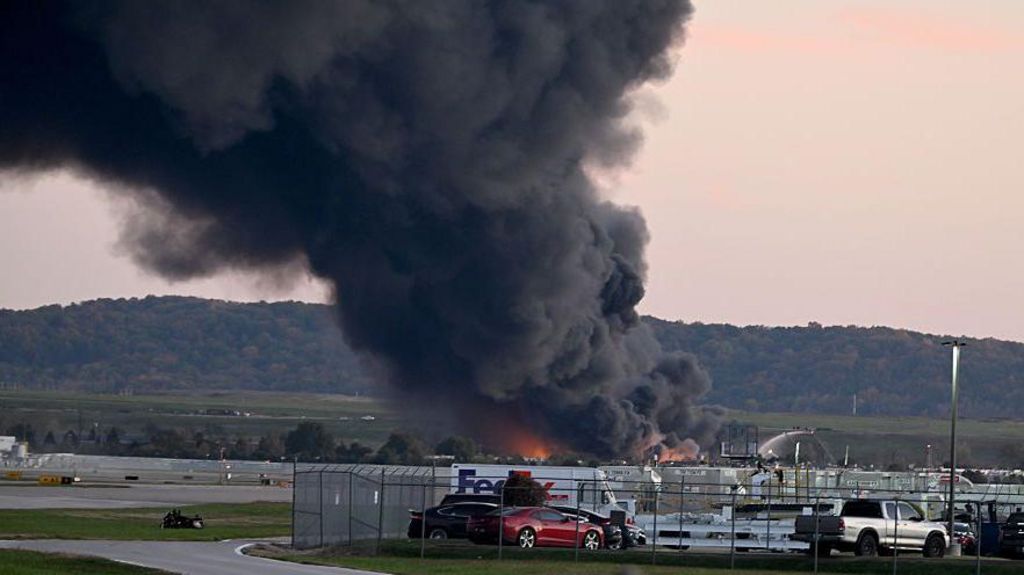
A catastrophic cargo plane crash at Louisville International Airport on Tuesday evening has resulted in at least seven fatalities, with fears that the death toll may rise. The UPS-operated flight 2976, an MD-11F aircraft, veered off the runway during takeoff at approximately 17:15 local time, igniting a massive fire that engulfed nearby buildings. The incident has triggered a large-scale emergency response to contain the blaze and mitigate further risks. Kentucky Governor Andy Beshear confirmed that two businesses, Kentucky Petroleum Recycling and Grade A Auto Parts, were directly impacted by the crash. Unverified footage shows the plane already ablaze as it skidded off the runway. The fire spread rapidly, prompting authorities to issue shelter-in-place orders for residents within a one-mile radius due to concerns over air pollution and potential explosions. All airport operations have been suspended indefinitely. Officials have reported eleven injuries so far, with the number expected to increase. The cause of the crash remains under investigation, though the substantial fuel load on the aircraft, which was en route to Hawaii, likely exacerbated the fire. Louisville Fire Department Chief Brian O’Neal described the scene as “very dangerous” due to the spilled fuel. Searches are ongoing to locate two missing workers from the auto parts business, and it remains unclear how many customers were present at the time of the crash. The MD-11F, a triple-engine cargo plane, has been in service for 34 years. Authorities have assured the public that the aircraft was not carrying hazardous materials.
-

EO Charging completes £25 million recapitalisation to accelerate next phase of growth
EO Charging, a prominent player in fleet electrification solutions, has successfully completed a £25 million recapitalisation, marking a significant milestone in its growth trajectory. The funding round, led by existing investors Zouk Capital and Vortex Energy, combines an expanded debt facility with HSBC and a fresh equity injection. This strategic move underscores the unwavering confidence of its investors and provides a robust foundation for the company’s next phase of expansion.
The recapitalisation follows a series of strategic decisions, including EO Charging’s planned exit from the US market and the sale of its domestic EV charger hardware and manufacturing business to Cogent Technologies, a subsidiary of the Heathpatch Group. These measures aim to streamline operations, enhance efficiency, and transition towards a scalable platform-led business model.
With a renewed focus on software, services, and infrastructure-as-a-service (IaaS) for commercial fleets and heavy goods vehicles, EO Charging is poised to deliver scalable and dependable fleet-charging solutions across the UK and Europe. The investment will accelerate the deployment of its commercial-grade charging infrastructure and its flagship software offering, Charge Assurance™, which provides fleet operators with comprehensive visibility, management, and energy optimisation tools.
Richard Staveley, CEO of EO Charging, emphasised the significance of the investment, stating, ‘This funding reflects our shareholders’ confidence in our evolved strategy and long-term vision. We are committed to delivering reliable, commercial-grade charging infrastructure and intelligent software that empowers fleets to electrify and perform at scale.’
Massimo Resta, Partner and Head of Infrastructure at Zouk Capital, echoed this sentiment, highlighting EO’s alignment with the growing demand for scalable, software-enabled infrastructure solutions in the fleet electrification market. Bakr Abdel-Wahab, Chief Investment Officer at Vortex Energy, added that the transition to electric mobility is becoming foundational, and EO’s software- and service-first model positions it for sustained growth.
EO Charging continues to serve major global fleet operators, including Amazon, DHL, UPS, Tesco, and FedEx, leveraging over a decade of expertise in EV charging infrastructure and management solutions.
-

Dollar extends gains on rate cut doubts and safety play; pound slips
The U.S. dollar surged to a four-month high against the euro on Tuesday, driven by growing doubts about another Federal Reserve rate cut this year and heightened demand for safe-haven assets amid a risk-off market sentiment. The euro declined for the fifth consecutive session, falling 0.3% to $1.148, its lowest level since August 1. Meanwhile, the British pound tumbled after UK Finance Minister Rachel Reeves highlighted the challenging economic conditions ahead of her upcoming budget, emphasizing high debt, low productivity, and persistent inflation. Market sentiment remained subdued, with stocks declining and government bonds attracting investors. Safe-haven currencies like the Japanese yen and Swiss franc held steady. The dollar index, which measures the U.S. currency against a basket of six others, surpassed 100 for the first time since early August, reaching 100.17. Traders now estimate a 65% chance of a December rate cut, down from 94% a week earlier, according to CME FedWatch. The Australian dollar fell 0.7% to $0.6496 after the Reserve Bank of Australia maintained its cash rate at 3.60%, signaling caution about further easing. Cryptocurrency Bitcoin dropped 2% to $107,486, its weakest since June. The yen, nearing levels that prompted Japanese intervention in 2022 and 2024, remained under pressure, with Finance Minister Satsuki Katayama reiterating the government’s vigilance over currency movements. Analysts noted that U.S. President Donald Trump’s recent criticism of countries allowing their currencies to weaken could influence Japan’s approach.