
In a landmark meeting at the White House on November 10, 2025, US President Donald Trump and Syrian interim leader Ahmad al-Sharaa engaged in discussions aimed at resetting bilateral relations. This marked the first visit by a Syrian leader to the White House since Syria’s independence in 1946. Unlike traditional state visits, al-Sharaa entered through a side gate, signaling a low-profile yet significant encounter. The closed-door meeting in the Oval Office focused on two critical issues: the lifting of US sanctions on Syria and Syria’s potential entry into the US-led global coalition against the Islamic State (IS) group. US Secretary of State Marco Rubio announced the suspension of the Caesar Act sanctions, a set of stringent measures imposed during Syria’s civil war. Rubio emphasized that this move would support Syria’s economic recovery and foster peace. The Syrian side, however, seeks a permanent repeal of these sanctions, which would require congressional action. Additionally, al-Sharaa agreed to join the US-led coalition against IS, which remains active in Syria. The US also plans to allow Syria to resume operations at its embassy in Washington, focusing on counterterrorism and economic cooperation. This meeting follows a series of diplomatic efforts, including the removal of al-Sharaa from the UN Security Council’s sanctions list. Analysts caution that while these steps are promising, Syria’s path to stability remains fraught with challenges, including sectarian violence and a massive reconstruction bill estimated at over $200 billion.
标签: North America
北美洲
-

Deluxe Holiday Homes: Setting new standards for Dubai’s regulated holiday-rental market
Dubai’s hospitality sector is undergoing a transformative phase, marked by stringent regulations, cutting-edge technology, and an emphasis on trust. At the forefront of this evolution is Deluxe Holiday Homes, a homegrown company that has redefined the short-term rental landscape, setting new benchmarks for innovation and compliance. Established in 2015 by Artyom Meltonyan, the company has grown from a modest real estate venture into a dominant player in the UAE’s vacation rental market, managing over 800 apartments and villas with a dedicated team of 265 professionals in the UAE and 45 specialists in Armenia. Deluxe Holiday Homes has earned its reputation through unwavering professionalism, reliability, and exceptional service. The company’s impressive track record includes more than 56,000 bookings, 830,000 nights, and 54,580 check-ins, generating cumulative revenues exceeding Dh500 million. These milestones underscore its operational excellence and strong market position. Deluxe Holiday Homes’ success is rooted in its ability to foster trust among guests and property owners through transparency, innovation, and strict adherence to regulatory standards. By leveraging hospitality expertise and data-driven strategies, the company continues to elevate guest satisfaction and property performance. Its contributions to Dubai’s hospitality sector have been widely recognized, including the prestigious title of Best Vacation Rental Company at the World Travel Awards 2025 and accolades from the Department of Economy and Tourism (DET) during the Holiday Homes 10th Anniversary Appreciation Ceremony. The company’s growth aligns with Dubai’s progressive regulatory framework, particularly Decree No. 41 of 2013, which established a foundation for a transparent and well-regulated holiday-home market. Deluxe Holiday Homes has been a proactive advocate for these measures, ensuring compliance with DET’s requirements and setting industry standards. Embracing Dubai’s digital transformation, the company has integrated smart solutions such as Keyless Smart Locks and DET’s QR Code Verification System to enhance safety and convenience for guests. Additionally, biometric and digital ID verification processes support Dubai’s vision of seamless travel experiences. Deluxe Holiday Homes is also expanding its luxury offerings, featuring exclusive residences in Dubai and Al Dana Island villas in Fujairah, catering to the evolving preferences of global travelers. With a decade of leadership and a clear vision for sustainable growth, Deluxe Holiday Homes embodies Dubai’s commitment to innovation, trust, and excellence in hospitality.
-

From host to influencer: How the UAE is steering the next chapter of global climate action
The United Arab Emirates (UAE) has transitioned from hosting COP28 in Dubai to becoming a pivotal influencer in global climate diplomacy. Building on the legacy of COP28, which marked the first global stocktake under the Paris Agreement and introduced the UAE Consensus on transitioning away from fossil fuels, the UAE is now steering international dialogue on climate finance, innovation, and sustainable development. As part of the COP Troika alongside Brazil and Azerbaijan, the UAE is ensuring policy continuity and pushing for tangible progress ahead of COP30 in Belém, Brazil. The UAE’s $30 billion climate investment fund, aimed at mobilizing $250 billion in global climate solutions by 2030, underscores its commitment to action. Domestically, the UAE is advancing renewable energy projects, such as the Mohammed bin Rashid Al Maktoum Solar Park, and leading initiatives like the Global Cooling Pledge. Its inclusive approach bridges developed and developing economies, emphasizing equitable climate progress. The UAE’s efforts in mangrove restoration, water efficiency, and urban sustainability further solidify its role as a model for adaptation and resilience. As the world prepares for COP30, the UAE’s diplomatic consistency and pragmatic vision position it as a trusted partner in shaping the future of global climate action.
-
Four potential obstacles in House vote to end US shutdown
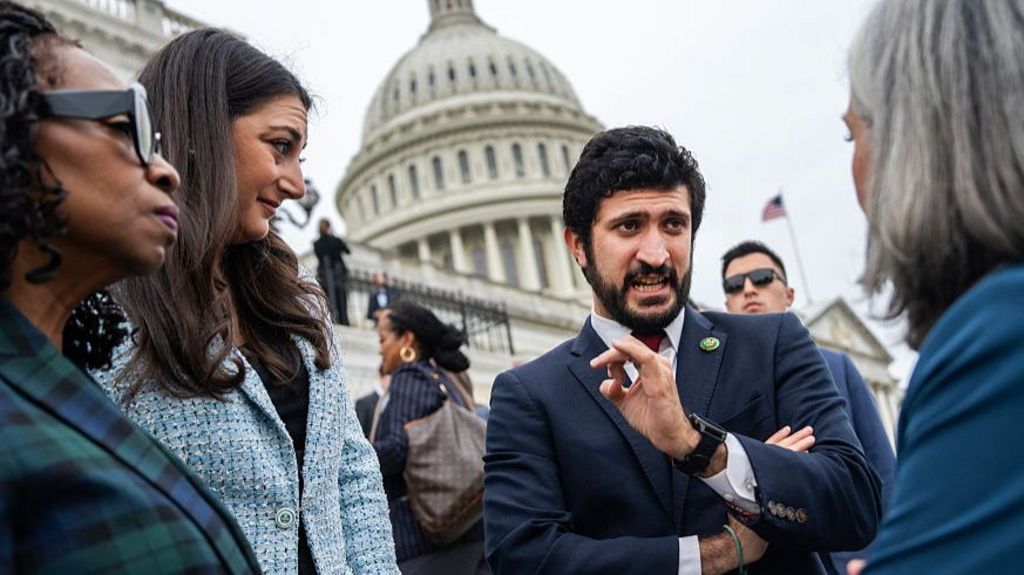
Following the US Senate’s approval of a spending bill to end the longest government shutdown in history, the focus now shifts to the House of Representatives, where a critical vote is expected this week. Unlike the Senate, House Republicans can pass the budget without Democratic support if they remain united, though the margin for error is exceptionally narrow. Key issues remain unresolved, particularly the Democrats’ push to renew tax credits that make health insurance more affordable for 24 million Americans. Senate Republicans have only agreed to a December vote on extending these subsidies, while House Speaker Mike Johnson has not committed to allowing a vote on the matter. This stance carries significant political risk for Republicans, as failing to extend the subsidies could lead to skyrocketing health insurance premiums, providing Democrats with a potent campaign issue for the upcoming midterm elections. Marjorie Taylor Greene, a conservative Republican from Georgia, has broken ranks with former President Donald Trump to warn against such a scenario. Meanwhile, Democrats, emboldened by recent election victories in Virginia, New Jersey, and New York City, face internal tensions between pragmatic and progressive factions. Progressive leaders like Senator Bernie Sanders and Congressman Greg Casar have criticized the budget deal, with Casar calling it a ‘betrayal’ of millions of Americans. Centrist Democrats, however, may cross party lines to support the bill. House Republicans, holding a slim majority, can only afford to lose two votes, with fiscal conservatives like Thomas Massie likely to oppose the package. The proposed deal would add $1.8 trillion annually to the national debt, a point of contention for fiscal hawks. As the House prepares to vote, logistical challenges, including flight delays and severe weather, further complicate the process.
-
US Senate passes bill to end longest government shutdown in country’s history
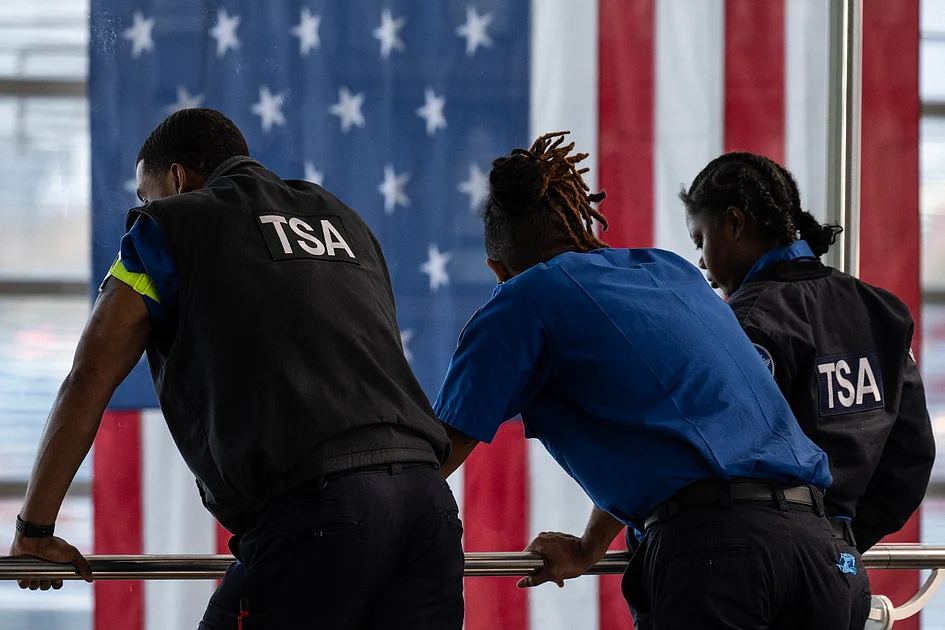
The US Senate has passed a pivotal bill to conclude the longest government shutdown in the nation’s history, marking a significant breakthrough after weeks of political gridlock. The legislation, approved with a 60-40 vote, garnered support from nearly all Senate Republicans and eight Democrats. The shutdown had severely impacted millions of Americans, disrupting food benefits, leaving hundreds of thousands of federal workers unpaid, and causing widespread air traffic delays. The bill restores funding for federal agencies, which expired on October 1, and temporarily halts President Donald Trump’s efforts to reduce the federal workforce, preventing layoffs until January 30. However, the agreement does not guarantee the continuation of health subsidies benefiting 24 million Americans, which are set to expire at year’s end. The bill now moves to the Republican-controlled House of Representatives, where Speaker Mike Johnson aims to pass it swiftly and send it to Trump for enactment. While Trump has praised the deal as ‘very good,’ many Democrats remain frustrated, citing the lack of assurances for extending health insurance subsidies. The shutdown has fueled partisan tensions, with a recent poll showing 50% of Americans blaming Republicans and 43% blaming Democrats. Despite the controversy, US stocks rallied on Monday following news of the progress.
-
US Senate passes bipartisan spending package in a bid to end longest govt shutdown
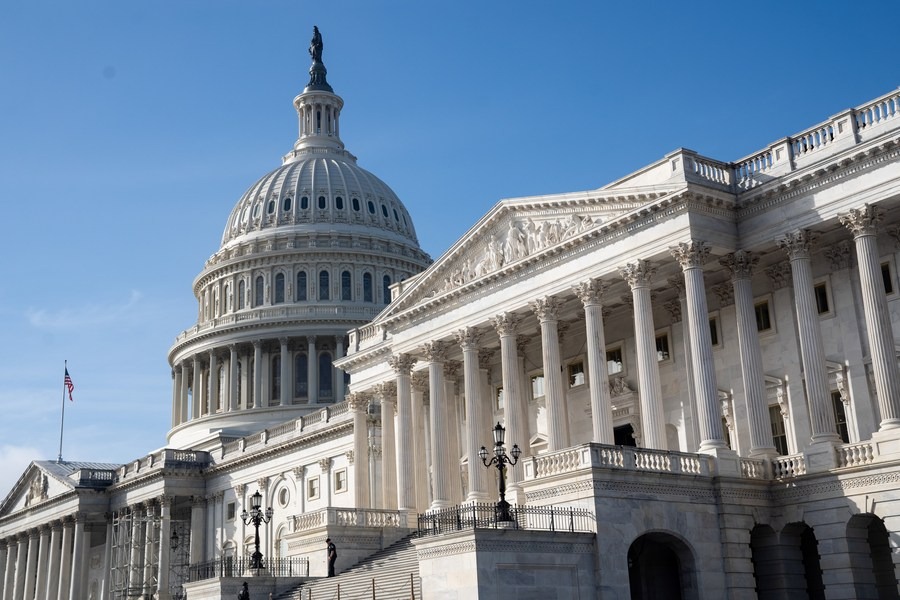
In a significant move to address the ongoing crisis, the US Senate passed a bipartisan spending package late Monday night, aiming to conclude the longest government shutdown in the nation’s history. The shutdown, now in its 41st day, has inflicted widespread disruptions and hardships across the country. The newly approved legislation seeks to restore government operations and alleviate the mounting consequences faced by millions of Americans. The bipartisan effort underscores a rare moment of cooperation in a deeply divided political landscape, as lawmakers from both sides of the aisle came together to resolve the impasse. The bill’s passage marks a critical step toward reopening federal agencies and resuming essential services, though its implementation and long-term impact remain to be seen. The shutdown, triggered by disagreements over budget allocations and policy priorities, has highlighted the fragility of governance in the face of partisan gridlock. As the nation watches closely, the focus now shifts to the House of Representatives, where the bill must also gain approval before reaching the President’s desk.
-

100 days to Ramadan 2026 in UAE: Dates of holy month, 3-day Eid Al Fitr break revealed
As the UAE prepares for one of its most spiritually significant periods, the countdown to Ramadan 2026 has officially begun. With just 100 days remaining, residents are gearing up for the holy month, which is expected to commence on Thursday, February 19, 2026, according to astronomical calculations. Ramadan, the ninth month of the Islamic calendar, is a time of fasting, prayer, and charitable acts, observed from dawn to dusk. The exact start date, however, will be confirmed by the UAE Moon-Sighting Committee after the crescent moon is sighted.
This year, Ramadan is anticipated to last 29 days, culminating in the joyous celebration of Eid Al Fitr. The festival, which marks the end of fasting, will bring the UAE’s first long weekend of the year. Public holidays are expected to span from Friday, March 20, to Sunday, March 22, providing residents with a three-day break. Should Ramadan extend to 30 days, an additional day off could be added, creating a four-day weekend. However, current predictions favor a 29-day observance.
Ramadan 2026 will also bring shorter fasting hours compared to previous years, thanks to its occurrence during the cooler months. The first fast is projected to last 12 hours and 46 minutes, gradually increasing to 13 hours and 26 minutes by the end of the month. This is a welcome change from the nearly 14-hour fasting days experienced in 2025.
During Ramadan, daily life in the UAE undergoes a profound transformation. Workplaces and schools adjust their hours, and a serene atmosphere envelops the Emirates. At sunset, the call to prayer resonates across cities as families and friends gather for Iftar, the meal to break the fast. Mosques remain open late into the night, hosting special prayers such as Taraweeh and Qiyam-ul-Layl.
As the UAE prepares for this sacred time, the anticipation is palpable. Ramadan not only fosters spiritual growth but also strengthens community bonds, making it a cherished period for residents across the Emirates.
-
ICE in hot water
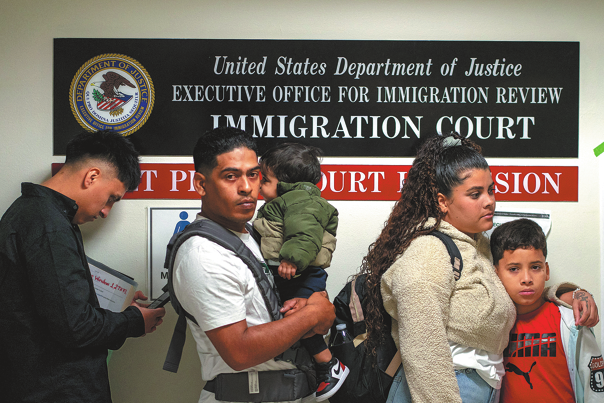
The U.S. Immigration and Customs Enforcement (ICE) is under intense scrutiny following reports of migrants being detained for days, far exceeding the 12-hour limit typically enforced. This development comes amid President Donald Trump’s aggressive push for mass deportations since his return to the White House in January. The situation has sparked widespread concern, particularly after a heart-wrenching scene at the U.S. immigration court in Manhattan, where a child was seen weeping and calling for his detained father. Critics argue that such extended detentions violate human rights and raise questions about the treatment of migrants under the current administration. The controversy has drawn attention to the broader implications of Trump’s immigration policies, which have been a cornerstone of his presidency. As debates over immigration reform continue, the plight of these detained migrants highlights the urgent need for a more humane and transparent approach to immigration enforcement.
-

Finding direction in Chinese martial arts
Jacob Brinnand’s life took a transformative turn when he discovered the profound world of Chinese martial arts. Growing up in the Bay Area, Brinnand was immersed in a vibrant Asian and Pacific Islander community where martial arts were deeply ingrained in the culture. Inspired by kung fu films like *Drunken Master II*, he sought authenticity in martial arts but struggled to find a mentor who could guide him to its true essence. This changed in 2005 when he met Y.C. Wong, a fourth-generation disciple of the legendary Wong Fei-hung, a Qing Dynasty martial artist renowned for his mastery of hung gar and drunk boxing, as well as his expertise in traditional Chinese medicine. Wong became Brinnand’s sifu (master), offering him not just martial arts training but also a path to self-discovery and purpose. Brinnand’s journey led him to China in 2007, where he participated in the 160th anniversary of Wong Fei-hung’s birth, performing alongside masters and living legends. This experience deepened his understanding of kung fu as a holistic practice encompassing health, strength, longevity, and community. Inspired by Wong’s teachings and Chinese philosophical texts like the *Tao Te Ching*, Brinnand left his successful marketing career to dedicate his life to martial arts. Today, he teaches hung gar in Houston, Texas, helping others find strength and fulfillment through this ancient art.
-
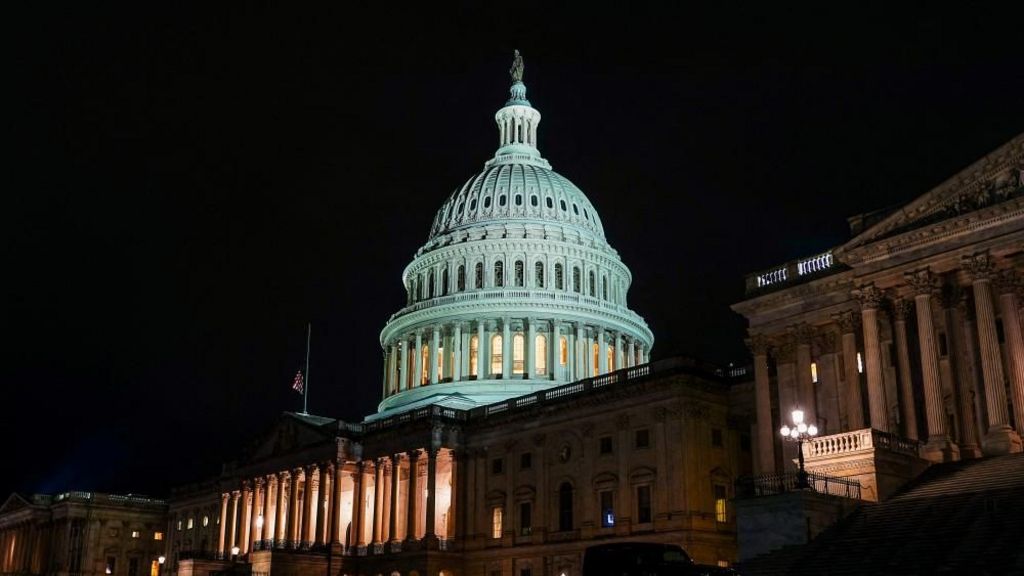
US Senate passes funding bill that could end shutdown within days
In a pivotal late-night session on Monday, the US Senate passed a critical funding bill that could terminate the longest government shutdown in US history. The bill, which secured a 60-40 vote, saw nearly all Republicans align with eight Democrats who broke party ranks to support the measure. This bipartisan agreement funds federal operations until the end of January and aims to restore essential services and compensate furloughed employees. The bill now moves to the House of Representatives, where its passage is anticipated before President Donald Trump signs it into law. Trump had earlier indicated his willingness to endorse the legislation. The breakthrough follows a 41-day shutdown that disrupted air travel, left hundreds of thousands of federal workers without pay, and threatened vital food assistance programs. The bill includes provisions to backpay federal employees, extend funding for the Supplemental Nutrition Assistance Program (SNAP) until September, and allocate full-year budgets for the Department of Agriculture and military construction. Additionally, it promises a December vote on extending healthcare subsidies, a key Democratic demand. While Senate Minority Leader Chuck Schumer criticized the bill for failing to address America’s healthcare crisis, supporters like Senator Tim Kaine emphasized the relief it brings to federal workers. The House, led by Speaker Mike Johnson, is set to deliberate the bill starting Wednesday, with every vote crucial given the Republicans’ narrow majority.