
As the U.S. Open progresses, top tennis players like Aryna Sabalenka are revealing the importance of taking breaks during the season to recharge. Sabalenka, the reigning U.S. Open champion, skipped the Montreal event in late July to unwind on the Greek island of Mykonos. ‘The season had been really intense, and I felt low on energy,’ Sabalenka explained. ‘I needed a little break to come back stronger.’ Her decision highlights a growing trend among tennis professionals who face a relentless calendar. Alex de Minaur, seeded No. 8 at the U.S. Open, echoed this sentiment, stating that without such breaks, the grind of the season feels never-ending. De Minaur and his fiancée, Katie Boulter, often take short vacations after Wimbledon to reset mentally for the latter half of the year. However, not all players can afford or desire such breaks. Some, like Adrian Mannarino, prefer to maintain their rhythm by competing continuously. Mannarino, who recently became the oldest man to break into the ATP top 20, believes in focusing on work now and saving vacations for retirement. The concept of in-season vacations is unique to tennis, as team sports like the NFL or NBA offer ample off-seasons for rest. Boulter, who struggled after skipping breaks, emphasized the importance of prioritizing personal well-being. Meanwhile, Ajla Tomljanovic, who lost to Coco Gauff in the first round, advocates for players to make their own choices about when to take breaks. ‘If I need a vacation, I take it,’ she said. As the tennis season continues, the debate over balancing competition and rest remains a hot topic among players.
标签: North America
北美洲
-
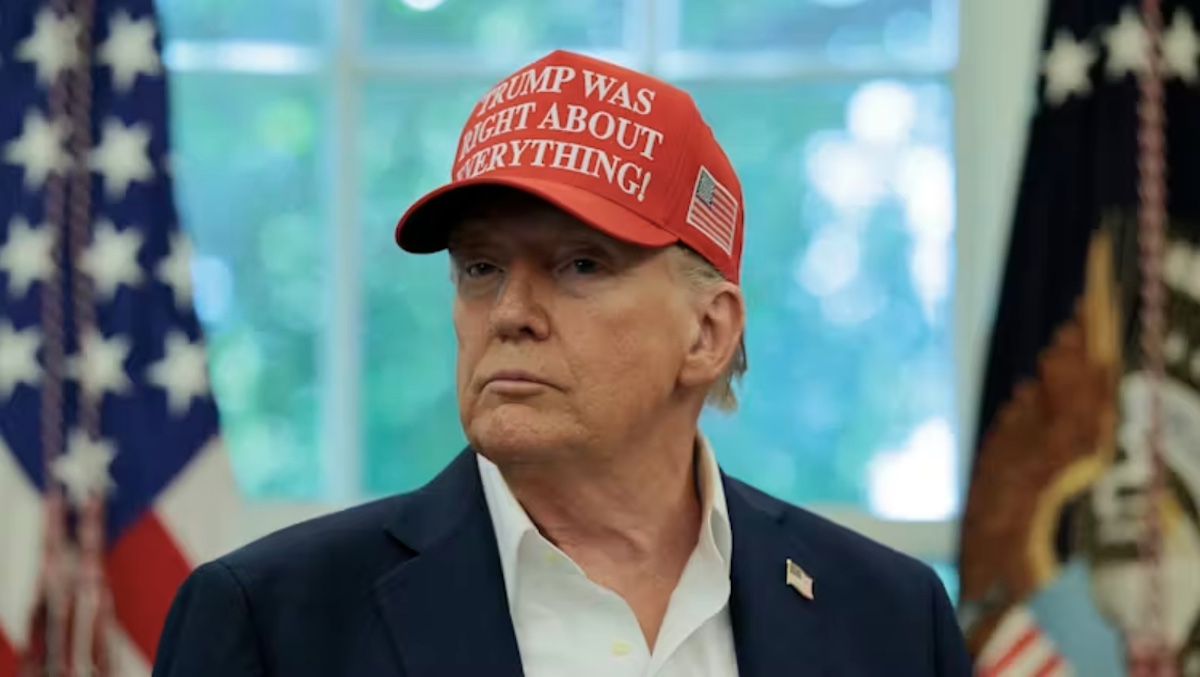
Post-truth stats: what if US economic data can no longer be trusted?
In an era increasingly defined by skepticism towards official narratives, the integrity of US economic data is now under unprecedented scrutiny. The recent actions of former President Donald Trump have cast a long shadow over the credibility of key economic indicators, raising concerns about the reliability of the nation’s statistical institutions.
-
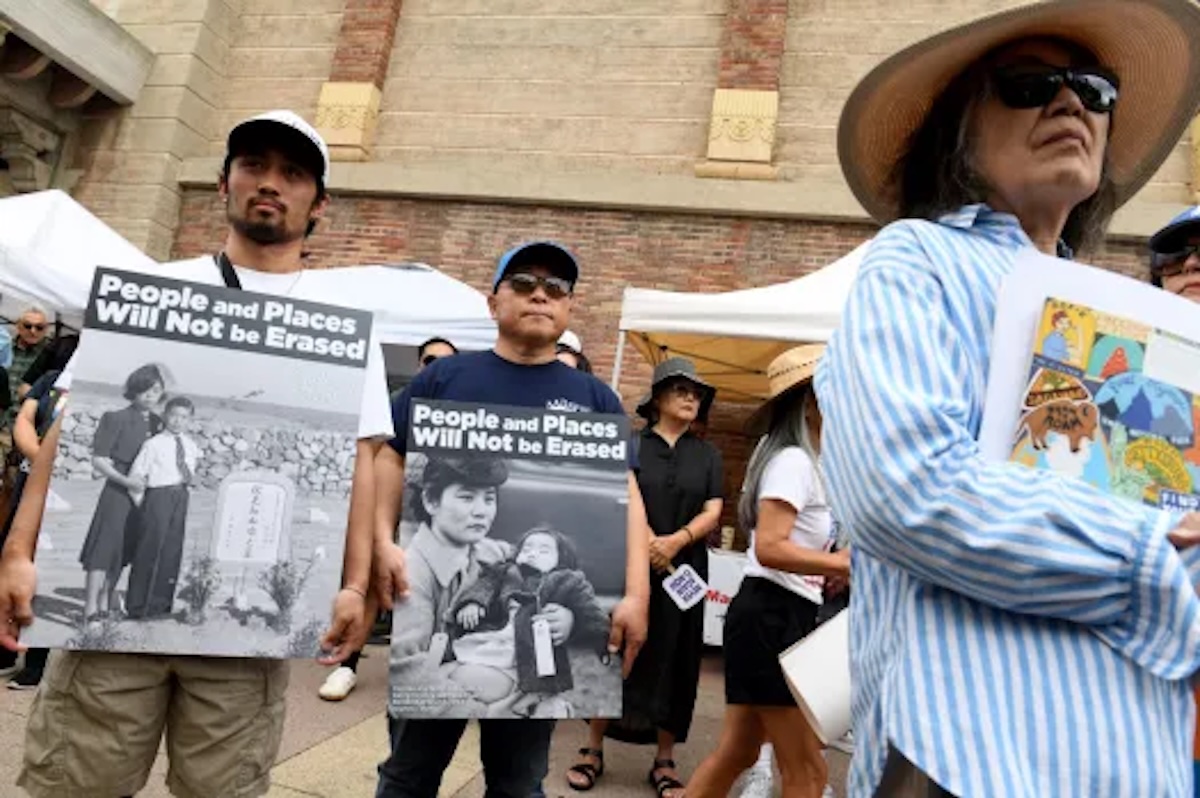
WWII Japanese American internment memories spur protests in 2025
The recent opening of an immigration detention center in El Paso, Texas, has sparked widespread protests from Japanese Americans, who see eerie parallels between the Trump administration’s immigration policies and the internment of their community during World War II. The facility, which began operations in August 2025, is located on the site of a former military base used to detain Japanese Americans during the war. This has reignited painful memories for a community that endured forced incarceration under Executive Order 9066, signed by President Franklin D. Roosevelt in 1942. Hundreds of Japanese Americans have been vocal in their opposition to the construction of new detention centers and the aggressive enforcement tactics of the U.S. Immigration and Customs Enforcement (ICE), which they fear mirror the injustices of the past. The government’s invocation of the 1798 Alien Enemies Act, last used during WWII, has further heightened concerns. This law grants ICE expanded powers to detain individuals, echoing the legal framework that justified the internment of Japanese Americans. Protests have been particularly intense in California, where activists have drawn comparisons between ICE’s targeting of Latino communities and the wartime treatment of Japanese Americans. The Japanese American National Museum in Los Angeles, a symbolic site where families were forced onto buses bound for internment camps, has become a focal point for demonstrations. The museum has shared images comparing the cramped conditions of WWII camps to modern ICE detention facilities, highlighting the trauma inflicted on families. Critics argue that ICE’s actions, including the reopening of closed detention centers like Dublin Prison near San Francisco, are part of a broader agenda to meet alleged quotas for migrant arrests. The Trump administration has denied targeting specific ethnic groups, but civil rights organizations have documented disproportionate enforcement in Latino neighborhoods. Protesters like Lynn Yamashita and Douglas Yoshida have voiced their fears that history is repeating itself, with immigrants being detained without due process. The Japanese American community’s activism underscores a broader struggle against policies they view as rooted in racial prejudice and xenophobia. As the debate over immigration enforcement continues, many are calling for a reckoning with the nation’s past and a commitment to ensuring that such injustices are never repeated.
-
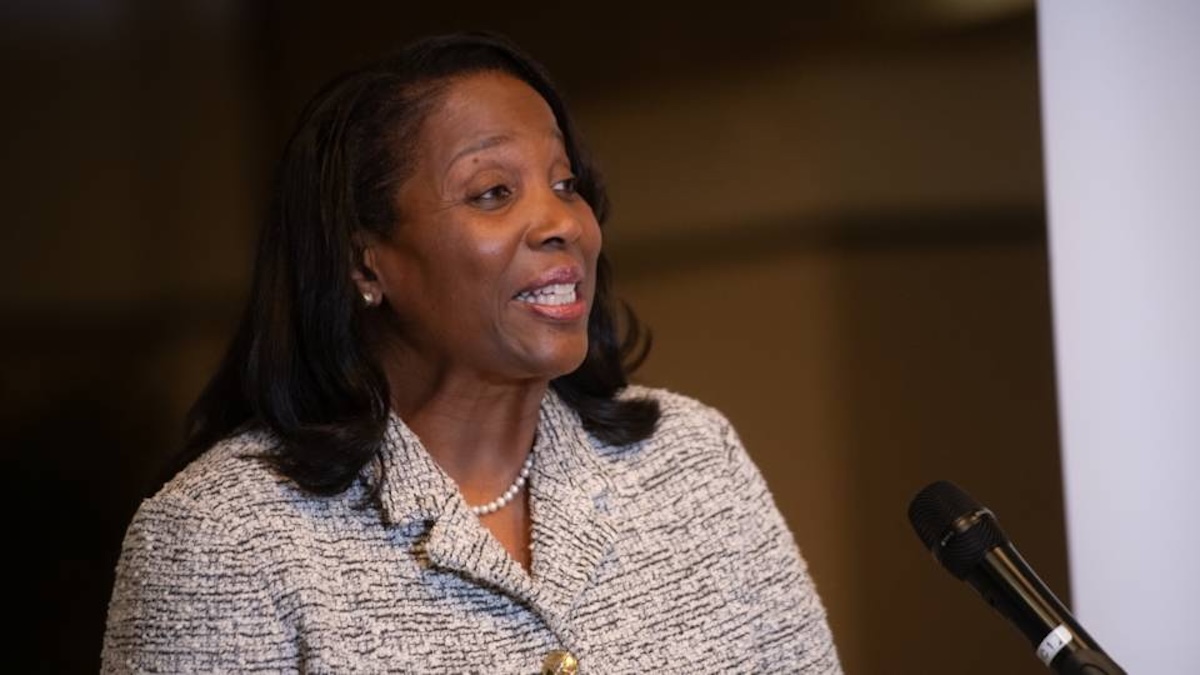
Trump move to oust Fed governor shakes US market credibility
The ongoing battle over Lisa Cook’s position on the Federal Reserve’s Board of Governors, amid President Donald Trump’s efforts to remove her, has ignited a critical discussion on the independence of central banks. This struggle underscores a broader power conflict between political leaders and public institutions tasked with managing monetary policy. Central banks, which regulate a nation’s currency and monetary flow, wield significant influence over economic growth, inflation, employment, and financial stability. Politicians often seek to control or manipulate these levers, especially during pivotal moments like elections or periods of declining popularity. However, such politically motivated interventions can jeopardize long-term economic health, leading to future economic challenges. Since the 1990s, data-driven and technocratic monetary policymaking has been regarded as the gold standard for national financial governance, effectively maintaining low and stable inflation. Despite this, central banks have faced mounting political pressure over the past decade. Trump’s administration exemplifies this trend, with the president openly criticizing Federal Reserve Chair Jerome Powell and demanding lower interest rates. Unable to remove Powell, Trump has shifted focus to Cook, alleging misconduct in a mortgage application—a claim Cook disputes, asserting the president lacks the authority to dismiss her. This confrontation highlights the fragile balance between political influence and central bank autonomy, a dynamic that has global implications for economic stability. While laws protect central banks from political interference, recent trends suggest a gradual erosion of this independence. As political economists note, the tug-of-war over monetary policy reflects the tension between short-term political gains and long-term economic well-being.
-
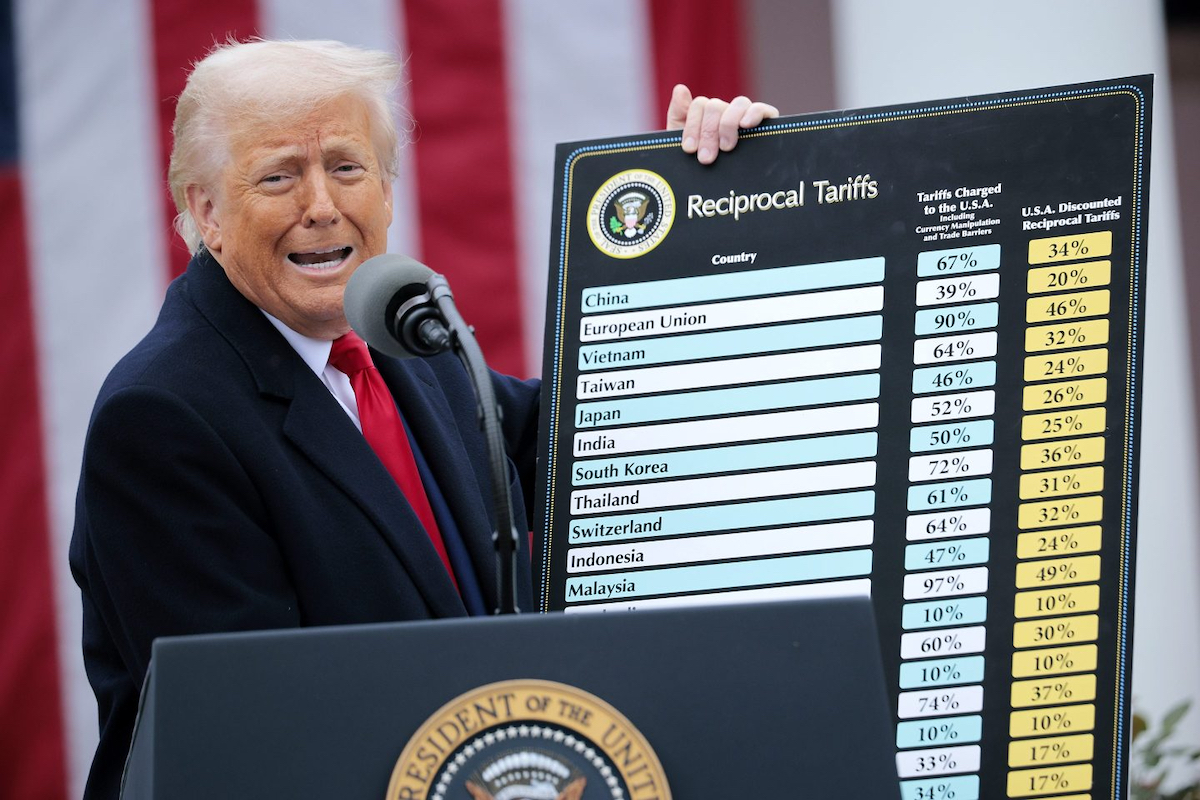
Trump Doctrine 2.0: a half-year economic autopsy
On January 20, 2025, Donald Trump reclaimed the presidency with a bold promise of an ‘economic revolution.’ Six months into his term, the global economy is grappling with the consequences of his radical policies, which have created a bifurcated economic landscape. Traditional markets are struggling under the weight of trade wars and uncertainty, while the digital economy is experiencing unprecedented growth. This report delves into the implementation and impact of Trump’s economic agenda, revealing a mixed record of successes, failures, and suspended projects. Key initiatives such as cryptocurrency deregulation and oil production expansion have seen significant victories, while efforts to curb inflation and end the Ukraine war have faltered. The US economy is now characterized by a dual-speed dynamic: the Main Street economy faces stagnation and rising costs, while the speculative digital economy booms. This dichotomy poses significant challenges for policymakers, with the Federal Reserve caught between combating inflation and preventing recession. The long-term implications of Trump’s policies include rising national debt, increased economic inequality, and a shift toward a multipolar global order. As the world adapts to an unpredictable America, the Trump doctrine’s legacy remains uncertain, with the potential for both transformative change and systemic crisis.
-
Trump slams door on Afghan asylum seekers fleeing Taliban
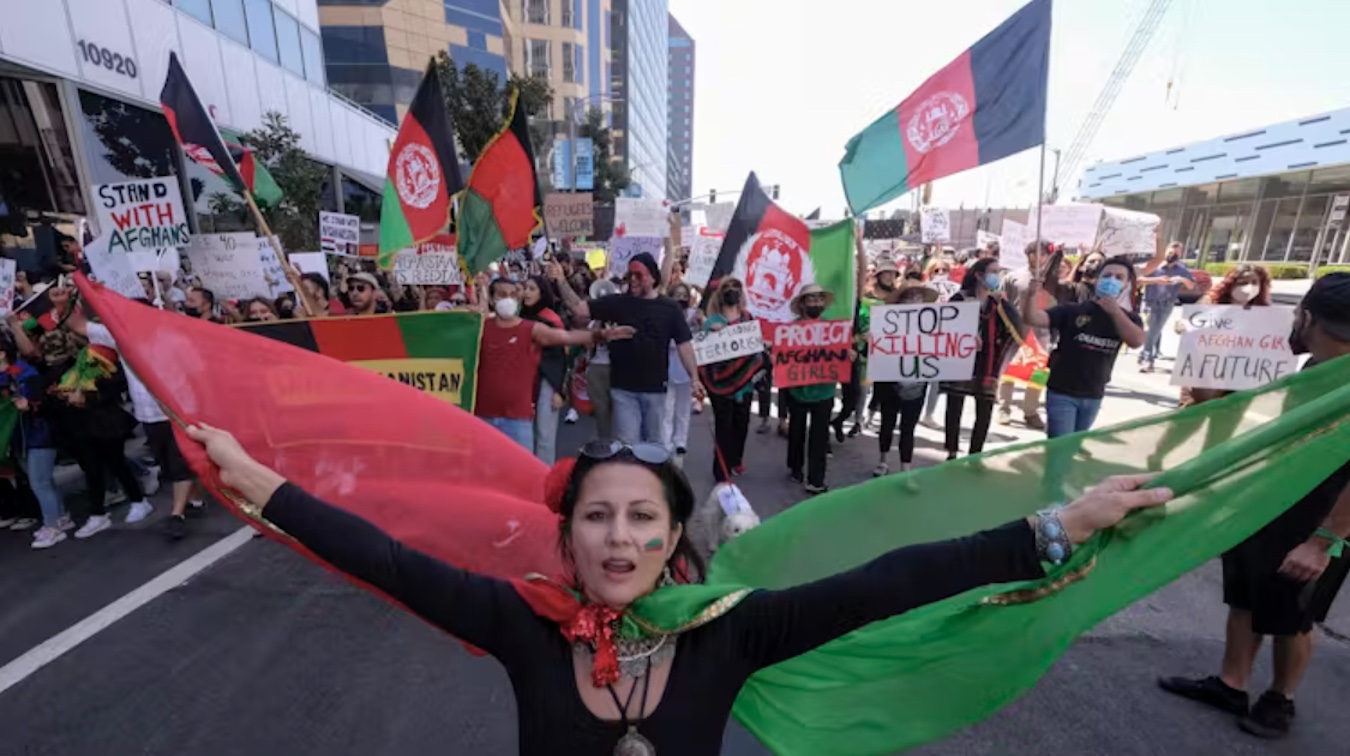
Thousands of Afghan nationals residing in the United States are grappling with an uncertain future following a federal appeals court ruling on July 21, 2025, which upheld the Trump administration’s decision to terminate the Temporary Protected Status (TPS) program for Afghans. This program, which provided work permits and protection from deportation, was initially granted in 2022 after the Taliban regained control of Afghanistan in late 2021. The Taliban’s oppressive regime, which enforces a strict interpretation of Islamic law, has banned women and girls from education and employment, creating a humanitarian crisis that justified the TPS designation. However, in May 2025, Homeland Security Secretary Kristi Noem announced the termination of TPS for Afghans, citing improved security and economic stability in Afghanistan. This decision affects approximately 8,000 Afghan TPS holders, many of whom fled due to fears of persecution by the Taliban, including former government employees, women’s rights advocates, and those who collaborated with the U.S. military. Experts argue that the termination is unlikely to result in voluntary repatriation, as the threat of persecution remains a significant concern. Instead, it may force thousands into unlawful residency, limiting their access to employment, healthcare, and financial stability. Many Afghans are expected to seek asylum, but the U.S. asylum system is already overwhelmed, with a backlog of 1.5 million applications and wait times of up to six years. This situation leaves Afghan TPS holders in a precarious position, with limited legal pathways to remain in the U.S. and support their families both in the U.S. and Afghanistan.
-

The last dance? Organizers of North America’s largest powwow say 2026 will be the event’s final year
For over four decades, Albuquerque, New Mexico, has been the epicenter of North America’s largest powwow, the Gathering of Nations. This vibrant cultural event has drawn tens of thousands of attendees annually, celebrating Indigenous dancers, musicians, and artisans from across the globe. However, in a surprising announcement made on Saturday, organizers revealed that the 2026 edition will mark the final chapter of this storied tradition. The decision, communicated via email and social media, cited no specific reasons but included a poignant statement: “There comes a time.” The official poster for the 2026 event bears the somber tagline, “The Last Dance.”
Since 2017, the New Mexico fairgrounds have served as the event’s venue, but its future availability remains uncertain due to potential redevelopment plans by the state. Additionally, the Gathering of Nations has faced criticism from some Native American communities, who accused organizers of commercializing Indigenous culture. Organizers have consistently refuted these claims, emphasizing that funds raised are reinvested into covering event expenses.
The powwow’s grand entry, a dazzling procession of dancers adorned in elaborate regalia, has been its hallmark. The event also includes the crowning of Miss Indian World and horse parades, where riders are judged on their craftsmanship and synergy with their steeds. Despite its grandeur, the commercialization of large powwows has sparked debates among Native American leaders, who advocate for smaller, community-focused gatherings to preserve traditional practices.
As the Gathering of Nations prepares for its final bow, it leaves behind a legacy of cultural celebration and a call for reflection on the balance between tradition and commercialization.
-
US foreign policy’s long been transactional – but not like Trump’s
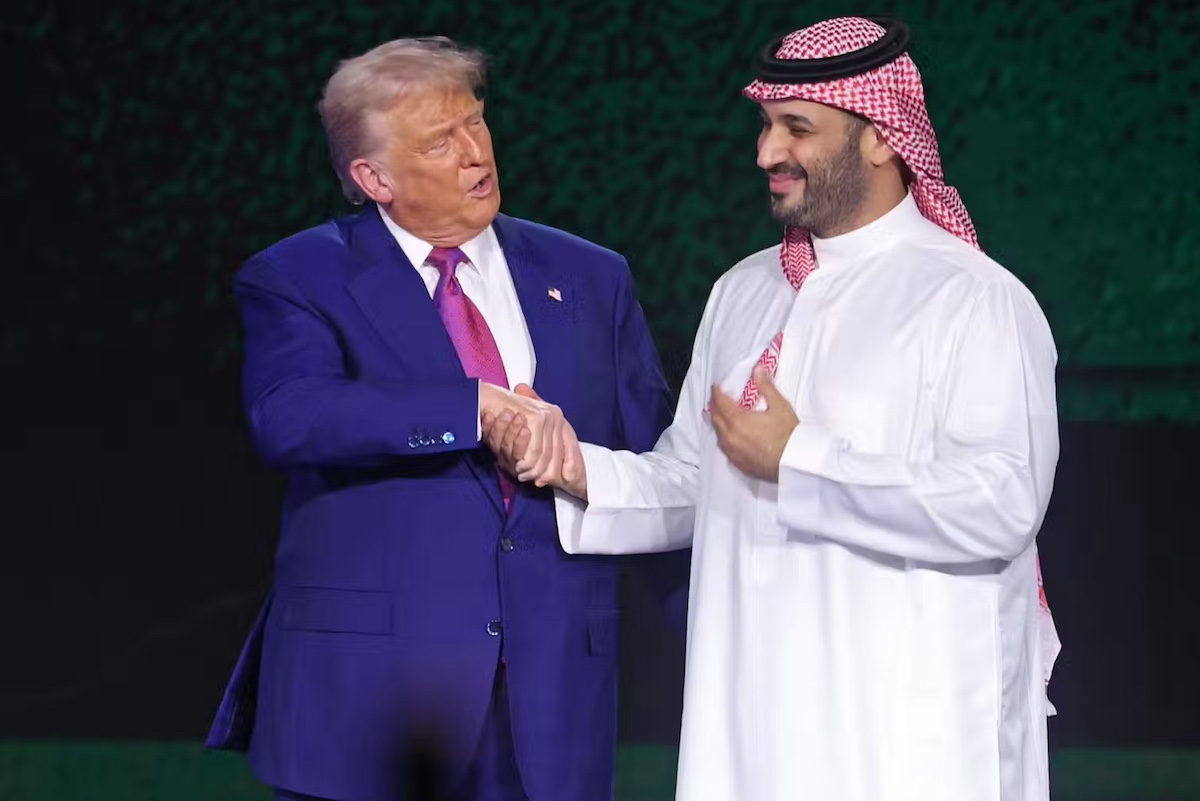
In a recent diplomatic event at the White House, former US President Donald Trump oversaw the signing of a peace agreement between Armenia and Azerbaijan, ending a nearly 40-year conflict. The deal grants the US exclusive rights to develop a transit corridor through southern Armenia, linking Azerbaijan to its exclave of Nakhchivan. This corridor, dubbed the ‘Trump Route for International Peace and Prosperity,’ exemplifies Trump’s transactional foreign policy, which prioritizes commercial opportunities over shared values and institutional frameworks. Trump’s approach marks a significant departure from traditional US foreign policy, as it operates outside institutional constraints and targets democratic allies, often exploiting American power for personal gain. Historically, US presidents have employed transactional strategies, such as Theodore Roosevelt’s interventions in Latin America and Harry Truman’s foreign aid policies during the Cold War. However, Trump’s methods resemble those of authoritarian leaders, with minimal congressional or judicial oversight, and policies shaped by personal whims rather than institutional consistency. This approach has strained relationships with democratic allies while fostering closer ties with authoritarian regimes. Trump’s foreign policy also prioritizes domestic political enemies over traditional adversaries, as seen in his gutting of institutions like USAID and the State Department. Furthermore, Trump has exploited foreign policy for personal gain, receiving gifts from foreign governments and securing lucrative deals for his family businesses. While Trump’s deals may yield short-term benefits, such as the Armenia-Azerbaijan peace agreement, his undemocratic approach undermines long-term global stability and institutional competence. This shift in American leadership raises concerns about the future of US foreign policy and its impact on international relations.
-
Fort Stewart army base shooting raises questions about military gun policies
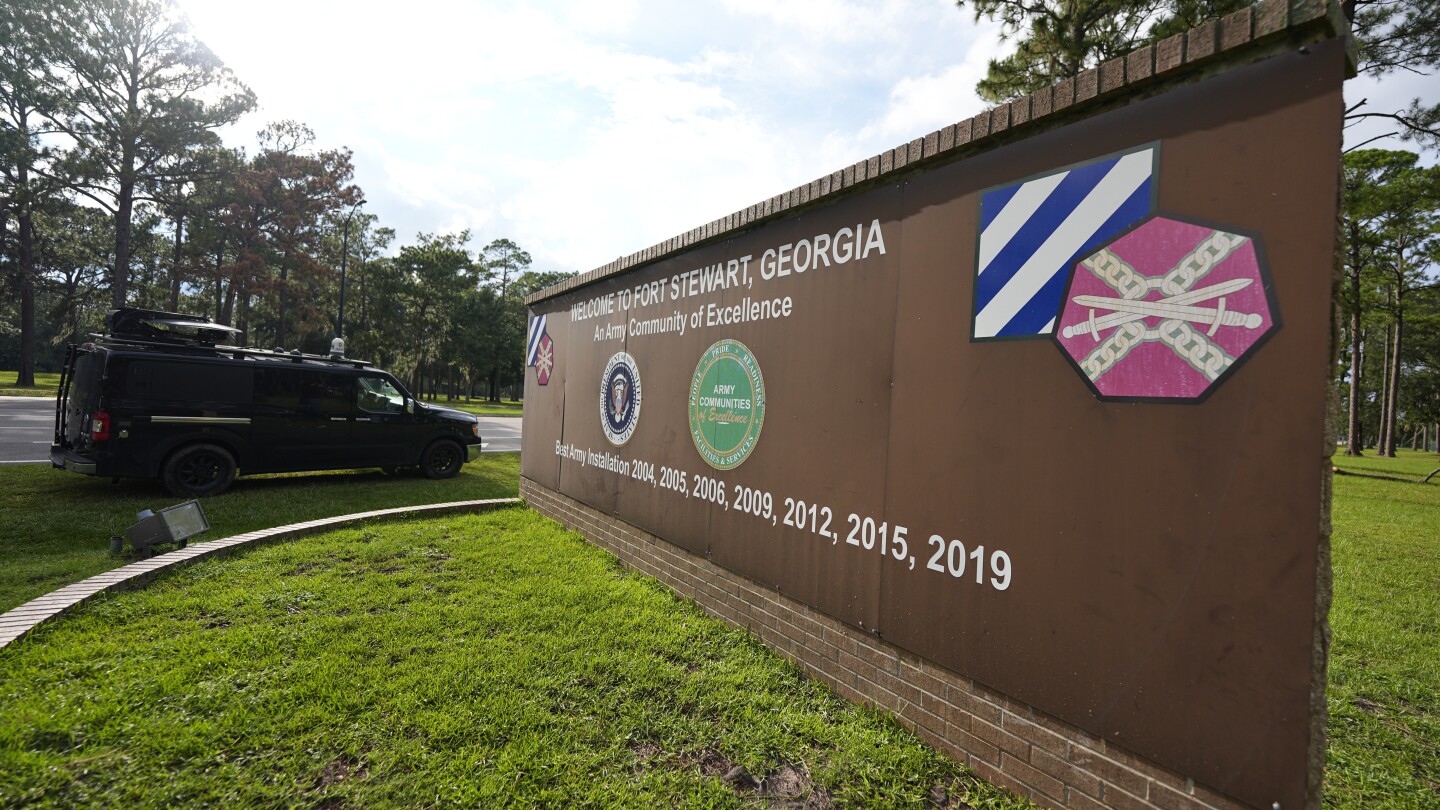
A recent shooting at Fort Stewart, one of the largest military bases in the United States, has reignited debates over longstanding policies that restrict service members from carrying personal weapons on military installations. The incident, which left five soldiers injured, occurred on Wednesday and was swiftly addressed by soldiers who subdued the shooter before law enforcement arrived. However, the absence of firearms among the responding soldiers has sparked widespread discussion. The shooter, identified as logistics Sgt. Quornelius Radford, used a personal weapon, highlighting the limitations of current regulations. Videos circulating on social media show service members running for safety during the lockdown, raising questions about the effectiveness of existing policies. This incident adds to a growing list of violent episodes at U.S. military bases, some of which have resulted in significant casualties. Experts argue that while the strict gun policies on military bases are designed to protect national security, they may not be sufficient to prevent such incidents. The Department of Defense’s regulations, which have been in place for decades, require military personnel to store their firearms securely and only use them in designated areas. These rules leave little room for local commanders to exercise discretion, even in states like Georgia, which has some of the most lenient gun laws in the country. Robert Capovilla, a military law expert, emphasized that the heightened security measures are necessary due to the sensitive nature of military installations. However, former military prosecutor Eric Carpenter noted that these regulations mirror broader debates on gun control and do not entirely prevent service members from bringing weapons onto bases. The incident underscores the complexities of balancing security with individual rights within the military context.
-
US stocks slip following the latest discouraging signal on the economy
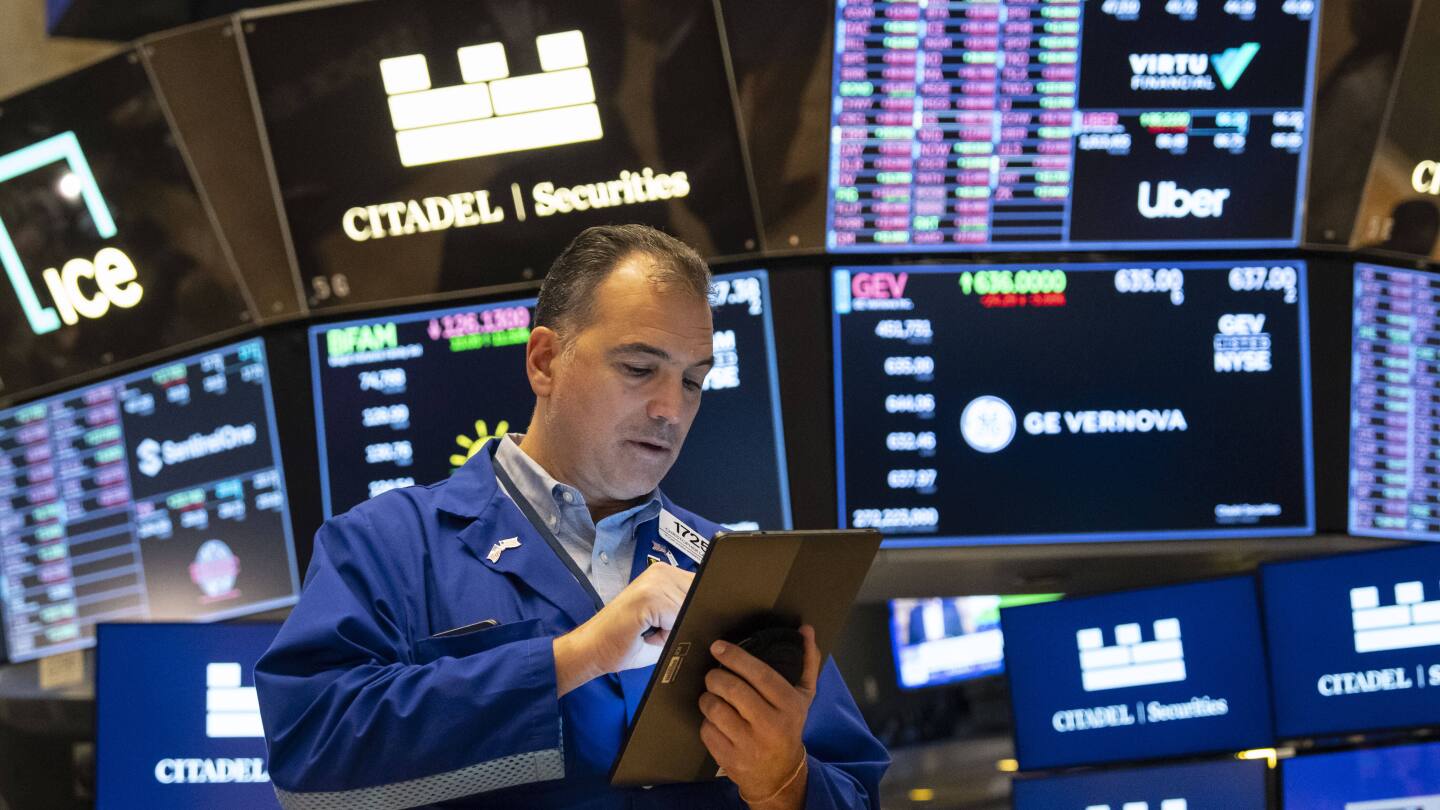
U.S. stock indices experienced a downturn on Tuesday, reflecting growing concerns over the health of the U.S. economy. The S&P 500 dropped by 0.5%, the Dow Jones Industrial Average fell by 61 points (0.1%), and the Nasdaq composite declined by 0.7%. This movement followed a volatile period where the S&P 500 swung from its worst day since May to its best day in the same month. A weaker-than-expected report on U.S. services sector activity, encompassing industries like transportation and retail, exacerbated worries that President Donald Trump’s tariffs might be negatively impacting the economy. However, optimism surrounding potential Federal Reserve interest rate cuts and stronger-than-anticipated corporate earnings helped mitigate the losses. The S&P 500 remains within 1.4% of its record high. Edgewell Personal Care, the parent company of Schick, Playtex, and Banana Boat, saw its shares plummet by 18.8% after reporting lower-than-expected quarterly profits and revenue. CEO Rod Little attributed the decline to a weak sun care season in North America and tariff-related profit pressures. Across industries, companies have been vocal about the adverse effects of tariffs on their earnings, with trade policy emerging as a dominant theme in the latest Institute for Supply Management survey. Despite these challenges, the artificial intelligence sector continues to thrive. Palantir Technologies surged 7.8% after exceeding profit expectations and raising its full-year revenue forecast. Similarly, Axon Enterprise, known for its Tasers and body cameras, leaped 16.4% due to robust AI-driven growth. On the downside, American Eagle Outfitters fell 9.5%, partially reversing its previous day’s gains, while Yum Brands dropped 5.1% after missing earnings expectations. The S&P 500 closed at 6,299.19, the Dow at 44,111.74, and the Nasdaq at 20,916.55. Market analysts are now closely watching corporate earnings and potential Federal Reserve rate cuts in September, which could provide a boost to both stock prices and the broader economy. Treasury yields also declined, with the 10-year yield dropping to 4.19%, reflecting investor caution. Internationally, stock markets in Europe and Asia mostly rose, while India’s Sensex dipped 0.4% amid U.S.-India trade tensions.