标签: North America

北美洲

  • Trump’s team escalates attack on Fed’s Powell with criminal indictment threat

    Trump’s team escalates attack on Fed’s Powell with criminal indictment threat

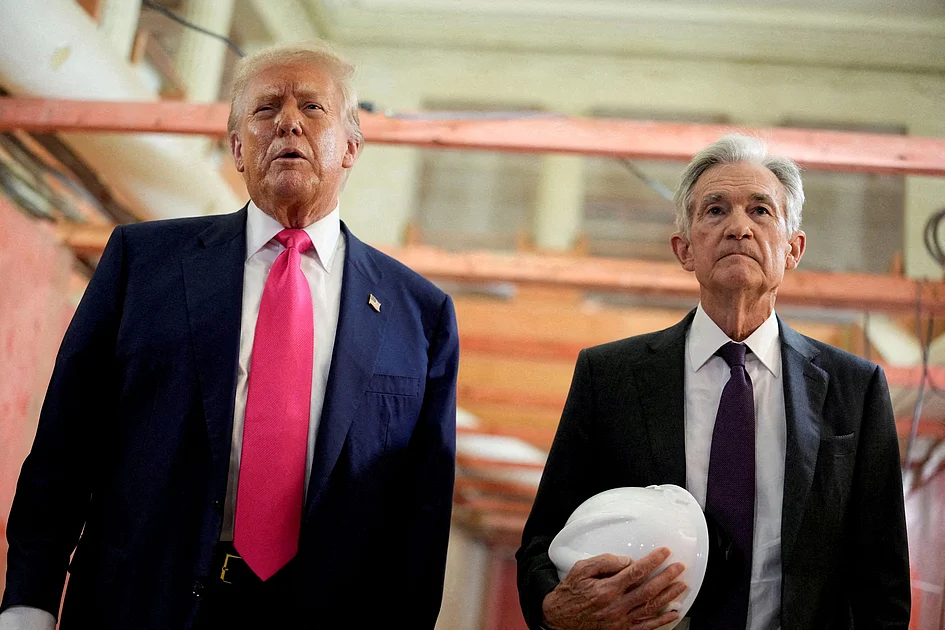
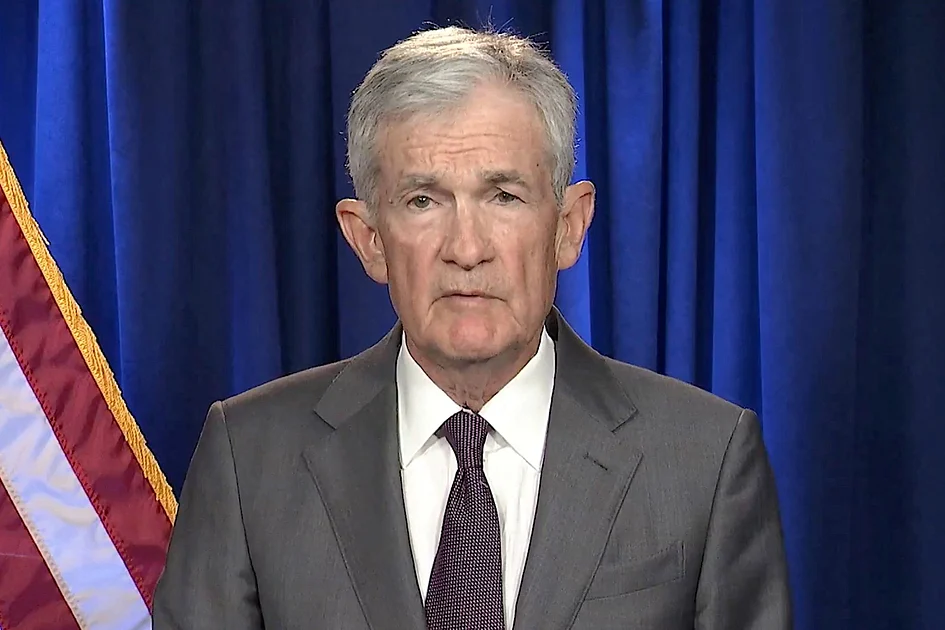
    In an extraordinary escalation of political pressure on the Federal Reserve, the Trump administration has threatened criminal indictment against Chair Jerome Powell over congressional testimony regarding a building renovation project—a move Powell characterized as a “pretext” for gaining influence over interest rate policy.

    The confrontation represents the most severe test of Federal Reserve independence in decades, triggering immediate reactions across Washington and global financial markets. Republican Senator Thom Tillis, a Banking Committee member, declared he would oppose all Trump Fed nominees “until this legal matter is fully resolved,” questioning the Justice Department’s “independence and credibility.”

    Financial markets responded with heightened volatility as investors assessed implications for monetary policy. Longer-term Treasury yields rose amid inflation concerns, gold surged to record highs, and the dollar weakened. Major U.S. stock indexes opened lower, with bank stocks particularly pressured by simultaneous Trump proposals to cap credit card interest rates.

    The subpoenas, served Friday by the Justice Department, relate to Powell’s June 2023 testimony about cost overruns in the $2.5 billion renovation of the Fed’s Washington headquarters. Powell maintains the investigation represents broader administration efforts to influence rate-setting decisions, stating: “The threat of criminal charges is a consequence of the Federal Reserve setting interest rates based on our best assessment of what will serve the public, rather than following the preferences of the President.”

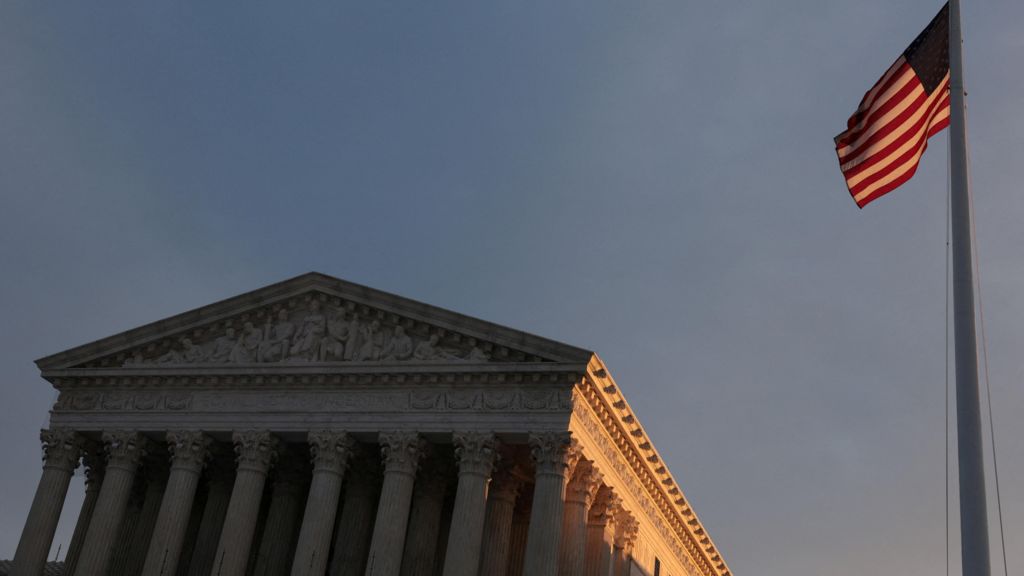
    This development occurs two weeks before the Supreme Court hears arguments regarding Trump’s attempt to remove Fed Governor Lisa Cook. Powell’s term as chair concludes in May, though he retains Board membership until 2028. Fed historians describe the situation as “a low point in the history of central banking in America,” highlighting the dangerous precedent of using criminal law against a sitting Fed chair.

    Trump denied knowledge of the Justice Department’s actions while criticizing Powell’s performance, telling NBC News: “I don’t know anything about it, but he’s certainly not very good at the Fed, and he’s not very good at building buildings.”

  • ‘Not harmless games’: Dubai parents alerted to risky student challenges

    ‘Not harmless games’: Dubai parents alerted to risky student challenges

    Dubai health and education authorities have launched a critical safety initiative targeting potentially lethal physical behaviors circulating among students. The Dubai Health Authority, in collaboration with the Knowledge and Human Development Authority, has distributed an urgent circular to schools and parents detailing the severe medical risks associated with choking games, breath-holding activities, and neck pressure challenges that have gained traction through social media trends.

    Medical experts emphasize these activities are far from harmless, noting that even brief oxygen restriction can cause irreversible brain damage, seizures, cardiac arrest, or death within seconds. The initiatives specifically address pre-teens and teenagers who may engage in such behaviors due to peer pressure, curiosity, or sensation-seeking tendencies without fully comprehending the life-threatening consequences.

    Authorities are hosting virtual parental awareness sessions to equip families with practical intervention tools. Parents are advised to monitor for physical warning signs including neck bruising, bloodshot eyes, and unexplained headaches, along with behavioral changes such as increased secrecy about online activity, discussion of ‘challenges,’ or wearing clothing that conceals the neck area.

    School leaders across Dubai have reinforced their commitment to child protection frameworks, emphasizing the importance of home-school partnerships. Claire Scowen, Vice President of Safeguarding and Child Protection, highlighted that ‘early identification depends on strong partnership and open communication between schools and parents.’

    Several institutions, including the American Academy for Girls, have implemented long-term teacher-student relationships that enable educators to detect subtle behavioral changes. The school employs Mental Health Student Ambassadors and digital wellbeing platforms to foster peer-to-peer education about responsible online behavior.

    Credence High School CEO-Principal Deepika Thapar Singh emphasized creating ‘psychologically safe spaces where students can report harmful trends without fear of stigma.’ The comprehensive approach combines parental vigilance, professional educator training, and student empowerment to address what authorities characterize as a preventable public health concern.

  • Carbon offsets and the greenwashing dilemma introduction

    Carbon offsets and the greenwashing dilemma introduction

    A groundbreaking study published in Scientific Reports has fundamentally altered our understanding of Earth’s carbon cycle, revealing that Africa’s tropical forests have transitioned from vital carbon sinks to net emission sources. Conducted by researchers from the UK’s National Centre for Earth Observation and leading universities, the comprehensive analysis demonstrates that between 2010 and 2017, these critical ecosystems released approximately 200 million tonnes more carbon dioxide annually than they absorbed.

    This alarming reversal stems from multiple interconnected factors including accelerated deforestation, widespread fires, mining operations, shifting agricultural practices, and soil degradation. The Congo Basin—previously considered a cornerstone of global climate stability—has experienced particularly severe biomass loss totaling nearly 106 billion kilograms per year.

    The findings deliver a devastating blow to carbon offset mechanisms widely promoted by energy corporations and environmental institutions. The fundamental premise that forest conservation can effectively balance continued fossil fuel emissions now appears scientifically untenable. This revelation exposes critical weaknesses in ‘net zero’ frameworks that rely heavily on offset purchases rather than substantive emission reductions.

    From an ethical perspective, the study intensifies concerns about environmental colonialism, whereby wealthy nations and corporations commodify developing regions’ ecosystems to justify their ongoing pollution. Many carbon offset agreements involve foreign entities controlling vast tracts of African land—sometimes exceeding 20% of a nation’s territory—while providing questionable benefits to local communities.

    The research emerges amidst ongoing international climate negotiations, particularly COP30’s emphasis on forest protection and carbon markets. This creates a stark contradiction between scientific reality and political policy, potentially reducing climate commitments to mere public relations exercises.

    Moving forward, genuine climate action requires transitioning from accounting maneuvers to tangible solutions: prioritizing fossil fuel reduction, accelerating renewable energy adoption, and protecting forests for their intrinsic ecological and cultural value rather than corporate balance sheets. This paradigm shift demands abandoning the illusion that environmental balance can be purchased through increasingly unreliable offset mechanisms.

  • Trump announces 25% tariff on countries doing business with Iran

    Trump announces 25% tariff on countries doing business with Iran

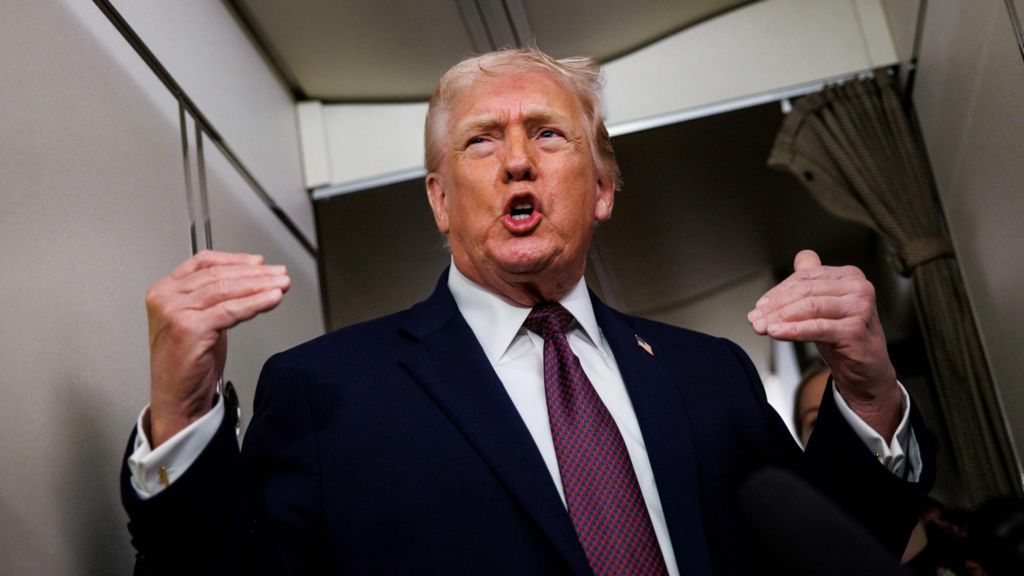
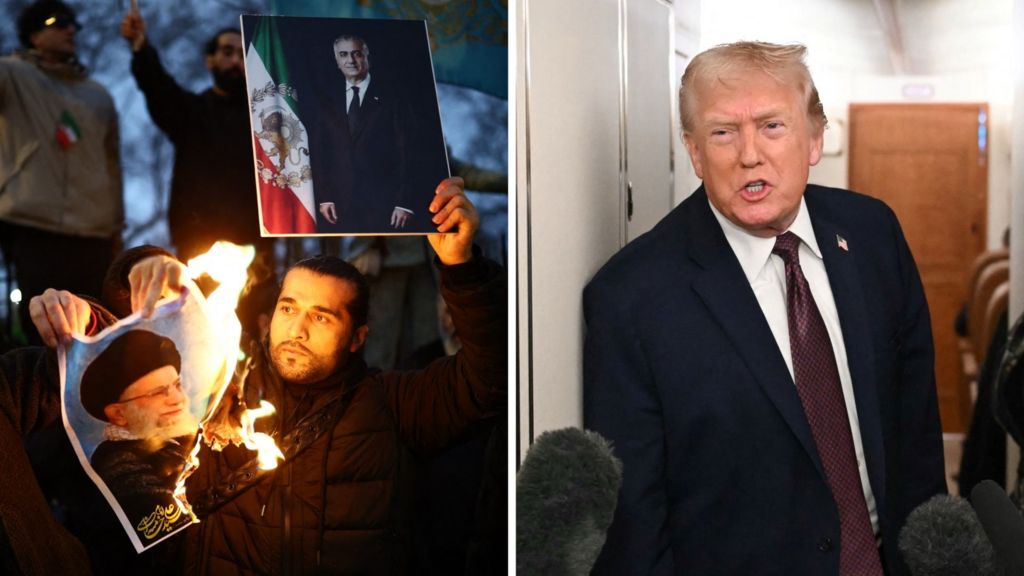
    Aboard Air Force One on January 11, 2026, President Donald Trump announced the immediate imposition of a comprehensive 25% tariff on all nations maintaining commercial relations with Iran. This decisive economic measure represents a significant escalation in U.S. pressure against Tehran as anti-government demonstrations continue into their third consecutive week.

    President Trump utilized his Truth Social platform to declare the tariff enforcement “effective immediately,” though the administration provided no specific criteria defining what constitutes “doing business” with Iran. The presidential order stated unequivocally that “Any Country doing business with the Islamic Republic of Iran will pay a Tariff of 25% on any and all business being done with the United States of America,” adding that “This Order is final and conclusive.

    The White House, through spokeswoman Karoline Leavitt, declined to elaborate on implementation details or identify which trading partners would be most severely affected. China, Iran’s largest trading partner, appears particularly vulnerable to these measures, followed by Iraq, the United Arab Emirates, Turkey, and India.

    This economic offensive follows Trump’s earlier warnings of potential military intervention should Iranian authorities respond with lethal force against protesters. Leavitt confirmed that military options, including targeted airstrikes, remain “on the table” as viable contingencies.

    The current wave of civil unrest began in late December, triggered by widespread anger over the catastrophic collapse of Iran’s national currency. The protests have evolved into a profound challenge to the legitimacy of Supreme Leader Ayatollah Ali Khamenei’s government.

    According to documentation from the U.S.-based Human Rights Activist News Agency (HRANA), the conflict has resulted in nearly 500 protester fatalities and 48 security personnel deaths, with thousands more detained. Independent sources suggest the actual casualty figures may substantially exceed these verified numbers.

    In a notable development, Trump revealed that Iranian officials had attempted to initiate negotiations, though he emphasized that the United States “may have to act before a meeting” given the urgency of the situation.

  • Watch: Dubai to get fire-resistant robots, faster drones to help tackle blazes

    Watch: Dubai to get fire-resistant robots, faster drones to help tackle blazes

    Dubai’s emergency response capabilities are undergoing a revolutionary transformation with the introduction of cutting-edge firefighting technology. The Dubai Civil Defence (DCD) unveiled its advanced arsenal at Intersec 2026, the premier global security and safety exhibition, showcasing significant upgrades to its robotic emergency response systems.

    The newly enhanced Shaheen 2 drone represents a quantum leap in aerial firefighting technology. Unlike its predecessor which carried 1,200 liters of firefighting agents, the new model features dramatically extended operational endurance. Through innovative integration with electric vehicle power systems, the drone’s flight time has been expanded from a mere 20 minutes to an impressive 10 hours of continuous operation. Each unit, valued at approximately $136,000 (500,000 dirhams), incorporates sophisticated safety mechanisms including an automatic parachute system that activates during operational errors or adverse weather conditions.

    Complementing the aerial fleet, DCD introduced the upgraded B2-W robot, engineered with exceptional fire-resistant properties and an integrated cooling system. The quadrupedal robotic unit can conduct preliminary assessments of burning structures before human firefighters enter, significantly enhancing crew safety. Its reinforced structure withstands high-pressure hose operations while specialized sensors provide critical environmental data.

    For post-incident analysis, smaller reconnaissance robots equipped with advanced cameras and sensors will perform detailed field surveys of fire-damaged areas. These units provide comprehensive situational awareness without exposing personnel to potential hazards.

    The technological showcase included a new all-terrain vehicle specifically designed for desert rescue operations. Colonel Sulaiman Al Balushi emphasized the vehicle’s importance during winter months when desert camping incidents frequently occur, requiring enhanced mobility across sandy and rocky terrain.

    According to Commander-in-Chief Rashid Al Matrooshi, these technological advancements reflect Dubai’s commitment to leveraging innovation for public safety, establishing new benchmarks in emergency response capabilities worldwide.

  • UAE: 70,000 eco-friendly balloons released into the sky at Winterland Al Ain

    UAE: 70,000 eco-friendly balloons released into the sky at Winterland Al Ain

    AL AIN – The night sky above Winterland Al Ain transformed into a breathtaking canvas of color as 70,000 biodegradable balloons ascended in a carefully orchestrated spectacle near Hazza bin Zayed Stadium. The event, designed to deliver joy while demonstrating environmental responsibility, attracted multitudes of families seeking unique entertainment experiences.

    Event organizers prioritized ecological considerations despite facing significant logistical challenges and compressed timelines. All balloons deployed were manufactured from specially formulated biodegradable materials that decompose without harming the environment, representing a growing trend toward sustainable event management in the region.

    Moayed, Administrative Director of the event, explained the vision behind the initiative: ‘Our objective was to create an extraordinary moment of collective happiness while maintaining our commitment to sustainable practices. This demonstration proves that spectacular entertainment and environmental stewardship can coexist harmoniously.’

    The balloon launch served as both a visual celebration and a symbolic statement about Winterland Al Ain’s evolving identity. ‘We consistently embrace challenges as opportunities for growth,’ Moayed added. ‘Each event represents another step in our continuous improvement journey, always striving to deliver enhanced experiences for our visitors.’

    Attendees expressed overwhelming enthusiasm for the eco-conscious spectacle. Rashid Al Mansoori described the scene as ‘visually stunning and emotionally uplifting,’ noting that the event generated equal excitement among children and adults.

    Abdullah Al Mazmi commended the organizational precision and environmental awareness: ‘The deliberate selection of biodegradable materials reflects maturing sustainability consciousness within large-scale event planning. This sets a commendable precedent for future public gatherings.’

    Afraa Al Rashidi highlighted the family-friendly atmosphere: ‘This created magical memories for our children within a secure and joyful environment. We enthusiastically support more events that combine entertainment value with environmental responsibility.’

    The successful execution demonstrates increasing regional commitment to integrating sustainable practices into public entertainment while maintaining spectacular visual impact and emotional resonance.

  • Minnesota sues Trump administration to block surge of ICE agents

    Minnesota sues Trump administration to block surge of ICE agents

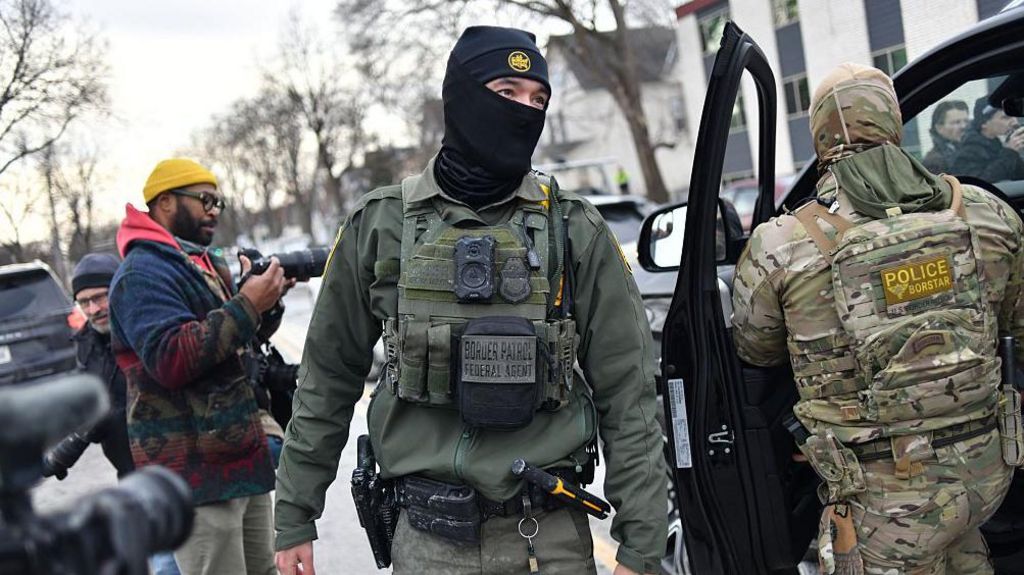
    The State of Minnesota has initiated a landmark legal confrontation against the Trump administration, filing a federal lawsuit to halt what state officials describe as an unconstitutional deployment of immigration enforcement personnel. State Attorney General Keith Ellison leads the charge, characterizing the federal operation as an invasive overreach that has instigated widespread chaos and violence across communities.

    The legal action follows the fatal shooting of Renee Good by a federal immigration agent last week, an incident that sparked substantial public outcry and protests. The lawsuit formally requests a federal judicial ruling to declare the agent deployment illegal, asserting it violates constitutional protections against federal overreach.

    In defense of its position, the Trump administration maintains that the enhanced presence of Immigration and Customs Enforcement (ICE) agents is essential for targeting undocumented migrants and ensuring public safety. This legal clash represents a significant escalation in tensions between state and federal authorities over immigration enforcement strategies, with potential implications for federal-state relations nationwide.

    The case highlights deepening divisions between state governments and federal immigration policy, setting the stage for a consequential judicial determination on the limits of federal enforcement authority within state jurisdictions.

  • Watch: How could Trump respond to Iran crackdown?

    Watch: How could Trump respond to Iran crackdown?

    The Trump administration has signaled potential military engagement as part of its strategic calculus toward Iran, with senior officials confirming that “very strong options” remain under active consideration. This development follows heightened tensions between Washington and Tehran, with the White House evaluating multiple intervention scenarios ranging from economic sanctions to targeted strikes.

    National security advisors have presented the President with a comprehensive response framework that includes cyber warfare capabilities, covert operations, and traditional diplomatic channels alongside military alternatives. The administration’s hardening stance reflects growing concerns about Iran’s regional activities and internal crackdowns, though specific triggers for military action remain undefined.

    Defense Department officials emphasize that any deployment of force would require congressional consultation, though executive authority for limited actions exists under existing authorization frameworks. Regional allies have been briefed on potential contingency plans, with several Gulf states expressing private support for stronger US engagement despite public calls for de-escalation.

    The administration’s rhetoric mirrors earlier confrontations with North Korea, combining public threats with backchannel negotiations. However, intelligence assessments suggest Iran’s military capabilities exceed Pyongyang’s, creating complex escalation risks that advisors have highlighted in recent security briefings.

  • Trump-Powell tussle: Will the GCC states be affected?

    Trump-Powell tussle: Will the GCC states be affected?

    A deepening institutional crisis at the US Federal Reserve is sending shockwaves through global financial markets, with Gulf Cooperation Council (GCC) economies positioned for direct impact due to their dollar-pegged currencies. The unprecedented criminal investigation launched against Fed Chair Jerome Powell by the District of Columbia US attorney’s office—reportedly over central bank headquarters renovations—has escalated tensions between the White House and monetary authorities to dangerous levels.

    Market indicators immediately reflected investor anxiety, with S&P 500 and Nasdaq futures dropping over 0.6% pre-market opening. The VIX volatility index, known as Wall Street’s ‘fear gauge,’ recorded its sharpest rise since November 2025, while gold prices surged to $4,600 per ounce as investors sought traditional safe-haven assets.

    According to Edward Bell, Acting Chief Economist at Emirates NBD, ‘The Fed’s independence, once considered sacrosanct, now faces existential challenges. We anticipate effectively operating under two distinct Federal Reserve systems in 2026—the current Powell-led framework and a post-May structure under new leadership.’

    Financial experts interpret the investigation as retaliatory action against Powell’s perceived reluctance to accelerate interest rate reductions. With Powell’s term concluding in May 2026 and President Trump expected to announce his successor imminently, concerns mount that political interference could permanently damage the Fed’s credibility and operational autonomy.

    Vijay Valecha, Chief Investment Officer at Century Financial, warned: ‘Prolonged uncertainty may trigger heightened market volatility, increased equity risk premiums, and further depreciation of the US dollar. We anticipate accelerated capital flows into protective instruments including precious metals and Treasury securities.’

    For GCC nations maintaining dollar pegs, monetary policy remains inextricably linked to Federal Reserve decisions. Regional central banks historically mirror US rate adjustments, with another 75 basis points in cuts anticipated for 2026. While lower borrowing costs could stimulate GCC real estate development and dividend-yield investments, banking sector net interest margins may face compression.

    Bell noted that regional economies demonstrate resilience: ‘UAE and Saudi economic indicators performed strongly throughout 2025 despite elevated rates. Further reductions will provide welcome stimulus but unlikely to dramatically accelerate growth trajectories.’

    The dollar peg creates complex dynamics for Gulf states. Weaker regional currencies increase import costs but enhance competitiveness for non-oil exports, particularly service sectors. Notably, substantial import volumes from markets like India and Turkey—whose currencies depreciated against the dollar in 2025—have partially offset broader inflationary pressures.

    Investment strategists recommend GCC investors implement robust risk management protocols, including portfolio diversification and maintaining liquidity buffers. While short-term market corrections may occur, the region’s strong fundamentals, political stability, and business-friendly environments provide substantial long-term support for capital markets.

  • Trump warns of ‘mess’ ahead of legal ruling on tariffs

    Trump warns of ‘mess’ ahead of legal ruling on tariffs

    With an imminent Supreme Court decision threatening to unravel his signature trade policy, President Donald Trump has publicly expressed apprehension about potential legal and financial repercussions. The President took to his Truth Social platform on Monday, characterizing a potential adverse ruling as catastrophic for national security and economic stability.

    The legal challenge, spearheaded by coalitions of small businesses and multiple U.S. states, contests the constitutional validity of tariffs first implemented by the Trump administration last April. Plaintiffs argue the President exceeded his executive authority by imposing sweeping import taxes under the International Emergency Economic Powers Act (IEEPA)—a 1977 statute that notably omits any explicit mention of tariff implementation.

    Financial stakes are substantial: IEEPA-mandated tariffs have generated approximately $130 billion in revenue, constituting more than half of all tariff collections. A ruling against the administration could compel the federal government to refund billions to affected businesses, a prospect Trump described as ‘almost impossible for our Country to pay.’

    The judicial landscape appears ominous for the administration. Prior to reaching the Supreme Court, two lower courts already ruled against the presidential authority to impose such global tariffs. During November hearings, even several conservative justices—including Trump-appointed Justice Amy Coney Barrett—expressed skepticism toward the White House’s legal justification. Barrett notably concurred with Trump’s assessment that refund processing would create a ‘complete mess,’ terminology the President subsequently adopted.

    The administration maintains that tariffs are essential for revitalizing American manufacturing and addressing trade imbalances. White House officials have indicated they will pursue alternative legislative avenues should the court rule unfavorably, including existing provisions permitting temporary 15% tariffs for 150-day periods.

    Business communities domestically and internationally await the decision with acute interest. Many enterprises, having absorbed substantial financial impacts from the trade policies, anticipate potential compensation through refunds—though some acknowledge monetary reimbursement cannot offset broader market disruptions caused by the prolonged trade conflict.