
A devastating shooting incident in Pennsylvania has resulted in the deaths of three police officers and left two others critically injured. The tragedy unfolded as officers were conducting a follow-up investigation related to a domestic dispute. According to Pennsylvania State Police Commissioner Colonel Christopher Paris, the gunman was fatally shot by responding officers. The incident occurred around 14:00 local time (18:00 GMT) in a rural area of York County, approximately 100 miles west of Philadelphia. Images from the scene depicted injured personnel being airlifted via medical helicopter, highlighting the severity of the situation. The nearby Spring Grove School District, located in a small town of about 2,500 residents, initiated a brief shelter-in-place protocol, though officials later confirmed that the school was unaffected. Authorities have assured the public that there is no ongoing threat. Pennsylvania Governor Josh Shapiro visited the area to meet with the families of the fallen officers and expressed profound grief over the loss. ‘We mourn the lives of three dedicated individuals who served their community, state, and country,’ Shapiro stated. ‘Such violence is unacceptable, and we must strive for societal improvement.’ In a gesture of respect, Shapiro ordered all state flags to be flown at half-mast. FBI Director Kash Patel confirmed that federal agents are assisting local and state authorities, offering support to the York County community. This incident underscores the persistent issue of gun violence in the United States, particularly affecting law enforcement personnel.
标签: North America
北美洲
-

Could the US interest rate cut boost the housing market?
The US housing market continues to grapple with affordability issues, even as mortgage rates have recently seen a modest decline. Aileen Barrameda, a prospective homebuyer in Los Angeles, remains undeterred by stubbornly high mortgage rates, which are double what she secured at the start of the COVID-19 pandemic. ‘If I have the means to get in the market, I might as well do it now because homes are just going to get more expensive,’ she said. Housing costs remain a critical concern for Americans and a focal point in political discourse. President Donald Trump had previously expressed hope that Federal Reserve interest rate cuts would ease mortgage burdens. Last week, the average rate on a 30-year mortgage, the most popular home loan in the US, fell to 6.35%, marking the largest weekly decline in the past year and the lowest level in 11 months, according to Freddie Mac. However, despite the Federal Reserve’s recent rate cut, borrowing costs are unlikely to decrease significantly further. The Fed’s decisions indirectly influence mortgage rates by affecting interbank lending rates, which in turn impact consumer loan and savings rates. Banks had already anticipated the Fed’s move, leading to preemptive mortgage rate cuts, leaving little room for further reductions. Fed Chair Jerome Powell acknowledged that significant rate changes would be necessary to substantially impact the housing sector, though lower rates could boost demand and support builders. Rising inflation risks could also push mortgage rates higher if banks expect the Fed to halt further rate cuts. Nicole Stewart, a Redfin real estate agent in Boise, Idaho, noted that the recent rate decline has spurred some buyer activity, but the market remains unaffordable for many. Many homeowners locked in historically low rates during the pandemic, around 3%, and are reluctant to sell, reducing housing supply and driving up prices. Julia Fonseca, an associate finance professor at the University of Illinois Urbana-Champaign, highlighted that roughly 80% of mortgage borrowers have rates below the current average, limiting the impact of recent declines. Kristin Carlson, a first-time buyer in Boise, has been monitoring the market for four years and sees the recent rate dip as a step closer to purchasing. However, she remains cautious, balancing borrowing costs with other factors like seasonality and finding the right home. Matt Vernon, head of consumer lending at Bank of America, described the market as cautiously optimistic but still strained. ‘The dip in rates has certainly got buyers’ attention, but it hasn’t necessarily changed their perception of the challenges,’ he said.
-
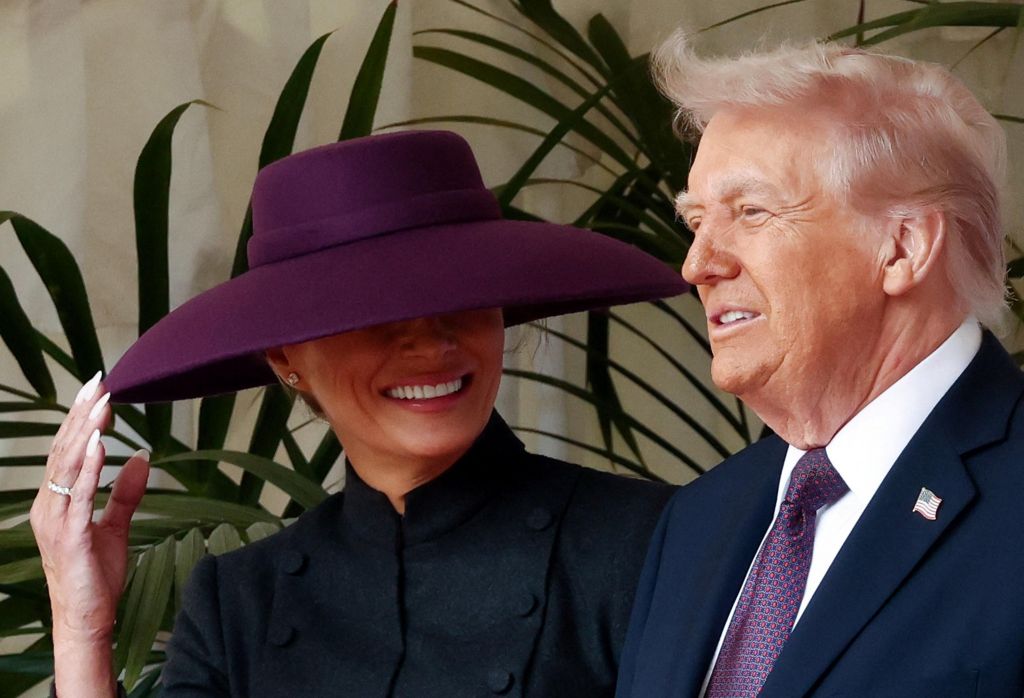
Melania’s hat, a yellow dress and Kate’s golden gown – standout state visit looks
The recent state visit of US President Donald Trump and First Lady Melania Trump to the UK was as much a showcase of fashion diplomacy as it was of political engagement. From striking gowns to historic tiaras, the event highlighted the power of sartorial choices in international relations. Melania Trump, known for her impeccable style, made bold statements throughout the visit. At the formal state banquet, she donned a strapless yellow Carolina Herrera gown with a baby pink belt, a daring yet elegant choice that turned heads. Her wide-brimmed purple hat, which obscured her face upon arrival at Windsor Castle, was seen as a symbolic gesture to keep the focus on her husband’s agenda. The Princess of Wales, Catherine, also made a stunning appearance in a gold couture gown by British designer Phillipa Lepley, paired with the iconic Lover’s Knot Tiara. Queen Camilla and King Charles III complemented each other in royal blue attire, emphasizing unity and tradition. The event underscored how fashion serves as a tool for diplomacy, with each outfit carefully chosen to convey messages of support, respect, and national pride.
-
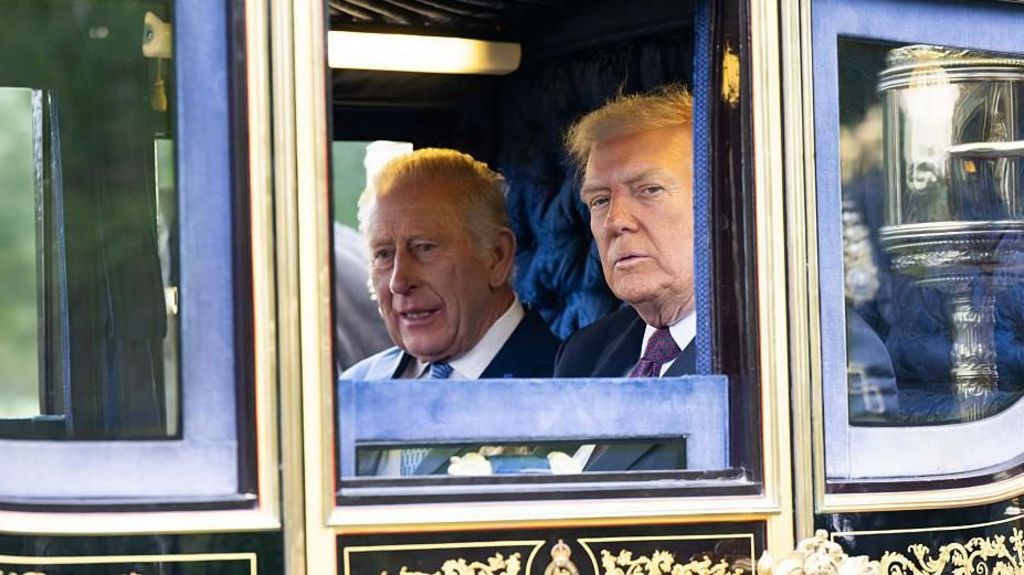
Donald Trump’s second UK state visit: Here’s what we know
US President Donald Trump embarked on an unprecedented second state visit to the UK, hosted by King Charles III and Queen Camilla at Windsor Castle. The visit, which began on Tuesday and concluded on Thursday night, was marked by grand ceremonies, royal engagements, and significant political discussions. Trump and First Lady Melania Trump were greeted with royal salutes, carriage processions, and a state banquet attended by prominent figures such as media mogul Rupert Murdoch and Apple CEO Tim Cook. The visit also included a private lunch with the Royal Family and a wreath-laying ceremony at St George’s Chapel in honor of the late Queen Elizabeth II. Despite the pageantry, the visit was not without controversy. Anti-Trump protests erupted in Windsor and London, with demonstrators accusing the president of climate denial and human rights violations. The protests included the reappearance of the infamous Trump baby blimp and the projection of images linking Trump to the late financier Jeffrey Epstein. Prime Minister Sir Keir Starmer, who extended the invitation for the state visit, met with Trump at Chequers to discuss UK-US trade relations. The visit highlighted the complexities of international diplomacy, blending tradition with modern political tensions.
-
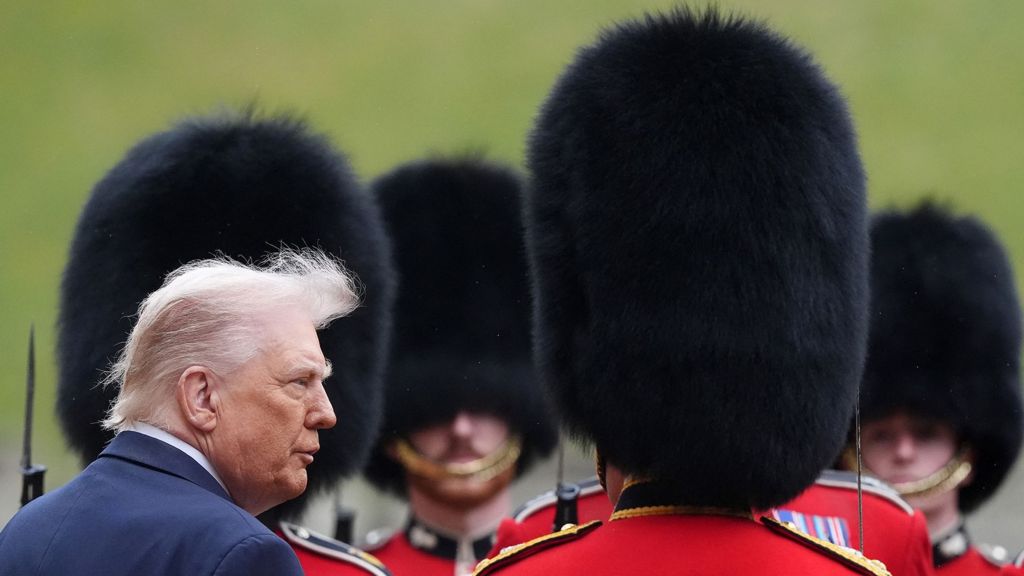
In pictures: Trump and Melania meet royals at Windsor
President Donald Trump embarked on his second state visit to the United Kingdom, where he was warmly received by King Charles III, Queen Camilla, and other senior members of the British royal family at Windsor Castle. The visit, marked by traditional British pageantry, began with a ceremonial greeting and an inspection of the guard of honour. Accompanied by First Lady Melania Trump, the President arrived at the castle via Marine One, the presidential helicopter, and was met by the Prince and Princess of Wales. The Trumps were then escorted to the Green Drawing Room, where a special exhibition celebrating the historic ties between the UK and the US was on display. Among the artifacts was John Smith’s ‘Generall Historie of Virginia, New England and the Summer Isles,’ published in 1624. The day continued with a visit to St. George’s Chapel, where the couple laid a wreath at the tomb of Queen Elizabeth II and toured the chapel, including Henry VIII’s vault. The evening concluded with a grand state banquet attended by prominent figures, including Apple CEO Tim Cook, Nvidia CEO Jensen Huang, and media mogul Rupert Murdoch. King Charles delivered a speech honouring President Trump, who expressed his gratitude for the hospitality. However, the visit was not without controversy, as large-scale protests erupted in central London, with demonstrators gathering near BBC headquarters and Parliament Square under the banner ‘Trump Not Welcome.’ Despite the mixed reception, the visit underscored the enduring diplomatic relationship between the two nations.
-
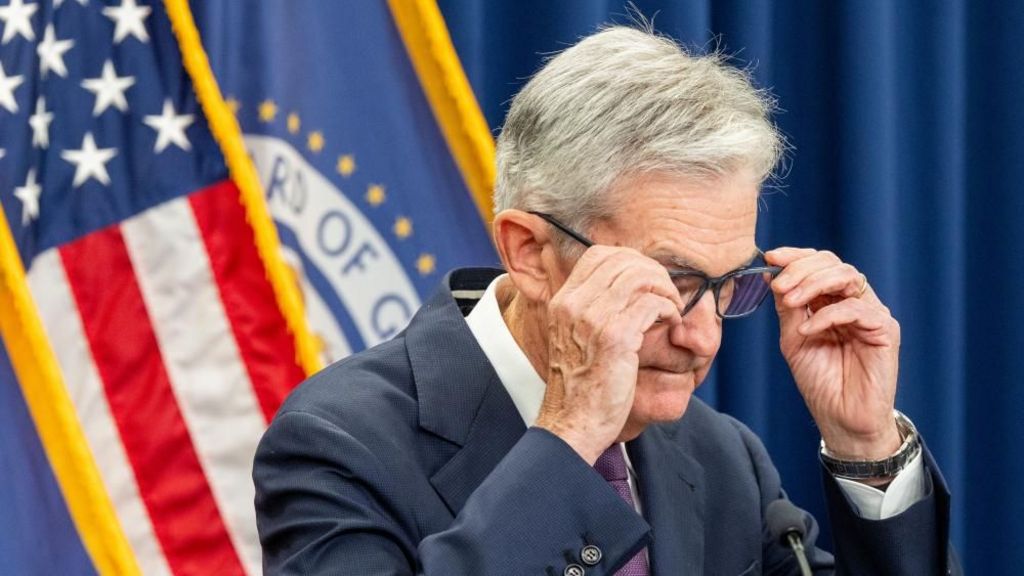
Fed Reserve cuts interest rates but cautions over stalling job market
In a significant move reflecting growing concerns over the U.S. economy, the Federal Reserve announced a 0.25 percentage point reduction in its key lending rate on Wednesday, bringing the target range to 4%-4.25%. This marks the first rate cut since December 2022 and signals the potential for further reductions in the coming months. The decision, supported by 11 of the 12 voting members of the Federal Open Market Committee, underscores the central bank’s response to a weakening labor market and broader economic risks. Federal Reserve Chair Jerome Powell emphasized that while unemployment remains low at 4.3%, downside risks in the job market have become increasingly apparent. The move contrasts with the Fed’s July assessment, which described the labor market as ‘solid.’ Stephen Miran, a temporary member with ties to the White House, notably advocated for a more aggressive 0.5 percentage point cut. The decision comes amid persistent political pressure from President Donald Trump, who has repeatedly criticized the Fed for its reluctance to lower rates. Trump has accused Powell of stifling economic growth and even threatened to remove him from his position. Despite the political backdrop, analysts argue that the Fed’s decision was driven by economic fundamentals rather than presidential influence. Inflation, which surged post-pandemic, has moderated significantly, while job growth has stalled, with the U.S. reporting minimal gains in August and July and a net loss in June—the first since 2020. Economists predict further rate cuts, with Wells Fargo forecasting a 0.75 percentage point reduction by year-end. However, the Fed remains divided on future policy, with seven members opposing additional cuts and one advocating for rates below 3%. Powell acknowledged the complexity of the current economic landscape, stating, ‘There are no risk-free paths right now.’ The Fed’s independence has also come under scrutiny, as Trump’s administration has sought to influence its decisions through personnel changes and legal battles. Critics warn that such actions threaten the central bank’s autonomy, a cornerstone of its credibility. Despite the political drama, the Fed’s latest move is seen as a necessary step to address economic headwinds and support borrowing costs across the nation.
-
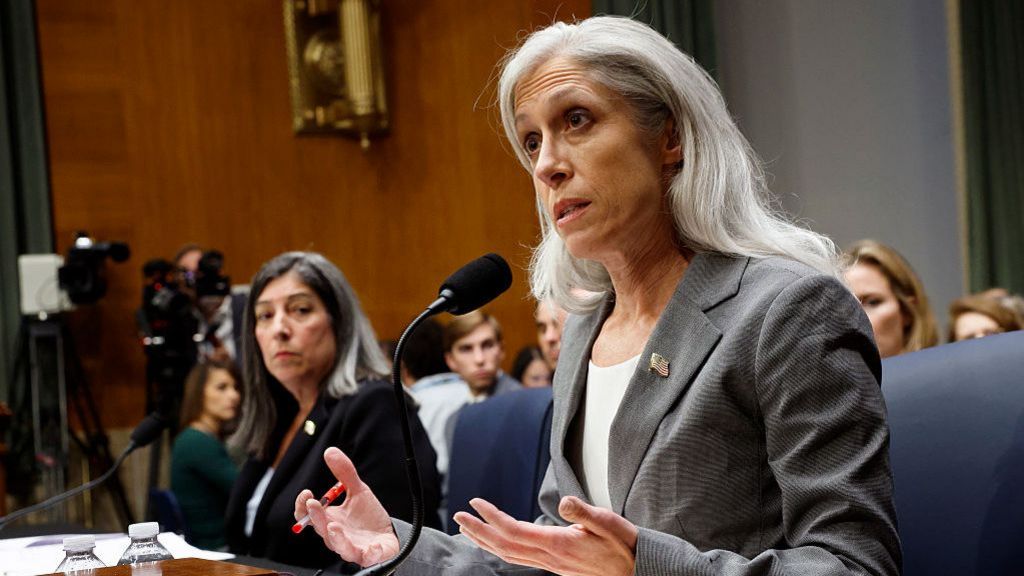
Former CDC head says she was fired for refusing Kennedy’s vaccine changes
Dr. Susan Monarez, the recently ousted head of the US Centers for Disease Control and Prevention (CDC), has revealed that her dismissal stemmed from her refusal to endorse vaccine policy changes unsupported by scientific evidence. In a Senate committee hearing on Wednesday, Monarez disclosed that Health Secretary Robert F. Kennedy Jr. demanded she approve all recommendations from the Advisory Committee on Immunization Practices (ACIP) and terminate key vaccine policy officials without cause. When she declined, Kennedy allegedly threatened her removal, citing frequent communication with President Donald Trump on vaccine policy revisions. Monarez, who served less than a month as CDC director, also accused Kennedy of disparaging CDC staff as ‘horrible people’ and labeling the agency as ‘corrupt.’ Her firing followed a high-profile incident where a man shot 180 rounds at CDC headquarters, killing a police officer in protest of COVID-19 vaccines. Monarez’s departure triggered a wave of resignations, including that of Chief Medical Officer Dr. Debra Houry, who testified that CDC leaders were reduced to ‘rubber stamps’ under Kennedy’s leadership. Kennedy, a prominent vaccine skeptic, defended his actions, claiming Monarez was untrustworthy. The controversy has intensified the national debate over vaccine policies, with several states adopting independent immunization standards and Florida moving to eliminate vaccine mandates. Republicans on the committee largely supported Kennedy’s decision, accusing Monarez and Houry of resisting changes and obstructing the Trump administration’s agenda. Both former officials denied these allegations, portraying Kennedy as prioritizing politics over science.
-
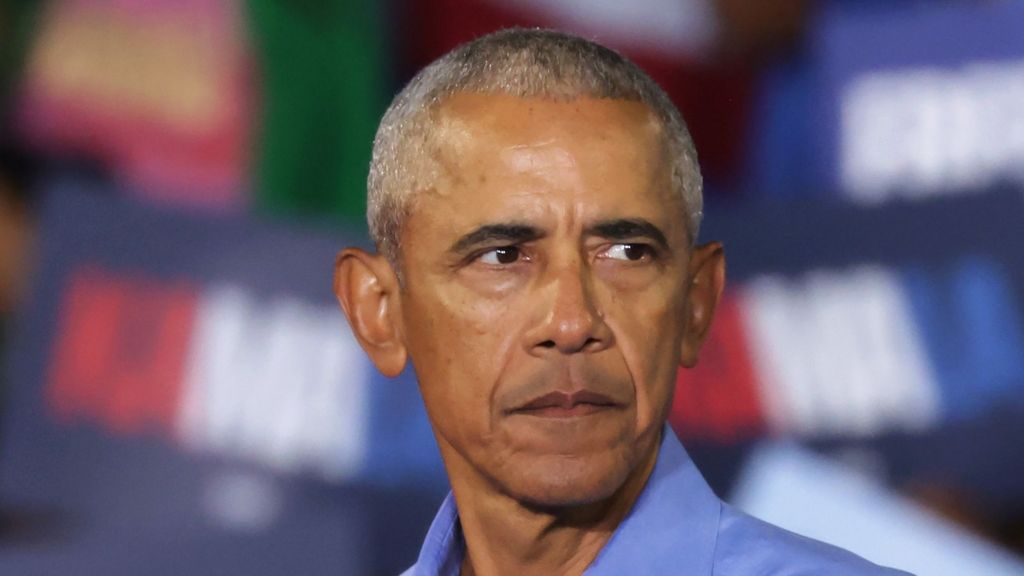
Obama says US faces ‘political crisis’ after killing of Charlie Kirk
Former U.S. President Barack Obama has issued a stark warning about an impending “political crisis of the sort that we haven’t seen before” following the tragic killing of conservative activist Charlie Kirk. Speaking at an event in Pennsylvania on Tuesday, Obama expressed his horror at the incident, despite his disagreements with Kirk’s views. He criticized former President Donald Trump and his allies for their divisive rhetoric, contrasting it with the unifying approaches of past Republican leaders. Obama emphasized the importance of national unity and respecting differing opinions during times of heightened tension. The White House swiftly responded, labeling Obama as the “architect of modern political division.”
Charlie Kirk, 31, was fatally shot while speaking at Utah Valley University on September 10. Tyler Robinson, 22, has been formally charged with Kirk’s murder and other offenses, with prosecutors seeking the death penalty. Robinson allegedly claimed he acted due to Kirk’s “hatred.” In the aftermath, Trump allies blamed left-wing activists and Democratic rhetoric for the killing, while Vice-President JD Vance called for exposing those who celebrated or condoned Kirk’s death.
Obama praised Utah Governor Spencer Cox and Pennsylvania Governor Josh Shapiro for their measured responses to political violence, contrasting them with Trump’s approach. He recalled how past presidents, including George W. Bush, sought to unite the nation during crises. Obama also criticized Trump’s administration for targeting political opponents with inflammatory language, warning of the broader societal implications.
The White House dismissed Obama’s remarks, accusing him of fostering division during his presidency and inspiring Democrats to vilify their opponents. Despite the tradition of former presidents avoiding harsh criticism of their successors, Obama has recently been vocal in his opposition to Trump’s policies and the Democratic Party’s response.
-

Ben & Jerry’s co-founder quits over social activism row
Jerry Greenfield, co-founder of the iconic ice cream brand Ben & Jerry’s, has stepped down from the company after nearly 50 years, intensifying a conflict with its parent company, Unilever. In a heartfelt letter shared by fellow co-founder Ben Cohen on social media, Greenfield expressed his dismay over the brand’s loss of independence, citing Unilever’s restrictions on its long-standing social activism as the primary reason for his departure. This move marks the latest development in a dispute that began in 2021 when Ben & Jerry’s announced it would cease sales in Israeli settlements in the occupied West Bank and East Jerusalem, a decision that sparked significant controversy. A spokesperson for The Magnum Ice Cream Company, a Unilever spin-off, acknowledged Greenfield’s contributions but disagreed with his stance, emphasizing efforts to engage both founders in constructive dialogue. Ben & Jerry’s, established in 1978, has been renowned for its advocacy on social and political issues, including LGBTQ+ rights and climate change. Greenfield described his decision to leave as one of the most difficult of his life, stating he could no longer align with a company he felt had been ‘silenced’ by Unilever. Cohen, in an interview with Radio 4, expressed his commitment to preserving the brand’s independence and social mission, accusing Unilever of undermining the authority of the company’s independent board. The Magnum spokesperson reiterated their dedication to strengthening Ben & Jerry’s values-based position globally. Industry experts, including Anna Macdonald of Aubrey Investments, noted that Unilever may have sought to curtail the brand’s activism, particularly regarding Israel and Gaza. Earlier this year, Ben & Jerry’s accused Unilever of attempting to silence its criticism of former US President Donald Trump. Greenfield’s exit follows the removal of CEO David Stever by Unilever in March, which was part of a legal case alleging Unilever violated the terms of their merger agreement. In May, Cohen was arrested during a protest in the US Senate over military aid to Israel and humanitarian conditions in Gaza, further highlighting the founders’ unwavering commitment to their principles.
-
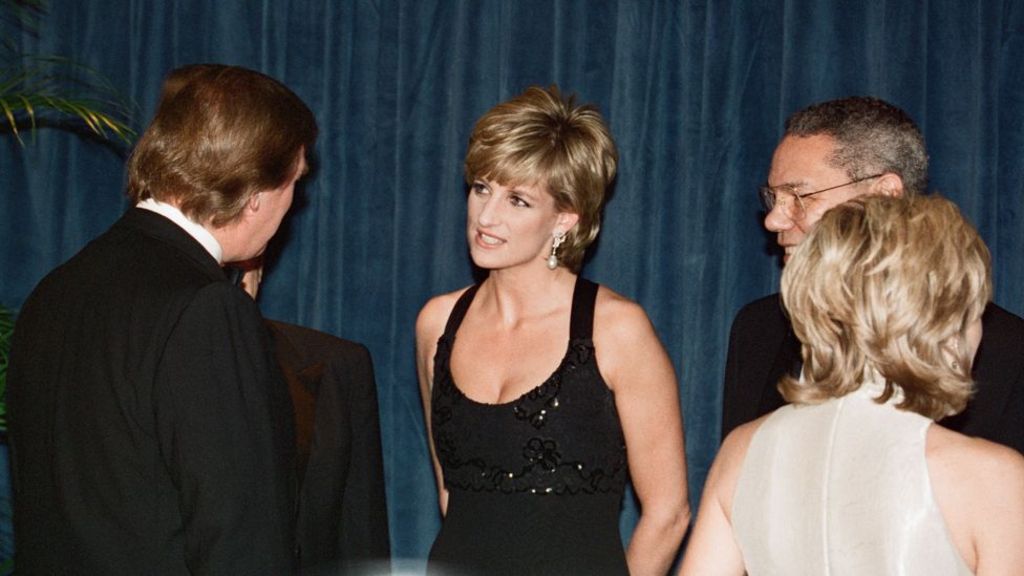
Status, opulence, Diana – Trump’s 70-year affection for UK royals
As Queen Elizabeth II’s coronation captivated global audiences on June 2, 1953, a six-year-old Donald Trump watched intently on a black-and-white television in New York City. His Scottish mother, Mary Anne MacLeod Trump, was enthralled by the grandeur of the British monarchy, an influence that would shape Trump’s lifelong fascination with royalty. Decades later, as a real estate mogul and U.S. president, Trump’s admiration for the British royal family has become a defining aspect of his public persona. His second state visit to the UK, following an invitation from King Charles III, underscores this enduring connection. The invitation, personally delivered by Prime Minister Keir Starmer in the Oval Office, highlights the strategic diplomatic efforts to secure trade concessions while appealing to Trump’s love of pageantry. Trump’s 2019 state visit and his 2018 meeting with Queen Elizabeth II at Windsor Castle were pivotal moments in his career, symbolizing his ascent to global prominence. His mother’s reverence for the royals, as recounted in his book *The Art of the Deal*, instilled in him a sense of showmanship that he continues to embrace. Trump’s interactions with the royal family, from his attempts to associate Princess Diana with his Mar-a-Lago club to his admiration for the late Queen, reveal a deep-seated desire for legitimacy and acceptance within elite circles. Observers note that Trump’s fascination with the British monarchy stems from its global status and the allure of high society. Despite past controversies, including critical remarks about members of the royal family, Trump’s state visit is expected to be marked by ceremonial grandeur and mutual respect. As he shares the spotlight with King Charles, Trump’s journey from a young boy watching a coronation to a world leader engaging with royalty comes full circle.