标签: North America

北美洲

  • US-China biotech summit builds bridges for innovative drug partnerships

    US-China biotech summit builds bridges for innovative drug partnerships

    SAN FRANCISCO – Top pharmaceutical executives and global investors convened at the 2026 China FIC Innovation and Collaboration Summit on Sunday, signaling a new era of cross-border biotechnology cooperation as China’s drug licensing deals surpassed $130 billion in value last year.

    The summit, organized by the Zhongguancun First-in-Class Innovative Drug Strategic Development Alliance, functioned as both a global showcase and launch platform for China’s most promising pharmaceutical innovations. The event specifically aimed to bridge Chinese biotech firms with international industry leaders while stimulating increased multinational investment in China’s rapidly expanding healthcare sector.

    A representative from the Beijing Investment Promotion Service Center described China’s evolution from producing derivative ‘Me-Too’ medications to pioneering transformative ‘First-in-Class’ therapies as evidence of an entirely new innovation ecosystem. She characterized the summit as a ‘vital two-way bridge’ connecting global expertise with Chinese technological advancement.

    China’s pharmaceutical ascendancy rests on several foundational strengths: a unified market of 1.4 billion people with healthcare coverage extending to 1.33 billion citizens provides unprecedented scale for clinical development and commercialization. The country’s regulatory framework now operates in full compliance with International Council for Harmonisation guidelines while balancing innovation incentives with accessibility through volume-based procurement systems.

    Regulatory approvals have accelerated dramatically, with Chinese authorities greenlighting a record 76 innovative drugs in 2025 alone. These streamlined review processes have created clearer pathways for synchronized global drug development and simultaneous international market launches.

    Despite global geopolitical tensions, Chinese Consul General in San Francisco Zhang Jianmin emphasized that economic interdependence remains an undeniable reality. ‘The biopharmaceutical sector depends fundamentally on global supply chains, cross-border clinical research, and international data sharing,’ Zhang noted. ‘Many challenges exceed any single nation’s capabilities – US-China collaboration immeasurably increases our chances of solving humanity’s most pressing health challenges.’

    California State Treasurer Fiona Ma reinforced this collaborative vision, highlighting the state’s substantial healthcare investments through voter-approved bonds for stem cell research, children’s hospitals, and behavioral health services. ‘With AI capabilities and digital connectivity, we must abandon research silos,’ Ma stated. ‘Shared research accelerates discoveries and enhances global health outcomes.’

    Industry veteran Joseph Scheeren of the French National Academy of Pharmacy offered an optimistic assessment: ‘Chinese companies are moving aggressively toward global expansion through partnership deals that position them as worldwide development partners. With sufficient resources and continued commitment, China possesses extraordinary potential in pharmaceutical innovation.’

    The summit revealed significant untapped potential – while China now contributes approximately 30% of the global innovative drug pipeline, only a fraction of these developments have involved international transactions. Nine cutting-edge projects were selected from nearly 30 applications for detailed pitching sessions, spanning multiple therapeutic areas and technological frontiers.
  • Canada rethinks US reliance as PM looks to China

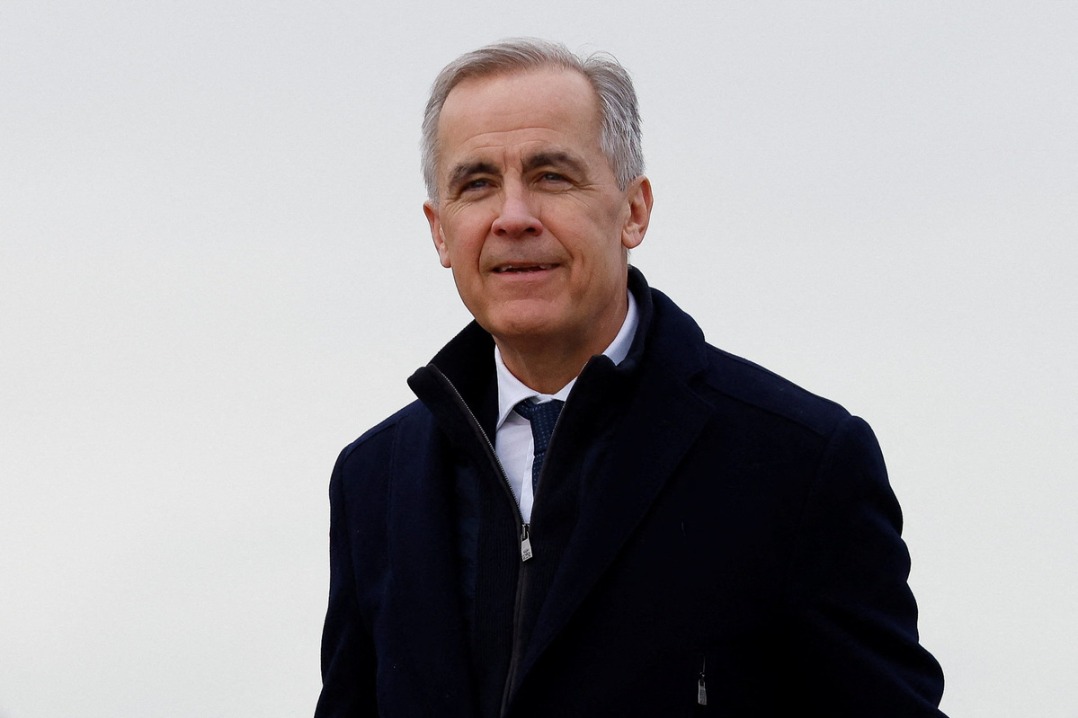
    Canada rethinks US reliance as PM looks to China

    In a significant foreign policy shift, Canada is actively recalibrating its decades-long economic and security alignment with the United States. Prime Minister Mark Carney’s upcoming four-day diplomatic mission to China—marking the first Canadian prime ministerial visit since 2017—signals Ottawa’s determination to forge stronger international partnerships beyond its southern neighbor.

    Recent trade data from Statistics Canada reveals a notable decline in Canadian exports to the US, hitting their lowest non-pandemic levels in decades. This downturn reflects growing bilateral tensions stemming from tariffs affecting key sectors including steel, aluminum, and automotive industries.

    Professor Ronald Stagg of Toronto Metropolitan University contextualizes this development within historical patterns: “Since the economic integration accelerated during World War II and solidified through free trade agreements in the 1980s, Canadian trade with the United States has consistently expanded. The current reversal represents a fundamental break from this tradition.”

    The reassessment extends beyond commerce into defense strategy. Professor Stagg highlights Washington’s “increasingly unpredictable posture toward traditional allies” and its assertion of hemispheric dominance as driving factors behind Canada’s European defense industry pact negotiations and Asian trade diversification efforts.

    Former Global Affairs Canada official Jeff Mahon emphasizes that Carney’s China visit should establish “high-level consensus on the relationship’s direction,” noting that subsequent progress will require moving beyond symbolism to “tangible actions.” Mahon advocates for identifying key principles that acknowledge mutual sensitivities while pursuing “reasonable and plausible objectives.”

    Concurrently, Canada is pursuing economic agreements in Southeast Asia, including ongoing regional free trade negotiations and a recently concluded bilateral pact with Indonesia, further illustrating its multilateral approach to reducing US-centric dependencies.

  • US ‘kill line’ in stark contrast to China’s supportive policies

    US ‘kill line’ in stark contrast to China’s supportive policies

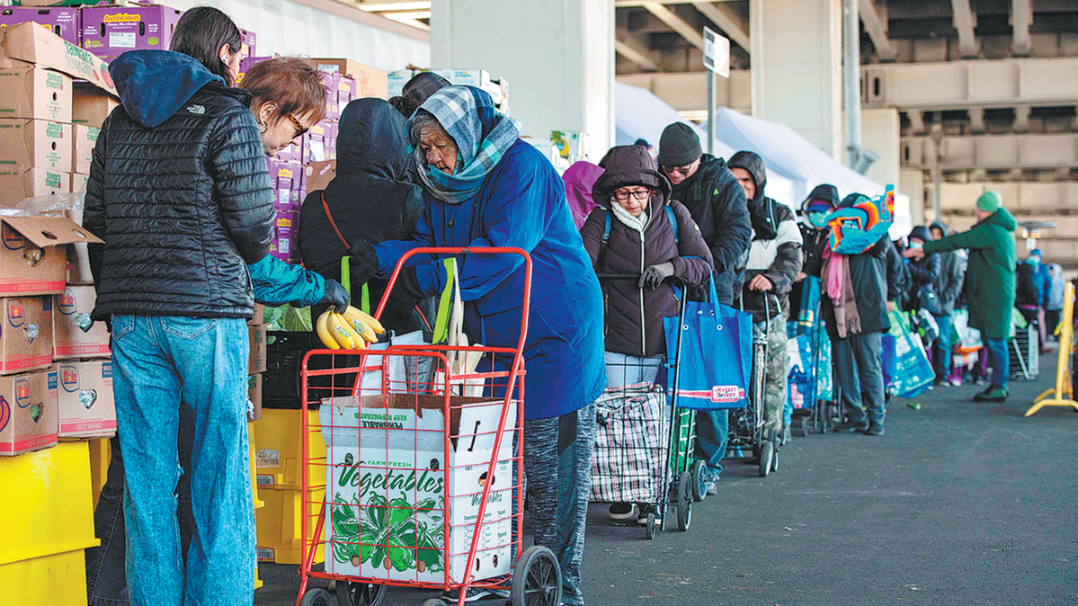
    A new social media phenomenon dubbed the ‘kill line’ has sparked intense discussion across Chinese platforms, drawing stark comparisons between economic vulnerabilities in the United States and China’s comprehensive social welfare system. The term, borrowed from gaming culture where it indicates critically low health levels, now describes how middle-class American families can rapidly descend into financial ruin from a single crisis.

    Recent financial surveys reveal alarming fragility in US households. Bankrate’s study indicates 59% of Americans cannot cover an unexpected $1,000 expense, while PNC Bank’s 2025 report shows approximately 67% of US workers live paycheck to paycheck. This vulnerability gained attention after viral posts documented cases like a former JavaScript engineer earning a six-figure salary who became homeless within six months of job loss.

    Social security expert Yang Yifan from Southwest Jiaotong University explains that the ‘kill line’ metaphor reveals ‘low fault tolerance’ in a system where essentials like healthcare and housing operate for profit. ‘A single shock can set off a cascading failure,’ Yang noted, highlighting how the US market-centered paradigm moves risk to individuals and heightens loan default possibilities.

    Multiple factors drive this crisis: soaring living costs, weakened family ties, and rampant consumerism. A Posh Peanut study identified the US as the world’s most expensive country to raise children, with nearly $600,000 average costs from birth to age 18. Brigham Young University research shows over 70% of Americans now consider economic challenges among the most critical family issues.

    The situation may worsen following recent legislation. The newly enacted One Big Beautiful Bill Act reduces health program funding by over $1 trillion—the largest cut in US history—potentially stripping insurance coverage from millions. The administration defends these reforms as necessary to eliminate waste and promote self-reliance.

    Meanwhile, China has significantly expanded its social security framework. Basic pension insurance now covers 1.072 billion people (over 95% coverage), while unemployment and work-related injury insurance have reached 246 million and 302 million participants respectively. The three major social insurance funds have accumulated a 9.81 trillion yuan balance, creating substantial financial buffers.

    China’s approach represents a strategic shift toward human capital investment. The recent plenum adopted recommendations for the 15th Five-Year Plan (2026-30), emphasizing childcare, elderly care, health, and education to promote well-rounded development. This marks a departure from traditional infrastructure-focused models.

    Poverty reduction expert Wu Haitao from Zhongnan University notes China employs a systematic strategy linking poverty alleviation to broader goals like rural vitalization. Rather than relying primarily on cash transfers, China ensures affordable access to education and healthcare while fostering rural industries for stable employment.

    From 2012-2020, China lifted nearly 100 million people above the national poverty line, achieving the UN’s 2030 Sustainable Development Goal a decade early. The campaign followed the comprehensive ‘Two Assurances and Three Guarantees’ standard—ensuring adequate food, clothing, healthcare, education, safe housing, and clean drinking water.

    Even after households exited poverty in 2021, support continued for five additional years to prevent regression—a practice officials describe as ‘helping them onto the horse and accompanying them for part of the journey.’ Recent data shows authorities have identified 7 million vulnerable individuals and helped eliminate relapse risks.

    As global poverty rises approaching the UN’s 2030 deadline, China’s holistic, empowerment-driven model offers a reference for systematic investment in human capital—demonstrating how societies can maintain upward trajectories far from any ‘kill line’ vulnerability.

  • Actor Kiefer Sutherland arrested over alleged assault of ride-share driver

    Actor Kiefer Sutherland arrested over alleged assault of ride-share driver

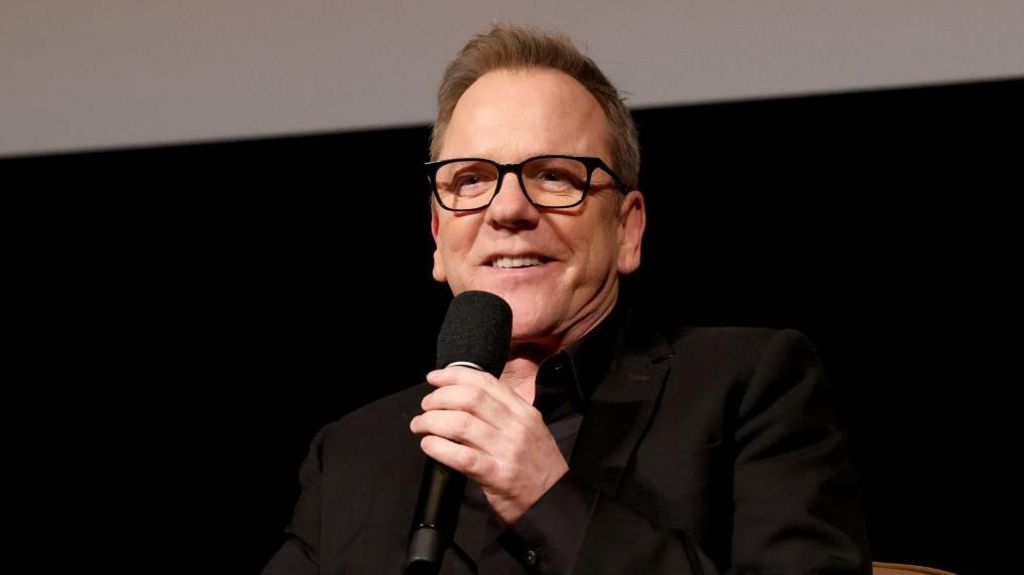
    Renowned Canadian actor Kiefer Sutherland found himself in legal turmoil following his arrest in Hollywood on allegations of physically assaulting and issuing criminal threats to a ride-share driver. The incident occurred at approximately 12:15 AM PST on Monday at the intersection of Sunset Boulevard and Fairfax Avenue, according to the Los Angeles Police Department’s Hollywood Division.

    The LAPD confirmed that Sutherland entered the vehicle and subsequently engaged in physical altercation with the driver, though authorities noted the victim sustained no injuries during the confrontation. The 59-year-old actor, best known for his iconic portrayal of counterterrorism agent Jack Bauer in the thriller series ’24’ and as the accidental president in ‘Designated Survivor,’ was taken into custody and later released after posting $50,000 bail.

    Sutherland, son of legendary actor Donald Sutherland, is scheduled to appear in court on February 2nd to address the charges. This incident marks another chapter in the actor’s history with law enforcement, which includes previous arrests for driving under the influence and probation violation in 2007 that resulted in a 48-day jail sentence, as well as prior assault charges in 2009 that were ultimately dismissed. His most recent encounter with police occurred in 2020 for an illegal U-turn maneuver in Hollywood.

    The LAPD’s Hollywood Division has launched a full investigation into the circumstances surrounding the alleged assault. Representatives for the acclaimed actor have not yet responded to media inquiries regarding the incident.

  • US Supreme Court appears likely to uphold restrictions on transgender athletes

    US Supreme Court appears likely to uphold restrictions on transgender athletes

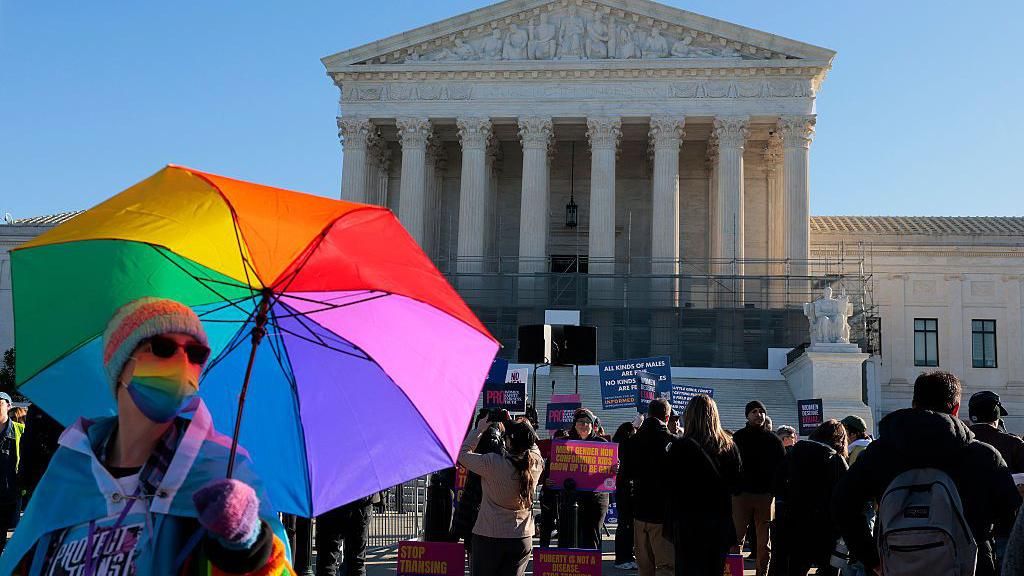
    The United States Supreme Court appears poised to uphold state-level prohibitions preventing transgender women and girls from competing on female sports teams in educational institutions. During extensive oral arguments spanning over three hours on Tuesday, a majority of justices demonstrated inclination toward validating athletic bans enacted across multiple states.

    The court examined consolidated cases originating from Idaho and West Virginia, where plaintiffs challenge statutes mandating sports team designation based on biological sex recorded at birth. In Idaho, a transgender college student contends the prohibition violates constitutional equal protection guarantees, while a West Virginia high school student asserts the ban contravenes federal civil rights legislation.

    Idaho Solicitor General Alan Hurst defended the state’s pioneering 2020 legislation, arguing before the court that ‘Idaho’s law classifies on the basis of sex, because sex is what matters in sports. It correlates strongly with countless athletic advantages, like size, muscle mass, bone mass and heart and lung capacity.’

    Justice Brett Kavanaugh highlighted the national divide in approaches, questioning judicial intervention ‘when half the states are allowing transgender athletes to participate, half are not’ amid ongoing societal debate. With the court’s 6-3 conservative majority, the three liberal justices and plaintiffs’ counsel advocated for narrow adjudication or complete dismissal of the cases.

    Notably, Idaho plaintiff Lindsay Hecox has withdrawn from university sports and attempted to retract her lawsuit, while West Virginia’s case involves a single student, Becky Pepper-Jackson, who sought to join her school’s track team at age 11.

    The proceedings revealed complex legal considerations regarding historical discrimination comparisons and physiological competitive advantages. Lawyers for the athletes suggested distinguishing between transgender athletes using testosterone-suppressing medication and others, emphasizing that mitigated ‘sex-based advantages’ might permit competition without undermining women’s sports.

    This judicial review occurs against a political backdrop where recent polling indicates bipartisan opposition to transgender participation in women’s sports, and follows the court’s previous conservative alignment in upholding restrictions on youth gender transition treatments. A final decision is anticipated in June, potentially establishing nationwide precedent for one of America’s most contentious social policy debates.

  • US ends protection for Somalis amid escalating migrant crackdown

    US ends protection for Somalis amid escalating migrant crackdown

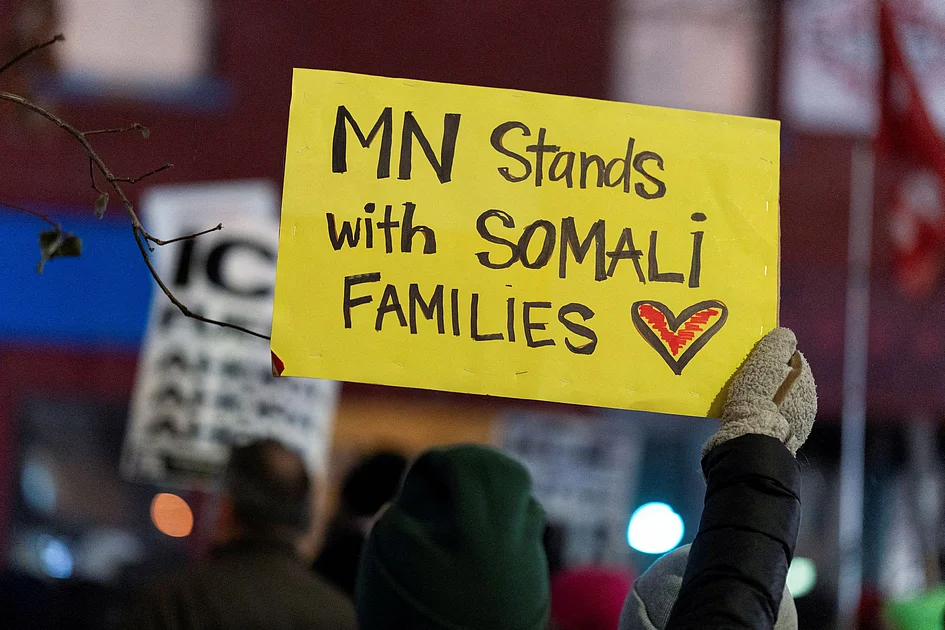
    The United States has officially terminated Temporary Protected Status (TPS) for Somali nationals, mandating their departure by mid-March 2026. This decisive action represents a significant escalation in the Trump administration’s immigration enforcement measures, particularly targeting Minnesota’s substantial Somali community of approximately 80,000 people.

    The Department of Homeland Security announced the policy shift via social media, stating unequivocally: “Our message is clear. Go back to your own country, or we’ll send you back ourselves.” The TPS program traditionally provided deportation protection and work authorization for foreigners from disaster-stricken regions.

    This development follows weeks of intensified immigration enforcement operations across Minnesota, where Immigration and Customs Enforcement (ICE) officers have conducted widespread raids. The operations turned fatal last week when an ICE agent shot and killed 37-year-old Renee Nicole Good during an encounter in Minneapolis, sparking widespread protests and generating $2 million in police overtime costs over four days.

    The administration justifies its crackdown by citing a massive public benefits fraud case involving 98 defendants, 85 of whom are of Somali descent. Federal prosecutors allege these individuals orchestrated a $300 million scheme that diverted funds intended for child nutrition programs, with 57 convictions already secured. While the case initially emerged in 2022, it has gained renewed political attention in recent months.

    President Trump personally amplified the situation through his Truth Social platform, accusing Minnesota Democrats of enabling fraud and promising “reckoning & retribution” for the state. The political dimension has intensified as Republican officials claim Democratic leaders ignored warnings due to the Somali community’s involvement.

    Meanwhile, Somalia remains classified as one of the world’s least developed nations by the UN, with the US State Department maintaining its most severe travel advisory against visiting the conflict-ridden Horn of Africa nation.

  • Bill and Hillary Clinton refuse to testify in Republican-led Jeffrey Epstein probe

    Bill and Hillary Clinton refuse to testify in Republican-led Jeffrey Epstein probe

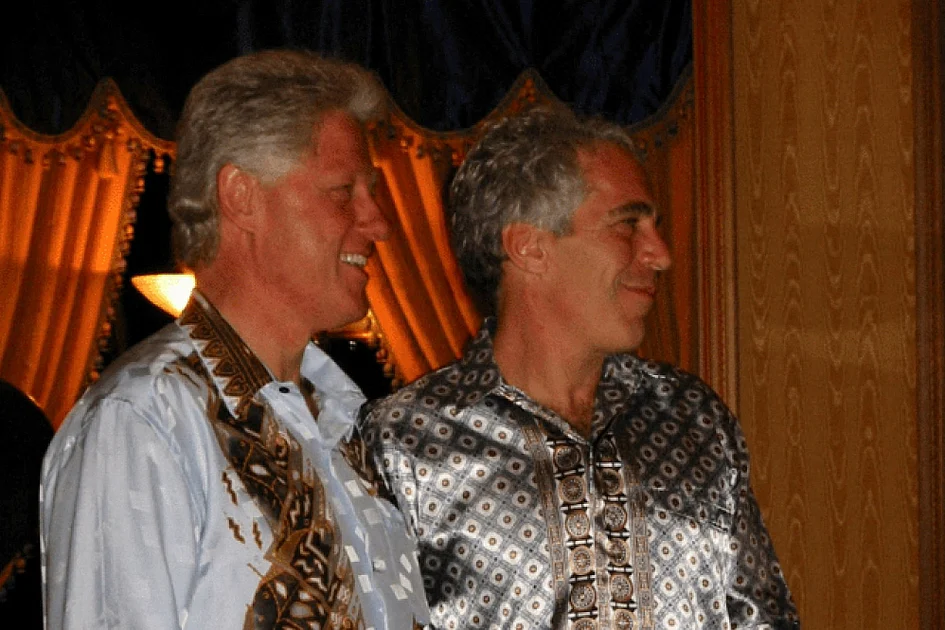
    Former President Bill Clinton and former Secretary of State Hillary Clinton have formally declined to testify before a Republican-led congressional committee investigating the Jeffrey Epstein case, characterizing the probe as a politically motivated exercise rather than a legitimate investigation. The high-profile refusal sets the stage for a significant constitutional confrontation between political figures and congressional oversight authority.

    In a strongly worded letter addressed to Representative James Comer, Chairman of the House Oversight Committee, the Clintons articulated their position that the investigation has deviated from its purported purpose. They asserted they had already provided what limited information they possessed regarding Epstein, whose crimes they described as “horrific,” while accusing Comer of redirecting focus away from alleged failures during the Trump administration.

    The Clintons’ communication explicitly challenged the committee’s motives, stating: “There is no plausible explanation for what you are doing other than partisan politics.” They further indicated they anticipate being held in contempt of Congress for their refusal to comply with the subpoena, a move that could potentially lead to criminal charges.

    This development occurs amidst the Trump administration’s directive to the Justice Department to release files related to criminal investigations of Epstein, complying with congressional transparency legislation. The late financier had previously maintained associations with numerous high-profile figures across political spectrums, including both Trump and the Clintons, adding complexity to the ongoing investigation and its perceived political dimensions.

  • ‘Help is on its way’: Trump urges Iranians to keep protesting, take over institutions

    ‘Help is on its way’: Trump urges Iranians to keep protesting, take over institutions

    In a significant escalation of tensions with Tehran, former U.S. President Donald Trump has issued a forceful call for continued protests in Iran while implementing substantial economic measures against the Islamic Republic. Through his Truth Social platform, Trump directly addressed Iranian citizens with the message: “Iranian Patriots, KEEP PROTESTING – TAKE OVER YOUR INSTITUTIONS!!!… HELP IS ON ITS WAY.” He simultaneously declared the cancellation of all meetings with Iranian officials until what he termed the “senseless killing” of protesters ceases.

    The political turmoil in Iran represents the most substantial internal challenge to the country’s clerical leadership in at least three years. The protests, initially sparked by severe economic conditions, have persisted for two weeks amid a harsh government crackdown. For the first time, Iranian authorities have acknowledged the substantial human cost of the unrest, with an unnamed official telling Reuters that approximately 2,000 people have been killed during the demonstrations.

    Trump’s economic offensive includes imposing 25% import tariffs on products from any nation conducting business with Iran, a significant measure given Iran’s status as a major oil exporter. The former president has also suggested that military action remains among the options he is considering to punish Iran for its handling of the protests, stating earlier this month that “we are locked and loaded.”

    International reactions have been sharply divided. China immediately criticized the tariff announcement, while Russia condemned what it described as “subversive external interference” in Iran’s internal politics. The Russian Foreign Ministry issued a statement warning that “those who plan to use externally inspired unrest as a pretext for repeating the aggression against Iran committed in June 2025 must be aware of the disastrous consequences of such actions.”

    Despite the scale of the protests and Iran’s considerable economic challenges, there are no visible signs of fracture within the country’s security elite that might threaten the clerical system that has held power since the 1979 Islamic Revolution. However, German Chancellor Friedrich Merz offered a starkly different assessment, predicting that “we are now witnessing the final days and weeks of this regime.” Iranian Foreign Minister Abbas Araqchi swiftly dismissed these comments, accusing Berlin of double standards and claiming Merz had “obliterated any shred of credibility.”

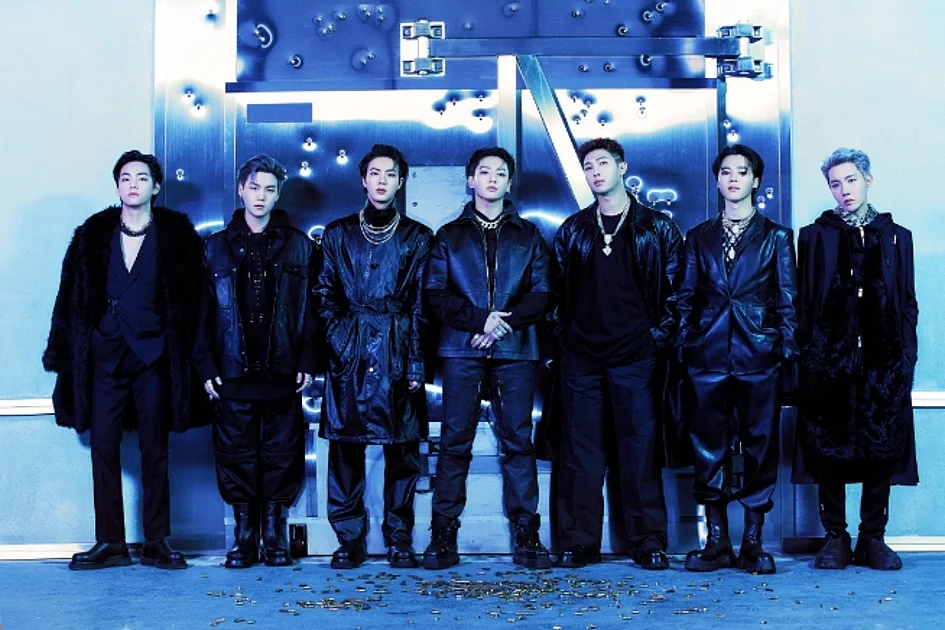
  • BTS to kick off world tour on April 9; Middle East stop to be announced

    BTS to kick off world tour on April 9; Middle East stop to be announced

    Global K-pop phenomenon BTS has officially unveiled plans for their first world tour in seven years, marking their highly anticipated return to the international stage. The tour will commence on April 9, shortly following the release of their fifth full-length album on March 20.

    The ‘Love Yourself’ tour in 2019 was the group’s last worldwide concert series before their extended hiatus. This new tour, described as their most extensive production to date, will span 34 regions across 12 months, with potential additional dates to be announced. The tour will begin in Goyang, South Korea, offering fans the first opportunity to see the complete septet perform together in nearly four years.

    Grammy-nominated BTS will perform across major global destinations including Tokyo, multiple US cities (Tampa and Las Vegas confirmed), Spain, UK, and France. The tour will also include Southeast Asian stops in Singapore, Malaysia, and the Philippines, where the group maintains an enormous fan base.

    Middle Eastern fans, particularly in the UAE where BTS performed during KCON Abu Dhabi in 2016, will have their anticipation rewarded in 2027. While specific Middle Eastern locations remain undisclosed, the announcement confirms the region will be included on the tour itinerary. This follows j-hope’s recent solo appearance in Dubai during Dubai Watch Week 2025, which heightened expectations for the group’s return.

    The upcoming album represents BTS’s first full-length release in over three years and features 14 tracks developed through collaborative introspection and individual creative contributions from all members during intensive production sessions in late 2025.

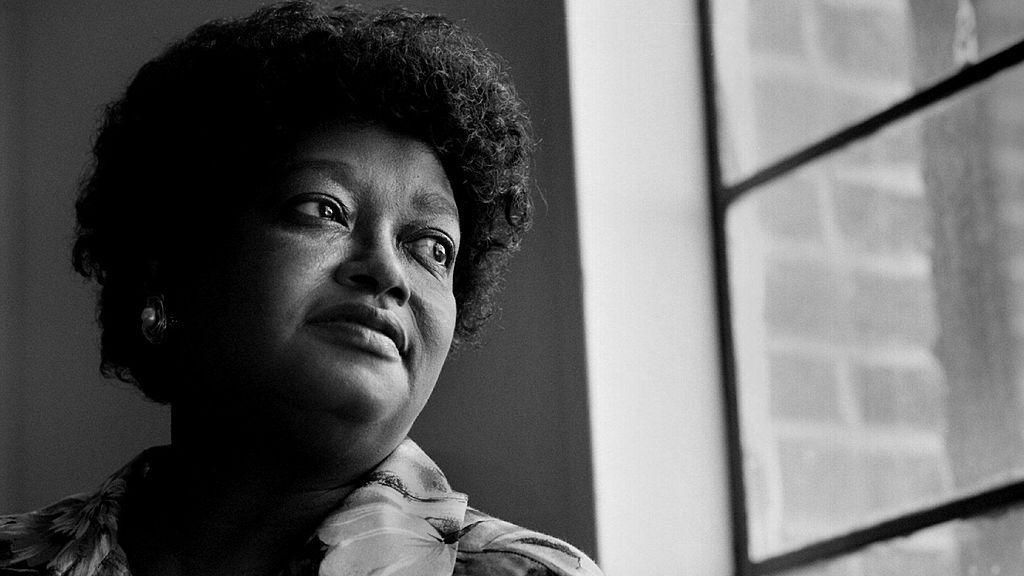
  • Claudette Colvin, US civil rights pioneer, dies at 86

    Claudette Colvin, US civil rights pioneer, dies at 86

    Claudette Colvin, the trailblazing civil rights activist whose courageous refusal to relinquish her bus seat preceded the more famous Rosa Parks incident, has passed away at age 86. Her death was confirmed by the Claudette Colvin Legacy Foundation, which honored her “legacy of courage that helped change the course of American history.

    Nearly a decade before the widespread Montgomery bus boycotts, a 15-year-old Colvin was arrested in March 1955 for challenging Montgomery, Alabama’s segregation policies—becoming the first person arrested for such defiance. Her act of resistance occurred nine months before Rosa Parks’ similar protest, yet Colvin’s story remained largely unrecognized for decades until detailed accounts emerged in 2009.

    In a 2018 BBC interview, Colvin recalled her mindset during the historic confrontation: “I was not frightened, but disappointed and angry because I knew I was sitting in the right seat.” She described feeling spiritually supported by abolitionist heroes Harriet Tubman and Sojourner Truth, whose symbolic hands she felt pressing on her shoulders, preventing her from surrendering her seat.

    Colvin’s legal standing proved historically significant when she became one of four plaintiffs whose testimony led to the landmark 1956 Supreme Court ruling that declared bus segregation unconstitutional. Despite her pivotal role, historical recognition primarily favored Parks, who became the iconic face of the bus segregation protests.

    After her pioneering activism, Colvin relocated to New York where she built a career in nursing. According to her foundation, she spent her final years in Texas, where she passed away. Her story now receives renewed examination as historians reassess the full spectrum of contributors to the Civil Rights Movement.