标签: North America

北美洲

  • Canadian University Dubai showcases cross-cultural designs at Hong Kong Fashion Gala

    Canadian University Dubai showcases cross-cultural designs at Hong Kong Fashion Gala

    In a remarkable fusion of architecture, culture, and fashion, Canadian University Dubai (CUD) has presented groundbreaking cross-cultural designs at Hong Kong’s Belt & Road Fashion Gala. The showcase, part of the Chinese Culture Festival, featured innovative garments developed through a collaboration with international artist Charlie Koolhaas and her ongoing Foto-Couture project.

    The collection transformed elements of Dubai’s built environment into wearable archives, with two distinctive outfits serving as the creative centerpiece. The first design, ‘Reflected Futures — The Sheikh Zayed Line,’ reimagines the traditional abaya as a modern symbol of cultural identity. Printed with Koolhaas’s photograph of Dubai’s iconic Al Attar Tower, the garment transforms architecture into an embodied repository of memory, representing the merging of global modernism with regional expression.

    The second creation, ‘The Irrigated Desert,’ draws inspiration from the Chinese qipao while incorporating imagery of Dubai’s irrigated desert plants. Printed on silk satin, the design serves as a metaphor for hybridity, connecting desert cultivation techniques with the qipao’s history of cultural reinvention. The pattern reflects water’s crucial role in shaping life in the UAE, from ancient falaj irrigation systems to contemporary technological networks.

    Artist Charlie Koolhaas emphasized the project’s interdisciplinary nature, noting how the collaboration created space for dialogue across creative disciplines. ‘This collaboration offered me the opportunity to cross-pollinate my practice in photography, architecture, and fashion within a design-focused academic context,’ she stated.

    Dean Massimo Imparato highlighted the global perspective behind the initiative, explaining that ‘The dialogue between UAE national and international participants enriched the project with a spectrum of cultural insight and creative intelligence.’ The project involved participants from over 30 countries and regions, reflecting CUD’s position as a global hub for innovative design education.

    Arash Behforooz, creative designer at CUD, assisted in translating Koolhaas’s concepts into clear visual directions using AI-enabled workflows. ‘This project shows how design, technology, and cultural storytelling can come together to shape new creative possibilities,’ he concluded.

    The exhibition demonstrates how academic institutions can serve as cross-disciplinary platforms where heritage becomes an active driver of innovation, positioning traditional garments as contemporary expressions of cultural identity and global connectivity.


  • Banks warn millions will be hurt by Trump’s 10% cap on credit card interest rates

    Banks warn millions will be hurt by Trump’s 10% cap on credit card interest rates

    The U.S. financial sector has issued stark warnings regarding former President Donald Trump’s proposal to impose a 10% cap on credit card interest rates, asserting this measure would trigger severe credit restrictions affecting millions of American households and small businesses. Announced on January 14, 2026, as a response to mounting voter concerns about living costs, the proposed one-year cap scheduled to commence on January 20 has drawn immediate industry backlash.

    Financial institutions and industry coalitions have mobilized to counter the proposal, presenting data suggesting catastrophic consequences for credit accessibility. According to the Electronic Payments Coalition, representing major financial entities and payment networks, approximately 82-88% of open credit card accounts held by consumers with credit scores below 740 would face either complete closure or substantial credit limitations under such a cap.

    Richard Hunt, Executive Chairman of the Electronic Payments Coalition, characterized the proposal as counterproductive, stating: “While a government-mandated price cap might appear superficially appealing, its implementation would produce precisely the opposite of its intended effect—harming families, constraining economic opportunity, and ultimately weakening our national economy.”

    Industry analysts project that the cap would render credit card operations unprofitable for lenders, forcing widespread account closures particularly affecting subprime borrowers. Even consumers with stronger credit profiles would likely encounter increased annual fees, reduced rewards programs, and additional monthly charges as financial institutions seek to offset lost revenue.

    Current market data underscores the significance of high interest rates to industry profitability. The Consumer Financial Protection Bureau reported average APRs reaching 25.2% for general purpose cards and 31.3% for private label cards in 2024—the highest levels recorded since 2015. Concurrently, the proportion of cardholders making only minimum payments reached its highest point in nine years, indicating growing financial strain among consumers.

    Michael Miller, Morningstar analyst, noted the proposal’s uncertain implementation pathway, suggesting congressional action would be required: “President Trump’s statement primarily functions as a symbolic gesture rather than concrete policy. While we consider actual implementation unlikely, the potential consequences for credit card profitability would be dire if enacted.”

    Countervailing research from Vanderbilt University’s Policy Accelerator, published in September 2025, indicates consumers could save approximately $100 billion annually under a 10% cap, though borrowers with credit scores below 760 might experience reduced rewards benefits. Brian Shearer, the center’s competition and regulatory policy director, challenged industry warnings: “Claims regarding massive account closures overlook the substantial profit margins currently enjoyed by credit card issuers. Our analysis indicates significant room for efficiency improvements without compromising access.”

  • Abdullah bin Zayed, Iranian Foreign Minister discuss bilateral relations by phone

    Abdullah bin Zayed, Iranian Foreign Minister discuss bilateral relations by phone

    In a significant diplomatic engagement, Sheikh Abdullah bin Zayed Al Nahyan, the United Arab Emirates’ Deputy Prime Minister and Minister of Foreign Affairs, conducted a telephone conversation with his Iranian counterpart Abbas Araghchi on Wednesday, January 14th, 2026. The high-level discussion focused exclusively on enhancing bilateral relations between the Gulf neighbors, marking a pivotal moment in regional diplomacy.

    The telephone dialogue occurred against a backdrop of substantial internal unrest within Iran, where widespread protests have challenged the established clerical governance system. According to activist reports, the Iranian government’s response to these demonstrations has resulted in at least 648 casualties amid comprehensive internet restrictions imposed by authorities.

    Iranian state media has concurrently reported the deaths of numerous security personnel, with their memorial services transforming into substantial pro-government gatherings. Tehran officials have announced plans for a mass funeral ceremony to honor what they term ‘martyrs’ of the recent civil disturbances.

    This diplomatic exchange represents a carefully calibrated effort to maintain open communication channels between the UAE and Iran despite the complex regional dynamics and internal challenges facing the Islamic Republic. The conversation signals both nations’ commitment to sustained dialogue amid evolving geopolitical circumstances in the Gulf region.

  • US a ‘cop’ without rules seeking dominance over Latin America

    US a ‘cop’ without rules seeking dominance over Latin America

    In a controversial operation framed as counter-narcotics enforcement, United States forces have conducted a military intervention in Venezuela resulting in the capture of President Nicolas Maduro and his spouse. This unprecedented action has ignited intense debate regarding hemispheric sovereignty and power dynamics.

    Sun Yanfeng, Director of Latin American Studies at the China Institutes of Contemporary International Relations, contextualized the development during an exclusive China Daily interview. According to Sun, Washington has persistently regarded Venezuela’s leadership as problematic to its strategic interests. The current operation represents a calculated escalation in what analysts describe as externalizing domestic pressures—specifically addressing American drug and immigration concerns through international military means.

    This intervention raises critical questions about the future of regional autonomy. Experts are examining whether this marks the initial maneuver in a broader campaign to establish US primacy throughout the Western Hemisphere. The operation’s unusual nature—characterized as a special military action targeting a sovereign head of state—has generated alarm among international observers.

    Strategic implications extend to Venezuela’s substantial petroleum reserves, prompting speculation about resource control motivations behind the political action. Additionally, the operation appears designed to diminish the influence of external global powers within Latin American affairs.

    The political consequences for Latin America and the Caribbean region remain uncertain. This intervention may signal a new chapter in hemispheric relations, potentially triggering realignments and responses that could reshape regional governance structures and international partnerships for years to come.

  • Colleen Hoover reveals ‘successful’ cancer surgery

    Colleen Hoover reveals ‘successful’ cancer surgery

    Celebrated romance novelist Colleen Hoover has publicly disclosed her recent battle with cancer, sharing her health journey with fans through social media platforms. The 46-year-old literary sensation, renowned for worldwide bestsellers including “It Ends With Us” and “Reminders of Him,” confirmed she has nearly completed radiotherapy treatments following a successful surgical procedure.

    Hoover initially broke the news to her dedicated fan community, known as the Colleen Hoover’s CoHorts, in a private Facebook discussion approximately one month ago. She elaborated on her health challenges this week via Instagram, posting a hospital selfie that showed her wearing medical gown during treatment. The author explained she experienced recurring health complications throughout 2025 but postponed seeking medical attention until after production concluded on the film adaptation of “Reminders of Him” in Canada.

    Upon returning home, Hoover received her cancer diagnosis. She described the initial period as “huge and scary,” causing her to miss significant professional and personal events including the premiere of “Regretting You.” The writer deliberately maintained privacy regarding her condition until establishing surgical outcomes and treatment protocols.

    While not specifying her cancer type, Hoover suggested potential connections to environmental and lifestyle factors in a separate Facebook post, citing insufficient exercise, suboptimal nutrition, and stress as contributing elements. Despite her health challenges, she maintained characteristic humor, joking about her displeasure with dietary changes and exercise requirements while acknowledging scientific validity in wellness recommendations.

    The author’s disclosure coincided with the release of “Woman Down,” her first new novel since 2022, though Hoover explicitly stated her health update was unrelated to promotional efforts. Remarkably, she received radiation treatment in Dallas before surprising readers at a South Carolina bookstore’s midnight launch event for her latest publication.

    Hoover’s literary achievements include monumental sales exceeding 20 million copies for “It Ends With Us,” which transitioned to film in 2024 amid notable legal disputes between lead actors Justin Baldoni and Blake Lively.

  • Minnesota sues federal govt over immigration crackdown

    Minnesota sues federal govt over immigration crackdown

    The State of Minnesota, alongside its two largest metropolitan centers, has initiated legal proceedings against the Trump administration’s immigration enforcement operations. This unprecedented lawsuit follows a fatal shooting incident involving a federal officer and a Minneapolis resident, which has ignited nationwide protests and constitutional concerns.

    State Attorney General Keith Ellison characterized the federal operation as a ‘invasion of the Twin Cities,’ alleging that poorly trained, aggressive armed agents have engaged in widespread unlawful conduct that terrorizes communities. The litigation specifically targets the Department of Homeland Security, accusing it of violating First Amendment protections and other constitutional guarantees.

    The legal action seeks immediate judicial intervention through a temporary restraining order to either suspend or substantially curtail the ongoing enforcement surge. Homeland Security officials have confirmed the deployment of over 2,000 immigration officers to Minnesota, resulting in more than 2,000 arrests since December—what Immigration and Customs Enforcement describes as its largest enforcement operation in history.

    Tensions reached a critical point following the death of Renee Good, a 37-year-old mother of three who was fatally shot by an ICE officer while in her vehicle. The tragedy has sparked massive school walkouts, emotional memorial gatherings, and confrontations between protesters and federal agents employing tear gas for crowd dispersal.

    Simultaneously, ICE reported four migrant fatalities in custody during the first ten days of January, involving individuals from Honduras, Cuba, and Cambodia. These deaths occurred amid a documented detention population of 69,000 people as of January 7th, with expectations of further increases following substantial congressional funding allocations for immigration enforcement operations.

  • Investigation of Fed chair threatens financial stability

    Investigation of Fed chair threatens financial stability

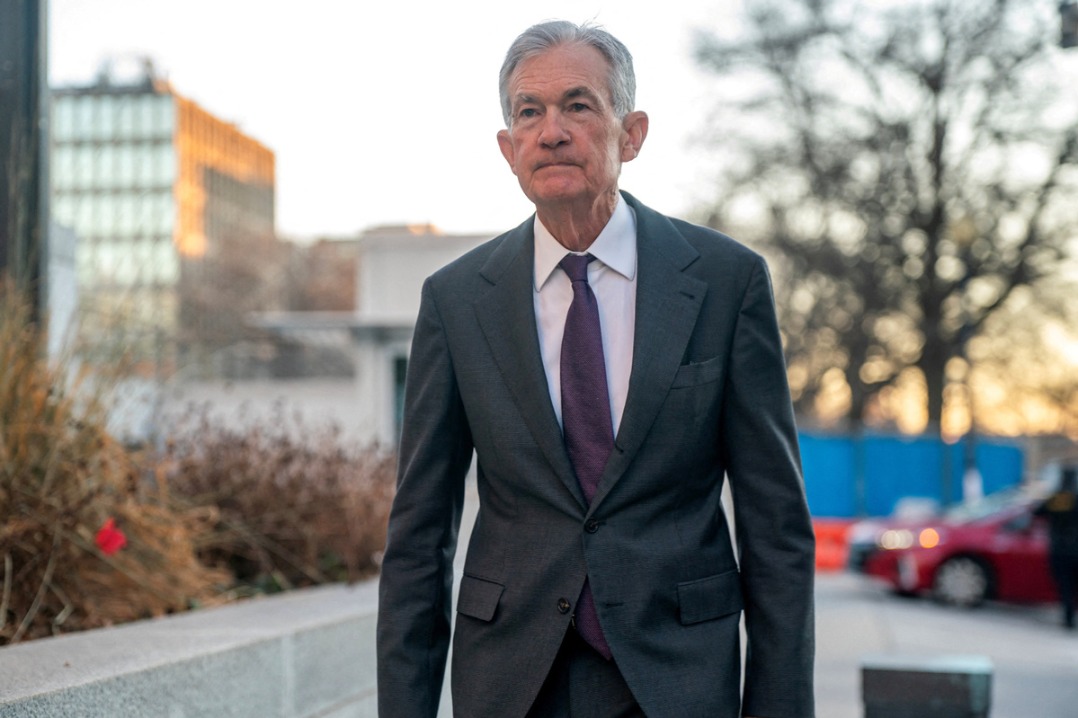
    A unprecedented criminal investigation by the U.S. Department of Justice into Federal Reserve Chair Jerome Powell has triggered widespread concern among economists and policymakers, raising alarms about potential threats to the central bank’s independence and global financial stability.

    The probe, initiated on January 13, 2026, focuses on the Federal Reserve’s headquarters renovation project in Washington and allegations that Powell may have provided misleading statements to Congress regarding the project’s escalating costs, which have surged to $2.5 billion—significantly exceeding initial budget projections.

    Former Fed Chair Janet Yellen has emerged as a vocal critic of the investigation, characterizing it as an extraordinary measure against a sitting central bank leader that could undermine the institution’s operational autonomy. Yellen expressed grave concerns to The New York Times, stating that the action suggests a willingness to intimidate Federal Reserve officials to influence monetary policy decisions.

    The investigation has prompted a rare public response from Powell himself, who released a two-minute video statement on Sunday connecting the Justice Department’s inquiry to ongoing political pressure surrounding interest rate policy. His response came after the Fed received grand jury subpoenas on Friday.

    Notably, every living former Federal Reserve chair has united in condemning the DOJ’s actions, issuing a joint statement that frames the investigation as an assault on the central bank’s institutional independence. Congressional architects designed the Fed’s independent structure specifically to ensure monetary policy decisions remain insulated from political interference and presidential preferences.

    The situation represents a critical juncture in the relationship between the Trump administration and the Federal Reserve. President Trump has repeatedly criticized Powell’s approach to interest rates, maintaining a target range of 3.5% to 3.75% rather than the 1% rate preferred by the administration. Trump’s previous attempts to influence Fed composition included efforts to remove board member Lisa Cook, with the Supreme Court set to rule on her case January 21.

    Republican lawmakers and Treasury Secretary Scott Bessent have joined the chorus of concern, warning that the investigation could create market instability and affect financial markets. Senate Banking Committee member Thom Tillis has vowed to oppose confirmation of any Fed nominees until the legal matter is fully resolved.

  • When does the Nasa Moon mission launch and who are the Artemis II crew?

    When does the Nasa Moon mission launch and who are the Artemis II crew?

    NASA is preparing to launch humanity’s first crewed lunar mission in over half a century as early as February 6th, 2026. The Artemis II expedition represents a monumental leap in space exploration, aiming to send astronauts farther into space than any previous human mission.

    The space agency’s ambitious timeline begins with the meticulous rollout of its colossal Space Launch System (SLS) rocket and Orion spacecraft from the Vehicle Assembly Building to Launch Pad 39B. This four-mile journey aboard the crawler-transporter-2, scheduled for January 17th, will require up to twelve hours. Following placement, engineers will initiate comprehensive pad preparations, establishing critical connections for electrical systems, fuel environmental controls, and cryogenic propellant feeds.

    A crucial wet dress rehearsal scheduled for late January will test the rocket’s fueling procedures. Should technical issues emerge, NASA may return the spacecraft to the VAB for additional work. If all systems perform optimally, the mission will target one of multiple launch windows in February, March, or April 2026, carefully synchronized with lunar orbital mechanics.

    The diverse four-member crew comprises NASA astronauts Reid Wiseman (commander), Victor Glover (pilot), and Christina Koch (mission specialist), alongside Canadian Space Agency astronaut Jeremy Hansen. Their ten-day journey will mark the inaugural crewed flight of both SLS and Orion, featuring extensive testing of spacecraft systems beyond Earth orbit.

    Artemis II serves as the critical precursor to Artemis III, which aims to land astronauts on the lunar surface no earlier than 2027-2028. The mission faces several unresolved elements, including the final selection of a lunar lander—either SpaceX’s Starship or Blue Origin’s craft—and the completion of new Axiom spacesuits.

    This renewed lunar initiative contrasts sharply with the Apollo program’s Cold War motivations. Artemis embodies an international effort focused on establishing sustainable human presence, with future missions planning construction of the Gateway lunar space station and involving astronauts from Europe and Japan.

    The global space race intensifies as China targets a 2030 south pole landing, Russia discusses lunar ambitions despite technical challenges, and India aims for crewed missions by 2040 following its successful Chandrayaan-3 landing.

  • LA to open ticket draw for 2028 Olympics – with seats starting at $28

    LA to open ticket draw for 2028 Olympics – with seats starting at $28

    Los Angeles 2028 Olympic organizers have unveiled an equitable ticketing system centered on accessibility, with registration opening Wednesday for a global random draw. The process, designed to prioritize fairness over financial advantage, will offer one million tickets priced at just $28 alongside numerous options under $100.

    Starting at 07:00 PST (15:00 GMT), sports enthusiasts worldwide can register through mid-March for the opportunity to purchase event admissions. Selected participants will receive April time slots for ticket acquisition, though organizers emphasize that slot assignment doesn’t guarantee availability. The initial purchasing window runs April 9-19, including access to opening and closing ceremonies.

    LA28 chief Allison Katz-Mayfield defended the randomized approach as “the fairest way to ensure that the broadest number of people can get access to tickets,” noting that registration timing provides no competitive advantage. The announcement follows recent criticism of 2026 World Cup pricing, with LA 2028 chairman Casey Wasserman stressing these “Games belong to everyone” and must remain “affordable and inclusive.”

    While most events will occur across Southern California venues, Oklahoma City will host canoeing and softball competitions, with residents of both regions receiving special early purchasing opportunities. The Los Angeles Memorial Coliseum—site of previous Olympic events and ceremonial cauldron lighting—will co-host the 2028 opening ceremony alongside track competitions.

    This marks the first U.S.-hosted Olympics since Atlanta 1996, with Los Angeles leveraging existing infrastructure from its 1932 and 1984 Games. Ticket registration remains open through March 18, maintaining the Paris 2024 benchmark of approximately $28 entry pricing while implementing unprecedented equity measures.

  • Why UAE’s new civil law does not give automatic financial independence at 15

    Why UAE’s new civil law does not give automatic financial independence at 15

    The United Arab Emirates’ recently enacted Civil Transactions Law has introduced nuanced provisions regarding financial autonomy for minors, drawing significant attention from legal experts and families alike. While much public discourse has centered on the reduction of the age of majority to 18, the legislation contains a more intricate mechanism for younger individuals aged 15 and above.

    Contrary to some initial interpretations, the law does not establish automatic financial independence at age 15. Instead, it creates a carefully regulated judicial pathway through which minors may petition courts for limited authority to manage their assets. This represents a substantial shift from the previous threshold of 18 Hijri years, yet maintains robust protective safeguards.

    Legal specialists emphasize that this provision constitutes a controlled exception rather than a blanket entitlement. Byron James, Partner at Expatriate Law, clarifies that “this creates a supervised pathway for early financial responsibility where it can be demonstrated to serve the minor’s best interests” rather than establishing independence at 15.

    The judicial evaluation process will involve meticulous examination of multiple factors including the minor’s demonstrated maturity, comprehension of financial matters, and the specific nature and value of the assets in question. Courts are expected to adopt a case-by-case approach, granting tailored authorizations that may be limited in scope, duration, or subject matter.

    According to Ahmed Al Mazrouei, a UAE-based civil lawyer, courts will require compelling justification for approval. “Judges will seek genuine necessity—such as inherited assets requiring active management, business interests, or structured investments that cannot be practically handled through a guardian alone,” he explained. The central consideration will be whether granting management authority better serves the minor’s interests than existing arrangements.

    Parental roles undergo transformation rather than elimination under this framework. As James notes, “Parents or guardians are not displaced entirely, but their role becomes supervisory rather than controlling.” The judiciary retains ongoing oversight authority, enabling revocation or restriction of permissions if they cease to benefit the minor.

    Sara Al Hammadi, another legal expert, characterizes the reform as a response to practical circumstances rather than broad empowerment. “This mechanism accommodates specific situations where minors inherit assets, hold shares in family enterprises, or benefit from investment structures,” she stated. The system provides flexibility while maintaining protective measures, ensuring decisions align with long-term financial wellbeing rather than short-term considerations.

    The legislation incorporates multiple safeguards to prevent misuse, familial pressure, or premature financial decision-making, particularly concerning high-value or complex assets. Courts will likely impose conditions such as reporting requirements and transaction limitations, ensuring that the minor’s economic security remains protected throughout the process.