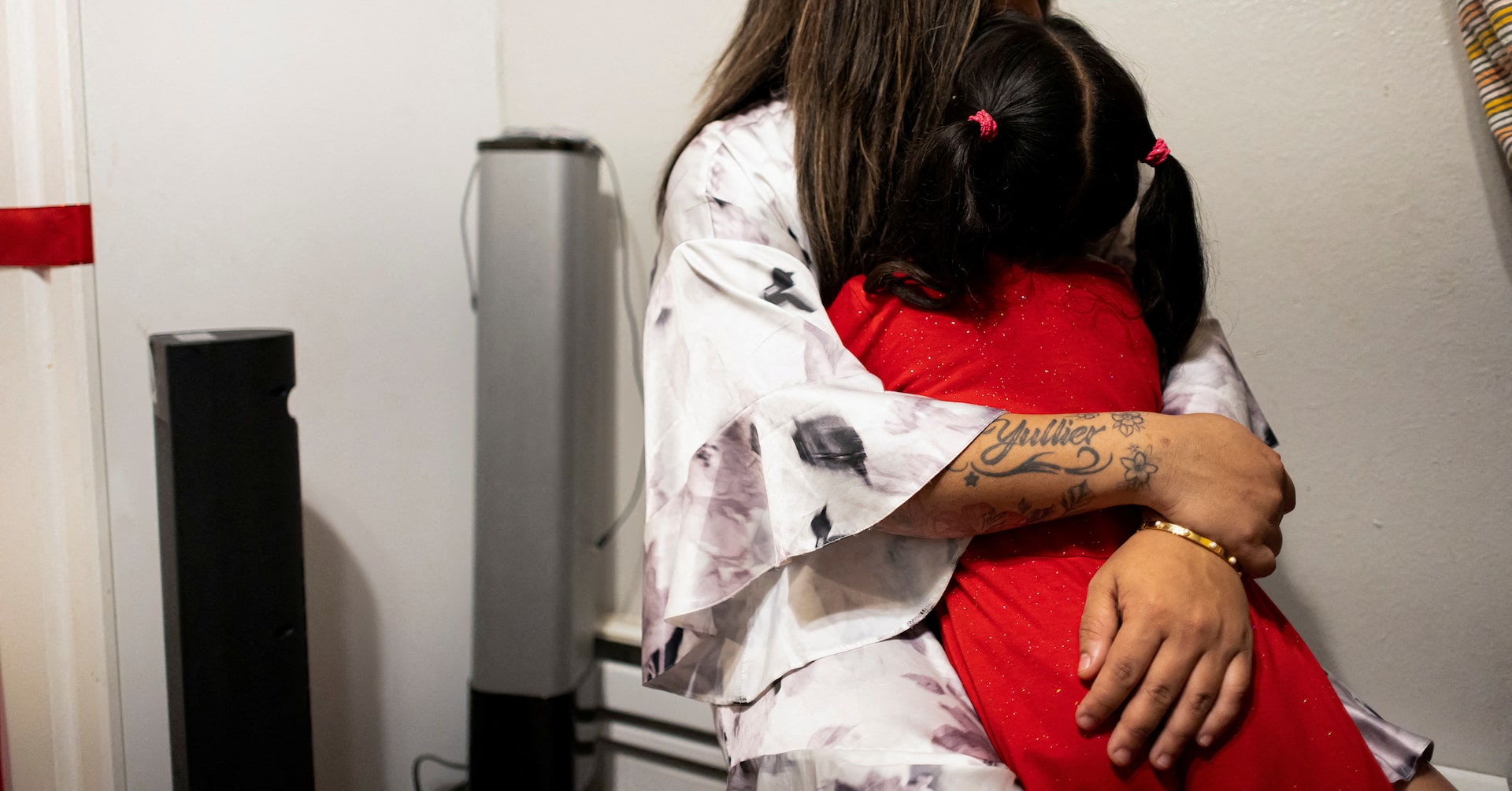
In a significant legal development, a federal appeals court has upheld protections for Venezuelan immigrants residing in the United States, despite efforts by the Trump administration to revoke their Temporary Protected Status (TPS). The 9th U.S. Circuit Court of Appeals, based in San Francisco, declined to halt a lower court’s ruling that deemed the administration’s attempt to end TPS for 600,000 Venezuelans unlawful. The three-judge panel emphasized that terminating TPS would expose these individuals to wrongful deportation, family separation, and job loss, outcomes Congress never intended. The Department of Justice has indicated plans to appeal the decision to the U.S. Supreme Court, which previously sided with the administration in a related case. The TPS program, established in 1991, offers temporary work authorization and deportation relief to migrants from countries facing crises such as natural disasters or armed conflict. The Biden administration had extended TPS to Venezuelans and Haitians, but Homeland Security Secretary Kristi Noem reversed these extensions in February 2025, claiming they were no longer justified. The recent ruling stems from a lawsuit filed by affected migrants and the National TPS Alliance, challenging Noem’s actions. While the decision primarily impacts Venezuelans, it also indirectly supports Haitian immigrants, whose TPS status was similarly revoked. The legal battle highlights the ongoing tension between immigration policies and humanitarian protections in the U.S.
标签: North America
北美洲
-

US judge keeps block on Trump effort to deport Guatemalan unaccompanied children
A federal judge has issued a significant ruling against the Trump administration’s efforts to deport unaccompanied Guatemalan migrant children with active immigration cases. Judge Timothy Kelly, appointed by President Trump and based in Washington, D.C., upheld a previous judicial block on the policy, strongly criticizing the administration’s unsubstantiated claim that the children’s parents desired their deportation. The ruling came in response to a legal challenge sparked by the administration’s surprise attempt to deport 76 Guatemalan minors in U.S. custody on August 31. Initially, Justice Department lawyer Drew Ensign asserted that the children’s parents had requested their return, but this claim was later retracted. The reversal followed a Reuters report citing an internal Guatemalan attorney general document, which revealed that most parents of the approximately 600 Guatemalan children in U.S. custody could not be reached, and many of those contacted opposed their children’s return. In a 43-page opinion, Judge Kelly described the administration’s justification as ‘crumbling like a house of cards’ and emphasized the lack of evidence supporting the parents’ alleged wishes. The judge’s decision prevents the rapid deportation of these children while their cases remain active. The U.S. Department of Homeland Security and Department of Justice have yet to comment on the ruling. Under federal law, unaccompanied migrant children are placed in government-run shelters until they can be reunited with family or placed in foster care. A Guatemalan mother, who spoke anonymously, expressed her son’s desire to remain in California despite her longing for his return. She works long hours at a restaurant, earning just enough to cover basic necessities.
-
US vaccine panel sets up two working groups to study pregnancy and childhood vaccination schedule
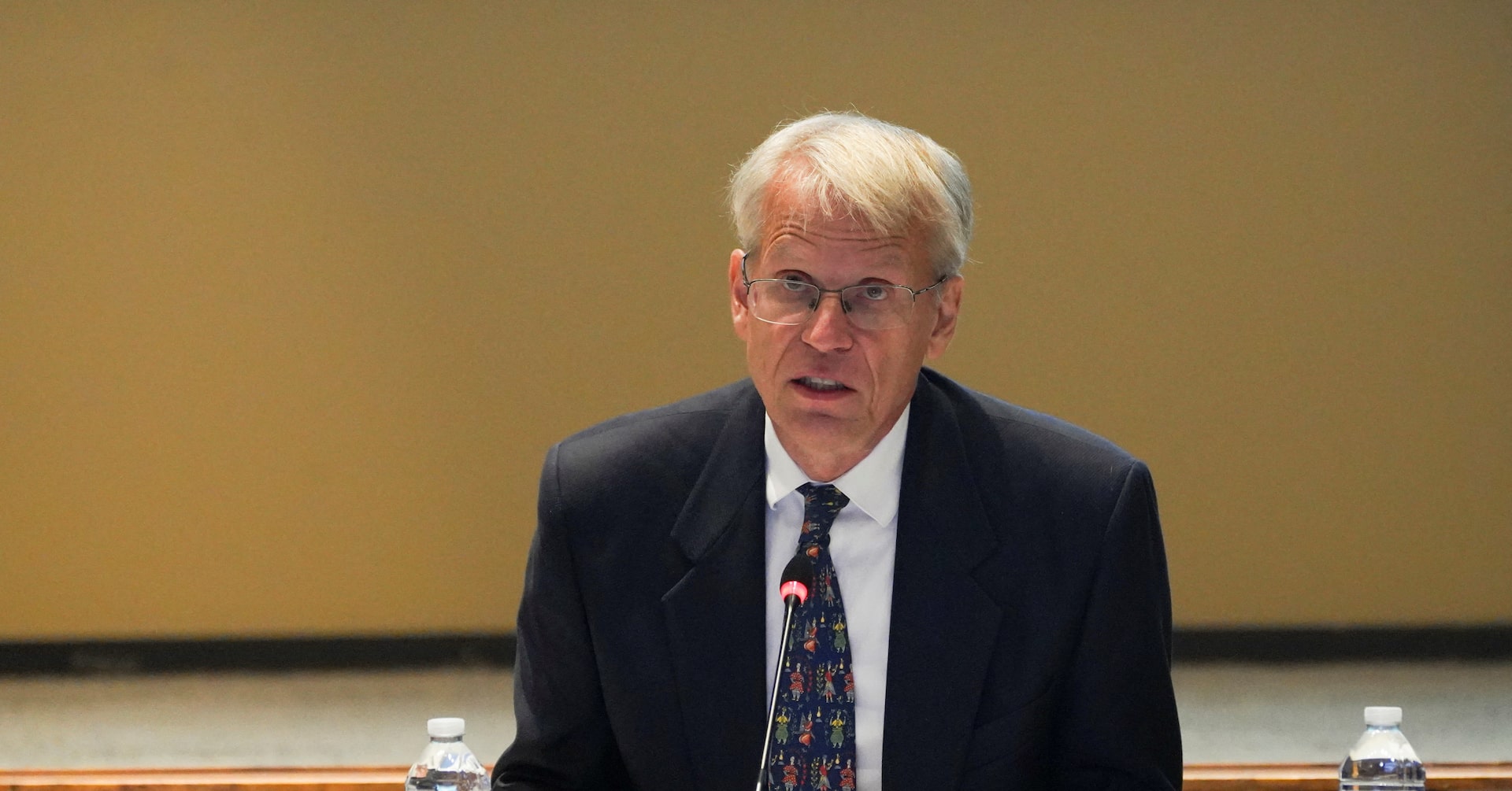
In a significant move to enhance vaccine research and policy, the U.S. Centers for Disease Control and Prevention (CDC) has formed two new specialized working groups. These teams will focus on vaccines during pregnancy and the childhood immunization schedule, as announced by Dr. Martin Kulldorff, chair of the Advisory Committee on Immunization Practices (ACIP), on September 18, 2025. The working groups, composed of ACIP members, CDC staff, and external experts, aim to address critical gaps in vaccine safety and efficacy for these vulnerable populations. The initiative underscores the CDC’s commitment to advancing public health through targeted, evidence-based strategies. The announcement follows a series of meetings held in Atlanta, Georgia, where Dr. Kulldorff and other experts discussed the evolving landscape of immunization practices. This development is expected to have far-reaching implications for healthcare policies and maternal and child health outcomes in the United States.
-
Trump says TV networks ‘against’ him should ‘maybe’ lose licence, after Kimmel suspension
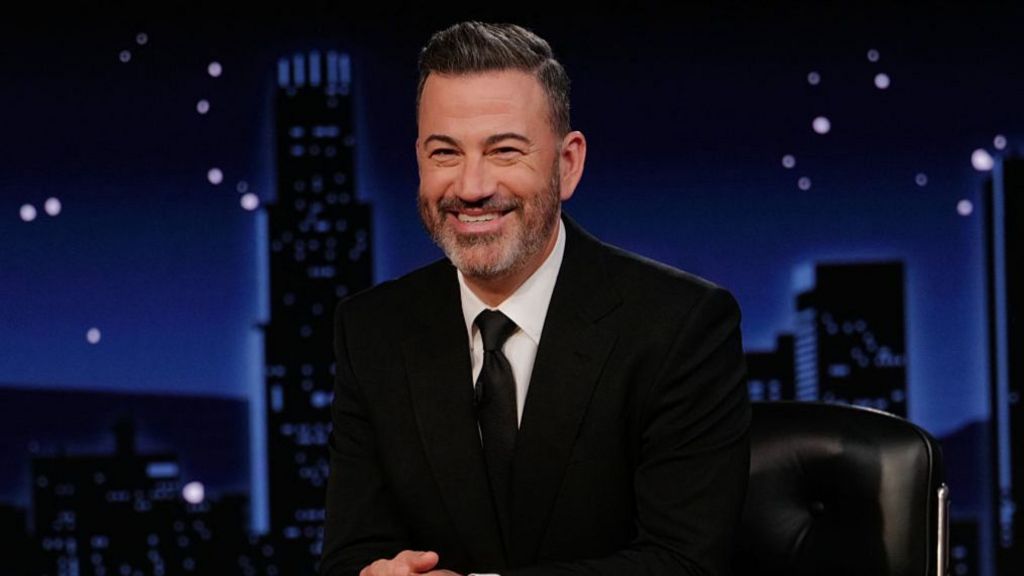
In a recent development, former U.S. President Donald Trump has urged the Federal Communications Commission (FCC) to consider revoking the licenses of television networks that provide predominantly negative coverage of him. This statement came amidst the controversy surrounding the suspension of ABC host Jimmy Kimmel, who was taken off air indefinitely following his remarks about the murder of conservative influencer Charlie Kirk. Kimmel had suggested that the suspect was a Maga Republican, despite authorities stating the alleged gunman was influenced by leftist ideology. Trump, speaking to reporters aboard Air Force One, criticized the media’s portrayal of him, claiming that 97% of network coverage was negative, yet he won the election decisively. He questioned why such networks should retain their broadcasting licenses. FCC Chairman Brendan Carr supported the suspension of Kimmel, emphasizing the need for broadcasters to adhere to public interest standards. However, legal experts argue that the First Amendment protects free speech, making it unlikely for the FCC to revoke licenses based on political disagreements. The incident has sparked a broader debate on cancel culture and free speech, with prominent figures like former President Barack Obama condemning the suspension as a dangerous escalation of regulatory threats against media. Meanwhile, others, including media personalities like Piers Morgan and Greg Gutfeld, have criticized Kimmel’s comments as misleading and offensive. The controversy continues to unfold, raising questions about the balance between accountability and censorship in media.
-
Waymo and Via to offer robotaxis for public transit, starting with Arizona
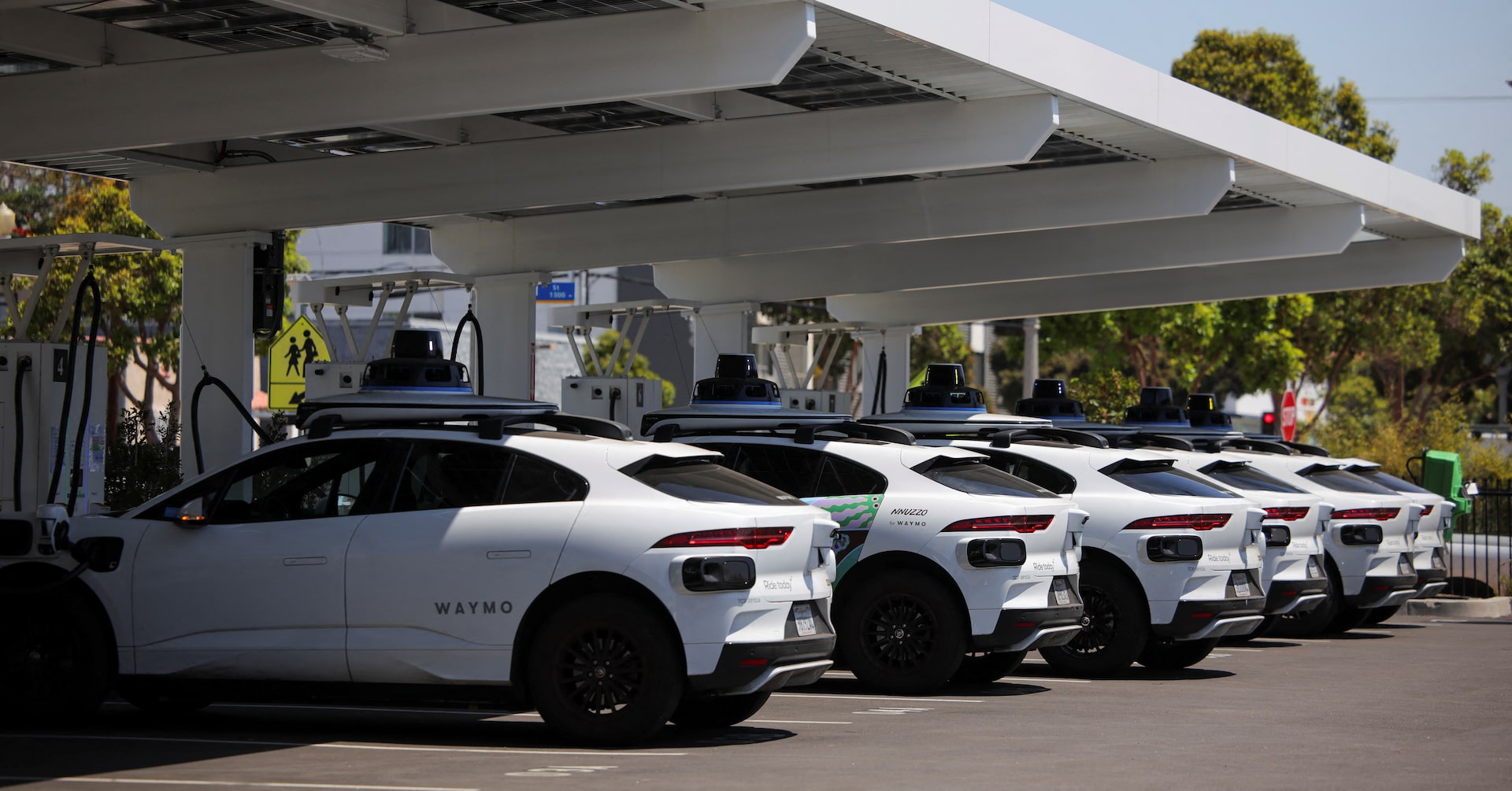
In a groundbreaking move, Alphabet’s autonomous vehicle subsidiary, Waymo, has announced a strategic partnership with Via Transportation, a leading public transit software provider. The collaboration will integrate Waymo’s self-driving vehicles into Via’s platform, starting with Chandler, Arizona’s on-demand public transit service, Chandler Flex, this fall. This initiative marks a significant step in making autonomous vehicles (AVs) accessible to millions of public transit users globally. Via’s technology powers public transportation systems in over 30 countries, and this partnership aims to enhance mobility, reduce operational costs, and improve safety outcomes. Daniel Ramot, Via’s co-founder and CEO, expressed enthusiasm about the collaboration, highlighting its potential to revolutionize public transit. Waymo has been expanding its footprint in the U.S., recently announcing plans to launch autonomous cab services in Nashville, Tennessee, in partnership with Lyft. Since its debut in Phoenix in 2020, Waymo has extended its paid driverless services to major cities, including San Francisco, Los Angeles, Austin, and Atlanta. Meanwhile, Tesla has also entered the robotaxi arena, launching a limited service in Austin in June, with plans to expand to the San Francisco Bay Area. This partnership underscores the accelerating race in the autonomous vehicle sector, with companies vying to integrate AVs into mainstream transportation systems.
-
US House Democrats call on FCC chair to resign after pressuring Disney
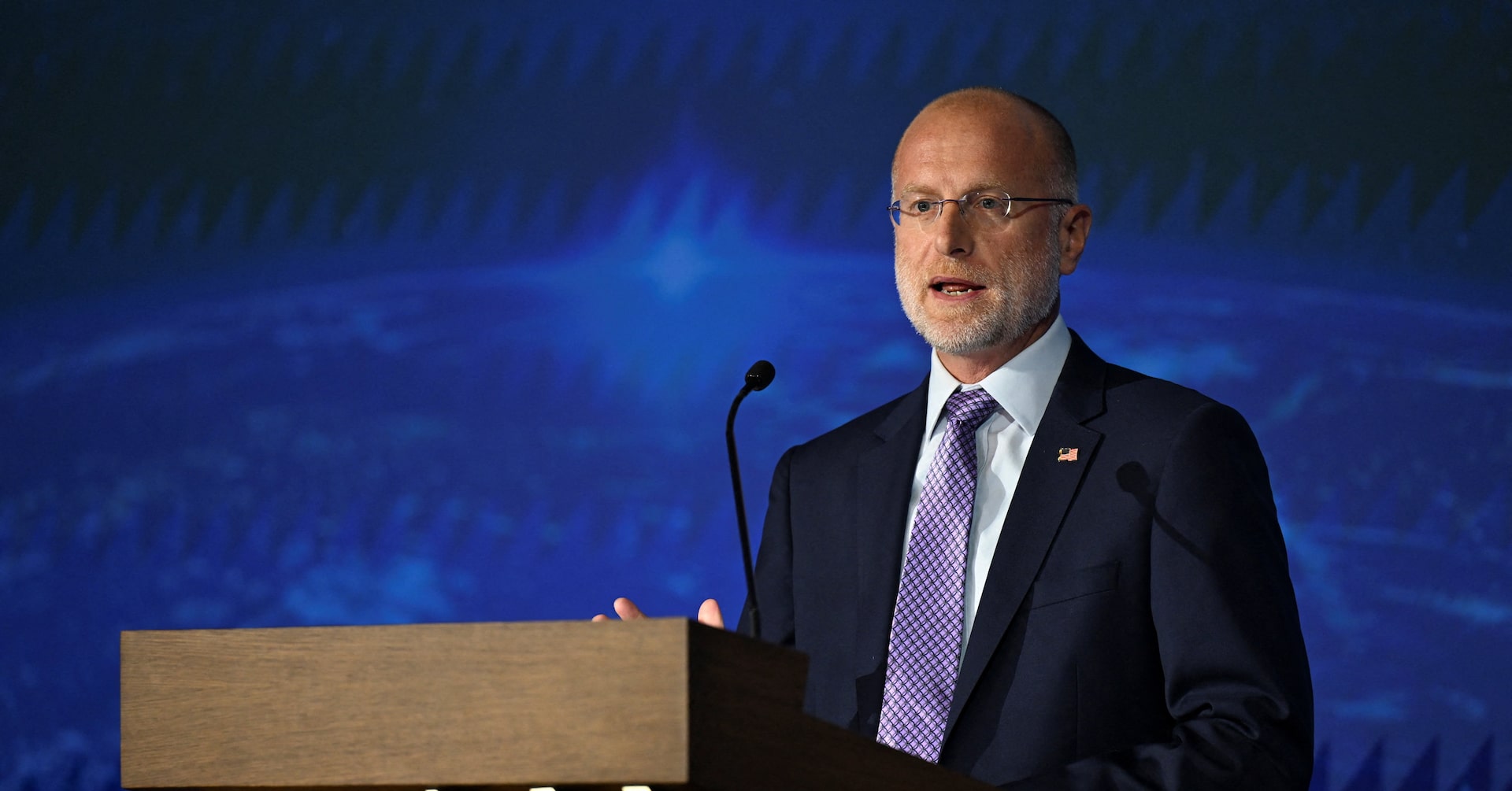
In a dramatic escalation of tensions between Democratic leaders and the Federal Communications Commission (FCC), House Democratic Leader Hakeem Jeffries and other prominent figures have called for the resignation of FCC Chair Brendan Carr. The demand follows allegations that Carr pressured Walt Disney Co. and ABC affiliates to cease airing “Jimmy Kimmel Live” after the late-night host made controversial remarks about Charlie Kirk’s assassination. Jeffries accused Carr of “disgracing the office he holds by bullying ABC, the employer of Jimmy Kimmel, and forcing the company to bend the knee to the Trump administration.” This incident is the latest in a series of controversies surrounding Carr’s tenure. Earlier this year, congressional Democrats launched an investigation into what they termed “sham” probes targeting major media outlets, including CBS, NBC, and ABC, alleging these actions were designed to intimidate the press. The call for Carr’s resignation underscores the deepening rift between the FCC and Democratic lawmakers, who view his actions as a threat to media freedom and democratic principles.
-
US holiday shopping growth to cool this year, Mastercard forecasts
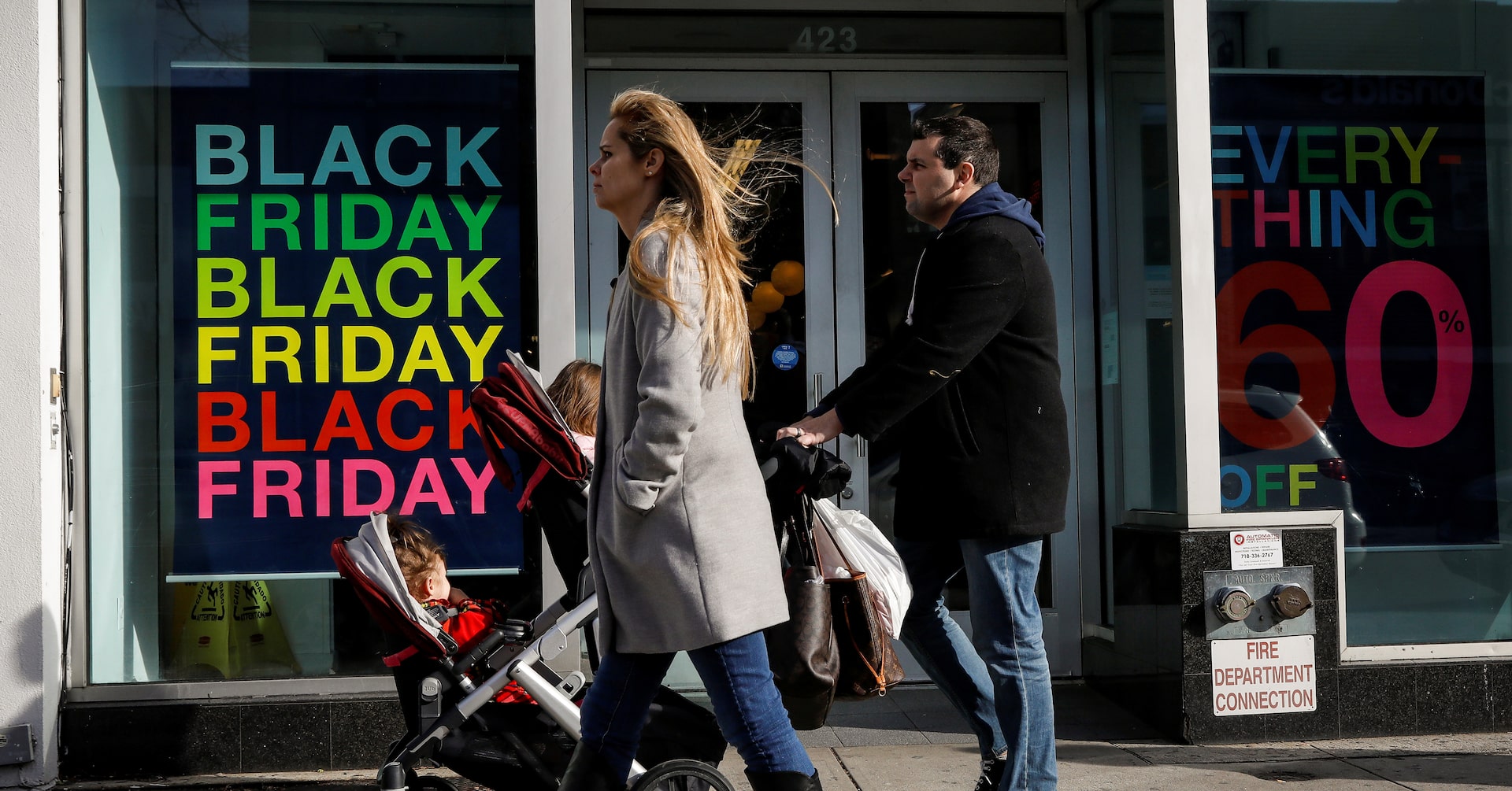
The U.S. holiday shopping season is anticipated to experience a moderated growth in sales this year, according to a recent forecast by Mastercard. The Mastercard Economics Institute projects a 3.6% increase in retail sales from November 1 to December 24, a decline from the 4.1% growth recorded during the same period last year. This slowdown is attributed to consumers prioritizing discounts and promotions in response to persistent inflation and broader macroeconomic uncertainties. The report highlights that the Trump administration’s fluctuating trade policies have escalated the costs of goods, further dampening consumer demand. Additionally, the shortened interval between Thanksgiving and Christmas this year, coupled with the early rollout of promotions, is expected to bolster online sales at the onset of December. Michelle Meyer, Chief Economist at Mastercard Economics Institute, emphasized that while the total spending may not differ significantly from last year, the composition of spending will shift, with pricing becoming a more critical factor due to the impact of tariffs. Online sales are forecasted to rise by 7.9%, a slight decrease from the 8.6% growth observed last year, while in-store sales are projected to grow by 2.3%, down from 2.8% in the 2024 holiday season. Mastercard’s forecast, derived from SpendingPulse insights, which track in-store and online retail sales across all payment methods excluding automotive sales, aligns with recent subdued projections from Salesforce and mixed forecasts from major retailers. Target and Best Buy have maintained their annual forecasts, whereas Walmart and Macy’s have raised theirs. Conversely, toymaker Mattel has reduced its forecast. As retailers navigate these challenges, the holiday shopping season remains a pivotal driver of annual sales, albeit under more constrained economic conditions.
-
US weekly jobless claims fall, but labor market softening
The U.S. labor market is showing signs of softening as both the demand for and supply of workers have diminished, according to recent data. Initial claims for state unemployment benefits dropped by 33,000 to a seasonally adjusted 231,000 for the week ending September 13, partially reversing a surge from the previous week. However, the hiring side of the market has nearly stalled, with payrolls increasing by only 22,000 jobs in August and averaging 29,000 positions per month over the last three months. The unemployment rate is nearing a four-year high of 4.3%, and the average duration of joblessness has risen to 24.5 weeks, the longest since April 2022. Economists attribute the slowdown in hiring to uncertainty caused by import tariffs and a reduction in labor supply due to stricter immigration policies. Federal Reserve Chair Jerome Powell described the situation as a ‘curious balance,’ where both supply and demand have sharply declined. In response, the Fed cut its benchmark interest rate by a quarter-percentage-point to a 4.00%-4.25% range and projected further reductions for the rest of 2025 to support the labor market. Despite low layoffs, those who lose their jobs are facing prolonged unemployment due to the sluggish pace of hiring.
-
Sarah Smith: Trump visit showed UK’s warm relations – and limited influence
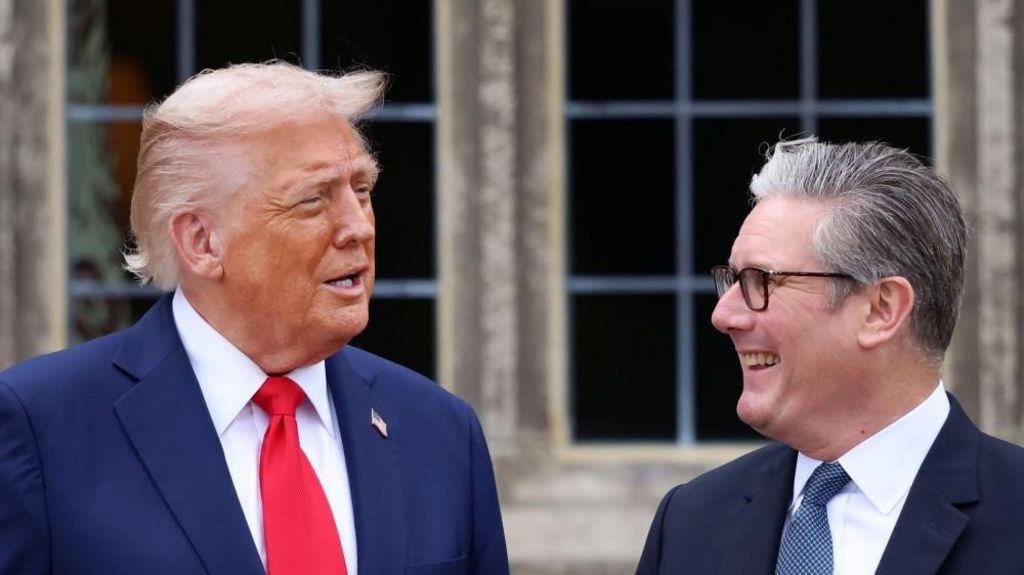
Donald Trump’s recent state visit to the United Kingdom was marked by grandeur, personal connections, and subtle diplomatic maneuvers. While the U.S. president appeared more captivated by his time at Windsor Castle with King Charles and Queen Camilla than his discussions with UK Prime Minister Sir Keir Starmer at Chequers, the visit underscored the enduring strength of the UK-US alliance. The trip, meticulously orchestrated, showcased the ceremonial aspects of diplomacy, from an aerial display by the British Army’s Red Devils to an elaborate banquet at Windsor Castle, which Trump described as the highlight of his journey. Despite the pomp, the visit also revealed the limits of personal rapport in influencing policy. During a joint news conference, Trump and Starmer addressed contentious issues such as UK plans to recognize Palestinian statehood and the dismissal of Peter Mandelson as UK ambassador to the US. While the leaders maintained a cordial tone, it was evident that their fundamental disagreements remained unchanged. Trump’s chief of staff, Susie Wiles, candidly stated that the visit would not alter US policy on trade, tariffs, or international affairs. Nevertheless, Starmer’s adept handling of the relationship ensured that the UK avoided the punitive trade tariffs imposed on other nations and maintained a respectful, if not influential, dialogue with the US president. The visit concluded with a sense of mutual respect, highlighting that while personal connections can ease tensions, they do not necessarily shift geopolitical stances.
-
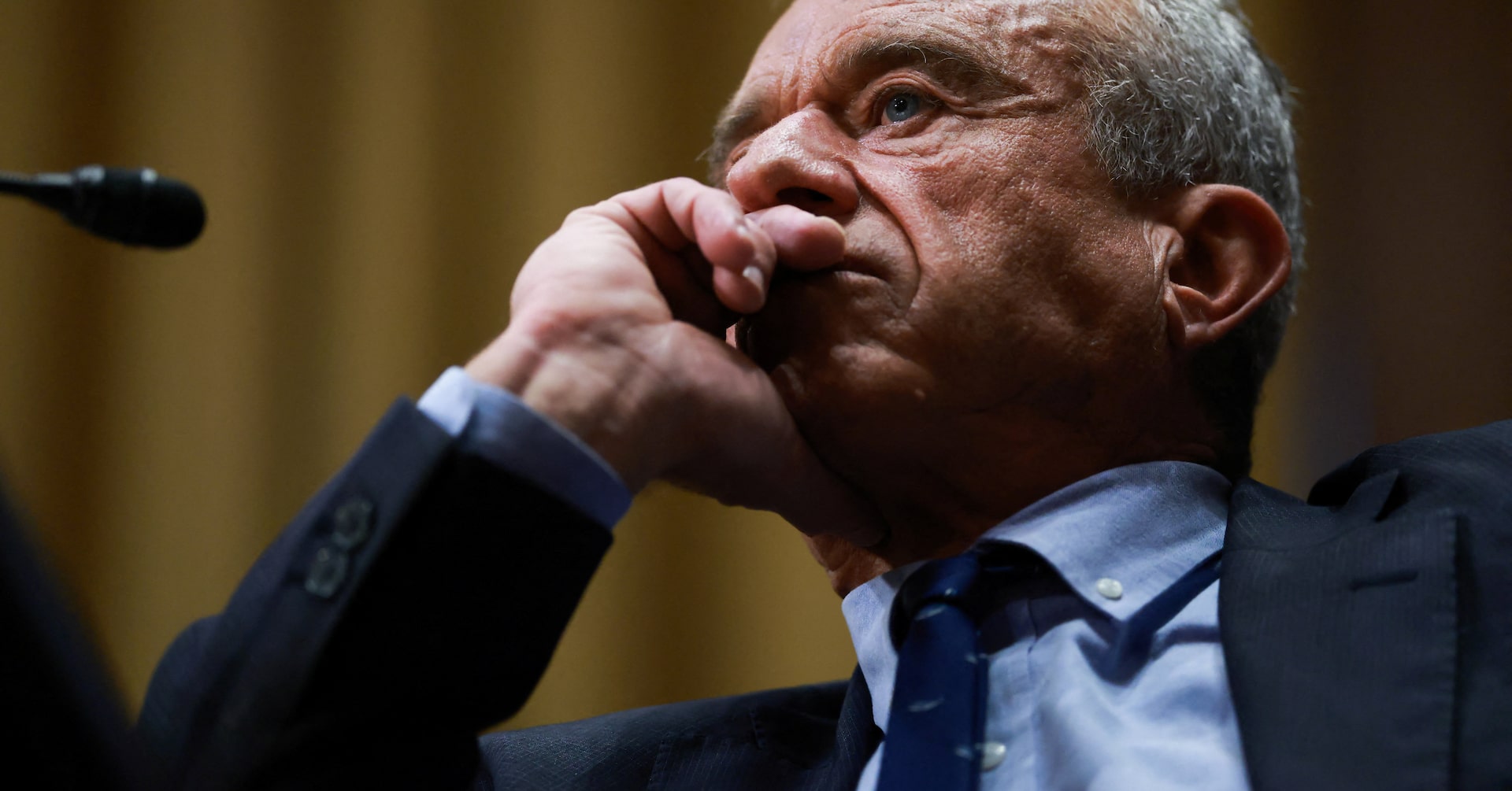
Kennedy’s hand-picked CDC committee to vote on hepatitis B and COVID shots
In a pivotal moment for U.S. public health policy, the Centers for Disease Control and Prevention (CDC) is poised to redefine its vaccination guidelines under the leadership of Health Secretary Robert F. Kennedy Jr. A newly appointed advisory committee, handpicked by Kennedy, is set to convene on September 18 and 19, 2025, to deliberate on critical vaccine recommendations, including those for hepatitis B, measles-mumps-rubella-varicella (MMRV), and COVID-19. This meeting follows Kennedy’s controversial decision earlier this year to dismiss all 17 members of the CDC’s Advisory Committee on Immunization Practices (ACIP) and replace them with a smaller, 12-member panel. The new committee, chaired by Martin Kulldorff, a biostatistician and epidemiologist known for his opposition to COVID-19 lockdowns, has already stirred debate. Among the key issues on the agenda is the potential delay of the hepatitis B vaccine for newborns, a move that has drawn criticism from medical experts who argue that the birth dose has been instrumental in reducing hepatitis B infections. The committee will also review the use of a combined MMRV vaccine, which has been linked to a higher risk of seizures in young children compared to separate MMR and varicella vaccines. The reshuffling of the CDC’s leadership and advisory panels has raised concerns among public health officials, with some accusing Kennedy of prioritizing ideology over science. The meeting comes amid broader turmoil at the CDC, including the resignation of several senior officials who cited fears that policy decisions were being predetermined without adequate scientific review. As the nation watches, the outcome of these deliberations could mark a significant shift in U.S. vaccination policy, with far-reaching implications for public health.