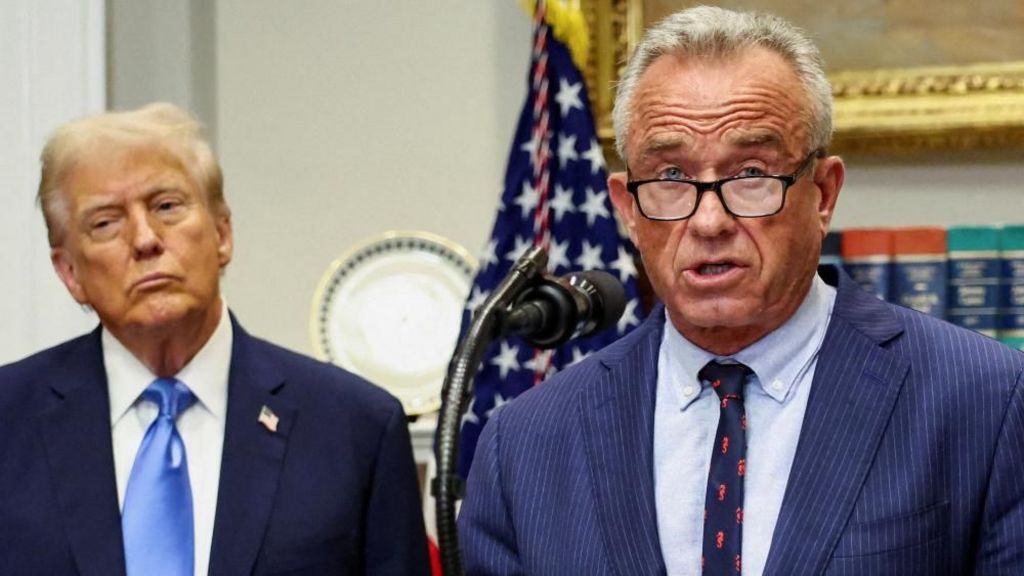
Former President Donald Trump’s recent assertion that taking Tylenol during pregnancy increases the risk of autism in children has sparked widespread concern and confusion among expectant mothers. Speaking at a press conference alongside Health Secretary Robert F. Kennedy Jr., Trump advised pregnant women to ‘tough it out’ rather than use acetaminophen, the active ingredient in Tylenol, for pain or fever relief. This statement has drawn sharp criticism from medical professionals, who argue that it lacks scientific evidence and could endanger maternal and fetal health. Dr. Dallas Reed, Chief of Genetics and OBGYN at Tufts Medical Center, reported receiving numerous inquiries from anxious parents questioning whether their child’s autism could be linked to Tylenol use during pregnancy. She emphasized that current research does not support a conclusive connection between the two. The Autism Science Foundation also refuted Trump’s claim, stating that existing data does not provide sufficient evidence to establish such a link. However, the foundation cautioned that all medications during pregnancy should be used judiciously and under medical supervision. Acetaminophen remains one of the few pain relievers deemed safe for pregnant women, as alternatives like ibuprofen have been associated with birth defects. Public health experts attribute the rise in autism diagnoses to improved awareness and testing rather than medication use. Despite this, Trump’s remarks have fueled unnecessary fear and guilt among parents. Dr. Allison Bryant, a high-risk obstetrician at Massachusetts General Hospital, expressed concern that women might avoid necessary medications, potentially leading to untreated fevers or pain, which pose significant risks to pregnancy. Dr. Elizabeth Langen, a maternal-fetal medicine specialist, stressed that untreated pain can trigger stress responses harmful to both mother and baby. The FDA has issued a cautious statement, noting that a causal relationship between Tylenol and autism remains unproven, and advised physicians to limit acetaminophen use only for low-grade fevers. Medical professionals continue to recommend acetaminophen as a safe option for pain and fever relief during pregnancy, urging patients to consult their healthcare providers for personalized advice. Dr. Langen lamented that the controversy detracts from addressing other critical health issues, underscoring the need for evidence-based guidance in prenatal care.
标签: North America
北美洲
-
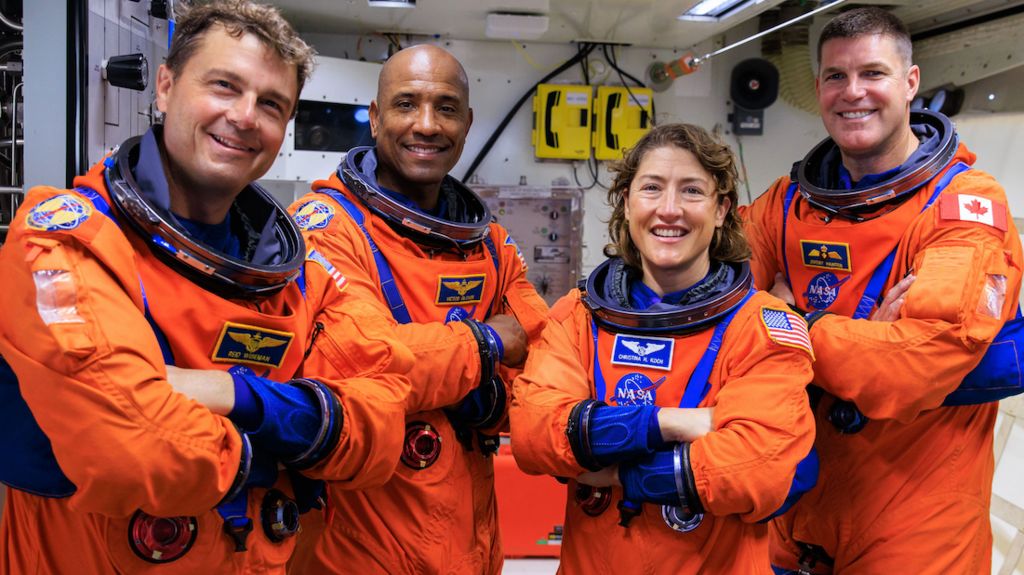
Meet the history-making astronauts headed for the Moon
NASA’s Artemis II mission, set to launch as early as February 2026, marks a historic return to lunar exploration after a 50-year hiatus. Commander Reid Wiseman and his crew, including mission specialist Christina Koch, Canadian astronaut Jeremy Hansen, and Victor Glover, are poised to embark on a journey that promises to redefine humanity’s understanding of the Moon and beyond. The mission, part of NASA’s broader Artemis program, aims to establish a sustained human presence on the lunar surface and pave the way for future Mars exploration.
-
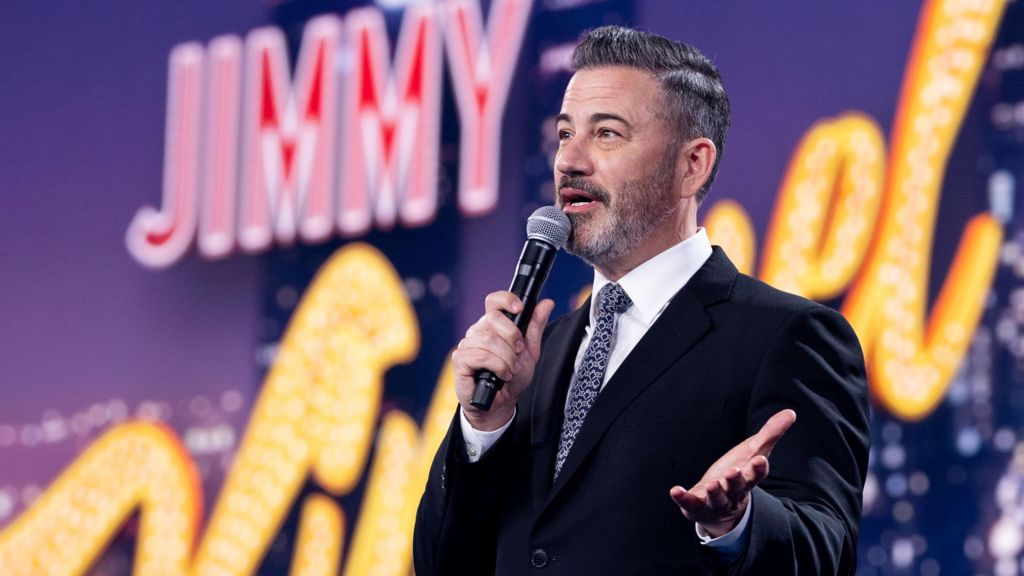
Kimmel pulls no punches as he sends defiant message to Trump
In a highly anticipated comeback to US television, Jimmy Kimmel addressed the controversy surrounding his recent comments about Charlie Kirk’s death, striking a tone of sorrow without issuing a formal apology. The late-night host, who was briefly suspended by Disney, made it clear that he would not be silenced by his critics, particularly former President Donald Trump. Kimmel acknowledged that some viewers found his remarks ‘ill-timed or unclear,’ but he stopped short of apologizing, emphasizing that it was never his intention to trivialize Kirk’s murder or blame any specific group for the tragedy. He also reiterated his support for Kirk’s family, referencing a heartfelt Instagram post he shared before the controversy erupted. Kimmel’s return was marked by a defiant stance on free speech, as he declared that his show’s existence is a testament to the freedoms afforded by the United States. He also took jabs at Trump, mocking the former president’s attempts to ‘cancel’ him and suggesting that the backlash had only boosted his show’s viewership. Kimmel’s monologue included a satirical sketch featuring Robert De Niro, who played the new chairman of the FCC, criticizing the agency for allegedly suppressing free speech. The host’s return has reignited tensions between Trump and the media, with the former president signaling his intent to escalate the feud. Despite mixed reactions from critics and commentators, Kimmel’s supporters have praised his resilience and ability to command the stage during a high-pressure moment. As the battle between Trump and the media continues, Kimmel’s return marks a new chapter in this increasingly contentious relationship.
-
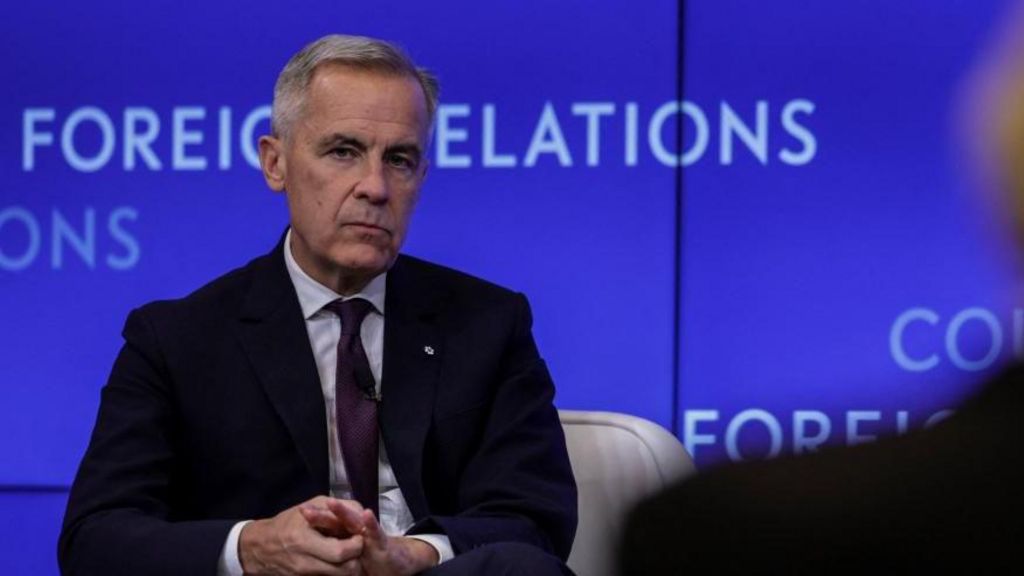
H-1B visa changes may give Canada an opportunity. Will it seize it?
In a significant development that could reshape the global talent landscape, US President Donald Trump’s decision to increase the fee for the H-1B skilled worker visa to $100,000 has sparked a wave of concern among tech companies and foreign professionals. The move, which took effect on Sunday, is expected to deter highly educated foreigners, including recent US university graduates, from pursuing long-term employment in the United States. This policy shift has presented Canada with a unique opportunity to attract and retain skilled workers who may now seek alternatives outside the US. Canadian Prime Minister Mark Carney, speaking at the Council of Foreign Relations in New York on Monday, acknowledged the potential for Canada to benefit from these changes. ‘I understand you’re changing your visa policy,’ Carney remarked. ‘Maybe we can hang on to one or two of them.’ Carney emphasized Canada’s strengths in research and artificial intelligence but lamented that much of this talent has traditionally migrated to the US. The H-1B visa programme has long been a cornerstone for US tech companies to employ foreign workers legally. However, the recent fee hike has left many professionals reconsidering their options. Canada, with its world-class research institutions, proximity to the US, and high quality of life, is emerging as a natural alternative. Immigration lawyer Evan Green described the situation as ‘a wonderful opportunity for the Canadian government to take advantage of.’ Similarly, Build Canada, a non-profit organization, released a memo urging swift action to capitalize on the influx of skilled workers seeking new opportunities. However, challenges remain. While Canada has introduced initiatives like the Global Skills Strategy and Express Entry programmes, experts caution that the country’s immigration system still faces hurdles. Economist Mikal Skuterud noted that Canada’s scaled-back immigration policies and lower wage structures compared to the US could limit its appeal. ‘Canada does not look much more predictable than the US,’ Skuterud warned. Despite these challenges, the potential for Canada to attract top talent is undeniable. The IRCC spokesperson, Matthew Krupovich, highlighted ongoing efforts to identify new solutions to attract the world’s brightest minds. As the US grapples with the implications of its visa policy changes, Canada stands poised to position itself as a global hub for innovation and skilled labor.
-
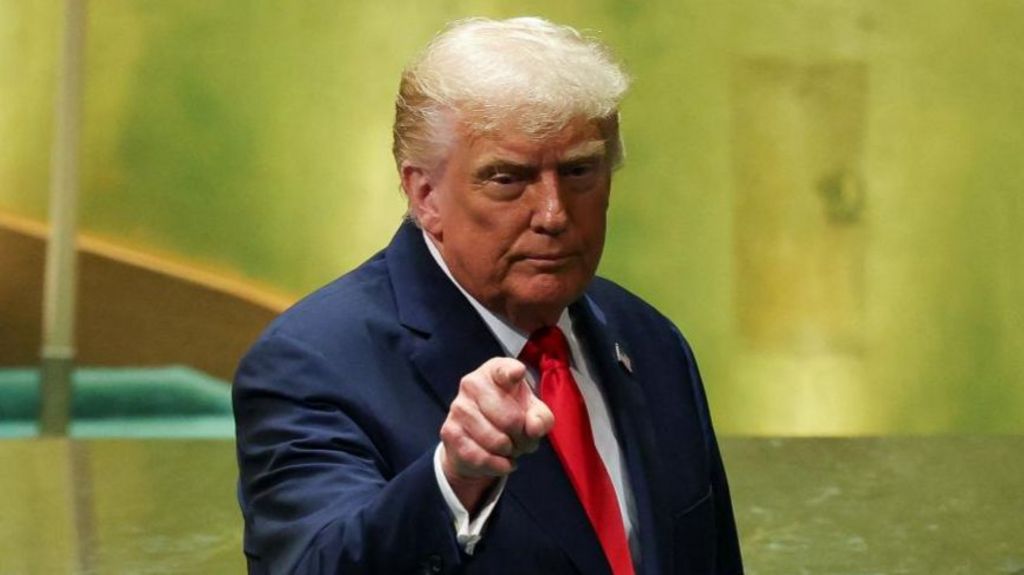
Seven years ago Trump’s UN audience laughed, this year they were silent
In a fiery address to the United Nations General Assembly, former U.S. President Donald Trump delivered a blistering critique of the international body, European policies, and global multilateralism. Trump, known for his unorthodox approach to diplomacy, used the platform to reaffirm his nationalist ideology, which he termed ‘Trumpism unplugged’ by supporters and ‘Trumpism unhinged’ by critics. His nearly hour-long speech began with self-praise, claiming credit for a ‘golden age’ in the U.S. and asserting that he had ended seven wars, a claim he believes warrants a Nobel Peace Prize. However, the bulk of his speech targeted the UN, which he accused of failing to fulfill its potential and resorting to ’empty words’ rather than tangible action. Trump also criticized the organization for its support of asylum seekers, accusing it of facilitating ‘invasions’ rather than preventing them. He even took aim at the UN’s infrastructure, citing a broken escalator and teleprompter as symbols of its inefficiency. Trump’s broader critique extended to Europe, which he accused of being ‘devastated’ by immigration and renewable energy policies. He labeled climate change a ‘con job’ and warned European nations against adopting ‘suicidal’ green energy initiatives. His remarks echoed his earlier comments during a state visit to the U.K., where he emphasized the need to protect the ‘English-speaking world’ and Judeo-Christian heritage. On Ukraine, Trump issued a rare warning to Russia, calling its actions in the conflict detrimental to its global image. He also hinted at potential tariffs but shifted blame to European nations for continuing to buy Russian energy. While his speech was met with silence, Trump’s subsequent social media post suggested optimism about Ukraine’s ability to reclaim its territory, though he notably omitted any mention of U.S. military support. The address underscored Trump’s disdain for multilateralism and his belief in the supremacy of nation-states, leaving little room for compromise or collective solutions.
-

What makes Canada so good and will they cause World Cup upset?
The Women’s Rugby World Cup final on Saturday, 27 September 2025, promises to be a thrilling showdown as Canada challenges England at Twickenham. Despite England’s status as the world’s number one team and an unbeaten streak of 32 matches, Canada has emerged as a formidable contender, ranked second globally and undefeated this year. Their impressive journey to the final includes a dominant 34-19 victory over defending champions New Zealand in the semi-finals, where they led 24-7 at halftime. Canada’s recent performances suggest they are far from underdogs, having showcased exceptional speed, agility, and tactical prowess. Their quick ruck speeds, second-most clean breaks, and high number of offloads and runs highlight their dynamic playing style. Former players and analysts, including Maggie Alphonsi and Lesley McKenzie, have praised Canada’s ability to disrupt opponents and maintain momentum. Despite financial challenges and a semi-professional setup, Canada’s team has rallied with crowdfunding efforts and strategic planning. With key players like Sophie de Goede and Alex Tessier gaining experience in England’s Premiership Women’s Rugby league, Canada is poised to make history. As the nation rallies behind them, this final could mark a turning point for women’s rugby in Canada and inspire future generations.
-
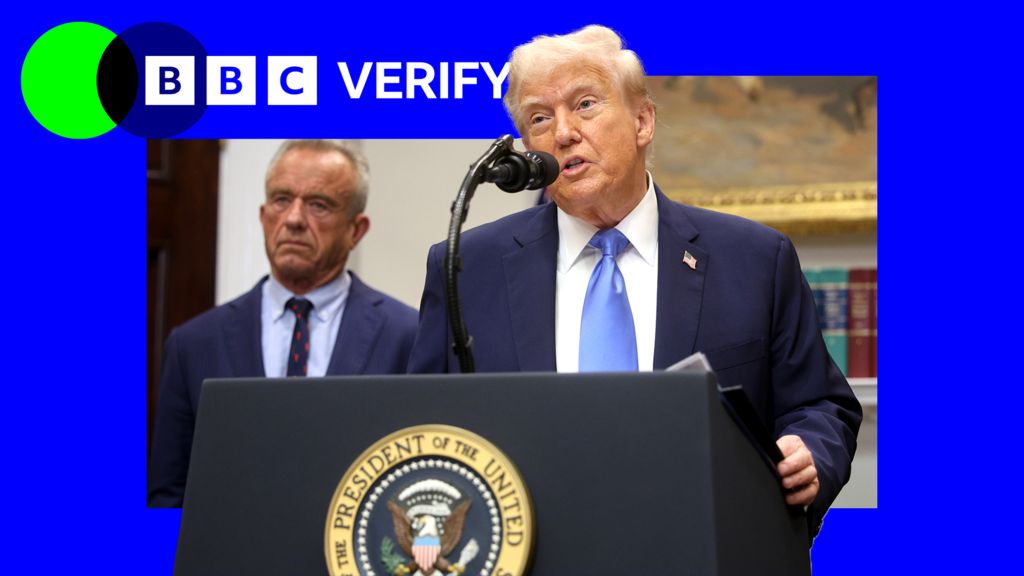
Fact-checking claims Trump made about autism
US President Donald Trump has sparked significant backlash from health experts following his assertion of a link between the widely used painkiller Tylenol (paracetamol in some countries) and autism. Speaking alongside Health Secretary Robert F Kennedy Jr, Trump suggested that doctors would soon be advised against recommending the drug to pregnant women. This claim has been met with strong opposition from medical professionals. The American College of Obstetricians and Gynaecologists labeled the announcement ‘unsettling’ and lacking ‘reliable data,’ while the UK’s National Autism Society called it ‘dangerous, anti-science, and irresponsible.’
During a White House press conference, Trump cited statistics indicating a rise in autism diagnoses in the US, claiming the rate had increased from ‘one in 10,000’ 18 years ago to ‘one in 31’ by 2025. While the latter figure is accurate according to 2022 data from the Centers for Disease Control and Prevention (CDC), the rate of increase was significantly less dramatic than Trump suggested. Experts attribute the rise in autism diagnoses primarily to improved diagnostic methods and greater awareness.
Trump also claimed that California has a ‘more severe problem’ with autism, citing CDC data showing one in 12 eight-year-old boys in the state had autism. However, the CDC noted that California’s proactive screening initiatives likely contributed to higher identification rates. Additionally, Trump suggested that the mumps, measles, and rubella (MMR) vaccine should be administered separately rather than as a combined shot, a claim that experts fear could lead to reduced vaccination rates and the resurgence of preventable diseases.
The president’s comments echoed long-debunked theories linking vaccines to autism, which originated from a discredited 1998 study by Andrew Wakefield. Multiple studies, including a 2019 Danish study involving over 650,000 children, have found no such link. Trump also cited the Amish community as having ‘virtually no autism,’ attributing this to low Tylenol use. However, limited research on autism in the Amish population makes this claim unsubstantiated.
Trump’s remarks have reignited concerns about the spread of misinformation and its potential impact on public health. Health experts urge the public to rely on evidence-based medical advice rather than unverified claims.
-

Trump’s immigration war pivots to Asian talent
The Trump administration has recently intensified its stance on immigration, targeting both illegal and legal pathways, including the H-1B visa program, which is crucial for the U.S. tech industry and academia. On September 19, President Trump issued an executive order imposing a $100,000 annual fee on employers hiring H-1B workers, a move that could effectively dismantle the program. This decision sparked immediate backlash, with critics arguing it would severely disrupt the tech sector and universities that rely on skilled foreign workers. The administration quickly backtracked, clarifying the fee would be a one-time charge and exempting existing visa holders. However, the order remains a significant blow to skilled immigration. Additionally, a recent ICE raid on a Hyundai battery factory in Georgia, resulting in the arrest of 475 South Korean workers, has further strained U.S.-South Korea relations and threatened foreign investment. These actions highlight the administration’s broader anti-immigration agenda, which experts warn could harm America’s economic competitiveness and global standing.
-
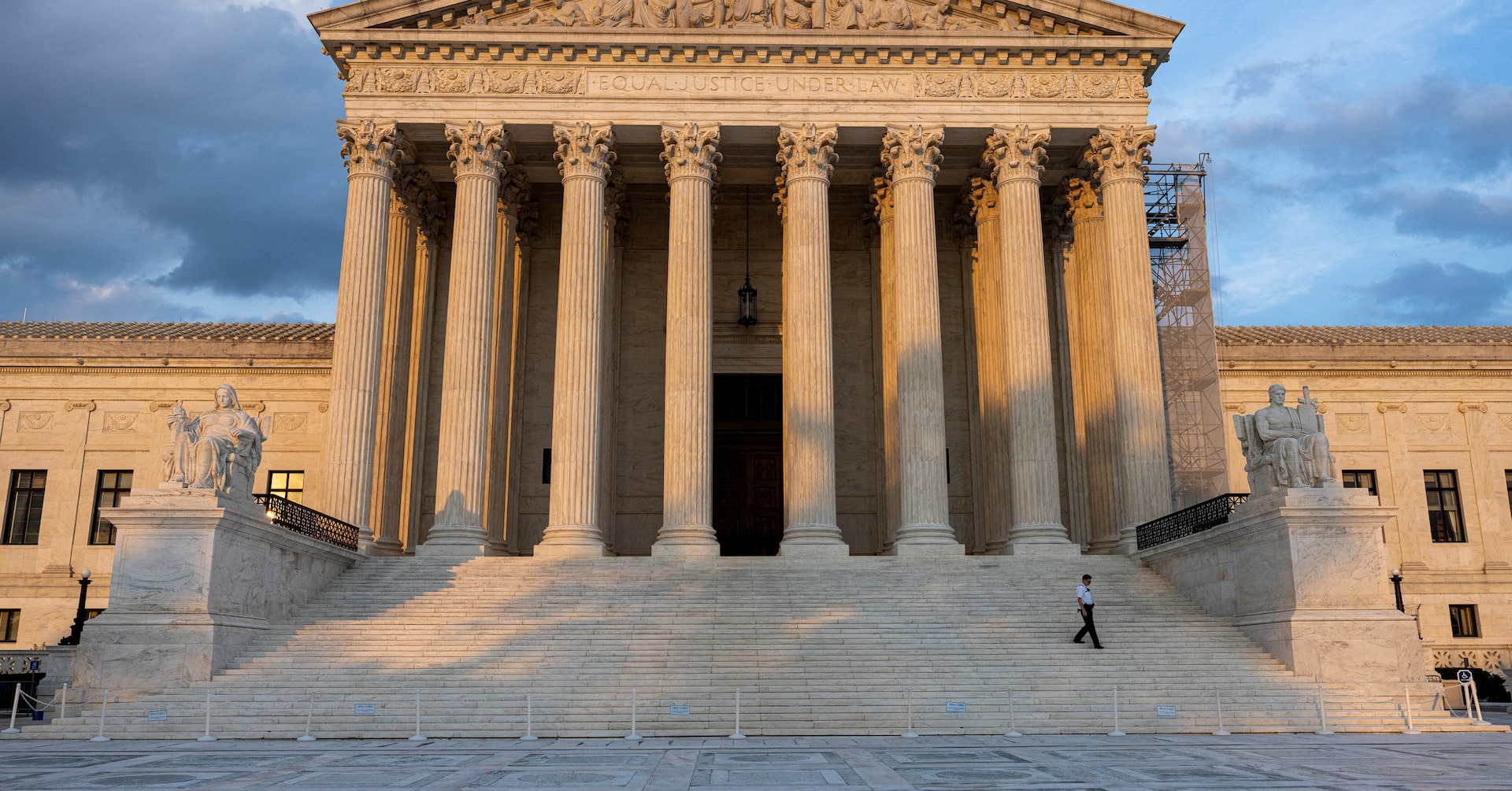
Key parts of Trump’s economic agenda now in Supreme Court’s hands
The U.S. Supreme Court is poised to make landmark decisions on two critical cases involving President Donald Trump’s economic policies: his global tariffs and his unprecedented attempt to remove Federal Reserve Governor Lisa Cook. These cases, which could significantly reshape executive power, are set to be heard in the coming months, with arguments on the tariffs case scheduled for November 5.
-
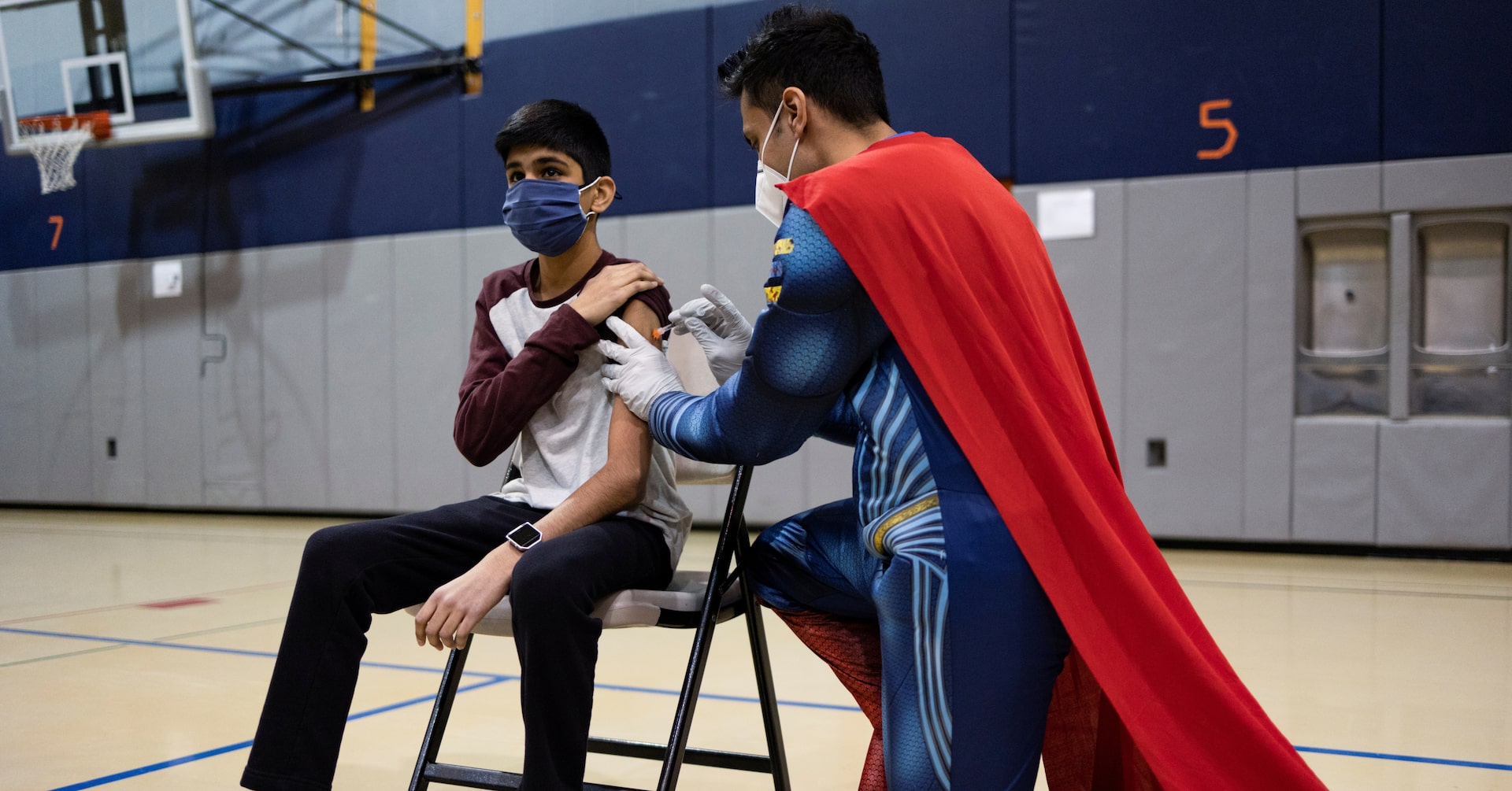
Pennsylvania pharmacist keeps vaccine Superman suit on hand
Dr. Mayank Amin, a Pennsylvania-based pharmacist who became a local hero during the COVID-19 pandemic by dressing as Superman to deliver vaccines, has once again donned the iconic suit. Amin, owner of Skippack Pharmacy in Lansdale, Pennsylvania, has been administering thousands of COVID-19 shots in September as patients rushed to get vaccinated amid concerns over shifting U.S. government policies that could affect eligibility. While Amin has largely retired the Superman costume, he still uses it for special clinics, particularly for children who request it. ‘It’s kind of like how a firefighter’s costume hangs at the station,’ Amin remarked. ‘It’s better that it stays on the wall.’ The surge in demand for vaccines has been fueled by uncertainty surrounding health insurance coverage and the upcoming recommendations from the CDC’s advisory panel. The FDA recently narrowed its approval for COVID-19 vaccines to individuals aged 65 and older or those at risk for severe disease. Meanwhile, Pennsylvania and 16 other states have granted pharmacists the authority to follow medical organizations’ recommendations, further complicating the landscape. Skippack Pharmacy has extended its hours to meet the demand, with Amin noting, ‘We had calls and messages and people waiting outside, just like the old COVID days.’