
Michael Eugene Archer, the Grammy-winning R&B artist widely known by his stage name D’Angelo, has died at the age of 51 following a courageous battle with cancer. His family confirmed the heartbreaking news in a statement released on Tuesday, celebrating his profound musical legacy and urging fans to honor his enduring contributions to the world of music. D’Angelo was a trailblazer in the neo-soul genre, seamlessly fusing R&B with elements of hip-hop and jazz, and leaving an indelible mark on the industry. Over the course of his career, he released three critically acclaimed albums, earning four Grammy Awards and widespread recognition. His iconic music video for the hit song *Untitled (How Does It Feel)*, featuring a raw and powerful one-shot performance, became a cultural phenomenon. D’Angelo’s family described him as “the shining star of our family,” whose light has now dimmed in this life. Beginning his career as a songwriter, he collaborated with music legends such as Lauryn Hill and The Roots. His debut album, *Brown Sugar*, catapulted him to fame in the 1990s, with the track *Lady* peaking at No. 10 on Billboard’s Hot 100 chart in 1996. The song garnered multiple Grammy nominations, cementing his status as a musical icon. As this story continues to develop, further updates will be provided. For the latest breaking news, follow @BBCBreaking on X or download the BBC News App.
标签: North America
北美洲
-
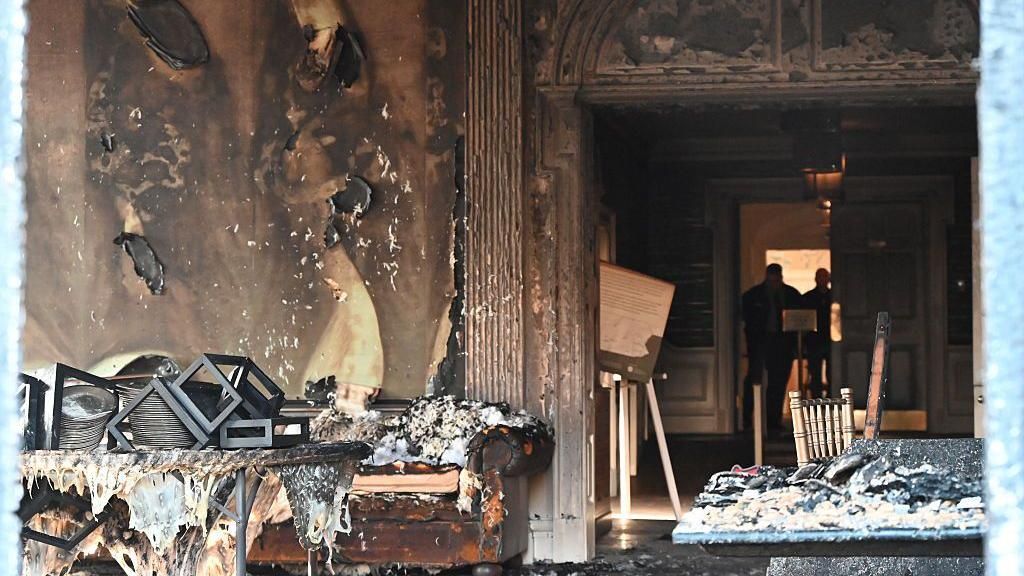
Man who set fire to Pennsylvania governor’s mansion sentenced to 25 to 50 years in prison
In a significant legal development, Cody Balmer, a 38-year-old arsonist, has been sentenced to 25 to 50 years in state prison for setting fire to Pennsylvania Governor Josh Shapiro’s residence in April. The sentencing was part of a plea deal, with Balmer pleading guilty to charges including attempted murder, aggravated arson, 22 counts of arson, burglary, and other offenses during a court hearing on Tuesday. The incident, which occurred during Passover, severely damaged the official residence in Harrisburg, though all occupants, including Governor Shapiro, his family, and staff, escaped unharmed. Governor Shapiro expressed his family’s support for the plea agreement, emphasizing their reliance on faith during the recovery process. The attack is part of a broader trend of political violence in the U.S., including high-profile cases involving Michigan Governor Gretchen Whitmer, former President Donald Trump, and others. Balmer admitted to using Molotov cocktails in the attack and harboring intense animosity toward Shapiro, even stating he would have assaulted the governor with a hammer if given the chance. Shapiro, a Democrat and former state attorney general, has been a prominent political figure, often mentioned as a potential future presidential candidate.
-
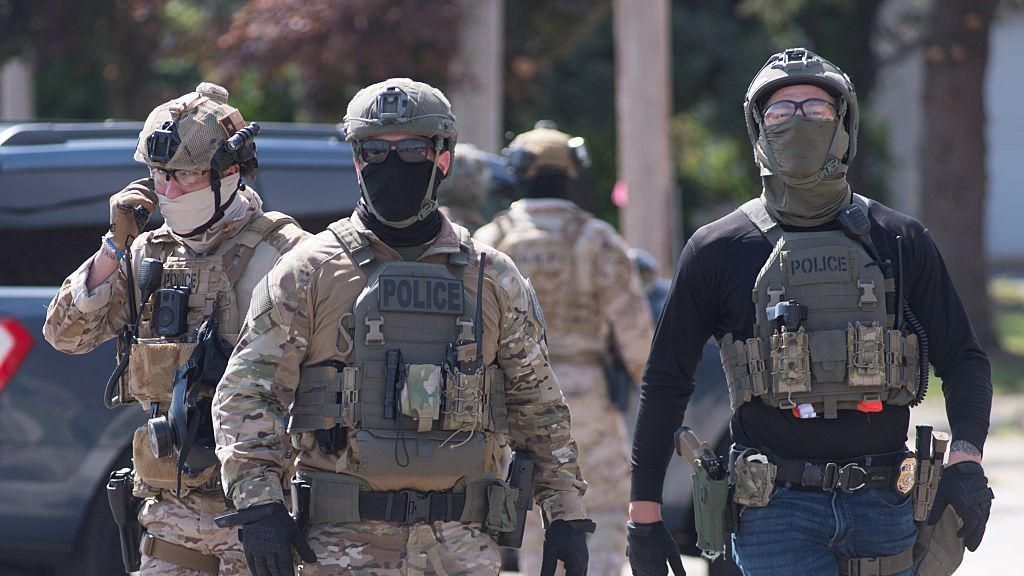
Trump administration looks for ways to pay federal officers during shutdown
As the US government shutdown enters its third week, federal law enforcement officers, deemed ‘essential,’ are required to continue working despite not receiving their salaries. The Trump administration is actively seeking alternative funding mechanisms to ensure these officers are compensated, even as Democrats and Republicans remain deadlocked over the budget impasse. President Donald Trump has already authorized the use of previously allocated Pentagon funds to pay military personnel, but the financial resources needed to cover law enforcement officers remain unclear. A spokesperson for the Office of Management and Budget (OMB) confirmed that alternative payment solutions are being explored. Affected agencies include the FBI, Drug Enforcement Agency (DEA), US Border Patrol, and Immigration and Customs Enforcement (ICE). Meanwhile, Vice-President JD Vance has warned of further ‘painful’ cuts if the shutdown persists. Approximately 750,000 federal employees, or 40% of the workforce, have been furloughed or sent home without pay, with layoffs already affecting at least seven agencies. In a separate development, Homeland Security Secretary Kristi Noem announced an ‘innovative’ method to ensure Coast Guard members are paid, though details were not disclosed. Additionally, tariff revenue is being redirected to fund the Special Supplementation Nutrition Program for Women, Infants, and Children (WIC), which supports over 6.5 million beneficiaries. However, the National WIC Association cautioned that this is not a permanent solution, and prolonged shutdown could jeopardize millions of recipients. Congressional Democrats are reportedly drafting legislation to safeguard WIC funding, emphasizing its importance beyond the annual budget process. The Senate is set to vote again on government funding, though passage remains unlikely.
-
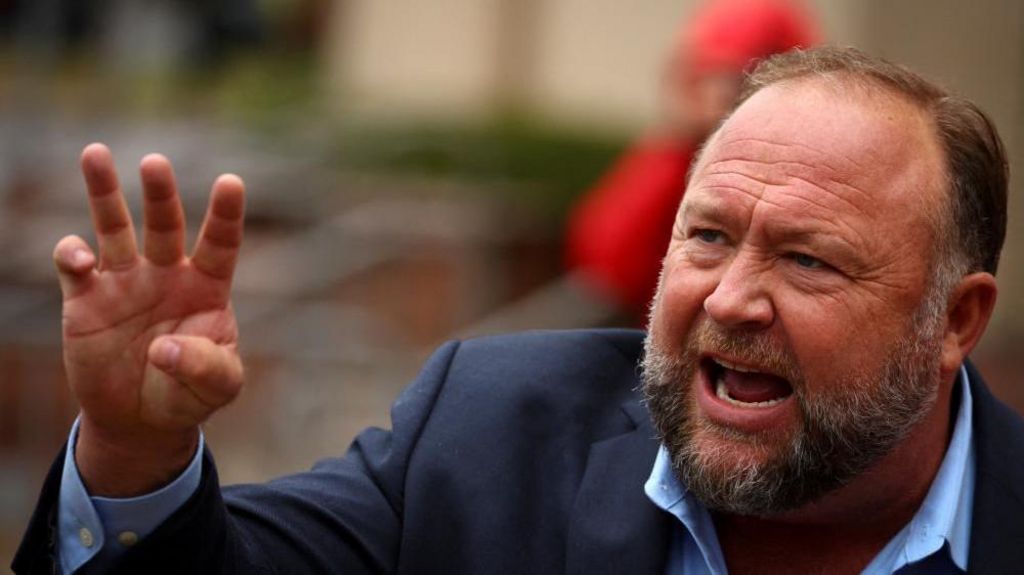
US Supreme Court rejects Alex Jones appeal in Sandy Hook shooting case
The US Supreme Court has declined to hear an appeal from controversial right-wing conspiracy theorist Alex Jones, who sought to overturn a nearly $1.5 billion defamation judgment against him. The ruling stems from Jones’ false claims that the 2012 Sandy Hook Elementary School shooting, which claimed the lives of 20 children and six educators, was a hoax. The judgment, issued in 2022, has forced Jones to sell his media company, Infowars, to satirical news outlet The Onion, a move he argued would cause irreparable harm to him and his 30 million followers. Despite the court’s decision, Jones has yet to pay any of the damages owed to the victims’ families. The Supreme Court did not provide an explanation for its refusal to hear the case. Jones’ legal team argued that his statements were protected under the First Amendment, akin to journalistic freedoms, and that the financial penalties were excessively punitive. In his appeal, Jones described the judgment as a ‘financial death penalty.’ While a bankruptcy judge previously blocked The Onion’s attempt to acquire Infowars, the media company may soon be back on the market, offering The Onion another opportunity. Legal challenges against Jones have intensified since two juries found him liable for defamation and emotional distress related to his false claims about the Sandy Hook tragedy. Following the initial verdict in Connecticut, Jones filed for bankruptcy in Texas, prompting the auction of Infowars to satisfy the judgment. During Texas court proceedings, Jones admitted the Sandy Hook attack was ‘100% real,’ a stark reversal from his earlier assertions that the event was staged as part of a government conspiracy to disarm Americans.
-
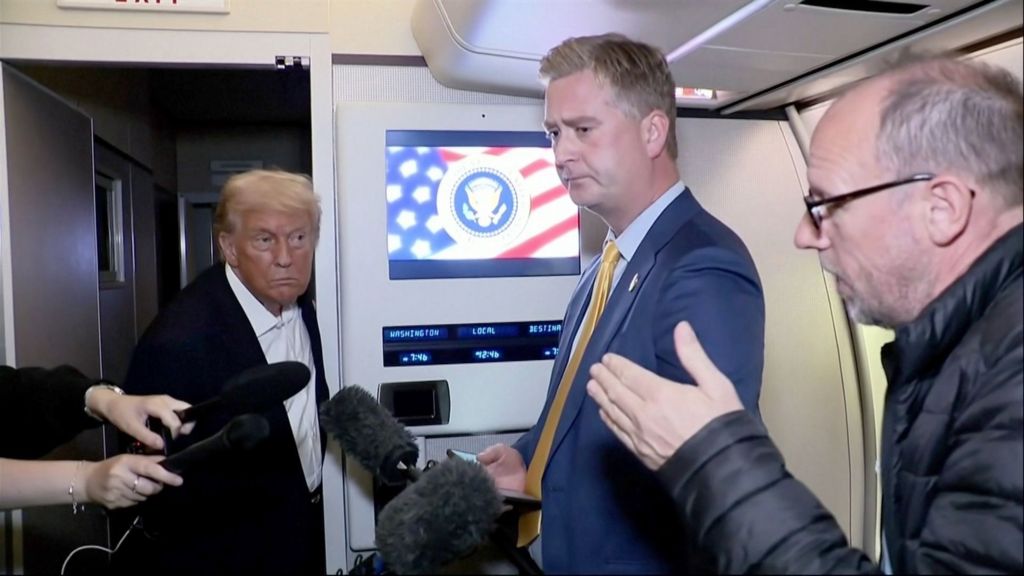
Trump: ‘I’m talking about rebuilding Gaza’
During a press briefing aboard Air Force One, President Donald Trump addressed questions regarding the stability of the recently negotiated ceasefire in Gaza. The BBC’s Tom Bateman pressed the President on whether the fragile truce would hold. Trump responded by emphasizing his focus on the broader vision of rebuilding Gaza, stating, ‘I’m talking about rebuilding Gaza.’ This statement underscores the administration’s commitment to not only maintaining peace but also fostering long-term development in the region. The ceasefire, brokered amidst escalating tensions, has been a critical point of discussion in international diplomacy. Trump’s remarks suggest a shift from immediate conflict resolution to sustainable reconstruction efforts, potentially signaling a new phase in U.S. foreign policy in the Middle East.
-
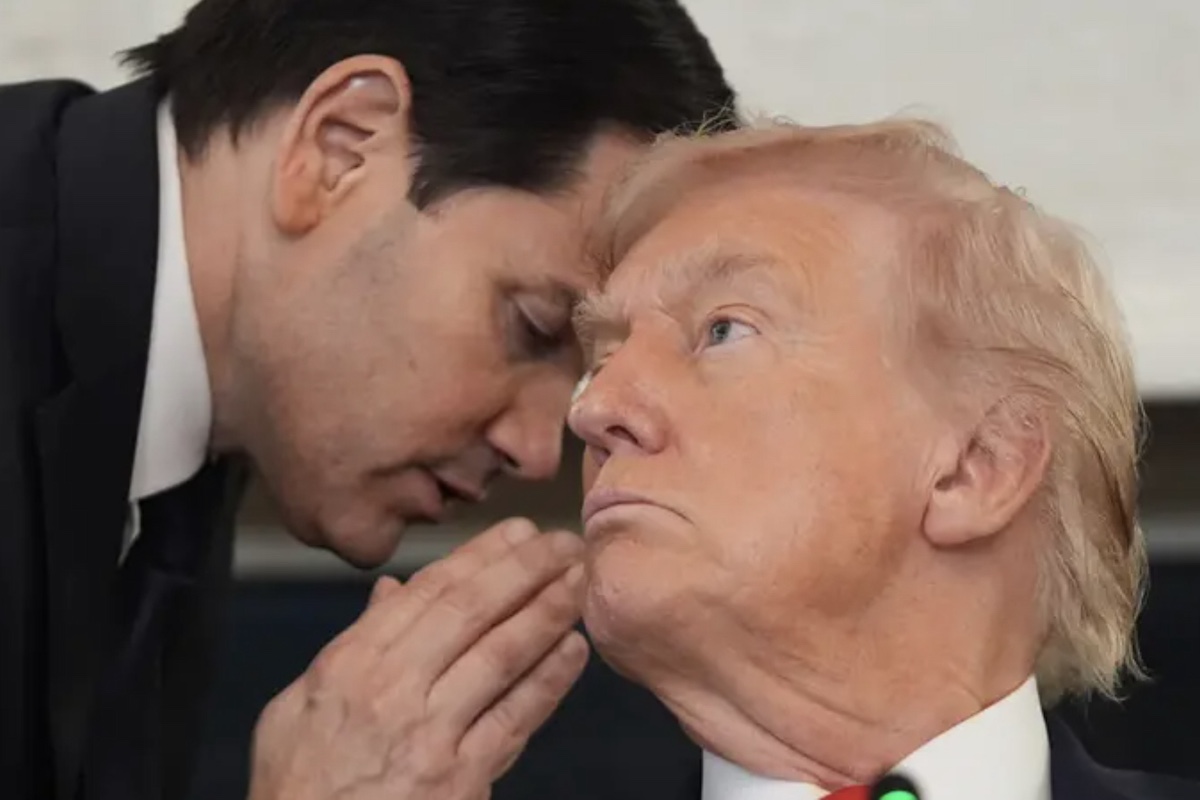
Can Trump’s ‘shock and awe’ doctrine extend beyond Gaza?
U.S. President Donald Trump’s recent visit to Israel and Egypt marked a pivotal moment in his second term, as he oversaw the initial implementation of the Gaza peace agreement. This accord, aimed at ending the two-year conflict in the region, is being hailed as a potential cornerstone of Trump’s foreign policy legacy, potentially surpassing the Abraham Accords of his first term, which normalized relations between Israel and several Arab nations. The swift negotiation of this ceasefire has brought renewed attention to the so-called ‘Trump Doctrine’—a high-energy, unconventional approach to global diplomacy. Central to this doctrine is a leaner, more agile decision-making structure within the administration. Secretary of State Marco Rubio, who also serves as National Security Adviser, has streamlined the National Security Council, reducing staff from 350 to 150. This restructuring has enabled faster, more decisive action, though it has not been without controversy. For instance, the use of Signal app group chats for classified discussions led to security concerns and the ousting of Trump’s first national security adviser, Michael Waltz. Rubio has since implemented a more sustainable communication method, relying on direct channels with key advisers like Chief of Staff Susie Wiles. The administration’s reliance on special envoys, such as Steve Witkoff and Jared Kushner, has also drawn both praise and criticism. While their unorthodox roles have facilitated high-level negotiations, questions about conflicts of interest persist. Trump’s personal diplomacy, characterized by a ‘shock and awe’ approach, has been instrumental in securing the Gaza deal. His ability to balance public support for Israeli Prime Minister Benjamin Netanyahu with private interventions, such as preventing the annexation of the West Bank, underscores his unique style. However, the sustainability of these breakthroughs remains uncertain. Critics point to the vagueness of Trump’s 20-point peace plan and the potential for it to unravel. As Trump pursues separate diplomatic deals with China, Russia, Iran, and North Korea, the true test of his doctrine will be whether he can drive a wedge between these adversaries and weaken their strategic alliances. The Gaza accord may be a significant achievement, but its long-term impact on global geopolitics is yet to be seen.
-
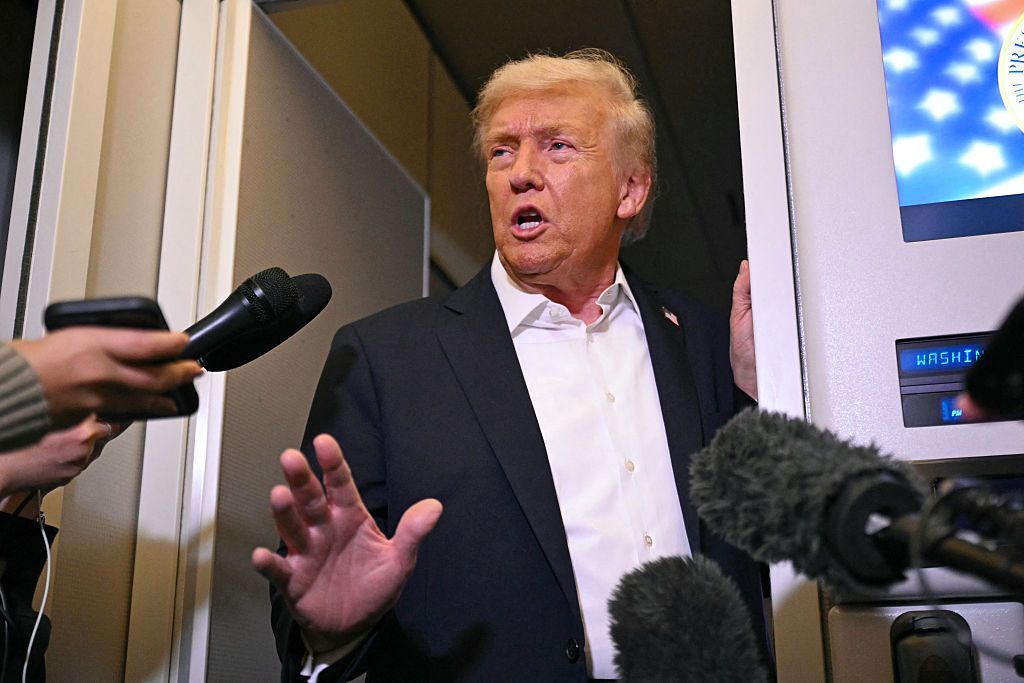
24 hours with Trump on diplomatic tornado through Middle East
In a whirlwind diplomatic tour, former U.S. President Donald Trump heralded a ‘historic day’ as a ceasefire agreement in Gaza came into effect, marking a pivotal moment after two years of devastating conflict. Trump, speaking to the BBC’s Tom Bateman aboard Air Force One, described the deal as a turning point in the millennia-long strife of the region, asserting that ‘everlasting peace’ had been achieved under his leadership. The agreement, brokered in Doha, saw the cessation of major combat operations, the release of hostages held by Hamas in exchange for Palestinian prisoners, and the partial withdrawal of Israeli troops from Gaza. Trump’s visit to Israel was marked by grand gestures, including a fly-by of a beach displaying a giant ‘thank you’ sign and a red-carpet welcome from Israeli Prime Minister Benjamin Netanyahu. However, the fragility of the truce and the challenges of rebuilding Gaza loom large, with Trump’s optimism met by skepticism about the sustainability of the peace. The U.S. president’s speech in the Knesset, where he was hailed as the ‘president of peace,’ was a mix of celebration and political rhetoric, as he attacked his domestic opponents and appealed for Netanyahu’s pardon. The day concluded in Sharm el-Sheikh, Egypt, where Trump presided over a signing ceremony, declaring it had taken ‘3,000 years’ to reach this point, yet acknowledging the long road ahead for lasting peace in the Middle East.
-
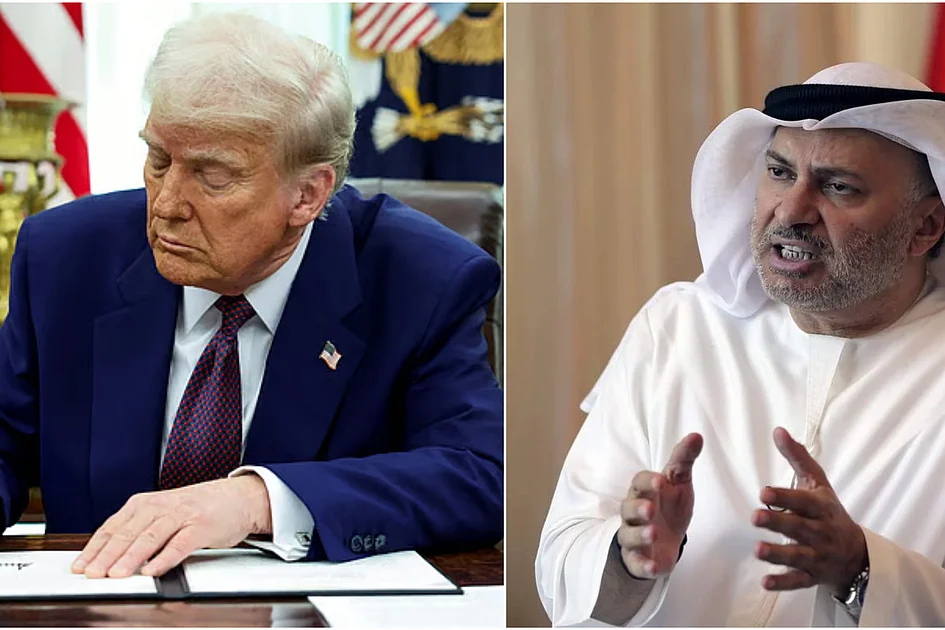
UAE President’s adviser says Trump deserves recognition for halting Gaza war
Dr. Anwar Gargash, a prominent Emirati politician and adviser to the UAE President, has publicly acknowledged US President Donald Trump for his pivotal role in bringing an end to the Gaza war. Speaking at a recent event, Dr. Gargash emphasized that Trump’s unwavering support for the peace plan, which was formalized as the official American initiative, played a crucial role in rallying international consensus during the Sharm El-Sheikh summit in Egypt. ‘From this point, a new phase of discussions and details begins, after the war of extermination has ended and the region has been saved from the repercussions of endless escalation,’ he stated. Earlier, Trump had commended the UAE for its significant contributions to advancing the peace plan. During a high-profile summit in Sharm El-Sheikh, Trump, alongside leaders from Egypt, Qatar, and Turkey, signed a comprehensive ceasefire agreement, marking a historic step toward regional stability. In his address, Trump hailed the agreement as a ‘triumph,’ expressing gratitude to the Arab and Islamic nations, particularly the UAE, Egypt, Türkiye, and Qatar, for their mediation efforts. ‘The momentous breakthrough that we’re here to celebrate tonight is more than the end of the war in Gaza. It’s, with God’s help, it will be the new beginning for an entire beautiful Middle East,’ Trump declared. He further emphasized the potential for a prosperous and united region, free from the scourge of terrorism. This development underscores the UAE’s growing influence in international diplomacy and its commitment to fostering peace in the Middle East.
-
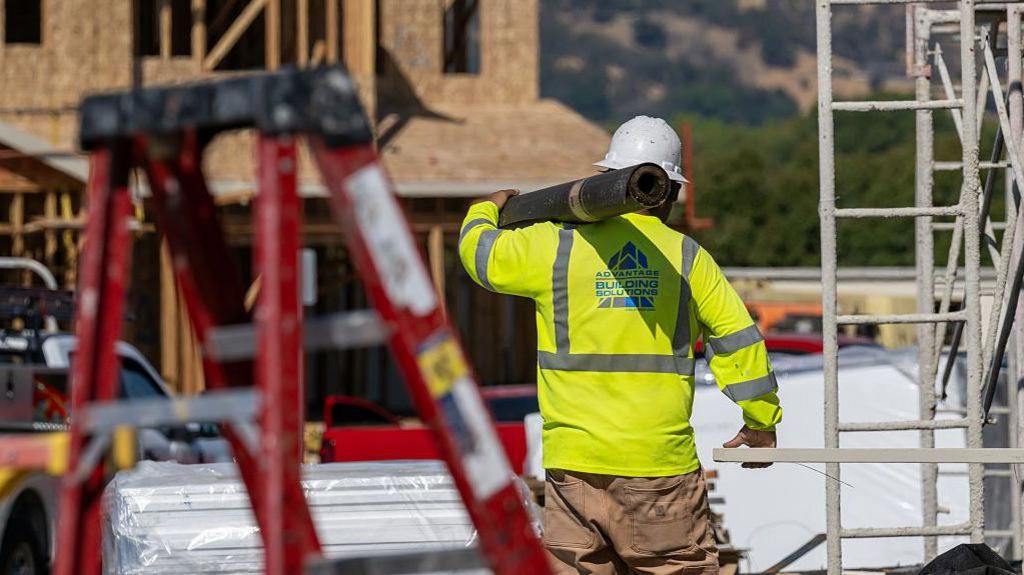
Trump tariffs on kitchen cabinets and lumber come into force
The United States has implemented a new wave of tariffs targeting imported kitchen cabinets, vanities, softwood lumber, timber, and certain upholstered furniture. These measures, enacted through a proclamation signed by President Donald Trump last month, took effect this week. The tariffs include a 10% levy on softwood lumber and timber, a 25% duty on kitchen cabinets and vanities—set to rise to 50% by January 1—and a 25% charge on upholstered wooden furniture, which will increase to 30% unless new trade agreements are negotiated. President Trump has justified these tariffs as necessary to protect U.S. manufacturers and address national security concerns. However, industry experts warn that the additional costs could drive up housing expenses and deter consumers from undertaking home renovations. Tariffs, which are taxes on imported goods paid by companies, often result in higher prices for end consumers, including American households and businesses. This latest move is part of Trump’s broader tariff strategy, which has included sector-specific duties on steel, aluminum, vehicles, and other products during his second term. Notably, the 10% global tariff on softwood lumber compounds existing duties on Canadian imports, bringing the total levy to over 45%. Canada, the second-largest global producer and a major U.S. supplier, has long been embroiled in trade disputes with the U.S. over this product. Meanwhile, wood products from the UK, EU, and Japan face lower tariffs under existing trade agreements. The White House asserts that these measures are essential to safeguard national security and bolster domestic manufacturing. However, critics, including the National Association of Homebuilders, argue that the tariffs will exacerbate challenges in the housing market by increasing construction and renovation costs. Retailers, too, are feeling the pressure. Analysts predict that companies will have no choice but to pass on the additional costs to consumers, potentially leading to double-digit price hikes. Swedish furniture giant Ikea has already acknowledged the difficulties posed by the tariffs, stating that they are impacting its business operations. As the holiday season approaches, retailers face the daunting task of balancing price increases with consumer demand.
-
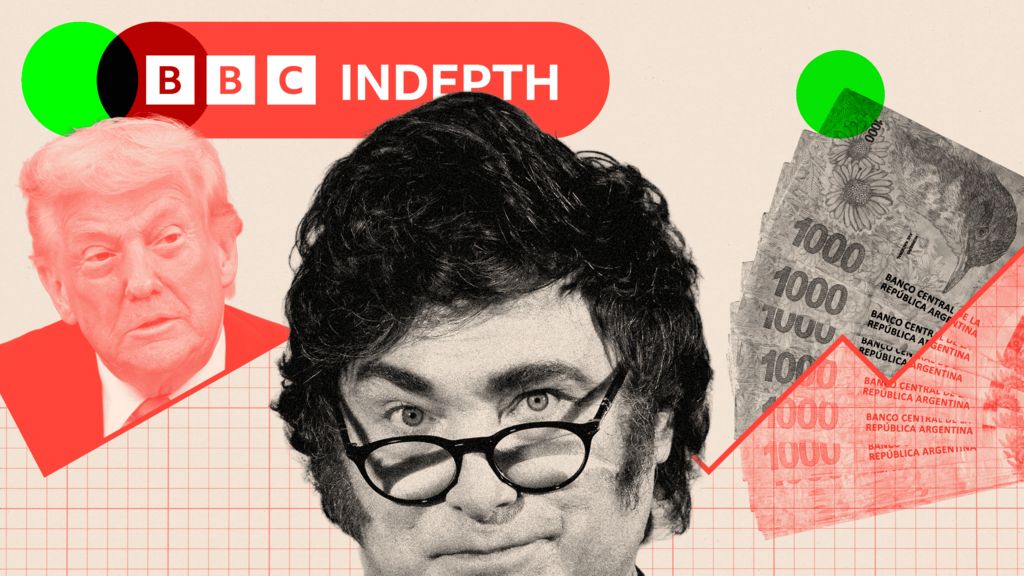
How President Milei’s ‘Thatcherite’ economics divided his nation – but won over Trump
In September 2023, Buenos Aires witnessed a dramatic election rally as hundreds gathered to support Javier Milei, a presidential candidate known for his unconventional tactics. Brandishing a chainsaw, Milei symbolized his intent to slash Argentina’s bloated state apparatus, which he criticized for its excessive public spending and reliance on debt. His campaign slogan, ‘afuera!’ (out!), resonated with voters frustrated by years of economic mismanagement, including inflation that soared to 211% annually and a poverty rate affecting 40% of the population. Milei’s promise of radical austerity measures, including cutting ministries, subsidies, and public jobs, struck a chord with those desperate for change. By December 2023, Milei assumed office and implemented his ‘chainsaw’ reforms, achieving Argentina’s first fiscal surplus in 14 years and reducing inflation to 36%. However, these gains came at a cost. Public protests erupted as pensioners, hospitals, and the working class bore the brunt of the cuts. Critics argue that Milei’s reforms have led to recession, job losses, and weakened public services, with some economists warning of an impending economic downturn. Despite international praise from figures like Donald Trump and Kemi Badenoch, Milei’s domestic support has waned, raising questions about the sustainability of his economic project. As midterm elections approach, Argentina faces a critical juncture: will Milei’s reforms be seen as a necessary sacrifice or a misguided experiment?