标签: North America

北美洲

  • Trump and his sons sue IRS and US Treasury over leaked tax information

    Trump and his sons sue IRS and US Treasury over leaked tax information

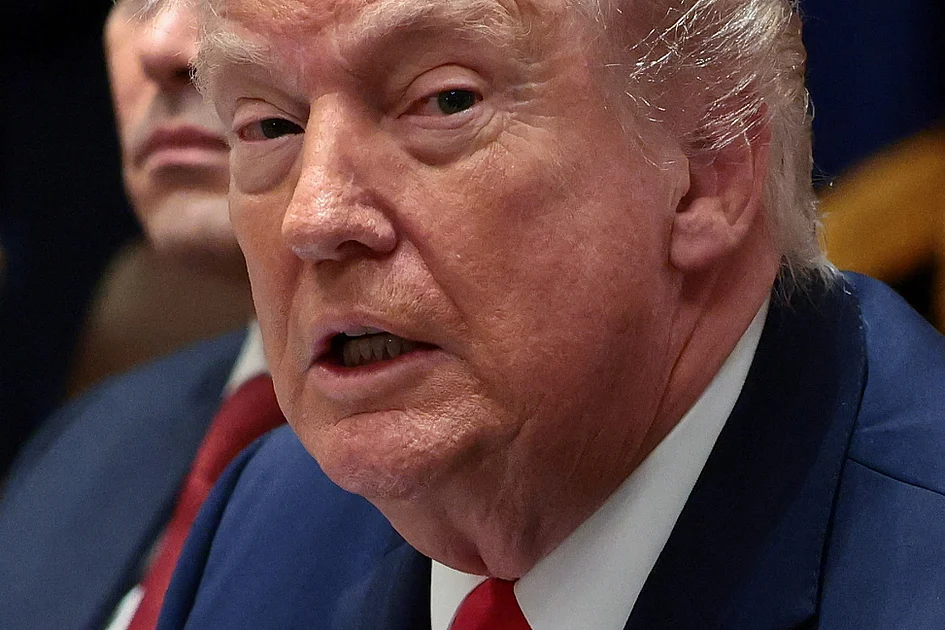
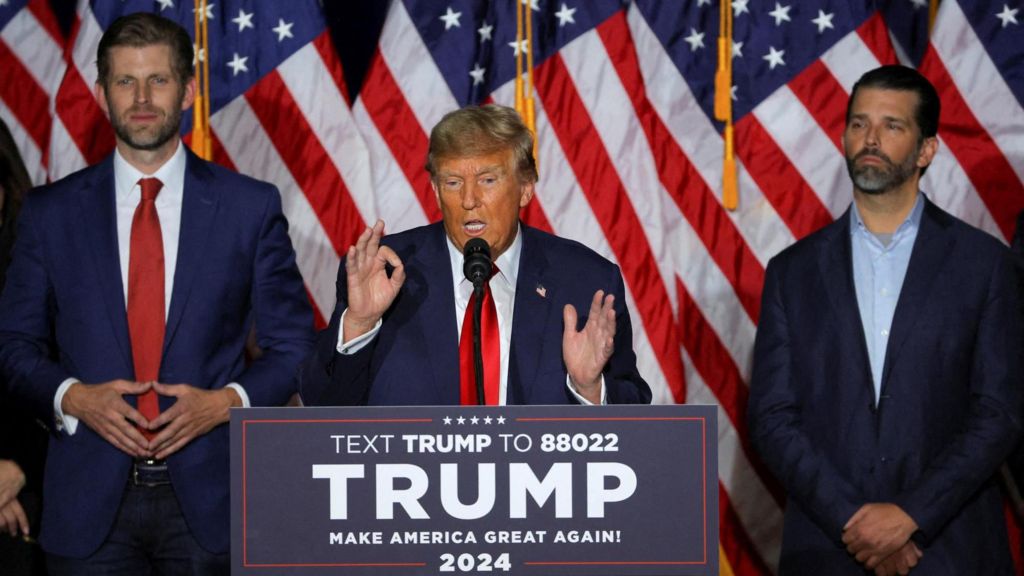
    Former President Donald Trump and his sons Donald Trump Jr. and Eric Trump have initiated a massive $10 billion civil lawsuit against the U.S. federal government, alleging systemic failures in protecting their confidential tax information. The legal action, filed in Miami federal court, targets both the Internal Revenue Service and Treasury Department for their purported negligence in preventing the unauthorized disclosure of sensitive financial documents.

    The lawsuit centers on the actions of former IRS contractor Charles “Chaz” Littlejohn, currently serving a five-year prison sentence after admitting to leaking Trump’s tax data to major media outlets. According to the filing, government agencies breached their statutory duty to safeguard taxpayer information, resulting in significant reputational damage and public embarrassment for the Trump family and their business organization.

    The complaint details how Littlejohn, motivated by political opposition to Trump, weaponized his access to unmasked taxpayer data to advance his personal agenda. Court documents reveal the contractor considered Trump ‘dangerous’ and a ‘threat to democracy,’ justifying his actions as necessary despite legal boundaries.

    This legal battle revives scrutiny of Trump’s longstanding resistance to tax transparency. During both his 2016 and 2020 presidential campaigns, Trump broke with decades of tradition by refusing to voluntarily release his returns, citing ongoing audits. The New York Times’ September 2020 exposé based on leaked documents revealed Trump paid minimal federal income taxes—just $750 in the year he won the presidency—and no taxes at all in ten of the previous fifteen years.

    The Trump Organization claims the leaks caused substantial financial harm and unfairly tarnished their business reputation. Notably, Trump eventually released his tax documents voluntarily in 2022, two years after the initial media disclosure. The lawsuit emphasizes the government’s failure to implement mandatory security precautions despite handling exceptionally sensitive information about a sitting president.
  • White House border czar plans to cut immigration agents in Minneapolis, pending local cooperation

    White House border czar plans to cut immigration agents in Minneapolis, pending local cooperation

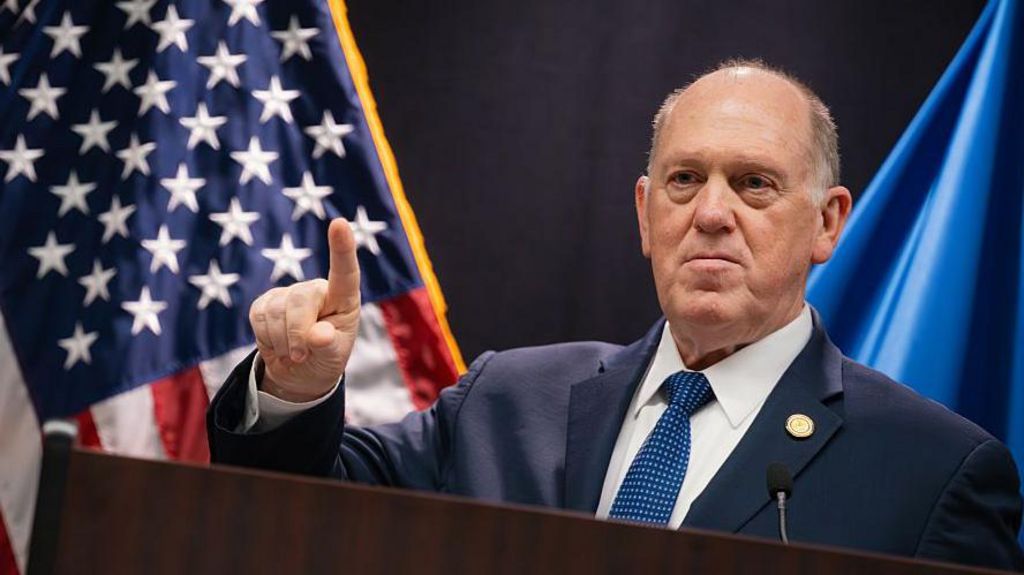
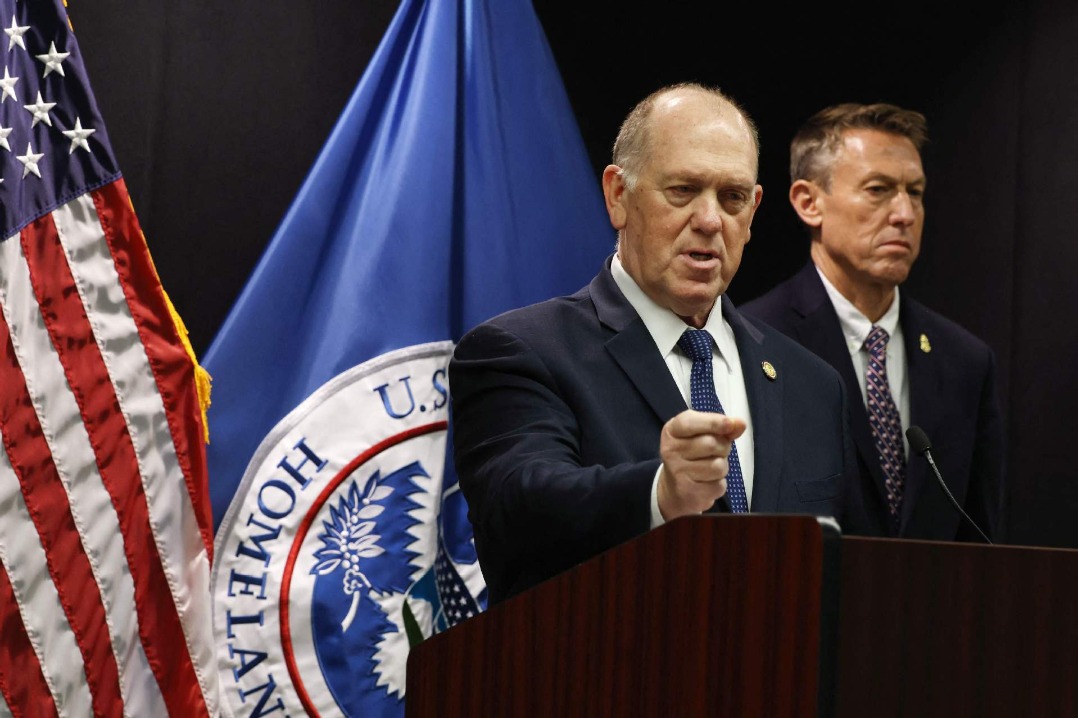
    In a significant shift in immigration enforcement strategy, White House Border Coordinator Tom Homan revealed plans Thursday to substantially reduce federal immigration personnel in Minneapolis. The decision follows successful negotiations with Minnesota state and local leaders that established a new framework for handling undocumented immigrants who pose public safety risks.

    During a Minneapolis press conference, Homan detailed the agreement reached with Minnesota Governor Tim Walz, Attorney General Keith Ellison, and Mayor Jacob Frey. The arrangement ensures that individuals arrested for public safety offenses will not be released back into the community but instead will be lawfully transferred to U.S. Immigration and Customs Enforcement (ICE) custody upon completion of their local sentences.

    “This common-sense cooperation eliminates the need to repeatedly arrest the same public safety threats,” Homan explained. “County jails will now notify ICE of release dates for identified criminal risks, enabling seamless federal custody transfer.”

    The border czar confirmed that personnel from both Customs and Border Protection and ICE are developing a detailed drawdown plan contingent on continued local cooperation and the diminishing number of enforcement targets. Homan emphasized that further reductions would be possible if what he described as “hateful rhetoric and interference” against immigration agents ceases.

    The announcement came during Homan’s three-day mission to Minnesota dispatched by President Donald Trump. While declining to comment on recent fatal shootings involving border patrol agents, Homan strongly condemned the “hostile rhetoric and dangerous threats” directed against immigration enforcement personnel.

    This policy shift represents a pragmatic approach to immigration enforcement that prioritizes dangerous offenders while potentially reducing the federal footprint in communities demonstrating cooperation with federal priorities.

  • Watch: Batman tells city council to not assist ICE at Super Bowl

    Watch: Batman tells city council to not assist ICE at Super Bowl

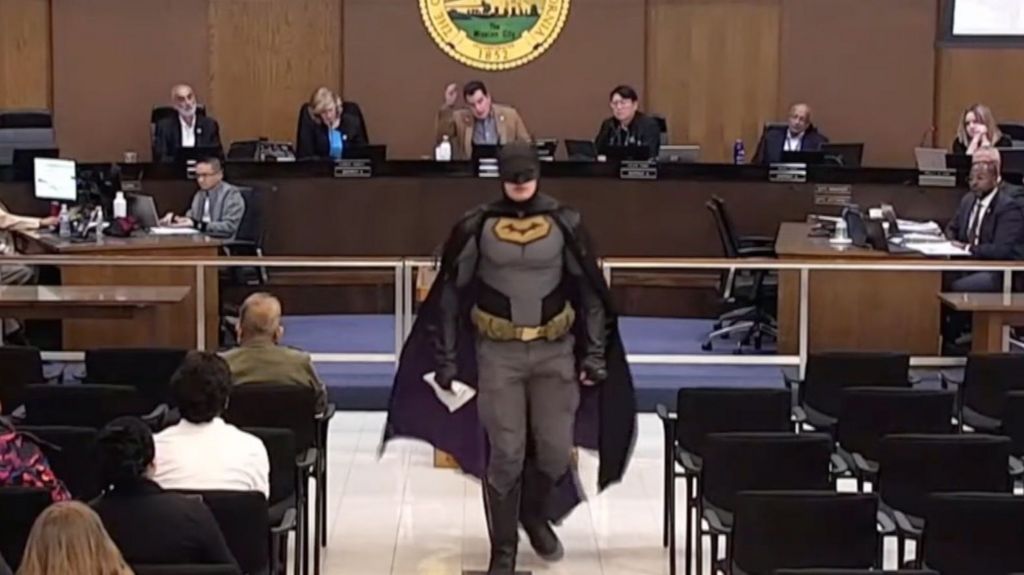
    In an unusual display of civic engagement, a Santa Clara City Council meeting witnessed testimony from an unexpected advocate—a citizen clad in full Batman regalia. The unidentified individual utilized the public comment period to deliver a pointed condemnation of the city’s collaborative stance with U.S. Immigration and Customs Enforcement (ICE), particularly highlighting concerns surrounding upcoming Super Bowl events.

    The costumed speaker articulated strong opposition to any potential coordination between municipal authorities and federal immigration enforcement agencies. While specific policy details weren’t elaborated, the theatrical presentation underscored growing community tensions regarding immigration enforcement protocols during major public gatherings.

    This incident reflects broader national debates surrounding municipal cooperation with federal immigration authorities, demonstrating how these discussions permeate local government proceedings. The timing is particularly significant given the elevated security and federal presence typically associated with Super Bowl festivities, raising questions about the intersection of public safety and immigration enforcement.

    The visual spectacle of a comic book character delivering serious policy criticism highlights unconventional methods citizens employ to gain attention for their causes. The event demonstrates how symbolic activism continues to evolve in municipal governance forums, blending theatrical elements with substantive political discourse about the role of local government in federal immigration enforcement operations.

  • US Senate fails to advance funding package as partial govt shutdown looms, according to unofficial tally

    US Senate fails to advance funding package as partial govt shutdown looms, according to unofficial tally

    WASHINGTON — The United States Senate reached an impasse Thursday, failing to advance a critical government funding package and significantly escalating the threat of a partial federal shutdown. The legislative stalemate stems from deep-rooted disagreements over immigration enforcement policy, creating a political gridlock that lawmakers have thus far been unable to break.

    The procedural vote, which required 60 votes to move forward, fell short of the necessary threshold. The failure leaves a substantial portion of the federal government on the brink of a funding lapse, with key agencies set to begin shutting down operations if a resolution is not reached before the impending deadline.

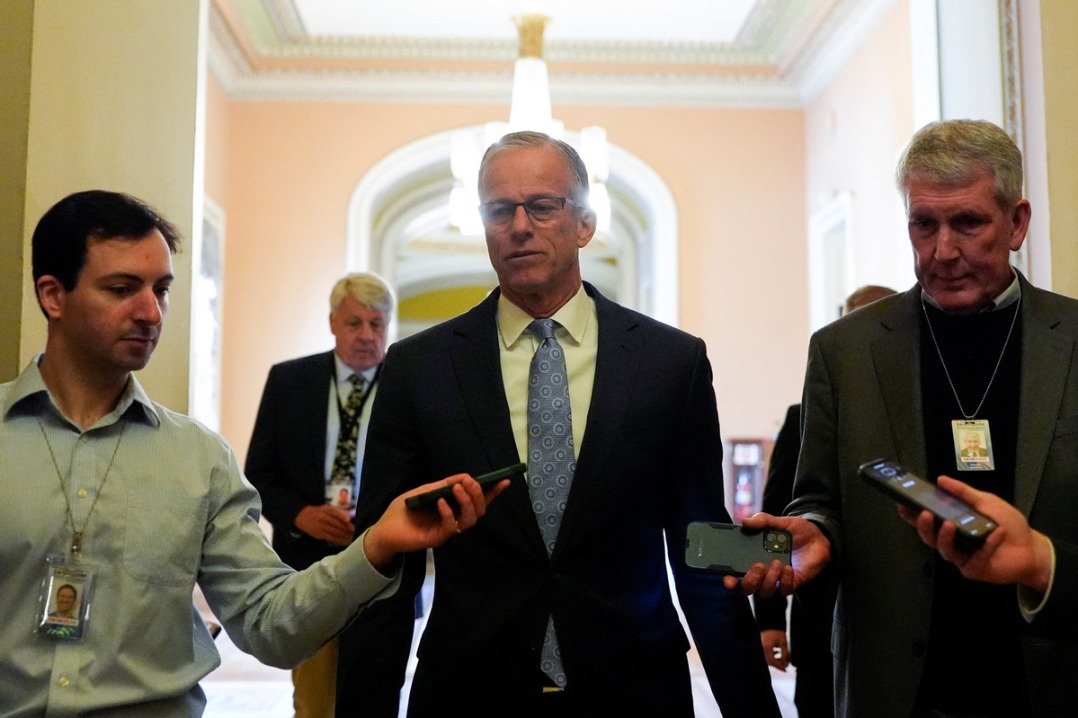
    Senate Majority Leader John Thune (R-SD) addressed reporters on Capitol Hill earlier in the day, acknowledging the challenges in resolving the dispute. Lawmakers from both parties have been engaged in intense negotiations, yet fundamental differences regarding border security measures and immigration protocols have prevented a consensus. The deadlock reflects the broader, highly polarized national debate on immigration, which continues to dominate the legislative agenda and complicate budgetary processes.

    The impending shutdown would affect numerous non-essential government services and federal employees, potentially leading to furloughs and disruptions in public services. This latest standoff echoes previous government funding crises, underscoring the persistent challenges in achieving bipartisan cooperation on fiscally critical matters intertwined with contentious policy issues.

  • Trump orders re-opening of Venezuela airspace, 4 weeks post Maduro’s capture

    Trump orders re-opening of Venezuela airspace, 4 weeks post Maduro’s capture

    In a significant diplomatic development, U.S. President Donald Trump has directed the immediate reopening of Venezuelan airspace to commercial aviation, marking a pivotal step in normalizing relations following last month’s military intervention. The announcement came during a cabinet meeting on Thursday, January 29, 2026, where Trump revealed he had personally communicated with interim Venezuelan President Delcy Rodriguez regarding the policy shift.

    The presidential directive specifically tasked Transportation Secretary Sean Duffy and military authorities with implementing the airspace reopening by the end of the business day. This decision effectively reverses the aviation restrictions imposed during the military operation that resulted in the capture of former leader Nicolas Maduro approximately four weeks ago.

    In response to the policy change, American Airlines has announced preparations to reinstate daily flight services to Venezuela, pending final authorization from U.S. regulatory bodies and comprehensive security evaluations. The airline’s statement emphasized that resumption of service would be contingent upon meeting all safety protocols and government approval requirements.

    The airspace reopening represents the latest development in the ongoing political transition in Venezuela, where the United States has recognized the interim government following the removal of Maduro’s administration. Aviation industry analysts note that restoring commercial air travel is crucial for reestablishing economic and diplomatic connections between the two nations.

  • ADCB posts record profit as growth accelerates across lending, deposits and digital transformation

    ADCB posts record profit as growth accelerates across lending, deposits and digital transformation

    Abu Dhabi Commercial Bank (ADCB) has concluded its 40th anniversary year with an unprecedented financial triumph, posting record-breaking profits fueled by expansive growth across its core banking operations and a successful digital transformation initiative. The UAE’s third-largest financial institution reported a 22% annual surge in net profit after tax, reaching Dh11.445 billion for fiscal year 2025, while pre-tax profits climbed 21% to Dh12.843 billion.

    The bank’s exceptional performance was anchored by substantial balance sheet expansion, with total assets growing 19% to Dh774 billion. This growth was propelled by robust double-digit increases in both lending and deposit portfolios. Net loans advanced 16% to Dh406 billion, reflecting sustained credit demand across retail and corporate segments, while customer deposits swelled 19% to Dh500 billion.

    Chairman Khaldoon Khalifa Al Mubarak emphasized the institution’s alignment with national economic objectives, stating: ‘ADCB’s 2025 results underscore the Bank’s pivotal role in supporting the UAE’s economic growth and reflect our continued commitment to disciplined, sustainable expansion.’

    Operational efficiency reached new heights as the bank achieved a record-low cost-to-income ratio of 28.2%, down from 31% in 2024. This improvement was largely attributed to technology-driven optimization and artificial intelligence implementation. Total operating income rose 14% to Dh22.183 billion, featuring an 11% increase in net interest income and a 20% surge in non-interest income.

    Asset quality demonstrated remarkable improvement, with non-performing loans declining to 1.83% from 3.04% the previous year. Provision coverage strengthened significantly to 146.4%, indicating conservative risk management practices. The bank further bolstered its capital position through a Dh6.1 billion rights issue—the largest ever on the Abu Dhabi Securities Exchange—elevating its common equity tier 1 ratio to 13.79%.

    Group Chief Executive Ala’a Eraiqat credited the bank’s strategic execution: ‘With a technology-driven model and a clear five-year roadmap, the Bank is well positioned to sustain strong performance and create long-term value for our shareholders, customers and communities.’ The board has recommended a cash dividend of Dh0.63 per share, representing a total payout of Dh4.985 billion.

  • Why the US dollar hit a four-year low and could fall further

    Why the US dollar hit a four-year low and could fall further

    The US dollar has plunged to its weakest position in four years against a basket of major currencies, marking a dramatic reversal from earlier expectations of market stability. This significant depreciation has seen the dollar drop approximately 3% within a single week, reaching multi-year lows against both the Euro and British pound.

    The currency’s decline represents a continuation of last year’s 10% slump – its poorest performance since 2017 – which began following former President Trump’s controversial ‘Liberation Day’ tariff announcements. Recent tensions between the US and Europe over Greenland have further exacerbated the dollar’s weakness, while speculation about potential coordinated intervention with Japan to support the yen has added to market uncertainty.

    Financial analysts attribute the sustained pressure on the dollar to growing market concerns about the unpredictable nature of current US administration policies. Robin Brooks, senior fellow at the Brookings Institution and former Goldman Sachs FX strategist, noted that ‘markets are reacting to the haphazard nature of policy in this administration – the escalation, de-escalation,’ drawing parallels between the backlash over tariffs and recent Greenland tensions.

    The dollar’s weakness has broader implications beyond currency markets. American travelers abroad face reduced purchasing power, while sustained depreciation could potentially fuel domestic inflation through higher import costs. More significantly, the decline raises fundamental questions about the dollar’s long-standing status as the world’s premier reserve currency, a position that has historically helped maintain relatively low borrowing costs for the United States.

    Despite the currency’s struggles, other US assets have shown resilience. Equity markets continue trading near record highs, and movements in government debt markets have remained relatively contained. However, the dollar’s decline has contributed to a surge in gold prices, which have doubled over the past year as investors seek safe-haven alternatives.

    Looking forward, analysts at ING anticipate additional dollar weakness of 4-5% this year as growth prospects outside the US improve. The currency’s ultimate trajectory will depend significantly on Federal Reserve interest rate decisions and US economic performance, with potential rate cuts likely to exert further downward pressure on the dollar as investors pursue higher returns elsewhere.

  • Man accused of impersonating FBI agent in bid to free Luigi Mangione

    Man accused of impersonating FBI agent in bid to free Luigi Mangione

    Federal authorities have apprehended a Minnesota man for allegedly attempting to impersonate an FBI agent in a brazen effort to secure the release of a high-profile inmate from a Brooklyn detention facility.

    Mark Anderson, 36, from Mankato, Minnesota, approached the Metropolitan Detention Center in Brooklyn on Wednesday while allegedly posing as a federal agent. According to court documents, Anderson presented himself to corrections officers claiming to possess judicial paperwork authorizing the immediate release of an incarcerated individual.

    The criminal complaint reveals that when officers requested proper identification, Anderson produced a Minnesota driver’s license while simultaneously asserting he was armed with weapons. Authorities report that the suspect then proceeded to display and throw numerous documents at jail staff members.

    Following his detention by Bureau of Prisons officials, a search of Anderson’s belongings yielded unconventional items including a large two-pronged barbecue fork and a pizza cutter-like implement. The suspect had reportedly traveled to New York City seeking employment opportunities and had been working at a local pizzeria prior to the incident.

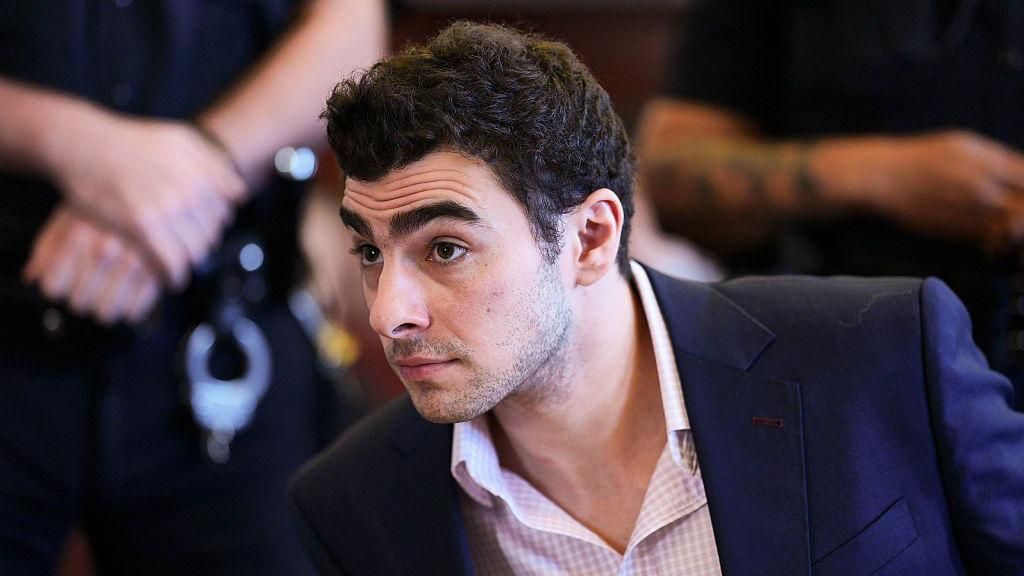
    The intended beneficiary of this alleged scheme was identified by law enforcement sources as Luigi Mangione, who has been held at the Brooklyn facility since 2024. Mangione faces both state and federal charges for the fatal shooting of United Healthcare CEO Brian Thompson in 2024, to which he has pleaded not guilty.

    Anderson made an initial court appearance on Thursday but has not yet entered a formal plea. The charge of impersonating a federal officer carries significant potential penalties upon conviction.

    The Mangione case has generated substantial public attention, with the defendant attracting supporters both online and at court proceedings. The original homicide case sparked national discourse regarding healthcare costs in the United States, while the upcoming federal trial, with jury selection scheduled for September, continues to draw significant public interest.

  • Are you a parent in the UAE? You now have a legal duty to supervise your children’s digital lives

    Are you a parent in the UAE? You now have a legal duty to supervise your children’s digital lives

    The United Arab Emirates has implemented a groundbreaking Child Digital Safety Law that fundamentally reshapes parental responsibilities in the digital realm. This legislation marks a significant shift from reactive measures to proactive prevention, establishing clear legal expectations for both digital platforms and families.

    Under the new regulatory framework, parents now carry a legal obligation to provide reasonable supervision of their children’s digital interactions. This mandate encompasses knowing which applications and platforms children use, ensuring age-appropriate content, implementing basic parental controls, and maintaining open communication about online safety practices. Crucially, the law distinguishes between reasonable supervision and constant surveillance, emphasizing guidance over invasive monitoring.

    Legal experts clarify that the legislation primarily targets service providers rather than families. Sarah Greenstreet, technology and data protection lawyer at Addleshaw Goddard, explains: “This law signals the UAE government’s serious commitment to children’s online safety, recognizing that digital spaces require the same protection standards as physical environments.”

    The law broadly defines harmful content as any material negatively affecting a child’s moral, psychological, or social wellbeing. This expanded definition includes content promoting unhealthy body standards, encouraging excessive screen time, subtly pressuring information sharing, or normalizing risky behaviors. The legislation also addresses harmful behaviors including harassment, grooming, and exploitation.

    Practical implementation recommendations include establishing separate, age-appropriate accounts for children rather than sharing adult accounts, which could be interpreted as failing to meet supervision requirements. For younger children, experts recommend maintaining direct parental control over messaging platforms accessed through parental devices.

    Digital security professionals emphasize that effective supervision doesn’t require technical expertise. Morey Haber, Chief Security Advisor at BeyondTrust, notes: “Parents have numerous tools at their disposal—operating system controls, browser filters, antivirus solutions, and router-level protections.”

    Psychological experts stress that successful implementation relies on supportive communication rather than punitive measures. Rema Menon Vellat of Counselling Point Training and Development advises: “Supervision works best when children feel comfortable sharing concerns without fear of punishment or device confiscation.”

    The law represents a cultural shift toward recognizing digital access as an ongoing responsibility rather than a one-time permission. It positions parents as guides in the digital landscape while creating safer default environments through platform-level protections and stricter data handling requirements for children under 13.

  • Border tsar Homan promises a ‘draw down’ of forces in Minneapolis

    Border tsar Homan promises a ‘draw down’ of forces in Minneapolis

    The White House announced a partial reduction of federal immigration forces in Minneapolis on Thursday following fatal shootings that claimed the lives of two American citizens, though officials emphasized the administration remains committed to its immigration enforcement mission.

    Tom Homan, the administration’s border operations lead, confirmed the planned drawdown during a press conference in Minneapolis while maintaining that federal authorities would continue their operations with modified tactics. “The draw down is going to happen,” Homan stated, “We are not surrendering our mission at all. We’re just doing it smarter.”

    The announcement comes amid escalating tensions following the deaths of Renee Good and Alex Pretti, who were killed by federal agents implementing President Trump’s immigration crackdown this month. Their deaths have triggered widespread protests across Minneapolis, national outrage, and bipartisan calls for the removal of certain administration officials.

    Minnesota Governor Tim Walz and Minneapolis Mayor Jacob Frey, both Democrats, have demanded complete withdrawal of federal agents from the state’s capital region. The state has simultaneously pursued legal action, petitioning a federal judge to halt “Operation Metro Surge”—a initiative deploying approximately 3,000 immigration, border patrol, and Department of Homeland Security (DHS) personnel.

    Homan indicated that operational adjustments would be contingent on the level of cooperation from state and local authorities, though he noted the administration opposed certain unspecified demands from Minnesota officials. The federal response will become more “targeted,” according to Homan, though he provided no specific details regarding the scale or timeline of the planned reduction.

    The situation has created political ramifications extending beyond Minnesota. Senate Democrats have threatened a partial government shutdown if spending legislation includes new funding for DHS, while seven Senate Republicans joined Democrats in blocking a procedural vote on the spending bill. Legislative negotiations are currently underway to potentially separate DHS funding from the broader spending package.

    Meanwhile, Mayor Frey reported that federal forces in Minneapolis number between 3,000-4,000 personnel, significantly outnumbering the city’s 600 local police officers. He described accounts of citizens being “indiscriminately pulled off the street” and targeted based on ethnic appearance rather than legal justification.

    The administration has defended its immigration enforcement measures, citing improved border security and targeting of undocumented immigrants for deportation as contributing to national safety. According to documents obtained by CBS News, Immigration and Customs Enforcement (ICE) conducted over 480,000 deportations during Trump’s first year back in office—exceeding the previous record set during the Obama administration.