On September 17, 2025, Meredith Kopit Levien, CEO of The New York Times, publicly addressed the $15-billion lawsuit filed by U.S. President Donald Trump against the newspaper. Speaking at a Financial Times conference, Levien dismissed the lawsuit as ‘legally baseless’ and lacking any legitimate claims. She asserted that the suit was a strategic move to intimidate and suppress independent journalism, particularly the fact-based reporting that The New York Times is renowned for. ‘The New York Times will not be cowed by this,’ Levien declared, emphasizing the paper’s commitment to upholding journalistic integrity. This lawsuit is part of a broader pattern of legal actions Trump has taken against media outlets during his second term, including a $10-billion defamation case against The Wall Street Journal in July. The White House has yet to comment on the matter. The New York Times, in response to Reuters, reiterated that the lawsuit was an attempt to stifle independent reporting and lacked any substantive legal foundation. The case underscores the ongoing tension between the Trump administration and the press, raising concerns about press freedom and the role of media in holding power to account.
标签: North America
北美洲
-
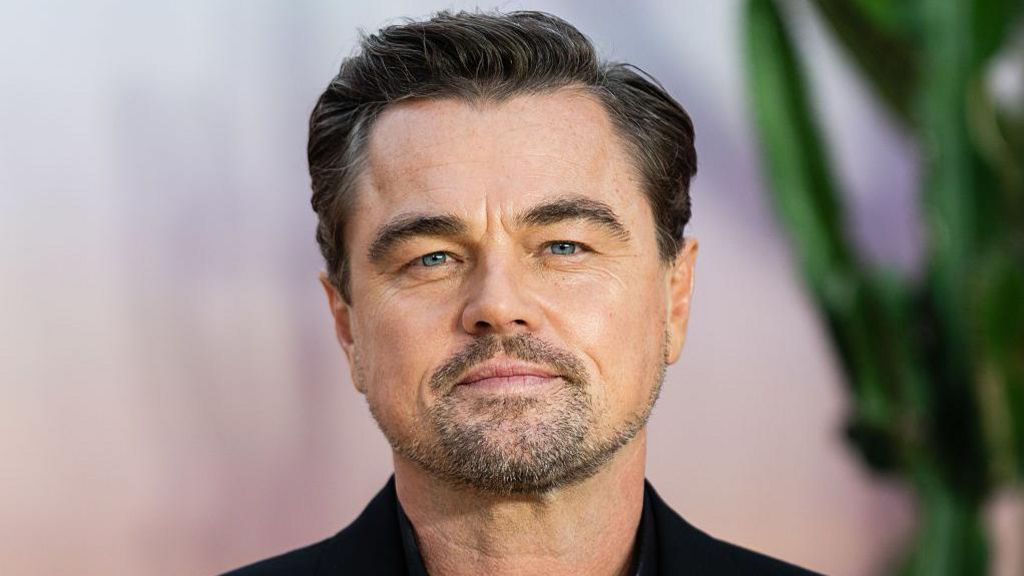
Leonardo DiCaprio on why his new film addresses ‘divisiveness in our culture’
Leonardo DiCaprio, the Oscar-winning actor, recently spoke to the BBC about the political undertones of his latest film, ‘One Battle After Another.’ Directed by Paul Thomas Anderson, the film has been in development for over two decades and features an all-star cast including Benicio del Toro, Sean Penn, Teyana Taylor, and Regina Hall. DiCaprio plays Bob, a paranoid ex-revolutionary who must confront his past when his daughter goes missing. The film, loosely inspired by Thomas Pynchon’s 1990 novel ‘Vineland,’ blends political satire, black comedy, and action, offering a nuanced look at societal polarization. DiCaprio described the film as a reflection of the growing divisiveness in culture, stating, ‘It holds a mirror up to society and talks about the polarity.’ He emphasized that the film is ‘political without making it feel like medicine,’ highlighting its entertaining yet thought-provoking nature. Critics have lauded the film, with many praising DiCaprio’s performance as a flawed yet relatable protagonist. Benicio del Toro, who plays a martial arts instructor, expressed his excitement about working with DiCaprio, calling it a ‘dream come true.’ The film has received widespread acclaim, with reviewers hailing it as a ‘ferocious American masterpiece’ and a potential Oscar frontrunner. Anderson, known for his previous works like ‘Phantom Thread’ and ‘There Will Be Blood,’ is praised for his ambitious direction, with DiCaprio calling him a ‘visionary and seminal director.’
-
US House advances stopgap bill to avert government shutdown
The U.S. House of Representatives, under Republican control, has taken a critical step toward averting a partial federal government shutdown by approving a procedural measure to debate a stopgap funding bill. The vote, which passed 216-210 on Wednesday, sets the stage for a final decision later this week. The proposed continuing resolution (CR) aims to fund federal agencies through November 21, providing Congress additional time to negotiate comprehensive appropriations for fiscal year 2026, which begins on October 1. The CR also allocates $88 million to enhance security for members of Congress, the Supreme Court, and the executive branch, a response to the recent assassination of conservative activist Charlie Kirk. House Republicans aim to pass the CR by Friday and send it to the Senate, where bipartisan support will be essential for approval. The White House has endorsed the resolution, while Democrats have criticized it as partisan. In response, Democrats introduced an alternative bill to extend government funding through October 31, which includes provisions to restore Medicaid funding and extend healthcare tax credits under the Affordable Care Act. However, the Democratic proposal is unlikely to pass. Senate Democratic leader Chuck Schumer emphasized the need for bipartisan collaboration, stating, ‘We have two weeks. They should sit down and talk to us, and we maybe can get a good proposal.’ The annual funding debate addresses approximately one-quarter of the federal government’s $7 trillion budget, excluding mandatory programs like Social Security and Medicare. The outcome of this legislative battle will have significant implications for government operations and public services.
-
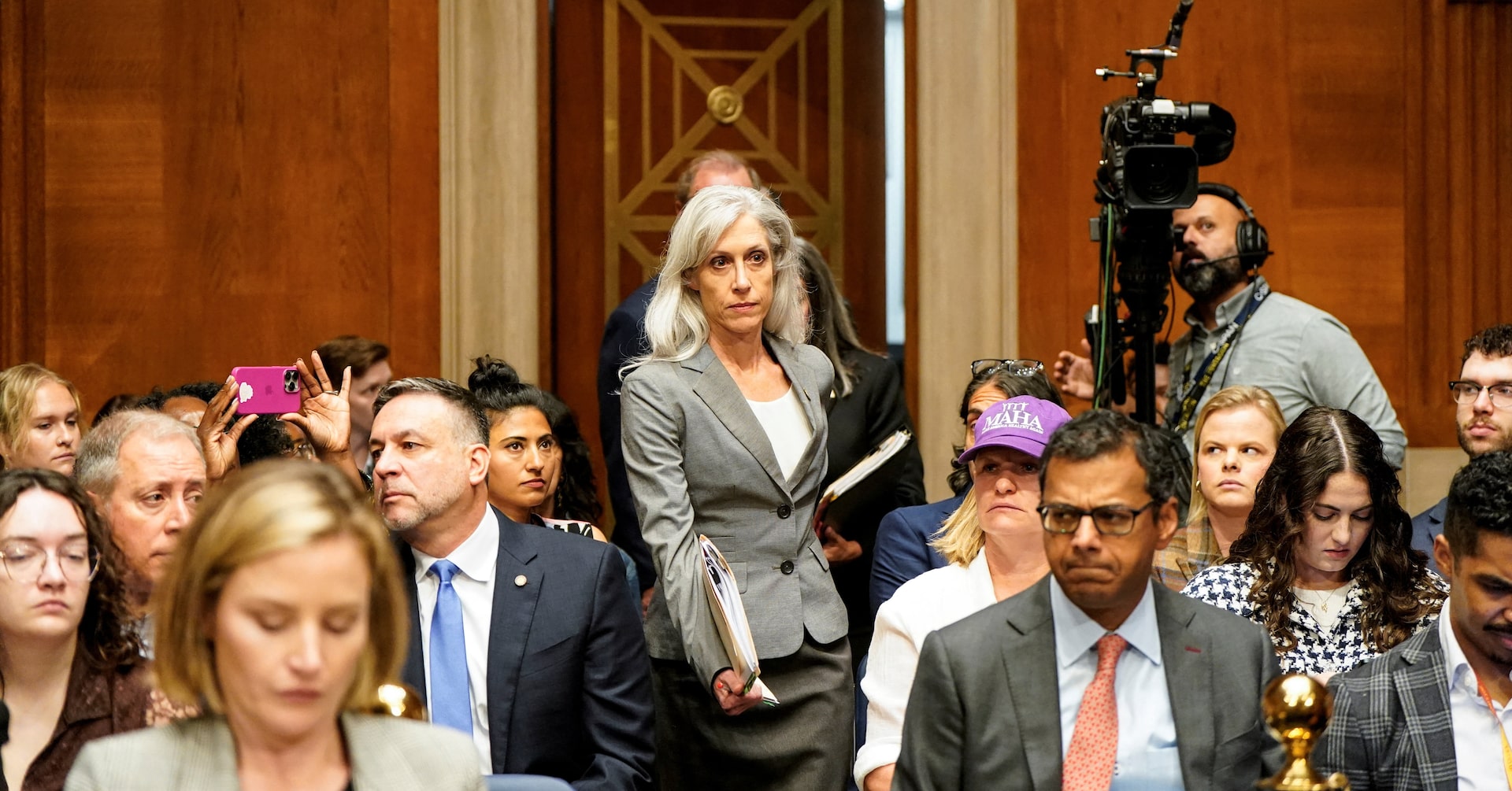
Fired CDC director says Kennedy plans to change children’s vaccine schedule
In a revealing Senate hearing on September 17, former CDC Director Susan Monarez detailed her contentious interactions with U.S. Health Secretary Robert F. Kennedy Jr., which ultimately led to her dismissal. Monarez testified before the Senate Health, Education, Labor, and Pensions (HELP) Committee, shedding light on Kennedy’s demands for pre-approval of changes to the childhood vaccination schedule without scientific review. Kennedy allegedly insisted on blanket approval of recommendations from the agency’s vaccine advisory board and required Monarez to seek political staff approval for her decisions, actions she resisted to maintain the CDC’s scientific integrity. Monarez was fired on August 28 after just 29 days in office, a move that has sparked widespread criticism and led to the resignation of four CDC officials. The hearing also highlighted the broader debate over U.S. vaccination policy, with Kennedy advocating for reduced vaccine use and public health experts calling for his resignation. Republicans and Democrats alike expressed concerns over the politicization of vaccine policy, with some Democrats apologizing for their initial lack of support for Monarez. The Department of Health and Human Services defended Kennedy’s actions, stating that any changes to the vaccine schedule would be science-based. The CDC’s Advisory Committee on Immunization Practices, now with 12 new members, is set to discuss two children’s vaccines in an upcoming meeting, raising questions about the future of U.S. vaccination policy.
-
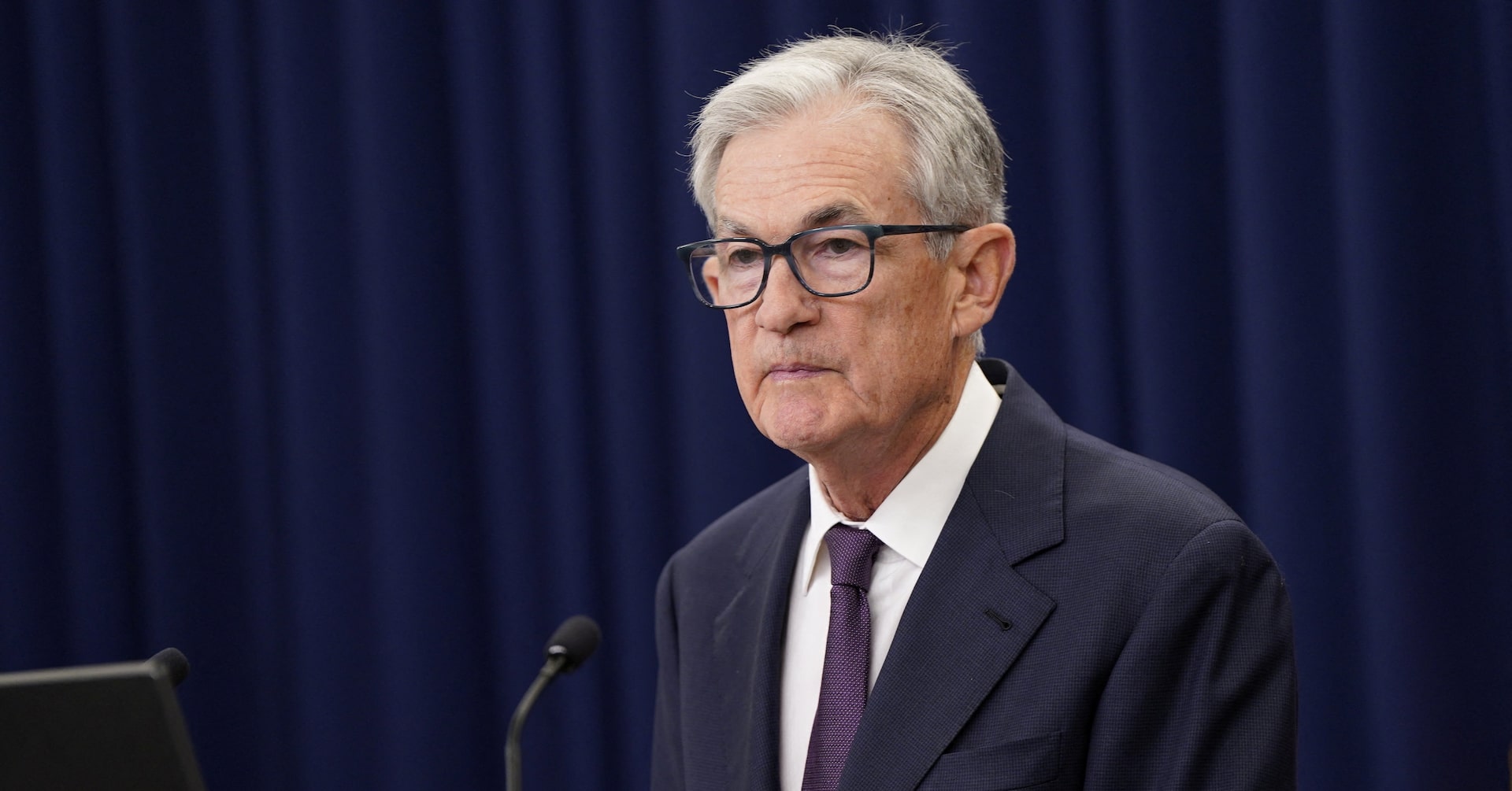
Fed lowers interest rates, signals more cuts ahead; Miran dissents
In a significant move to address growing labor market vulnerabilities, the Federal Reserve announced a quarter-percentage-point reduction in its benchmark interest rate on September 17, 2025. This marks the first rate cut since December and signals potential further reductions in the coming months. The decision, which lowers the rate to a range of 4.00%-4.25%, reflects heightened concerns over rising unemployment, particularly among minority groups and younger workers, as well as a declining average workweek and sluggish payroll growth. Fed Chair Jerome Powell emphasized that the softening job market has become a top priority for policymakers, stating, ‘We don’t need it to soften anymore.’ The Fed’s projections indicate two additional rate cuts before the end of the year, though the decision fell short of the more aggressive half-percentage-point cut advocated by newly appointed Fed Governor Stephen Miran, who cast the sole dissenting vote. Miran’s year-end rate projection suggests he supports further significant reductions, potentially bringing the policy rate below 3%. The decision comes amid political tensions, with President Donald Trump’s attempts to influence the Fed through criticism and personnel changes, including an unsuccessful effort to remove Governor Lisa Cook. Despite these pressures, the Fed maintained its independence, with Powell asserting that decisions are driven by data rather than external influences. While inflation remains above the Fed’s 2% target, policymakers prioritized employment risks, reflecting a shift in focus from price stability to labor market health. The announcement briefly buoyed stock markets, though they later closed mixed, while the dollar strengthened modestly. Treasury yields remained stable, and rate futures markets indicated a high probability of another cut at the Fed’s October meeting.
-
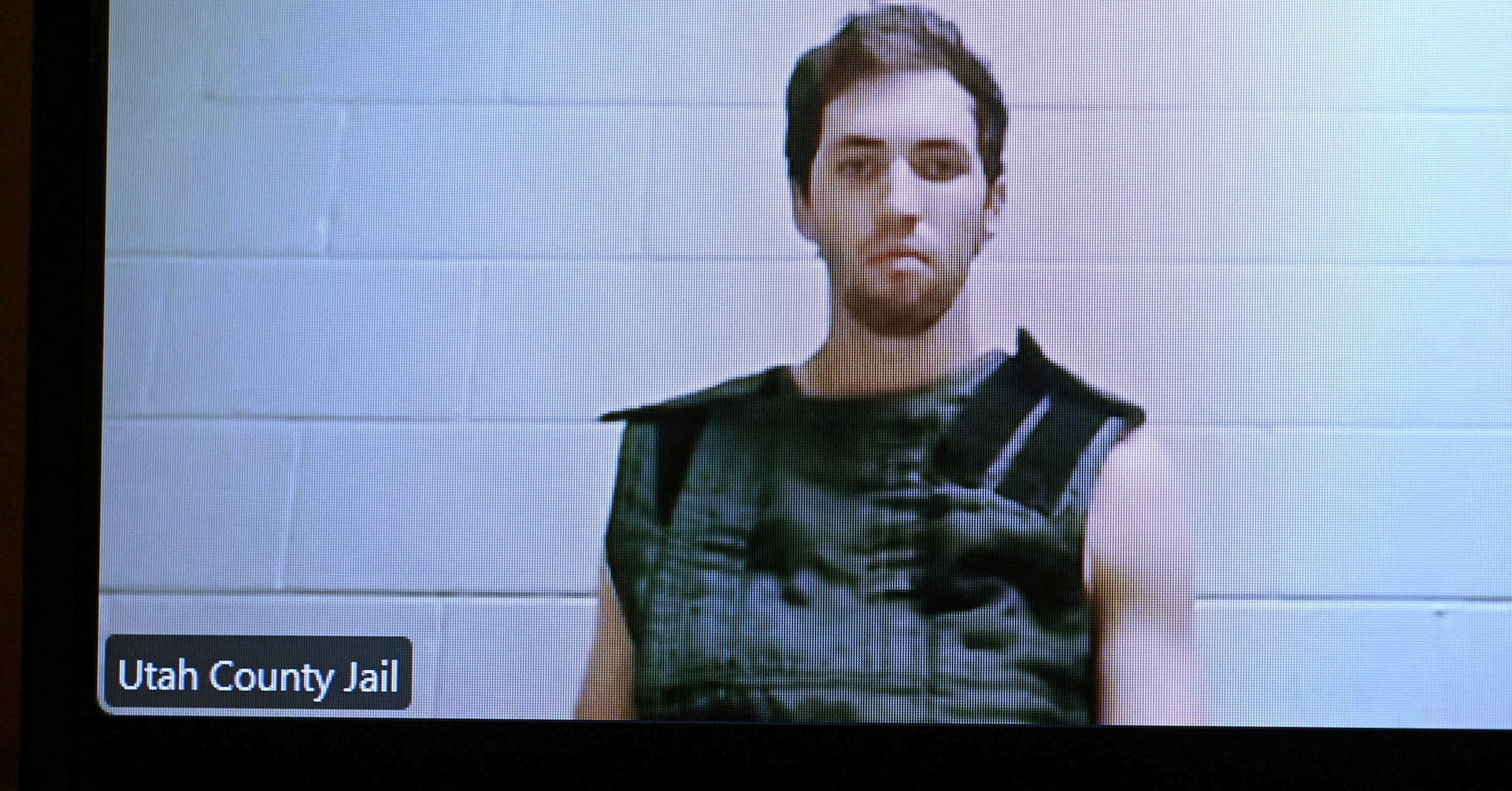
Unresolved questions hang over case against Charlie Kirk’s accused killer
In a high-profile court appearance, Tyler Robinson, the 22-year-old suspect in the assassination of conservative activist Charlie Kirk, faced charges of capital murder via video feed from jail in Provo, Utah. The case, which has sparked a political firestorm, continues to raise questions about Robinson’s motives, preparation, and potential accomplices. Prosecutors have yet to provide a comprehensive account of how Robinson planned the attack or what specifically drove him to commit the crime.
-
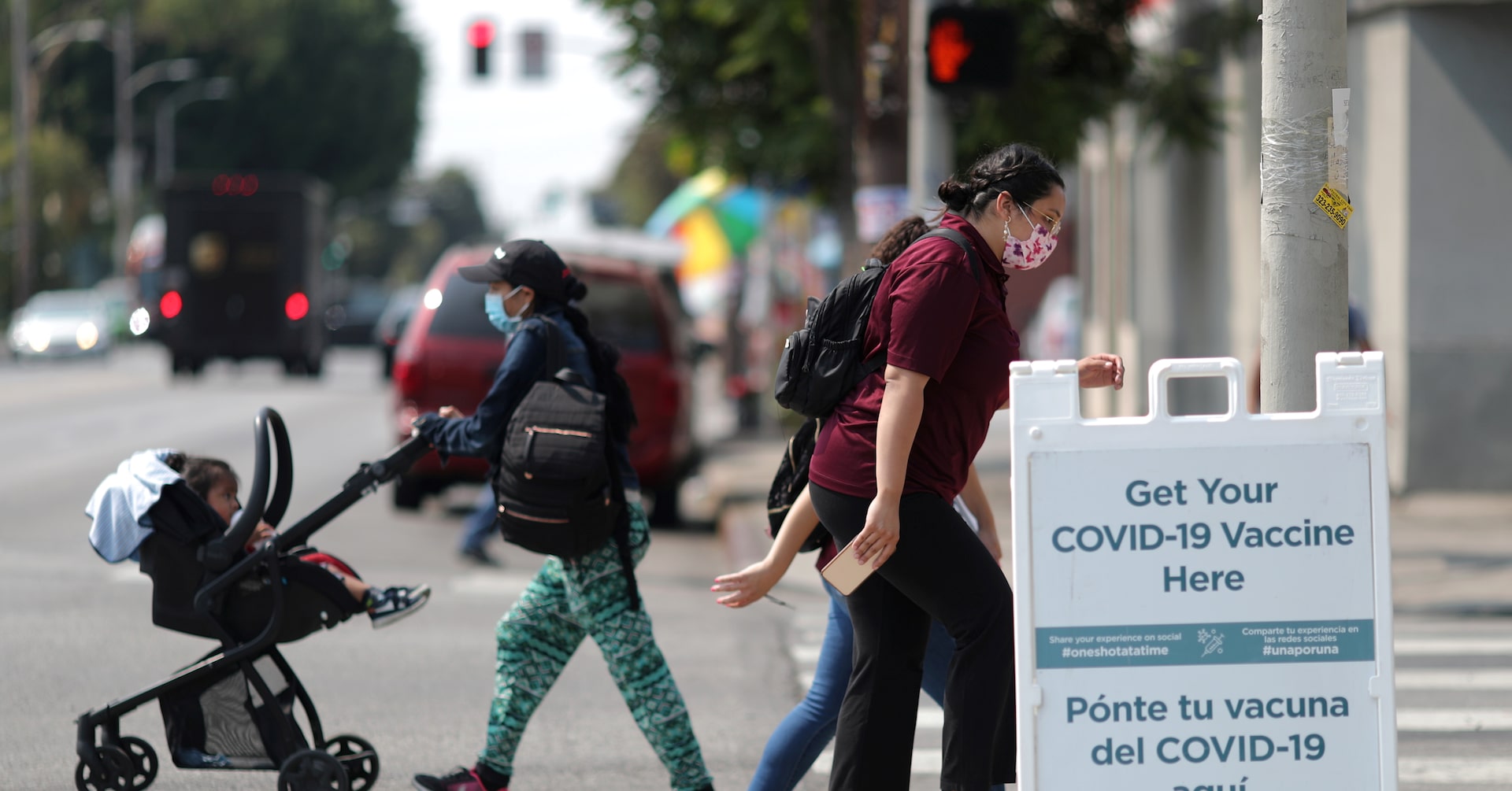
West Coast states recommend COVID shots for all adults and children, breaking with federal policy
In a notable divergence from federal guidelines, the West Coast Health Alliance, encompassing California, Oregon, and Hawaii, has issued updated recommendations for COVID-19 vaccinations. On Wednesday, the alliance urged all adults and children seeking protection to receive the updated vaccines, particularly emphasizing the importance for children aged six to 23 months and those aged two to 18 with risk factors or no prior vaccination history. This stance contrasts sharply with the U.S. Food and Drug Administration’s (FDA) recent approval, which limited the updated vaccines to individuals with health conditions and those aged 65 and older. The alliance’s recommendations come in response to sweeping changes in federal vaccine policy under Health Secretary Robert F. Kennedy Jr., which included the withdrawal of COVID-19 vaccine recommendations for pregnant women and healthy children in May. These federal shifts have prompted medical organizations and states to establish their own guidelines ahead of the fall immunization campaign, aiming to ensure continued access to vaccines. Typically, the Advisory Committee on Immunization Practices, a federal advisory body to the Centers for Disease Control and Prevention (CDC), provides guidance on vaccine administration post-FDA approval. Notably, the West Coast Health Alliance’s recommendations for respiratory syncytial virus and influenza vaccines align with those of the CDC.
-
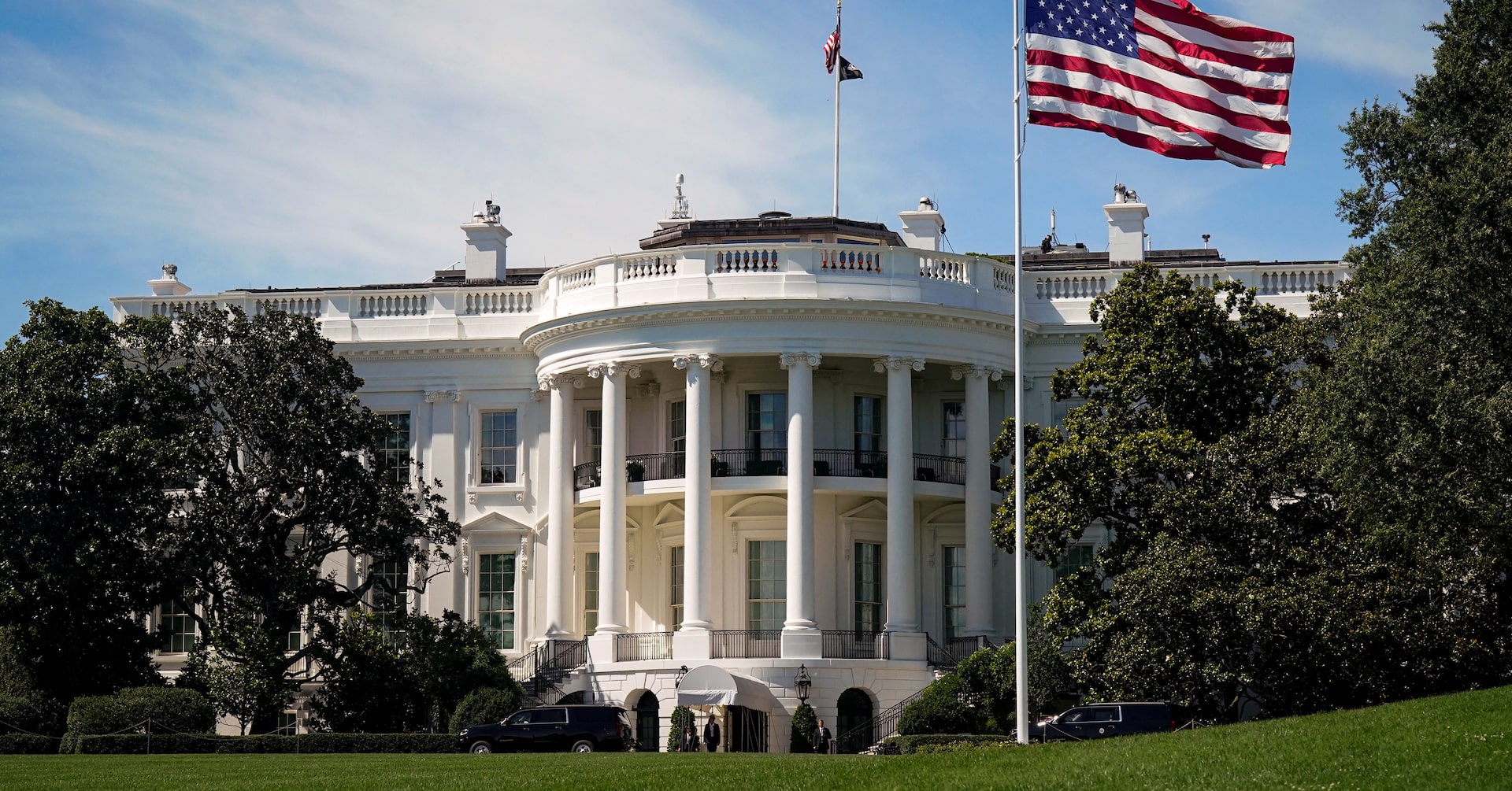
White House readies executive order on political violence as liberal groups sound warning
The White House is reportedly drafting an executive order aimed at addressing political violence and hate speech, according to a Trump administration official. This move comes in the wake of heightened scrutiny of left-leaning organizations following the assassination of conservative activist Charlie Kirk, a prominent Trump ally. The administration has accused liberal groups of exacerbating societal divisions and inciting violence, while critics argue that the focus on left-wing organizations overlooks the administration’s own controversial actions, including the pardoning of individuals involved in the January 6, 2021, Capitol attack. President Trump has suggested using federal racketeering laws to prosecute groups he claims fund left-wing violence and has even floated the idea of designating some as terrorist organizations. Over 120 nonprofits, including the Ford Foundation and Open Society Foundations, have publicly opposed these efforts, asserting that their charitable work is being mischaracterized. The executive order, which could be unveiled soon, is being finalized by Trump’s top advisers, including White House Deputy Chief of Staff Stephen Miller. This development marks the latest escalation in the Trump administration’s broader campaign to challenge institutions it perceives as adversarial, including withholding federal funds from universities like Harvard and Columbia and investigating Democratic fundraising platforms like ActBlue.
-
US judge orders deportation of Palestinian activist Mahmoud Khalil
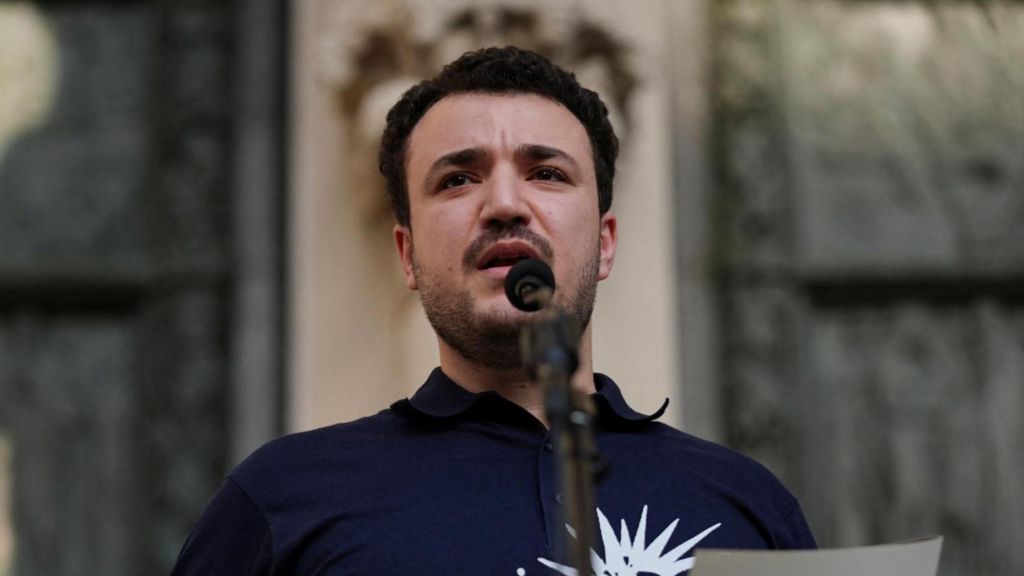
A US immigration judge has mandated the deportation of Mahmoud Khalil, a pro-Palestinian activist, to either Algeria or Syria, citing alleged omissions in his green card application. Judge Jamee Comans of Louisiana asserted that Khalil intentionally misrepresented facts to bypass immigration procedures. Khalil, a permanent US resident of Palestinian descent, gained prominence during the 2024 Gaza war protests at Columbia University, where he was a student. His legal team has announced plans to appeal the decision, emphasizing that existing federal court orders prevent his deportation or detention. Khalil was previously detained by Immigration and Customs Enforcement (ICE) in March as part of the Trump administration’s crackdown on universities accused of failing to address antisemitism. After three months in a Louisiana immigration facility, a federal judge ruled his release, citing no flight risk or community threat. During his detention, Khalil’s wife, a US citizen, gave birth to their son. The US government has also accused Khalil of omitting details about his past affiliations, including his work with UNRWA and the British Embassy in Beirut. Khalil has condemned the deportation order as a retaliatory measure for his activism, stating, ‘They resorted to fabricating baseless allegations to silence me.’ In June, his lawyers filed a $20 million damages claim for false imprisonment and malicious prosecution. Trump has labeled pro-Palestinian activists, including Khalil, as Hamas supporters, advocating for their deportation. Khalil played a significant role in Columbia University’s 2024 protests, mediating between activists and university officials. While accused of leading the Columbia University Apartheid Divest (CUAD) group, Khalil denies the claim, stating he merely served as a spokesperson and mediator.
-
Katty Kay: Why America is at a dangerous crossroads following the Charlie Kirk shooting
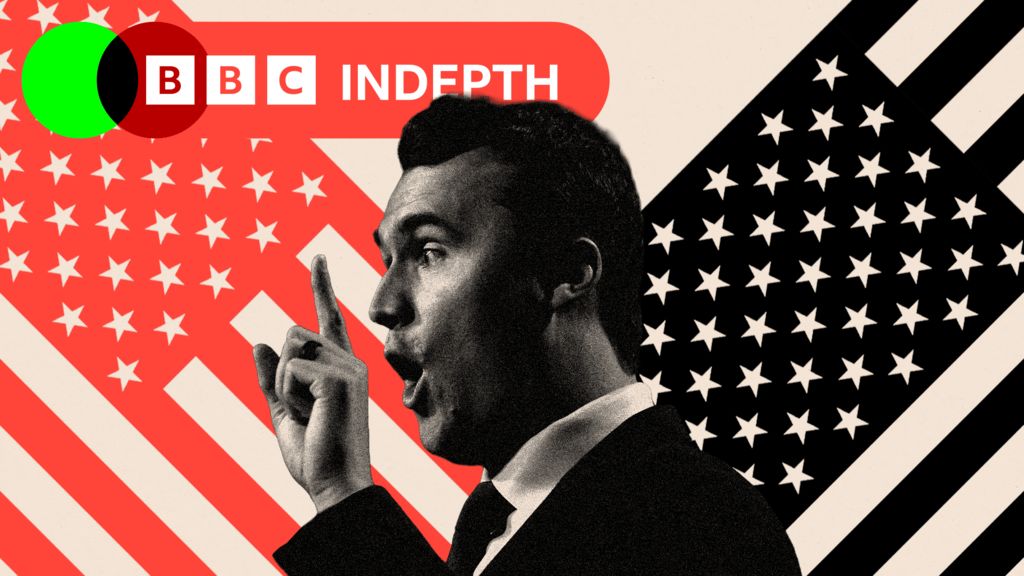
The United States finds itself in a tumultuous period, grappling with a surge in political violence and deepening societal divisions. The recent assassination of Charlie Kirk, a prominent conservative figure, has only exacerbated the nation’s fractured state. Utah Governor Spencer Cox has called for calm, urging Americans to ‘log off, turn off, touch grass, hug a family member, go out and do good in the community.’ However, his plea for unity seems unlikely to be heeded, as the country’s political camps have already retreated to opposing narratives. The incentives driving American political life reward those who escalate tensions rather than those who seek to bridge divides. This dynamic is further fueled by social media, which amplifies extreme voices and stokes outrage. Governor Cox has pointedly criticized social media platforms, attributing them to the rise in political violence. ‘I believe that social media has played a direct role in every single assassination and assassination attempt that we have seen over the last five, six years,’ he stated. The situation is reminiscent of past eras of political violence, such as the 1960s and 1970s, but the current climate is uniquely shaped by the pervasive influence of digital platforms. Despite the grim outlook, some remain hopeful. Democratic Senator Raphael Warnock of Georgia, one of the country’s most senior black officials, condemned political violence but also highlighted the progress America has made on issues like race. ‘The story of any family is always more complicated than the stories we tell ourselves at the family reunion,’ he remarked. Yet, the path to reconciliation remains unclear. As historian Ken Burns noted, ‘History doesn’t repeat itself, but it often rhymes.’ This moment of tension feels like it rhymes with so many other periods of discord in American history, but it isn’t quite repeating them. The United States’ internal divisions are not just a domestic issue; they are a national security concern. Former Defence Secretary Bob Gates once identified the three greatest threats to America’s national security as a rising China, a declining Russia, and the country’s own internal divisions. As America’s adversaries exploit these divisions online, the nation’s ability to heal and unite remains in question.