标签: North America

北美洲

  • As Senate goes ‘nuclear,’ dozens of Trump nominees are confirmed

    As Senate goes ‘nuclear,’ dozens of Trump nominees are confirmed

    In a significant move reflecting the deepening partisan divisions in the U.S. Senate, President Donald Trump’s nominees for various diplomatic, military, and administrative positions were confirmed en masse on Thursday, September 18, 2025. The confirmation, which passed with a 51-47 vote, saw 48 nominees approved for ambassadorial and sub-cabinet level roles. Notably, the vote was strictly along party lines, with Republicans supporting the nominations and Democrats opposing them. Two Republicans abstained from voting.

    Among the high-profile confirmations were Kimberly Guilfoyle, a former Fox News personality and fiancée of Donald Trump Jr., who was appointed as the U.S. Ambassador to Greece. Callista Gingrich, former ambassador to the Vatican and wife of ex-House Speaker Newt Gingrich, was confirmed as the Ambassador to Switzerland and Liechtenstein.

    The confirmation process was expedited after Republicans invoked the ‘nuclear option’ earlier this month, altering Senate rules to limit the minority party’s ability to delay nominations. This procedural change allows the majority to bundle large groups of nominees for a single confirmation vote, rather than addressing them individually. However, the new rules do not apply to the confirmation of federal judges or heads of presidential Cabinet agencies.

    The approved nominees also included key positions within the Defense Department, such as assistant secretaries for defense, the Army, and the Air Force. Additionally, roles in the Agriculture, Housing, Interior, and Transportation departments were filled.

    Since President Trump’s second term began on January 20, 2025, the Senate has witnessed increasing polarization, with Republicans largely backing the president’s nominees and initiatives, while Democrats have consistently opposed them. Both parties have accused each other of refusing to compromise, further exacerbating the political divide.

    The confirmation vote underscores the ongoing challenges in the U.S. political landscape, where partisan loyalty continues to shape legislative outcomes.

  • Five Pennsylvania cops shot, three fatally, were ambushed by accused stalker

    Five Pennsylvania cops shot, three fatally, were ambushed by accused stalker

    A tragic shooting incident in North Codorus Township, Pennsylvania, has left three police officers dead and two others critically injured. The ambush occurred on September 17, 2025, when officers attempted to serve an arrest warrant on Matthew Ruth, a 24-year-old suspected stalker. Armed with an AR-15-style rifle, Ruth opened fire on the officers as they entered a farmhouse belonging to his ex-girlfriend and her mother. The confrontation resulted in a deadly gunfight that claimed the lives of three detectives and the suspect. The incident has drawn national attention, with Pennsylvania Governor Josh Shapiro addressing the issue of gun violence in the wake of the tragedy. This marks the second fatal shooting involving law enforcement in York County within seven months, following a hostage siege at a local hospital earlier this year.

  • Congressman Raskin urges Democrats to avoid ‘trap,’ vote for Charlie Kirk honor

    Congressman Raskin urges Democrats to avoid ‘trap,’ vote for Charlie Kirk honor

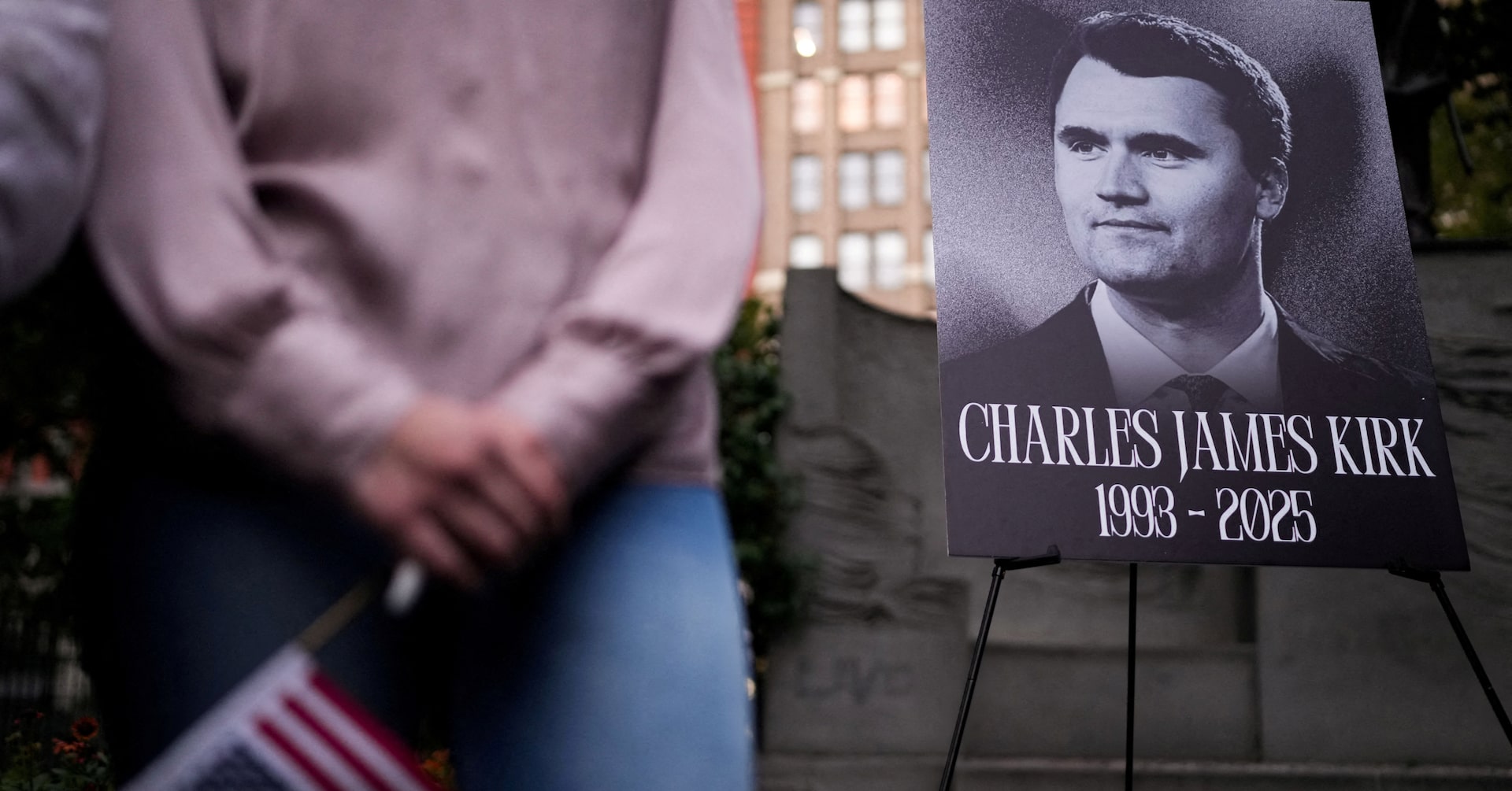
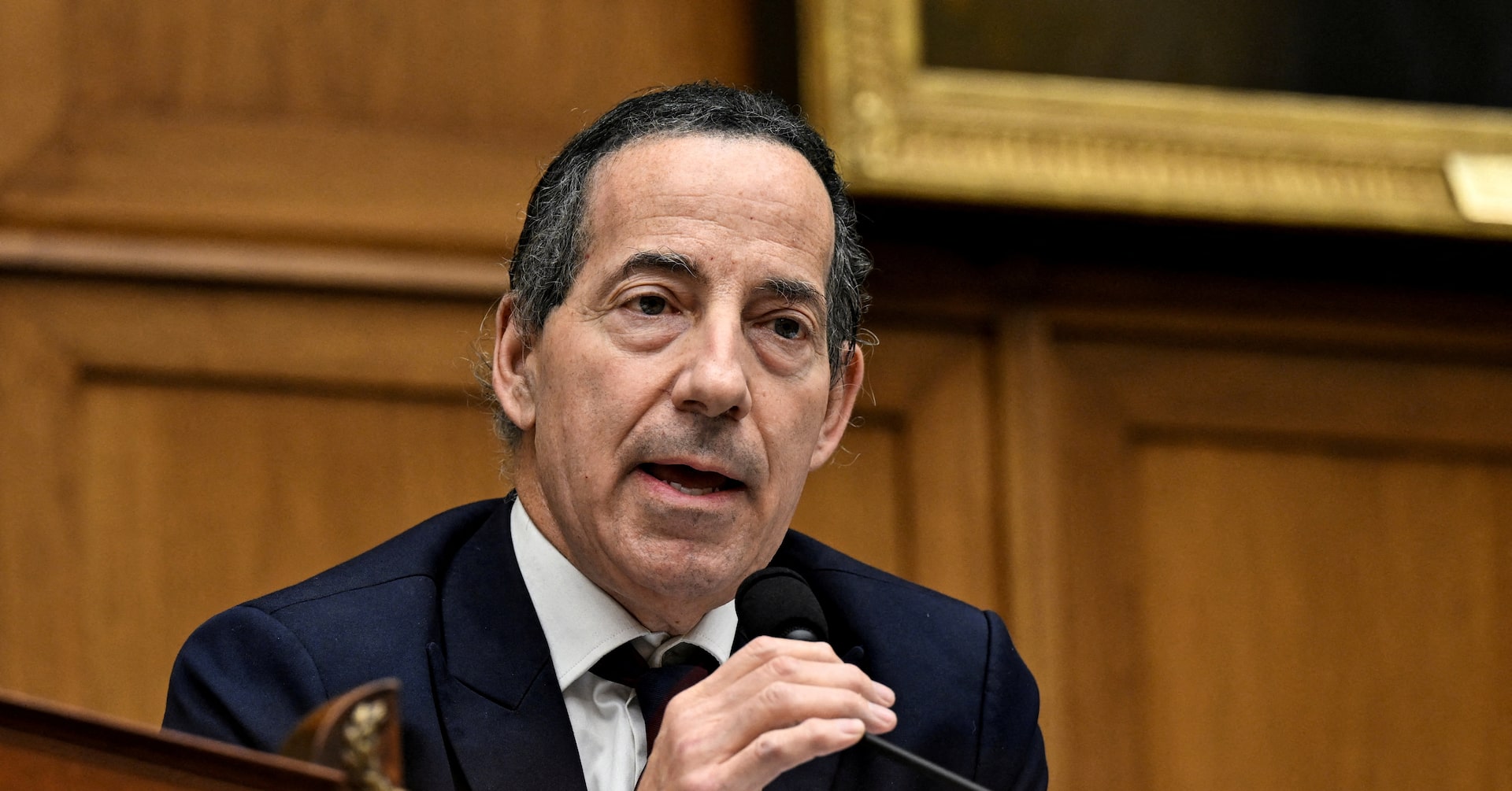
    In a pivotal moment on Capitol Hill, U.S. Representative Jamie Raskin (D-MD), a prominent liberal figure, called on his Democratic colleagues to support a Republican resolution honoring the late conservative activist Charlie Kirk. The resolution, introduced in the wake of Kirk’s assassination last week in Utah, has ignited a nationwide political storm. President Donald Trump and his allies have seized the moment to condemn left-leaning groups, accusing them of threatening national unity. Raskin, addressing the House Judiciary Committee, urged lawmakers to focus on the core message of the resolution—condemning political violence—rather than its partisan undertones. ‘We must rise above the political trap and unite as Americans to denounce all forms of violence,’ Raskin asserted. The resolution, which lauds Kirk’s influence in rallying young voters to the MAGA movement, is expected to pass the Republican-controlled House. Kirk’s controversial statements, including critiques of transgender Americans and affirmative action, had previously drawn sharp criticism from progressives. The debate over the resolution has already had ripple effects, with late-night host Jimmy Kimmel facing backlash and being temporarily pulled off the air for comments deemed offensive by Trump supporters. As the nation grapples with the fallout from Kirk’s death, Raskin’s plea for unity underscores the deepening political divides in the U.S.

  • CFPB considers worker furloughs as funding crunch deepens, sources say

    CFPB considers worker furloughs as funding crunch deepens, sources say

    The U.S. Consumer Financial Protection Bureau (CFPB) is grappling with a severe financial crisis that may force the agency to furlough employees, according to insider sources. The funding crunch stems from a series of budgetary constraints imposed by Congress and exacerbated by the Trump administration’s refusal to allocate fresh funds since taking control of the agency in February. The administration had initially aimed to reduce the CFPB’s workforce by 90%, but these plans have been stalled due to ongoing legal challenges from employee unions and consumer advocacy groups. As a result, the agency continues to bear the financial burden of paying most employees despite its dwindling resources. Last week, CFPB leadership informed staff of potential workforce reductions to comply with additional funding limits set by Congress. On Thursday, sources revealed that senior officials are now considering furloughs—temporary suspensions without pay—though the scope and timeline of such measures remain unclear. The agency’s financial woes are further compounded by Congress’s decision to slash the CFPB’s maximum draw from the Federal Reserve from 12% to 6.5% of the Fed’s expenses, effectively cutting hundreds of millions of dollars from its budget. In a bid to conserve cash, the CFPB has directed contracting officers to minimize payouts for goods and services, prioritizing payroll and operational costs. With the next fiscal year set to begin in less than two weeks, concerns are mounting that the agency may lack sufficient funds to cover payroll and severance expenses. CFPB representatives have yet to comment on the matter.

  • US Senate votes to confirm top auto safety official

    US Senate votes to confirm top auto safety official

    In a significant legislative move, the U.S. Senate on Thursday confirmed Jonathan Morrison as the head of the National Highway Traffic Safety Administration (NHTSA), along with 47 other nominees for critical roles in infrastructure and safety oversight. The vote, which passed with a narrow margin of 51-47, marks the first time in three years that the NHTSA will have a permanent leader. Morrison’s confirmation comes at a pivotal moment for the agency, which has been without a stable leadership since 2022. The Senate also approved nominees for key positions overseeing highways and pipelines, signaling a renewed focus on infrastructure safety and modernization. This decision is expected to have far-reaching implications for transportation safety standards and the implementation of major infrastructure projects across the nation. The confirmation process, though contentious, underscores the Senate’s commitment to addressing long-standing vacancies in critical federal agencies.

  • Explainer: Were Jimmy Kimmel’s free speech rights violated when ABC canceled his show?

    Explainer: Were Jimmy Kimmel’s free speech rights violated when ABC canceled his show?

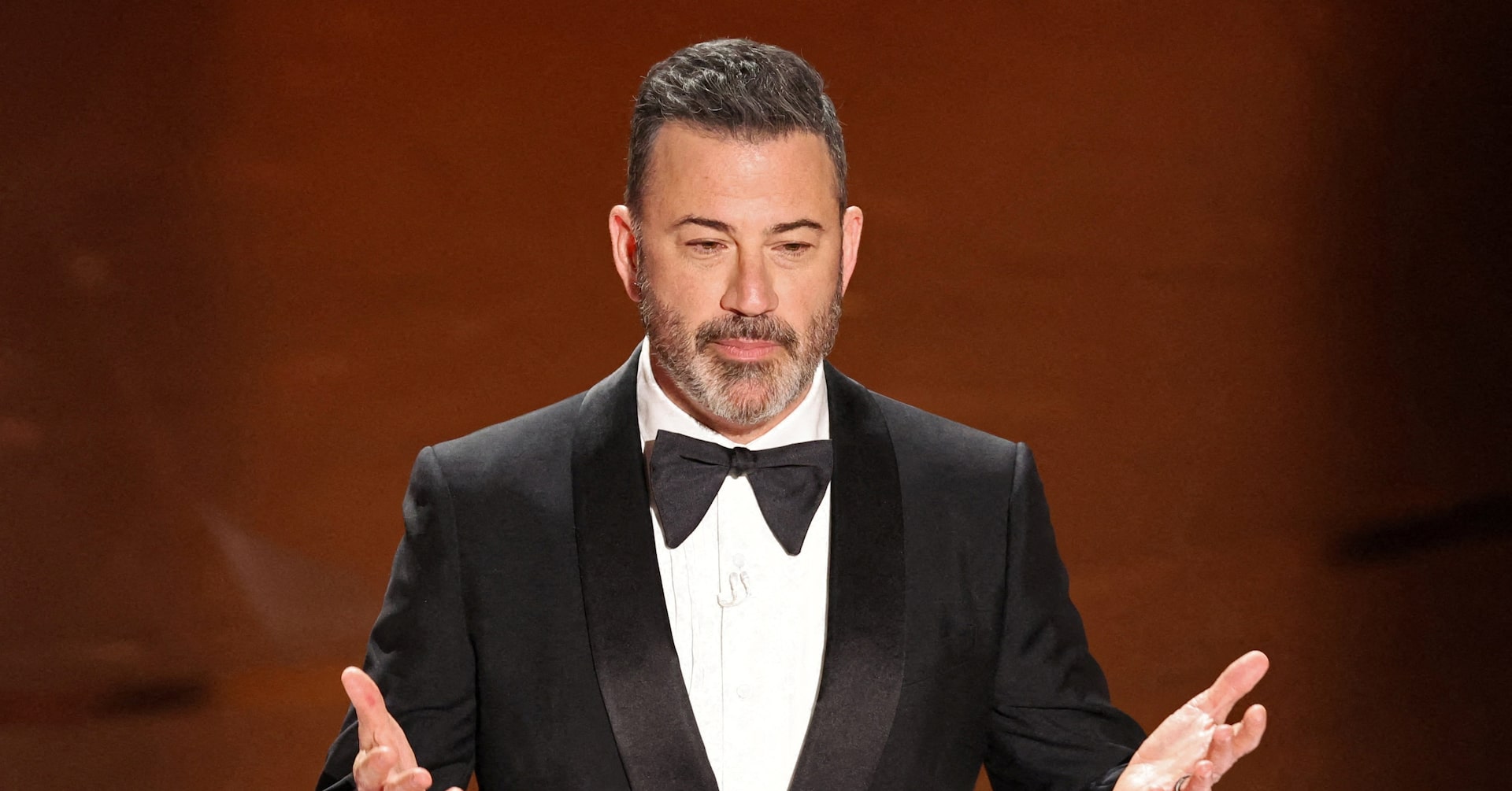
    Jimmy Kimmel, the renowned late-night talk show host, has found himself at the center of a heated controversy following his suspension by ABC. The decision came after Kimmel made contentious comments on his show, ‘Jimmy Kimmel Live!,’ regarding the assassination of conservative activist Charlie Kirk. Kimmel suggested that Kirk’s shooter was a supporter of former President Donald Trump and criticized the ‘MAGA gang’ for politicizing the tragedy. His remarks also included a jab at Trump for allegedly diverting attention to White House renovations when questioned about Kirk’s death. The fallout was swift, with Brendan Carr, head of the Federal Communications Commission (FCC), condemning Kimmel’s statements as misleading and hinting at potential regulatory actions. Carr’s comments, made on a conservative podcast, emphasized the need for broadcasters to uphold community interests. Shortly after, Nexstar Media Group announced it would cease airing Kimmel’s show on its ABC affiliates, citing the need to align with FCC standards. ABC followed suit, suspending Kimmel’s show indefinitely. While Kimmel could potentially sue the FCC or ABC for free speech violations or breach of contract, legal experts suggest that such cases would face significant hurdles. The First Amendment protects against government interference in speech, but proving coercion by the FCC would be challenging. Additionally, ABC retains the right to decide its programming, further complicating any legal recourse for Kimmel. The incident has sparked a broader debate about free speech, media regulation, and the boundaries of political commentary in entertainment.

  • Democratic-led US Senate resolution seeks recognition of Palestinian state

    Democratic-led US Senate resolution seeks recognition of Palestinian state

    In a significant development, a group of U.S. senators has introduced the first-ever Senate resolution urging the recognition of a Palestinian state. This move, led by Democrat Jeff Merkley of Oregon, signals a notable shift in Washington’s stance toward Israel, nearly two years into its ongoing conflict with Hamas in the Gaza Strip. The resolution advocates for a demilitarized Palestinian state coexisting with a secure Israel, aiming to foster hope and enhance peace prospects for both sides. Despite the Democratic-led effort, the resolution faces slim chances of passing in the Republican-majority Senate, where President Donald Trump and his party have expressed opposition to recognizing Palestinian statehood. Concurrently, in the House of Representatives, Democrat Ro Khanna of California is circulating a letter to garner support for Palestinian statehood. These legislative actions reflect a growing inclination among U.S. lawmakers to pressure Israel to end the war and alleviate the humanitarian crisis in Gaza. The conflict, which began with Hamas’s October 7, 2023, attack, has resulted in over 65,000 Palestinian deaths, according to Gaza health authorities, and continues to devastate the region. The Israeli embassy in Washington has yet to comment on the Senate resolution. Meanwhile, international momentum for recognizing Palestine is building, with several U.S. allies preparing to do so as world leaders convene at the U.N. General Assembly in New York. A recent Reuters/Ipsos poll indicates that 58% of Americans support U.N. recognition of Palestine as a nation. The resolution’s co-sponsors include prominent Democrats and independent Senator Bernie Sanders, who recently described the situation in Gaza as a genocide, echoing findings by a U.N. Commission of Inquiry that Israel has rejected as biased. As the conflict approaches its second anniversary, the push for Palestinian statehood underscores the urgent need for a resolution to the protracted crisis.

  • Harvard grad who claimed to predict Buffett’s investments indicted for Ponzi fraud

    Harvard grad who claimed to predict Buffett’s investments indicted for Ponzi fraud

    A Harvard Business School alumnus has been charged with defrauding fellow graduates out of millions of dollars by falsely claiming he could predict Warren Buffett’s Berkshire Hathaway’s next investments. Vladimir Artamonov, 46, was arrested in Elkridge, Maryland, and faces charges of securities fraud, wire fraud, and investment adviser fraud, according to federal prosecutors in Manhattan. Artamonov allegedly told investors that his ‘airtight’ strategy, dubbed Project Information Arbitrage, could generate returns of 500% or more by identifying stocks Berkshire would buy before the conglomerate disclosed its investments. Instead, he reportedly invested in high-risk short-term options unrelated to Berkshire and used a Ponzi-like scheme to repay earlier investors with funds from new ones. Authorities claim Artamonov misappropriated over $4 million, using some for personal expenses and repaying less than $400,000. New York Attorney General Letitia James had previously secured a court order in February 2024 to halt his alleged fraudulent activities. Artamonov’s lawyer, Philip Cohen, declined to comment on the indictment, citing his client’s claims of ongoing mental health issues, including psychosis. The case, U.S. v. Artamonov, is being heard in the U.S. District Court for the Southern District of New York. Berkshire Hathaway and Warren Buffett have not been implicated in any wrongdoing.

  • US military weighs recruiting campaign to honor Charlie Kirk, NBC reports

    US military weighs recruiting campaign to honor Charlie Kirk, NBC reports

    In the wake of the tragic assassination of prominent conservative activist Charlie Kirk, the Pentagon is reportedly exploring a new military recruitment campaign aimed at inspiring young Americans to enlist in his memory. According to NBC News, the initiative would frame military service as a patriotic tribute to Kirk, potentially using the slogan, ‘Charlie has awakened a generation of warriors.’ The campaign would leverage chapters of Kirk’s influential conservative student organization, Turning Point USA, and universities nationwide as recruitment hubs. Anthony Tata, the Undersecretary of Defense for Personnel and Readiness, is spearheading the effort. However, the proposal has sparked internal debate within the Pentagon, with some leaders cautioning that it could be seen as exploiting Kirk’s death. Kirk, a key ally of former President Donald Trump, was celebrated for his advocacy of right-wing policies on issues such as race, gender, and immigration. Trump has posthumously announced plans to award Kirk the Presidential Medal of Freedom, the nation’s highest civilian honor. The Pentagon has yet to officially comment on the potential campaign.

  • Texas governor signs bill cracking down on mail-order abortion pills

    Texas governor signs bill cracking down on mail-order abortion pills

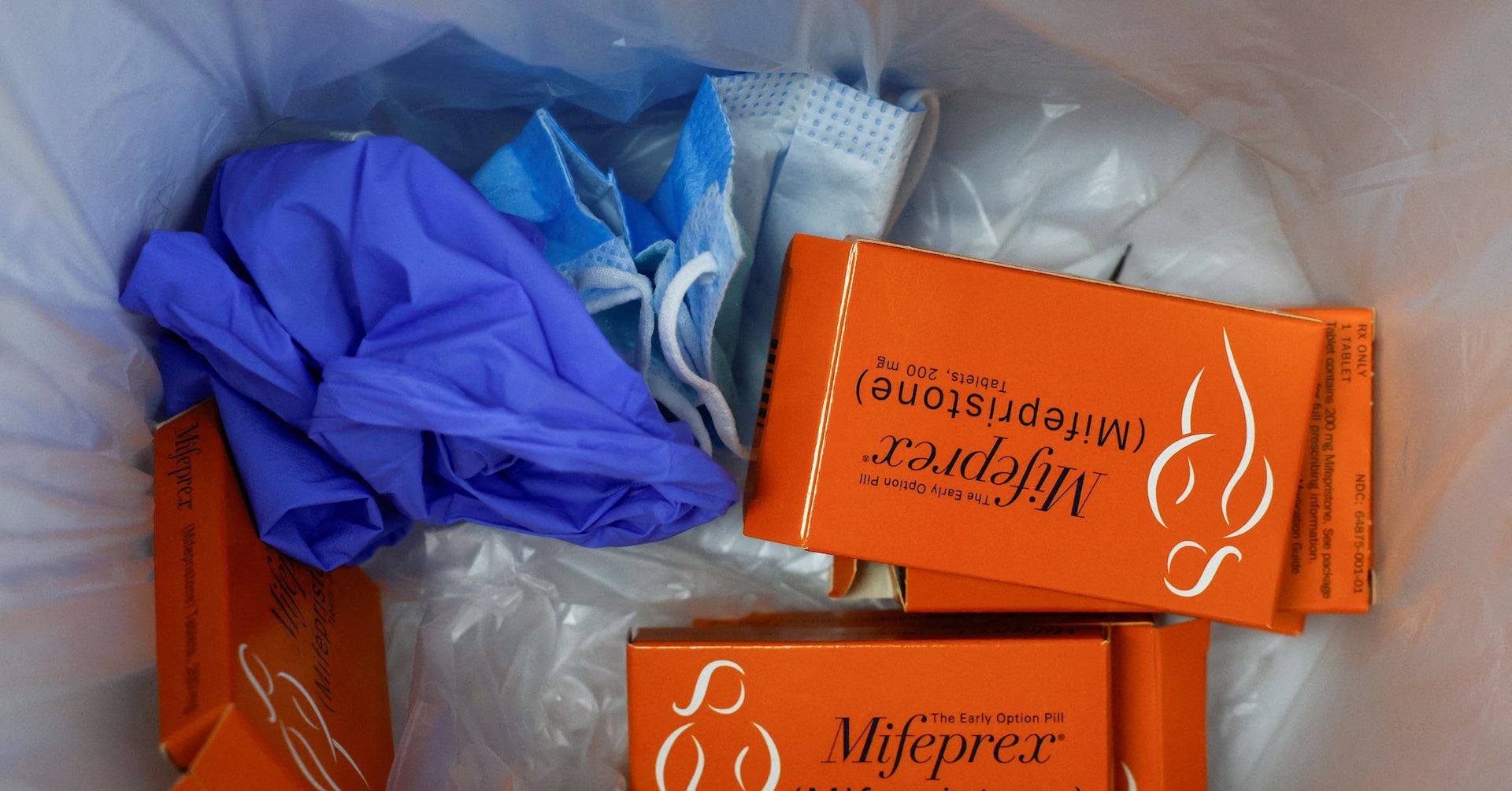
    Texas Governor Greg Abbott has signed a contentious bill into law, intensifying the state’s crackdown on mail-order abortion medications. The legislation, which was passed by the Republican-led legislature earlier this month, empowers private citizens to sue individuals and companies involved in shipping abortion pills into Texas. Critics argue that the measure fosters a climate of ‘bounty hunters’ and imposes Texas’s restrictive abortion laws on other states. The bill, signed quietly on Wednesday night, aims to further restrict access to abortion in a state where nearly all abortions are already banned. It is set to take effect in approximately three months. The law allows citizens to file lawsuits against medical providers, pharmaceutical companies, delivery services, and individuals aiding in the procurement of abortion pills, such as mifepristone and misoprostol. Successful plaintiffs can win $100,000 in damages per violation, though women who take the pills are exempt from liability. Exceptions also exist for medically necessary procedures like miscarriages and ectopic pregnancies. The bill’s enforcement mechanism mirrors the ‘qui tam’ provisions of the False Claims Act, which incentivizes whistleblowers to expose fraud. This approach has been increasingly adopted by social conservatives to enforce anti-abortion laws. The measure has sparked significant debate, with critics warning it will pit Texans against each other. State Senator Carol Alvarado, a Democrat from Houston, criticized the bill, stating, ‘The bill only works if we turn Texans against each other.’ Abortion rights advocates highlight that medication-induced abortions now account for 63% of all U.S. abortions, a significant increase since the Supreme Court overturned Roe v. Wade in 2022. With many abortion clinics closed, telehealth and mail-order services have become vital for women seeking abortions in states with restrictive laws. The Texas law raises questions about its potential to undermine ‘shield laws’ in Democratic-led states that protect abortion providers from out-of-state legal actions. The bill’s proponents, including Texas Right to Life president John Seago, argue it is necessary to hold accountable those who circumvent Texas’s abortion ban. However, the measure has drawn widespread criticism for its potential to create a surveillance state and further restrict reproductive rights.