标签: North America

北美洲

  • Trump abandons attack mode as Minneapolis shooting backlash grows

    Trump abandons attack mode as Minneapolis shooting backlash grows

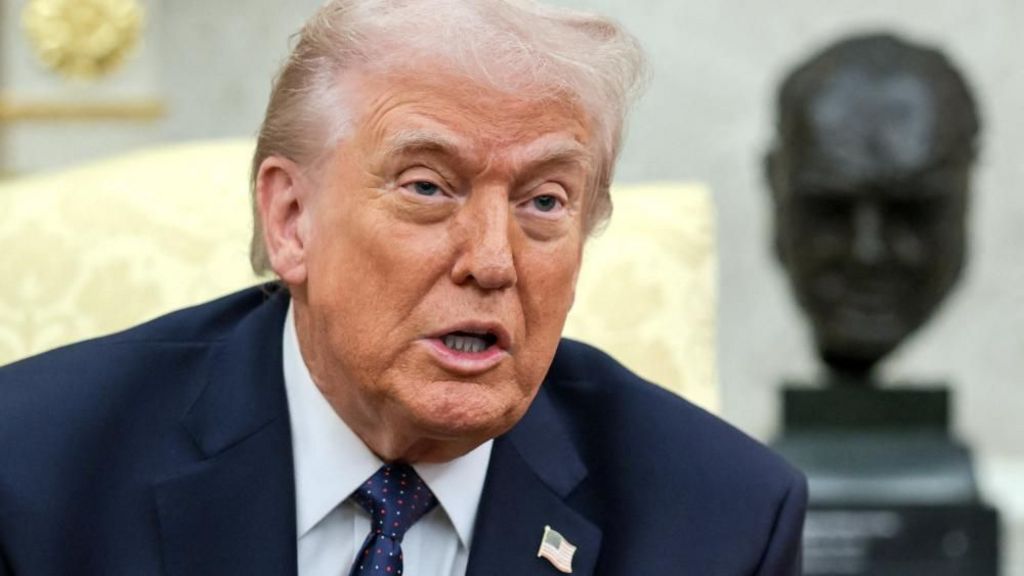
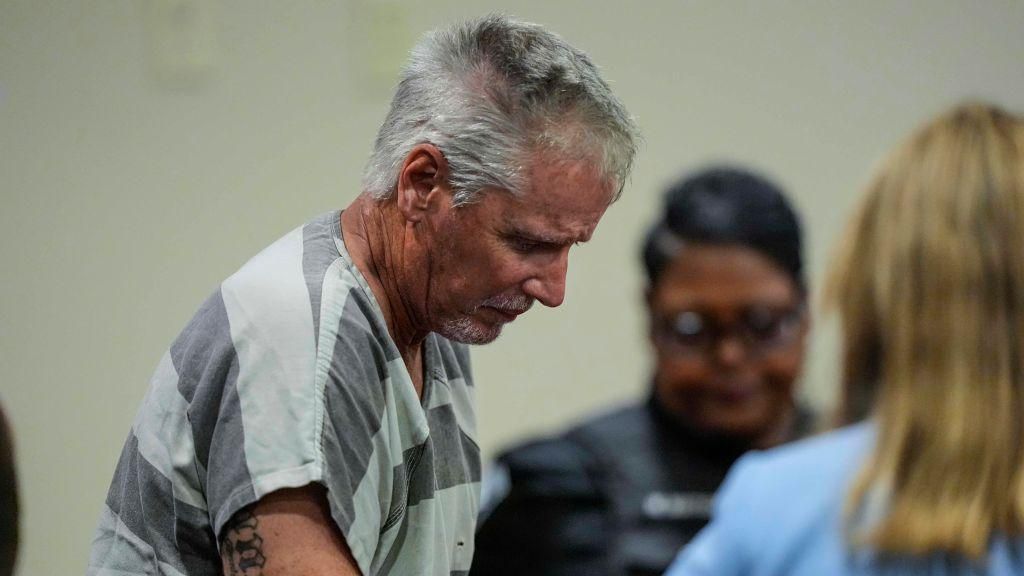
    The Trump administration has executed a notable strategic pivot in its response to the fatal shooting of Alex Pretti by federal agents in Minneapolis, moving from its characteristic confrontational stance to a more measured approach as political tensions escalate.

    Initially, officials deployed aggressive rhetoric characterizing the 37-year-old nurse as a ‘domestic terrorist’ and ‘would-be assassin.’ Homeland Security Secretary Kristi Noem claimed Pretti intended to ‘inflict harm’ while Border Patrol Commander Gregory Bovino described the incident as an attempt to ‘massacre law enforcement.’

    However, as multiple video recordings surfaced contradicting the official narrative—showing Pretti filming agents with his phone and assisting a knocked-down woman before being pepper-sprayed—the administration’s position became untenable. The footage clearly showed Pretti unarmed when wrestled to the ground, though authorities later confirmed he legally carried a concealed firearm.

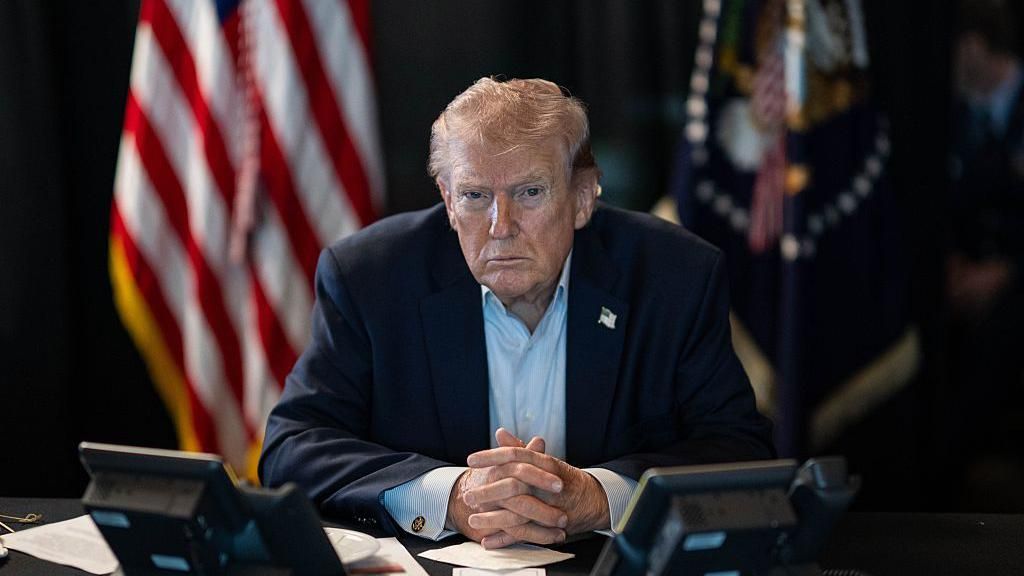
    Facing mounting criticism from both political parties and deteriorating public opinion, the White House altered its communication strategy. President Trump labeled the incident ‘tragic’ on Truth Social while blaming ‘Democrat-ensued chaos,’ and dispatched former Obama administration official Tom Homan—considered a more moderate figure—to oversee operations in Minnesota.

    The political ramifications continue to intensify as Senate Democrats now threaten to block Department of Homeland Security funding, potentially triggering a partial government shutdown. Republicans meanwhile express growing unease, with Vermont Governor Phil Scott condemning the federal response as ‘a complete failure of coordination’ at best and ‘deliberate intimidation’ at worst.

    With recent polls indicating 61% of Americans believe ICE operates ‘too tough’ in detainments, and 58% disapproving of Trump’s immigration handling overall, the administration faces mounting pressure to recalibrate its approach while maintaining its enforcement priorities.

  • TikTok apologises after thousands in US report issues

    TikTok apologises after thousands in US report issues

    TikTok’s newly established US ownership entity has issued a formal apology to users following widespread technical issues that plagued the platform over the weekend. TikTok USDS Joint Venture LLC, the newly formed organization overseeing American operations, confirmed the problems stemmed from a power outage at a US data center affecting multiple applications under their management.

    According to outage monitoring service Downdetector, the platform received over 663,000 problem reports from US users between Saturday evening and Monday. Users reported persistent issues including repetitive content appearing in ‘For You’ feeds, incomplete content display, and newly uploaded videos receiving zero views. The technical difficulties persisted into Monday, affecting users across different time zones.

    The technical disruption sparked speculation among users regarding potential connections to TikTok’s recent ownership restructuring. The platform’s new organizational framework resulted from a finalized agreement last Thursday that secured TikTok’s continued operation in the United States under revised ownership conditions.

    Oracle Corporation, TikTok’s US data center partner and minority stakeholder in the new venture with a 15% ownership share, declined to comment on the specific outage. The cloud computing giant has assumed expanded responsibilities under the new arrangement, including algorithm inspection and retraining for the US version of TikTok, along with comprehensive user data security management previously initiated under Project Texas.

    Concurrent technical issues were also reported with CapCut, TikTok’s affiliated video editing application, indicating broader infrastructure challenges. Users expressed frustration across social media platforms, with many reporting inability to access creator tools and revenue analytics features alongside visibility problems with their content.

    The company stated via social media platform X that they are ‘working with our data center partner to stabilize our service’ and expressed hope for a swift resolution. The incident represents the first major technical challenge for the newly structured US operation since its formal establishment.

  • Sharjah’s Wheat Festival returns with farm-fresh veggies, discounts up to 40%

    Sharjah’s Wheat Festival returns with farm-fresh veggies, discounts up to 40%

    The second annual Wheat Festival has commenced at Mleiha Wheat Farm in Sharjah, featuring a reimagined concept that expands educational and recreational offerings while providing substantial discounts of up to 40% on organic Ektifa products. Officially inaugurated by Dr. Eng Khalifa Musabeh Al Tunaiji, Chairman of the Department of Agriculture and Livestock and CEO of Sharjah Agricultural and Livestock Production Establishment, the event represents a significant initiative in promoting agricultural awareness.

    This year’s festival emphasizes direct engagement with farming practices, enabling visitors to purchase freshly harvested organic vegetables directly from the production site. The comprehensive program includes live demonstrations, interactive workshops, and family-oriented activities designed to provide an immersive agricultural experience within a natural outdoor environment.

    The event underscores the strategic importance of wheat cultivation as a fundamental component of food security initiatives while highlighting the crucial role of farmers in strengthening local food systems. The festival showcases cutting-edge organic farming technologies and methodologies that enhance both quality and efficiency in local agricultural production.

    A notable addition to this year’s programming is the ‘Best Photograph’ competition, which invites participants to capture memorable moments throughout the festival. This initiative specifically aims to support and encourage university students and photography enthusiasts from across the community.

    Beyond its educational and recreational value, the festival creates substantial investment opportunities for Emirati small and medium-sized enterprises, aligning with Sharjah’s broader vision for comprehensive sustainable development. The event serves as an integrated platform that celebrates regional agricultural output while providing vital marketing channels for local farmers and productive families.

    The festival will remain open to visitors daily from 4:00 PM to 10:00 PM until February 8, offering attendees the additional benefit of exploring Mleiha’s picturesque landscape and prominent landmarks during the pleasant winter season.

  • US government invests $1.6bn for stake in rare earths firm

    US government invests $1.6bn for stake in rare earths firm

    The Trump administration has committed $1.6 billion in federal support to USA Rare Earth, an Oklahoma-based critical minerals company, in a significant move to challenge China’s global dominance in the rare earth elements market. This non-binding agreement, announced Monday, represents the latest strategic initiative to secure America’s supply chain for minerals essential to both consumer electronics and advanced defense technologies.

    The financing package consists of a $1.3 billion loan from the Commerce Department—which will grant the government a stake in the company—alongside $277 million in direct federal funding. Simultaneously, USA Rare Earth revealed it had secured an additional $1.5 billion through private investment rounds. The company specializes in ‘heavy’ rare earth elements, which are particularly crucial for defense applications.

    Market response was immediately positive, with the miner’s shares surging up to 20% following the dual announcements. This investment continues the administration’s pattern of supporting domestic rare earth production, following previous agreements including a $1.4 billion deal with magnet startup Vulcan Elements and investments in MP Materials, operator of America’s sole active rare earth mine.

    This development occurs against the backdrop of tense trade negotiations between Washington and Beijing, where rare earths have emerged as a strategic bargaining chip. China currently processes approximately 90% of the world’s rare earths and has previously restricted exports to gain leverage in trade discussions. The U.S. reliance on these materials—vital for smartphones, electric vehicles, and military technologies—has created significant supply chain vulnerabilities.

    Beyond domestic investments, the administration has pursued international partnerships to diversify sources. Recent agreements include a minerals partnership with Australia and discussions regarding resource access in Greenland, though full independence from Chinese processing remains a longer-term objective.

  • LuLu Group: A Deeper Investment Push Across India

    LuLu Group: A Deeper Investment Push Across India

    LuLu Group has dramatically escalated its investment footprint across India, marking Republic Day with substantial commitments to retail expansion and agricultural export infrastructure. The multinational conglomerate unveiled comprehensive plans for new shopping malls, hypermarkets, and specialized food processing centers spanning multiple states.

    In a strategic move, Chairman Yusuffali M.A. formalized agreements with Andhra Pradesh Chief Minister N Chandrababu Naidu to establish multiple flagship projects. These include a monumental shopping mall in Visakhapatnam—positioned to rank among India’s largest retail developments—alongside specialized food sourcing and export facilities in Vijayawada and Rayalaseema. The Visakhapatnam mall alone anticipates generating approximately 5,000 direct employment opportunities and an additional 12,000 indirect jobs upon its scheduled opening within three years.

    The export-oriented initiatives will focus on value-added processing of regional agricultural products including mango pulp, guava pulp, and premium spices under the LuLu brand. These facilities are designed to enhance market access for local farmers while strengthening international trade channels to GCC markets and Egypt.

    Concurrently, LuLu Group is advancing its retail network with new hypermarkets in Chennai scheduled for mid-2026 completion. Additional Express Stores and shopping complexes are being finalized in key urban centers including Bengaluru, Lucknow, Noida, and Gurugram. The expansion strategy also includes identifying potential mall locations in Gujarat’s Chandkheda area, situated within the Gandhinagar parliamentary constituency along the SP Ring Road corridor.

    Chief Minister Naidu characterized the Visakhapatnam development as the ‘Navaratna’ (nine jewels) of LuLu’s Indian portfolio, emphasizing its dual role as both retail destination and tourism experience center. He encouraged accelerated construction timelines aiming for a six-month early opening.

    This comprehensive investment push demonstrates LuLu Group’s deepening integration within India’s economic ecosystem, combining retail innovation with agricultural supply chain development to create multifaceted growth opportunities across multiple states.

  • China says Canada deal does not target the US after Trump tariff threat

    China says Canada deal does not target the US after Trump tariff threat

    Former U.S. President Donald Trump has issued a stark warning to Canada, threatening to impose 100% tariffs on Canadian products should the nation finalize its recently announced trade agreement with China. The threat was delivered via Trump’s Truth Social platform over the weekend, where he asserted that China is “successfully and completely taking over” Canada and cautioned against the country becoming a “drop off port” for Chinese goods destined for the U.S. market.

    In response to these allegations, both Canadian and Chinese officials have moved to clarify the nature of their new arrangement. Chinese Foreign Ministry spokesperson Guo Jiakun stated on Monday that the partnership “does not target any third party” and is designed to “serve the common interests of the people of both countries.” He emphasized that international relations should be approached with a “win-win rather than the mentality of zero-sum” framework.

    Canadian Prime Minister Mark Carney explicitly denied that the agreement constitutes a free-trade deal with Beijing, stating Canada has “never” considered such an arrangement. He clarified that the understanding focuses on specific tariff adjustments: reducing levies on Canadian canola oil exports to China from 85% to 15% by March, while Canada will apply the Most-Favoured-Nation rate of 6.1%—a significant reduction from 100%—to a limited number of Chinese electric vehicle imports.

    Prime Minister Carney suggested that Trump’s threats are likely a negotiation tactic ahead of a mandatory review of the United States-Mexico-Canada Agreement (USMCA) scheduled for later this year. “The president is a strong negotiator, and I think some of these comments and positioning should be viewed in the broader context of that,” Carney told reporters. He also reaffirmed Canada’s commitment to diversifying its trade portfolio to become “less dependent on the United States,” a position he recently underscored in a speech at Davos where he noted the rupture of the U.S.-led world order.

    The escalating tension marks a notable shift from Trump’s previous stance, which had characterized a potential Canada-China deal as “a good thing.” U.S. Treasury Secretary Scott Bessent later sought to clarify the conditional nature of the tariff threat, explaining it would apply specifically “if we see that the Canadians are allowing the Chinese to dump goods.”

  • Trump moved to cut funding for ICE body cameras, pared back oversight

    Trump moved to cut funding for ICE body cameras, pared back oversight

    The Trump administration systematically opposed the expansion of body camera usage among immigration officers while simultaneously reducing oversight staffing levels, according to recent investigations. This policy shift occurred as federal officers were deployed in large numbers to Minneapolis and other urban centers, resulting in several violent confrontations.

    Bystander footage capturing two fatal shootings of U.S. citizen protesters, including Saturday’s incident that claimed the life of an ICU nurse, has demonstrated the critical importance of video evidence in challenging official narratives. These recordings contradict claims that victims provoked violent encounters with immigration officers.

    Despite body cameras being central to police reform efforts nationwide, the administration deliberately slowed a pilot program initiated in 2024. In June, officials urged Congress to reduce related funding by 75%, countering the broader trend toward increased law enforcement transparency. Concurrently, nearly all staffers working for three internal watchdogs overseeing immigration agencies were placed on paid leave, significantly impairing their ability to investigate potential abuses.

    Darius Reeves, former director of ICE’s Baltimore field office, confirmed that the body camera program had progressed slowly under President Biden and was effectively abandoned under the Trump administration.

    The administration’s approach to immigration enforcement intensified following Congressional approval of a $170 billion funding package for crackdown operations. This substantial financial injection is expected to fundamentally transform how ICE and Border Patrol operate.

    Meanwhile, oversight capabilities have been dramatically reduced. The Office of the Immigration Detention Ombudsman, which previously employed over a hundred staff, now operates with just three full-time employees and two detailees. Complaint processing has consequently plummeted—from over 11,000 complaints in 2023 to just 285 between March and December 2025.

    A lawsuit challenging these reductions argues that the administration effectively eliminated oversight offices without Congressional authorization, creating a system with no meaningful accountability mechanisms for addressing abuses.

  • Pakistan says President to visit UAE for ‘high-level meetings’

    Pakistan says President to visit UAE for ‘high-level meetings’

    In a significant diplomatic development, Pakistani President Asif Ali Zardari has embarked on an official state visit to the United Arab Emirates from January 26-29, 2026. The high-level engagement marks a continuation of strengthened bilateral relations between the two nations, following UAE President Sheikh Mohamed bin Zayed Al Nahyan’s recent trip to Islamabad just last December.

    The Pakistani Foreign Ministry confirmed the visit will feature comprehensive discussions covering the entire spectrum of mutual interests, with particular emphasis on enhancing trade and economic partnerships, defense and security cooperation, and cultural exchanges. The agenda also includes deliberations on pressing regional and international matters of shared concern.

    This reciprocal diplomatic exchange underscores the deepening fraternal bonds between Pakistan and the UAE. The previous December summit saw both nations commit to expanding collaboration across critical development sectors including energy infrastructure, technological innovation, and investment opportunities.

    Official statements characterize these ongoing high-level engagements as reflective of the special relationship between the two countries, demonstrating a mutual commitment to transforming their historical friendship into a more structured, mutually beneficial strategic partnership. The consistent diplomatic dialogue suggests both nations are prioritizing the institutionalization of their bilateral cooperation framework.

  • 2026 is set to reinforce India’s position as a future-ready real estate market

    2026 is set to reinforce India’s position as a future-ready real estate market

    India’s real estate market is positioned for unprecedented expansion throughout 2026, with comprehensive analyses indicating the sector’s trajectory toward achieving $1 trillion in valuation by 2030. This remarkable growth narrative is underpinned by multiple structural drivers including robust domestic consumption patterns, sustained occupier activities, and strengthening investor confidence across all asset classes.

    Industry specialists from leading consultancies Colliers India and Cushman & Wakefield identify several transformative forces reshaping the market landscape. Urbanization acceleration, demographic advantages with a median age of 30 years, rising disposable incomes, and infrastructure modernization are creating synergistic growth conditions. The residential segment demonstrates particular vigor, maintaining annual sales between 300,000-400,000 units in the post-pandemic recovery phase, with this momentum expected to intensify throughout 2026.

    Commercial real estate exhibits parallel robustness, driven by evolving workplace strategies and enhanced connectivity infrastructure. The industrial and warehousing segment anticipates accelerated demand as manufacturing capabilities expand and supply chains undergo technological modernization. Simultaneously, alternative asset classes including data centers, co-living spaces, and senior living facilities are attracting increased institutional investment attention.

    Market segmentation analysis reveals the mid-segment housing category maintains dominance with 52% market share over recent quarters, while luxury and high-end properties show sustained growth potential fueled by non-resident Indian investment and evolving lifestyle aspirations. Residential pricing structures have demonstrated approximately 57% appreciation in recent years, partially influenced by premium project launches altering overall market composition.

    The institutional investment landscape is transforming through democratized access vehicles including Real Estate Investment Trusts (REITs), small and medium REITs, Infrastructure Investment Trusts (InvITs), and Alternative Investment Funds (AIFs). Concurrently, environmental, social, and governance (ESG) considerations are becoming fundamental to development strategies, with green construction methodologies, energy-efficient materials, and climate-resilient communities gaining significant traction.

    According to Badal Yagnik, Chief Executive Officer of Colliers India, ‘2026 will reinforce India’s position as a future-ready, globally competitive real estate market. The convergence of technological integration, sustainability imperatives, and institutional maturity creates an unparalleled growth ecosystem that transcends traditional real estate paradigms.’

    This comprehensive market evolution establishes India’s property sector as a multifaceted growth engine, characterized by deepening asset class diversification, technological adoption, and institutional sophistication that collectively support its journey toward trillion-dollar valuation.

  • Fathima Healthcare Group UAE: Building an Inclusive Healthcare Ecosystem

    Fathima Healthcare Group UAE: Building an Inclusive Healthcare Ecosystem

    Fathima Healthcare Group UAE is revolutionizing healthcare accessibility through digital innovation and strategic partnerships, with Founder Chairman Dr. K.P. Hussain outlining the organization’s transformative vision for inclusive medical services. The initiative, operating under FMC Network’s mission of “Cost-effective, Comprehensive and Affordable Healthcare for All,” has dramatically expanded coverage to over 8 million UAE expatriates since its late 1990s inception.

    The organization’s breakthrough approach emerged from Dr. Hussain’s firsthand observations of healthcare access challenges among blue-collar and low-income expatriate communities. Through extensive market research and actuarial analysis, FMC Network successfully challenged conventional cost assumptions, enabling insurers and corporations to extend coverage while maintaining sustainable risk models.

    Technological innovation forms the cornerstone of FMC Network’s transformation strategy. The implementation of automated, rule-based adjudication systems has significantly reduced processing times while minimizing manual intervention. The organization has pioneered teleconsultation services that provide remote medical access, reducing unnecessary outpatient visits and enabling early intervention.

    Centralized digital platforms now integrate hospitals, clinics, and pharmacies, facilitating standardized pricing and electronic billing. The FMC Network mobile application offers real-time access to policy benefits, pre-authorization tracking, and multilingual support specifically designed for diverse user demographics.

    Looking ahead, FMC Network’s five-year vision emphasizes AI-driven claims adjudication, predictive analytics, and expanded inclusive healthcare programs. A landmark collaboration with Jamia Hamdard University will establish an off-campus facility in Dubai, further strengthening the group’s educational and healthcare infrastructure.

    As Republic Day 2026 approaches, FMC Network reaffirms its commitment to the Indian expatriate community through wellness sessions and medical camps focused on preventive healthcare and early detection initiatives.