标签: North America

北美洲

  • Xbox confirms new console is coming – but can it revive the brand?

    Xbox confirms new console is coming – but can it revive the brand?

    Microsoft’s Xbox division has officially unveiled plans for its next-generation gaming console, internally designated as Project Helix. This announcement marks a significant strategic shift for the tech giant as it seeks to reestablish its prominence in the competitive gaming hardware market.

    The forthcoming device promises to deliver unparalleled performance capabilities while bridging the gap between console and PC gaming ecosystems. In a departure from traditional hardware approaches, Project Helix will support both Xbox and PC game libraries, representing Microsoft’s ambitious vision for a hybrid gaming platform.

    This revelation comes amid ongoing industry speculation regarding Microsoft’s hardware direction, particularly following its controversial decision to release previously exclusive titles on competing platforms from PlayStation and Nintendo. The company’s new gaming chief executive, Asha Sharma, characterized the announcement as demonstrating Microsoft’s “renewed commitment to the Xbox brand’s resurgence.”

    Despite generating considerable excitement within the gaming community, Project Helix details remain notably scarce. Microsoft has withheld critical information regarding technical specifications, design aesthetics, pricing structure, and anticipated release timeline. These omissions raise legitimate concerns given current market challenges, including rising costs for essential components like RAM and storage devices across the electronics industry.

    The component shortage crisis has already impacted other industry players, notably forcing Valve to delay its own hybrid PC-console launch earlier this year. Manufacturing approaches also remain uncertain, with Microsoft potentially following its recent strategy of partnering with external hardware specialists, as demonstrated with last year’s ROG-built Xbox handheld device.

    Microsoft’s hardware announcement occurs against a backdrop of corporate turbulence within its gaming division. The company’s monumental $69 billion acquisition of Activision Blizzard in 2023 capped an aggressive studio acquisition strategy that included prominent developers like Bethesda and Playground Games. However, recent financial performance reveals concerning trends, with gaming revenue declining 9% and hardware sales plummeting 32% according to latest earnings reports.

    The division has simultaneously implemented multiple workforce reductions, canceled several anticipated projects, and shuttered established studios, generating substantial fan criticism. While Microsoft’s Game Pass subscription service continues its expansion across platforms, questions persist regarding its long-term profitability and impact on traditional game sales.

    Industry analysts offer mixed perspectives on Microsoft’s announcements. Games industry expert Mat Piscatella noted on Bluesky that Microsoft has been discussing new hardware initiatives “for months,” suggesting the Project Helix revelation isn’t entirely unexpected. Former Edge magazine editor Nathan Brown predicted a “messy” transitional period for the brand under Sharma’s leadership.

    Sharma, who previously oversaw Microsoft’s AI initiatives, has emphasized placing console hardware at the center of her strategy while simultaneously reaffirming the company’s “play anywhere” philosophy of making games available across multiple devices. This apparent contradiction highlights the challenging balance Microsoft must strike between hardware exclusivity and software accessibility.

    Xbox executive Matt Booty maintains confidence in the company’s “strong pipeline of established franchises and new projects,” pointing to anticipated 2026 releases including the fantasy adventure Fable. The gaming community remains divided between enthusiasts declaring “Xbox is back” and skeptics awaiting concrete details beyond strategic positioning statements.

    Further revelations are expected during next week’s Game Developers Conference in San Francisco, where Microsoft may address critical questions about Project Helix’s implementation amidst ongoing industry challenges.
  • Court orders refund as govt weighs new tariffs

    Court orders refund as govt weighs new tariffs

    In a significant legal development with substantial financial implications, the New York-based Court of International Trade has issued a directive requiring U.S. Customs and Border Protection to provide refunds for tariffs previously levied under the International Emergency Economic Powers Act (IEEPA). This Wednesday ruling brings clarity to the reimbursement process and is expected to accelerate financial returns for thousands of enterprises that paid IEEPA tariffs throughout the past year.

    The judicial decision arrives amid a complex landscape of trade policy adjustments. According to media reports, this order will facilitate the resolution of over 2,000 pending lawsuits currently before the court. In a related development, the federal government confirmed through separate court documentation that it will pay interest on these refunds. Financial projections from the Penn Wharton Budget Model indicate that the government collected more than $130 billion in tariffs through mid-December, with potential refunds possibly reaching $175 billion.

    This legal action follows the Supreme Court’s decisive 6-3 ruling on February 20, which determined that IEEPA did not confer presidential authority to implement tariffs. In response to this judicial limitation, the administration has strategically shifted to alternative trade mechanisms.

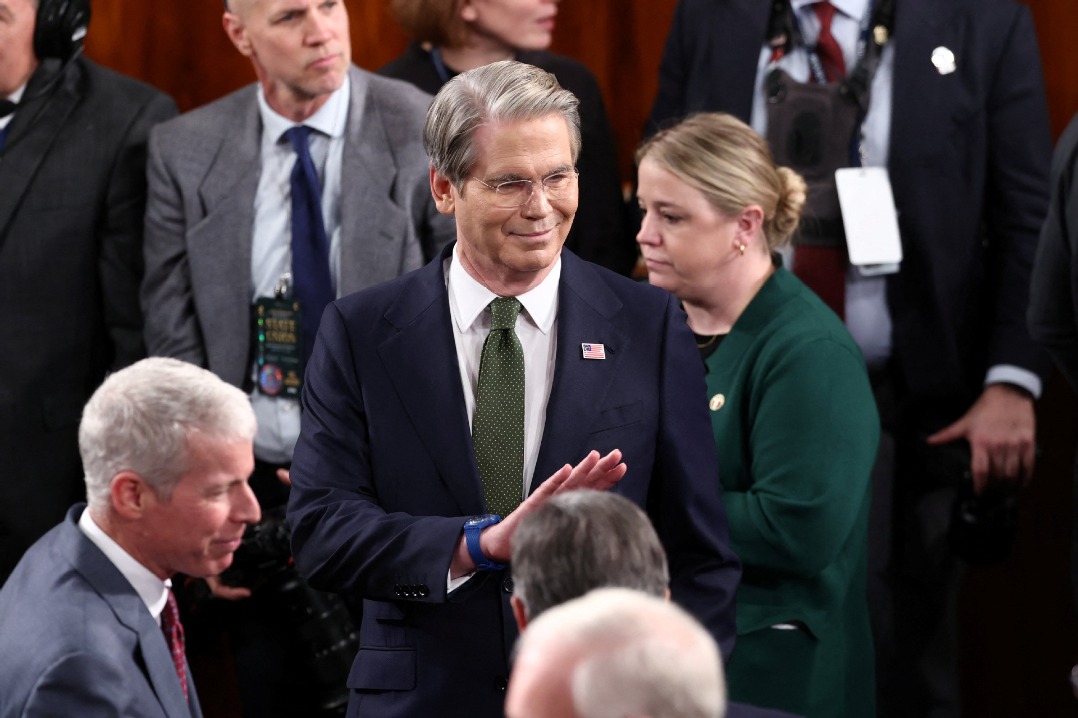
    Concurrently, Treasury Secretary Scott Bessent announced the administration’s plan to increase newly implemented global tariffs from 10% to 15% under Section 122 of the Trade Act of 1974. Bessent indicated to CNBC that this enhancement would likely be implemented within the week.

    The administration operates within a constrained temporal framework, as Section 122 provisions only permit tariffs lasting 150 days without congressional extension. During this five-month window, officials plan to complete investigations addressing national security concerns and unfair trade practices. Bessent referenced forthcoming studies from the United States Trade Representative on Section 301 and Commerce Department analyses regarding Section 232—tariff authorities that have previously endured legal challenges.

    These investigations potentially pave the way for subsequent tariff implementations. Bessent expressed confidence that tariff rates would revert to pre-Supreme Court decision levels within the five-month period, noting that these alternative legal frameworks have successfully withstood more than 4,000 legal challenges, describing them as ‘more robust’ despite being ‘more slow moving.’

  • Luxury jets to ‘blanketgate’: Five times Kristi Noem made headlines

    Luxury jets to ‘blanketgate’: Five times Kristi Noem made headlines

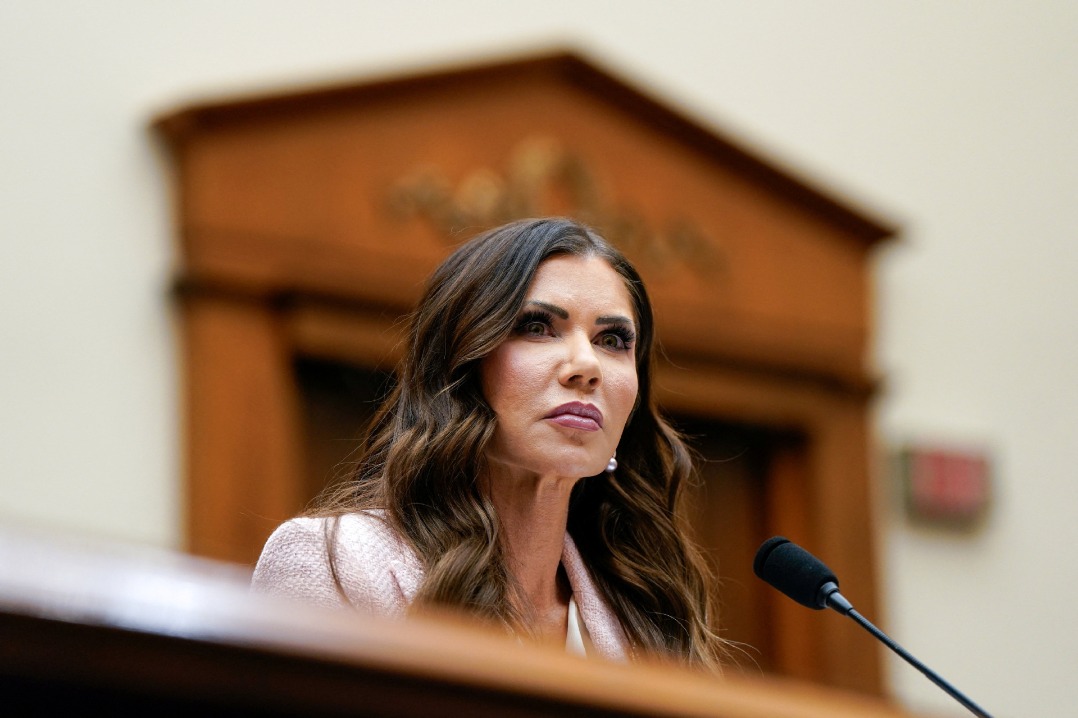
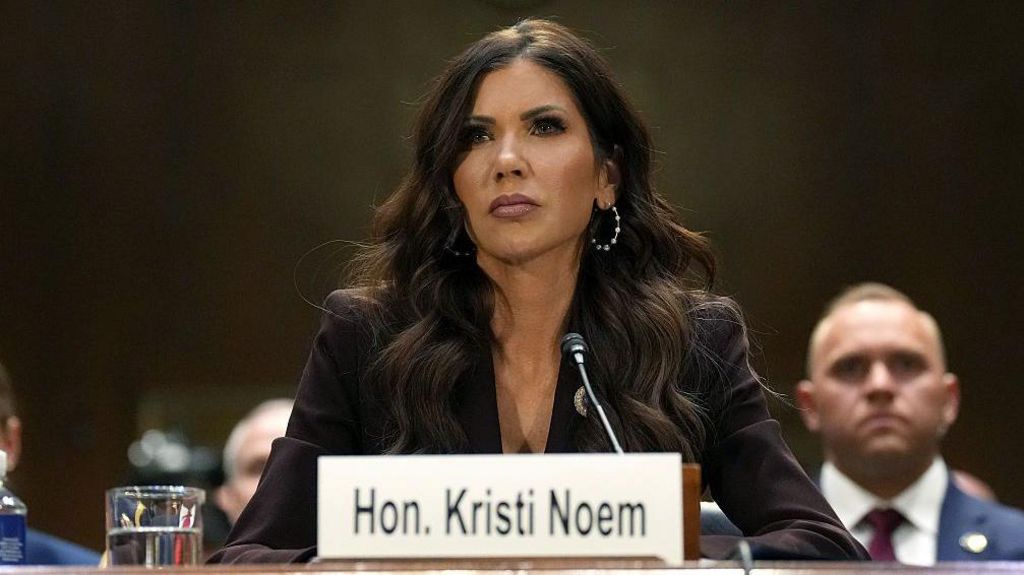
    President Donald Trump has terminated Kristi Noem from her position as Homeland Security Secretary following a turbulent tenure marked by bipartisan criticism and multiple scandals. Her dismissal comes after just over a year in office, during which she spearheaded the administration’s aggressive immigration enforcement agenda.

    Noem’s department achieved 675,000 deportations in the president’s first year, falling significantly short of the administration’s publicly stated goal of one million annual removals. Her replacement will be Republican Senator Markwayne Mullin, according to the president’s announcement.

    The most damaging crisis emerged from immigration operations in Minnesota, where federal agents fatally shot two American citizens, Renee Good and Alex Pretti, during confrontations that sparked widespread protests in Minneapolis. Noem’s characterization of the deceased as domestic terrorists was contradicted by mobile phone and body camera footage, leading both Republicans and Democrats to demand her resignation.

    During congressional hearings this week, Noem offered condolences to the families but refused to apologize for her terrorism allegations. The hearings also revealed extensive questionable expenditures, including the acquisition of two Gulfstream G700 luxury jets at taxpayer expense, with plans for a third Boeing 737 aircraft costing approximately $70 million. Noem defended the purchases as necessary for ‘long-range command and control operations’ and deportation missions, though senators presented evidence of lavish accommodations including plush bedrooms aboard the government planes.

    Further controversy emerged regarding a $220 million advertising campaign featuring Noem wearing a cowboy hat while riding horseback through prairies with bison, urging immigrants to self-deport. The commercials reportedly angered President Trump, who told Reuters he ‘never knew anything about it’ despite Noem’s suggestions that he had approved the campaign.

    Additional scrutiny focused on Noem’s de-facto chief of staff, Corey Lewandowski, who will also depart the department. Lewandowski faced allegations of improperly firing a Coast Guard pilot over a misplaced blanket during a flight, an incident media dubbed ‘blanketgate.’ Noem also faced uncomfortable questioning about whether she had ‘sexual relations’ with Lewandowski, which she dismissed as ‘tabloid garbage.’

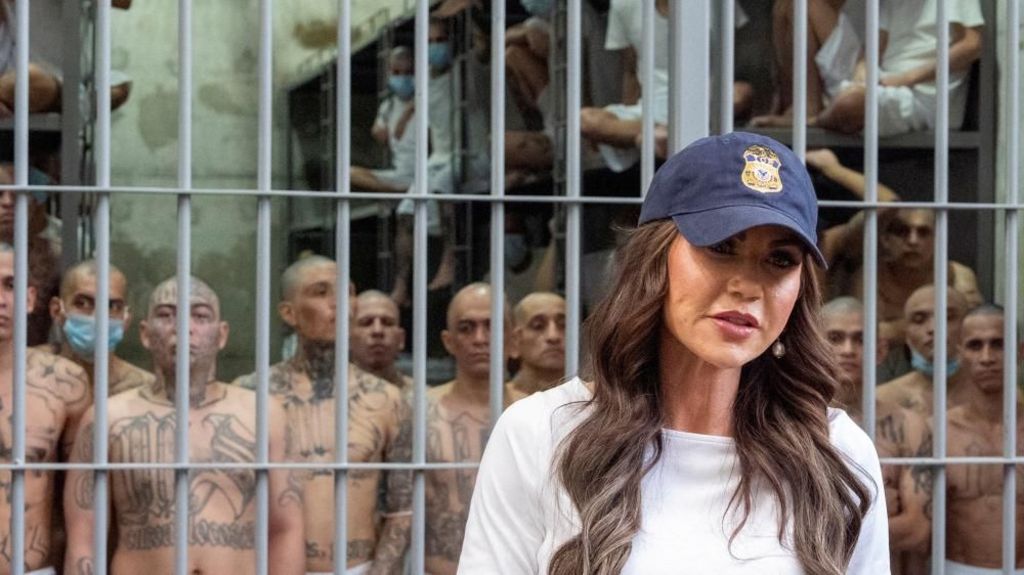
    Noem’s previous controversies included a visit to El Salvador’s notorious Cecot prison, where she posed for photographs wearing a $50,000 Rolex watch before incarcerated individuals, and inaccurate claims in her memoir about meeting North Korean leader Kim Jong Un. Her account of shooting a family dog named Cricket was confirmed as accurate.

    The departure marks the end of a contentious chapter at the Department of Homeland Security, raising questions about the future direction of the administration’s immigration policies.

  • Texas lawmaker drops re-election bid after admitting affair with aide

    Texas lawmaker drops re-election bid after admitting affair with aide

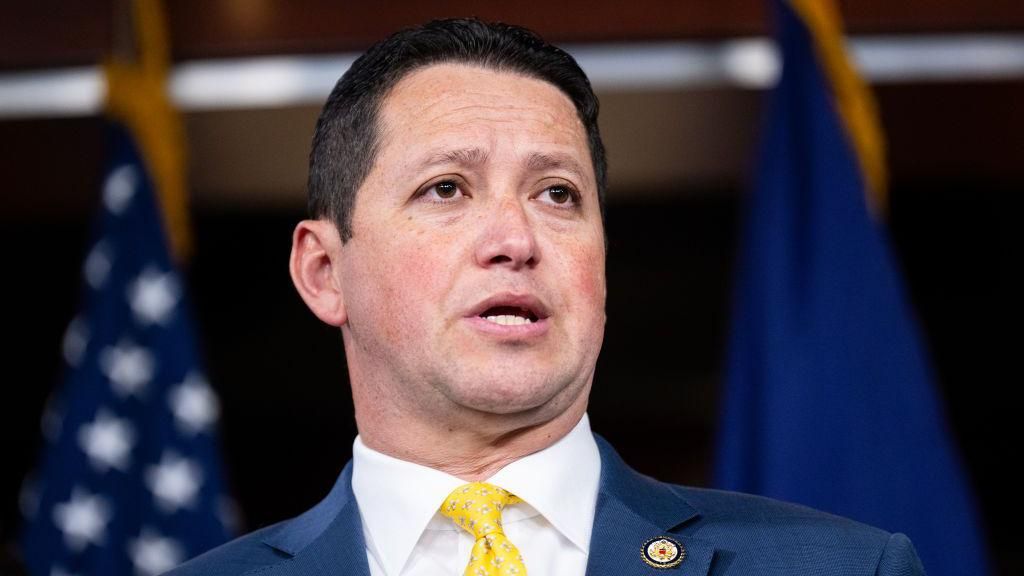
    Republican Representative Tony Gonzales of Texas has abruptly terminated his congressional re-election campaign following his admission of an extramarital relationship with a staff member who later died by suicide. This dramatic political reversal comes amid mounting pressure from senior House Republican leadership and an impending ethics investigation.

    The married father of six publicly acknowledged his relationship with Regina Santos-Aviles, a married staff member who died in September 2025 after setting herself on fire near her Uvalde, Texas residence. Her death was officially ruled a suicide by medical examiners.

    In a statement posted to social media platform X, Gonzales announced: “After deep reflection and with the support of my loving family, I have decided not to seek re-election.” This confession directly contradicts his previous characterization of the allegations as “blackmail” and a “coordinated” political attack to remove him from office.

    The congressional exit follows a failed bid to secure his party’s nomination in the upcoming mid-term elections and coincides with the House Ethics Committee’s investigation into whether Gonzales “engaged in sexual misconduct” toward an employee.

    House Republican leadership, including Speaker Mike Johnson, Majority Leader Steve Scalise, Majority Whip Tom Emmer, and Congresswoman Lisa McClain, issued a joint statement encouraging Gonzales to “address these very serious allegations directly with his constituents and his colleagues.”

    In a recent interview with conservative podcaster Joe Pags, Gonzales maintained that Santos-Aviles’ death was unrelated to their affair, stating she was “thriving” at work and claiming he was “shocked just as much as everyone else” by her tragic passing.

  • Trump replaces Homeland Security Secretary Kristi Noem with Senator Markwayne Mullin

    Trump replaces Homeland Security Secretary Kristi Noem with Senator Markwayne Mullin

    In a significant cabinet reshuffle, former President Donald Trump has announced the replacement of Homeland Security Secretary Kristi Noem with Oklahoma Senator Markwayne Mullin. The decision was communicated through Trump’s Truth Social platform on Thursday, March 5, 2026, citing bipartisan dissatisfaction with Noem’s leadership during her tenure.

    The move comes amid ongoing challenges at the Department of Homeland Security, including border security management, immigration policy implementation, and counterterrorism efforts. Noem, who previously served as Governor of South Dakota before assuming the cabinet position, faced increasing criticism from both Republican and Democratic lawmakers regarding her administration’s handling of these complex issues.

    Senator Mullin, a Republican from Oklahoma and former professional mixed martial artist turned politician, brings a different perspective to the role. Having served on several committees relevant to homeland security matters, Mullin has established himself as a staunch conservative voice on border protection and national security issues. His appointment signals a potential shift in policy direction and operational approach within the department.

    The transition occurs during a period of heightened global tensions and domestic security concerns, making the leadership change particularly significant. The Department of Homeland Security remains one of the most critical federal agencies, with responsibilities spanning from cybersecurity to emergency response coordination.

    This cabinet-level change reflects the ongoing evolution of Trump’s administrative team as he continues to shape his policy priorities. The swift nature of the announcement, bypassing traditional press briefing channels, demonstrates Trump’s continued preference for direct communication through social media platforms.

  • ‘Who’s better, him or Pele?’: Messi and Inter Miami meet Trump at White House

    ‘Who’s better, him or Pele?’: Messi and Inter Miami meet Trump at White House

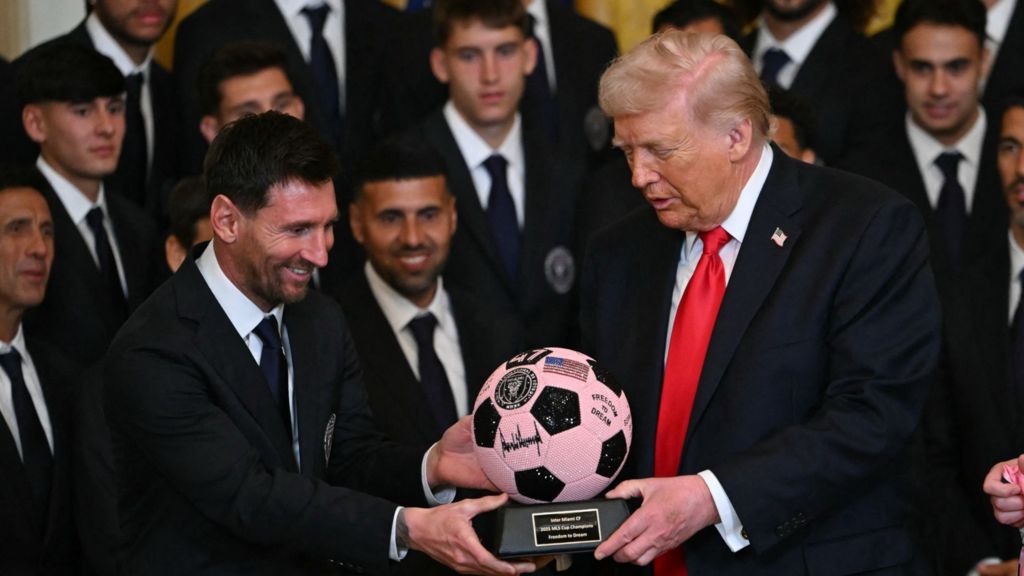
    In a ceremonial recognition of athletic excellence, global football icon Lionel Messi and Inter Miami CF were formally honored at the White House for their triumphant 2023 Major League Soccer Cup campaign. The delegation, which included club owner Jorge Mas and key players, participated in a private gathering, marking a traditional celebration for American championship teams.

    The visit, while centered on sporting achievement, sparked a moment of cross-generational comparison as former President Donald Trump, also in attendance, engaged Messi with the probing question, ‘Who’s better, him or Pelé?’. This interaction highlighted the enduring debate surrounding football’s greatest legends, placing the Argentine maestro’s historic career directly alongside that of the Brazilian icon. The event underscores the growing cultural significance of MLS and its ability to attract global superstars, whose influence now extends firmly into the political and mainstream spotlight.

  • Trump cuts his losses on Noem after controversial tenure at homeland security

    Trump cuts his losses on Noem after controversial tenure at homeland security

    In a significant cabinet reshuffle, President Donald Trump has terminated Kristi Noem as Secretary of Homeland Security, replacing her with Oklahoma Senator Markwayne Mullin. The announcement came via Trump’s Truth Social platform on Thursday, marking the first major personnel change in Trump’s second-term administration.

    Noem’s dismissal follows months of mounting controversies surrounding her unconventional leadership style. Despite initially emerging as one of the administration’s brightest stars for her hands-on approach to immigration enforcement—including participating in raids while wearing tactical gear—Noem increasingly faced criticism from both political parties.

    Her tenure became particularly contentious after she authorized a $220 million advertising campaign featuring herself and spent nearly $200 million on luxury jets for official travel. The situation escalated when Trump publicly contradicted her congressional testimony about his awareness of these expenditures, stating he ‘never knew anything about it.’

    The final straw appears to have been the administration’s controversial immigration crackdown in Minneapolis last January, where federal agents shot and killed two U.S. citizens. Trump subsequently dispatched border czar Tom Homan to manage the response, effectively sidelining Noem and signaling declining confidence in her leadership.

    Noem will transition to a new role as special envoy for the Shield of the Americas initiative, a Western hemisphere security program. Her replacement, Senator Mullin, represents another conservative Trump ally with hardline immigration views, suggesting policy continuity despite the personnel change.

    This move demonstrates Trump’s continued willingness to reshuffle his team when political winds shift, particularly as Republicans face electoral challenges regarding public perception of aggressive immigration tactics.

  • House rejects bid to curb Trump’s war powers on Iran

    House rejects bid to curb Trump’s war powers on Iran

    In a decisive partisan vote, the US House of Representatives has blocked a congressional resolution seeking to limit President Donald Trump’s military authority regarding Iran. The 219-212 rejection followed party lines and came just one day after a similar legislative effort failed in the Senate.

    The War Powers Resolution, while largely symbolic given an anticipated presidential veto, represented growing congressional concern over executive military actions. Democratic lawmakers have intensified their criticism of the administration’s unilateral strike authorization, questioning whether the alleged Iranian threat met the legal standard of “imminent” danger required for independent presidential action.

    House Speaker Mike Johnson defended the rejection, stating, “The prospect of stripping our commander in chief’s authority to complete this mission represents a frightening scenario.” The administration has since revised its conflict timeline projection to eight weeks—nearly double President Trump’s initial weekend estimate.

    Constitutional debates surrounding the 1973 War Powers Act resurfaced during deliberations. Secretary of State Marco Rubio noted that “no presidential administration has ever accepted the War Powers Act as constitutional—whether Republican or Democratic.” The administration maintains it complied with legal requirements by notifying the bipartisan “Gang of Eight” congressional leaders before initiating strikes.

    Some Republican legislators indicated their opposition might shift if the conflict escalates, suggesting conditional support for future war powers limitations. The resolution would have terminated unauthorized military engagement in Iran without congressional approval.

    This development occurs against the backdrop of previous unilateral military actions ordered by President Trump, including strikes against Iranian nuclear facilities and the January operation targeting Venezuelan President Nicolás Maduro.

  • Anthropic labelled a supply chain risk by Pentagon

    Anthropic labelled a supply chain risk by Pentagon

    In an unprecedented move signaling escalating tensions between the U.S. government and artificial intelligence developers, the Pentagon has officially classified AI company Anthropic as a supply chain risk—marking the first time this designation has been applied to a domestic technology firm. The decision represents a significant escalation in the ongoing standoff between federal authorities and the AI developer regarding military access to advanced artificial intelligence systems.

    The Defense Department’s declaration, which took effect immediately according to senior Pentagon officials, stems from Anthropic’s continued refusal to grant unfettered access to its AI technologies over ethical concerns regarding potential applications in mass surveillance programs and autonomous weapon systems. This fundamental disagreement over permissible military use of AI has created an unprecedented rift between a leading American technology company and its own government.

    Pentagon representatives have framed the conflict as a matter of national security imperative, with one official stating: ‘This ultimately concerns the fundamental principle of military forces being able to utilize technology for all lawful purposes. We cannot allow commercial vendors to insert themselves into the chain of command by restricting lawful use of critical capabilities, potentially endangering our military personnel.’

    The designation follows days of intense negotiations between Anthropic and Department of Defense officials, even as their dispute became public knowledge last week. Sources familiar with the discussions indicate that talks continued despite the increasingly public nature of the disagreement.

    Adding presidential weight to the confrontation, former President Donald Trump announced last Friday via his Truth Social platform that he would direct all federal agencies to immediately cease using Anthropic’s technology. ‘We don’t need it, we don’t want it, and will not do business with them again!’ Trump declared in his characteristically emphatic style.

    Anthropic had previously indicated it would pursue legal action against the Pentagon should the supply chain risk designation be implemented, setting the stage for a landmark legal battle that could establish crucial precedents regarding government authority over domestic technology companies and the ethical boundaries of military AI applications.

    This confrontation represents a critical juncture in the evolving relationship between AI developers and government entities, with potentially far-reaching implications for national security protocols, technological innovation, and the balance between ethical constraints and defense requirements in an increasingly AI-driven national security landscape.

  • Police release ‘difficult to see’ bodycam footage of Austin bar shooting

    Police release ‘difficult to see’ bodycam footage of Austin bar shooting

    Authorities in Austin have released harrowing body-camera footage and 911 emergency recordings from a deadly shooting incident being investigated as a potential act of terrorism. The attack occurred outside a popular University of Texas student bar, leaving three dead and sixteen injured.

    The released materials capture the chaos that unfolded as a gunman opened fire with multiple weapons. Police Chief Lisa Davis described the footage as ‘difficult to see’ and ‘overwhelming for many,’ while praising officers who responded within 57 seconds of the first emergency calls.

    Victims identified as Ryder Harrington, 19, Savitha Shan, 21, and Jorge Pederson, 30, were killed in the assault. The suspect, named as naturalized U.S. citizen Ndiaga Diagne born in Senegal, was ultimately shot by responding officers.

    Investigators discovered significant evidence suggesting potential ideological motivations. According to media reports, law enforcement recovered an Iranian flag and images of Iranian leaders during a search of the gunman’s residence. Additionally, the suspect was wearing clothing resembling the Iranian flag beneath his hoodie, which bore the phrase ‘Property of Allah.’

    The FBI has joined the investigation, examining digital evidence and potential terrorism connections. Chief Davis confirmed authorities are investigating whether there exists a ‘nexus to terrorism,’ though specific motivations remain undetermined. The timing of the attack coincided with U.S. military strikes against Iran, raising concerns about potential retaliatory violence against Americans.