
A TikTok creator and a U.S. marshal sustained injuries during an immigration enforcement operation in Los Angeles on Tuesday, according to officials. The incident occurred when Carlitos Ricardo Parias, a 44-year-old Mexican national accused of being in the U.S. illegally, allegedly rammed his vehicle into law enforcement cars while attempting to evade arrest. Officers fired shots, striking Parias in the elbow, while a ricochet bullet injured a marshal in the hand. Both individuals were hospitalized with non-life-threatening injuries. Parias, known for documenting ICE activities in Los Angeles on social media, has been charged with assault on a federal officer. He was previously recognized by a city councilman for his efforts to keep the community informed and protected. His court hearing, initially scheduled for Wednesday, has been postponed. Tricia McLaughlin, a DHS spokeswoman, linked the incident to the rhetoric of sanctuary politicians and activists, claiming a significant rise in threats against law enforcement. The U.S. Attorney’s Office stated that Parias had previously evaded capture and was the subject of an administrative immigration arrest warrant. During the operation, agents boxed in Parias’ vehicle, but he allegedly ignored commands to surrender, striking two law enforcement cars. LA City Councilman Curren Price expressed solidarity with Parias, calling him a pillar of the community. This incident occurs amid increased ICE raids under the Trump administration’s crackdown on undocumented immigration, which has sparked protests and backlash in Southern California, home to an estimated 1.4 million undocumented immigrants.
标签: North America
北美洲
-
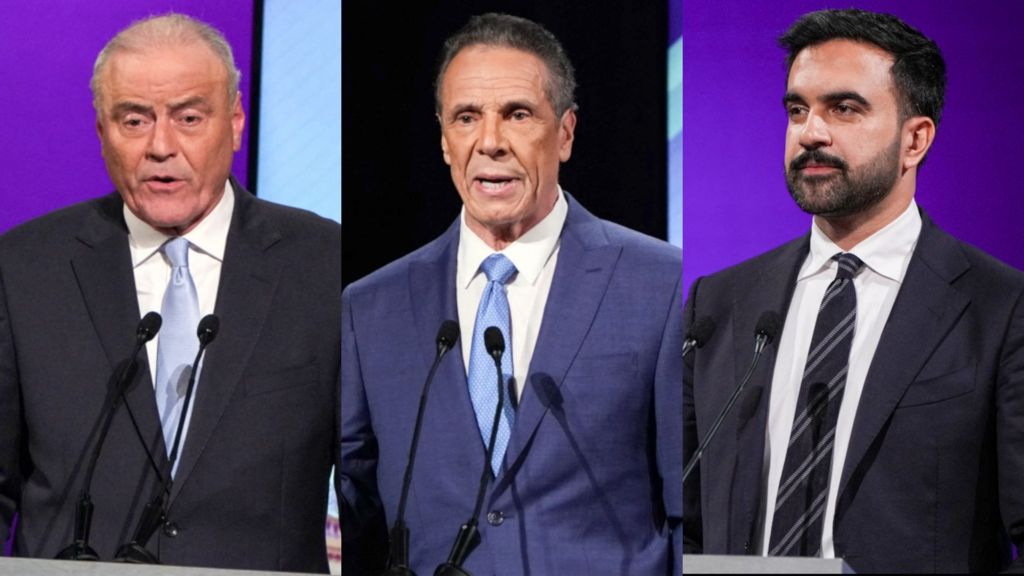
NYC mayoral candidates clash over Trump and political experience
In a highly anticipated final debate before the November elections, New York City mayoral candidates Zohran Mamdani, Andrew Cuomo, and Curtis Sliwa engaged in a heated exchange, with discussions centering on former President Donald Trump and the significance of political experience. The debate, held just days before Election Day, highlighted stark contrasts in their policy visions and leadership styles. Mamdani, a progressive advocate, emphasized the need for systemic change, while Cuomo, a seasoned politician, touted his extensive experience in governance. Sliwa, known for his grassroots activism, positioned himself as an outsider challenging the political establishment. The candidates also sparred over their stances on Trump, with Mamdani and Cuomo criticizing his legacy, while Sliwa adopted a more nuanced approach. The debate underscored the high stakes of the upcoming election, as New Yorkers prepare to choose their next mayor amidst a backdrop of economic recovery and social transformation.
-
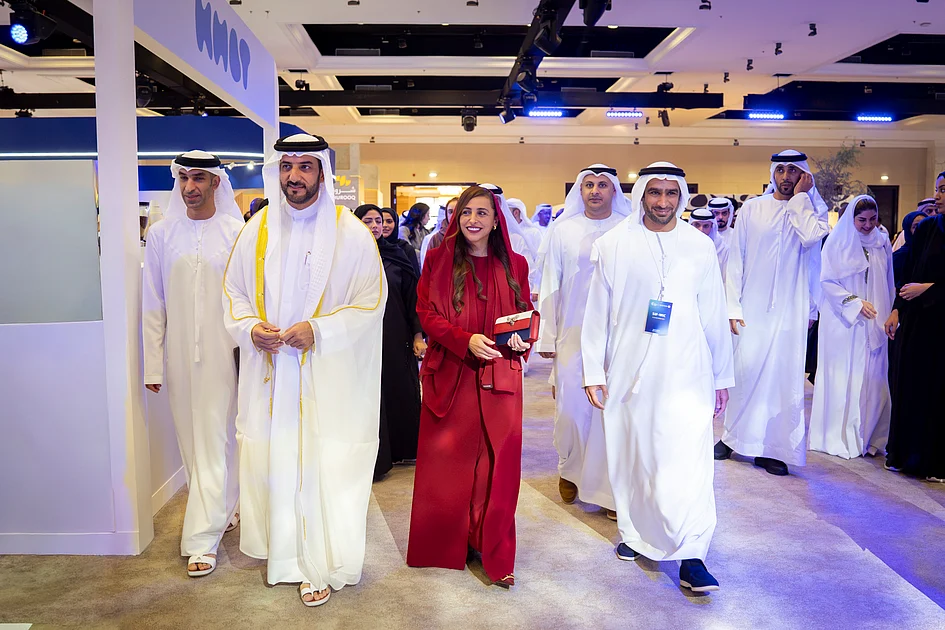
UAE draws record FDI as global leaders gather in Sharjah
The United Arab Emirates (UAE) has solidified its position as a global hub for foreign direct investment (FDI), drawing a record $45.6 billion in 2024, which constituted 55.6% of total FDI inflows into the Middle East. This milestone was highlighted during the joint 8th Sharjah Investment Forum (SIF) and 29th World Investment Conference (WIC), held under the theme “Transforming Our World: Investing for a Resilient and Sustainable Future.” The event, inaugurated by Sheikh Sultan bin Ahmed Al Qasimi, Deputy Ruler of Sharjah, and Sheikha Bodour bint Sultan Al Qasimi, Chairperson of Shurooq, brought together over 10,000 participants from 142 countries. The forum underscored the UAE’s leadership in shaping global investment trends, particularly in sustainability, digital transformation, and economic resilience. Sheikha Bodour emphasized Sharjah’s decade-long commitment to growth that empowers society and strengthens institutions, while Dr. Thani bin Ahmed Al Zeyoudi, UAE Minister of State for Foreign Trade, highlighted the UAE’s blueprint for attracting and deploying investment through collaborative thinking. The forum, organized by the Sharjah FDI Office in partnership with the World Association of Investment Promotion Agencies (WAIPA) and the UAE Ministry of Investment, focused on key shifts in geopolitics, climate, and technology. Global leaders, including Wamkele Mene, Secretary General of the African Continental Free Trade Area (AfCFTA), and Dr. Mohamed El-Erian, Chief Economic Adviser at Allianz, praised the UAE’s strategic positioning and its ability to navigate global economic shifts. Sharjah’s economic performance was also spotlighted, with its non-oil economy contributing over 98% of its GDP and FDI inflows reaching $1.5 billion in the first half of 2025. As global investment priorities increasingly align with sustainability and resilience, the UAE’s proactive approach continues to position it as a key architect of the future investment landscape.
-

Watch: Mum helps evacuate 22 schoolchildren from bus as it catches fire
In a remarkable act of bravery, a mother and a bus driver successfully evacuated 22 schoolchildren from a bus that caught fire near East Bethel Elementary in Minnesota. The incident, which could have ended in tragedy, was averted thanks to their quick thinking and decisive actions. The mother, whose identity has not been disclosed, was on the scene and immediately sprang into action when she noticed the bus engulfed in flames. Working alongside the bus driver, they ensured that all the children were safely evacuated without any injuries. The school community, including parents and school leaders, have since expressed their deep gratitude and admiration for the duo’s heroic efforts. The incident has also sparked discussions about the importance of emergency preparedness and the need for regular safety drills in schools. Authorities are investigating the cause of the fire, but the focus remains on the commendable actions of the mother and the bus driver, who have been hailed as local heroes.
-

Rising tariffs set to threaten medical sector
The US medical sector is facing significant challenges as the Trump administration considers imposing tariffs on medical imports following a national security review. Major hospital groups, manufacturers, and trade organizations have voiced strong opposition, warning that such measures could escalate costs, disrupt supply chains, and stifle innovation. The review, conducted under Section 232 of the Trade Expansion Act of 1962, targets personal protective equipment (PPE), medical consumables, and devices, with potential tariffs or quotas expected as early as 2026. Stakeholders, including the American Association for Homecare and the National Foreign Trade Council (NFTC), argue that these actions could severely strain the US healthcare system, which is already under pressure. The NFTC emphasized the need for non-tariff responses to maintain industry competitiveness. The American Hospital Association (AHA) highlighted the reliance on international sources for critical medical supplies, noting that China is a major supplier of PPE and other essential equipment. The AHA called for a balanced approach, including tariff exemptions for products in short supply. Meanwhile, manufacturers warned of unintended consequences, such as increased costs for patients and hospitals, and disruptions in supply chains. The White House’s increasing use of Section 232 across various sectors, including pharmaceuticals and critical minerals, has raised concerns about broader economic impacts.
-
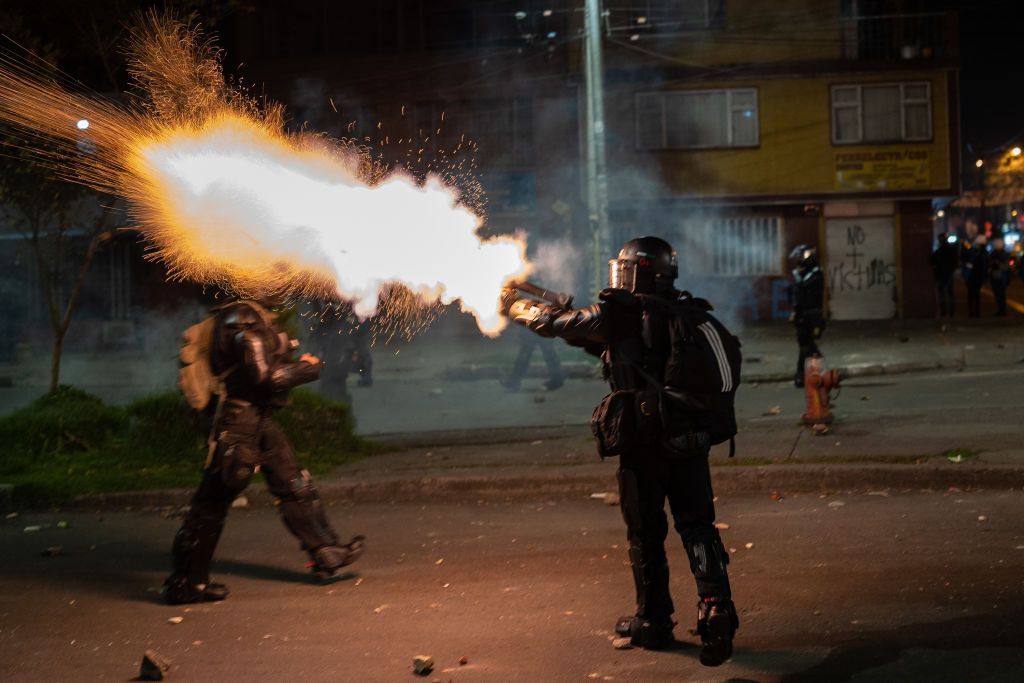
US axes website for reporting human rights abuses by US-armed foreign forces
The US State Department has dismantled its Human Rights Reporting Gateway (HRG), a critical online portal designed to receive allegations of human rights violations by foreign military units supplied with American weapons. Established in 2022 under the Leahy Law, the HRG served as the sole public channel for organizations and individuals to report serious abuses directly to the US government. Its removal has sparked widespread condemnation from human rights advocates and lawmakers, including Tim Rieser, a former senior aide to Senator Patrick Leahy, who described the move as a clear violation of legal mandates. Rieser warned that the deletion undermines the US government’s ability to hold foreign security forces accountable, potentially enabling continued support for units involved in heinous crimes. The State Department, however, maintains that it continues to receive reports of human rights violations and adheres to its legal obligations. The HRG’s elimination follows a broader restructuring of the State Department under Secretary Marco Rubio, which has included layoffs and the scaling back of human rights monitoring offices. Critics argue that these changes reflect a shift away from promoting human rights, aligning instead with the Trump administration’s ‘America First’ foreign policy. The HRG had previously facilitated reports of abuses, including allegations of excessive force by Colombian security forces during 2021 anti-government protests and incidents involving US-armed Israeli Defense Forces in the occupied West Bank. Amnesty International, which had prepared submissions for the portal, expressed concern over the loss of this critical reporting mechanism. Charles Blaha, former Director of the Office of Security and Human Rights, emphasized that the removal severely weakens the government’s ability to deter abuses, leaving no established channel for reporting violations. The US remains the world’s largest provider of military aid, raising questions about the accountability of foreign units receiving American support.
-

Trump says ‘existing structure’ of White House East Wing to be torn down
US President Donald Trump has announced the demolition of the White House East Wing to make way for a new $250 million ballroom, a project that has ignited significant debate. Construction crews began dismantling parts of the structure on Monday, with plans to complete the demolition by the weekend. This marks a major expansion of a construction initiative initially announced earlier this year. Trump has emphasized that the project is fully funded by himself and private donors, with military involvement also noted. The East Wing, built in 1902 and last modified in 1942, houses offices for the First Lady and staff, as well as hosting meetings and special events. Trump dismissed criticisms, stating that the changes have been desired ‘for at least 150 years’ and that the East Wing was ‘never thought of as being much.’ He also defended the transparency of the project, asserting, ‘I think we’ve been more transparent than anyone’s ever been.’ However, the National Trust for Historic Preservation has expressed deep concern, urging a pause on demolition and calling for a public review process. Critics, including former presidential candidate Hillary Clinton, have accused Trump of disregarding the White House’s historical significance. Clinton remarked on social media that the White House ‘is not Trump’s house, and he’s destroying it.’ Despite the backlash, Trump has celebrated the project, describing the sound of construction as ‘music to my ears’ and a reminder of prosperity.
-
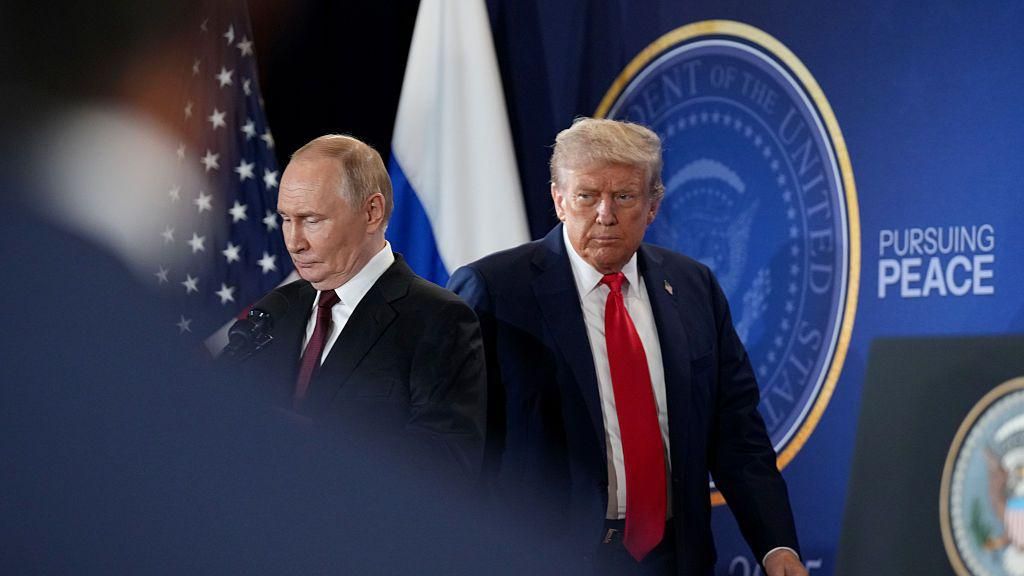
US announces sanctions on Russia’s largest oil companies
The United States has unveiled a significant escalation in its sanctions regime against Russia, targeting the country’s two largest oil companies, Rosneft and Lukoil. The move, announced by US Treasury Secretary Scott Bessent, aims to pressure Moscow into negotiating a peace deal in Ukraine. ‘Given President Putin’s refusal to end this senseless war, Treasury is sanctioning Russia’s two largest oil companies that fund the Kremlin’s war machine,’ Bessent stated. The sanctions come in response to Russia’s intensified military actions in Ukraine, including drone and missile strikes that claimed at least seven lives, including two children, on Wednesday. The US decision follows similar measures by the UK last week, which also targeted Rosneft and Lukoil, responsible for nearly half of Russia’s oil production. The announcement coincided with NATO Secretary-General Mark Rutte’s visit to the White House to discuss peace negotiations. Rutte is expected to present a 12-point plan formulated by European NATO allies and Kyiv, which includes freezing the current front lines, repatriating deported children, and establishing a prisoner exchange. The plan also proposes a war recovery fund for Ukraine, security pathways, and a clear route for Ukraine’s EU membership, alongside increased military aid and economic pressure on Russia. Meanwhile, President Donald Trump has expressed frustration over the stalled peace talks, accusing Putin of not engaging honestly. Trump has previously supported proposals to freeze the conflict along current frontlines, stating, ‘Let it be cut the way it is. Stop fighting, stop killing people.’ However, Russia has rejected such proposals, with Kremlin spokesperson Dmitry Peskov reiterating Moscow’s demand for Ukrainian troops to withdraw from the Donbas region. The US sanctions also aim to deter other nations from purchasing Russian oil, with lawmakers awaiting White House approval to enforce stricter measures. As the conflict continues, Ukrainian President Volodymyr Zelensky has called for the US to supply long-range Tomahawk missiles, suggesting their deployment could compel Russia to negotiate.
-
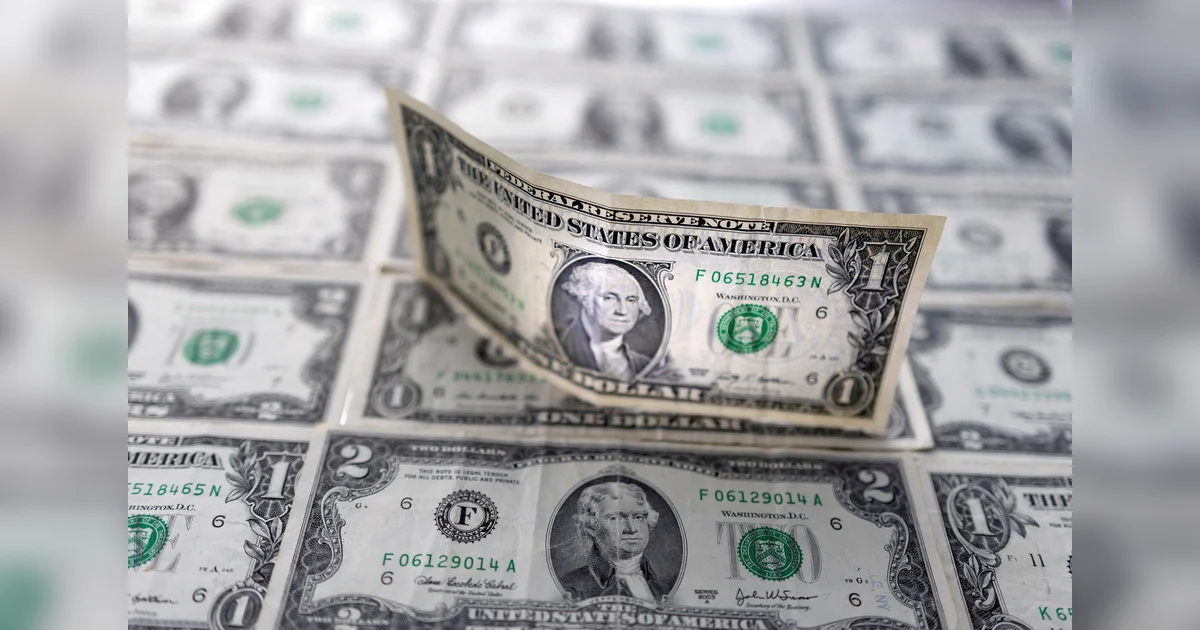
Identifying new growth engines in the evolving global economy
The global economy in 2025 is undergoing profound transformations, driven by the convergence of technological advancements and policy shifts. According to Emirates NBD’s 2025 Global Outlook, titled “Winds of Change,” these changes are accelerating two significant trends: the rebalancing of the global economy and the accumulation of debt in developed nations. This collision is expected to have lasting impacts on investments and economic structures worldwide. The year has already proven favorable for portfolios, with strong performance across asset classes, supported by resilient global growth, contained inflation, and central bank rate cuts. However, the landscape is not without risks. Sovereign debt sustainability in developed countries is a pressing concern, with rising debt levels and servicing costs nearing unsustainable limits. Meanwhile, the rapid development of artificial intelligence (AI) presents both opportunities and uncertainties. While AI investments are expected to yield returns, their timing and broader economic impact remain unclear, raising questions about potential unemployment and societal divides. On the flip side, the AI sector continues to offer vast opportunities across the value chain, from energy to software. Geopolitical shifts toward a multipolar world, particularly in the Indian Ocean region, also unlock significant growth potential, supported by young, educated populations and robust trade prospects. For investors, the current environment calls for strategic portfolio positioning rather than reactive trading. Success will depend on patience, long-term thinking, and a focus on navigating the complexities of this evolving economic landscape.
-
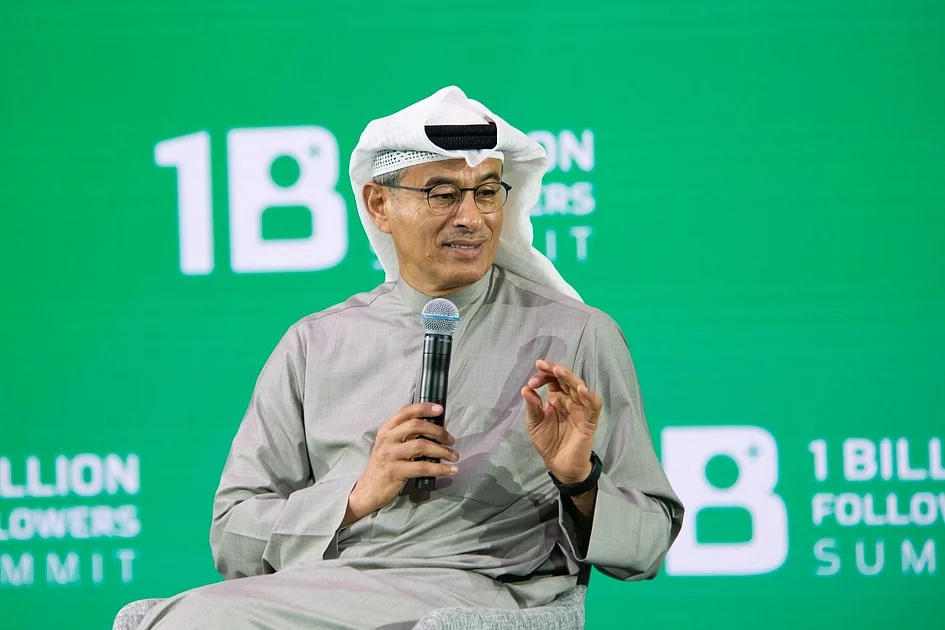
UAE’s Emaar chief Alabbar says ‘can raise $400 billion in a week’ to fix US housing woes
Mohammed Alabbar, the founder of UAE-based Emaar Properties, has unveiled an ambitious plan to address the escalating housing crisis in the United States. Speaking at the Reuters NEXT Gulf Summit in Abu Dhabi, Alabbar asserted that he could raise $400 billion within a week to tackle the shortage of nearly five million housing units in the US. He emphasized that the crisis, if left unresolved, could have catastrophic consequences for the American economy. Alabbar proposed collaborating with major US players to not only alleviate the housing deficit but also generate substantial revenue for the government. He highlighted that solving the housing issue could reduce inflation by 50%, create 20 million jobs, and generate $2.5 trillion in tax revenue over a decade. Despite his bold vision, Alabbar clarified that Emaar is not currently in talks with any American companies to enter the US real estate market. Shifting focus to the UAE, he expressed optimism about the local property market, predicting a balance in prices by 2026-2027 due to increased supply. Alabbar also critiqued the European economy, urging EU leaders to address their economic challenges to stem the flow of migrants to the UAE. He praised the UAE’s leadership and its multicultural harmony. Additionally, Alabbar revealed Emaar’s interest in expanding into markets like India, China, and Europe, leveraging the company’s strong financial position and strategic partnerships. He cited the overwhelming success of Emaar’s Red Sea development in Egypt as evidence of the company’s global potential.