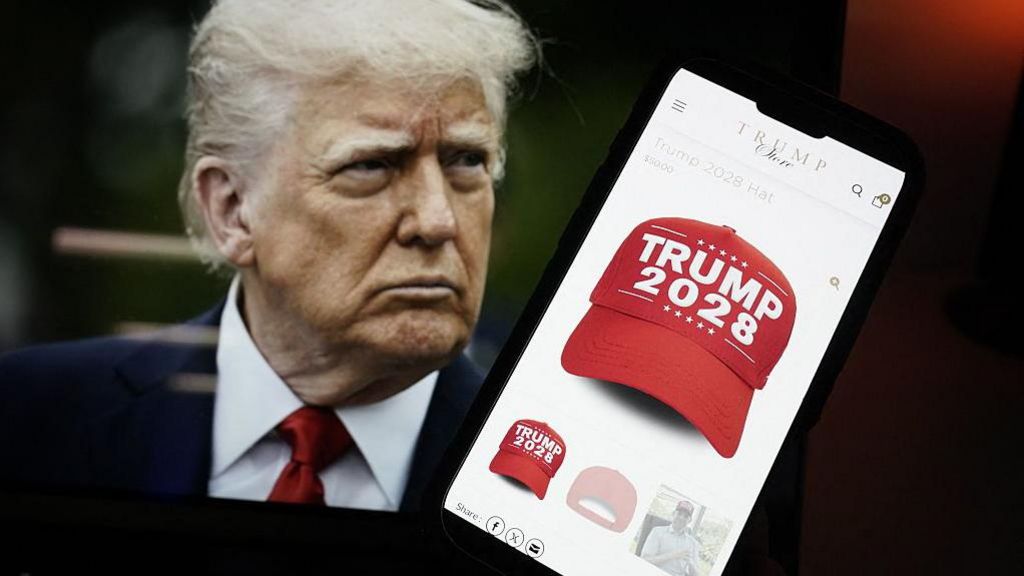
Former President Donald Trump has reignited discussions about the possibility of a third presidential term, despite constitutional limitations. Trump, who has not ruled out the idea, has already begun selling ‘Trump 2028’ caps through his organization, signaling his interest in the 2028 election. The U.S. Constitution, however, explicitly limits presidents to two terms, a rule established by the 22nd Amendment in 1951. Trump’s supporters, including former strategist Steve Bannon, have suggested potential loopholes, such as running as a vice-presidential candidate and then succeeding to the presidency. Trump himself has remained ambiguous, stating he ‘hasn’t really thought about it’ but acknowledging his strong poll numbers. Critics, including Democrats and some Republicans, have expressed deep concerns, labeling the idea as an attempt to undermine democracy. Legal experts argue that there are no credible legal avenues for a third term, and any attempt to change the Constitution would face significant political and legal hurdles. The debate continues as Trump’s merchandise and rhetoric keep the possibility in the public eye.
标签: North America
北美洲
-
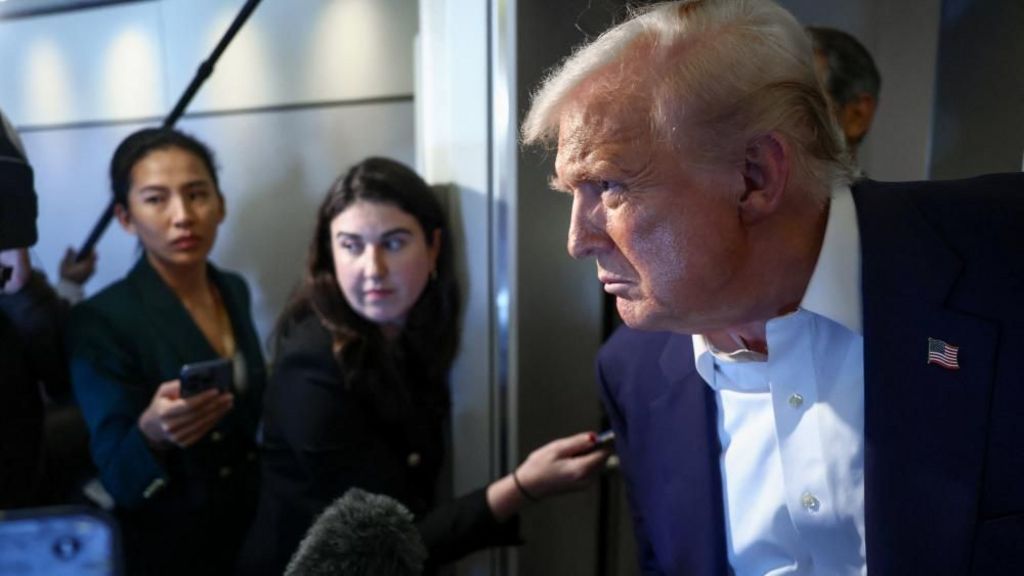
Trump does not rule out seeking third term – but says he will not use VP loophole
Former US President Donald Trump has sparked fresh speculation about his political future, hinting at the possibility of a third presidential term while dismissing the idea of running as vice-president in 2028. During his recent trip to Asia, Trump addressed reporters, labeling the vice-presidential suggestion as ‘too cute’ and ‘not right.’ Although he did not elaborate on how he might pursue another term, Trump emphasized his strong poll numbers and expressed enthusiasm for the idea. Last week, former Trump strategist Steve Bannon claimed a ‘plan’ was in place to secure Trump’s return to the White House in 2028. However, the 22nd Amendment of the US Constitution prohibits presidents from serving more than two terms, making such a move legally challenging. Trump also highlighted potential successors, including Vice-President JD Vance and Secretary of State Marco Rubio, whom he described as ‘unstoppable.’ Meanwhile, Democrats like California Governor Gavin Newsom and former Vice-President Kamala Harris have signaled their interest in the 2028 presidential race. Trump’s remarks continue to fuel debates about his political ambitions and the future of US leadership.
-
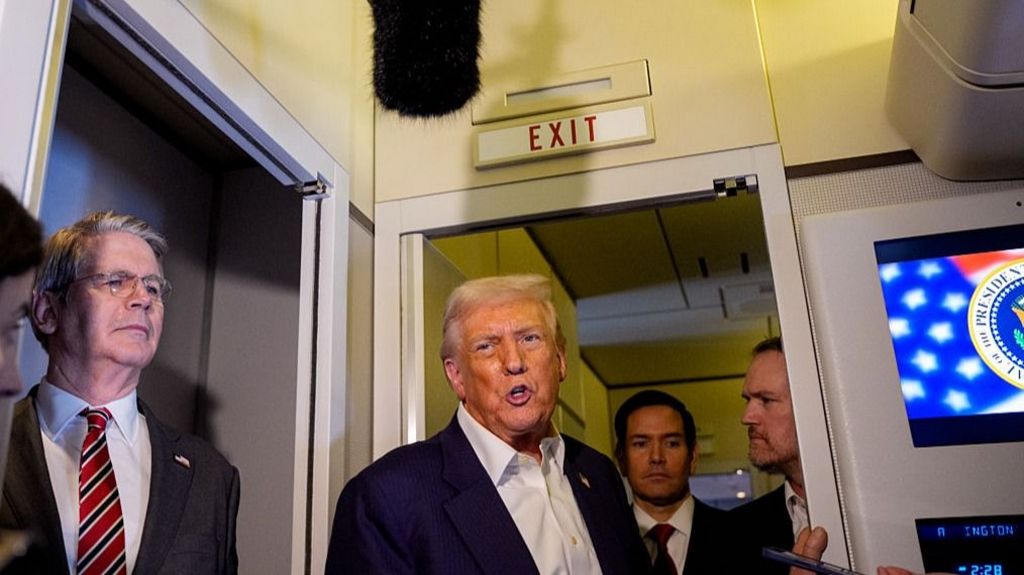
Trump says he had ‘perfect’ MRI at Walter Reed hospital
President Donald Trump recently disclosed that he underwent an MRI scan during a visit to Walter Reed National Military Medical Center earlier this month. Speaking to reporters aboard Air Force One en route to a week-long trip in Asia, Trump described the results as ‘perfect.’ The 79-year-old president, one of the oldest in U.S. history, did not specify the reason for the scan but emphasized the positive outcome. His physician, Dr. Sean Barbabella, stated that the MRI was part of a ‘scheduled follow-up evaluation’ within Trump’s ongoing health maintenance plan, which included advanced imaging, laboratory testing, and preventative assessments. Dr. Barbabella affirmed that Trump ‘continues to demonstrate excellent overall health.’ Earlier this year, Trump was diagnosed with chronic venous insufficiency, a benign condition common in older individuals, which causes blood to pool in the lower limbs due to impaired vein function. The White House clarified that recent bruising on Trump’s hands, visible in photographs, was unrelated to this condition and resulted from frequent handshaking. MRI scans, which use strong magnetic fields to create detailed images of soft tissues, are a standard diagnostic tool, according to the U.S. National Institutes of Health.
-
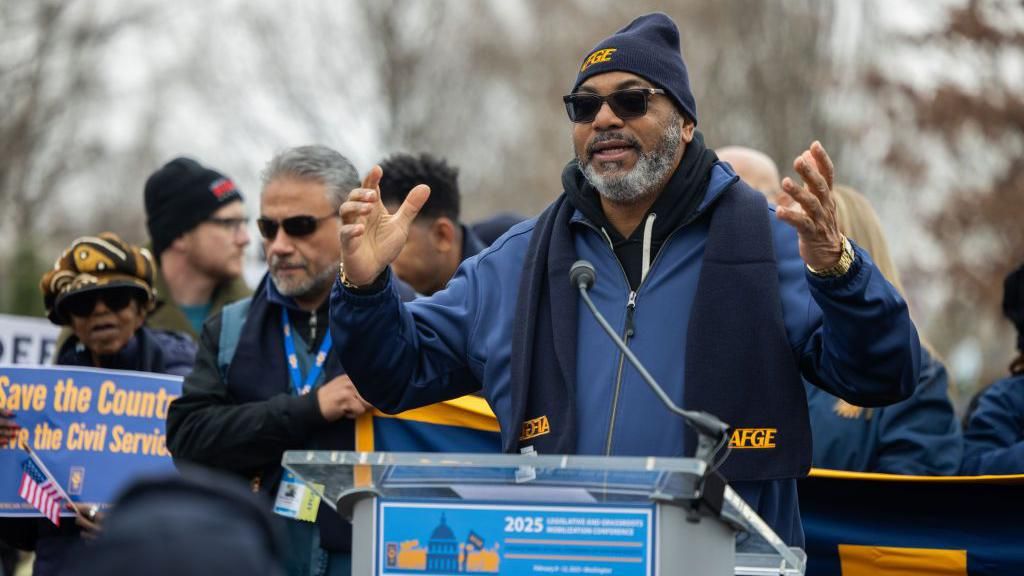
Largest federal employee union demands Congress end shutdown
The American Federation of Government Employees (AFGE), representing the largest segment of U.S. federal workers, has issued an urgent plea to Congress to pass a short-term funding bill to end the ongoing government shutdown. The shutdown, now in its 27th day, has left hundreds of thousands of federal employees without pay, forcing many to seek assistance from food banks and other charitable organizations. AFGE National President Everett Kelley emphasized the need for a clean continuing resolution to reopen the government without further delay, ensuring that all federal workers receive full back pay. The impasse stems from a disagreement between Democrats and Republicans over extending subsidies for Affordable Care Act health insurance plans, which millions of Americans rely on. Approximately 670,000 federal employees are currently furloughed, while 730,000 are working without pay, according to the Bipartisan Policy Center. The financial strain on these workers has been severe, with many missing their first paychecks last Friday. Despite a 2019 law signed by former President Donald Trump guaranteeing back pay for federal employees during shutdowns, concerns have been raised that this may not be enforced this time. The AFGE has called for immediate action to address the crisis, highlighting the broader implications for cost of living and the appropriations process. Meanwhile, the Trump administration has sought alternative funding sources, including a $130 million donation from an unnamed benefactor to pay U.S. troops during the shutdown. Democrats have criticized the administration for not utilizing reserve funds to support programs like the Supplemental Nutrition Assistance Program (SNAP), which aids millions of low-income families. The prolonged shutdown has sparked widespread condemnation, with lawmakers describing it as a cruel and unlawful act by the Trump administration.
-

Dubai: Gold, silver prices fall as markets open on Monday
Gold and silver prices in Dubai experienced a decline on Monday morning, reflecting ongoing market volatility driven by a mix of technical and fundamental factors. Globally, spot gold prices dropped by 0.83% to $4,079.38 per ounce, while silver fell by 0.53% to $48.34 at 10 am UAE time. In Dubai, 24K gold was priced at Dh491.50, with 22K, 21K, and 18K gold also slipping to Dh455, Dh436.25, and Dh374 per gram, respectively. This downturn follows a record high of Dh525.25 on October 21, which was followed by the sharpest one-day decline in over a decade, retreating more than six per cent. Dilin Wu, Research Strategist at Pepperstone, noted that the market had seen nine consecutive weeks of bullish activity, with the Relative Strength Index (RSI) in overbought territory since early September, signaling the need for a corrective pullback. Nishin Thaslim, Chairman of Nishka Jewelry, attributed the decline to global optimism stemming from the nearing end of the US-China trade war, which has reduced safe-haven demand for gold. Additionally, the CME’s 5.2% increase in margin requirements for gold and silver has dampened short-term buying momentum. Looking ahead, gold is expected to trade within a neutral to slightly bearish range, influenced by risk sentiment and key economic developments, including the outcome of the US-China leaders’ meeting at APEC and the Federal Reserve’s policy decisions.
-
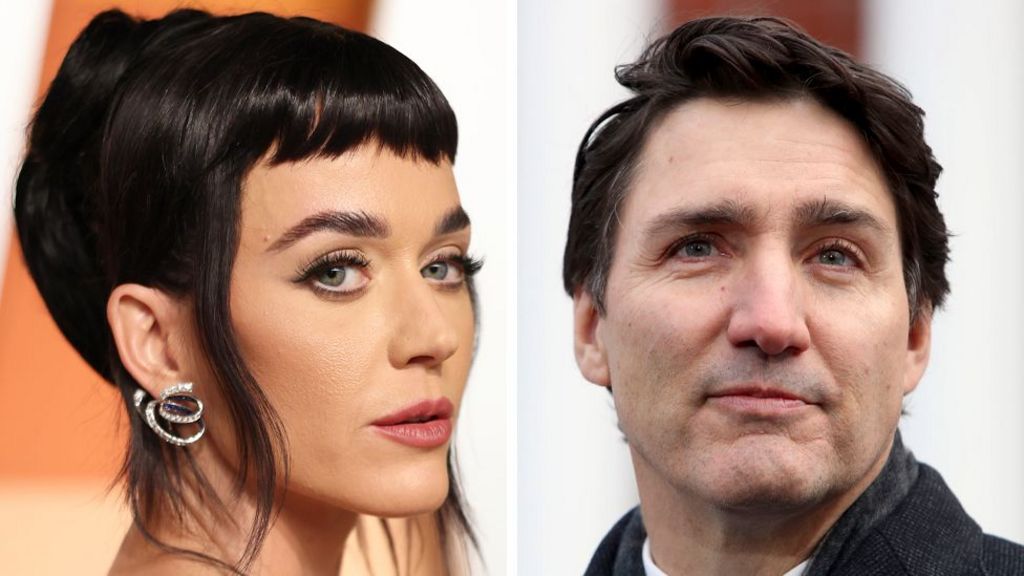
Katy Perry and Justin Trudeau pictured holding hands at Paris event
Pop sensation Katy Perry and former Canadian Prime Minister Justin Trudeau have seemingly confirmed their romantic relationship after being photographed holding hands at an event in Paris. The images, captured by celebrity news outlet TMZ, show the duo walking hand-in-hand before entering a vehicle, with Trudeau assisting Perry into the back seat amidst a flurry of camera flashes. Neither Perry nor Trudeau has publicly addressed the relationship, but speculation has been mounting for weeks following multiple sightings of the pair together. Earlier this year, Trudeau was spotted attending one of Perry’s concerts, further fueling rumors of a budding romance. The Paris outing coincided with Perry’s 41st birthday, marking what appears to be their first public appearance as a couple. Representatives for both Perry and Trudeau’s Liberal Party have yet to comment on the matter. During a recent performance in London, Perry seemingly hinted at her relationship status when she humorously responded to a fan’s marriage proposal by saying, ‘I wish you’d asked me 48 hours ago.’ This remark came shortly after photos of her and Trudeau first surfaced online. Perry was previously in a decade-long relationship with actor Orlando Bloom, with whom she shares a daughter. The couple separated earlier this summer. Trudeau, who served as Canada’s prime minister from 2015 to 2025, was married to Sophie Grégoire for 18 years before their divorce in 2023. They have three children together.
-
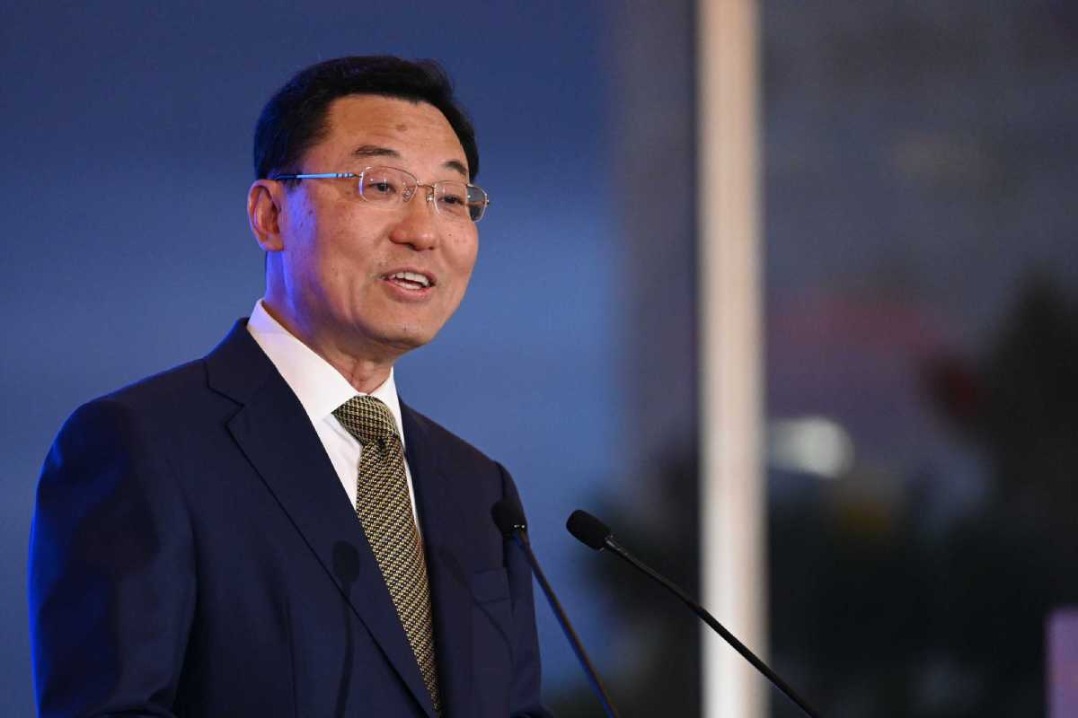
Envoy: China remains an opportunity for global development
In a recent address at the ‘Innovation, Openness, Shared Development’ Global Dialogue US Session, Chinese Ambassador to the United States, Xie Feng, emphasized China’s unwavering role as a pivotal opportunity for global development. Speaking on Friday, Ambassador Xie highlighted the outcomes of the Fourth Plenary Session of the 20th Central Committee of the Communist Party of China, which outlined the 15th Five-Year Plan (2026-2030), a strategic blueprint for China’s economic and social advancement. Xie underscored China’s commitment to openness, cooperation, and mutual prosperity, stating that the nation’s vast consumer market, robust industrial system, and innovation ecosystem present unparalleled opportunities for global partners. He also pointed to China’s ongoing urbanization, industrial upgrading, and green transition as drivers of future growth, creating avenues for international collaboration in sectors like education, healthcare, and elder care. Amid rising protectionism and economic globalization challenges, Xie reaffirmed China’s dedication to multilateralism, institutional opening-up, and fostering a stable global trading system. He called for strengthened U.S.-China relations based on mutual respect and win-win cooperation, emphasizing that such a partnership would benefit both nations and the world at large. Robert Lawrence Kuhn, Chairman of The Kuhn Foundation, echoed these sentiments, noting that China’s development is integral to global progress. Denis Simon, Chairman of the Global Talent Alliance, stressed the necessity of U.S.-China collaboration in addressing pressing global issues such as climate change, AI governance, and food security. Both speakers advocated for a shift from zero-sum competition to shared solutions, transforming current tensions into trust and mutual benefits.
-
US trade policies upending global order, economists say
The United States’ aggressive tariff policies and a foreign aid strategy rooted in a ‘grievance narrative’ are fundamentally altering the global economic landscape, with profound implications for both the US and the international community. This was the consensus among experts at recent events hosted by the Peterson Institute for International Economics in Washington. They emphasized the urgent need for multilateral cooperation to counteract the rising tide of isolationism and the disruptions caused by tariffs. Hector Torres, a senior fellow at the Centre for International Governance Innovation and former International Monetary Fund executive director, described the shift as a ‘seismic disruption’ in global trade. He highlighted the transition from a rules-based to a deals-based trading system, driven more by geopolitical motives than economic rationale. The fragility of global trade was a recurring theme during the discussions on October 14 and 15. Experts warned of the risks posed by US isolationism and stressed the importance of preserving a rules-based system. The latest IMF World Economic Outlook, released on October 14, projected subdued global growth for this year and next, with renewed trade disputes posing significant risks. Maurice Obstfeld, a senior fellow at the Peterson Institute and former IMF chief economist, criticized the US reliance on tariffs, calling them inefficient and regressive. He noted that the tariffs, estimated to generate about $200 billion annually, disproportionately affect low-income individuals and distort production and consumption in the US. Obstfeld also challenged the US administration’s ‘grievance narrative,’ which portrays other nations as exploiting the US through trade deficits, financial inflows, or security ‘freeloading.’ He argued that this mindset is driving isolationist policies that harm both the US and global economies. Mari Elka Pangestu, vice-chairwoman of Indonesia’s National Economic Council and former World Bank managing director, described the current era as a ‘watershed moment’ for global trade. She emphasized the importance of diversifying trade partnerships, pointing to Indonesia’s newly concluded trade agreement with the European Union as a counterbalance to US tariffs. Torres also highlighted China’s historic role in global trade and the critical role of the WTO, despite its challenges. He called for reforms to address the lack of rules in digital trade, warning of the potential for conflicting regulations or ‘digital firewalls’ in every country. Looking ahead, geopolitical developments are expected to shape the future of trade, with the Middle East and Ukraine identified as critical areas. Obstfeld expressed hope for EU reforms to enhance stability, while Pangestu pointed to the current Association of Southeast Asian Nations summit as an opportunity to reaffirm multilateralism.
-

Argentina eyes expansion of beef exports to China
Argentina is strategically positioning China as the cornerstone of its beef export expansion, driven by evolving Chinese consumption patterns and increasing demand for diverse meat products. According to the Argentine-Chinese Chamber of Commerce, China accounts for 78 to 80 percent of Argentina’s annual beef exports, solidifying its role as the primary market for Argentine meat producers. This trend was highlighted at the recent Expo Ganadera del Centro, a major livestock fair in Buenos Aires, where Alejandra Conconi, the chamber’s executive director, emphasized China’s pivotal role in Argentina’s international meat trade. Trade data from Argentina’s Ministry of Agriculture, Livestock and Fisheries reveals that in 2024, the country exported over 900,000 metric tons of beef, with China purchasing approximately 595,000 tons. Sebastian Schulz, a researcher at the National University of La Plata, attributes this growing demand to China’s socio-economic transformation, including its focus on balanced development and the goal of achieving ‘common prosperity.’ As China’s middle class expands and dietary preferences diversify, Argentine producers are finding new opportunities in previously undervalued products such as cull cows and offal, which now command higher prices in the Chinese market. Additionally, Argentina’s participation in the Belt and Road Initiative is fostering deeper agricultural collaboration and technology transfers, which Schulz describes as ‘strategically important’ for balancing trade deficits and promoting mutual benefits. Looking ahead, Argentina is also exploring exports of bovine genetics and embryos, a high-value segment where the country holds global recognition. The diversification of beef, pork, and by-products is seen as crucial for ensuring the long-term sustainability of Argentina’s meat sector. Amadeo Derito, vice-president of the Argentine Angus Association, noted that exports of certified Angus beef to China have continued to grow, with 1,700 tons certified in the first three quarters of 2024, primarily catering to premium markets.
-
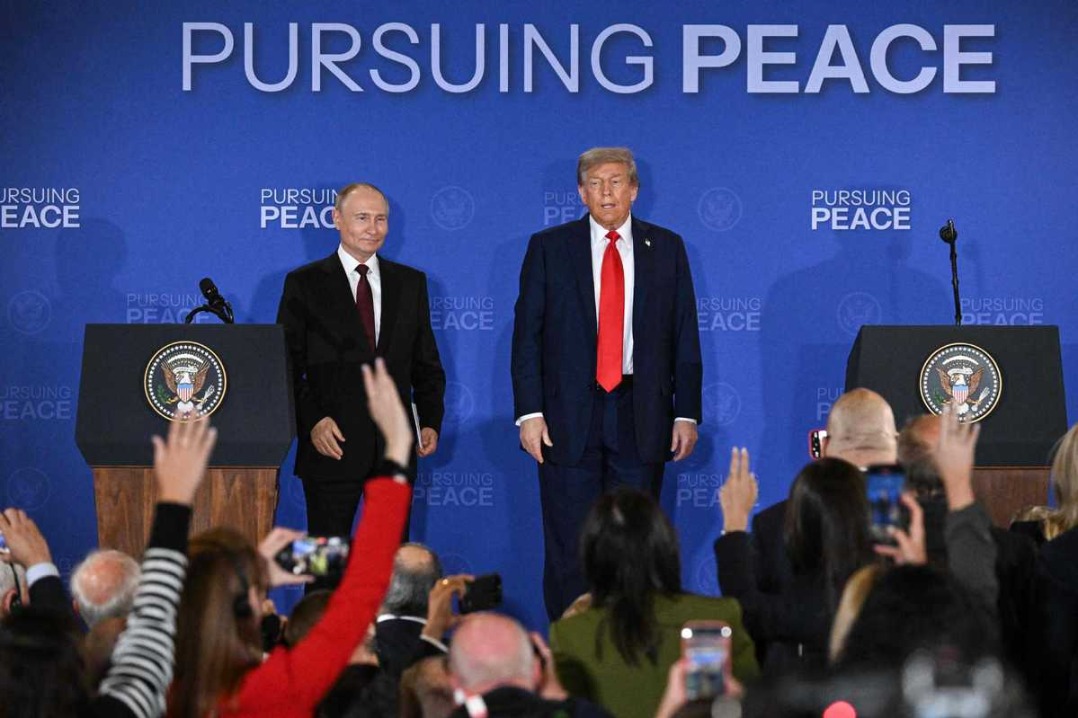
Prospects for talks between Trump, Putin played down
The likelihood of a summit between U.S. President Donald Trump and Russian President Vladimir Putin appears increasingly uncertain, as Trump expressed skepticism about the potential for productive talks. Speaking to reporters aboard Air Force One en route to Asia, Trump emphasized that any meeting with Putin would need to yield tangible results. ‘I’m going to have to know that we’re going to make a deal. I’m not going to be wasting my time,’ he stated, following the collapse of plans for a summit in Budapest. Despite his past rapport with Putin, Trump described the current situation as ‘very disappointing.’
Meanwhile, Kremlin negotiator Kirill Dmitriev engaged in discussions with U.S. officials over the weekend, focusing on resolving the ongoing conflict in Ukraine. Dmitriev, who met with Trump’s special envoy Steve Witkoff in Florida, expressed optimism about a diplomatic breakthrough. ‘I believe Russia, the U.S., and Ukraine are actually quite close to a diplomatic solution,’ he told CNN, highlighting Ukrainian President Volodymyr Zelensky’s willingness to use the current front line as a basis for negotiations.
The Kremlin, however, downplayed the notion of a canceled meeting between the two leaders, stressing the need for thorough preparation. ‘Presidents cannot meet for the sake of meeting,’ Kremlin spokesman Dmitry Peskov remarked, noting the complexity of the process. Russian Foreign Minister Sergey Lavrov and U.S. Secretary of State Marco Rubio have been tasked with laying the groundwork for a potential summit.
Amid these diplomatic efforts, tensions on the ground remain high. Russian missile and drone strikes in Ukraine resulted in multiple casualties, while Russia reported intercepting over 120 Ukrainian drones. Additionally, Putin announced the successful final test of the Burevestnik, a nuclear-powered cruise missile with an ‘invincible’ design and a range of up to 14,000 kilometers. The weapon’s unpredictable flight path and near-unlimited range pose a significant challenge to existing missile defense systems.