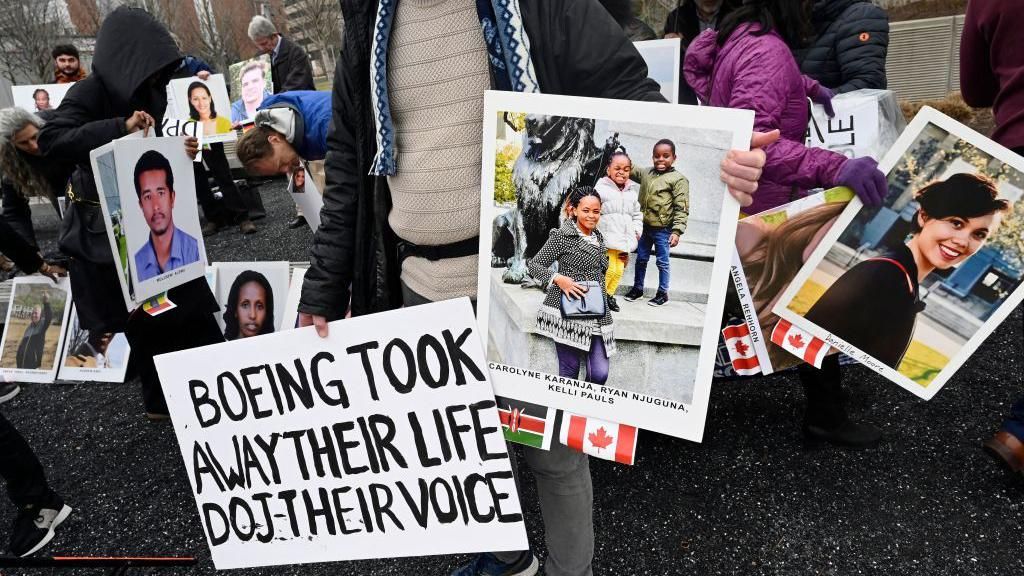
Boeing has successfully avoided a criminal charge in the United States related to two fatal 737 Max crashes, following a court decision to dismiss the case. The ruling, issued by Judge Reed O’Connor, came in response to a request from the U.S. government to drop the charge. While Judge O’Connor expressed personal disagreement with the decision, stating that it did not align with the public interest, he acknowledged that his concerns were insufficient to override the government’s proposal. This outcome represents a significant victory for Boeing, which had faced renewed legal scrutiny after the government accused it of violating a prior settlement tied to the crashes. The dismissal, however, was met with opposition from families of the victims, who sought to hold Boeing accountable through a trial. Attorney Paul Cassell, representing some of the families, announced plans to appeal the ruling, emphasizing the need to address perceived injustices. In his decision, Judge O’Connor criticized the government’s rationale for avoiding a trial as ‘unserious’ and expressed doubts about the new agreement’s ability to ensure public safety. Nonetheless, he deferred to the government’s presumed ‘good faith’ in the matter. The Department of Justice (DOJ) defended the agreement, highlighting extensive consultations with victims’ families and asserting that the resolution provides closure and immediate action from Boeing. Boeing, in turn, reaffirmed its commitment to the agreement and ongoing efforts to enhance safety and compliance. The case stems from two catastrophic 737 Max crashes in 2018 and 2019, which claimed 346 lives. Boeing had previously admitted to criminal fraud conspiracy charges in 2021, paying $2.5 billion in fines and compensation while pledging to improve safety standards. The case was reopened in 2023 following another incident involving a 737 Max, leading to accusations of breaching the original settlement. Under a new proposal in 2024, Boeing agreed to plead guilty, pay an additional $243 million fine, and accept court oversight. However, Judge O’Connor rejected this deal in December 2023, citing concerns over the selection of the monitor. The latest settlement, which dropped the criminal charge, requires Boeing to hire an independent compliance consultant and commit $1.1 billion, including penalties and compensation to victims’ families. Prosecutors justified the dismissal by citing Boeing’s ‘meaningful progress’ in anti-fraud and conspiracy programs.
标签: North America
北美洲
-
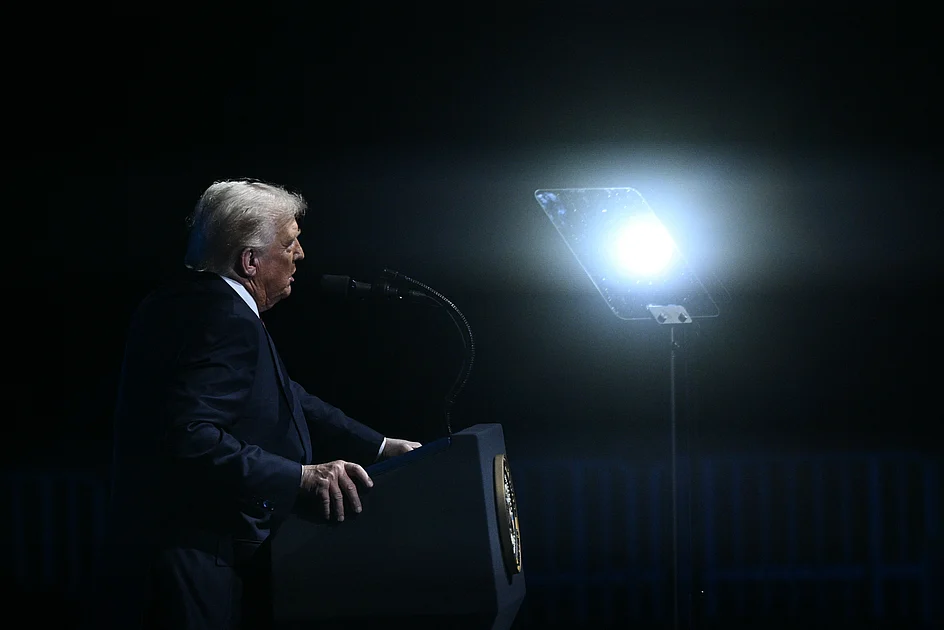
‘AI president’: Trump deepfakes glorify himself, trash rivals
In an unprecedented move, former U.S. President Donald Trump has embraced artificial intelligence (AI) as a central tool in his political communication strategy. Since beginning his second term, Trump has flooded his Truth Social platform with hyper-realistic AI-generated content, portraying himself in grandiose roles while discrediting his political adversaries. These fabricated visuals, ranging from Trump as a crowned king to Superman, have captivated and deceived social media users, blurring the lines between reality and fiction. The White House has remained silent on whether Trump or his aides are behind these creations, but the impact is undeniable. Critics argue that this marks a dangerous escalation in the weaponization of AI for political gain. Trump’s posts have included absurd scenarios, such as a video of him piloting a fighter jet labeled ‘King Trump’ dumping waste on protesters, and another promoting the debunked ‘MedBed’ conspiracy theory. His use of AI has also targeted rivals, including former President Barack Obama and House Minority Leader Hakeem Jeffries, with racially charged imagery. Experts like Nora Benavidez of Free Press warn that such tactics distort reality and undermine public discourse. Meanwhile, California Governor Gavin Newsom has adopted a similar strategy, using AI-generated content to mock Republicans after recent Democratic victories. This trend raises critical questions about the ethical use of AI in politics and its potential to erode shared truths in society.
-

Vehicle explodes in huge fireball in the Bronx
A dramatic vehicle explosion in the Bronx sent shockwaves through the community, resulting in a massive fireball that injured seven firefighters. Despite the severity of the incident, the New York City fire chief has provided reassuring news: all injured firefighters are awake, alert, and able to communicate. Medical professionals anticipate a full recovery for each of them. The explosion, which occurred under circumstances still under investigation, highlights the inherent risks faced by first responders. The incident has drawn attention to the importance of safety protocols and the resilience of emergency personnel in the face of danger. Authorities are working diligently to determine the cause of the explosion and to prevent similar occurrences in the future.
-

Appeal to stop controversial ostrich cull dismissed by Canada’s top court
Canada’s Supreme Court has declined to hear an appeal to halt the contentious culling of hundreds of ostriches at Universal Ostrich Farms in British Columbia, leaving the farm owners with limited legal recourse. The cull was mandated by the Canadian Food Inspection Agency (CFIA) in December following an avian flu outbreak that claimed the lives of 69 birds. Despite the farm’s efforts to challenge the order, including proposing the use of surviving ostriches for scientific research, the courts have consistently upheld the CFIA’s decision. The agency argues that the birds’ exposure to the virus poses significant risks to both wildlife and humans, disputing claims of immunity among the surviving flock. The Supreme Court’s dismissal of the appeal on Thursday paves the way for the cull to proceed, though the CFIA has not specified a timeline. The farm owners, including Katie Pasitney, who tearfully appealed for a miracle on social media, now face the grim reality of losing their flock. Protesters gathered at the farm as the court’s decision was announced, highlighting the emotional and ethical dimensions of the case. The CFIA has emphasized its expectation that the farm owners and their supporters will respect the legal outcome.
-
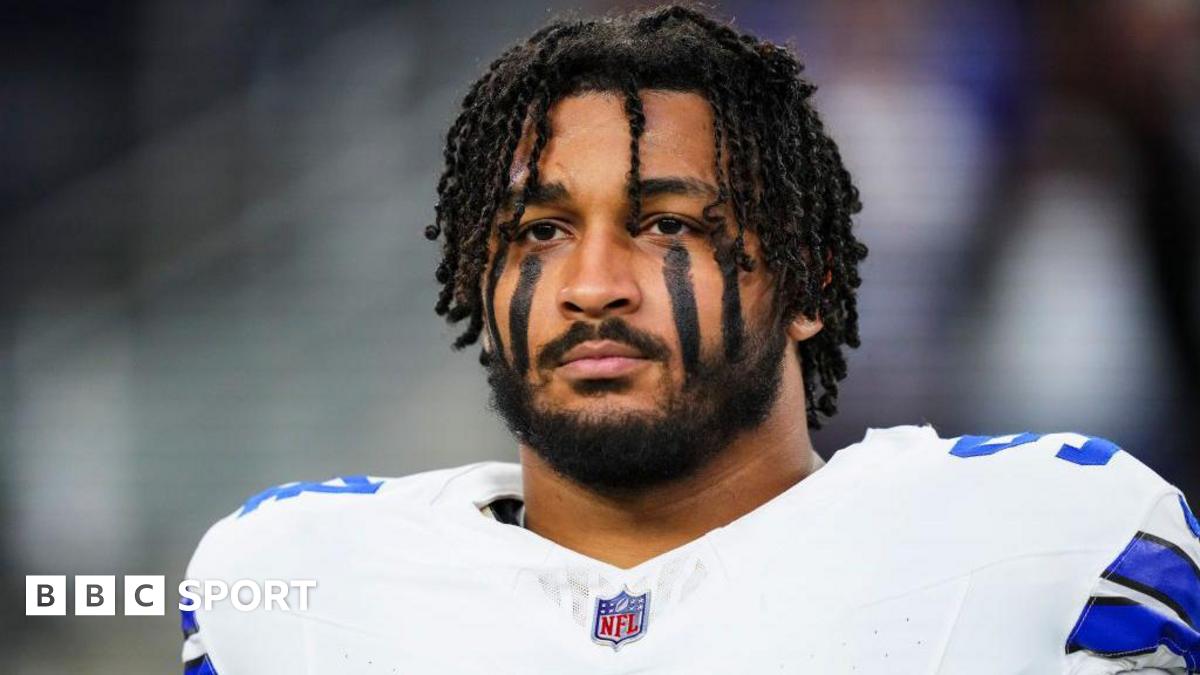
Dallas Cowboys’ Kneeland dies aged 24
The sports world is mourning the untimely death of Marshawn Kneeland, a promising defensive lineman for the Dallas Cowboys, who passed away at the age of 24. Kneeland, who was the 56th overall pick in the 2024 NFL Draft, had a brief but impactful career with the Cowboys, playing in 18 games and making four starts. His sudden death has left teammates, fans, and the NFL community in shock. According to the Frisco Police Department in Texas, Kneeland’s death appears to be a result of suicide following a vehicle pursuit and a multi-agency search on Wednesday night. The police reported that Kneeland crashed his car and fled on foot. Officers were alerted that he had expressed suicidal intentions before he was found deceased at 01:31 local time on Thursday. The Collin County Medical Examiner’s Office will confirm the official cause of death. The Dallas Cowboys released a heartfelt statement, expressing their grief and extending their condolences to Kneeland’s girlfriend, Catalina, and his family. Kneeland’s agent, Jonathan Perzley, shared his deep sorrow, recalling Kneeland’s journey from a hopeful college player at Western Michigan to a respected professional in the NFL. Kneeland had recently scored his first touchdown in a game against the Arizona Cardinals, recovering a blocked punt. The NFL has also expressed its profound sadness over the loss. This tragic event serves as a stark reminder of the mental health challenges faced by athletes. For those affected by similar issues, resources like the BBC Action Line are available for support.
-
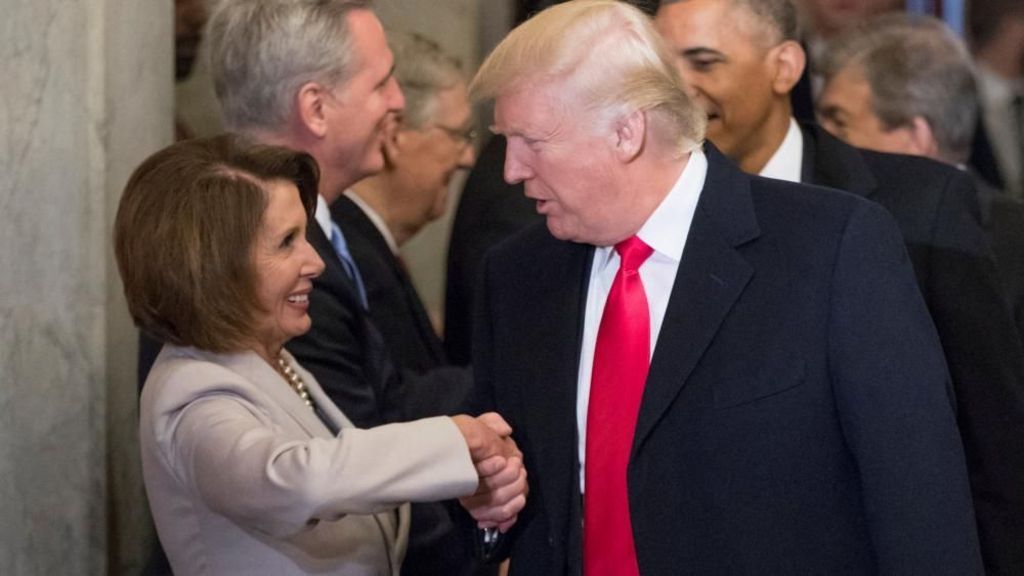
Watch: Three times the Pelosi-Trump feud was caught on camera
The political rivalry between US Congresswoman Nancy Pelosi and former President Donald Trump has been a defining feature of recent American politics. Throughout Trump’s presidency, Pelosi emerged as one of his most vocal critics, with their confrontations frequently playing out in the public eye. These tense exchanges were often captured by the media, providing a vivid record of their contentious relationship. From heated debates in the Oval Office to sharp exchanges during press briefings, their clashes highlighted the deep ideological divides within the US government. This article revisits three key moments when their feud was documented on camera, offering a glimpse into the high-stakes drama that characterized their interactions. These incidents not only underscored their personal animosity but also reflected broader political tensions in a deeply polarized nation.
-
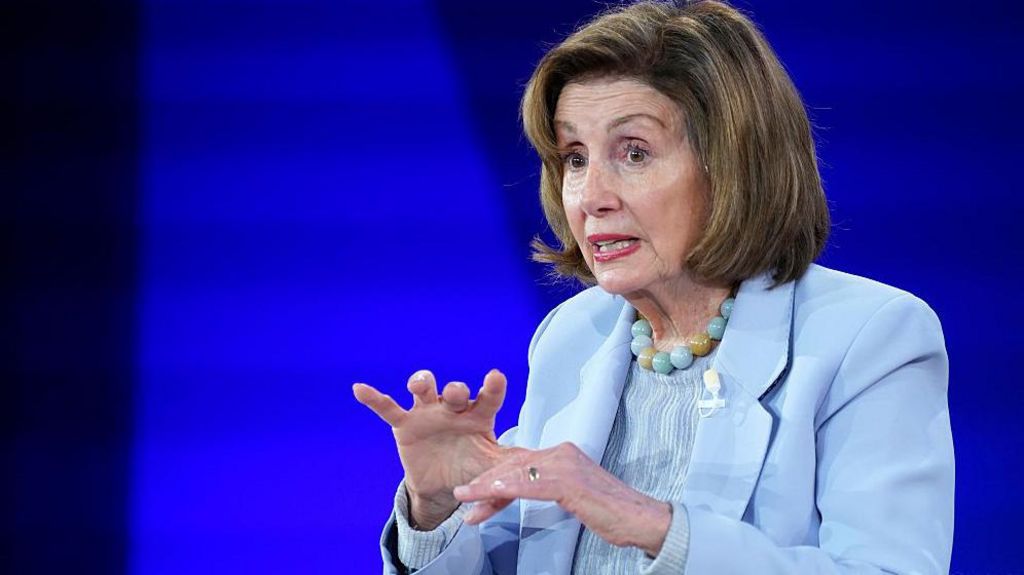
Nancy Pelosi announces retirement after decades in US Congress
In a significant announcement, US Congresswoman Nancy Pelosi has revealed her decision to retire at the conclusion of her current term in January 2027. Pelosi, 85, shared this news through a heartfelt video message, marking the end of an illustrious political journey spanning nearly four decades in the House of Representatives. Pelosi’s career has been nothing short of historic; she broke barriers as the first female Speaker of the House and led her party in the lower chamber of Congress from 2003 to 2023. Known for her strategic acumen, the San Francisco Democrat played a pivotal role in shaping key political decisions, including influencing then-President Joe Biden to step aside during concerns about his mental acuity, which ultimately led to Kamala Harris’s candidacy. As this story continues to develop, further updates will be provided. Stay tuned for the latest information via the BBC News App or follow @BBCBreaking on X for real-time alerts.
-

Philips highlights UAE’s shift toward smarter, more connected healthcare
The United Arab Emirates (UAE) is witnessing a paradigm shift in its healthcare sector, driven by technological advancements, patient empowerment, and a growing emphasis on sustainability. According to the latest Philips Health Trends Research UAE, residents are increasingly taking charge of their health, with 92% actively managing their wellbeing. This transformation is fueled by improved access to information, trust in telehealth, and confidence in AI-driven healthcare solutions. Tamer Said, General Manager for Health Systems at Philips West Africa, Gulf and Levant, highlighted the role of the UAE’s robust digital infrastructure and clear governance in fostering innovation. Philips is at the forefront of this evolution, co-creating solutions that integrate seamlessly into daily life, enabling better care for more people. AI is playing a pivotal role, with 77% of UAE residents expressing confidence in its ability to enhance care delivery. Philips’ AI-enabled tools, such as intelligent monitoring systems and precision-guided surgical navigation, are streamlining workflows and improving diagnostic accuracy. Virtual care is also gaining traction, with telehealth platforms like Philips eICU providing remote monitoring and expert oversight. Sustainability is another key focus, with 83% of patients favoring environmentally responsible providers. Philips is leading the charge by embedding sustainability into its operations, aiming for 75% renewable energy and zero waste to landfill by 2025. The research also reveals a shift in consumer behavior, with sustainability and data trust becoming core expectations. Philips is collaborating with the UAE government and healthcare providers to accelerate progress toward a connected, future-ready system. As the UAE strengthens its position as a global healthcare innovation hub, Philips remains committed to advancing patient-centered care, leveraging technology to create smarter, more inclusive, and sustainable healthcare systems.
-
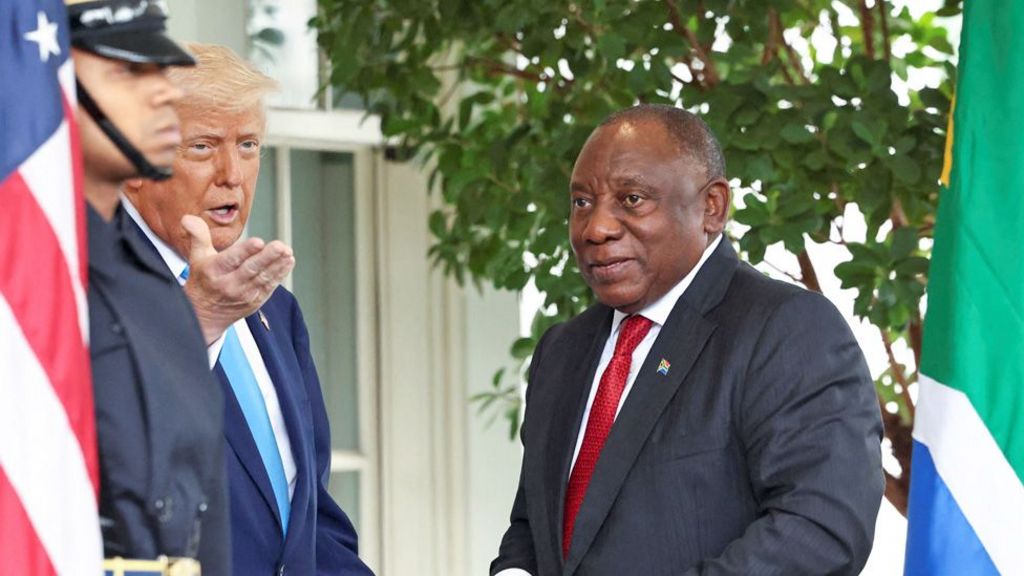
Trump wants South Africa out of the G20 as it gears up for world summit
The diplomatic relationship between the United States and South Africa has deteriorated significantly this year, marked by sharp exchanges over South Africa’s role in the G20 and contentious refugee policies. US President Donald Trump has openly criticized South Africa’s inclusion in the G20, stating that the country ‘shouldn’t even be in the Gs anymore.’ Trump, who has repeatedly accused South Africa of discriminating against its white minority, opted not to attend the upcoming G20 summit in Johannesburg, sending Vice-President JD Vance instead. South Africa, however, remains confident in its ability to host a successful summit, with Presidential spokesperson Vincent Magwenya emphasizing the country’s readiness to welcome global leaders. The G20, established in 1999 to address global economic stability, holds significant weight in international diplomacy, with member states representing over 85% of the world’s wealth. Despite Trump’s criticisms, there is no formal procedure for expelling a country from the G20, as noted by Dr. Andrew Gawthorpe of the Foreign Policy Centre. South Africa has adopted themes of solidarity, equality, and sustainability for this year’s summit, reflecting its commitment to addressing global inequalities and the legacy of colonialism. Tensions were further exacerbated earlier this year when Trump offered refugee status to Afrikaners following South Africa’s land reform legislation, which allows the government to seize land without compensation in rare cases. South African President Cyril Ramaphosa attempted to ease tensions with a visit to the White House in May, but the meeting was overshadowed by Trump’s unsubstantiated claims of white farmer persecution. Efforts to mend relations have largely failed, with South Africa facing a 30% tariff on exports to the US, the highest rate in sub-Saharan Africa. The ongoing friction highlights the complex dynamics of US-South African relations, with both countries grappling with historical legacies and contemporary political challenges.
-

US boat strikes are crimes against humanity, says former ICC prosecutor
A former chief prosecutor at the International Criminal Court (ICC), Luis Moreno Ocampo, has asserted that US airstrikes on alleged drug smuggling boats in the Caribbean Sea and Eastern Pacific should be classified as crimes against humanity under international law. These strikes, which have resulted in the deaths of at least 66 people over the past two months, have sparked significant legal and ethical debates. The Trump administration defends the actions, claiming they are part of a formal armed conflict with South American drug traffickers. However, Moreno Ocampo argues that the campaign constitutes a systematic attack on civilians during peacetime, thereby meeting the criteria for crimes against humanity. He emphasized that the individuals targeted are civilians, not soldiers, and called for investigations and prosecutions rather than lethal force. The White House countered by stating that President Trump acted within the laws of armed conflict to protect the US from cartels and dismissed the ICC as a ‘biased, unserious entity.’ The administration also highlighted that the US is not a signatory to the Rome Statute, which established the ICC. The legal justification for the strikes has been questioned by experts, with former State Department legal adviser Brian Finucane describing the US position as ‘completely unconvincing.’ Meanwhile, the political response has been divided, with Republicans largely supporting the administration’s actions, while Democrats have raised concerns about the legality and lack of evidence. The situation has also strained US-Venezuela relations, with Venezuelan President Nicolás Maduro condemning the strikes as ‘heinous crimes.’