标签: North America

北美洲

  • Canada loses its measles-free status, with US on track to follow

    Canada loses its measles-free status, with US on track to follow

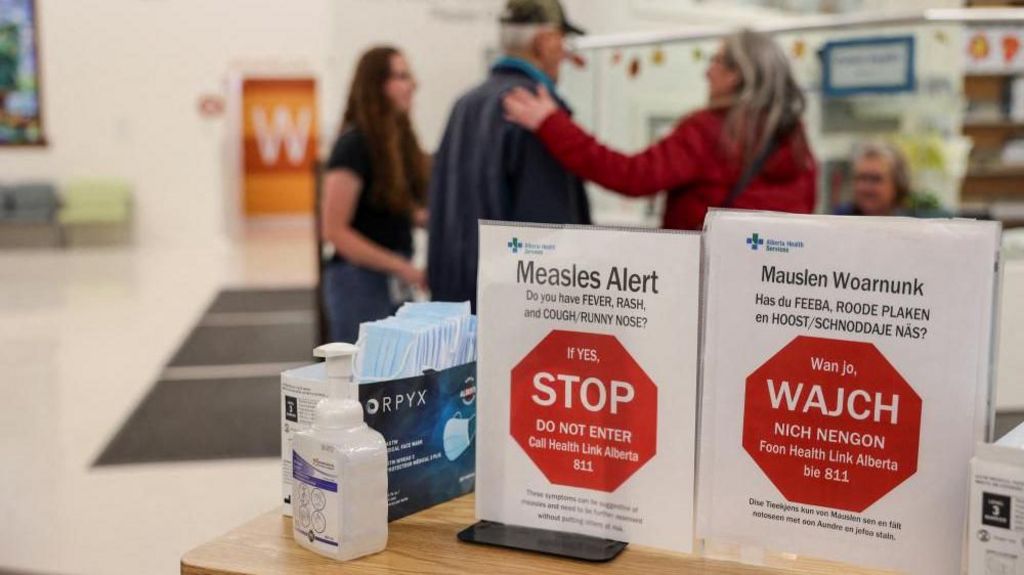
    Canada has officially lost its measles elimination status, as announced by the Pan American Health Organization (Paho) on Monday. This comes after the country failed to control a measles outbreak for 12 consecutive months. The Americas region as a whole has also lost its elimination status, despite other individual countries still being considered measles-free. The United States is at risk of losing its status if it cannot halt its ongoing outbreak by January, with cases already reported in Utah, Arizona, and South Carolina.

    The outbreak in Canada began in October 2024, with health officials attributing the surge to declining vaccination rates. At a press conference, Paho officials urged Canadian governments and the public to increase vaccination efforts, emphasizing that 95% of the population must be immunized to effectively stop the spread of measles. Dr. Jarbas Barbosa, Paho’s director, stated, ‘This loss represents a setback, but it is also reversible.’

    Canada had maintained its measles-free status for three decades prior to this outbreak. To regain elimination status, the country must curb the spread of the current measles strain for at least 12 months. In 2025 alone, Canada reported over 5,000 measles cases, primarily in Ontario and Alberta—three times the number reported in the U.S., despite Canada’s smaller population.

    The outbreak has been concentrated in ‘under-vaccinated communities,’ with Alberta particularly affected. Provincial data reveals that vaccination rates in some areas, such as the South Zone, which includes Calgary, are as low as 68% for children under two. The MMR vaccine, which is 97% effective against measles, mumps, and rubella, remains the most effective defense against the virus, which can cause severe complications like pneumonia, brain swelling, and even death.

    Canadian immunologist Dawn Bowdish highlighted systemic issues contributing to low vaccination rates, including limited access to healthcare, the absence of a national vaccination registry, and widespread misinformation. She called for improved public health outreach to hesitant communities and urged policymakers to address these systemic failures.

    The Americas had been the first and only region globally to achieve measles elimination in 2016, though this status was briefly revoked after outbreaks in Venezuela and Brazil. Both countries regained elimination status in 2024 through coordinated vaccination campaigns. However, measles has re-emerged in North America, with Mexico also experiencing a surge in cases, ranking among the top 10 countries with the largest outbreaks according to the U.S. Centers for Disease Control and Prevention.


  • From videos to albums: Chile’s presidential race hits a musical note

    From videos to albums: Chile’s presidential race hits a musical note

    In an unconventional twist to Chile’s presidential campaign, candidates are leveraging music and digital media to engage the nation’s youth ahead of the November 16 election. With nearly 3 million of the 15.6 million eligible voters aged between 18 and 29, campaigns are adopting innovative strategies to resonate with this demographic. Conservative candidate Evelyn Matthei recently released a trap-inspired music video, blending hip-hop and reggaeton influences, which has garnered 2.5 million views on YouTube. The video critiques her opponents, far-right Jose Antonio Kast and leftist Jeannette Jara, while promoting her policy agenda. Matthei’s campaign defended the approach, calling it a fresh way to connect with young voters. Meanwhile, Jara has opted for a pop-like jingle and active social media presence, showcasing her personal life and Spotify playlist. Kast, trailing in polls but leading on Spotify with his eclectic 15-song album, criticized Matthei’s video as a ‘big mistake.’ This musical pivot highlights the candidates’ efforts to modernize their outreach in a fiercely contested race.

  • UAE: Demand for autonomous vehicles grows, outpaces capacity

    UAE: Demand for autonomous vehicles grows, outpaces capacity

    The United Arab Emirates (UAE) is witnessing an unprecedented surge in demand for autonomous vehicles, significantly outpacing the existing operational capacity. Hasan Al Hosani, CEO of Smart Solutions, Space42, revealed this trend during a panel discussion at the Abu Dhabi Autonomous Week 2025. Since their initial deployment between late 2020 and 2021, autonomous taxis have completed over 600,000 kilometers in full four-mode operation, with more than 20,000 trips successfully executed. However, the current demand is three times the operational capacity, indicating a strong public embrace of this cutting-edge technology. Al Hosani emphasized the public’s enthusiasm for exploring hands-free and person-free transportation solutions.

  • Abu Dhabi secures insurance for autonomous cars in city, says official

    Abu Dhabi secures insurance for autonomous cars in city, says official

    In a groundbreaking move for autonomous transportation, Abu Dhabi has successfully secured insurance for self-driving vehicles within the city, marking a significant milestone in the UAE’s push toward advanced technological integration. Faisal Al Bannai, adviser to the UAE President and Secretary General of the Advanced Technology Research Council, announced this achievement during the Abu Dhabi Autonomous Summit 2025. He highlighted that the Smart and Autonomous Systems Council has been actively addressing regulatory and insurance challenges, which have historically been major barriers to the deployment of autonomous systems globally. Al Bannai emphasized the city’s rapid progress, citing an example where autonomous cargo vehicles were tested and insured within just 45 days—a feat that left industry stakeholders astonished. He urged companies working with autonomous technologies, including drones and robotics, to focus their efforts on Abu Dhabi, describing it as the ideal hub for innovation. The UAE capital is already home to operational autonomous vehicles, with plans to introduce flying taxis in the near future. Al Bannai also revealed that Abu Dhabi is developing its own robotics AI model and autonomous platforms, positioning the UAE as a global leader in the autonomous technology race by 2026. The city aims to make 25% of trips autonomous by 2040, with some sectors expected to exceed this target. Mohamed Ali Al Shorafa, Chairman of the Department of Municipalities & Transport – Abu Dhabi, reinforced this vision, stating that Abu Dhabi is not just imagining the future but actively creating and deploying it. The city’s recent ranking as the fifth-best Smart City globally underscores its commitment to embedding innovation into everyday life.

  • Mahira and Fawad Khan talk about bringing Neelofar to life

    Mahira and Fawad Khan talk about bringing Neelofar to life

    In their latest cinematic venture, ‘Neelofar’, Mahira Khan and Fawad Khan explore the intricate nuances of portraying complex characters, particularly the challenge of embodying a blind woman. The film, set to release on November 28, 2025, in UAE cinemas, delves into themes of love, resilience, and the human spirit, offering a poignant narrative that transcends the conventional boundaries of romance.

    Mahira Khan, who plays the titular role of Neelofar, a blind woman, shares her journey of preparation and the emotional depth required to bring such a character to life. ‘It was no easy feat,’ Mahira admits. She spent time observing a visually impaired girl in Karachi and drew inspiration from films like ‘Sparsh’, which taught her that blindness is not just a condition but a state of being. ‘You have to feel it from within,’ she emphasizes, highlighting the importance of internalizing the character’s experiences.

    Fawad Khan, who not only stars in the film but also serves as its producer, discusses the film’s simplicity and its reliance on Urdu poetry to enhance the narrative. ‘It is a very simple film,’ Fawad clarifies, dispelling notions of it being overly philosophical or artsy. He believes that the film’s charm lies in its unadorned portrayal of romance in Lahore, devoid of unnecessary frills.

    The duo, known for their on-screen chemistry, reflects on the expectations and pressures that come with their pairing. ‘Too much of anything is bad,’ Fawad laughs, while Mahira acknowledges the heavy load of public expectations. Despite the buzz surrounding their collaboration, both actors remain focused on the craft rather than the commercial aspects of their partnership.

    As they navigate the challenges of their profession, both Mahira and Fawad share insights into the emotional toll of acting and the importance of variety in their roles. ‘I do not want to stay in a state of melancholy,’ Mahira says, emphasizing the need to balance intense roles with lighter ones. Fawad echoes this sentiment, highlighting the occupational hazards of constantly playing troubled characters.

    In a world where social media often amplifies criticism, both actors have learned to navigate the noise with grace. ‘I try to ignore as much as I can,’ Fawad admits, while Mahira finds solace in her work, where she feels most alive. ‘I just feel sorry for them,’ she says, referring to those who throw stones in her path.

    ‘Neelofar’ promises to be a heartfelt exploration of love and resilience, brought to life by two of South Asia’s most celebrated actors. As they continue to push the boundaries of their craft, Mahira and Fawad Khan remind us of the power of storytelling and the enduring magic of cinema.

  • Supreme Court rejects challenge to legalisation of same-sex marriage

    Supreme Court rejects challenge to legalisation of same-sex marriage

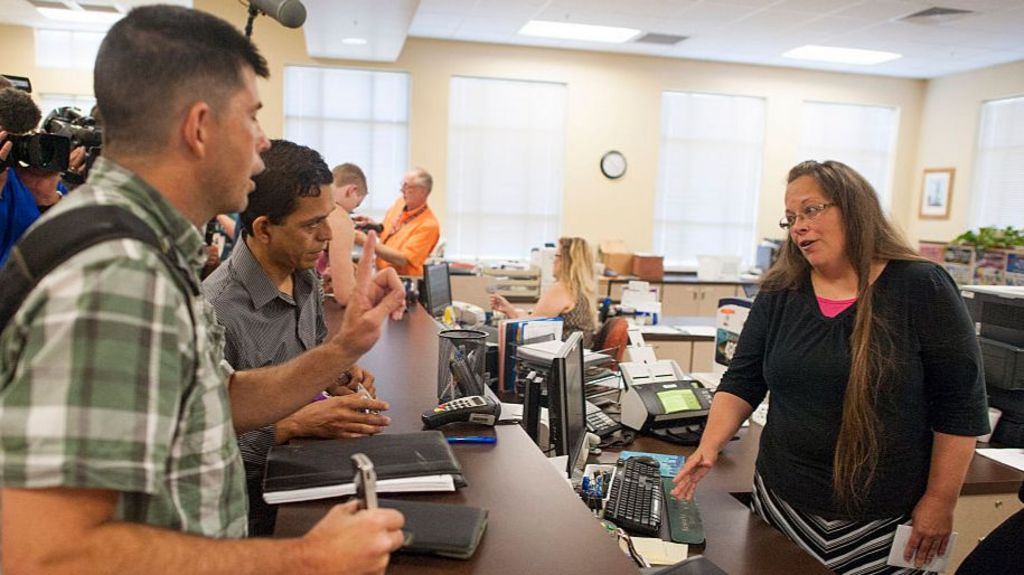
    The US Supreme Court has declined to revisit its historic 2015 ruling in Obergefell v. Hodges, which legalized same-sex marriage nationwide. The decision came as the justices rejected an appeal from Kim Davis, a former Kentucky county clerk who refused to issue marriage licenses to same-sex couples, citing her religious beliefs. Davis was ordered by a lower court to pay $360,000 in damages to a same-sex couple, David Ermold and David Moore, after they sued her for violating their constitutional rights. Davis argued that her religious freedom protected her from liability, but federal Judge David Bunning ruled that her constitutional rights could not be used to infringe on the rights of others. The 6th US Circuit Court of Appeals also upheld the ruling against Davis. Her legal team, represented by the conservative group Liberty Counsel, claimed that the right to same-sex marriage was based on a ‘legal fiction.’ The Supreme Court’s refusal to take up the case leaves the 2015 ruling intact, reaffirming the rights of same-sex couples. The decision comes amid ongoing debates over religious liberty and LGBTQ+ rights, particularly after the Court’s 2023 ruling overturning Roe v. Wade. While some conservatives had hoped the Court would reconsider Obergefell v. Hodges, the justices opted not to revisit the issue, preserving a landmark victory for LGBTQ+ equality.

  • Trump pardons Giuliani and others accused of plot to overturn 2020 election

    Trump pardons Giuliani and others accused of plot to overturn 2020 election

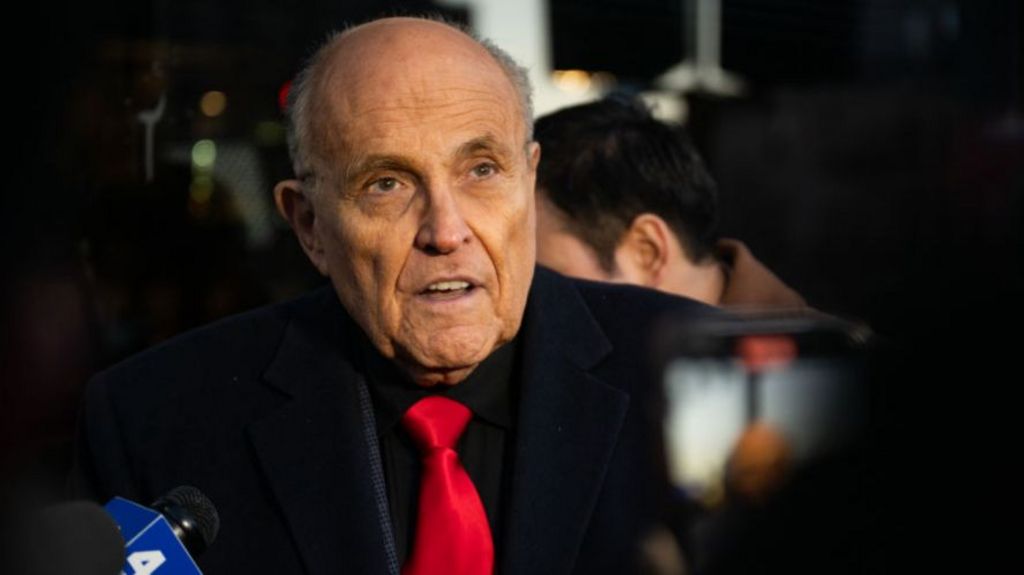
    Former U.S. President Donald Trump has granted federal pardons to his ex-personal lawyer Rudy Giuliani and several other allies accused of attempting to overturn the 2020 election results. Among those pardoned are Mark Meadows, Trump’s former White House chief of staff, and a group of so-called false electors who allegedly sought to disrupt the certification of Joe Biden’s victory. The pardons, described as ‘full, complete, and unconditional,’ were announced by Justice Department attorney Ed Martin on social media platform X. While the move is largely symbolic—since the charges were state-level and pardons only apply to federal crimes—Trump framed it as a step toward ‘national reconciliation.’ White House press secretary Karoline Leavitt criticized the prosecutions as ‘communist tactics,’ likening them to practices in Venezuela. Notably, the pardons do not extend to Trump himself, who has long claimed the authority to self-pardon but faces legal uncertainties. Giuliani, who declared bankruptcy after being held liable for $148 million in defamation cases, was disbarred in New York and Washington, D.C. Other pardoned figures include former Trump lawyers Sidney Powell, Jenna Ellis, John Eastman, and Kenneth Chesebro, all of whom had unsuccessfully challenged the 2020 election results. Powell’s claims of vote-switching and ‘communist money’ influencing the election were widely discredited. This latest round of clemency follows Trump’s earlier pardons of Capitol riot participants and the dismissal of several election-related cases against his allies in states like Arizona, Georgia, and Michigan. The Electoral College, comprising 538 members, remains the official body that elects U.S. presidents based on state-by-state results.

  • The Democrats who backed Republican shutdown deal – and why

    The Democrats who backed Republican shutdown deal – and why

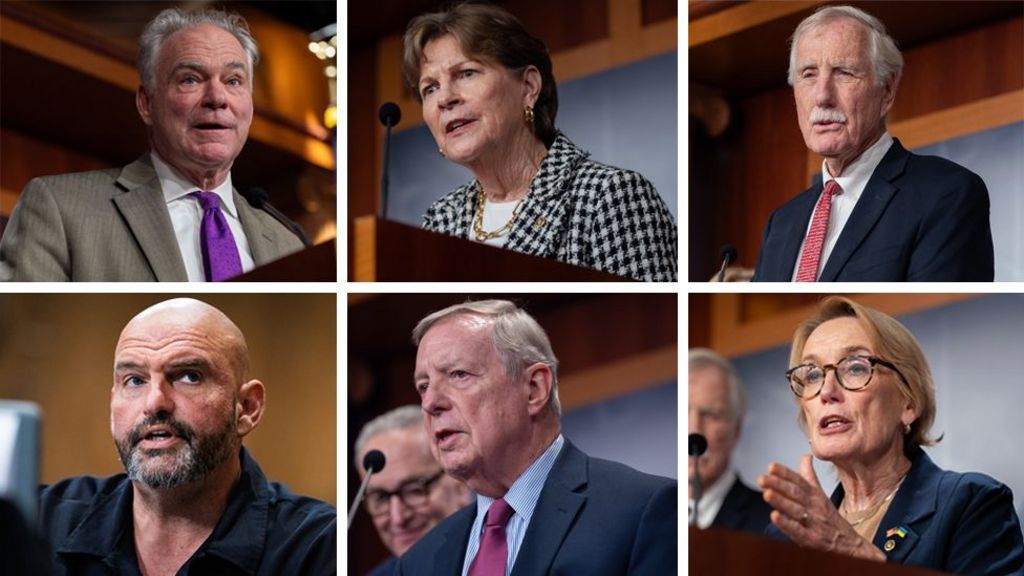
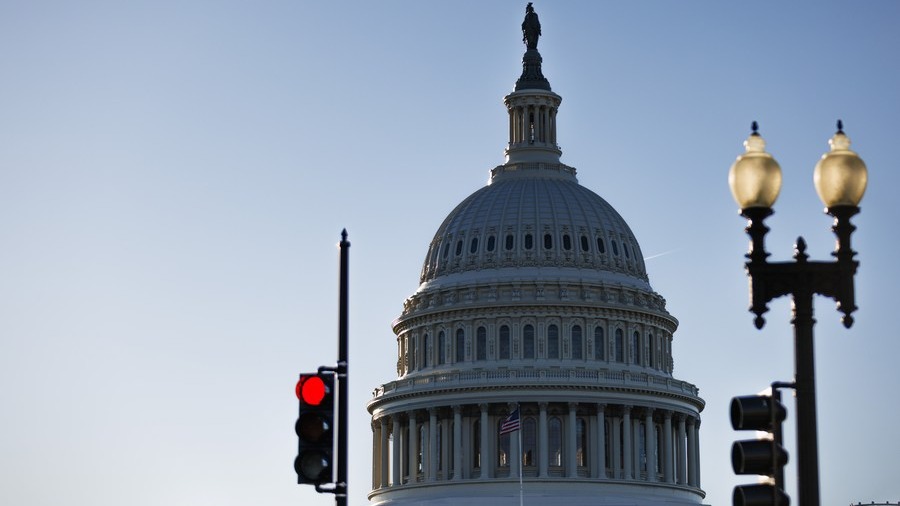
    In a pivotal move to resolve the longest-ever US government shutdown, seven Senate Democrats and one independent joined Republicans on Sunday to pass a deal aimed at reopening federal operations. This bipartisan breakthrough ended weeks of gridlock, during which Democrats had resisted pressure to compromise, primarily over concerns about expiring healthcare subsidies that would impact millions of households.

  • US Senate advances bill to end federal shutdown, fund government till January end

    US Senate advances bill to end federal shutdown, fund government till January end

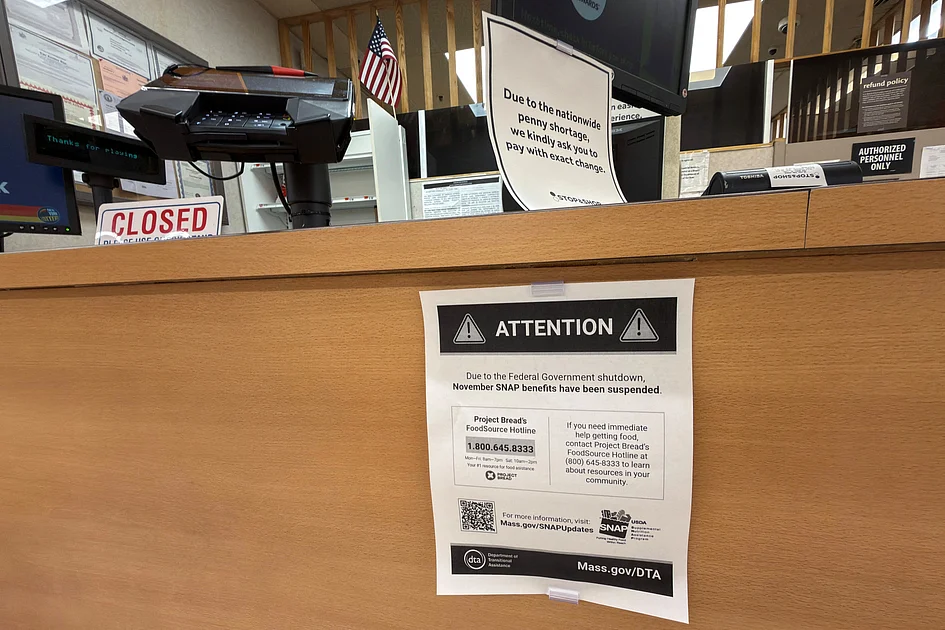
    The US Senate has taken a significant step toward resolving a 40-day federal government shutdown by advancing a bill that would fund government operations until January 30. The shutdown has disrupted federal services, delayed food aid, and caused staffing shortages in critical areas such as air traffic control. The bill, which passed a procedural vote with a 60-40 margin, includes provisions to prevent federal agencies from firing employees until the end of January, a move celebrated by worker unions. It also provides back pay for all federal employees, including military personnel, Border Patrol agents, and air-traffic controllers. The legislation aims to stall President Donald Trump’s efforts to downsize the federal workforce, which has already seen a significant reduction since the start of his second term. Additionally, the bill includes a package of three full-year appropriations bills and sets the stage for a December vote on extending subsidies under the Affordable Care Act (ACA), a key Democratic priority. The subsidies, which help lower-income Americans afford private health insurance, are set to expire at the end of the year. The deal was brokered by Senators Maggie Hassan and Jeanne Shaheen of New Hampshire, along with independent Senator Angus King of Maine. However, Senate Minority Leader Chuck Schumer voted against the measure, drawing criticism from some Democrats. The shutdown has had widespread impacts, including threats to air travel during the busy Thanksgiving holiday season. Economic experts warn that prolonged closure could negatively affect fourth-quarter economic growth. President Trump has expressed willingness to work with both parties to resolve the issue once the government reopens.

  • US Senate advances bipartisan spending bill toward ending longest govt shutdown

    US Senate advances bipartisan spending bill toward ending longest govt shutdown

    In a significant step toward resolving the longest government shutdown in US history, the Senate advanced a bipartisan spending package on Sunday night. The shutdown, now in its 40th day, has caused widespread disruptions across the nation. The upper chamber voted 60-40 in a crucial procedural vote to move forward with the legislation, which aims to fund most federal agencies at current levels through January 30. Additionally, it provides full-year funding for the Agriculture Department, the Veterans Affairs Department, military construction projects, and congressional operations. The package also secures funding for the Supplemental Nutrition Assistance Program (SNAP), which had been at risk due to the prolonged shutdown. As part of the agreement to end the impasse, Senate Majority Leader John Thune pledged to hold a vote by the second week of December to extend Affordable Care Act subsidies set to expire at year-end. Following the procedural vote to overcome the filibuster, the bill is expected to pass the Senate’s final vote. However, it still requires approval from the House of Representatives and President Donald Trump’s signature. The shutdown’s escalating impact was evident on Sunday, with nearly 3,000 flights canceled and over 10,000 delayed nationwide, highlighting the growing strain on Americans’ daily lives.