标签: North America

北美洲

  • New US tariff starts at 10%, Trump administration working to hike it to 15%

    New US tariff starts at 10%, Trump administration working to hike it to 15%

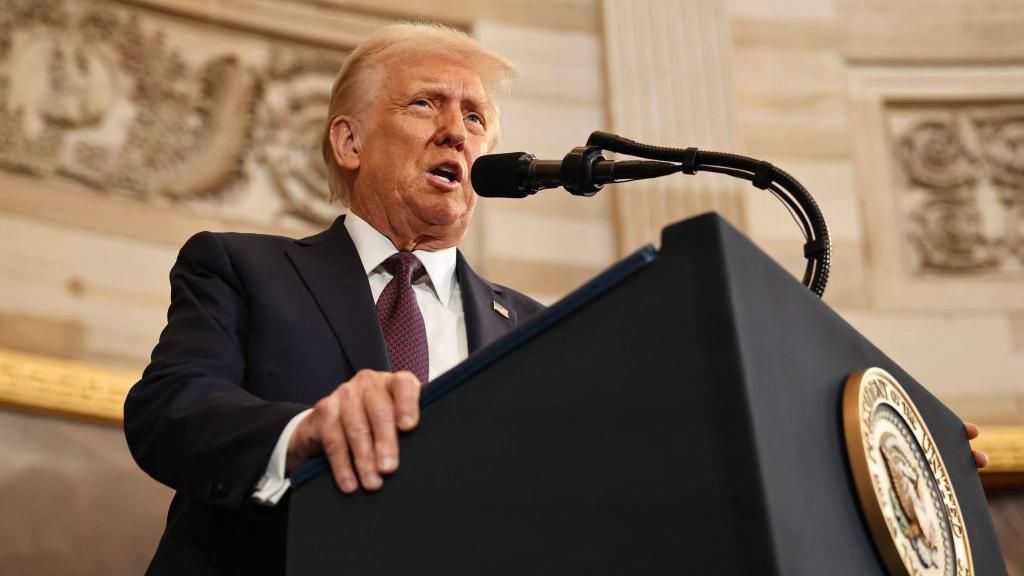
    The United States commenced enforcement of a provisional 10% universal import tariff on Tuesday, creating significant uncertainty in global trade circles as the Trump administration simultaneously works toward implementing a more substantial 15% levy. This development follows President Donald Trump’s recent Supreme Court defeat regarding previous tariff mechanisms.

    President Trump initially executed an executive order on Friday mandating a 10% tariff with a 150-day duration, designed to replace comprehensive duties previously invalidated by the Supreme Court. However, in a surprising reversal on Saturday, the president declared his intention to elevate the rate to 15%. The U.S. Customs and Border Protection agency subsequently notified shipping entities Monday evening that collections would commence at the lower 10% rate, citing the absence of updated formal presidential documentation.

    A White House official confirmed to Reuters that Trump maintains unwavering commitment to implementing the 15% tariff under Section 122 of the Trade Act of 1974, though no specific timeline was provided for this anticipated increase. The official emphasized that the president’s determination remains unchanged despite the current implementation at the reduced rate.

    The policy shift has generated considerable confusion within international trade markets, with no official explanation provided for the discrepancy between announced intentions and implemented rates. Financial analysts from Deutsche Bank suggested the situation might clarify following Trump’s scheduled State of the Union address, while maintaining that effective tariff rates would likely decrease overall compared to pre-Supreme Court ruling levels.

    Market reactions reflected this uncertainty, with global stocks opening lower Tuesday despite the less punitive than expected tariff rate. U.S. markets demonstrated resilience however, with the Dow Jones Industrial Average climbing 0.65%, the S&P 500 Index advancing 0.5%, and the technology-focused Nasdaq increasing 0.8% by midday trading.

    The new tariff structure presents particular complications for the European Union, which previously negotiated a trade agreement predicated on a 15% base tariff rate. European Commission Trade Minister Maros Sefcovic acknowledged a “transitional period” regarding the temporary tariff but received assurances from U.S. trade officials that Washington would honor existing agreements.

    Legal experts note that Section 122 authorization permits presidential imposition of duties for up to 150 days to address “large and serious” balance-of-payments deficits. Trump’s order cited a $1.2 trillion annual goods trade deficit, a current account deficit representing 4% of GDP, and reversal of the U.S. primary income surplus as justification. However, numerous economists and trade attorneys contest the characterization of an imminent balance-of-payments crisis, suggesting the new tariffs remain vulnerable to legal challenges.

    Concurrently, the Trump administration issued warnings to international partners against retreating from previously negotiated trade arrangements, threatening significantly higher duties under alternative statutory authorities should countries disengage from existing agreements. Japan, the European Union, Britain, and Taiwan all indicated preferences to maintain their current trade deals with the United States.

    ING’s Global Head of Macro Carsten Brzeski observed that despite the 150-day limitation on current measures, trade uncertainty will likely persist given the potential for consecutive extensions. Meanwhile, China’s commerce ministry expressed willingness to conduct additional trade discussions with the United States while simultaneously urging Washington to abandon its “unilateral tariffs.”

  • FBI director’s private jet use delayed investigations, Democrat alleges

    FBI director’s private jet use delayed investigations, Democrat alleges

    A significant political confrontation has emerged between Senate Democrats and FBI leadership regarding Director Kash Patel’s use of government aircraft. Senate Judiciary Committee Chairman Dick Durbin (D-IL) has formally requested investigations into what he characterizes as “irresponsible joyriding” that allegedly compromised critical law enforcement responses.

    Durbin’s allegations, based on whistleblower accounts, claim that Patel’s personal use of FBI jets delayed essential investigative teams during high-profile emergencies. Specifically, the Senate Democrat cited a delayed response to the September shooting death of conservative commentator Charlie Kirk in Utah, allegedly due to pilot unavailability during Patel’s travel. Another alleged incident involved the FBI’s shooting reconstruction team being forced to drive from Virginia to Rhode Island following a mass shooting at Brown University that left two students dead and nine wounded, rather than using aircraft reportedly placed on hold for the director.

    FBI spokesperson Ben Williamson vehemently denied all allegations, calling them “false” and “egregiously misleading” in public statements. Regarding the Kirk investigation, Williamson clarified that Patel was in Washington DC on September 10th and in New York the following day for 9/11 memorial ceremonies—not engaged in personal travel. The spokesperson further characterized the Brown University response allegations as “ridiculous” and emphasized that all operational needs were properly met.

    The controversy emerges against the backdrop of long-standing scrutiny regarding FBI directors’ aircraft usage across multiple administrations. According to CNN reports, the FBI maintains three jets based in Virginia for operational and director transport, supplemented by a national fleet for surveillance and emergency response. While FBI directors are prohibited from commercial air travel due to security concerns, they must reimburse the government for personal flights at commercial ticket rates.

    Historical context reveals this isn’t the first time FBI directors have faced such scrutiny. Former directors Robert Mueller, James Comey, and Christopher Wray all faced similar criticisms regarding aircraft usage during their tenures. Notably, Patel himself had previously criticized his predecessor for personal use of agency jets before his appointment by President Donald Trump.

    Recent incidents under scrutiny include Patel’s trip to Italy for Winter Olympics events, where footage showed him celebrating with the U.S. men’s hockey team after their victory. While an FBI spokesperson stated the trip involved official meetings with Italian officials, the imagery of Patel drinking beer with players in the locker room attracted attention. Additional reports indicate Patel used FBI aircraft for trips to Pennsylvania to watch his girlfriend’s country music performance, and potentially for hunting and golf excursions in Texas and Scotland.

    Durbin has formally requested the Government Accountability Office and Justice Department’s inspector general to investigate whether Patel’s travel patterns represent appropriate use of resources, particularly during ongoing security crises. The FBI maintains that Patel fully complies with federal reimbursement requirements for personal travel.

  • Louvre president hands in resignation to Macron: Elysee

    Louvre president hands in resignation to Macron: Elysee

    In a significant development for France’s cultural landscape, the presidency of the Louvre Museum has undergone a dramatic leadership change. Laurence des Cars, the institution’s president, formally submitted her resignation to French President Emmanuel Macron on Tuesday, February 24, 2026. The Élysée Palace confirmed the resignation had been accepted, characterizing the decision as a responsible move during a period requiring institutional stability.

    The resignation follows an extended period of institutional challenges that have plagued the world’s most visited museum. These include a sophisticated jewel theft operation that exposed security vulnerabilities, alongside additional controversies that have strained the museum’s administration. The presidential statement emphasized the necessity for ‘appeasement and renewed momentum’ to advance critical security enhancement initiatives currently underway.

    This leadership transition occurs as the Louvre prepares to implement comprehensive security upgrades and address operational shortcomings. The museum administration now faces the dual challenge of maintaining daily operations while executing necessary reforms to safeguard its unparalleled collections, which include iconic works like the Mona Lisa.

    The French government’s acknowledgment of des Cars’ ‘act of responsibility’ suggests a coordinated transition rather than a sudden departure. Cultural ministry officials indicate that a successor will be appointed promptly to ensure continuity in overseeing both the museum’s artistic mission and its substantial security modernization projects.

  • Suspect discovered in trash bin after evading police during traffic stop

    Suspect discovered in trash bin after evading police during traffic stop

    A routine traffic stop evasion in Ohio culminated in an unexpected discovery when a fugitive was located hiding inside a public trash bin. The incident, captured on official dashcam footage, unfolded after law enforcement officers initiated a pursuit of a suspect who fled during a standard vehicle inspection.

    Following an intensive search of the vicinity, authorities were alerted to a remarkable discovery made by a municipal sanitation employee during trash collection duties. The worker observed unusual movement within a large commercial waste container, leading to the immediate identification and apprehension of the hidden individual.

    The Ohio Police Department has informally dubbed the suspect ‘Oscar the Grouch’ in reference to the iconic Sesame Street character known for residing in garbage receptacles. This humorous moniker belies the serious nature of the offense, though police confirmed the suspect was taken into custody without further incident following the sanitation worker’s alert.

    Law enforcement officials have praised the sanitation employee’s vigilance and prompt reporting, highlighting how community awareness assists police operations. The suspect now faces multiple charges including evasion of law enforcement and obstruction of justice, with additional charges potentially pending further investigation into the initial traffic stop circumstances.

  • Paramount boosts Warner Bros offer to rival Netflix in takeover bid

    Paramount boosts Warner Bros offer to rival Netflix in takeover bid

    In a dramatic escalation of the media industry’s most consequential takeover battle, Paramount Skydance has substantially enhanced its acquisition proposal for Warner Bros Discovery, potentially undermining Netflix’s competing bid. The revised offer represents a strategic maneuver to position Paramount as the preferred suitor in this high-value corporate contest.

    The intensified negotiations follow Warner Bros’ decision to explore sale options last year, with Paramount now consenting to augment its purchase price by one dollar per share. This improved bid has been formally recognized by Warner Bros’ board as potentially constituting a ‘superior proposal’ that could justify abandoning its pre-existing arrangement with Netflix.

    According to corporate disclosure documents, Warner Bros intends to conduct additional discussions with Paramount before rendering a definitive verdict regarding the December agreement with Netflix. The streaming giant maintains a four-day window to submit a counter-proposal, though company representatives declined immediate commentary regarding the heightened bidding competition.

    Netflix co-CEO Ted Sarandos previously characterized the negotiation dynamics as ‘part of the process’ during a BBC interview, emphasizing the company’s disciplined acquisition philosophy. ‘We’re very disciplined buyers and we always have been,’ Sarandos remarked prior to Paramount’s improved offer, while acknowledging the inherent ‘price-discovery’ nature of major media acquisitions.

    Paramount Skydance, backed by technology billionaire Larry Ellison and helmed by his son David Ellison, has pursued an aggressive acquisition strategy throughout the past year. The company aims to establish itself as a dominant Hollywood entity through the Warner Bros purchase, though its previous offers were consistently rejected.

    The existing Netflix arrangement, valued at $27.75 per share or approximately $82 billion including debt obligations, would transfer Warner Bros’ film production assets and streaming services including HBO to the streaming platform. Under this scenario, Warner Bros would spin off its remaining operations—encompassing traditional television networks and CNN news division—as an independent corporate entity.

    Paramount’s revised proposal now offers $31 per share in cash compensation, supplemented by additional financial considerations for transaction delays. The sweetened deal includes a substantial $7 billion breakup fee provision should regulatory intervention prevent acquisition completion, alongside coverage of Warner Bros’ $2.8 billion termination penalty payable to Netflix if their merger agreement dissolves.

    The escalating bidding war has attracted regulatory scrutiny, with lawmakers expressing concerns about potential market consolidation effects and broader entertainment industry implications. During recent Congressional hearings, Netflix executives faced questioning regarding potential consumer price increases and cinematic exhibition industry consequences.

    Additional political dimensions have emerged through the Ellison family’s connections to the Trump administration, drawing attention from Democratic legislators. Warner Bros’ board maintains that no final determination has been reached, with further negotiations planned to evaluate whether Paramount’s proposal indeed qualifies as a definitively superior offer.

    Industry analysts suggest Warner Bros may be strategically orchestrating competitive bidding dynamics. Madison and Wall managing director Luke Stillman predicted prior to the latest offer revelation that acquisition values might ultimately reach $33 per share, indicating significant remaining negotiation leverage.

  • EU expects US to lower steel, aluminum tariffs within weeks, Bloomberg News says

    EU expects US to lower steel, aluminum tariffs within weeks, Bloomberg News says

    European Union authorities anticipate the United States will substantially reduce tariffs on manufactured goods containing steel and aluminum within coming weeks, according to a Bloomberg News report citing informed sources. This potential policy shift would mark a significant de-escalation in transatlantic trade tensions that have persisted since the previous administration’s imposition of protective metal tariffs.

    The reported arrangement, however, maintains existing levies on commodity-grade forms of both metals, indicating a targeted approach rather than comprehensive tariff elimination. This development emerges amid heightened uncertainty in broader trade negotiations following a recent US Supreme Court decision that constrained presidential authority to implement sweeping emergency tariffs.

    The judicial ruling, which limited the administration’s capacity to invoke national emergency powers for imposing reciprocal tariffs, has complicated prospects for a comprehensive US-EU trade agreement. While EU officials express optimism about the potential tariff modifications, Reuters has noted its inability to independently verify the Bloomberg report’s claims.

    This anticipated policy adjustment represents a potential breakthrough in one of the most persistent trade disputes between the transatlantic partners. The partial nature of the expected tariff relief suggests a compromise solution that addresses specific industry concerns while maintaining protective measures for raw metal production.

  • Who is Abigail Spanberger, the Democrat set to give State of the Union response

    Who is Abigail Spanberger, the Democrat set to give State of the Union response

    In a significant political move, Virginia Governor Abigail Spanberger has been selected to deliver the Democratic Party’s official response following President Donald Trump’s upcoming State of the Union address. The historic designation marks Spanberger as the first female governor in Virginia’s history to assume this traditionally opposition-party role.

    The rebuttal ceremony, established in 1966, will unfold Tuesday evening immediately after President Trump concludes his first address since returning to the White House. The selection of Governor Spanberger represents a strategic choice by Democratic leadership, highlighting a rising political figure with a distinctive background that includes both congressional service and prior experience as a CIA operations officer.

    Spanberger characterized the current national climate as “a defining moment in our nation’s history,” citing concerns about economic pressures, community instability, and widespread public anxiety. The 46-year-old governor emphasized her commitment to presenting Americans with a vision of governance focused on delivering tangible results rather than political rhetoric.

    Democratic leaders enthusiastically endorsed Spanberger’s selection, noting her electoral success in flipping a Republican congressional seat in 2018 and her subsequent gubernatorial victory with 57.6% of the vote in last November’s election. House Minority Leader Hakeem Jeffries contrasted Spanberger’s approach with Trump’s anticipated messaging, stating she represents accountability versus deflection, and substantive governance versus blame-shifting.

    The political calculus behind choosing Spanberger involves minimal risk for Democrats, as Virginia’s unique single-term limit for governors means she cannot seek reelection, insulating her from immediate electoral consequences. Complementing the English-language response, California Senator Alex Padilla will deliver a Spanish-language version, underscoring the party’s outreach to diverse constituencies.

    This dual-response approach highlights Democratic strategy heading into the next election cycle, emphasizing pragmatic leadership and contrasting governance philosophies with the current administration.

  • US threatens Anthropic with deadline in dispute on AI safeguards

    US threatens Anthropic with deadline in dispute on AI safeguards

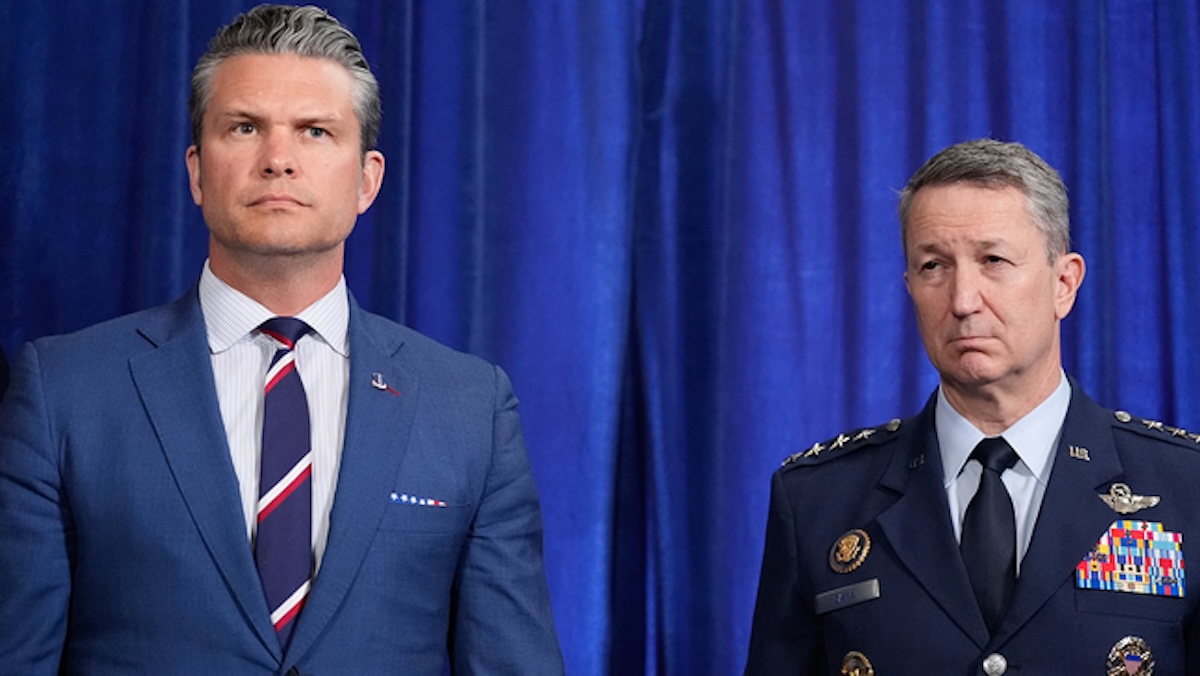
    A significant confrontation has emerged between the U.S. Department of Defense and artificial intelligence company Anthropic over military applications of AI technology. Defense Secretary Pete Hegseth has issued an ultimatum to the AI firm, threatening removal from defense supply chains if it refuses to allow unrestricted military use of its technology.

    The tension escalated during a Tuesday meeting at the Pentagon between Secretary Hegseth and Anthropic CEO Dario Amodei. While described as cordial by sources familiar with the discussion, the meeting revealed fundamental disagreements about ethical boundaries in military AI applications. Anthropic has established clear limitations, particularly regarding autonomous weapon systems and mass surveillance operations.

    Anthropic stated: ‘We continued good-faith conversations about our usage policy to ensure Anthropic can continue to support the government’s national security mission in line with what our models can reliably and responsibly do.’

    The Defense Department’s position maintains that Anthropic should not have authority over how its technology is utilized once provided to military agencies. A senior Pentagon official indicated that failure to comply by Friday evening could trigger invocation of the Defense Production Act, potentially forcing Anthropic executives to permit unlimited Pentagon usage on national security grounds.

    This conflict represents a broader ethical debate within the AI industry regarding military partnerships. Anthropic, creator of the Claude AI chatbot, has consistently positioned itself as more safety-oriented than competitors. The company regularly publishes safety reports and has acknowledged previous weaponization of its technology by malicious actors.

    The current dispute follows revelations that Anthropic’s technology was used through contractor Palantir in the operation leading to former Venezuelan President Nicolás Maduro’s capture. As one of four AI companies awarded Pentagon contracts last summer—alongside Google, OpenAI, and xAI—Anthropic was previously the first tech company approved for classified military networks.

    Industry observers note the situation reflects a fundamental breach of trust between the parties. Emelia Probasco, Senior Fellow at Georgetown University’s Center for Security and Emerging Technology, emphasized: ‘They need to get to a resolution. We should be giving the people we ask to serve every possible advantage.’

    The outcome of this standoff could establish important precedents for how AI companies balance ethical principles with national security requirements and government partnerships.

  • Discord delays age verification plans after user outcry

    Discord delays age verification plans after user outcry

    Discord has announced a significant delay to its controversial age verification initiative, postponing the global rollout from March to the latter half of 2024. The decision comes after widespread user backlash against the platform’s proposed verification methods, which initially required facial recognition or government ID scans.

    Chief Technology Officer Stanislav Vishnevskiy acknowledged the community’s concerns in a recent blog post, stating that the company failed to adequately communicate its intentions and operational processes. “We knew this rollout was going to be controversial,” Vishnevskiy wrote. “In hindsight, we should have provided more detail about our intentions and how the process works.”

    The platform is now developing alternative verification options that avoid biometric or identification document requirements. One method under consideration involves credit card verification, though specific implementation details remain undisclosed.

    Discord’s move toward age verification stems from increasing regulatory pressure across multiple jurisdictions. The platform is aligning with anticipated regulations in the UK, Australia, EU, Brazil, and various US states regarding youth access to social media. Despite these compliance needs, Discord emphasizes that less than 10% of its 200 million monthly users will eventually require age verification due to an existing internal “age determination” system.

    This existing system analyzes account longevity, payment methods, server participation, and activity patterns without examining message content or conversations. Users who do require verification would face restricted access to age-sensitive content and default safety settings until completing the process.

    The delay follows several security incidents that eroded user trust. In October 2023, approximately 70,000 user identification photos were potentially compromised through a cyber attack on a previous verification partner. More recently, researchers discovered that Persona, another verification partner, had left thousands of files exposed on the open internet.

    Discord has committed to publishing its age determination methodology before implementing any global verification system and assures users that no verification images will be stored. The platform’s growing teenage user base, which expanded significantly during the pandemic, remains a key focus for these safety measures.

  • Apple says some Mac Mini production will move to the US

    Apple says some Mac Mini production will move to the US

    In a strategic move signaling a shift in global manufacturing priorities, Apple Inc. has announced it will commence production of its Mac Mini desktop computers in the United States for the first time. The technology giant revealed plans on Tuesday for a substantial expansion of its manufacturing facility in Houston, Texas, where it will produce both Mac Mini devices and artificial intelligence servers.

    This decision emerges amid sustained pressure from the Trump administration to increase domestic manufacturing. President Donald Trump had previously singled out Apple, threatening tariff increases if the company failed to relocate iPhone production to American soil. Apple has already absorbed over $3 billion in tariffs during Trump’s second term.

    The announcement represents part of Apple’s broader commitment to invest $600 billion in the United States, as pledged last year. Chief Executive Tim Cook stated, ‘Apple is deeply committed to the future of American manufacturing, and we’re proud to significantly expand our footprint in Houston with the production of Mac mini starting later this year.’

    While Mac Mini computers currently represent less than 5% of total Mac sales and have traditionally been manufactured in Asia, this move symbolizes Apple’s responsiveness to political and economic pressures. The company also plans to establish an advanced manufacturing training center at its Houston location.

    The manufacturing shift comes during a period of trade policy uncertainty. Following the Supreme Court’s recent blockage of many Trump-era import taxes, the administration has proposed implementing a 10-15% global tariff rate.

    Financial markets responded positively to the announcement, with Apple shares climbing more than 2% on Tuesday. However, analysts caution that substantial changes to Apple’s extensive supply chain—which generates approximately half its revenue from iPhones manufactured in China, Vietnam, and India—will require significant time and strategic planning.