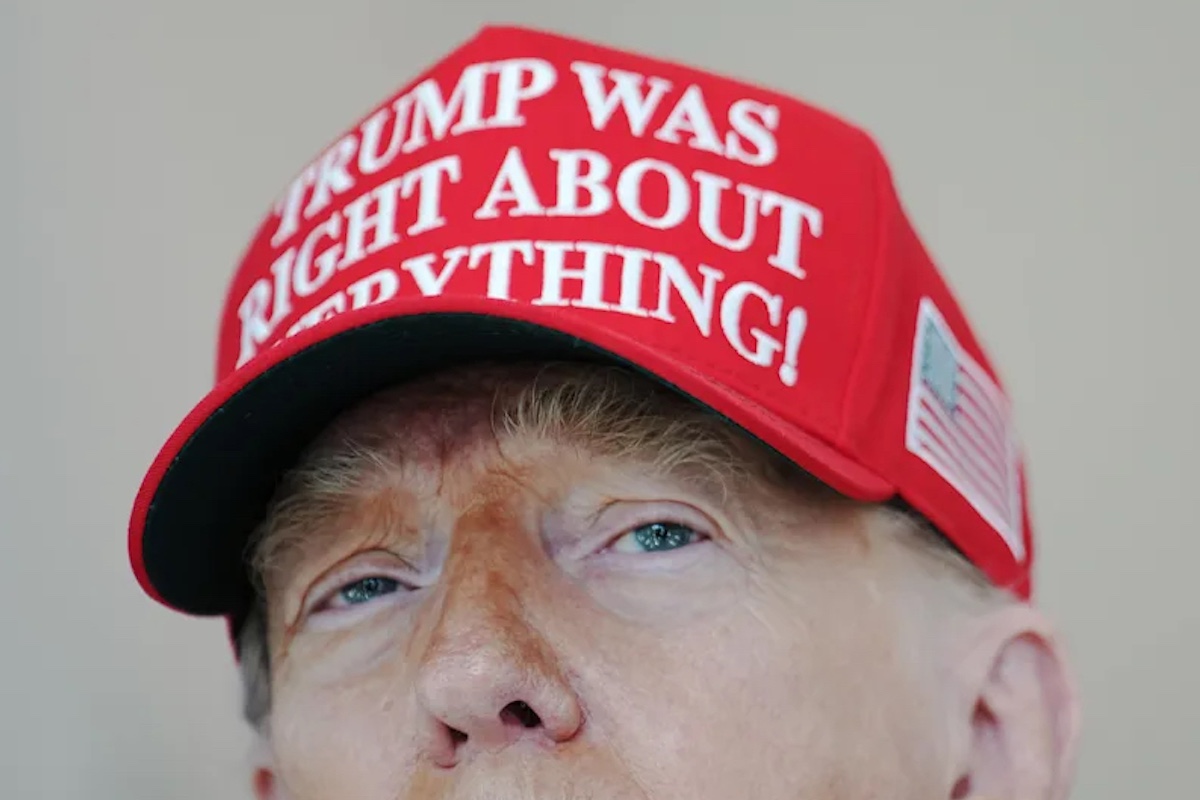
President Donald Trump’s second term in office is facing significant public disapproval, with his approval ratings hitting record lows. Recent polls reveal a growing dissatisfaction among Americans, particularly regarding the economy, which has become a central issue driving negative sentiment. Despite seemingly stable macroeconomic indicators such as employment and inflation, consumer confidence has plummeted, reaching levels comparable to the post-pandemic inflation peak in 2022.
标签: North America
北美洲
-

Colombian coffee brews up a buzz in China’s market
Colombian coffee is making significant inroads into China’s burgeoning specialty coffee market, driven by increasing demand and a growing appreciation for high-quality Arabica beans. Sebastian Ortiz, a renowned Colombian barista and roaster known as ‘Bozo,’ has observed a notable shift in the industry, with China emerging as a key destination for Colombia’s premium coffee exports. This trend is supported by one of the best coffee crops in recent years, which has boosted production and export volumes. China, which ranked as Colombia’s 18th export destination in 2019, surged to become the sixth-largest by 2023, importing approximately 540,000 60-kilogram bags. In the first quarter of 2024, China climbed to the second-largest importer of Colombian coffee, reflecting its rapidly expanding market. According to a report by iiMedia, China’s coffee imports grew by 130,800 tons between 2020 and 2024, a 6.5-fold increase, with the market projected to reach 1 trillion yuan ($141 billion) this year. Domestic coffee chains like Luckin Coffee and Cotti have played a pivotal role in this growth, competing with global giants like Starbucks. Ortiz attributes this success to China’s vast population and its openness to new coffee customs, particularly the preference for softer, nuanced flavors found in Colombian Arabica beans. Chinese consumers favor medium or light roasts, which highlight delicate floral notes rather than intense flavors. Juan Esteban Cardona Yepes, commercial director of Mantagro, a coffee producer and exporter, noted that China’s demand is primarily for green coffee beans, which are locally roasted by coffee chains. Additionally, the trade relationship between Colombia and China has expanded beyond coffee, with affordable brewing equipment from China gaining popularity among both professionals and home brewers. Colombia, the world’s third-largest coffee producer, is experiencing a strong production year, with output rising 17% to 14.87 million 60-kg bags between October 2024 and September 2025, driven by favorable weather and crop renovation. Export values have also surged, fueled by high international prices and robust demand from China. Ortiz emphasized the growing importance of China’s specialty coffee market, attracting increasing interest from Asian buyers.
-
Former US ambassador sees BRI unlocking Africa’s youth potential
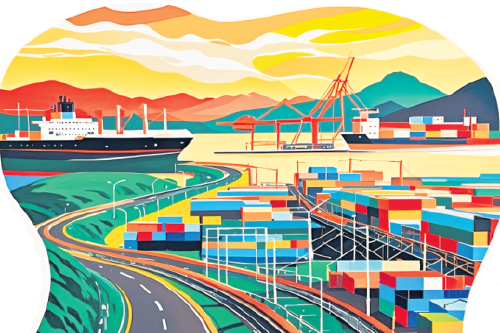
As the Belt and Road Initiative (BRI) marks its second decade in Africa, experts are lauding its transformative impact on the continent’s digital infrastructure, which is poised to harness the potential of Africa’s youthful population for shared economic prosperity. Charles Ray, former US ambassador to Zimbabwe and a seasoned expert on African affairs, emphasized the BRI’s capacity to unlock Africa’s demographic dividend through projects like 5G networks and e-commerce platforms. ‘When implemented thoughtfully, aligning with a country’s capacity and prioritizing job creation and environmental sustainability, BRI-driven digital infrastructure can significantly tap into Africa’s vast demographic potential,’ Ray stated. Since its inception in 2013, the BRI has facilitated over $290 billion in completed construction contracts across Africa, enhancing trade and connectivity through roads, ports, and railways, according to the China Global Investment Tracker. With over 60% of Africa’s population under 25, these investments are crucial in addressing youth unemployment and fostering economic diversification. Ray also underscored the BRI’s potential to exemplify multilateralism through economic collaboration rather than political imposition, provided governance risks are mitigated. He advocated for robust policy frameworks to ensure transparency and sustainability in BRI projects, emphasizing the importance of assessing a country’s ability to manage foreign debt before finalizing agreements. Recent research, including findings from the Africa-China Centre for Policy and Advisory, debunks the ‘China debt trap’ narrative, with no empirical evidence supporting such claims. Ray highlighted the importance of African nations fostering BRI partnerships based on shared responsibility, local ownership, and equal management voice under local laws. He also noted the potential for US-China collaboration in Africa, advocating for mutually beneficial partnerships that prioritize local capacity building and self-sufficiency. Looking ahead, Ray envisioned the BRI as a catalyst for reshaping Africa-China relations into a model of shared prosperity, emphasizing the need for inclusive growth and long-term partnerships that reflect Africa’s demographic and economic potential.
-

Canada eyes talent amid US curbs on immigration
As the United States tightens immigration policies and reduces research funding, Canada is emerging as a potential beneficiary in the global competition for skilled talent. Experts suggest that the shifting landscape in the US is prompting many highly skilled workers to reconsider their options, with Canada increasingly seen as a viable alternative. Rupa Banerjee, a Canada Research Chair and professor at Toronto Metropolitan University, noted that the US administration’s policies are driving talent to explore opportunities elsewhere. ‘Many individuals who either reside in the US or aspired to move there are now looking at other destinations,’ she told China Daily. The Canadian federal government recently passed a budget that includes a C$1.7 billion commitment over the next decade to attract top international researchers, including scholars from US universities and H-1B visa holders. Banerjee emphasized that this move reflects Canada’s recognition of a unique opportunity to address its long-standing challenges in innovation and productivity. ‘Policymakers understand that this is a great chance for Canada to leverage the turbulence in the US,’ she said. While Canada has traditionally been a second choice for many immigrants, Banerjee believes this perception is changing. ‘Canada is becoming a better and better choice, and it’s up to policymakers to ensure it remains a top destination,’ she added. However, she cautioned that Canada’s research infrastructure and policy framework may not yet be equipped to attract talent at scale. Mikal Skuterud, an economics professor at the University of Waterloo, noted that Canada’s efforts are part of a broader global competition for human capital. ‘Human capital is scarce, and there’s a constant global war for talent,’ he said. Skuterud suggested that Canada could benefit if US policies restrict certain foreign applicants, but he emphasized that the federal funding is more of a political signal than a transformative policy. ‘If the US is closing the door on some people, maybe Canada can open its door,’ he said. Despite the potential advantages, both experts agree that Canada must focus on long-term strategies to fully capitalize on this opportunity.
-

Fugees rapper Pras Michel sentenced to 14 years in prison for illegal lobbying
Prakazrel ‘Pras’ Michel, a former member of the Grammy Award-winning group Fugees, has been sentenced to 14 years in prison for his involvement in a high-profile political corruption case. The 53-year-old musician was convicted in April 2023 on multiple charges, including acting as an unregistered foreign agent, witness tampering, campaign finance violations, and lying to banks. U.S. District Judge Colleen Kollar-Kotelly delivered the sentence in a Washington, D.C., court on Thursday, despite prosecutors’ recommendation of a life sentence. Michel, who testified in his own defense during the trial, chose not to address the court during sentencing. His attorney, Peter Zeidenberg, criticized the verdict as ‘unsupported by the evidence’ and vowed to appeal, calling the sentence ‘completely disproportionate to the offense.’ The case centered on Michel’s alleged role in funneling over $100 million from Malaysian billionaire Jho Low to influence U.S. politics between 2012 and 2017, spanning the administrations of Barack Obama and Donald Trump. Michel was also accused of lobbying on behalf of the Chinese government. Prosecutors argued that Michel ‘betrayed his country for money,’ exploiting and deceiving various U.S. government entities, including the White House and FBI. The trial featured testimony from Hollywood star Leonardo DiCaprio and former U.S. Attorney General Jeff Sessions. Michel’s co-defendants received significantly lighter sentences, with Elliott Broidy pardoned, George Higginbotham receiving three months of probation, and Nicki Lum Davis sentenced to 24 months. The case also highlighted the broader 1MDB scandal, in which Low allegedly embezzled $4 billion from Malaysia’s sovereign wealth fund. In June 2024, the U.S. Justice Department reached an agreement with Low to return over $100 million to Malaysia. Michel’s case has raised questions about the enforcement of the Foreign Agents Registration Act (FARA), which has seen narrowed prosecutorial scope under Attorney General Pam Bondi’s recent memorandum.
-

Brazil hit by tariff uncertainty
Brazil, a key player in South American trade, is facing significant economic uncertainties due to the unpredictable tariff policies of the United States. Despite recent efforts to ease trade tensions between China and the US, the lingering effects of the US-initiated trade war continue to disrupt global markets and undermine investor confidence. Raquel Nadal, Deputy Secretary for Macroeconomic Policy at Brazil’s Ministry of Finance, emphasized the lack of predictability in trade conditions, which is stifling investment and growth. ‘If you cannot foresee the terms and conditions of your exports, you hesitate to invest. These tariffs are highly detrimental,’ Nadal stated. She highlighted the risks posed to Brazil’s trade surplus with China, particularly concerning soybean exports, which could suffer if China leverages soybean sales in negotiations with the US. Vivian Fraga, a regulatory affairs expert at TozziniFreire, noted that the US tariffs have far-reaching consequences, reshaping global supply chains and increasing costs across industries. Even companies not directly involved with the US are affected as the ripple effects spread worldwide. Evandro Menezes de Carvalho, an international law professor at Fluminense Federal University, criticized the US trade war for contradicting the principles of the World Trade Organization, which promotes tariff reduction to boost international trade. Carvalho pointed out China’s resilience in handling the tariff wars, forcing the US to reckon with the economic costs of its policies. He also predicted ongoing fluctuations in US-China relations, driven by competition for technological dominance and contrasting approaches to globalization. ‘We are witnessing a US-driven deglobalization and a China-led re-globalization through multilateralism,’ Carvalho remarked. As Brazil navigates these challenges, the broader implications for global trade and economic stability remain a pressing concern.
-
New US rules say countries with diversity policies are infringing human rights
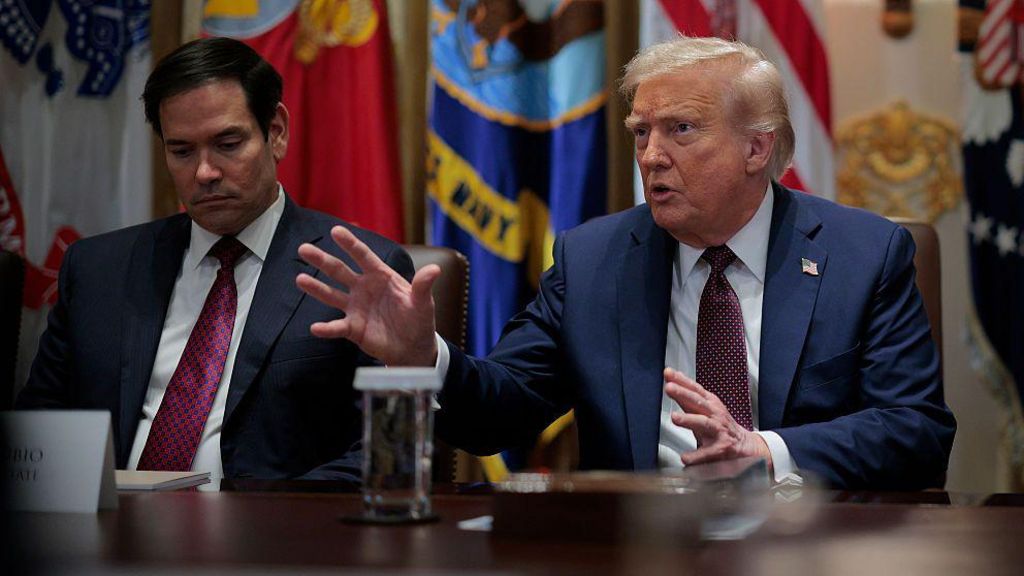
The Trump administration has introduced a controversial shift in its approach to global human rights, now classifying countries that enforce diversity, equity, and inclusion (DEI) policies, subsidize abortion, or facilitate mass migration as violators of human rights. The State Department has issued new guidelines to U.S. embassies and consulates, instructing them to include these practices in the annual report on global human rights abuses. These changes, described as a tool to ‘change the behavior of governments,’ have drawn sharp criticism from human rights advocates, who argue that the administration is redefining long-standing principles to advance its ideological agenda.
-

Fire erupts at UN’s COP30 climate talks in Brazil, forcing evacuation
A sudden fire broke out at the United Nations COP30 climate conference in Belem, Brazil, on Thursday, causing chaos and forcing delegates to evacuate the premises. The blaze erupted in a country pavilion within the event’s ‘blue zone,’ sending thick smoke billowing through the venue. Firefighters and security teams responded swiftly, bringing the fire under control without any reported injuries. The cause of the incident remains unknown. The fire occurred during critical negotiations among global ministers, who were attempting to resolve deadlocks on fossil fuels, climate finance, and trade measures. Mauricio Lyrio, head of the Brazilian delegation, confirmed that his team was evacuated mid-meeting and doubted they could return to the site that day. The conference, held in large tents near the Amazon, has drawn tens of thousands of participants. Earlier in the day, UN Secretary-General Antonio Guterres urged negotiators to reach an ‘ambitious compromise,’ emphasizing the global significance of the talks. ‘The world is watching Belem,’ he stated, highlighting the urgency of addressing climate challenges. The incident underscores the high stakes of COP30 as nations strive to finalize agreements before the summit concludes on Friday.
-

Cuter and closer: Raccoons may be on their way to becoming America’s next pet
Raccoons, often affectionately dubbed ‘trash pandas’ for their notorious habit of scavenging through garbage, are showing signs of domestication, according to a groundbreaking study. The research, published in the journal Frontiers in Zoology, analyzed nearly 20,000 photographs and revealed a notable reduction in snout length among urban raccoons compared to their rural counterparts. This physical change mirrors the early stages of domestication observed in cats and dogs. The study suggests that these masked mammals are adapting to human environments, potentially dampening their innate fight-or-flight responses. Raffaela Lesch, a co-author from the University of Arkansas at Little Rock, emphasized that trash plays a pivotal role in this urban domestication. ‘Trash is really the kickstarter,’ she told Scientific American. ‘Wherever humans go, there’s trash — and animals love our trash.’ The study also highlights the ‘domestication syndrome phenotype,’ which includes traits like curly tails, floppy ears, and reduced facial skeletons, commonly seen in domesticated animals. Interestingly, the authors argue that domestication might not always be initiated by humans but could begin naturally as animals adapt to human environments. This process, they suggest, is driven by natural selection, favoring animals with reduced flight responses. As raccoons continue to thrive in both wild and urban settings, they occupy a unique space in American life — cherished as pets in some neighborhoods and viewed as pests in others. Their increasing comfort around humans, coupled with their evolving physical traits, suggests that raccoons might be inching closer to becoming America’s next beloved pet.
-
Will Trump emulate Thailand, Cambodia by punishing lèse-majesté?
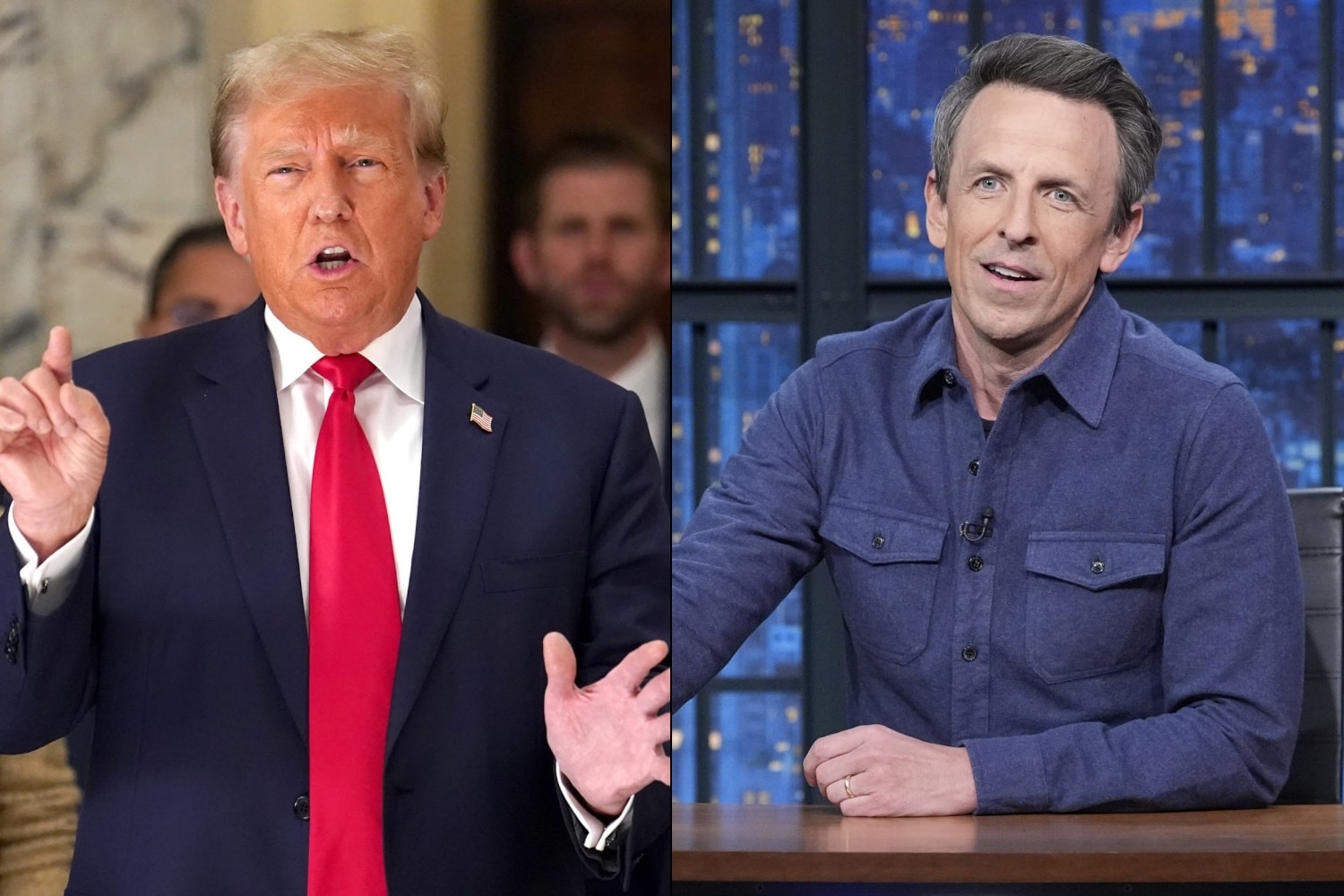
Former President Donald Trump’s recent clash with comedian Seth Meyers has reignited discussions about the boundaries of free speech in the United States. Trump, known for his hypersensitivity to criticism, took to Truth Social to label Meyers’ monologue as “100% ANTI TRUMP, WHICH IS PROBABLY ILLEGAL!!!” He later called for NBC to fire Meyers, a move that was reposted by the chair of the Federal Communications Commission. This incident is part of a broader pattern of Trump’s confrontations with entertainers and comedians, including Taylor Swift, Bruce Springsteen, Jimmy Kimmel, and Stephen Colbert, who have criticized his administration. The situation has raised concerns about the erosion of one of the fundamental tenets of American democracy: freedom of speech. Democrat Senator Edward Markey introduced a resolution rebuking Trump for suggesting that criticism of the president could be illegal, emphasizing that such criticism is a constitutional right and a democratic duty. Republicans blocked the resolution, and Trump’s actions have drawn comparisons to the ancient law of “crimen maiestatis,” which protected Roman emperors from insults, and its later incarnation as “lèse-majesté,” which shielded European monarchs. The debate over free speech has historical precedents, including the Sedition Act of 1798, which criminalized criticism of the president and government, and was so unpopular that it contributed to John Adams’ loss in the 1800 presidential election. The principle of free speech, enshrined in the First Amendment, remains a cornerstone of American democracy, but its preservation requires vigilance. As Lyndon Johnson once remarked, being the target of satire is “part of the price of leadership” in a free nation.