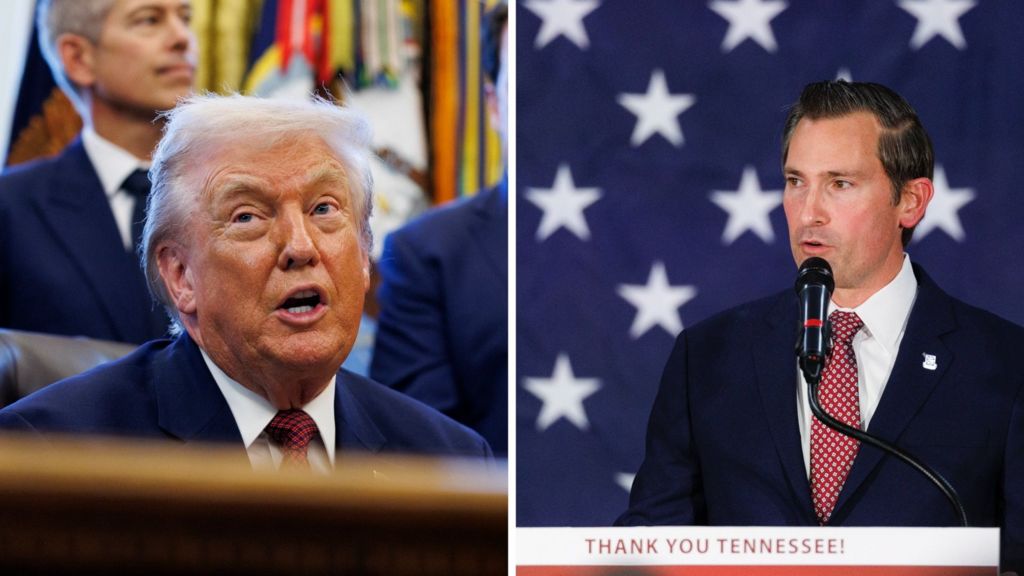
A recent special election in Tennessee has delivered a revealing snapshot of the Republican Party’s evolving political standing. While Republican candidate Matt Van Epps secured victory in the contest, his margin of triumph has sparked considerable analysis. Van Epps’ winning percentage was substantially reduced compared to the previous electoral performance in the same district. Notably, former President Donald Trump had captured this constituency by more than double Van Epps’ victory margin just over a year earlier. Political analysts are examining several factors that may have contributed to this narrowing advantage, including shifting voter demographics, changing political priorities among constituents, and potential recalibration of the Republican message. This electoral outcome serves as a crucial data point for party strategists assessing their position ahead of upcoming national elections. The results suggest that while Republican candidates continue to maintain electoral viability in traditionally strong districts, their support base may be undergoing significant transformation that could influence future campaign strategies and policy platforms.
标签: North America
北美洲
-

Trump administration to roll back fuel economy rules set under Biden
The Trump administration has announced a significant rollback of stringent fuel economy regulations established during the Biden presidency, marking a substantial policy reversal that alters the trajectory of America’s automotive industry. President Donald Trump unveiled the proposal at the White House, characterizing the previous standards as economically burdensome and technically unachievable while asserting they compromised vehicle quality.
The revised regulations substantially moderate the ambitious targets set by the prior administration. Instead of mandating automakers achieve approximately 50 miles per gallon across their fleets by model year 2031, the new framework through the National Highway Traffic Safety Administration proposes a standard of roughly 34.5 miles per gallon. This represents a dramatic reduction from the previously mandated 2% annual efficiency improvements for passenger vehicles.
Industry leadership expressed strong support for the policy shift. Ford CEO Jim Farley, present at the announcement, praised the change as a ‘victory of common sense’ that aligns with consumer preferences. Conversely, environmental organizations condemned the move as regressive, warning of increased greenhouse gas emissions and public health consequences. Transportation remains the largest source of U.S. greenhouse emissions, accounting for over 28% of the national total.
The administration is additionally terminating a credit trading program that enabled manufacturers to purchase compliance credits from rivals with superior fuel efficiency, notably benefiting electric vehicle producers like Tesla. Officials criticized this mechanism as artificially supporting the EV market.
The policy revision has ignited intense debate regarding its economic and environmental implications. While the Trump administration projects approximately $1,000 in vehicle cost savings for consumers, environmental advocates counter that families will face substantially higher fuel expenses over time. The original Biden regulations were projected to prevent over 700 million metric tons of carbon dioxide emissions by 2050 while saving owners roughly $600 in fuel costs throughout their vehicle’s lifespan.
The proposal now enters a formal rule-making process, representing a pivotal moment for automotive manufacturing strategies and environmental policy.
-
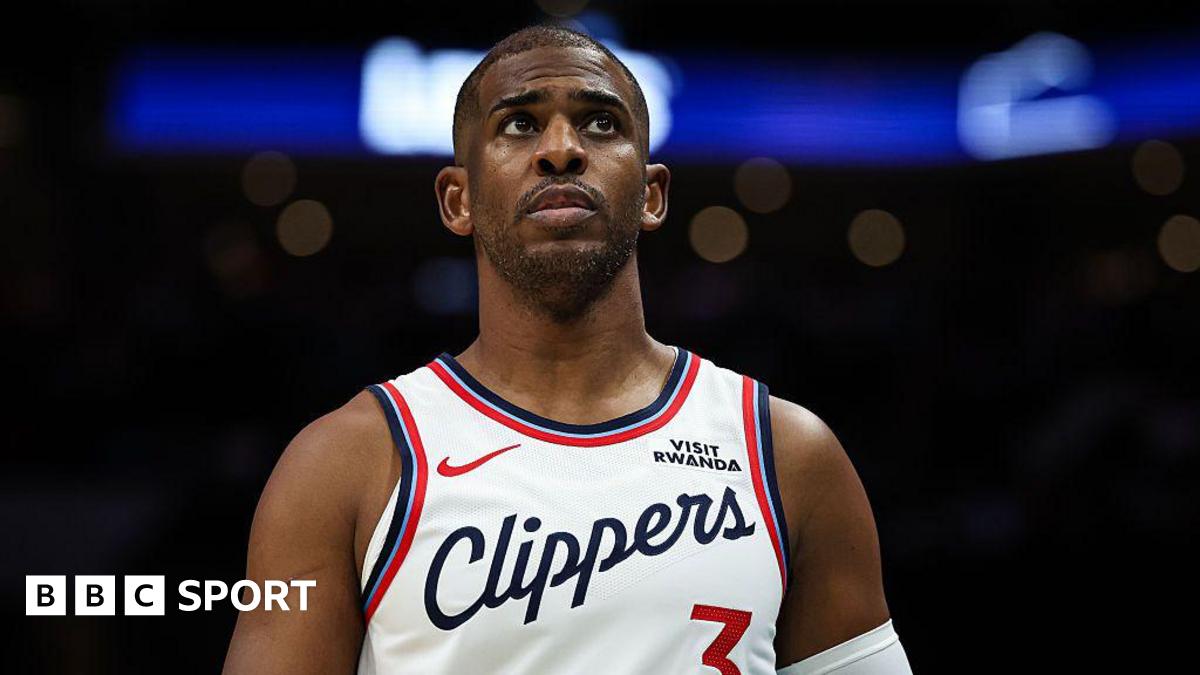
Struggling Clippers release NBA great Paul
The Los Angeles Clippers have made the dramatic decision to part ways with future Hall of Fame point guard Chris Paul as the franchise confronts one of its most challenging starts to a season. The move comes amid a devastating stretch where the team has dropped 14 of its last 16 games, prompting significant organizational changes.
Lawrence Frank, President of Basketball Operations for the Clippers, confirmed the separation in a statement to ESPN, emphasizing that the decision was not a reflection of Paul’s performance. “Chris is a legendary Clipper who has had a historic career,” Frank stated. “I want to make one thing very clear: No one is blaming Chris for our under-performance. I accept responsibility for the record we have right now.”
The 40-year-old Paul, currently in his 21st and final NBA season, took to Instagram to acknowledge the development with a succinct message: “just found out I’m being sent home.” ESPN sources revealed that communication between Paul and head coach Tyronn Lue had completely broken down in recent weeks, creating an untenable situation within the organization.
Paul’s legacy with the Clippers spans two separate tenures—his initial six-season stretch from 2011-2017 that established him as one of the franchise’s most iconic players, and his recent return on a one-year contract signed this past July. Despite his individual brilliance throughout his career, Paul has never captured an NBA championship, reaching the Finals only once in 2021 with the Phoenix Suns before falling to the Milwaukee Bucks.
The veteran guard leaves the game as one of the most statistically accomplished players in NBA history, ranking second all-time in both assists (12,552) and steals (2,728), trailing only legendary Utah Jazz guard John Stockton in both categories.
-

‘Santa isn’t real’ signs spark grinch accusations and police calls in Canada
In an unusual holiday season incident, police in Brantford, Ontario, found themselves mediating a festive philosophical dispute after receiving multiple complaints about anti-Santa signage displayed along the city’s annual Santa Claus parade route. The controversial signs, prominently displayed on a residential window approximately 103 kilometers west of Toronto, declared “Santa is fake” and “Your parents are Santa” in bold black marker, triggering both outrage and amusement within the community.
Law enforcement officials confirmed they had received “a few calls from upset residents” regarding the displays but clarified that the property owner had committed no illegal act. In an official statement, police emphasized that while being a ‘Grinch’ might be socially discouraged, it remains protected under Canada’s free speech laws—especially when expressed on private property. “We do encourage everyone to embrace the spirit of the season and help foster a positive, welcoming community,” a police spokesperson advised, while acknowledging constitutional protections for unpopular opinions.
The incident sparked vigorous debate on social media platforms, with some residents labeling the display “absolutely disgusting” while others questioned the appropriateness of involving law enforcement in what they perceived as harmless expression. This year’s parade, which attracted approximately 30,000 attendees according to local media, proceeded without disruption despite the philosophical provocations.
Historical context reveals this isn’t the first time Santa skepticism has encountered official resistance. In 2018, Texas police arrested a protester for criminal trespassing after he informed children outside a church that Santa wasn’t real. More dramatically, in 1979, Vietnam veteran Richard Dildy was arrested in Toronto for causing a disturbance while wearing a “Down with Santa!” sign at a busy intersection. Dildy defended his actions to the Toronto Star, stating: “All I was saying is that people have to stop lying to their children.”
The Brantford case ultimately concluded without charges, serving as a contemporary reminder that holiday spirit, while culturally encouraged, cannot be legally mandated—even when it conflicts with cherished childhood myths.
-

The AI frenzy is driving a new global supply chain crisis
A severe shortage of memory chips is triggering a worldwide supply chain crisis, pitting artificial intelligence giants against consumer electronics manufacturers in a fierce competition for limited components. This supply squeeze spans the entire memory spectrum—from basic flash chips utilized in USB drives and smartphones to sophisticated high-bandwidth memory (HBM) essential for powering AI chips in data centers.
Market analytics from TrendForce indicate that prices in certain segments have more than doubled since February, creating a volatile trading environment. The ramifications are being felt globally: Japanese electronics retailers have imposed purchase limits on hard-disk drives, while Chinese smartphone manufacturers are issuing warnings about impending price increases.
Technology behemoths including Microsoft, Google, and ByteDance are engaged in urgent negotiations with leading memory-chip producers Micron, Samsung Electronics, and SK Hynix to secure stable supplies, according to industry sources. The crisis has escalated to the point where average inventory levels for dynamic random-access memory (DRAM)—critical for computers and phones—plummeted to just two to four weeks in October, down significantly from 13-17 weeks in late 2024.
The current shortage stems from a perfect storm of industry factors. The explosive growth of generative AI following ChatGPT’s 2022 debut prompted memory manufacturers to prioritize production of high-margin HBM chips for AI applications. Simultaneously, heightened competition from Chinese DRAM producers accelerated South Korean firms’ shift toward more advanced products. This production pivot coincided unexpectedly with robust replacement cycles for traditional data centers, PCs, and stronger-than-anticipated smartphone sales.
SK Group Chairman Chey Tae-won highlighted the severity of the situation, stating: ‘We’re receiving requests from so many companies that we’re worried about how we’ll handle them. If we fail to supply them, they could face situations where they can’t do business at all.’
The supply constraints are now manifesting in consumer markets. Realme India’s marketing chief Francis Wong described the memory cost increases as ‘unprecedented since the advent of smartphones,’ noting potential handset price hikes of 20-30% by June. In Tokyo’s Akihabara electronics district, stores are enforcing purchase limits to prevent hoarding, with prices for some memory products doubling within weeks.
Industry analysts project the shortage may persist through late 2027, despite announced capacity expansions by major manufacturers. New production facilities typically require at least two years to become operational, creating an extended timeline for market rebalancing. The prolonged shortage threatens to slow AI-driven productivity gains, delay digital infrastructure projects worth hundreds of billions of dollars, and potentially contribute to broader inflationary pressures across global economies.
-
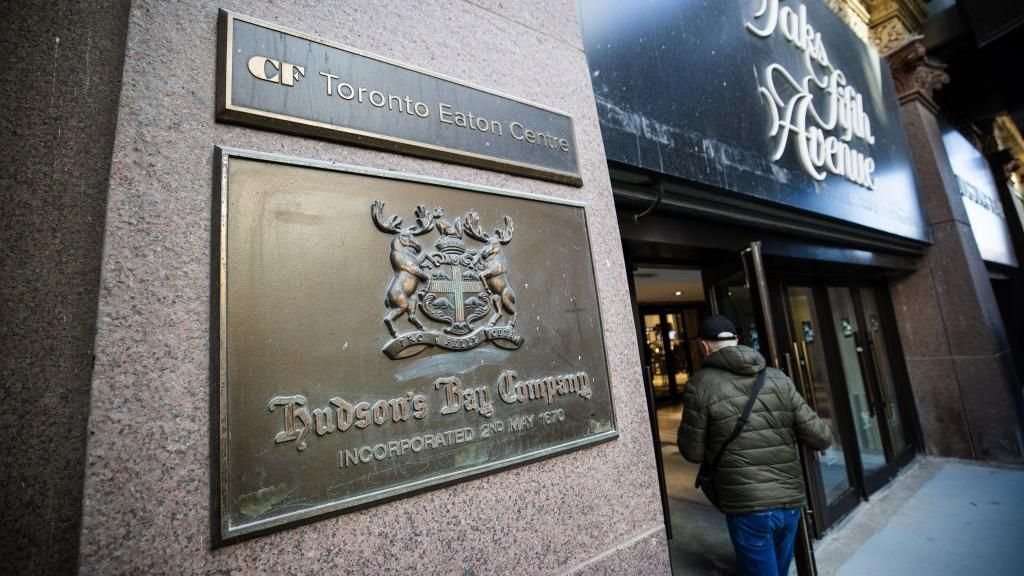
A 355-year-old Royal Charter that survived the blitz auctioned for $13m in Canada
In a landmark transaction preserving Canadian heritage, the 1670 Royal Charter of the Hudson’s Bay Company—one of Canada’s foundational documents—has been acquired for C$18 million (approximately $13 million USD) by a consortium of the nation’s wealthiest families. The 355-year-old charter, which granted the Hudson’s Bay Company extensive governmental powers over vast territories in present-day Canada, reached auction following the corporation’s bankruptcy filing earlier this year.
The successful bid, submitted by entities controlled by the Weston family and David Thomson (chairman of Thomson Reuters), guarantees the historically significant document remains in Canada. Under the acquisition terms, the charter will enter shared custodianship among several prominent Canadian institutions: the Archives of Manitoba, the Manitoba Museum, the Canadian Museum of History, and the Royal Ontario Museum. Additionally, the agreement includes a C$5 million endowment dedicated to stewardship and public education initiatives related to the document, pending final court approval.
Originally issued by King Charles II, the charter empowered the Hudson’s Bay Company to enact laws, establish colonies, and negotiate treaties within territories that now constitute modern Canada. According to Dr. Cody Groat, assistant professor of history and indigenous studies at Western University, this document enabled the company to ‘operate as both a corporation and as a government’ during colonial expansion. It also later provided the legal basis for the company’s 1869 sale of North American territories to Canada—a transaction conducted without Indigenous consent.
The charter’s journey includes storage at Windsor Castle, relocation to company headquarters in London, wartime safekeeping in Hertfordshire during the Blitz, and eventual transfer to Toronto in the 1970s. While most company archives were donated to Manitoba in the 1990s, the charter remained a corporate asset until recent bankruptcy proceedings triggered concerns about its potential departure from public access. The successful bid emerged after sustained public pressure and competitive offers from wealthy families and corporations seeking to donate the artifact to public institutions.
The Hudson’s Bay Company stated the charter will now be managed by institutions committed to ‘working in consultation with Indigenous communities so the Charter’s complex history can be acknowledged, interpreted and shared with all Canadians.’
-
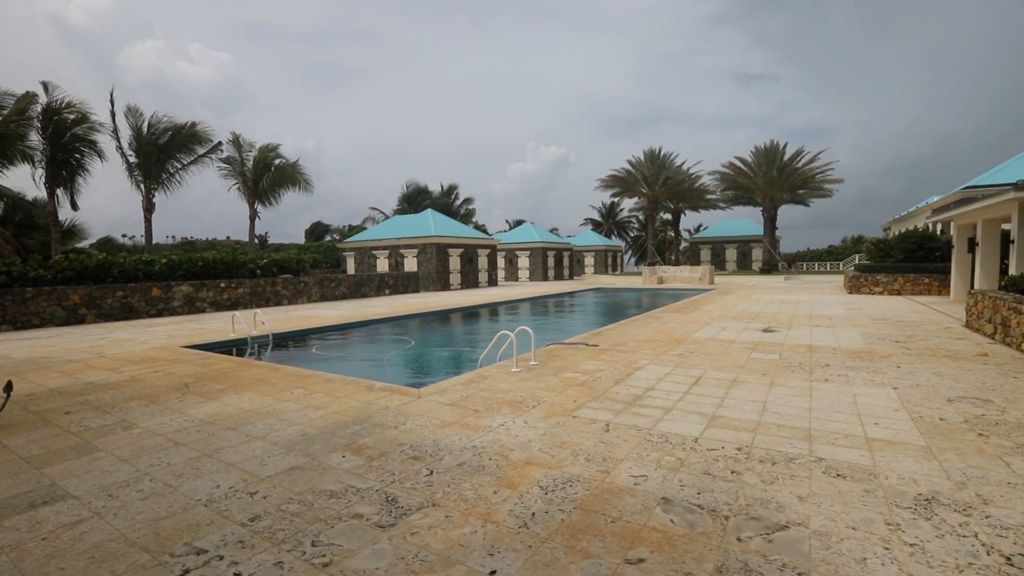
Watch: Newly released video shows Jeffrey Epstein’s private island home
Previously unseen video documentation of Jeffrey Epstein’s secluded Caribbean estate has been made public through congressional action. The footage, originating from the U.S. Virgin Islands where the controversial property is situated, was obtained via official subpoena and released by Democratic lawmakers.
The visual evidence provides unprecedented insight into the secluded complex that served as Epstein’s primary residence during the final years preceding his 2019 arrest. The property, located on Little St. James Island, has been central to numerous investigations into Epstein’s activities and his network of associates.
This disclosure represents the latest development in the ongoing judicial and legislative examination of Epstein’s operations. The release mechanism—a congressional subpoena to Virgin Islands authorities—highlights the continued institutional interest in uncovering the full scope of activities connected to the convicted sex offender’s island property.
The video materials add visual context to previous documentary and investigative reports about the compound, offering lawmakers and the public additional reference points for understanding the environment where alleged criminal activities occurred. This development comes amid continued legal proceedings involving Epstein’s associates and ongoing public interest in the case.
-
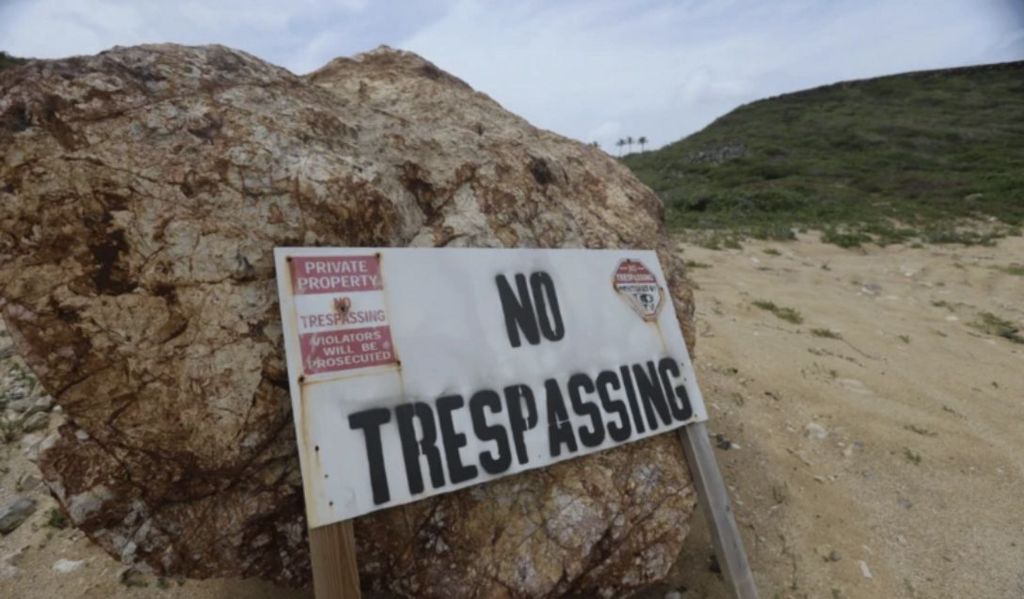
Previously unseen images of Epstein’s island released
In a significant development in the ongoing Epstein investigation, Democratic members of the House Oversight Committee have publicly released previously unseen visual materials from Jeffrey Epstein’s private island compound. The evidence, comprising photographs and video footage, offers a chilling glimpse into the notorious Little St James property in the US Virgin Islands.
The released materials document several bedrooms within the residence, alongside particularly unsettling spaces including a room adorned with masks displayed on walls and a telephone unit featuring names inscribed on speed-dial buttons. Further peculiarities captured include what appears to be a dental chair and a chamber containing a white chalkboard. This board bears terms such as ‘truth,’ ‘deception,’ and ‘political,’ though portions have been deliberately obscured through redaction.
Committee Democrat Robert Garcia characterized the release as a ‘disturbing look’ into Epstein’s world, emphasizing its purpose is to ‘ensure public transparency’ within the congressional investigation. This action follows President Donald Trump’s signing of legislation on November 19th mandating the disclosure of government files pertaining to the convicted pedophile, marking a pivotal moment after protracted disputes over these documents.
The visual evidence originates from a formal request submitted to the US Virgin Islands Attorney General on November 18th, seeking information related to investigations into Epstein and his incarcerated associate, Ghislaine Maxwell. While providing a tangible connection to the location where multiple survivors allege they were trafficked and abused, the materials are noted to offer limited new factual insights, instead serving primarily to illustrate the opulent setting of the crimes.
This disclosure occurs alongside the committee’s acquisition of financial records from institutions including JP Morgan and Deutsche Bank, which are slated for public release in the coming days. It also coincides with mounting pressure on the Trump administration to facilitate the comprehensive release of Justice Department files, a process governed by a 30-day deadline concluding on December 19th.
However, potential obstacles to full transparency persist. The enacted legislation permits the Justice Department, under Attorney General Pam Bondi, to withhold documents that might compromise active federal investigations or prosecutions, provided such actions are ‘narrowly tailored and temporary.’ Furthermore, provisions allow for the redaction of victim identities, medical records, and other personally identifiable information to prevent unwarranted invasions of privacy. These safeguards introduce the possibility of delays or partial disclosures, particularly amid calls from Trump for investigations into Epstein’s connections with prominent Democratic figures.
-
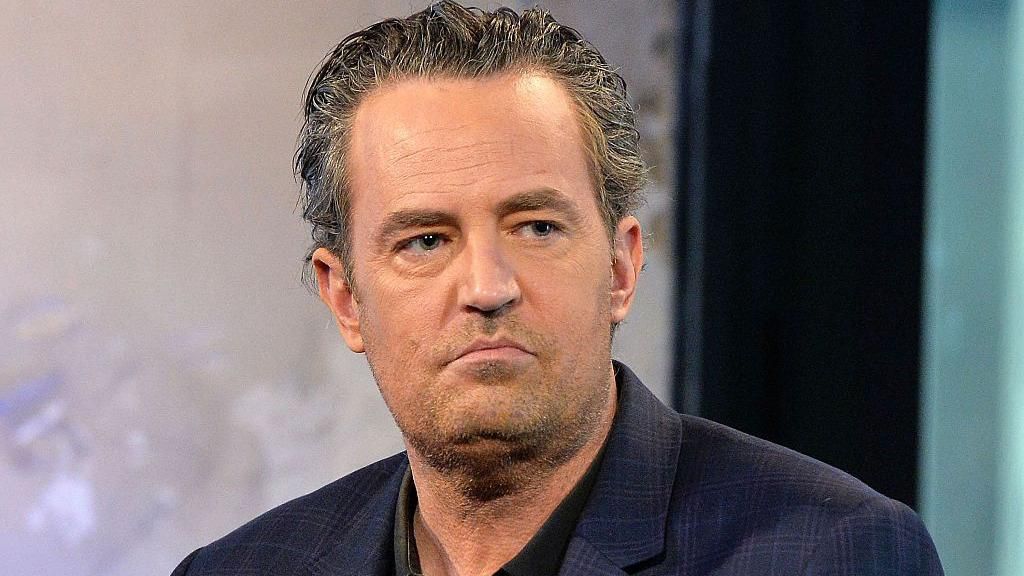
‘Our only son’ – Matthew Perry’s parents want lengthy sentence for doctor who supplied ketamine
The parents of late ‘Friends’ actor Matthew Perry have submitted emotionally charged victim impact statements to a California court ahead of the sentencing of Dr. Salvador Plasencia, who pleaded guilty to distributing the ketamine that contributed to Perry’s fatal overdose in October 2023.
In separate filings submitted Wednesday, Perry’s family members expressed profound grief and outrage at the medical professional’s actions. His father John Perry and stepmother Debbie described how the loss had ‘devastated’ their family, robbing them of their ‘next patriarch.’ They directly challenged Plasencia’s medical ethics, stating: ‘Matthew’s recovery counted on you saying NO. Your motives? I can’t imagine. A doctor whose life is devoted to helping people?’
Perry’s mother Suzanne and stepfather Keith Morrison, a veteran journalist, employed even stronger language, characterizing Plasencia as a ‘jackal’ who repeatedly violated his Hippocratic oath. Their statement highlighted disturbing text messages included in court records where the physician referred to Perry as a ‘moron’ while negotiating drug payments.
Plasencia represents the first sentencing among five defendants charged in a comprehensive federal investigation into the underground ketamine network that supplied the actor. Court documents reveal Plasencia—known as ‘Dr. P’—not only administered ketamine injections at Perry’s home and in a Long Beach aquarium parking lot but also instructed the actor’s assistant, Kenneth Iwamasa (who also pleaded guilty), on proper administration techniques.
Between September 30 and October 12, 2023, prosecutors state Plasencia supplied twenty 5ml vials of ketamine (100mg/ml concentration), ketamine lozenges, and syringes to Perry and his assistant. This occurred while the actor was legally prescribed ketamine for depression treatment but began seeking excessive quantities beyond medical recommendation.
The investigation uncovered an elaborate drug distribution operation headed by a woman prosecutors dubbed the ‘Ketamine Queen,’ who operated a ‘drug-selling emporium’ from her Los Angeles residence. All five defendants have entered guilty pleas, with Plasencia facing up to 40 years imprisonment—though prosecutors have recommended a three-year sentence.
Perry, renowned for his portrayal of Chandler Bing on the iconic sitcom ‘Friends,’ was discovered deceased in his Los Angeles hot tub on October 28, 2023, following decades battling depression and substance addiction. His family noted the actor had been pursuing recovery and was planning an acting comeback before his tragic demise.
-

What we know about controversial Venezuela boat strike
A controversial U.S. military strike against a suspected narcotics vessel in the Caribbean has ignited significant bipartisan scrutiny in Congress, with emerging details suggesting potential violations of international armed conflict protocols. The incident, which occurred on September 2nd, represents the inaugural operation in an ongoing campaign against drug traffickers that has resulted in over 80 fatalities across Caribbean and Eastern Pacific waters.
President Trump initially announced the operation to reporters in the Oval Office, claiming the vessel was transporting drugs from Venezuela. Later that day, he utilized his Truth Social platform to identify the casualties as members of Tren de Aragua, a Venezuelan gang recently designated as a foreign terrorist organization. The accompanying video footage showed the boat being struck by munitions and erupting in flames.
The narrative grew increasingly complex as administration officials provided conflicting accounts. While Trump asserted the vessel was destined for the United States, Secretary of State Marco Rubio initially suggested it was headed toward Trinidad or other Caribbean nations, later revising his statement to align with the president’s claim. Defense Secretary Pete Hegseth maintained he witnessed the strike live and authorities knew precisely who occupied the vessel.
The situation escalated dramatically on November 28th when The Washington Post reported that two individuals had survived the initial strike, only to be killed in a subsequent attack allegedly ordered by Hegseth. Both the Defense Secretary and Pentagon spokespersons vehemently denied these allegations, characterizing them as fabricated and inflammatory.
This revelation prompted bipartisan concern among lawmakers. Senator Tim Kaine (D-VA) suggested the reported ‘double-tap’ strike could constitute a war crime if verified, while Representative Mike Turner (R-OH) noted the operation fell completely outside congressional discussions regarding military campaigns.
In a significant development, White House Press Secretary Karoline Leavitt confirmed on December 1st that a follow-up strike had indeed been ordered—not by Hegseth, but by Navy Admiral Frank Bradley, then-commander of Joint Special Operations Command. Leavitt defended Bradley’s decision as legally justified and within his operational authority.
During extensive White House deliberations, Hegseth acknowledged observing the initial strike but attributed his inability to identify survivors to the ‘fog of war’ and extensive wreckage. President Trump subsequently distanced himself from the secondary strike decision while maintaining support for his defense secretary and characterizing the entire operation as a singular engagement.
Legal experts have raised serious concerns, with former Air Force Secretary Frank Kendall suggesting that under normal circumstances, such actions would warrant court-martial proceedings. With mounting political pressure, Admiral Bradley was scheduled to brief lawmakers behind closed doors on December 4th regarding the operational details.