标签: North America

北美洲

  • Medical or a PR exercise? Why presidents get annual check-ups

    Medical or a PR exercise? Why presidents get annual check-ups

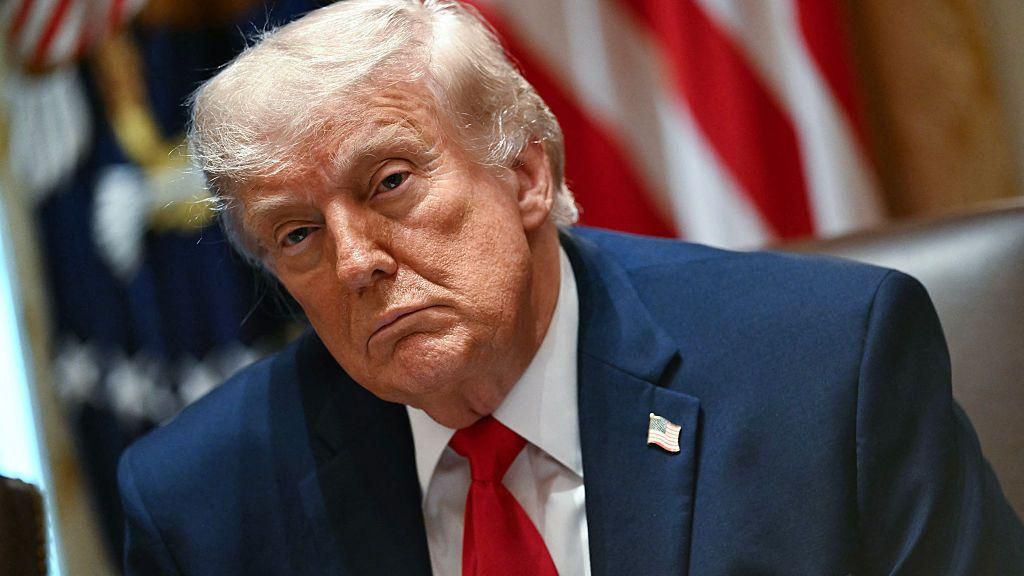
    For decades, the annual physical examination of the sitting U.S. president has evolved into far more than a routine health check—it is a tightly choreographed political ritual that sits at the intersection of public accountability, national security, and perceptions of executive power.

    Today, amid the election of two of the oldest presidents in American history back-to-back, public and political scrutiny of these check-ups has reached a fever pitch. The conversation traces back to a long-running tradition: every modern U.S. president makes the short trip from the White House to Walter Reed National Military Medical Center for a yearly physical, a practice as much about projecting political vitality as it is about tracking personal health. “Americans historically have wanted masculine, vigorous presidents,” explained Dr. Matt Dallek, a political historian at George Washington University. A clean bill of health, released publicly, is one of the most visible ways a commander-in-chief can demonstrate they are physically and mentally capable of holding the most powerful office on Earth.

    This dynamic has been central to former president Donald Trump’s public image, even as he approaches his 80th birthday. Just weeks out from turning 80, Trump completed his 2026 annual physical, and the White House subsequently released a memo from his personal physician declaring the president in “excellent health” with strong cardiac, pulmonary, neurological and overall physical function. The document confirmed Trump is “fully fit to carry out all duties of the commander-in-chief and head of state”, though it did include a recommendation that he increase regular exercise and adjust his diet to lose weight. The memo also publicly released Trump’s full vital statistics: standing 75 inches (191cm) tall, he weighs 238 pounds (108kg), has a resting heart rate of 73 beats per minute, and a blood pressure reading of 105/71 mmHg. It addressed recent public speculation about visible bruising on Trump’s hand, attributing the marks to minor soft tissue irritation from frequent handshaking and his daily aspirin use for cardiovascular prevention, and noted Trump’s lifelong abstinence from tobacco and alcohol. Shortly after the results were released, Trump posted on his Truth Social platform that “everything checked out perfectly.”

    Even so, questions about the transparency and reliability of presidential health disclosures have persisted for more than a century, long before the current era of advanced age in the Oval Office. Unlike many public officeholders, U.S. presidents face no legal requirement to release full medical records, and they are protected by the same federal health privacy laws that apply to all American citizens. This has allowed for deliberate concealment of serious health crises throughout history: in 1919, President Woodrow Wilson suffered a devastating stroke that left him largely incapacitated for the final year of his term, with his wife effectively stepping in to make major presidential decisions while his physician and staff covered up the full severity of his condition. Decades later, Franklin D. Roosevelt’s paralysis from polio was consistently downplayed by White House officials, who hid his reliance on a wheelchair from the public until his death in office in 1945.

    It was not until the 1960s, during Lyndon B. Johnson’s administration, that any U.S. president formally publicly announced the results of a routine physical. That shift came in the wake of President John F. Kennedy’s assassination and amid rising Cold War tensions, when questions about a leader’s fitness to govern took on new urgency. In the 1970s, President Gerald Ford went a step further, overruling his own physician’s objections to release partial medical details to the public. “I feel fit as a fiddle. Getting healthier every day,” Ford told reporters after his 1976 check-up, noting he swam daily to maintain his physical condition. Still, gaps in transparency have continued to spark controversy decades later: President Ronald Reagan only publicly announced his Alzheimer’s diagnosis five years after leaving office, leading to widespread ongoing speculation about his cognitive state during his second term in the White House.

    Medical ethicists argue that even modern disclosures cannot be taken at face value, because presidents are free to select which information to release to the public. “If I were the public, I would ignore that information (released by the White House) entirely,” said Dr. Jacob Appel, a medical ethicist at New York’s Mount Sinai Hospital and presidential health historian. “The president can cherry pick what looks good, and what doesn’t look good.” Beyond political posturing, Appel notes that full transparency also carries national security risks: any health details released to the American public are also accessible to foreign adversaries, giving potential opponents insight into a sitting president’s vulnerabilities.

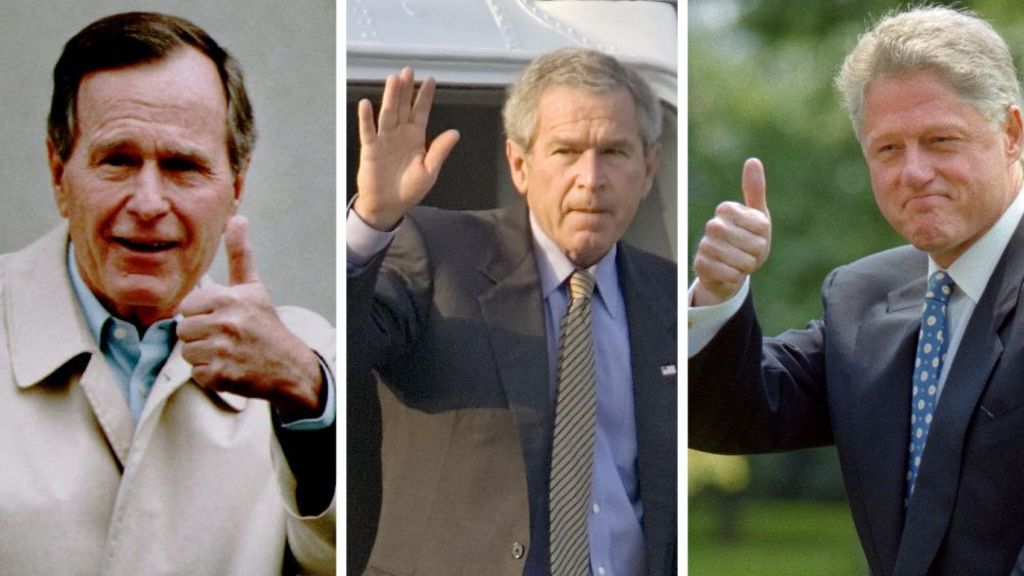
    In recent years, the conversation around presidential health has been drastically amplified by the trend of older leaders holding office. After a generation of relatively young commanders-in-chief—Bill Clinton was 46 at inauguration, George W. Bush was 54, and Barack Obama was 47—the U.S. has elected two of the oldest presidents in its history in rapid succession. Trump was 70 when he first took office in 2017, and 78 when he began his second term in 2025. Joe Biden, who held office between Trump’s two terms, was 78 when he was inaugurated and 82 when he left office, making him the oldest sitting president in U.S. history. During his 2024 annual physical at age 81, Biden joked with reporters, when asked if there were any concerning health issues the public should know about: “Well, they think I look too young.”

    That era of older presidents has “turbocharged” public interest in annual physical results, Dallek said. “The scrutiny of Biden and Trump because of their age operates in a totally different plane. The concerns in the media, in the public, the debates that happen about whether they’re fit to serve, those debates get intensified.” Biden’s declining fitness became a central issue during the 2024 presidential campaign, ultimately forcing him to drop out of the re-election race. After Trump took office for a second term, Trump and congressional Republicans seized on a new tell-all book that alleged Biden White House staffers covered up the true state of Biden’s health to push claims of a deliberate cover-up. A Biden spokesperson pushed back at the time, arguing “evidence of aging is not evidence of mental incapacity.”

    Now, Trump faces the same level of public scrutiny over his own advancing age. Polling conducted before his 2026 physical shows a majority of Americans harbor doubts about his health and cognitive fitness. A Washington Post-ABC-Ipsos poll released in early May found that 59% of respondents do not believe Trump has the mental acuity to serve as president, while 55% doubt his physical health is sufficient for the role. A separate poll from the Economist and YouGov found that nearly half of all Americans believe Trump is too old to hold the Oval Office.
  • US, UK and Australia to develop underwater drone technology

    US, UK and Australia to develop underwater drone technology

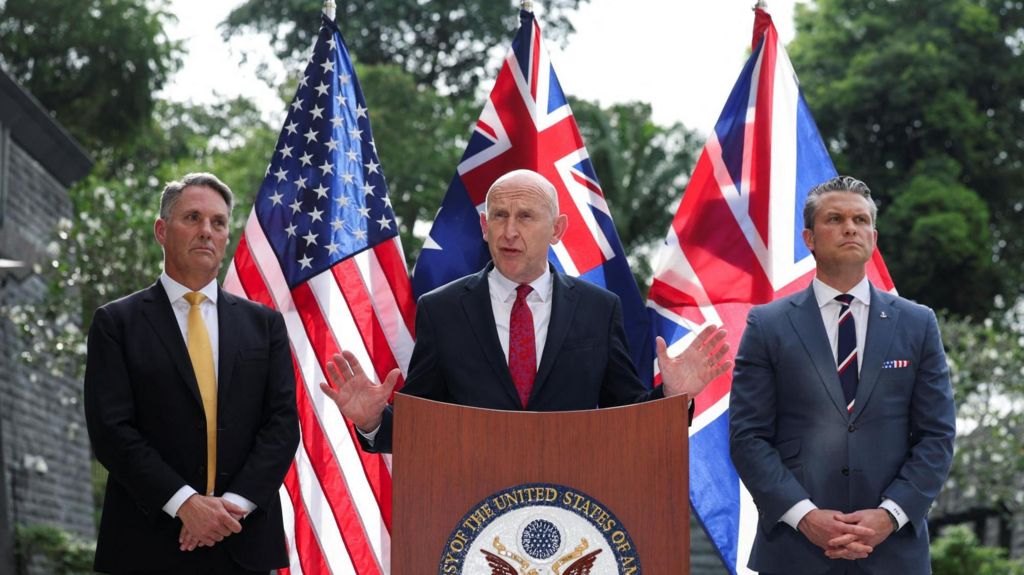
    At the recent Shangri-La Dialogue security summit held in Singapore, defence leaders from the United States, the United Kingdom, and Australia made a landmark announcement for their AUKUS trilateral defence pact: the three nations will jointly develop next-generation uncrewed undersea vehicle (UUV) technology, a project designed to safeguard critical undersea infrastructure and expand collective military capabilities. Scheduled to deliver functional technology by 2027, the initiative marks the first flagship collaboration under AUKUS’s Pillar 2 framework, which focuses on advancing cutting-edge military technologies beyond the alliance’s nuclear submarine program.

    UK Defence Secretary John Healey confirmed that London will commit £150 million ($201 million) to the UUV development effort, while the total overall cost of the project has not been publicly disclosed. The announcement comes amid widespread criticism that AUKUS has failed to deliver tangible progress on its commitments since the pact was first established in 2021. Addressing these concerns directly, Healey acknowledged that “for too long in Aukus, we talked too much and delivered too little”, but stressed that the current governments of all three nations have shifted the alliance into action.

    Since its founding in 2021, AUKUS has centered on two core pillars. Pillar 1 focuses on developing nuclear-powered attack submarines for the Royal Australian Navy, a historic agreement that will see Australia become only the second nation after the UK to gain access to U.S. advanced nuclear propulsion technology. Pillar 2, meanwhile, is dedicated to collaborative development of advanced military capabilities, including long-range hypersonic missiles, artificial intelligence, and undersea robotics. The new UUV project is the first major program to launch under this second pillar.

    According to a joint statement from the three defence ministries, the UUV program will develop cutting-edge payloads and supporting systems for autonomous underwater vehicles that can carry out multiple core missions: protecting critical seabed infrastructure such as undersea cables and pipelines, conducting intelligence surveillance and reconnaissance, supporting logistics operations, and even carrying out offensive strikes. Healey added that the project will also develop custom sensors and weapons systems for the drones, enabling rapid deployment of advanced battle technology to allied forces, while strengthening deterrence across the Pacific, Atlantic, and High North regions.

    The push to protect undersea infrastructure comes amid growing concerns among Western nations over potential threats to subsea cables, which carry an estimated 99% of global intercontinental data traffic and underpin modern global communications and commerce. Just one month before the Singapore summit, Healey publicly accused Russia of conducting covert operations targeting undersea cables and pipelines in waters north of the UK – an allegation Moscow has repeatedly denied. In late 2024, the UK and Norway signed a dedicated agreement to coordinate monitoring and countering Russian submarine activity in the North Atlantic to protect these critical assets. British officials report that Russian naval presence in UK territorial waters has increased by 30% in recent years, with the UK connected to global communications via around 60 undersea cables.

    Beyond Russian activity, Western officials have also raised concerns over Chinese-linked activity near undersea cables. Chinese vessels have been suspected of damaging cables in waters surrounding Taiwan and off the coast of Sweden, and multiple unexplained cable damage incidents have been recorded in the Baltic Sea in recent years. When asked by reporters at the summit whether the UUV project is specifically intended to counter undersea activity by Russia and China, the three defence ministers declined to comment. They also did not respond to repeated questions about whether AUKUS’s overall pace of progress is sufficient to address emerging security threats.

    For the alliance’s flagship Pillar 1 nuclear submarine program, leaders also pushed back against growing criticism over long delivery timelines. The first purpose-built AUKUS nuclear submarines for Australia are not scheduled to enter service until the 2040s, leading to concerns that Australia will face a capability gap as its existing ageing conventional submarines retire before the new vessels are ready. Australian Defence Minister Richard Marles, speaking ahead of the summit, noted that there is no “plan B” for the program, and that the alliance remains committed to moving forward.

    At the summit, U.S. Defence Secretary Pete Hegseth confirmed that the planned rotation of U.S. and UK nuclear submarines through Australian ports remains on schedule, with the first contingent of U.S. Navy personnel set to arrive in Australia by the end of 2025. Marles added that HMAS Stirling, the Royal Australian Navy base in Western Australia, will be fully upgraded to host the rotational submarine force by the end of 2027, and construction work on a dedicated submarine building yard in South Australia is progressing at the required pace to meet delivery targets for the locally built AUKUS submarines.

  • Move over, Heated Rivalry – there’s a new ice hockey romance obsession

    Move over, Heated Rivalry – there’s a new ice hockey romance obsession

    For audiences who thought they had already consumed their full share of ice hockey-centered romantic content this year, a new streaming hit is here to upend that expectation. Earlier this year, the Canadian drama *Heated Rivalry* took the global streaming world by storm after its January UK release, catapulting leads Hudson Williams and Connor Storrie to international fame. Now, just months later, Amazon Prime Video has dropped *Off Campus* — a second ice hockey romance adapted from a hit book franchise — and the streamer confirms it has already claimed the number one spot as its most-watched series worldwide.

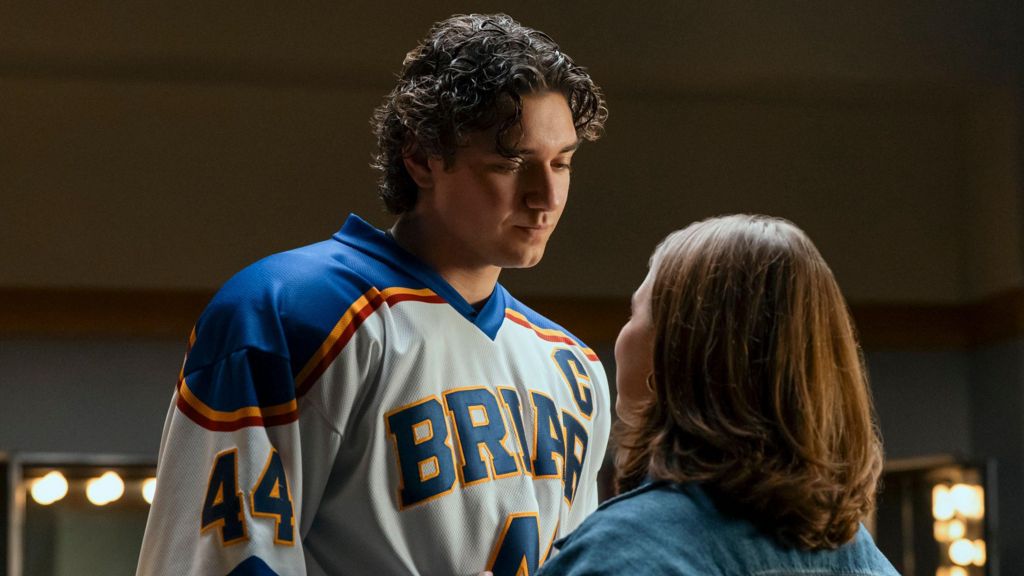
    Based on the massively popular book series by Canadian author Elle Kennedy, which has sold more than 25 million copies globally, *Off Campus* has earned widespread acclaim from fans for its thoughtful storytelling. Set on the campus of a fictional Boston university, the series tracks the romantic entanglements and personal lives of the school’s college ice hockey team, centering the core relationship between star forward Garrett Graham (played by Belmont Cameli) and student Hannah Wells (portrayed by Ella Bright of CBBC’s *Malory Towers* fame). Unlike the one-note, hyper-masculine jock stereotypes that have long dominated sports media, *Off Campus* redefines its male leads as emotionally intelligent, respectful partners who reject outdated tropes.

    Fans and content creators point to the natural synergy between ice hockey as a sport and the romance genre to explain the current boom in these stories. Meagan Carioti, a 27-year-old book content creator, notes that hockey’s reputation as an intense, high-stakes, passionate sport translates seamlessly to romantic storytelling. Sophie Bonser, a 30-year-old British ice hockey fan and social media manager, adds that for audiences outside of North America, the sport carries an inherent novelty that drives curiosity — and its typical low-scoring, tight match structure means every game carries constant tension, perfect for television drama.

    What truly sets *Off Campus* apart from many traditional romance and sports dramas, however, is its unapologetic female-centric perspective. The series doesn’t shy away from exploring topics like female sexual desire, and it has drawn particular praise from women viewers for centering women’s pleasure, comfort, and autonomy. The first season adapts Kennedy’s 2015 and 2016 novels *The Deal* and *The Score*, and handles heavy, real-world themes with nuance: Hannah’s core storyline follows her healing from sexual trauma suffered in high school, with Garrett depicted as a sensitive, patient partner who prioritizes her boundaries and trauma. The show also addresses other serious issues including domestic violence, addiction, and economic insecurity, weaving these narratives into its central romantic arcs rather than sidelining them.

    The series even pushes back against harmful stereotypes, addressing the derogatory term “puck bunny” — used to dismiss female fans as only interested in players, not the sport — while emphasizing its male characters’ commitment to respecting women and upholding consent. For Carioti, the focus on the female gaze, and well-written male characters crafted by a female creator, is unmatched. “I love men written by women, the yearning is just unmatched and it’s the female gaze — what women want — I think is different to what men think women want,” she explains. She also highlights the thoughtful juxtaposition of hockey’s public bravado with the hidden vulnerability of the team’s players, as well as the warm depiction of found family through the teammates’ close bond.

    Even viewers outside the show’s core demographic have been won over. 25-year-old content creator Oliver Zane, whose reaction videos to *Off Campus* have racked up hundreds of thousands of views on TikTok, says he is “not the primary audience” but still a huge fan. He praises female writers for their nuanced character development that makes characters feel more grounded and realistic, and notes that the show’s focus on prioritizing women gave him new insight into women’s lived experiences. Zane adds that the emotionally aware, accountable portrayal of male leads is especially refreshing at a moment when toxic hypermasculinity is increasingly promoted to young men.

    Despite its critical and commercial success, the hockey romance genre is often unfairly dismissed as trivial, “girly,” or overly explicit, dismissed with the derogatory label “hockey smut.” But fans like Carioti and Zane are pushing back against that characterization, pointing out that *Off Campus* weaves important themes of female empowerment and survivor healing into its engaging romantic and sports story. For viewers craving fresh, thoughtful storytelling that balances high-stakes sports action with heartfelt, modern romance, *Off Campus* has already cemented its place as the must-watch streaming hit of the season.

  • No deal announced after Trump meeting to make ‘final determination’ on Iran

    No deal announced after Trump meeting to make ‘final determination’ on Iran

    A high-stakes meeting at the White House’s Situation Room, convened for U.S. President Donald Trump to finalize a proposed 60-day ceasefire extension framework with Iran, wrapped up Friday with no clear announcement of next steps, leaving diplomatic efforts between the two longtime adversaries in limbo. The gathering of Trump and top national security aides came one day after U.S. officials confirmed the two sides had reached a preliminary memorandum of understanding, pending formal approval from both Trump and Iran’s supreme leadership.

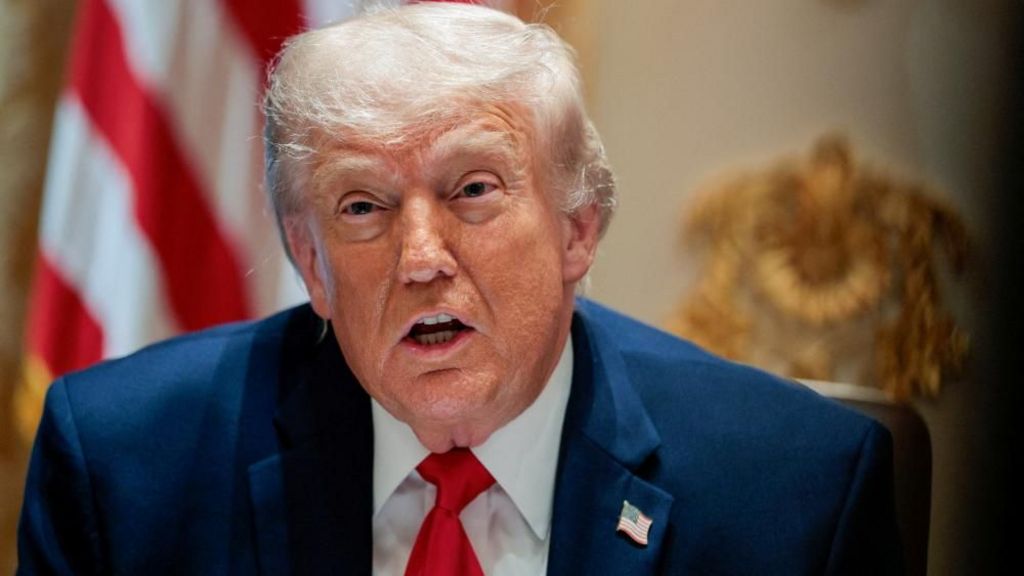
    Ahead of the meeting, Trump laid out three non-negotiable red lines he said any agreement must meet: Iran must make a permanent commitment to never develop or acquire a nuclear weapon, the Strait of Hormuz — one of the world’s most critical global energy chokepoints — must be fully reopened to unrestricted, two-way commercial shipping, and all naval mines deployed in the waterway must be permanently destroyed. He also added that Iran must grant U.S. teams authorization to remove and destroy the country’s existing stockpiles of enriched uranium, adding that no financial sanctions relief would be exchanged until those conditions are met, noting that less contentious provisions have already been agreed by both negotiating teams. In a social media post earlier Friday, Trump also said he was prepared to lift the U.S. blockade of the strait to allow stranded vessels to begin departing for their home ports.

    But Iranian officials have pushed back sharply on many of Trump’s stated terms, directly contradicting the U.S. version of the draft preliminary agreement. Iran’s state-aligned Fars News Agency reported that no provision requiring the destruction of Iranian nuclear materials was included in the memorandum of understanding, and labeled Trump’s latest comments as “a mixture of truth and lies.” Foreign ministry spokesman Esmaeil Baqaei reiterated Iran’s longstanding position that the country will not enter any negotiations over its sovereign nuclear program, saying Tehran’s sole focus is on ending the ongoing armed conflict that began in February. Iran has repeatedly maintained its nuclear program is entirely for peaceful energy and medical purposes, and denies it has ever pursued a nuclear weapons capability.

    Iran’s chief negotiator Mohammad Baqer Qalibaf added Friday that the country places no trust in U.S. verbal guarantees, only tangible action, saying “No action will be taken before the other side acts” and warning that “The winner of any agreement is the one who is better prepared for war the day after.”

    The current ceasefire between the two nations has been in place since April 8, after a sharp escalation of hostilities that began when the U.S. and Israel launched large-scale coordinated strikes on Iranian military and nuclear infrastructure on February 28. Iran responded with missile attacks on Israel and U.S. military assets across the Persian Gulf, and moved to effectively close the Strait of Hormuz — through which roughly 20% of the world’s daily oil supplies pass — sending global crude prices soaring in the weeks that followed.

    In recent days, both sides have repeatedly accused one another of violating the fragile truce. Just this week, Iran’s Islamic Revolutionary Guard Corps launched a missile attack on a U.S. air base in Kuwait, which it said was the staging ground for earlier strikes on Bandar Abbas, a strategic Iranian port city adjacent to the strait. U.S. Central Command condemned the attack as an “egregious ceasefire violation.”

    U.S. Vice President JD Vance told reporters Thursday that negotiators from both sides were still ironing out a handful of remaining sticking points, most notably language related to Uranium enrichment, an issue at the core of decades of tensions between the U.S. and Iran. “We’re not there yet, but we’re very close and we’re going to keep on working at it,” Vance said. A senior White House official confirmed the conclusion of Friday’s meeting to reporters after it adjourned, but declined to share any further details on the internal discussion or a timeline for future talks. For weeks, Trump has repeatedly publicly claimed that Washington and Tehran are close to reaching a historic deal, and that negotiations are progressing smoothly, but as of yet no substantive final agreement has materialized.

  • US judge orders Trump’s name be removed from Kennedy Center

    US judge orders Trump’s name be removed from Kennedy Center

    A federal judge in Washington D.C. has delivered a landmark ruling that blocks the controversial addition of former President Donald Trump’s name to the John F. Kennedy Center for the Performing Arts, ordering the immediate removal of all branding bearing his name within 14 days and halting plans for a two-year closure tied to proposed renovations.

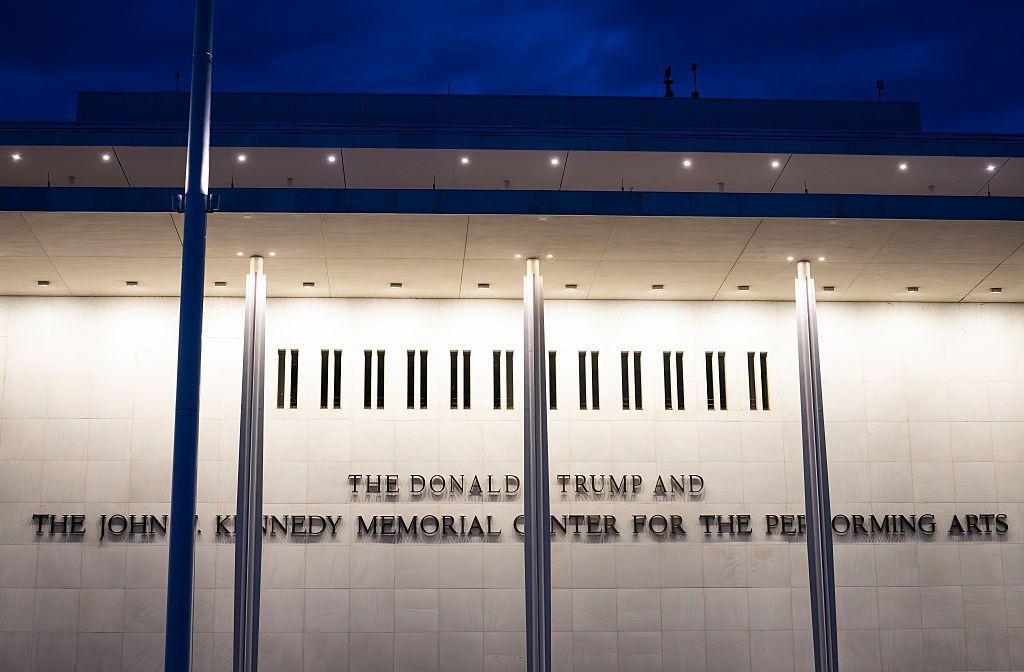
    District Judge Christopher Cooper, an appointee of the Obama administration, laid out a clear legal precedent in his 94-page opinion: Congress established the iconic cultural venue’s original name in 1971, and only the legislative branch holds the authority to alter it. The ruling states that unilateral action by the Kennedy Center’s board of trustees to rebrand the institution violates the center’s founding organic statute, which explicitly reserves naming rights to Congress. The venue was originally opened in 1971 as a permanent memorial to assassinated President John F. Kennedy, and the ruling requires its name to revert fully to its original title: the John F. Kennedy Memorial Center for the Performing Arts.

    The chain of events that led to the lawsuit began in early 2025, when Trump replaced multiple sitting trustees on the center’s board, secured an appointment as a trustee himself, and was subsequently voted in as the board’s chairman. By December of that year, the newly reconfigured board voted to rename the venue the “Donald J Trump and John F Kennedy Memorial Center for the Performing Arts,” and new lettering bearing Trump’s full name was installed on the center’s front portico within 24 hours of the vote.

    The rebranding sparked immediate backlash across the arts and political communities: dozens of scheduled performing artists canceled their upcoming engagements at the venue, and ticket sales dropped sharply in the months following the name change. In February 2026, the board announced a two-year full closure of the center starting on July 4, 2026, framing the renovation project as a tribute to the 250th anniversary of U.S. independence. The project was to be funded with $257 million in congressional funding secured during Trump’s administration.

    The legal challenge was brought by ousted board member Joyce Beatty, a Democratic congresswoman from Ohio, alongside other former trustees, who argued that their voting rights had been unlawfully stripped when Trump replaced sitting board members. The lawsuit was later amended to also challenge the proposed closure and renovation timeline.

    Following Friday’s ruling, Beatty celebrated the decision as a victory for the rule of law and public trust. “The Kennedy Center is an institution that belongs to the American people, not to Donald Trump,” she said in an official statement. “He has desecrated this sacred memorial for his own vanity. I am proud to have fought for the rule of law and to protect this sacred institution.”

    Officials with the Kennedy Center have pushed back against the ruling, announcing plans to immediately appeal the order requiring Trump’s name removal. Roma Daravi, a spokesperson for the center, told CBS News that the board remains confident its actions will be upheld on appeal, noting that the board acted in good faith to recognize what it calls Trump’s historic contributions to the national cultural institution. Daravi also added that the center still faces an urgent need for major renovations, a fact the plaintiff has already acknowledged, and that the $257 million in congressionally approved funding is already in place to complete the work. The center will also review the judge’s ruling on the proposed closure and continue to pursue all legal avenues to advance the restoration project, Daravi added.

  • Multiple artists drop out of US Freedom 250 concert

    Multiple artists drop out of US Freedom 250 concert

    A growing wave of high-profile musical artists have pulled out of the Great American State Fair, a 16-day national celebration planned for Washington D.C.’s National Mall to mark the United States’ 250th birthday, after multiple performers claimed event organizers misled them about the festival’s conservative political origins. The event, scheduled to run from June 25 to July 10, is being organized by Freedom 250, a non-profit group that formally launched last year under the oversight of the former Trump administration, with its chief executive Keith Krach directly appointed by ex-President Donald Trump.

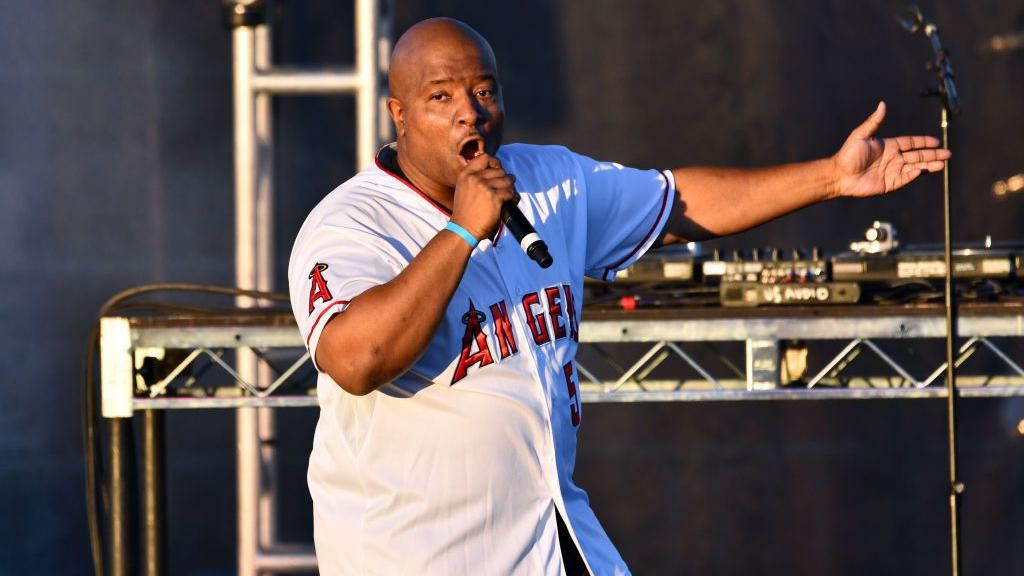
    When Freedom 250 publicly unveiled its full performer lineup Wednesday, artists quickly began severing ties with the event over allegations that they had signed on under false pretenses of a non-partisan national celebration. 1980s hip-hop star Young MC, best known for his chart-topping hit *Bust a Move*, was among the first artists to announce his withdrawal. In a social media post, he explained that performers were never informed of the event’s political connections, adding that he would only perform in the nation’s capital for an event that is not overly politically charged.

    He was soon joined by fellow R&B legend Morris Day, who shared a clear statement on Instagram writing, “Contrary To Rumor, Morris Day & The Time Will Not Be Performing At The ‘GREAT AMERICAN STATE FAIR’” with the simple caption, “It’s A No For Me.” By the following day, more big names had followed suit. Iconic funk group The Commodores announced their exit in a social media post, noting that their music has always stood above partisan politics, and they choose not to formally align with any single political party, adding that their core commitment remains to advancing the well-being of all Americans.

    Country star Martina McBride echoed those concerns, writing on X that she had been offered a spot at what was described as a non-partisan gathering, only to learn that framing was misleading. Rock vocalist Bret Michaels, frontman of 1980s hair metal band Poison, also pulled out, releasing a lengthy statement explaining that what was initially presented as a unifying celebration of the nation had shifted into something far more divisive than what he agreed to join. Michaels also cited unaddressed safety concerns as an additional factor in his decision to withdraw.

    Despite the mass exodus, a handful of artists still plan to take the stage as originally scheduled. Rapper Vanilla Ice, famous for his breakout hit *Ice Ice Baby*, defended his decision to perform in an Instagram video caption, arguing that the event is not a political platform and exists solely to celebrate America’s anniversary. Fab Morvan, one of the original public faces of 1980s pop group Milli Vanilli, will also keep his performance slot – though the act’s original vocalists quickly clarified that they would not appear, noting that any performance under the Milli Vanilli name without them would qualify as a tribute act, a reference to the infamous 1990s lip-synching scandal that brought down the original group. 1990s dance collective C+C Music Factory member Freedom Williams also confirmed he will still perform, even as he made clear he does not support Donald Trump.

    Event organizers Freedom 250 have pushed back on claims of partisan alignment, insisting the non-profit is exclusively dedicated to uniting Americans around the 250th anniversary of the nation’s founding. In a formal statement, the group said it respects the decisions of artists who choose to withdraw, and reaffirmed that it remains strictly non-partisan. As of press time, the organization has not yet announced any updates or changes to the public lineup. Spokeswoman Rachel Reisner said in a statement that the U.S. has too much history and progress worth celebrating to allow political noise and division to overshadow the milestone event, adding that the group is still looking forward to welcoming millions of visitors from across the country to a festival that belongs to all Americans.

    The Great American State Fair is one of several high-profile 250th anniversary events backed by the current White House to mark the 250th anniversary of the signing of the Declaration of Independence this July. Other planned events include a professional UFC fight hosted on the White House South Lawn, a Grand Prix motor race set to take place in Washington D.C. this coming August, and the release of a limited-edition series of commemorative U.S. passports that feature a formal portrait of Donald Trump on the cover.

  • Bus crashes into six cars in Virginia, killing 5 and injuring dozens

    Bus crashes into six cars in Virginia, killing 5 and injuring dozens

    A devastating early-morning bus collision on a major Virginia interstate has left five people dead and dozens more injured, according to official updates from Virginia State Police. The crash unfolded just after 2:35 a.m. local time on Friday near the 146-mile marker of southbound Interstate 95 in Stafford County, where traffic had already slowed to navigate an active road work zone.

    Preliminary investigation findings point to the bus failing to decelerate for the backed-up traffic ahead of the work zone, before slamming into six already-slowed passenger vehicles. All five fatalities were occupants of the vehicles that were struck by the bus, authorities confirmed in an official statement.

    In total, 34 people were transported to regional medical facilities for emergency care, with three patients initially listed in critical condition. Local reporting from CBS News, the BBC’s U.S. media partner, breaks down the distribution of patients across area hospitals: 19 casualties were taken to Mary Washington Hospital in nearby Fredericksburg, where five have already been released and two remain in critical condition as of updates. Another 12 injured people were admitted to Stafford Hospital, and all have since been discharged per CBS accounts.

    The massive crash scene forced the complete closure of all southbound lanes of Interstate 95 for seven hours, with all traffic rerouted around the incident site. Virginia State Police spokesperson Matthew Demlein confirmed to the BBC that the roadway has since fully reopened to traffic. Images released by law enforcement show the heavily damaged bus resting in a grassy easement adjacent to the highway after the collision.

    As of the latest update, investigators have not released details on the purpose of the chartered bus or the identities and affiliations of people on board. Potential criminal or civil charges related to the crash are still pending, per the official police statement. A local media affiliate also reported two additional secondary crashes occurred in the immediate vicinity of the original crash site, though Demlein has declined to confirm or comment on that reporting.

    The investigation into the exact cause of the collision remains ongoing as authorities work to piece together the full sequence of events and confirm all details surrounding the incident.

  • US judge halts Trump’s $1.8bn ‘anti-weaponisation’ fund

    US judge halts Trump’s $1.8bn ‘anti-weaponisation’ fund

    A U.S. federal judge has issued an emergency temporary order blocking the launch of a controversial $1.8 billion government compensation fund designed for people who allege they were targeted for political investigations by former presidential administrations.

    Issued in a concise two-page ruling Friday, the order prohibits the Department of Justice from moving forward with any actions to establish, administer, or distribute funds from the initiative — including accepting, reviewing or processing compensation claims — until a preliminary hearing is held on June 12.

    The fund, branded as the “anti-weaponisation fund” by the DOJ, was announced publicly just one week prior. Its creation stems from a settlement agreement between the Biden administration and former President Donald Trump, crafted to end Trump’s $10 billion lawsuit against the Internal Revenue Service over the unauthorized leak of his personal tax returns. A little-noticed additional provision of the same agreement also permanently blocks the IRS from auditing past tax filings submitted by Trump, his immediate family members, and his business entities.

    Though the official memorandum establishing the fund does not outline clear eligibility criteria for payouts, hundreds of supporters of the former president who faced criminal prosecution for their role in the January 6, 2021 U.S. Capitol riot have already publicly stated they intend to file compensation claims through the program.

    From its announcement, the fund has sparked fierce cross-partisan backlash. Democrats and a number of Republican lawmakers have raised sharp objections, pointing out that the initiative was launched without explicit congressional authorization and would operate with almost no formal congressional or independent oversight. Senate Republican Majority Leader John Thune went on record recently saying he is not “a big fan” of the fund, adding that he remains unclear on how the claims process will even function.

    The legal challenge that prompted Friday’s pause was filed in Virginia by two male plaintiffs who argue the fund is inherently discriminatory. The pair allege they themselves were targeted for political retaliation by the Trump administration, but argue the program’s structure will bar them from accessing any compensation, given the administration’s influence over how claims are adjudicated.

    This lawsuit is not an outlier: it is one of multiple active legal challenges to the fund currently pending before federal courts across the country. Earlier this week, a coalition of 35 retired federal judges submitted an open letter to the judge overseeing the original Trump tax lawsuit, urging her to conduct a deeper, more rigorous review of the full terms of the settlement that created the fund.

    The BBC has confirmed it submitted a request for comment from the White House regarding the court’s ruling, and as of this reporting, no response has been issued.

  • Watch rescue after rollercoaster stalls 100ft in the air

    Watch rescue after rollercoaster stalls 100ft in the air

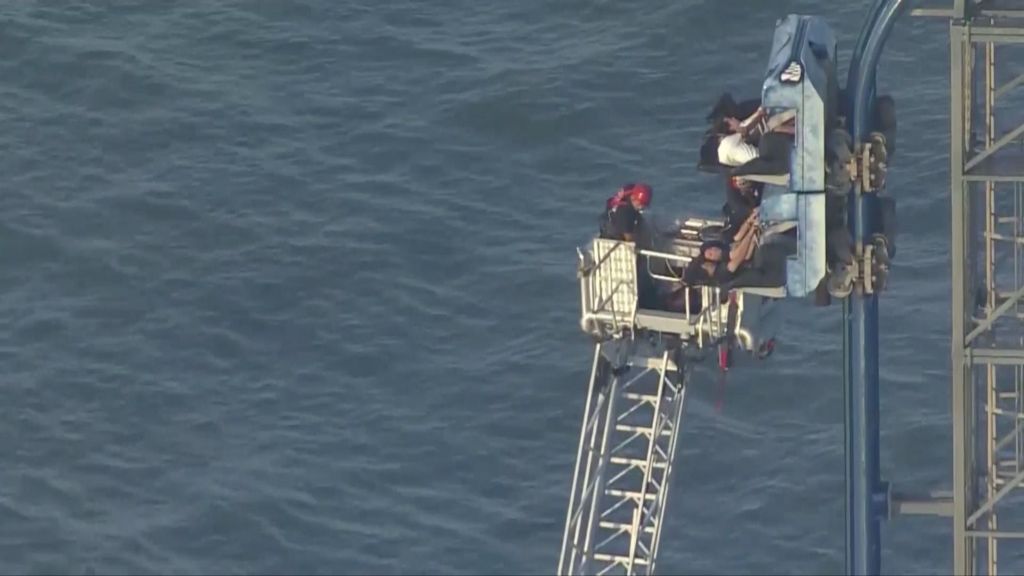
    A tense amusement park incident unfolded when a popular rollercoaster suddenly stalled mid-ride, leaving multiple passengers stranded 100 feet in the air, prompting an urgent large-scale rescue response. Emergency services, including local firefighting teams, were dispatched immediately to the scene after receiving distress calls from park staff and visitors. Over the course of four hours, first responders worked methodically at height to reach each stranded rider, navigating challenging conditions to bring every person back to safety safely. Officials from the amusement park have confirmed that despite the lengthy period of entrapment that left many shaken, no physical injuries were reported among any of the trapped passengers. The park has since launched a full safety inspection of the rollercoaster to identify the root cause of the mechanical failure, and the attraction remains closed pending the results of the review, with additional safety checks scheduled for all other rides as a precautionary measure.

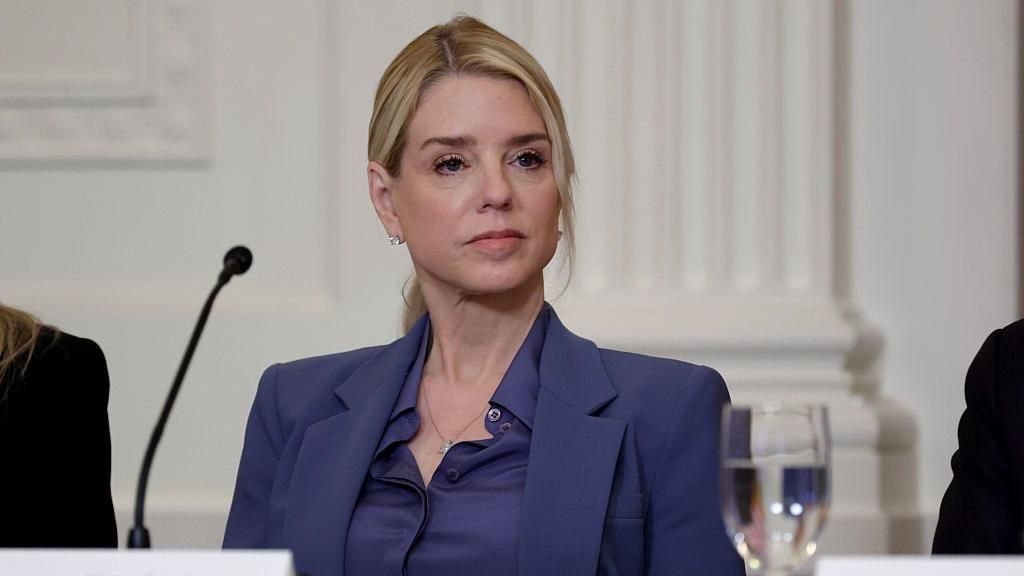
  • Former US attorney general Pam Bondi testifies in congressional Epstein probe

    Former US attorney general Pam Bondi testifies in congressional Epstein probe

    A high-stakes congressional inquiry into the handling of records linked to convicted sex offender Jeffrey Epstein gained traction on Wednesday, as former U.S. Attorney General Pam Bondi appeared before the House Oversight Committee to answer questions about the Justice Department’s release of the long-sought Epstein files.

    Bondi, who was removed from her post as the nation’s top law enforcement official by former President Donald Trump in early April, was compelled to testify under a subpoena issued by the committee in March, just one week before Trump announced her ouster from the role. The closed-door session in Washington D.C. has sparked partisan friction already, with Democrats rejecting the decision to keep the deposition off-camera, while committee Republicans have pledged to leave no stone unturned in uncovering all unreleased records.

    In her prepared opening remarks to the panel, Bondi pushed back against months of bipartisan criticism of the Justice Department’s document release, defending her leadership’s work on the transparency effort. “We demonstrated an unprecedented commitment to transparency in the Department’s search for, collection, and review of the Epstein files, producing nearly 3 million pages of material, including thousands of videos and hundreds of thousands of images,” she stated.

    Committee Chairman James Comer, a Kentucky Republican, opened the inquiry to probe allegations of mismanagement of the Epstein investigation and evaluate the Justice Department’s compliance with the Epstein Files Transparency Act — a bill mandating public release of all unclassified Epstein records that Trump signed into law during his second term. Ahead of Bondi’s testimony, Comer told reporters that multiple consecutive administrations had failed the survivors of Epstein’s abuse, and that Bondi would face sharp questions about why additional records have not been made public. “We’re going to try to determine whether or not there could be more documents legally turned over,” Comer said. “I want every document. I don’t want anything held back and I think the majority of the committee feels the same way.”

    The committee’s top Democratic leader, Representative Robert Garcia of California, voiced frustration over the choice to hold the deposition behind closed doors without a public videotaped record. Garcia said his caucus was “incredibly disappointed” by the decision to block immediate public access to the testimony, a move that has fueled skepticism about the transparency of the inquiry itself.

    Bondi’s subpoena was first initiated in late winter after Republican Representative Nancy Mace of South Carolina publicly accused the Justice Department of orchestrating a cover-up in the Epstein file release, introducing a resolution to compel Bondi’s appearance. This is not Bondi’s first brush with Epstein-related controversy: long before her tenure as U.S. Attorney General, she served as Florida’s top prosecutor during Epstein’s 2008 plea deal, and later joined Trump’s 2020 impeachment defense team.

    The Trump administration and Bondi have endured sustained bipartisan pressure over their handling of the Epstein files, including widespread criticism of missteps that exposed the names of Epstein’s survivors to public view. Epstein, a wealthy financier convicted of sex trafficking offenses, died by suicide in a New York federal prison in 2019 while awaiting a new criminal trial, leaving a trove of unanswered questions about his high-profile connections.

    Controversy around Bondi’s handling of the files flared most recently in 2025: during a February 2025 interview on Fox News, she claimed a list of Epstein’s high-profile associates was “sitting on my desk right now,” only for the Justice Department to walk back the claim that July. Officials clarified at the time that no formal “client list” existed, and Bondi had misspoke when referencing the full case file sitting on her office desk.

    Beyond the Epstein controversy, Bondi’s tenure as Attorney General was marred by accusations from congressional Democrats that she weaponized the Justice Department at Trump’s direction, after the former president publicly called on her to launch aggressive investigations into his political opponents. She was replaced on an interim basis by Todd Blanche, Trump’s long-time personal defense lawyer.

    In a development announced earlier this week, the 60-year-old former AG revealed she has recently been diagnosed with thyroid cancer, and is currently undergoing active treatment that included surgery several weeks ago, she told CBS News, the U.S. media partner of the BBC.

    Following her departure from the Department of Justice, Bondi announced she planned to move into the private sector, but new details emerged this week confirming she has been appointed to the White House’s advisory group for artificial intelligence policy, the Presidential Council of Advisors on Science and Technology (PCAST). This appointment marks the first public confirmation of Bondi’s post-DOJ role in the Trump administration.