标签: North America

北美洲

  • Trump unveils plans for ‘Golden Fleet’ battleships named after himself

    Trump unveils plans for ‘Golden Fleet’ battleships named after himself

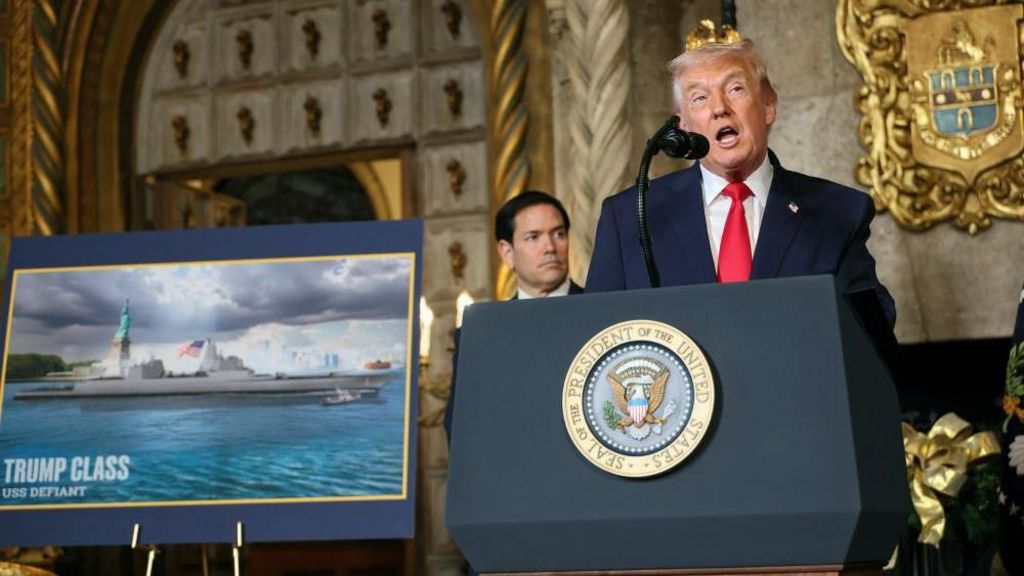
    In a significant military policy announcement, former President Donald Trump has revealed plans for a new class of heavily armed naval vessels to be named in his honor. The revelation came during a press conference at his Mar-a-Lago estate in Florida, where Trump was joined by key administration officials including Defense Secretary Pete Hegseth, Secretary of State Marco Rubio, and Navy Secretary John Phelan.

    The proposed ‘Trump Class’ battleships, designated as USS Defiant models, represent the centerpiece of a comprehensive naval expansion strategy dubbed the ‘Golden Fleet’ initiative. According to Trump, these vessels will incorporate hypersonic weapons systems and advanced lethal capabilities, positioning them as future flagships of the U.S. Naval fleet. Initial construction will commence with two vessels, with ambitions to eventually produce up to twenty-five ships in this class.

    This naval development occurs against the backdrop of growing concerns about American shipbuilding capacity relative to global competitors. Administration officials have repeatedly highlighted China’s dominant position in both naval production scale and commercial shipbuilding output, with Chinese shipyards capturing over sixty percent of global orders this year alone.

    The announcement follows recent Navy disclosures about additional vessel acquisitions based on the Coast Guard’s Legend-class National Security Cutter design. Chief of Naval Operations Daryl Caudle emphasized operational necessities driving these acquisitions, noting that current small combatant vessel inventory stands at merely one-third of required levels.

    The Trump administration’s naval strategy appears focused on domestic industrial revitalization alongside military enhancement. The president emphasized that construction would occur exclusively in American shipyards, potentially generating thousands of manufacturing jobs. This approach continues initiatives from Trump’s previous term, though similar previous efforts like the Constellation-class frigate program faced cancellation in 2024 due to budgetary overruns and scheduling delays.

    Geopolitical context adds urgency to these developments, with U.S. naval and air assets recently deployed to the Caribbean region amid escalating tensions with Venezuela. The administration has linked naval expansion to counter-narcotics operations, claiming successful interdiction of drug trafficking vessels since September operations commenced.

    Despite administrative enthusiasm, the proposed battleship program may encounter scrutiny regarding budgetary implications and strategic necessity, particularly given the Navy’s ongoing transition toward distributed maritime operations and unmanned vessel integration.
  • US regulator approves pill form of Wegovy weight-loss drug

    US regulator approves pill form of Wegovy weight-loss drug

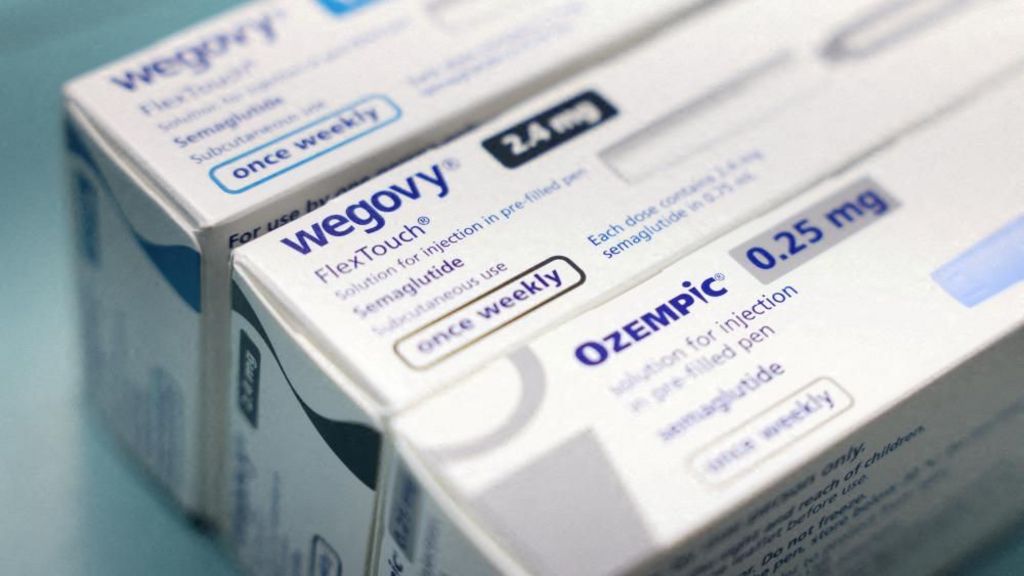
    In a landmark decision for obesity treatment, the U.S. Food and Drug Administration has granted approval to pharmaceutical giant Novo Nordisk for a pill formulation of its widely-used weight-loss medication Wegovy. This development marks a significant advancement in the growing field of GLP-1 receptor agonists, which have revolutionized weight management therapies.

    The newly approved oral medication represents the first pill version of a GLP-1 drug specifically approved for weight loss, offering patients a convenient alternative to injectable formulations. According to Denmark-based Novo Nordisk, the once-daily tablet delivers comparable weight reduction results to its injectable counterpart while eliminating the need for regular injections.

    This approval builds upon the FDA’s earlier endorsement of Wegovy’s injectable form for weight management. The distinction is particularly noteworthy as other similar medications, including Ozempic which shares Wegovy’s active ingredient semaglutide, received initial approval primarily for Type 2 diabetes treatment despite demonstrating significant weight-loss benefits.

    The pharmaceutical innovation addresses a critical need in obesity treatment by potentially improving medication adherence through easier administration. With obesity affecting approximately 42% of American adults according to CDC data, this development could expand treatment accessibility for millions seeking effective weight management solutions.

    Medical experts anticipate that the oral formulation may reduce barriers to treatment initiation and persistence, potentially transforming the weight-loss medication landscape. The approval comes amid growing demand for effective pharmacological interventions against obesity, which remains a pressing public health concern nationwide.

  • What the underwhelming Epstein files release means for Trump and Maga

    What the underwhelming Epstein files release means for Trump and Maga

    Florida Attorney General Pam Bondi’s recent declaration on X regarding President Trump leading “the most transparent administration in American history” backfired spectacularly when respondents immediately shifted focus to the handling of Jeffrey Epstein case files. Instead of engaging with her comments about assassination attempt documents, users flooded replies with accusations of deception and demands for transparency regarding the Epstein investigation.

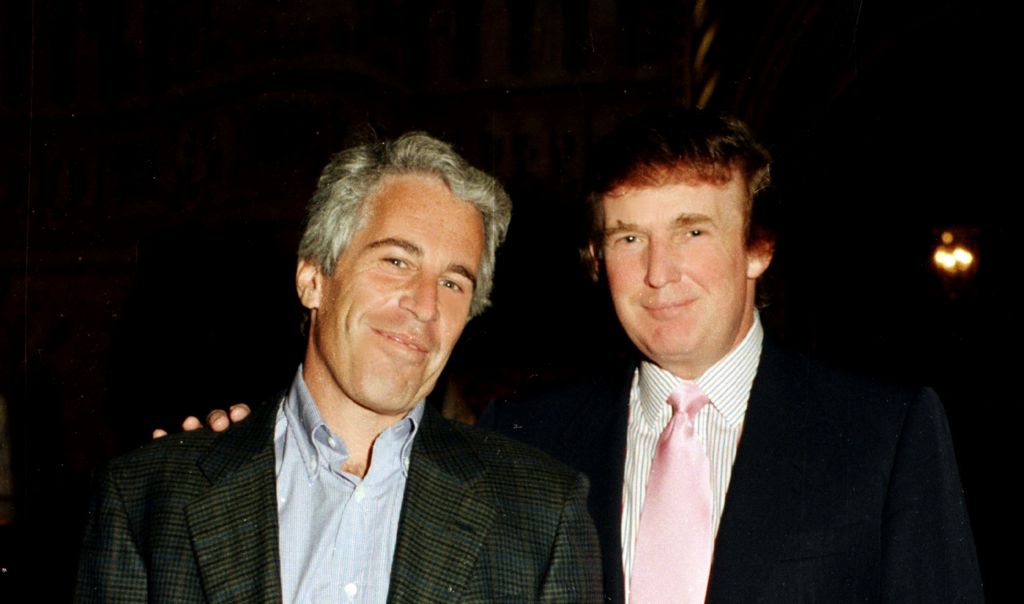
    The highly anticipated document release last Friday failed to satisfy many within Trump’s coalition who had expected revelatory information. While the files contained previously unseen photographs of various celebrities and public figures—including Bill Clinton, Mick Jagger, and Michael Jackson—with Epstein, these images didn’t indicate wrongdoing. The extensive redactions throughout the documents proved most frustrating to those anticipating confirmation of conspiracy theories.

    This disappointment highlights a significant challenge for the Trump administration: managing the expectations of non-traditional voters drawn from internet subcultures where Epstein-related conspiracy theories flourish. According to University of Miami professor Joe Uscinski, an expert on conspiracy theories, Trump’s coalition has increasingly become defined by skepticism toward institutions rather than traditional Republican priorities.

    The tension is particularly evident among social media influencers and podcasters who maintain substantial online influence while operating outside conventional Republican circles. Figures like ‘Libs of TikTok’ creator Chaya Raichik and activist Jack Posobiec were notably silent following the document release, despite having previously kept attention on the Epstein case. Their quiet stance has sparked infighting within the MAGA movement, with some commentators criticizing their lack of response.

    In Congress, criticism has been more direct. Representative Thomas Massie (R-KY), who championed the legislation compelling document release, has joined forces with Democratic Representative Ro Khanna to accuse Bondi of violating legal requirements. Massie has even suggested pursuing “inherent contempt” charges against Bondi for ignoring congressional orders.

    The Epstein controversy represents just one of several fractures currently emerging within the Trump coalition, with additional divisions appearing over free speech, antisemitism, and leadership disputes. As Open Measures researcher Jared Holt observed, the movement that began the year as a “triumphant intimidating cultural force” now shows signs of instability with no immediate recovery in sight.

    With Deputy Attorney General Todd Blanche promising hundreds of thousands of additional documents before year’s end, the administration continues to navigate the complex expectations of a coalition increasingly defined by its skepticism of institutional transparency.

  • UAE innovative policies strengthen new, circular economy pathways

    UAE innovative policies strengthen new, circular economy pathways

    The United Arab Emirates is systematically advancing its economic transformation through comprehensive policy measures designed to establish the nation as a global hub for sustainable business models. With 22 circular economy policies now operational across multiple sectors, the UAE is implementing concrete measures to revolutionize waste management, enhance nationwide recycling capabilities, and foster sustainable industrial practices.

    These policies encompass extended producer responsibility frameworks, sophisticated waste separation systems for residential and commercial sectors, and the creation of a national materials database. Additional measures regulate inter-emirate resource flows to optimize recycling investments and prevent plastic leakage into the environment.

    Abdullah bin Touq Al Marri, Minister of Economy and Tourism, articulated the strategic vision behind these developments, stating that the UAE is transitioning from a knowledge-based economy to a fundamentally new economic model. This transformation represents a core component of the ‘We the UAE 2031’ vision, which targets global leadership in the new economy within the coming decade.

    The ministry’s initiatives have yielded substantial results, with 56,000 companies and commercial licenses operating in new economy sectors by mid-2025. These span advanced technology, artificial intelligence, digital commerce, renewable energy, and financial technology.

    Legislative advancements have been equally significant, with ten key policies and laws updated or introduced, including the Law on Trading by Modern Technological Means and updated intellectual property protections.

    Concurrently, the UAE is developing specialized economic clusters, beginning with the food sector, which integrates agricultural production, food industries, and modern agricultural technologies within a unified ecosystem. This cluster already encompasses 40,486 registered national and international trademarks.

    The UAE Circular Economy Council is preparing a second policy package focused on green infrastructure development, circular water management, reverse logistics systems, and support for SMEs operating within circular economy frameworks. Additional initiatives target food waste reduction, sustainable agricultural management, expanded use of recycled materials, and advancements in sustainable transportation infrastructure, including electric vehicle charging systems and sustainable aviation fuel.

  • Vince Zampella, Call of Duty co-creator, dies in California car crash

    Vince Zampella, Call of Duty co-creator, dies in California car crash

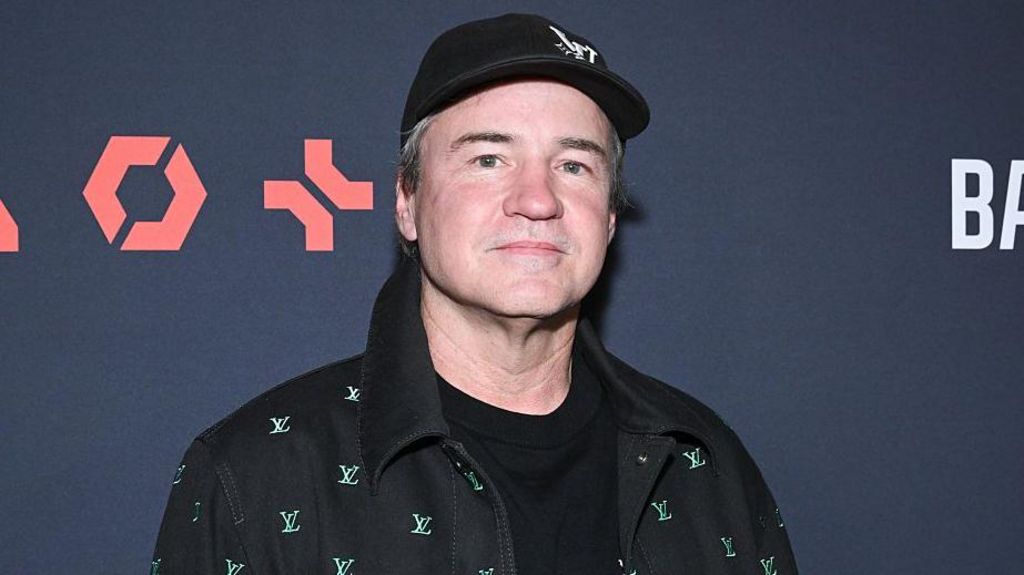
    The entertainment world was struck by tragedy this Sunday when Vince Zampella, the visionary co-creator of the groundbreaking Call of Duty franchise, perished in a high-speed vehicular accident in Los Angeles. The 55-year-old gaming pioneer was traveling in a Ferrari that dramatically veered off a California highway, collided with concrete barriers, and erupted in flames, according to official reports from the California Highway Patrol.

    Electronic Arts, parent company of Respawn Entertainment which Zampella co-established, confirmed the devastating news while expressing profound grief. ‘This represents an unimaginable loss that has reverberated throughout our organization,’ an EA spokesperson stated. ‘Our deepest sympathies extend to Vince’s family, friends, and the countless individuals worldwide whose lives he enriched through his extraordinary creative legacy.’

    Authorities reported that two individuals were present during the catastrophic incident—one occupant was ejected from the supercar while the other remained trapped within the burning wreckage. Investigation remains ongoing to determine the precise circumstances surrounding the accident and whether Zampella occupied the driver’s position.

    Zampella’s monumental impact on interactive entertainment began with his 2003 collaboration with Jason West to develop the original Call of Duty. Drawing inspiration from historical World War II narratives, their creation revolutionized military-themed gaming and achieved staggering commercial success with over 500 million copies sold. The franchise subsequently propelled Activision (now under Microsoft’s corporate umbrella) to unprecedented profitability and is currently being adapted into a live-action cinematic production.

    Beyond his signature achievement, Zampella’s innovative spirit fueled multiple successful franchises including Medal of Honor, Titanfall, and the battle royale phenomenon Apex Legends. Colleagues and industry observers consistently highlighted his player-centric philosophy and dedication to crafting immersive digital experiences. Keza MacDonald, video games editor at The Guardian, reflected: ‘His genuine passion for gameplay quality and player emotional engagement manifested clearly in every conversation. He possessed an extraordinary ability to translate creative vision into profoundly resonant entertainment.’

  • Mubadala invests €300m to Rezolv Energy, boosting UAE’s global renewable ambitions

    Mubadala invests €300m to Rezolv Energy, boosting UAE’s global renewable ambitions

    Abu Dhabi’s sovereign wealth fund Mubadala Investment Company has announced a strategic €300 million investment to partner with UK-based sustainable infrastructure investor Actis in Rezolv Energy, marking a significant expansion of its European renewable energy portfolio. This substantial financial commitment positions Mubadala as a joint controller of the rapidly growing clean energy platform operating across Central and Eastern Europe.

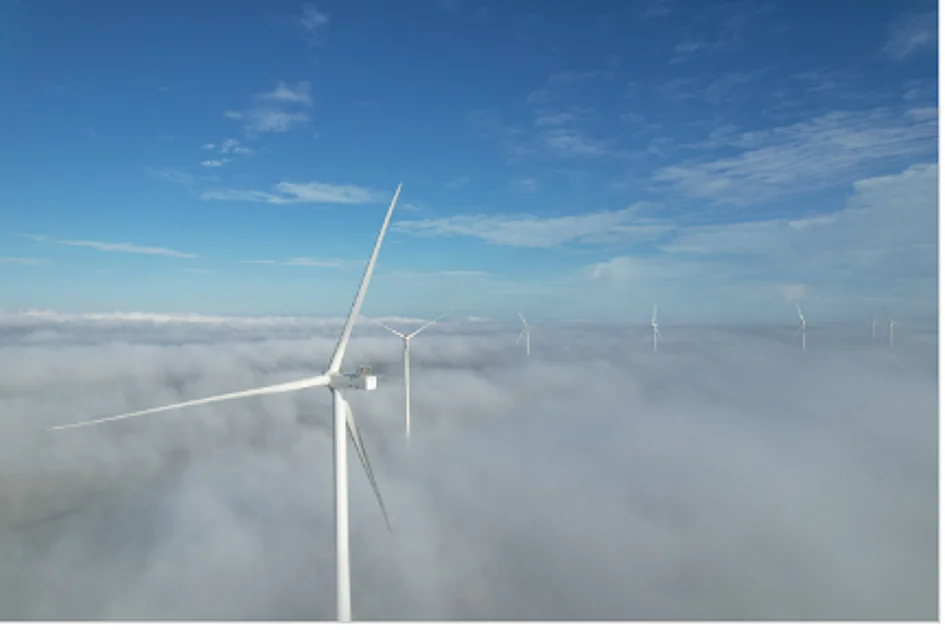
    Rezolv Energy, established by Actis in 2022, has rapidly emerged as a leading renewable developer in a region grappling with energy security challenges and increasingly stringent climate regulations. The platform currently maintains an impressive development pipeline featuring 750 megawatts of renewable projects under construction in Romania and Bulgaria, complemented by an additional 1.5 gigawatts of solar and wind capacity in advanced development stages. Among its flagship projects is the Dama solar facility in Romania, poised to become Europe’s largest solar power generation project upon completion.

    The investment represents a strategic alignment between Mubadala’s decarbonization objectives and Rezolv’s operational expertise. The platform’s leadership team brings over fifteen years of regional clean energy development experience, having previously developed landmark wind projects in Croatia, the Czech Republic, and Romania. Mubadala’s capital infusion, combined with Actis’s continued support, is expected to accelerate Rezolv’s expansion and solidify its position as a market-leading renewable producer.

    Saed Arar, Head of Infrastructure at Mubadala Real Assets, emphasized that the commitment reflects the fund’s strategy to build scalable real-asset platforms that enable the transition to a low-carbon economy. Rezolv CEO Alastair Hammond noted that Mubadala’s involvement would enable the company to pursue even more ambitious energy transition goals across Central and Eastern Europe.

    This investment forms part of Mubadala’s broader global renewable strategy, which includes significant positions in Tata Power’s renewables platform in India and Skyborn Renewables, the world’s largest private offshore wind developer. The EU’s recent regulatory approval of Mubadala’s joint control of Rezolv underscores the strategic importance of this partnership within Europe’s renewable energy market.

    The move simultaneously advances the UAE’s broader ambitions to expand its international economic influence, diversify beyond hydrocarbons, and position itself as a global leader in climate action and energy security solutions for emerging markets.

  • How Modi’s 3-nation visit is recalibrating India’s global posture

    How Modi’s 3-nation visit is recalibrating India’s global posture

    Indian Prime Minister Narendra Modi’s recent three-nation tour through Jordan, Oman, and Ethiopia has signaled a significant evolution in India’s international positioning, demonstrating a nation confidently asserting its role as a global bridge-builder rather than aligning with rigid geopolitical blocs.

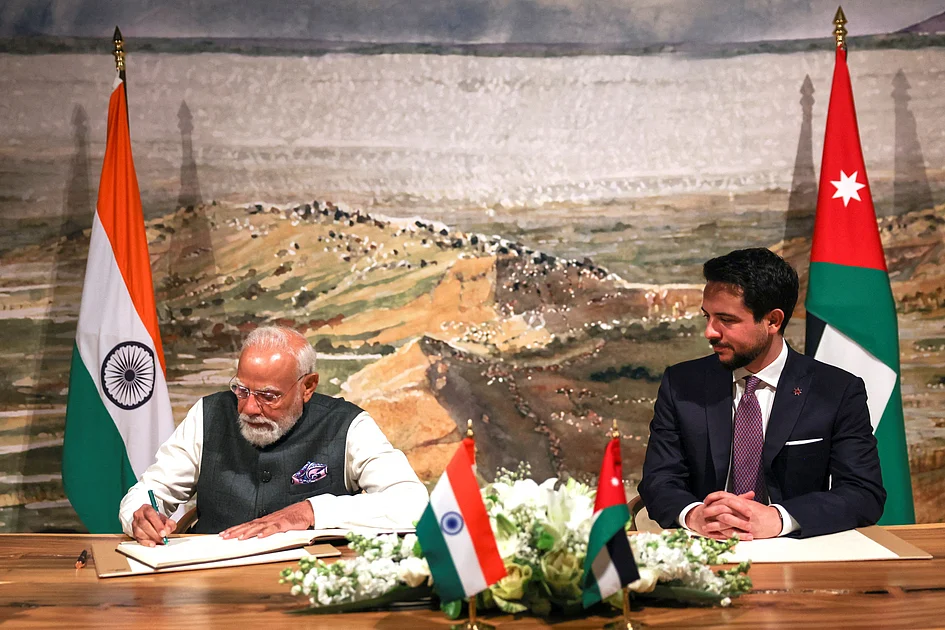
    The diplomatic journey, characterized by substantive engagements rather than ceremonial formalities, began with an unprecedented display of personal diplomacy in Jordan. Crown Prince Hussein Abdullah II, a 42nd-generation descendant of Prophet Muhammad, personally chauffeur-driven PM Modi to cultural sites and the airport—a gesture transcending conventional diplomatic protocols and symbolizing deepening bilateral trust.

    Jordan’s King Abdullah II provided robust endorsement of India’s economic ascent during the India-Jordan Business Forum, proposing an ambitious economic corridor leveraging Jordan’s strategic location and free trade agreements alongside India’s industrial capabilities. With current bilateral trade at $2.8 billion, Modi’s target of doubling this figure to $5 billion within five years reflects determined economic ambition. The nations expanded cooperation across renewable energy, water management—critical for water-scarce Jordan—digital infrastructure, and cultural exchange.

    In Oman, the visit yielded structural transformation through the landmark Comprehensive Economic Partnership Agreement (CEPA)—only Oman’s second such agreement in two decades, following one with the United States. The agreement grants zero-duty access on over 98% of Oman’s tariff lines, benefiting Indian textiles, gems, jewelry, engineering goods, pharmaceuticals, and automobiles while protecting sensitive sectors. The partnership enhances services trade, facilitates skilled professional mobility, and permits 100% foreign direct investment in major sectors, creating opportunities for Indian MSMEs, artisans, and women-led enterprises. Modi received the Order of Oman (First Class), joining recipients like Queen Elizabeth II and Nelson Mandela, marking the fifth GCC nation to confer its highest honor upon him.

    Ethiopia provided the philosophical dimension of the tour, where Modi addressed parliamentarians envisioning a world with equitable development, accessible technology, and respected sovereignty. Agreements covered education cooperation, counterterrorism collaboration, and establishment of a data center at Ethiopia’s Ministry of Foreign Affairs. Modi became the first foreign head of state to receive Ethiopia’s highest civilian honor, the Great Honor Nishan Ethiopia.

    The tri-nation mission demonstrates India’s strategic autonomy—a foreign policy approach that values-driven without being ideological, inclusive without being transactional, and confident without being confrontational. As Global South nations assert renewed influence, India positions itself as both an economic anchor and diplomatic bridge between Eastern and Western hemispheres, offering partnership, stability, and scale while maintaining independent strategic calculus.

  • PowerChina hosts “Corporate Open Day” event during UAE National Day

    PowerChina hosts “Corporate Open Day” event during UAE National Day

    DUBAI – In a strategic move to strengthen international partnerships, PowerChina hosted a corporate open day event on December 13th, aligning with the 54th UAE National Day celebrations. The event centered around an innovative basketball tournament that brought together Chinese and international employees from multiple PowerChina projects across the UAE.

    The basketball match, held at PowerChina’s Dubai residential complex, featured mixed teams comprising staff from China, Egypt, Pakistan, and other nations. This unique format broke down cultural barriers through the universal language of sports, with participants demonstrating seamless coordination on the court despite diverse backgrounds.

    Peng Gang, President of POWERCHINA MENA Regional Headquarters, emphasized the broader significance of the initiative: “These cross-cultural activities not only showcase the spirit of unity among our employees but also establish new platforms for China-UAE cooperation that transcend commercial contracts.”

    The event gained particular importance given PowerChina’s ongoing involvement in the UAE’s clean energy sector. The company is currently engaged in the PV3 Al Ajban 1.5GW Photovoltaic Project, a major renewable energy initiative, where maintaining strong relationships with project owner AL AJBAN Solar Energy is crucial. Fayçal Malki, Site General Manager of the project company, participated in the event, highlighting the growing partnership between the organizations.

    Participants noted that the informal setting allowed for genuine relationship building. “Basketball doesn’t need language – a look, a pass can build trust,” remarked one attendee after the match. The relaxed interactions during breaks helped shorten psychological distances between teams, injecting additional humanistic elements into their professional relationships.

    This initiative represents PowerChina’s broader commitment to localization and cultural integration in its international operations. By creating cross-cultural brand experiences and building national exchange platforms, the company is implementing the cooperation concept of “extensive consultation, joint contribution, and shared benefits” while advancing clean energy development in the region.

    Looking forward, PowerChina plans to expand these cultural exchange efforts through diverse formats including arts, festival celebrations, and additional sports activities. These initiatives aim to solidify PowerChina’s brand identity as a builder, partner, and contributor in overseas markets while supporting people-to-people connectivity under the Belt and Road Initiative.

  • Carney names ex-Blackrock executive as new US ambassador

    Carney names ex-Blackrock executive as new US ambassador

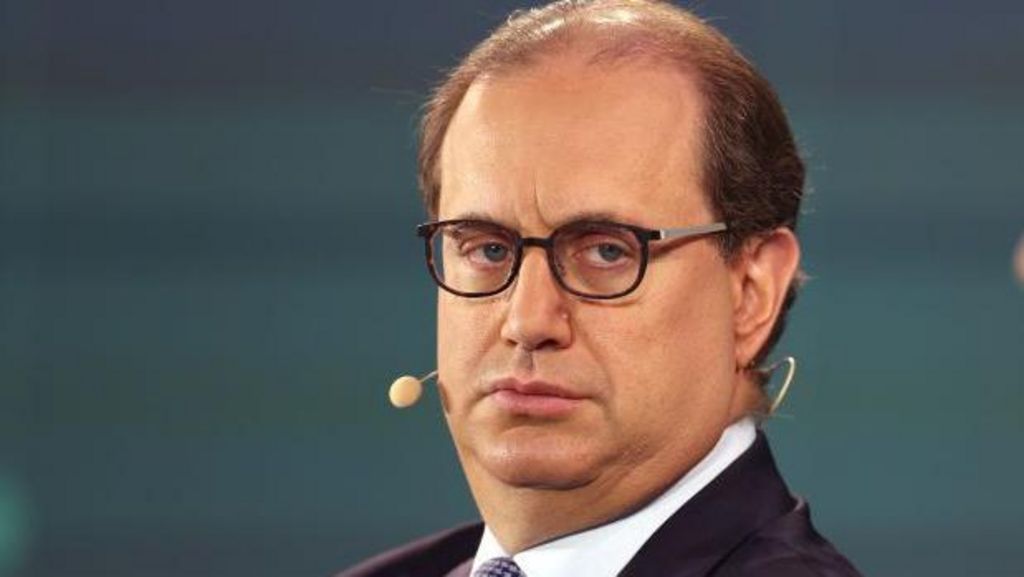
    Prime Minister Mark Carney has selected prominent financier Mark Wiseman, a former BlackRock executive, to serve as Canada’s ambassador to the United States during a period of crucial trade negotiations with the Trump administration. The appointment comes as Canada seeks to reset its strained bilateral relationship with its southern neighbor while preparing for a complex review of the existing free trade agreement.

    Wiseman, 55, brings substantial financial expertise to the diplomatic role, currently serving as senior advisor and chairman of Canada at Lazard financial services and as a senior advisor at Boston Consulting Group. The Yale-educated lawyer has previously worked in New York and Paris with Sullivan & Cromwell, and reportedly maintains a close personal friendship with Prime Minister Carney.

    The new ambassador’s appointment follows current ambassador Kirsten Hillman’s decision to conclude her tenure in Washington. Carney emphasized Wiseman’s “immense experience, extensive contacts and deep commitment” in a statement, noting the appointment comes at a “crucial time of transformation” for both nations. “As a core member of our negotiating team, he will help advance the interests of Canadian workers, businesses, and institutions, while building opportunities for both Canada and the United States,” Carney stated.

    Wiseman’s background includes co-founding the Century Initiative, a charitable organization advocating for increased Canadian immigration to reach 100 million people by 2100 to stimulate economic growth. This association has drawn criticism from Conservative party leader Pierre Poilievre, who accused Wiseman of promoting policies that “inflate the cost of living, take away jobs and put pressure on our health care system.”

    The diplomatic assignment presents significant challenges as Wiseman will navigate a relationship strained by Trump’s imposition of sector-specific tariffs on Canadian metals, lumber and automotive products. Tensions escalated in late October when Trump halted trade talks following an anti-tariff advertisement commissioned by Ontario province and aired in the US markets.

    A scheduled review of the Canada-United States-Mexico Agreement (CUSMA) is currently underway, beginning with public hearings and stakeholder consultations. The outcome could result in renewal or expiration of the trade pact that currently exempts most Canadian goods from Trump’s sweeping 35% tariff rate on all imports. Wiseman is scheduled to assume his ambassadorial responsibilities in mid-February.

  • Justice Department sues DC over block of semi-automatic guns

    Justice Department sues DC over block of semi-automatic guns

    The U.S. Department of Justice has initiated legal action against the District of Columbia concerning its prohibition on registering semi-automatic firearms, marking the latest development in the ongoing national debate over gun control measures. Filed in federal court on Monday, the lawsuit targets DC’s existing legislation that effectively bans residents from legally possessing AR-15 style rifles and other rapid-loading firearms through registration restrictions.

    Attorney General Pam Bondi characterized the district’s firearm regulations as “an unconstitutional infringement on the Second Amendment” in an official statement. The legal challenge emerges from the Justice Department’s recently established gun rights division, whose attorneys argue that current DC statutes prevent law-abiding citizens from possessing these commonly owned firearms for lawful domestic purposes.

    This litigation represents the most recent confrontation between the federally Republican administration and the predominantly Democratic district regarding firearm legislation. Washington DC’s unique status as the national capital subjects its local laws and budgetary decisions to congressional oversight, with previous Republican lawmakers having overturned several local gun control initiatives.

    Concurrent with this legal action, the Trump administration has pursued measures to relax federal firearm restrictions within the district. U.S. Attorney for DC Jeanine Pirro, a former television commentator, announced earlier this summer that her office would cease pursuing felony charges against individuals found carrying rifles or shotguns.

    DC maintains comprehensive firearm regulations that permit only residents without criminal convictions to register limited numbers of firearms following mandatory safety training. The district additionally requires specific registrations for carrying weapons outside residential premises and imposes restrictions on public areas where firearms may be carried.

    The legal proceedings unfold against a backdrop of heightened security concerns following two significant shooting incidents earlier this year. In May, a shooter targeted Israeli embassy personnel near the city’s Jewish museum, while another attack last month resulted in the death of one West Virginia National Guard officer and injury to another.

    In response to these security challenges, President Trump declared a crime emergency in August, deploying National Guard troops and additional federal officers to the district. The administration has subsequently extended the Guard’s presence through at least February, with recent judicial approval allowing their continued deployment pending resolution of a separate legal challenge.

    According to Metropolitan Police Department statistics, violent crime incidents through Monday showed a 28% reduction compared to the corresponding period in 2024, with homicides decreasing by approximately one-third. The department has declined to comment on the pending litigation, as has the DC attorney general’s office when contacted by news organizations.