标签: North America

北美洲

  • Venezuela accuses US of ‘extortion’ over seizure of oil tankers

    Venezuela accuses US of ‘extortion’ over seizure of oil tankers

    In a dramatic emergency session of the UN Security Council, Venezuela launched scathing accusations against the United States, characterizing recent naval operations as the “greatest extortion” in its history. The diplomatic confrontation emerged from Washington’s seizure of two Venezuelan oil tankers earlier this month, with US authorities reportedly pursuing a third vessel.

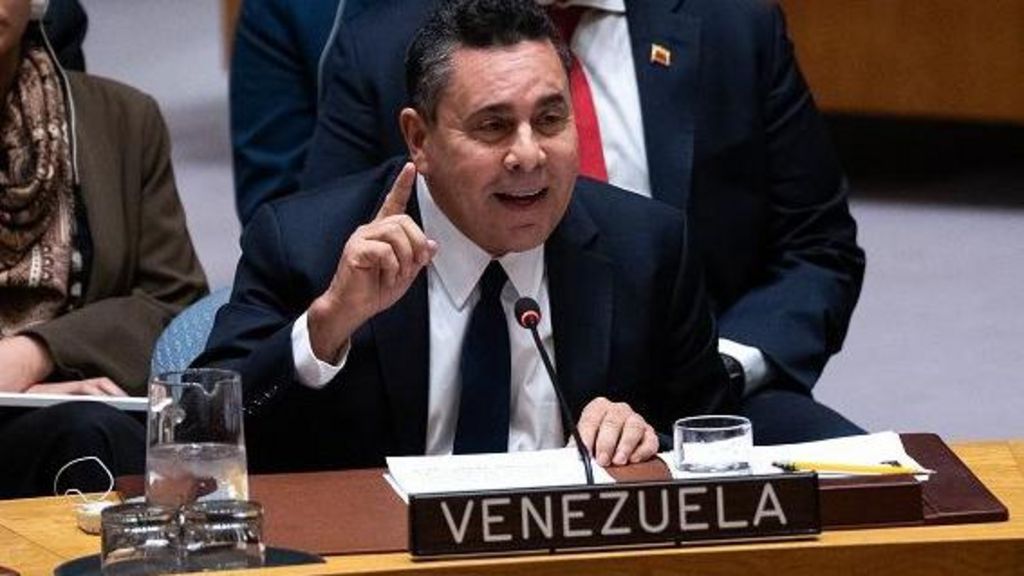
    Venezuelan Ambassador Samuel Moncada delivered an impassioned address, denouncing American actions as “worse than piracy” and accusing the US government of engaging in systematic “pillaging, looting and recolonisation” of his nation. Moncada challenged the legal basis of US jurisdiction in Caribbean waters and questioned the connection between Venezuela’s oil industry and American counter-narcotics operations.

    The Trump administration justified its military deployment—the largest to the region since the 1989 invasion of Panama—as necessary to combat drug trafficking. President Trump has explicitly accused Venezuelan leader Nicolás Maduro of overseeing a narcotics cartel and permitting criminal organizations to operate with impunity. The US naval blockade, initiated on December 16, targets all sanctioned oil tankers entering or leaving Venezuelan waters, with seized crude oil and vessels potentially being retained or sold by American authorities.

    US Ambassador Michael Waltz countered Venezuela’s claims by asserting that Washington does not recognize Maduro as Venezuela’s legitimate leader. Waltz maintained that Maduro’s ability to monetize national oil resources enables his “fraudulent claims to power and his narco-terrorist activities.”

    The geopolitical confrontation drew significant international responses, with Russia and China condemning American actions. Russian Ambassador Vassily Nebenzia warned that US operations against Venezuelan vessels established “a template for future acts of force against Latin American states,” while Chinese envoy Sun Lei urged Washington to “immediately halt relevant actions and avoid further escalation of tensions.”

    The military dimension includes the deployment of 15,000 US troops supported by aircraft carriers, guided-missile destroyers, and amphibious assault ships to the Caribbean region. American operations have targeted over 20 vessels in both Pacific and Caribbean waters in recent months, resulting in at least 100 casualties according to reports. Some international legal experts have raised concerns that these strikes may violate established laws governing armed conflict.
  • Trump says Maduro would be ‘smart’ to step down

    Trump says Maduro would be ‘smart’ to step down

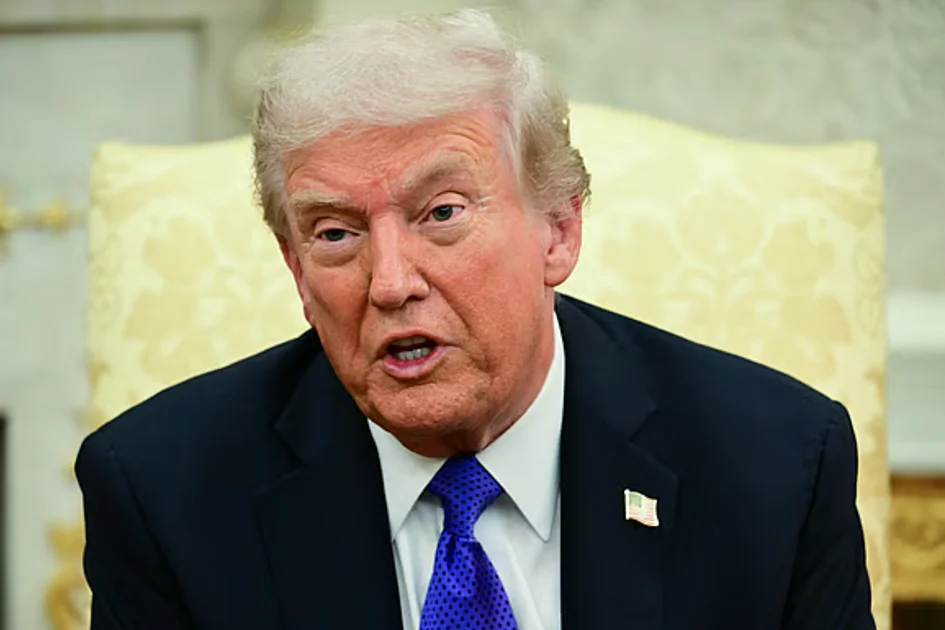
    In a significant escalation of diplomatic tensions, U.S. President Donald Trump suggested on Monday that Venezuelan leader Nicolás Maduro would be acting wisely by voluntarily relinquishing power. The remarks came as American naval forces intensified their blockade targeting Venezuela’s crucial oil resources.

    When questioned by journalists about whether Washington’s coercive measures aimed to force Maduro from office, Trump responded with characteristically blunt rhetoric. “That’s up to him, what he wants to do. I think it would be smart for him to do that,” the president stated. He followed with an implicit threat, adding, “If he wants to do something—if he plays tough, it’ll be the last time he’s ever able to play tough.”

    The Venezuelan president delivered a swift retort during a nationally televised address mere hours later. Maduro advised his American counterpart to concentrate on domestic challenges rather than issuing international threats. “He would be better off in his own country on economic and social issues, and he would be better off in the world if he took care of his country’s affairs,” Maduro asserted.

    The verbal exchange occurs against a backdrop of heightened military activity. Since September, U.S. forces have conducted strikes against vessels allegedly involved in drug trafficking operations across Caribbean and eastern Pacific waters—claims made without publicly presented evidence. These operations have resulted in over 100 fatalities, including fishermen according to family reports and regional governments.

    The geopolitical confrontation drew international attention as Russian Foreign Minister Sergey Lavrov and Venezuelan counterpart Yvan Gil held an urgent telephone consultation. Both diplomats expressed profound concern regarding Washington’s escalating military presence in the Caribbean, warning these actions could trigger serious regional consequences and endanger international maritime navigation.

    The Russian Foreign Ministry subsequently issued a statement reaffirming Moscow’s “full support for and solidarity with the Venezuelan leadership and people.” This diplomatic coordination preceded Tuesday’s scheduled United Nations Security Council emergency meeting to address the worsening crisis.

  • Andrew and Epstein is the story that will not go away

    Andrew and Epstein is the story that will not go away

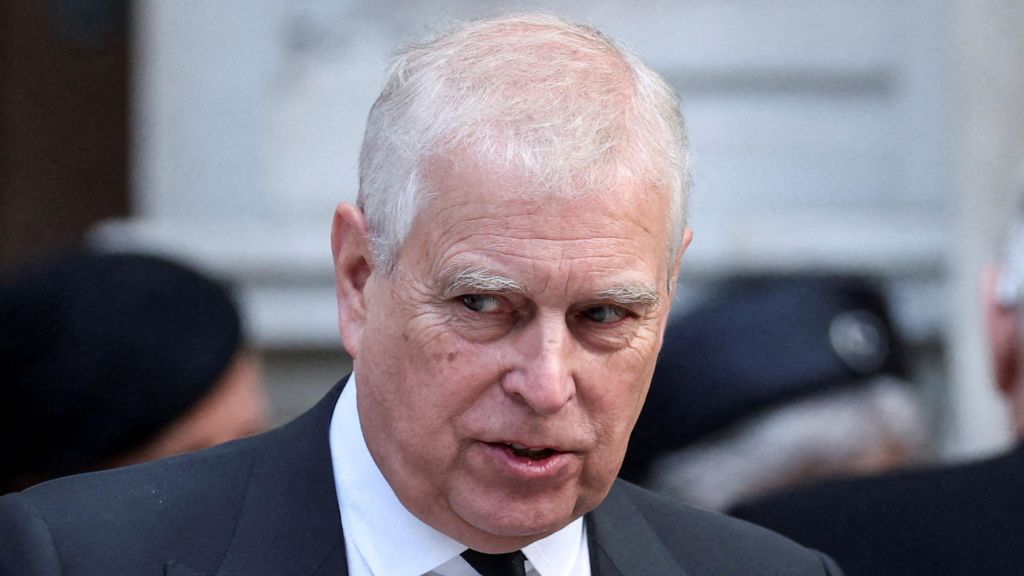
    Newly released documents from the Jeffrey Epstein case have reignited scrutiny surrounding Prince Andrew’s connections to the convicted sex offender, presenting potentially damaging correspondence that raises further questions about their relationship. The latest trove of evidence includes emails allegedly exchanged between the Duke of York and Ghislaine Maxwell, Epstein’s accomplice now serving a 20-year prison sentence for sex trafficking.

    Among the most revealing communications is an August 2001 email from an individual identified as ‘A’—believed to be Andrew—asking Maxwell to ‘find me some new inappropriate friends.’ Maxwell’s response, signed with ‘kisses,’ suggests a familiar relationship between the correspondents. While the identity of ‘A’ remains technically unconfirmed, several biographical details in the emails align with Andrew’s personal history, including references to his departure from the Royal Navy.

    The documents also reveal arrangements for a 2002 trip to Peru, with Maxwell proposing introductions to ‘intelligent pretty fun and from good families.’ These communications emerge just five months after Virginia Giuffre alleges she was forced to have sex with Andrew at Maxwell’s London residence—a claim the prince has consistently denied.

    Further evidence indicates that the US Department of Justice formally sought to question Andrew in April 2020, requesting UK government assistance in compelling his testimony regarding Epstein-linked cases. American authorities specifically inquired about financial transactions between Andrew and Epstein or women associated with them.

    The ongoing revelations represent the latest chapter in Andrew’s dramatic fall from royal grace, which has included the stripping of his titles and military affiliations. With additional parliamentary inquiries into his finances and Crown Estate lease scheduled for next year, the cascade of controversies shows no signs of abating. As thousands of Epstein documents remain unexamined, the prospect of further damaging disclosures continues to loom over the disgraced royal.

  • Trump’s AI hiring campaign: Over 25,000 interested in joining ‘Tech Force’, says official

    Trump’s AI hiring campaign: Over 25,000 interested in joining ‘Tech Force’, says official

    The Trump administration’s ambitious Tech Force program has generated substantial public interest, with approximately 25,000 applicants expressing desire to join the government’s technology initiative, according to official statements released Tuesday. This recruitment drive represents a significant strategic shift from the administration’s earlier focus on reducing federal employment positions.

    Scott Kupor, Director of the U.S. Office of Personnel Management, announced through social media platform X that the administration will utilize this extensive applicant pool to recruit software engineers, data specialists, and other technology professionals with artificial intelligence expertise. These recruits will be assigned to various federal agencies including the Departments of Homeland Security, Veterans Affairs, and Justice for two-year technology project deployments.

    The initiative forms a cornerstone of the Trump administration’s artificial intelligence agenda, continuing a tradition established by previous administrations of integrating technological talent within government operations. Notably, this technology-focused hiring campaign marks a departure from the workforce reduction policies that characterized the initial months of Trump’s second term, which primarily targeted non-essential government positions while maintaining those deemed critical for national security.

    The first cohort will select approximately 1,000 candidates from the applicant pool, creating competitive placement opportunities within the federal technology infrastructure. While the administration has publicly released recruitment figures, independent verification of the exact number of applicants remains pending through third-party sources.

  • Holiday trading: Why late-December markets demand a different playbook

    Holiday trading: Why late-December markets demand a different playbook

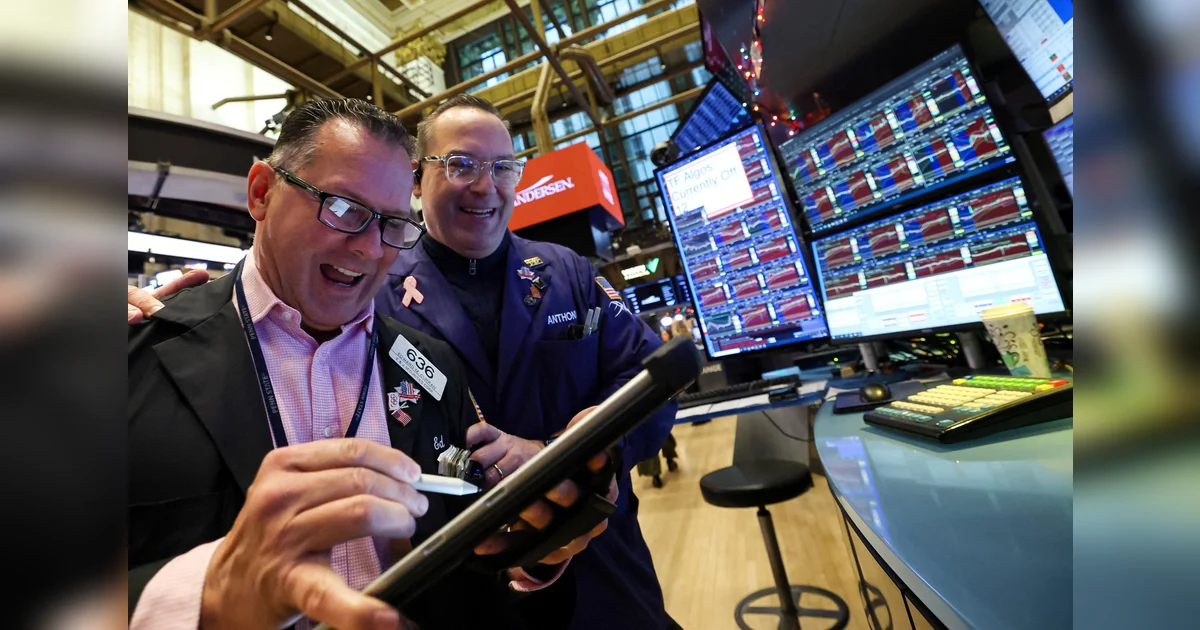
    As financial markets enter the Christmas-New Year transition period, they undergo a fundamental transformation characterized by diminished trading activity and amplified volatility. This seasonal shift creates a uniquely fragile trading environment where traditional market behaviors become less reliable.

    The convergence of multiple factors drives this annual phenomenon: institutional investors conducting year-end portfolio rebalancing, foreign exchange exposure adjustments, and significantly reduced participation across major markets. The resulting liquidity vacuum leads to wider bid-ask spreads and creates conditions where even routine data releases or isolated transactions can trigger disproportionate price movements.

    Historical patterns have often referenced the so-called “Santa Claus Rally”—a tendency for U.S. equity indices to strengthen during late December. However, this seasonal expectation remains contingent on broader macroeconomic conditions, valuation pressures, and evolving policy expectations. The 2025 market trajectory toward 2026 appears particularly dependent on Federal Reserve policy signals, global growth prospects, and investor interpretation of emerging economic indicators.

    Market analysts emphasize that technical discipline becomes paramount during this period. Traders should prioritize higher-timeframe analysis to filter out liquidity-driven distortions, await confirmed breakouts supported by volume, and maintain strict risk management protocols. Position sizing, stop-loss orders, and disciplined profit targets take on increased importance when market depth diminishes.

    Across major asset classes, distinct dynamics emerge. U.S. equities maintain a broadly bullish bias but face potential consolidation risks around stretched valuations and policy uncertainty. Precious metals continue consolidating below their 2025 peaks, awaiting catalyst events to establish new support levels. The U.S. dollar approaches critical multi-year support zones that will likely determine its longer-term trajectory, while crude oil remains sensitive to geopolitical developments and winter demand patterns.

    The consensus among trading professionals suggests that the most effective strategy involves treating holiday market movements as noise rather than meaningful trend developments. Preserving capital and maintaining strategic clarity outweighs pursuing short-term gains in unpredictable conditions. As central banks approach a potentially pivotal policy year, the cautious approach adopted during these final weeks of 2025 may well position investors more advantageously for the opportunities and challenges of 2026.

  • Trump trips, a fake video and 10 possible co-conspirators – Takeaways from new Epstein files

    Trump trips, a fake video and 10 possible co-conspirators – Takeaways from new Epstein files

    The U.S. Department of Justice has unveiled its most substantial batch of Jeffrey Epstein-related documents to date, releasing over 11,000 pages that reveal previously concealed details about the investigation into the deceased financier’s sex trafficking network. This disclosure, mandated by recent legislation, represents the largest single release in an ongoing transparency initiative that began last Friday.

    The newly public files contain heavily redacted FBI communications identifying ten potential Epstein co-conspirators, with six individuals already served subpoenas across Florida, Boston, New York City, and Connecticut. Among the unredacted names appear Ghislaine Maxwell—already serving a 20-year sentence—and former Victoria’s Secret CEO Les Wexner, though Wexner’s legal representatives maintain he was never considered a target or co-conspirator by prosecutors.

    Perhaps the most intriguing revelation involves communications from an individual identified only as ‘A’ using the email address abx17@dial.pipex.com—listed in Epstein’s records under the contact ‘Duke of York.’ In a 2001 email exchange, ‘A’ writing from ‘Balmoral Summer Camp for the Royal Family’ asked Maxwell to ‘find me some new inappropriate friends,’ to which Maxwell responded apologetically that she could only locate ‘appropriate friends.’ This correspondence resurfaces amid ongoing scrutiny of Prince Andrew’s associations with Epstein, though he has consistently denied any wrongdoing.

    The document release also sheds new light on Donald Trump’s connections to Epstein, revealing previously unreported travel arrangements. According to a federal prosecutor’s email from January 2020, flight records indicate Trump traveled on Epstein’s private jet ‘many more times than previously reported’—at least eight flights between 1993 and 1996, sometimes accompanied by family members including then-wife Marla Maples and children Tiffany and Eric. The Justice Department separately emphasized that many claims about Trump in the files are ‘untrue and sensationalist.’

    Lawmakers from both parties have expressed concern over the extent of redactions in the released documents, arguing that the legislation specifically prohibits withholding names merely to prevent ‘reputational harm.’ Democrat Congressman Suhas Subramanyam, a member of the House Oversight Committee, noted the significance of learning about ’10 co-conspirators potentially that we knew nothing about,’ suggesting congressional scrutiny may intensify.

    The document trove also included bizarre elements such as a fabricated letter purportedly from Epstein to convicted sex offender Larry Nassar, which forensic analysis determined to be inauthentic, and a computer-generated video falsely depicting Epstein in his prison cell. These inclusions demonstrate the challenge authorities face in separating credible evidence from public speculation regarding Epstein’s network and death.

  • US denies visas to ex-EU commissioner and others over social media rules

    US denies visas to ex-EU commissioner and others over social media rules

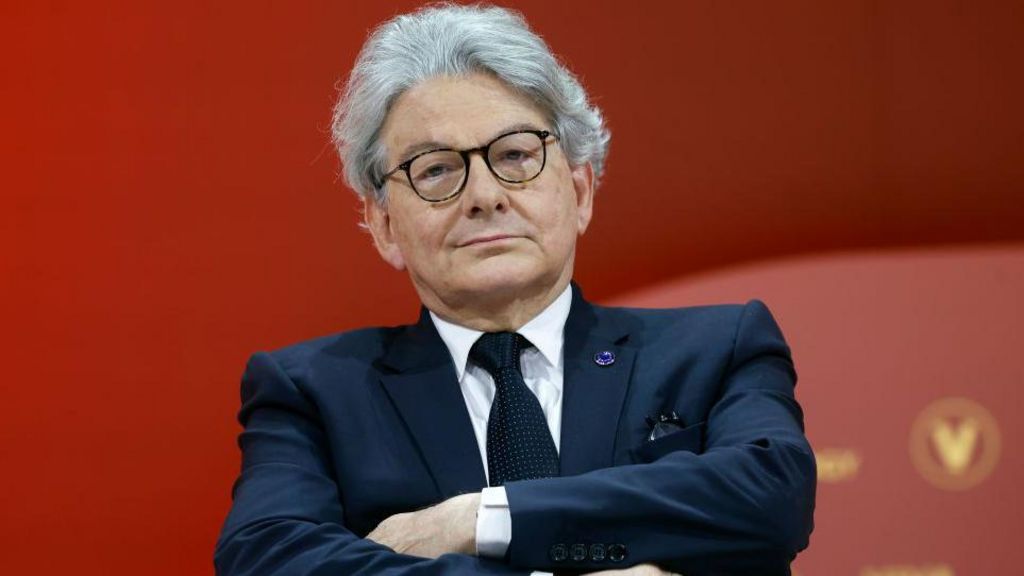
    The United States State Department has announced visa restrictions against five individuals, including former European Union commissioner Thierry Breton, accusing them of attempting to coerce American social media platforms into suppressing viewpoints they oppose. Secretary of State Marco Rubio characterized the targets as “radical activists and weaponized NGOs” advancing foreign censorship campaigns against American companies and speakers.

    Thierry Breton, previously the EU’s top technology regulator and architect of the Digital Services Act (DSA), denounced the move as a “witch hunt.” The DSA legislation, which mandates content moderation requirements for social media firms, has drawn criticism from U.S. conservatives who view it as targeting right-wing opinions—a claim Brussels denies.

    The announcement escalates ongoing tensions between U.S. tech platforms and European regulators. Breton has previously clashed with Elon Musk, owner of X (formerly Twitter), regarding compliance with EU regulations. Recently, the European Commission fined X €120 million for deceptive practices related to its verification system, prompting the platform to block Commission advertising.

    Other individuals targeted include Clare Melford of the Global Disinformation Index, accused of using U.S. taxpayer funds to suppress American speech, and Imran Ahmed of the Center for Countering Digital Hate, described as a “key collaborator” in government weaponization efforts. German organization HateAid representatives Anna-Lena von Hodenberg and Josephine Ballon were also sanctioned.

    Reactions from those targeted were uniformly critical, with statements characterizing the visa bans as “authoritarian attacks on free speech” and acts of government repression. The State Department maintained that the measures protect American sovereignty from extraterritorial overreach by foreign censors, aligning with the Trump administration’s America First foreign policy.

  • Have the American Pope and the American administration fallen out?

    Have the American Pope and the American administration fallen out?

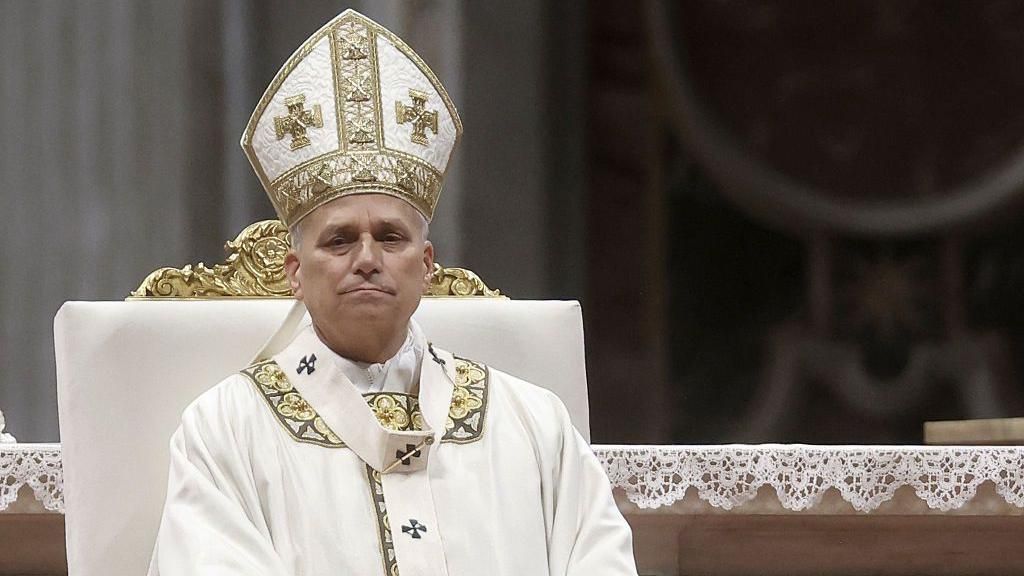
    A significant ideological schism has emerged between the Vatican and the Trump administration over immigration policy, creating unprecedented tension within America’s Catholic community. Pope Leo XIV, the American-born pontiff, has repeatedly criticized the administration’s mass deportation approach, calling for “deep reflection” on migrant treatment and invoking the Gospel of Matthew to emphasize Christian duty toward foreigners.

    The confrontation escalated in November when the United States Conference of Catholic Bishops (USCCB) issued a rare “Special Message”—their first such communiqué in twelve years—expressing profound disturbance at what they termed “a climate of fear and anxiety.” The bishops explicitly opposed “indiscriminate mass deportation” and condemned dehumanizing rhetoric, with the Pope endorsing their statement as “very important” and urging all Catholics to heed its message.

    This ecclesiastical stance has provoked strong reactions from conservative Catholics. Jesse Romero, a prominent Catholic podcaster and Trump supporter, argued that church leadership should focus on spiritual matters rather than governance, stating: “The Pope should tell us how to get to heaven. He has no authority over the government.”

    The political dimension is particularly complex given Catholicism’s substantial influence in American politics. With one in five Americans identifying as Catholic, and prominent figures like Vice President JD Vance and Secretary of State Marco Rubio representing the faith, the Church’s internal divisions mirror broader national debates. While nearly 60% of white Catholics approve of Trump’s immigration handling according to the Public Religion Research Institute, Hispanic Catholics—comprising 37% of the U.S. Catholic population—show significantly lower support at around 30%.

    David Gibson, director of Fordham University’s Center on Religion and Culture, observes that the administration calculates “there are enough American Catholics who support Donald Trump that it’s politically beneficial to pick a fight with the Pope.” This calculation manifests in direct rebuttals from administration officials, including White House Press Secretary Karoline Leavitt rejecting the Pope’s characterization of U.S. immigration policies as “inhuman.”

    At the grassroots level, the conflict takes tangible form. In Chicago, parishioner Jeanne Rattenbury participated in a 2,000-strong “People’s Mass” outside an ICE detention center, part of efforts by the Coalition for Spiritual and Public Leadership to provide religious ministry to detainees—a service they claim is being systematically blocked, leading to federal litigation.

    Bishop Joseph Tyson of Yakima, Washington, one of 216 bishops supporting the USCCB statement, emphasizes that current deportation practices are “not surgical” and disproportionately affect parish communities. With many priests themselves immigrants on temporary visas, the Church faces practical vulnerabilities alongside theological concerns. “Anybody can have their paperwork revoked,” Bishop Tyson notes, revealing that seminarians now carry immigration documents at all times due to enforcement anxieties.

    The ideological fault lines extend to symbolic protests, including a Boston-area church’s Christmas nativity scene replacing baby Jesus with a sign reading “ICE was here”—a display the Archdiocese ordered removed for being divisive, though the parish has thus far refused.

    This confrontation represents a fundamental clash of values between institutional Catholic teaching emphasizing immigrant dignity and political implementation of border enforcement, creating a profound identity crisis for American Catholics navigating competing loyalties to faith and political affiliation.

  • US Supreme Court  rejects Trump’s bid to deploy National Guard to Chicago

    US Supreme Court rejects Trump’s bid to deploy National Guard to Chicago

    In a significant legal setback for the Trump administration, the U.S. Supreme Court has denied the president’s authority to deploy National Guard troops to the Chicago metropolitan area without consent from state and local officials. The court’s unsigned order establishes that presidential power to federalize state-based National Guard units likely applies only under “exceptional” circumstances, marking a notable departure from the conservative-majority court’s typical alignment with administration positions.

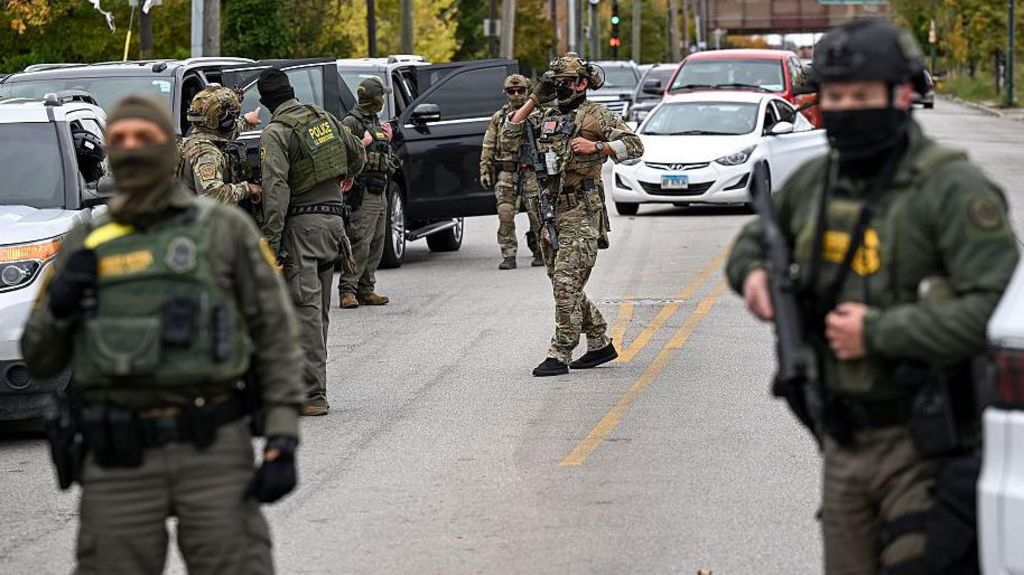
    The ruling originated from the administration’s efforts to suppress protests against federal immigration raids in several Democrat-led cities, including Chicago, New Orleans, Portland, and Washington DC. President Trump had asserted that military presence was necessary to quell violence, combat crime, and support deportation initiatives in these urban centers.

    Previous lower court decisions had already rejected the administration’s legal argument that Chicago-area protests constituted a “rebellion or danger of rebellion” against the United States. The administration appealed these rulings to the Supreme Court, maintaining that deployment decisions were not subject to judicial review.

    The justices ultimately upheld the lower court decisions through a 6-3 ruling, with conservative justices Clarence Thomas, Samuel Alito, and Neil Gorsuch dissenting. The majority opinion stated that “the Government has failed to identify a source of authority that would allow the military to execute the laws in Illinois” at this preliminary stage.

    This landmark decision maintains the status quo in one of America’s largest cities and represents the first Supreme Court ruling on the administration’s controversial practice of deploying troops to urban areas despite ongoing legal challenges. Illinois Governor JB Pritzker hailed the outcome as “a big win for Illinois and American democracy.”

    The ruling clarifies the constitutional boundaries between federal and state authority regarding military deployment within U.S. borders, potentially affecting future administration efforts to utilize National Guard troops for domestic law enforcement purposes.

  • Greta Thunberg arrested at pro-Palestinian protest in London

    Greta Thunberg arrested at pro-Palestinian protest in London

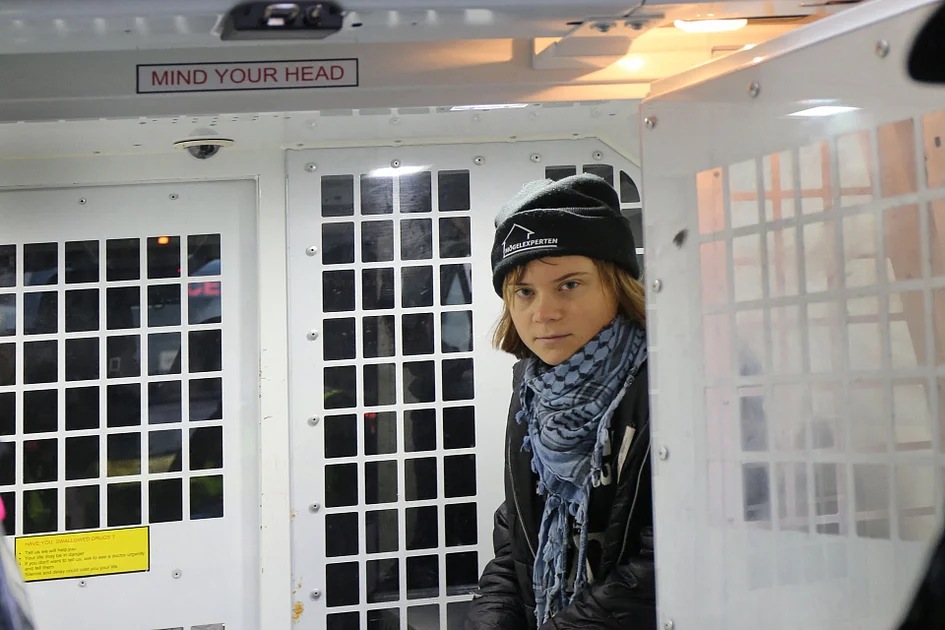
    Swedish environmental activist Greta Thunberg was taken into custody by London law enforcement on Tuesday during a demonstration expressing solidarity with Palestine. The arrest occurred amid a coordinated protest organized by the UK-based advocacy organization Prisoners for Palestine.

    According to the campaign group, Thunberg faced detention under the Terrorism Act for publicly displaying a placard stating: ‘I support the Palestine Action prisoners. I oppose genocide.’ This development follows the British government’s official designation of Palestine Action as a prohibited terrorist organization.

    A City of London police representative confirmed that two additional individuals were apprehended for allegedly throwing red paint on a building facade. The spokesperson further noted that a 22-year-old woman subsequently arrived at the location and was arrested for exhibiting signage endorsing a proscribed organization, though authorities did not explicitly identify Thunberg in their statement.

    Prisoners for Palestine clarified that the targeted building houses an insurance provider allegedly facilitating services for the British subsidiary of Israeli defense contractor Elbit Systems. The insurance company has not issued an immediate response to media inquiries regarding these allegations.

    The 22-year-old climate activist gained international recognition through her weekly solitary protests outside Sweden’s parliament in 2018, sparking the global Youth Strike for Climate movement. This incident marks Thunberg’s latest encounter with law enforcement, following previous detentions during environmental and humanitarian demonstrations.

    In a prior legal proceeding, British judiciary authorities exonerated Thunberg of public order violations, determining that police had overstepped their authority during her arrest at a London climate protest. More recently, in October, Israeli authorities expelled Thunberg after detaining her alongside 478 activists aboard the Global Sumud Flotilla, a humanitarian convoy attempting to deliver aid supplies to Gaza. Israeli officials maintain consistent denial of genocide allegations.