标签: North America

北美洲

  • Trump says US hit ‘big facility’ linked to alleged Venezuelan drug boats

    Trump says US hit ‘big facility’ linked to alleged Venezuelan drug boats

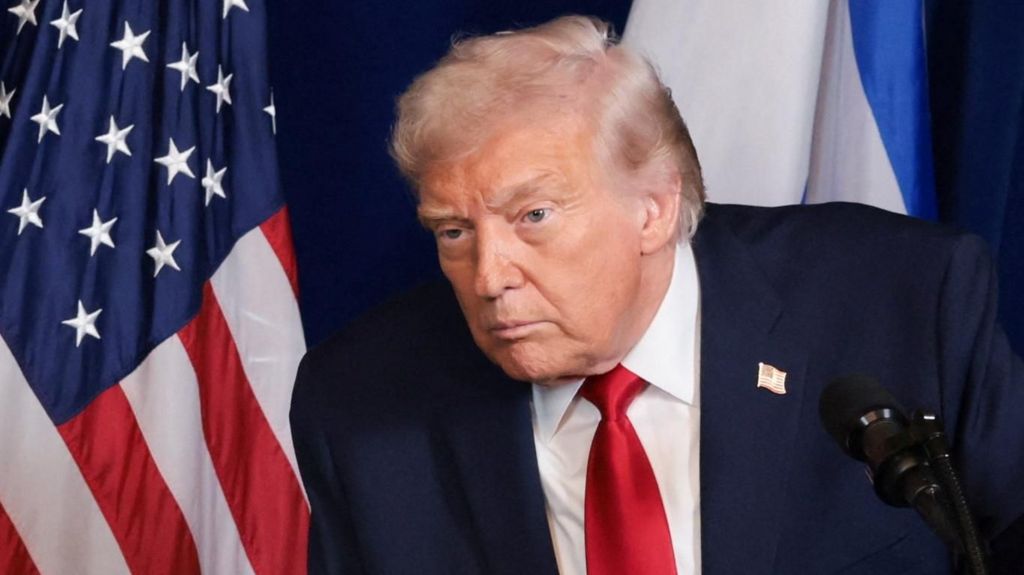
    In a significant development in the Caribbean security landscape, former President Donald Trump has disclosed that United States forces executed a military strike targeting a dock facility allegedly utilized by Venezuelan drug trafficking operations. The revelation came during a press briefing in Florida on Monday, where Trump characterized the operation as targeting a “dock area” central to narcotics loading operations.

    Trump’s description of a “major explosion” occurring last week marks the second time he has referenced this operation, though he maintained deliberate ambiguity regarding operational details. When pressed by journalists about potential CIA involvement, Trump responded cryptically: “I don’t want to say that. I know exactly who it was, but I don’t want to say who it was.”

    This incident represents the latest escalation in Washington’s intensified counter-narcotics campaign targeting Venezuelan operations. Since September, U.S. forces have conducted strikes against more than twenty vessels allegedly involved in drug smuggling, resulting in approximately 100 casualties according to official reports.

    The geopolitical context reveals deepening tensions between the two nations. The Trump administration has deployed substantial military assets to the region, including 15,000 troops and advanced naval vessels such as the USS Gerald Ford aircraft carrier. This deployment represents the largest U.S. military presence in the Caribbean since the 1989 invasion of Panama.

    Venezuela’s government under President Nicolás Maduro has previously condemned U.S. actions as “piracy” and rejected allegations that Maduro maintains connections to drug cartels. Maduro contends that Washington’s anti-drug campaign serves as a pretext for regime change and access to Venezuela’s extensive oil reserves.

    The White House and Pentagon have maintained official silence regarding the dock strike, breaking from established precedent where the Defense Department typically releases visual evidence confirming such operations. This departure from standard procedure raises questions about the nature and location of the strike, particularly whether it occurred within Venezuelan territorial waters.

  • China plans to launch digital currency action plan

    China plans to launch digital currency action plan

    China’s central bank has announced a major strategic initiative to accelerate the development and implementation of its digital currency ecosystem. The People’s Bank of China (PBoC) revealed on Monday that it will launch a comprehensive “action plan” effective January 1st, 2026, marking a significant advancement in the country’s digital currency ambitions.

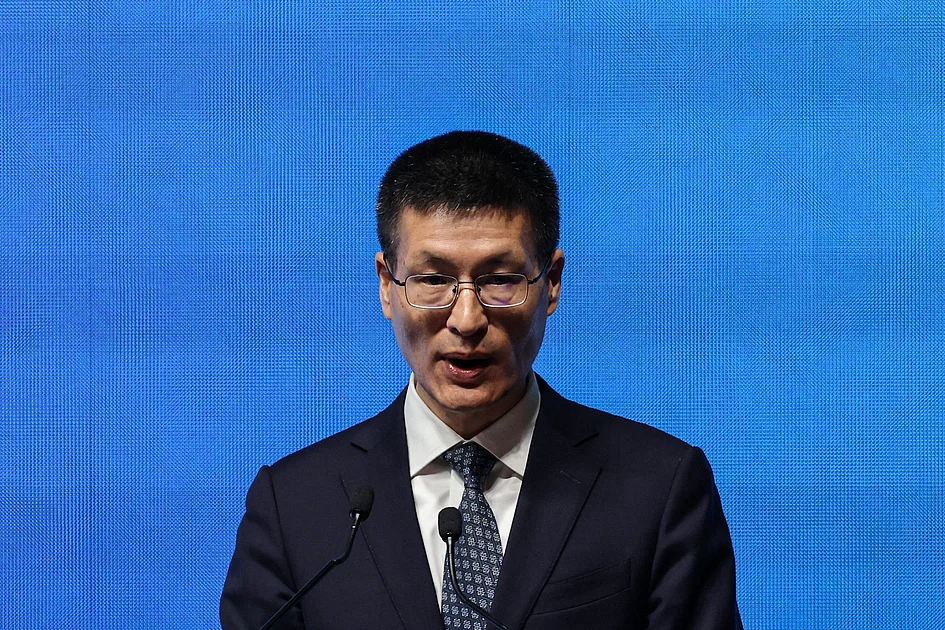
    According to Deputy Governor Lu Lei, who detailed the initiative in the central bank-affiliated Financial News publication, the plan represents a “new generation” framework for the digital yuan. The comprehensive strategy encompasses four critical components: a measurement framework, management system, operating mechanism, and ecosystem development. This structured approach aims to create a modern digital payment and circulation system operating within China’s financial infrastructure.

    A key incentive feature of the plan involves commercial banks paying interest on digital yuan balances held by clients, a strategic move designed to encourage broader adoption of the state-backed digital currency. Additionally, the initiative includes proposals to establish an international digital yuan operations center in Shanghai, positioning the eastern financial hub as a global nexus for the currency’s international operations.

    This development comes amid a global surge in central bank digital currency (CBDC) exploration, accelerated by the pandemic-driven shift toward digital payments and the growing prominence of cryptocurrencies. The PBoC has been developing its digital currency since 2014, conducting extensive pilot programs across the country under the “e-CNY” designation.

    While Chinese consumers already extensively utilize mobile and online payment platforms, the digital yuan initiative would potentially grant the central bank, rather than private tech giants, greater access to payment data and enhanced oversight capabilities within the digital payments landscape.

  • UAE weather tomorrow: Rains expected as temperature drops across emirates

    UAE weather tomorrow: Rains expected as temperature drops across emirates

    Meteorological authorities in the United Arab Emirates have issued a comprehensive weather advisory forecasting significant environmental changes across the emirates. The National Centre of Meteorology (NCM) anticipates partly to fully overcast conditions throughout Tuesday, with precipitation expected across northern and eastern regions. This weather pattern brings notable temperature declines, with internal and northern territories potentially experiencing lows of 11°C while coastal cities maintain milder conditions between 19°C and 25°C.

    The developing weather system will generate northwesterly winds reaching velocities between 15-30 km/h, with occasional gusts peaking at 60 km/h. These atmospheric conditions will trigger substantial dust mobilization across terrestrial areas, significantly impairing horizontal visibility and creating potentially hazardous travel conditions. Maritime operations face particular challenges as the Arabian Gulf and Oman Sea are forecast to experience rough to very rough sea states, advising extreme caution for marine activities.

    This meteorological development represents a characteristic seasonal transition period for the region, emphasizing the importance of preparedness for reduced visibility on roadways and potential respiratory concerns due to airborne particulates. The temperature differential between coastal and inland areas highlights the diverse microclimates existing within the UAE’s geographical landscape during winter months.

  • Emirates Reit reports 22% increase in property income and 57% dip in net finance costs

    Emirates Reit reports 22% increase in property income and 57% dip in net finance costs

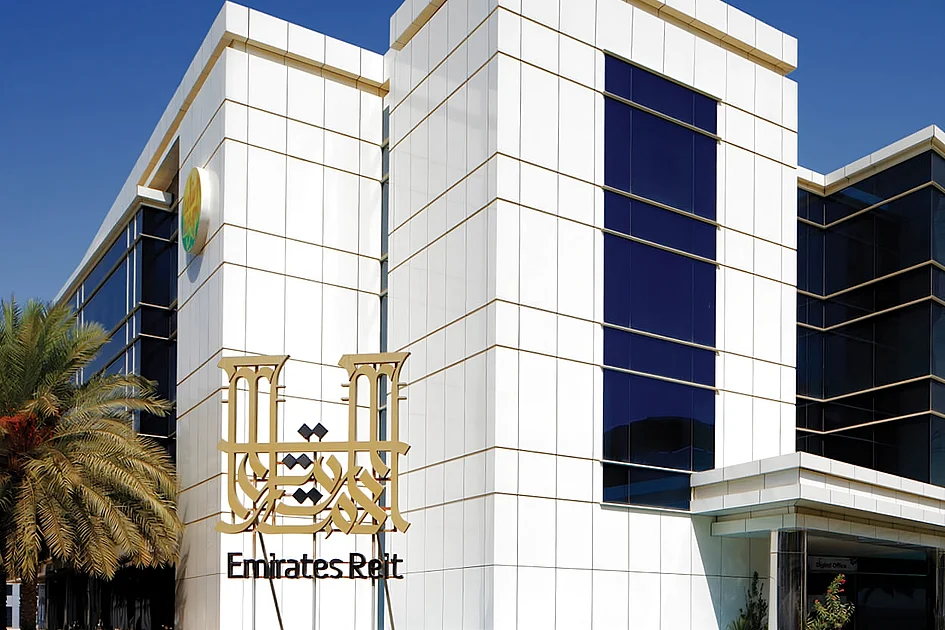
    Dubai’s real estate investment trust, Emirates REIT, managed by Equitativa (Dubai) Limited, has demonstrated exceptional financial health in its third-quarter 2025 report. The trust announced a substantial 22% year-on-year surge in total property income, reaching $60 million on a like-for-like basis for the first three quarters of the year. This impressive growth was complemented by a remarkable 57% reduction in net finance costs, which plummeted to $17 million from $40 million during the same period in 2024.

    The REIT’s portfolio exhibited robust operational performance with occupancy rates climbing to 94%, up from 92% a year earlier. This increase reflects sustained tenant demand across its properties and effective asset management strategies. Despite divesting some investment properties in 2024, net property income remained stable at $52 million, underscoring the portfolio’s income resilience.

    Financial stability was significantly enhanced through disciplined balance sheet management. The Loan-to-Value (LTV) ratio was dramatically reduced to a conservative 20%, down from 36% in Q3 2024, representing a 16 percentage point improvement. This deleveraging effort, combined with strategic refinancing initiatives, contributed to the substantial decrease in finance costs.

    The trust recorded substantial revaluation gains of $171 million, elevating total assets to $1.22 billion, exceeding the previous year’s $1.17 billion despite property disposals. Most notably, net asset value reached an historic peak of $886 million, representing a 37% year-on-year increase from $648 million in Q3 2024. On a per-share basis, this translated to $2.78 compared to $2.03 previously.

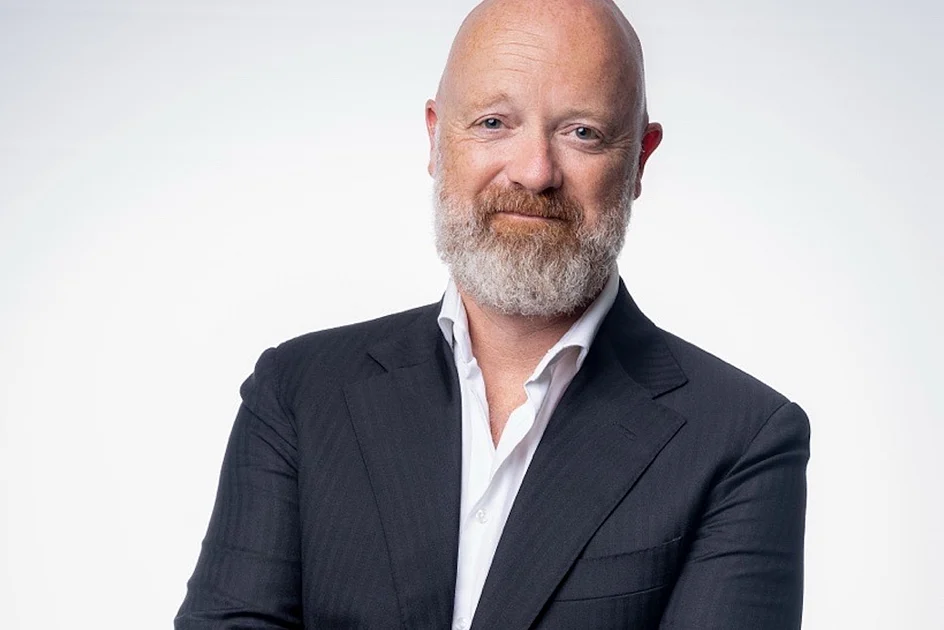
    Funds From Operations (FFO) showed remarkable improvement, reaching $14 million compared to negative $0.5 million in the same period last year, which included impacts from divested properties. Thierry Delvaux, CEO of Equitativa Dubai, attributed this strong performance to the resilience of the portfolio and disciplined execution of their strategy, positioning the REIT for sustainable growth and attractive shareholder returns.

  • From hospitals to health systems: How connected care will redefine GCC healthcare by 2026

    From hospitals to health systems: How connected care will redefine GCC healthcare by 2026

    The Gulf Cooperation Council (GCC) healthcare sector is undergoing a fundamental paradigm shift, moving from hospital-centric models toward integrated, digitally-connected care ecosystems. By 2026, regional healthcare excellence will be measured not by physical infrastructure alone, but through seamless connectivity between data systems, medical professionals, and patients.

    This transformation centers on operational excellence powered by digital integration. The ability to coordinate care across clinics, hospitals, diagnostic centers, pharmacies, insurers, and virtual platforms will determine overall healthcare outcomes, efficiency, and sustainability across the region.

    GCC nations are rapidly abandoning fragmented care models in favor of longitudinal patient data as the foundation of healthcare delivery. Electronic Medical Records (EMRs), interoperable health information exchanges, AI-driven clinical decision support systems, and digital diagnostics are converging to create comprehensive patient profiles. This technological integration enables physicians to transition from reactive treatment to proactive, evidence-based, and personalized care protocols.

    National platforms including Dubai’s NABIDH, Abu Dhabi’s Malaffi, and UAE-wide Riayati are already facilitating secure data exchange between public and private providers. These systems have evolved beyond pilot stages to become operational backbones of clinical infrastructure, enhancing care continuity while reducing duplication, errors, and treatment delays.

    Achieving connected care at scale demands significant operational maturity beyond technological implementation. This includes workforce optimization, capacity planning, insurance integration, and digitally-enabled workflows that minimize friction throughout patient journeys.

    The UAE demonstrates this operational shift through measurable progress. Dubai Health Authority reports indicate doctor numbers increased to 11,890 in 2022—a 10.2% year-on-year growth—with doctor density improving to 3.35 per 1,000 population. This expanded clinical capacity, combined with digital platforms, substantially improves specialist access and reduces waiting times.

    Hospital infrastructure management has also evolved, with providers maintaining optimal bed occupancy rates of 75% to balance utilization with surge capacity readiness—a critical capability given regional population growth and rising chronic disease prevalence.

    Mandatory health insurance has emerged as a crucial enabler of connected care ecosystems across the GCC. Near-universal insurance coverage in markets like the UAE has transformed healthcare access, affordability, and continuity. As systems mature, incorporating long-term residents including Golden Visa holders into comprehensive insurance frameworks will be essential for sustaining the shift from episodic treatment to preventive, value-based care.

    Uniform coverage enables healthcare systems to prioritize preventive measures and chronic disease management over acute interventions, strengthening risk pooling mechanisms and improving population health outcomes. By 2026, insurance data integrated with clinical systems will play a pivotal role in driving value-based care models where outcomes rather than volumes define success.

    In fully connected care models, operational efficiency directly enhances patient experience. Imagine cardiac patients whose wearable devices continuously transmit vital data to physicians, seamlessly integrated into EMRs. Virtual consultations supported by AI-driven trend analysis could lead to digital prescriptions fulfilled by online pharmacies within 30-60 minutes.

    This vision is already becoming reality across the UAE, supported by growing investments in telehealth, remote monitoring, AI diagnostics, and digital pharmacies. With GCC healthcare expenditure projected to grow from $109.1 billion in 2024 to $159 billion by 2029 at a 7.8% compound annual growth rate, innovation scale and pace will accelerate dramatically.

    Demographic changes make this transformation imperative. The UAE’s population is projected to reach 11.1 million by 2030, with residents aged 65 and above increasing from 1.1% to 4.4%. This aging population, combined with high non-communicable disease prevalence, demands continuous, coordinated, and cost-effective healthcare models.

    Connected care enables providers to manage chronic conditions more effectively, reduce hospital admissions, and support aging populations with dignity while maintaining system sustainability.

    By 2026, GCC healthcare leaders will be those who have mastered the operational choreography of connected care—where data flows seamlessly, clinicians collaborate effortlessly, and patients experience care as a continuous journey rather than isolated encounters. The region, led by the UAE, possesses both the vision and infrastructure to achieve this transformation, with execution refinement, stakeholder alignment, and digital-first clinical practice embedding representing the remaining challenges.

    The future of GCC healthcare will be built connection by connection rather than brick by brick—and that future is already taking shape.
  • How AI boom is pressuring videogame console industry in race for memory chips

    How AI boom is pressuring videogame console industry in race for memory chips

    The relentless expansion of artificial intelligence infrastructure is creating a severe supply chain crisis for the global videogame industry, as soaring demand for high-performance memory chips diverts resources away from consumer electronics. This market shift is placing unprecedented pressure on console manufacturers, including Sony, Microsoft, and Nintendo, potentially leading to significant price increases and delayed product launches throughout 2026.

    At the core of this supply bottleneck are Dynamic Random Access Memory (DRAM) chips, essential components in gaming consoles like PlayStation 5, Xbox Series X/S, and the anticipated Nintendo Switch 2. These chips enable critical gaming performance features including rapid loading times, seamless frame rates, and overall system responsiveness. With AI developers aggressively acquiring available memory supplies for data center applications, semiconductor manufacturers are prioritizing higher-margin data-center chips over consumer-grade components.

    This strategic reallocation has already triggered industry-wide responses. Micron Technology announced the discontinuation of its longstanding Crucial brand, a cornerstone for PC enthusiasts and system builders. Meanwhile, gaming hardware specialists including CyberPowerPC have implemented price increases, with industry reports indicating similar moves planned by Dell Technologies and Lenovo.

    According to Joost van Dreunen, games professor at NYU’s Stern School of Business, memory constitutes approximately 20% of total PC component costs. He projects console prices could escalate by 10-15% over the coming years, with gaming PCs potentially facing increases up to 30% as memory prices continue their upward trajectory through 2026.

    Market analytics firm Counterpoint Research documented a 50% price surge for memory chips throughout 2025, with projections indicating an additional 30% increase in Q4 2025 followed by possible 20% growth in early 2026. These inflationary pressures compound existing challenges including tariff-related manufacturing cost increases and subdued consumer spending.

    Industry trackers report concerning market indicators, with Circana noting a 27% decline in gaming hardware spending during November 2025—the weakest monthly unit sales since 1995—while average device prices reached record highs. Current premium consoles retail between $650-750, prices that may become standard across the industry.

    The supply constraints may also impact upcoming product launches, potentially affecting Valve Corporation’s Steam Machine and other anticipated gaming platforms. As Emarketer analyst Jacob Bourne observes, manufacturers may opt to delay releases rather than risk poor sales in an increasingly price-sensitive market, fundamentally altering the product roadmap for the entire gaming hardware sector.

  • Loylogic shares 2026 vision to advance the global rewards marketplace

    Loylogic shares 2026 vision to advance the global rewards marketplace

    Loylogic, a prominent player in global loyalty rewards management, has announced its comprehensive strategic vision for 2026, positioning itself at the forefront of the rapidly evolving rewards marketplace. This announcement comes as the Middle East loyalty market demonstrates remarkable growth, projected to reach $3.27 billion in 2025 with a 16.3% year-on-year expansion, driven by digital-first approaches, personalized experiences, and coalition-based models.

    The company’s forward-looking strategy emphasizes three core pillars: advanced AI-powered marketplace intelligence, sophisticated catalog curation, and enhanced integration capabilities. Rather than pursuing mere expansion of reward options, Loylogic is focusing on intelligent marketplace design that balances consumer relevance with operational efficiency and sustainable value creation within a unified global platform.

    Underpinning this technological advancement is a robust compliance and security framework that meets international standards including ISO 27001, GDPR, PCI DSS, and AES-256 encryption protocols. The company maintains strict adherence to the European Accessibility Act 2025 and WCAG 2.0 guidelines while ensuring adaptability to regional data residency requirements and varying regulatory landscapes.

    Gabi Kool, CEO of Loylogic, emphasized the shifting priorities in the loyalty sector: ‘As programs mature, brands are seeking smarter, more relevant, and commercially viable reward ecosystems. Our 2026 strategy centers on redefining how global rewards marketplaces are architected, governed, and experienced through the integration of intelligence, trust, and flexibility.’

    Amit Bendre, COO, further elaborated on the technological direction: ‘Our innovation initiatives aim to create more adaptive and intelligent marketplace experiences, delivering superior insights and decision-support capabilities while maintaining uncompromising standards for privacy, security, and regulatory compliance.’

    Looking toward 2026, Loylogic plans to intensify collaboration with global partners, engage more actively with industry stakeholders, and strengthen capabilities across commercial, product, and technology functions. The company’s established infrastructure and marketplace expertise continue to support enterprise clients across financial services, travel, and consumer sectors, transforming routine customer engagement into sustained, meaningful loyalty relationships.

  • Beyoncé declared a billionaire by Forbes

    Beyoncé declared a billionaire by Forbes

    Forbes has officially designated global music icon Beyoncé Knowles-Carter as a billionaire, cementing her position as the fifth musical artist to enter its prestigious ranking of the world’s wealthiest individuals. This landmark achievement places her within an exclusive circle of musicians boasting ten-figure fortunes, a group that includes Taylor Swift, Rihanna, Bruce Springsteen, and her husband, Jay-Z—the latter of whom Forbes estimates holds a net worth of $2.5 billion.

    The publication had previously projected this financial milestone earlier in the month, noting her estimated net worth of $800 million and anticipating her imminent ascension to billionaire status following a period of extraordinary commercial success. A primary driver of this growth was the monumental Renaissance World Tour in 2023, which generated nearly $600 million in revenue. This tour not only solidified her status as a premier pop icon but also led to a concert film. Distributed directly through a partnership with the AMC theater chain, the film allowed her to retain nearly half of its $44 million global box office earnings.

    Further amplifying her financial and critical acclaim, her 2024 album, ‘Cowboy Carter,’ was hailed for its celebration of the Black origins of country music. The project earned the Album of the Year award at the Grammy Awards—her first win in the category after four prior nominations. The subsequent Cowboy Carter tour, featuring appearances by Jay-Z, two of their children, and former Destiny’s Child members, accrued over $400 million in ticket sales and an additional $50 million in merchandise revenue.

    Despite breaking attendance records at venues like London’s Tottenham Hotspur Stadium and the Stade de France in Paris, the tour encountered challenges with slower ticket sales in some markets, prompting promoters to reduce prices to ensure full attendance. Nonetheless, it featured the highest top-tier ticket price for any artist performing in the UK in 2025, reaching £950, with entry-level tickets priced at £71.

    Additional revenue streams contributing to her billionaire status include an estimated $50 million performance fee for a special halftime show during Netflix’s inaugural Christmas Day NFL broadcast, alongside a $10 million endorsement deal for a series of Levi’s commercials.

    In a note on industry valuations, Forbes addressed a discrepancy with Bloomberg’s billionaire index, which listed Selena Gomez with a net worth of $1.3 billion in 2024. Forbes contested this assessment, instead estimating Gomez’s wealth at approximately $700 million.

  • All you need to know about Thalapathy Vijay’s last movie ‘Jana Nayagan’

    All you need to know about Thalapathy Vijay’s last movie ‘Jana Nayagan’

    Tamil cinema superstar Joseph Vijay Chandrasekhar, popularly known as Thalapathy Vijay, is poised to conclude his illustrious acting career with the highly anticipated film ‘Jana Nayagan’ before transitioning into full-time politics. The upcoming cinematic venture has generated unprecedented excitement, underscored by a record-breaking remuneration of approximately Rs 2.75 billion (Dh 112.4 million) for the lead actor, potentially making him India’s highest-paid film star.

    The film’s pre-release events have drawn massive attention, particularly the audio launch in Kuala Lumpur’s National Stadium Bukit Jalal that attracted over 70,000 attendees—reportedly a record audience for such an event in Malaysia. Directed by H Vinoth, known for critically acclaimed works like ‘Nerkonda Paarvai,’ the film features an ensemble cast including Pooja Hegde, Bollywood star Bobby Deol (as the antagonist), Mamitha Baiju, Prakash Raj, and Priyamani. Music composition is handled by Anirudh Ravichander, whose previous collaborations with Vijay have produced numerous chart-topping hits.

    With an estimated production budget of Rs 3 billion (Dh 122.7 million), ‘Jana Nayagan’ represents one of the most ambitious projects in Tamil cinema. The film’s commercial prospects are bolstered by significant rights sales: Amazon Prime Video secured digital rights for Rs 1.21 billion while Zee Tamil acquired satellite rights for Rs 640 million.

    The production’s context is particularly noteworthy as Vijay deliberately concludes his acting career during a professional peak, with recent successes including ‘Leo,’ ‘Greatest of All Time,’ and ‘Varisu.’ His political aspirations have added layers of significance to the release, evidenced by his pointed criticisms of Tamil Nadu’s ruling Dravida Munnetra Kazhagam party during promotional events.

    Adding to the drama, ‘Jana Nayagan’ will face box office competition from ‘Parasakthi,’ distributed by Red Giant Pictures—a company founded by DMK’s Udhayanidhi Stalin—whose release date was strategically moved to January 10, intensifying the commercial and political rivalry. Despite speculation about the film being a remake of Telugu cinema’s ‘Bhagavanth Kesari,’ director H Vinoth has emphatically denied these claims, characterizing ‘Jana Nayagan’ as “100 percent entertaining and engaging” original content that embodies the essence of Thalapathy Vijay’s cinematic legacy.

  • Fireworks from home: Dubai residents turn rooftops into New Year’s Eve front-row seats

    Fireworks from home: Dubai residents turn rooftops into New Year’s Eve front-row seats

    As Dubai prepares for its spectacular New Year’s Eve fireworks displays, a growing number of residents are transforming their residential rooftops into premium viewing platforms, creating intimate alternatives to crowded public spaces. This emerging tradition represents a significant shift in how urban communities experience major celebrations, prioritizing personal connection over public spectacle.

    Across Dubai’s distinctive skyline, families are establishing multi-year traditions of gathering on their rooftops to witness the city’s world-renowned pyrotechnic shows. Salma Alflasi, a resident residing near the iconic Burj Al Arab, describes how her family’s rooftop has become the ceremonial heart of their annual celebrations. “The decision to celebrate elevated above the city combines both geographical advantage and emotional significance,” Alflasi explained. “While the view is undoubtedly spectacular, the true magic lies in sharing this experience with loved ones in a comfortable, personal space.”

    The appeal of rooftop celebrations extends beyond convenience to encompass deeper values of intimacy and tranquility. Many residents report that these private gatherings provide a sense of calm and genuine connection that crowded public events cannot replicate. The absence of traffic congestion, lengthy waits, and overwhelming crowds allows families to fully immerse themselves in the moment, creating meaningful traditions that prioritize togetherness over spectacle.

    In neighborhoods like Al Quoz, residents are discovering that their rooftops offer unexpectedly comprehensive views of multiple fireworks displays. Shan Mohammed describes experiencing 360-degree panoramas that simultaneously capture pyrotechnic shows from Burj Khalifa, Burj Al Arab, and other locations. “We stand at the center of our rooftop and slowly rotate as the entire sky illuminates with synchronized celebrations,” Mohammed noted. “The experience transforms our personal space into the most exclusive viewing gallery in the city.”

    This trend reflects broader shifts in urban celebration culture, where residents are increasingly curating personalized experiences that blend comfort, connection, and breathtaking visuals. The rooftop phenomenon demonstrates how cities can celebrate collectively while maintaining individual traditions, creating layered experiences that accommodate both massive public displays and intimate private gatherings.

    The emotional resonance of these rooftop celebrations extends beyond the visual spectacle. Participants describe creating profound memories through shared anticipation, uninterrupted conversation, and the spontaneous joy of witnessing the city’s transformation at midnight. For many, these elevated gatherings have become essential rituals that mark both personal and collective renewal, blending the grandeur of urban spectacle with the warmth of family tradition.