标签: Europe

欧洲

  • Italy may not support EU-Mercosur free trade deal without changes

    Italy may not support EU-Mercosur free trade deal without changes

    BRUSSELS — A landmark trade agreement between the European Union and South America’s Mercosur bloc faces significant uncertainty as Italy joined France in demanding last-minute concessions, casting doubt on a deal twenty-five years in the making. The development comes as EU leaders convene in Brussels for a summit dominated by Ukraine funding, while angry farmers prepare to descend upon the capital in protest.

    Italian Premier Giorgia Meloni delivered a decisive statement to parliament on Wednesday, declaring that signing the pact in its current form would be “premature.” While stopping short of outright opposition, Meloni insisted that Italy would only support the agreement once it includes “adequate reciprocal guarantees” to protect Italian agricultural interests from unfair competition.

    The Mercosur-EU agreement, which would create one of the world’s largest free trade zones covering 780 million people and a quarter of global GDP, requires approval from at least two-thirds of EU member states. Italy’s hesitation strengthens France’s position, which has already demanded stringent safeguards including enhanced import inspections, stricter pesticide regulations in Mercosur nations, and mechanisms to prevent market disruption.

    The political resistance reflects growing far-right influence across Europe that has capitalized on agricultural concerns. Farmers from Greece to Poland have organized protests in Brussels, with some arriving on tractors, fearing the pact will undermine their livelihoods through cheaper imports.

    Despite the mounting opposition, European Commission President Ursula von der Leyen and European Council President António Costa remain committed to signing the agreement during their scheduled visit to Brazil on Saturday. German Chancellor Friedrich Merz criticized the resistance in Berlin, arguing that those “moaning about details” fail to understand Europe’s strategic priorities in global trade.

    The Brussels summit will primarily address Ukraine financing, but the trade deal represents a critical test of EU unity and its ability to conclude complex international agreements amid rising protectionist sentiments.
  • Nato spending pledge is Trump’s biggest foreign policy success, Rutte tells BBC

    Nato spending pledge is Trump’s biggest foreign policy success, Rutte tells BBC

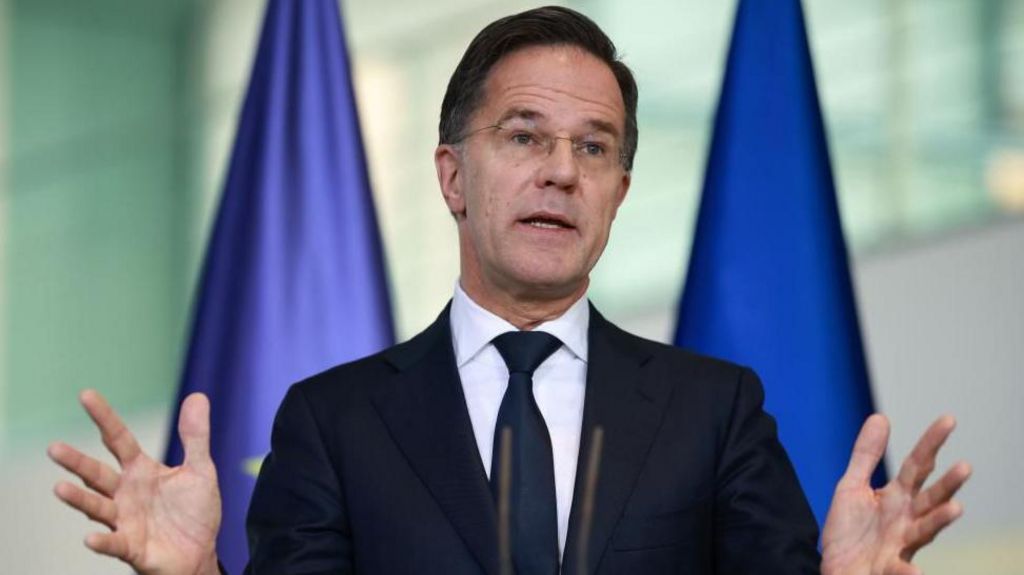
    NATO Secretary General Mark Rutte has characterized the alliance’s commitment to allocate 5% of economic output to defense as former President Donald Trump’s most significant foreign policy achievement. In an exclusive BBC Radio 4 interview, Rutte asserted that Trump’s persistent criticism of European allies’ inadequate military spending has ultimately strengthened the alliance, describing it as “stronger than it ever was.”

    The declaration follows intense pressure from Trump, who threatened to withdraw U.S. protection unless member nations increased defense contributions. This pressure culminated in the June summit in The Hague, where NATO members committed to reaching the 5% spending target by 2035, citing Russia’s enduring threat and global terrorism concerns.

    Meanwhile, Russian President Vladimir Putin dismissed NATO’s warnings about potential Russian aggression against member states within five years as “hysteria” and “pure nonsense.” Speaking to defense officials in Moscow, Putin reiterated his objectives in Ukraine, stating his preference for diplomatic solutions but vowing to achieve “the liberation of its historical lands by military means” if negotiations fail.

    Rutte condemned Putin’s pursuit of historical territorial claims, describing the human cost as “insane” with approximately 1.1 million Russian casualties. The NATO chief simultaneously praised Trump’s diplomatic efforts to end the conflict, despite concerns that initial drafts of Trump’s peace plan appeared favorable to Moscow.

    The proposed settlement includes ceding eastern Ukrainian territories to Russia and providing security guarantees for Kyiv to prevent future aggression. U.S. officials indicate readiness to offer Ukraine protections modeled on NATO’s Article 5 mutual defense clause, while European allies discuss forming a “multinational force Ukraine” to assist with military regeneration and security.

    As Russia maintains its war economy, producing 150 tanks monthly alongside substantial drone and artillery output, Western nations struggle to match this production capacity. France and Germany have recently moved to revive voluntary military service for young adults amid growing recognition of the conventional warfare capabilities gap.

  • France probes ‘foreign interference’ after remote control malware found on passenger ferry

    France probes ‘foreign interference’ after remote control malware found on passenger ferry

    French authorities have launched a major counterespionage investigation into an alleged cyberattack targeting an international passenger ferry, with one crew member currently detained on suspicion of acting for an unidentified foreign power. The case emerged after Italian intelligence services alerted France’s General Directorate of Internal Security about potential malware infiltration in the computer systems of a vessel docked at the Mediterranean port of Sète.

    According to the Paris prosecutor’s office, investigators discovered remote access trojan (RAT) software capable of seizing control of the ferry’s operational computers. Interior Minister Laurent Nunez characterized the incident as ‘a very serious affair’ during an interview with France Info, confirming that individuals attempted to breach the ship’s data-processing systems. While the specific intent remains undetermined, Nunez acknowledged investigators are pursuing leads related to ‘foreign interference.’

    The investigation led to the arrest of two crew members—one Latvian and one Bulgarian—last Friday. The Bulgarian national was subsequently released after questioning, while the Latvian citizen remains in custody facing preliminary charges of criminal conspiracy and hacking offenses allegedly committed to benefit a foreign power. Search operations were also conducted in Latvia as part of the ongoing probe.

    The incident occurs amid growing concerns among European nations about Russia’s alleged ‘hybrid warfare’ tactics, which include cyber operations, disinformation campaigns, and other hostile activities that maintain plausible deniability. Although French officials have not explicitly named Russia, Minister Nunez pointedly remarked that ‘foreign interference very often comes from same country.’

    The affected ferry has resumed normal operations following comprehensive security evaluations of its computer infrastructure. The case represents the latest in a series of suspected state-sponsored cyber operations targeting European infrastructure.

  • UK gives Abramovich last chance to give Chelsea sale proceeds to victims of Russia’s war in Ukraine

    UK gives Abramovich last chance to give Chelsea sale proceeds to victims of Russia’s war in Ukraine

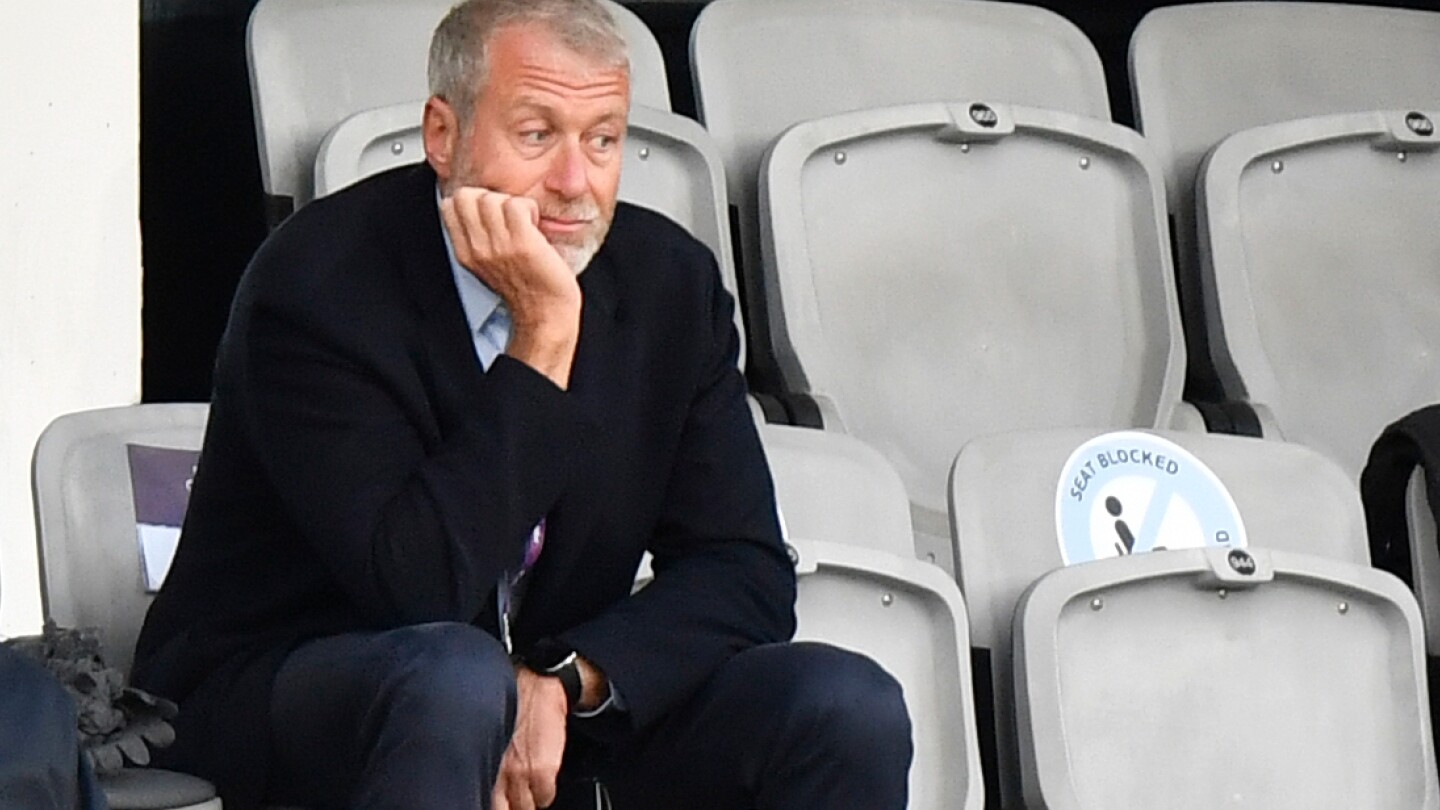
    The British government has delivered a definitive ultimatum to sanctioned Russian billionaire Roman Abramovich, demanding he finally transfer the £2.5 billion ($3.25 billion) pledged from the sale of Chelsea Football Club to aid victims of Russia’s war in Ukraine. Prime Minister Keir Starmer’s administration declared on Wednesday that it is prepared to initiate legal proceedings to enforce the commitment, which has remained unfulfilled for over two years.

    The saga stems from the 2022 forced sale of the Premier League club after the UK government imposed sanctions on Abramovich due to his established connections with Russian President Vladimir Putin following the full-scale invasion of Ukraine. As a condition of the sale approval, Abramovich publicly vowed to establish a charitable foundation dedicated to supporting those affected by the conflict. Despite the transaction’s completion—which saw ownership transfer to a consortium led by American Todd Boehly and Clearlake Capital—the promised funds remain frozen in a UK bank account, legally still belonging to the oligarch but inaccessible without government approval.

    Prime Minister Starmer emphasized the urgency of the situation, stating, “The clock is ticking on Roman Abramovich to honor the commitment he made when Chelsea FC was sold. This government is prepared to enforce it through the courts, so that every penny reaches those whose lives have been torn apart by Putin’s illegal war.” The government’s statement noted that extensive negotiations to secure a voluntary release of the funds have ultimately failed, leaving litigation as the only remaining option. Abramovich, who acquired Chelsea in 2003 and presided over an era that included two Champions League and five Premier League titles, could not be reached for immediate comment.

  • Why the world’s most visited museum has reached a breaking point

    Why the world’s most visited museum has reached a breaking point

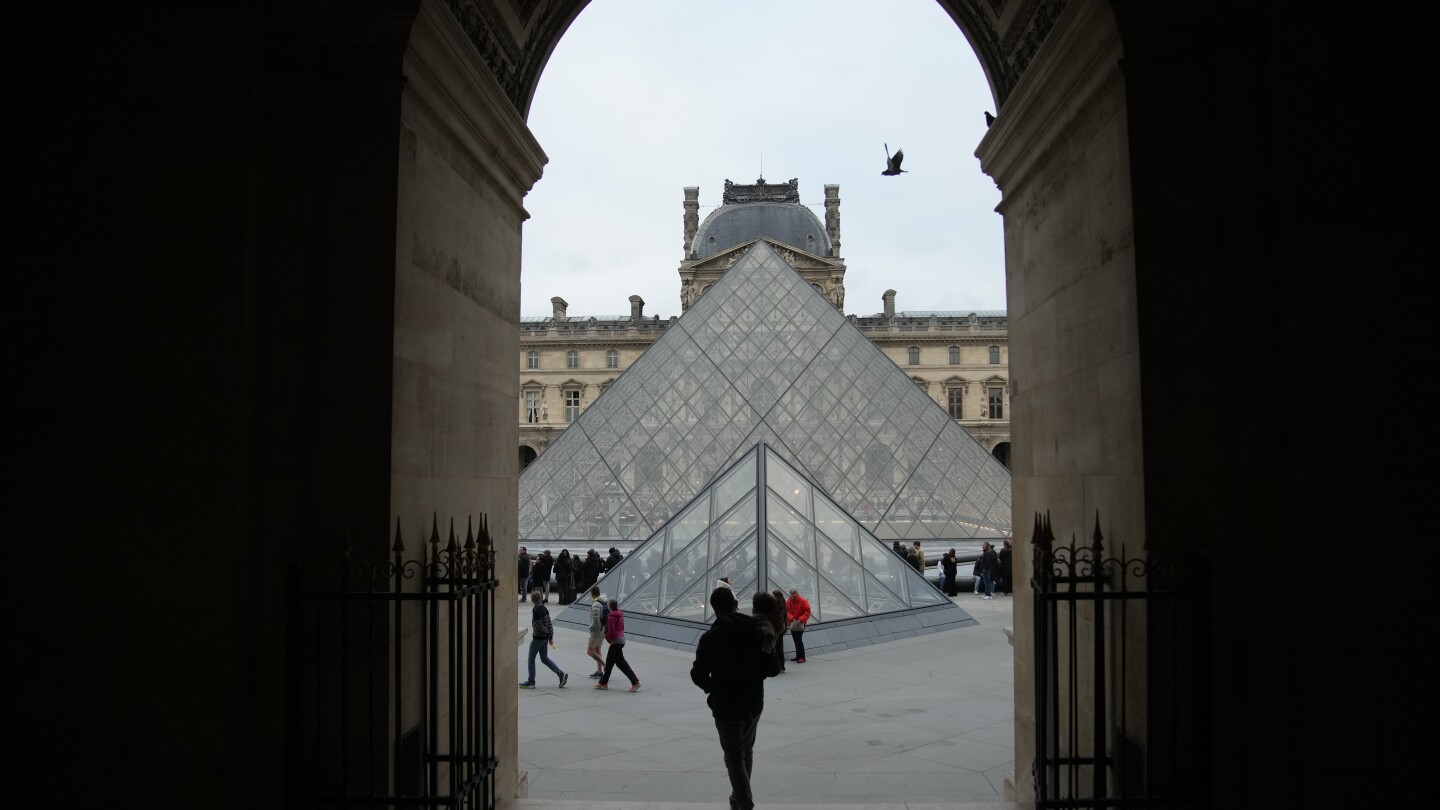
    PARIS — The Louvre Museum, the world’s most visited cultural institution, faces an unprecedented institutional crisis as a prolonged staff strike reveals deep-seated operational failures compounded by a spectacular $102 million jewel theft. What began as a labor dispute has evolved into a comprehensive examination of the museum’s security protocols, structural integrity, and management competence.

    The current turmoil stems from multiple converging factors: chronic understaffing, deteriorating infrastructure, and security vulnerabilities dramatically exposed by the October daylight robbery of crown jewels. The heist, executed with startling efficiency as thieves escaped with approximately 30 seconds to spare, served as a catalyst for long-simmering staff grievances to erupt into full-scale industrial action.

    French parliamentary investigations revealed cascading security failures: only one of two surveillance cameras functioned properly at the break-in point, security personnel lacked adequate monitoring equipment, and police were initially dispatched to an incorrect location when alarms finally activated. Audits from 2017 and 2019 had previously identified these vulnerabilities, yet recommended corrective measures were never fully implemented.

    The physical plant itself presents additional challenges. Sections of the centuries-old palace have been deemed unsafe and closed to the public, including nine rooms in the Campana Gallery dedicated to ancient Greek ceramics. Technical reports cited ‘particular fragility’ in supporting beams, forcing staff relocations and ongoing closures. Unions point to incidents like November’s water leak that damaged hundreds of historical volumes as evidence of broader institutional neglect.

    Culture Ministry officials have attempted to resolve the standoff by proposing to cancel planned 2026 funding cuts, hire additional security and visitor services staff, and increase wages. However, unions have rejected these measures as insufficient, indicating that trust has deteriorated beyond simple solutions.

    The museum has partially reopened a limited ‘masterpiece route’ allowing access to iconic works like the Mona Lisa and Venus de Milo—a temporary measure that underscores how far normal operations have deteriorated. Pressure now focuses squarely on Louvre President Laurence des Cars, with the ministry appointing Philippe Jost, who oversaw Notre Dame’s restoration, to assist in reorganizing the museum’s operations.

    President Macron’s ‘New Renaissance’ renovation plan, launched in early 2025 to modernize the Louvre and address overcrowding, faces criticism for prioritizing high-profile projects over fundamental infrastructure and security needs. A proposed dedicated room for the Mona Lisa with separate entrance has become symbolic of what staff perceive as misplaced priorities, fearing it may lead to tiered access systems rather than addressing urgent safety concerns.

    Former director Jean-Luc Martinez, who led the institution from 2013 to 2021, recently told senators he believed the museum’s security plan was adequate during his tenure, stopping short of accepting personal responsibility for the documented failures. All four suspected robbers have been apprehended, but the stolen jewels remain missing, with Interpol listing them in its database of stolen art amid concerns they may be dismantled or smuggled internationally.

  • Putin warns that Russia will seek to extend its gains in Ukraine if peace talks fail

    Putin warns that Russia will seek to extend its gains in Ukraine if peace talks fail

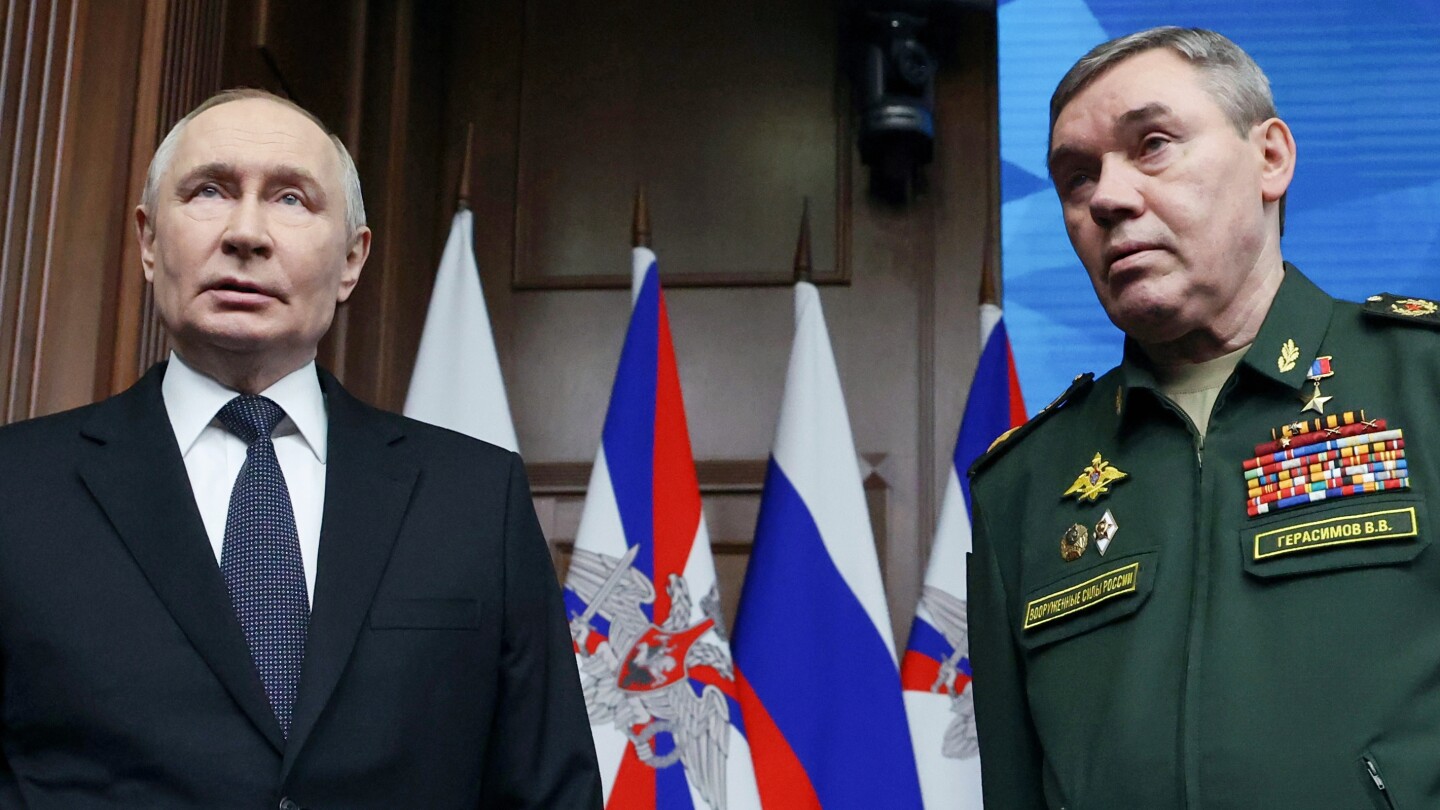
    Russian President Vladimir Putin delivered a stark warning during his annual address to military commanders on Wednesday, threatening to expand territorial gains in Ukraine unless Kyiv and Western allies acquiesce to Moscow’s conditions in ongoing peace negotiations.

    The Kremlin leader asserted that while Russia prefers diplomatic resolution to ‘eliminate the root causes of the conflict,’ military escalation remains imminent if opposing parties refuse substantive dialogue. ‘Russia will achieve the liberation of its historical lands by military means,’ Putin declared, emphasizing his forces’ strategic advantage across frontline positions.

    This belligerent rhetoric coincides with intensive diplomatic efforts led by U.S. President Donald Trump to resolve the nearly four-year conflict stemming from Russia’s full-scale February 2022 invasion. Washington’s mediation attempts confront fundamentally incompatible positions between the warring nations.

    Putin bolstered his threats with displays of military capability, highlighting Russia’s modernization of nuclear arsenals including the new nuclear-capable Oreshnik intermediate range ballistic missile scheduled for combat duty this month. The president boasted the missile’s alleged impregnability, referencing its November 2024 conventional strike on a Ukrainian facility.

    Moscow’s non-negotiable demands include: recognition of Russian sovereignty over four occupied regions plus Crimea (illegally annexed in 2014); Ukrainian withdrawal from additional eastern territories; permanent abandonment of NATO membership aspirations; and prohibition of NATO troop deployments—which Russia would consider ‘legitimate targets.’

    Ukrainian President Volodymyr Zelenskyy, following meetings with U.S. envoys in Berlin, characterized a draft peace proposal as ‘not perfect’ but ‘very workable.’ While expressing willingness to relinquish NATO membership in exchange for equivalent security guarantees, Zelenskyy firmly rejected ceding territories beyond current Russian control. The Ukrainian leader indicated potential presentation of finalized proposals to Moscow within days, though territorial sovereignty remains the critical unresolved issue.

    Western nations and Ukraine continue to regard Russia’s actions as violations of international sovereignty and unprovoked aggression, setting the stage for continued diplomatic stalemate amid heightened threats of military escalation.

  • UK to rejoin EU’s student exchange program in a step toward closer ties after Brexit

    UK to rejoin EU’s student exchange program in a step toward closer ties after Brexit

    In a significant diplomatic shift, the United Kingdom has formally agreed to rejoin the European Union’s Erasmus+ student exchange initiative, marking a substantial step toward mending relations strained by Brexit. The announcement made Wednesday confirms that British students and apprentices will regain access to study and training opportunities across EU member states without incurring international tuition fees starting January 2027.

    The agreement represents a comprehensive framework extending beyond traditional university exchanges to include apprentices, school pupils, adult learners, educators, and sports coaches. EU students will simultaneously regain reciprocal access to British educational institutions.

    UK Minister for EU Relations Nick Thomas-Symonds hailed the decision as transformative, stating it removes barriers and creates equal opportunities for young people from all socioeconomic backgrounds to gain international educational experience.

    The financial commitment involves an initial payment of approximately £570 million (equivalent to $860 million) for the inaugural year, with subsequent funding arrangements to be determined. This reversal of position notably contrasts with the previous administration’s approach under Boris Johnson, who had withdrawn from the program citing cost-effectiveness concerns.

    The reinstatement occurs within broader context of improved EU-UK relations under Prime Minister Keir Starmer’s government, which has prioritized rebuilding European partnerships. Recent months have seen progress on multiple fronts including trade, travel, and defense cooperation, though negotiations regarding participation in EU defense funds recently stalled over financial contribution disagreements.

    Established nearly four decades ago, Erasmus stands as one of the EU’s most celebrated initiatives, having enabled millions of young Europeans to pursue international education. The program maintains participation from several non-EU nations including Iceland and Norway.

  • Spanish police evict hundreds of migrants from squat deemed a safety hazard

    Spanish police evict hundreds of migrants from squat deemed a safety hazard

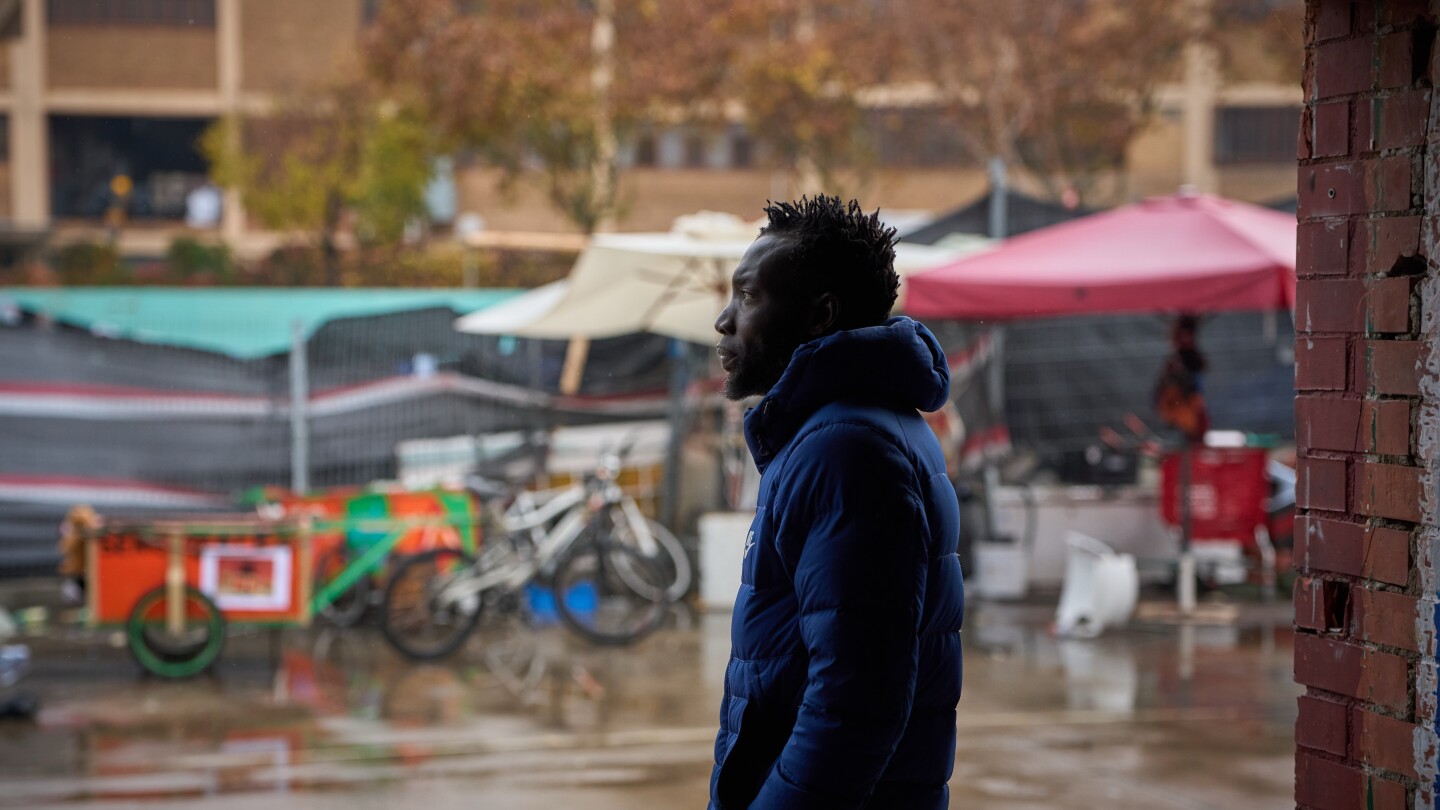
    Authorities in northeastern Spain executed a court-ordered eviction on Wednesday to clear an abandoned school building in Badalona that had been occupied by approximately 400 undocumented migrants. The operation, carried out by Catalonia’s regional police in riot gear, targeted the facility that had become an informal settlement for predominantly sub-Saharan migrants from Senegal and Gambia since its abandonment in 2023.

    Most occupants had vacated the premises anticipating the enforcement action, leaving the structure largely empty when officials arrived. Badalona Mayor Xavier García Albiol, known for his conservative anti-immigration stance, announced the operation via social media, characterizing it as fulfillment of his promise to address what the town hall deemed a public safety hazard.

    The evacuation highlights Spain’s ongoing challenges with migration and housing accessibility. Legal representative Marta Llonch, advocating for the displaced residents, revealed that many survived through informal scrap metal collection while others held legal residency but couldn’t secure affordable housing. Llonch warned that without alternative accommodation solutions, the eviction would simply transfer the humanitarian crisis to public spaces, creating new challenges for both the individuals and municipality.

    This incident echoes a 2020 tragedy in Badalona when a fire at another migrant-occupied factory resulted in four fatalities. Spain’s position on migration remains distinctive among Mediterranean nations, with the current left-wing government acknowledging migration’s contribution to economic growth despite increasing anti-immigration sentiments across Europe.

  • Louvre workers vote to extend a strike at the world’s most visited museum

    Louvre workers vote to extend a strike at the world’s most visited museum

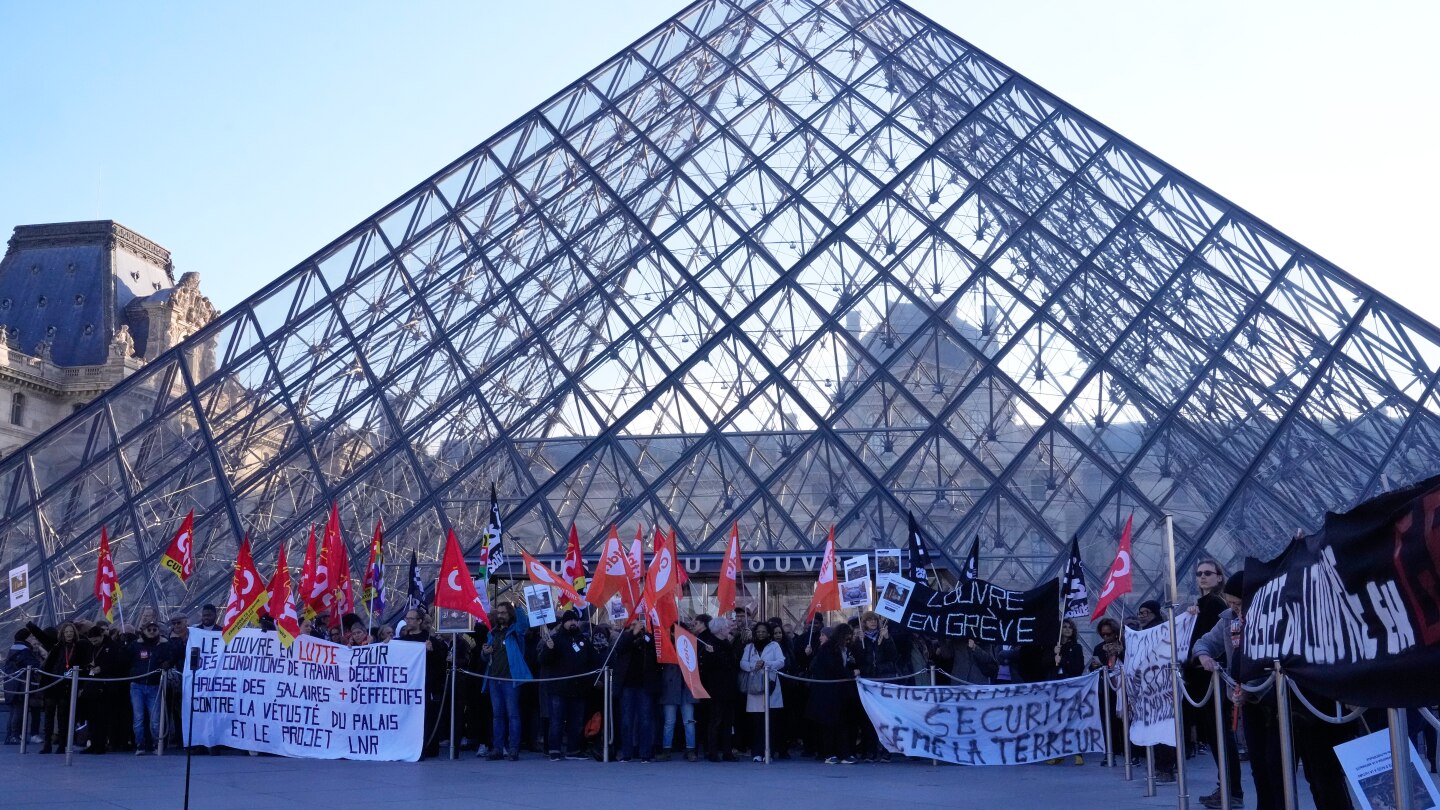
    PARIS — Louvre Museum employees have voted to prolong their strike action, intensifying labor disputes at the world’s most frequented cultural institution. The work stoppage, initially implemented earlier this week, reflects deepening tensions between staff and management over systemic operational challenges.

    Union representatives cite persistent understaffing, deteriorating infrastructure, and controversial administrative decisions as primary grievances. These concerns gained renewed urgency following October’s audacious crown jewels theft, which revealed critical security vulnerabilities within the historic museum complex.

    The Wednesday morning general assembly resulted in unanimous support for continuing the industrial action, creating uncertainty about daily operations. Ticket-holding visitors formed queues outside the museum while administration officials assessed whether sufficient staff would be available to maintain safe gallery access.

    In response to the crisis, Culture Ministry officials proposed several mitigation measures during emergency talks with unions on Monday. These included canceling planned €6.2 million funding cuts scheduled for 2026, initiating new recruitment drives for security and visitor service positions, and enhancing staff compensation packages. Union leadership dismissed these proposals as insufficient to address fundamental problems.

    Louvre President Laurence des Cars faced additional scrutiny during her scheduled appearance before the Senate’s culture committee Wednesday. Lawmakers continue investigating security failures after des Cars acknowledged only learning about a damning 2019 security audit following the October robbery. Both France’s Court of Auditors and an independent administrative inquiry have criticized delayed implementation of promised security upgrades.

    The Culture Ministry recently implemented emergency anti-intrusion protocols and appointed Philippe Jost—who supervised Notre Dame’s restoration—to assist in reorganizing the museum’s security apparatus, signaling growing governmental concern over leadership effectiveness.

  • ‘They look hideous’ – Battle over the Irish flag on Dublin streets

    ‘They look hideous’ – Battle over the Irish flag on Dublin streets

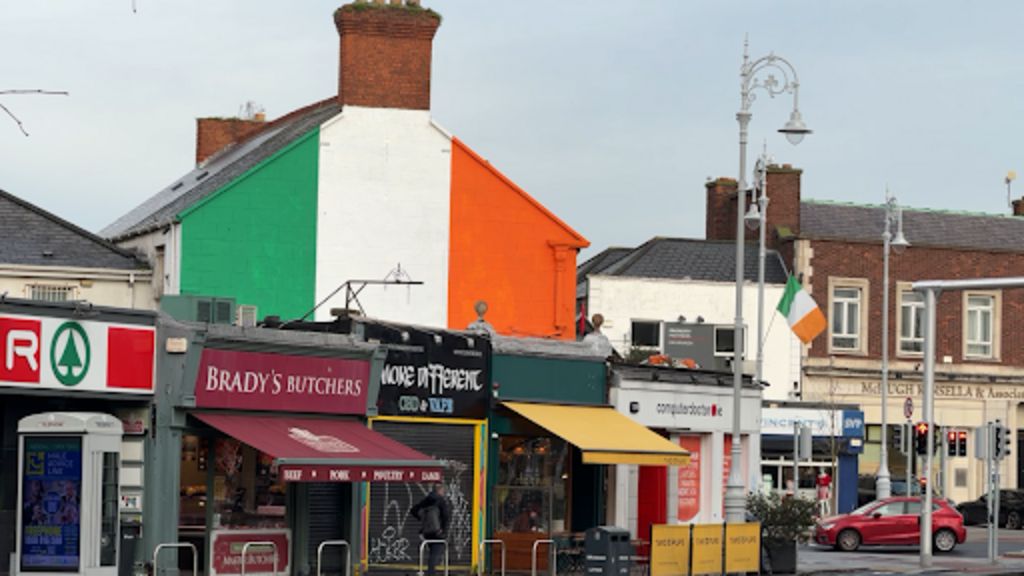
    Dublin has become the stage for a complex cultural confrontation as the Irish tricolour flag transforms into a symbol of division rather than unity. Across the capital’s northern districts, particularly in East Wall, numerous flags have appeared on street lamps without official authorization, sparking intense community debate about national identity and inclusion.

    The phenomenon has drawn sharp criticism from political figures and anti-racism advocates who characterize these displays as territorial marking and intimidation tactics. Conversely, far-right groups and certain community members maintaining the installations reject accusations of racism, insisting they simply express national pride.

    Dublin City Council has adopted a cautious stance, declining to remove the flags despite their unauthorized status. Officials deem removal ‘counterproductive,’ instead proposing educational initiatives about the flag’s historical significance and meaning.

    In response to the perceived co-opting of national symbolism, the #OurFlag movement has emerged seeking to reclaim the tricolour as an inclusive emblem. Organizer Dil Wickremasinghe, a prominent broadcaster and psychotherapist, described the campaign as resistance against those weaponizing the flag to create atmospheres of exclusion. She shared her personal experience of her six-year-old son expressing fears about safety following the 2023 Dublin riots, highlighting the very real human impact of such symbolic conflicts.

    Independent Councillor Malachy Steenson represents the opposing viewpoint, vigorously supporting the flag displays as legitimate expressions of national identity while rejecting any immigration-related motivations. He argues for the tricolour’s exclusive presence on public infrastructure, opposing other flags including European or Pride banners.

    Meanwhile, Social Democrat Councillor Cat O’Driscoll reports significant community concern about the anti-immigration messaging potentially associated with the flags. This concern has manifested physically through a new mural proclaiming ‘North Wall welcomes all’ along North Strand Road, creating a visual counter-narrative to the flag campaign.

    Academic analysis from Professor Dominic Bryan of Queen’s University Belfast contextualizes Dublin’s situation within broader UK and Irish patterns, noting how national flags can simultaneously express patriotism and function as instruments of coercive control. This duality creates particular challenges for authorities reluctant to remove national symbols.

    The council’s current strategy emphasizes community engagement and education over enforcement, aiming to foster deeper understanding of the flag’s intended meaning while addressing safety concerns only when installations create tangible hazards.