标签: Europe

欧洲

  • French police capture teen who escaped prison using bed sheets

    French police capture teen who escaped prison using bed sheets

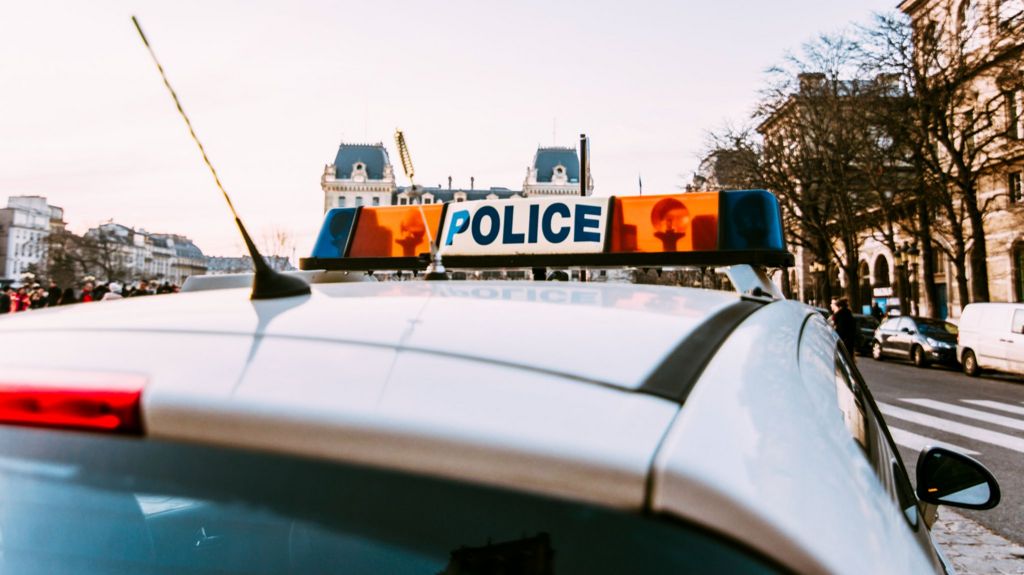
    French law enforcement has successfully apprehended 19-year-old Yanik Touoibati Chaduli, ending a month-long manhunt for the escaped prisoner who fled custody in November. The teenager was captured Thursday in Marseille’s Cité des Rosiers district following an extensive international search operation.

    Chaduli and his 32-year-old accomplice executed a daring escape from Dijon prison in eastern France through an elaborate scheme involving sawing through cell bars and descending prison walls using knotted bed sheets. While the older inmate was recaptured within 24 hours of their breakout, Chaduli remained at large until this week’s operation.

    The arrest came after Interpol issued a red notice for Chaduli, who was being held in pretrial detention on serious charges including attempted murder and criminal conspiracy. French Interior Minister Laurent Nuñez publicly commended the National Fugitive Search Brigade and the BRI special intervention force for their successful tracking and apprehension of the escapee.

    This incident highlights ongoing security challenges within France’s correctional system, which has experienced multiple high-profile escapes in recent years. In July, another inmate escaped by concealing himself in a released prisoner’s belongings, while notorious gangster Rédoine Faid famously escaped via helicopter from a Paris-region prison in 2018—his second successful prison break in five years before being recaptured months later.

    The repeated security breaches have raised questions about prison infrastructure and protocols across French correctional facilities, with authorities now facing increased pressure to address systemic vulnerabilities in the nation’s detention system.

  • Belarusian leader says Russia deployed its latest nuclear-capable Oreshnik missile to the country

    Belarusian leader says Russia deployed its latest nuclear-capable Oreshnik missile to the country

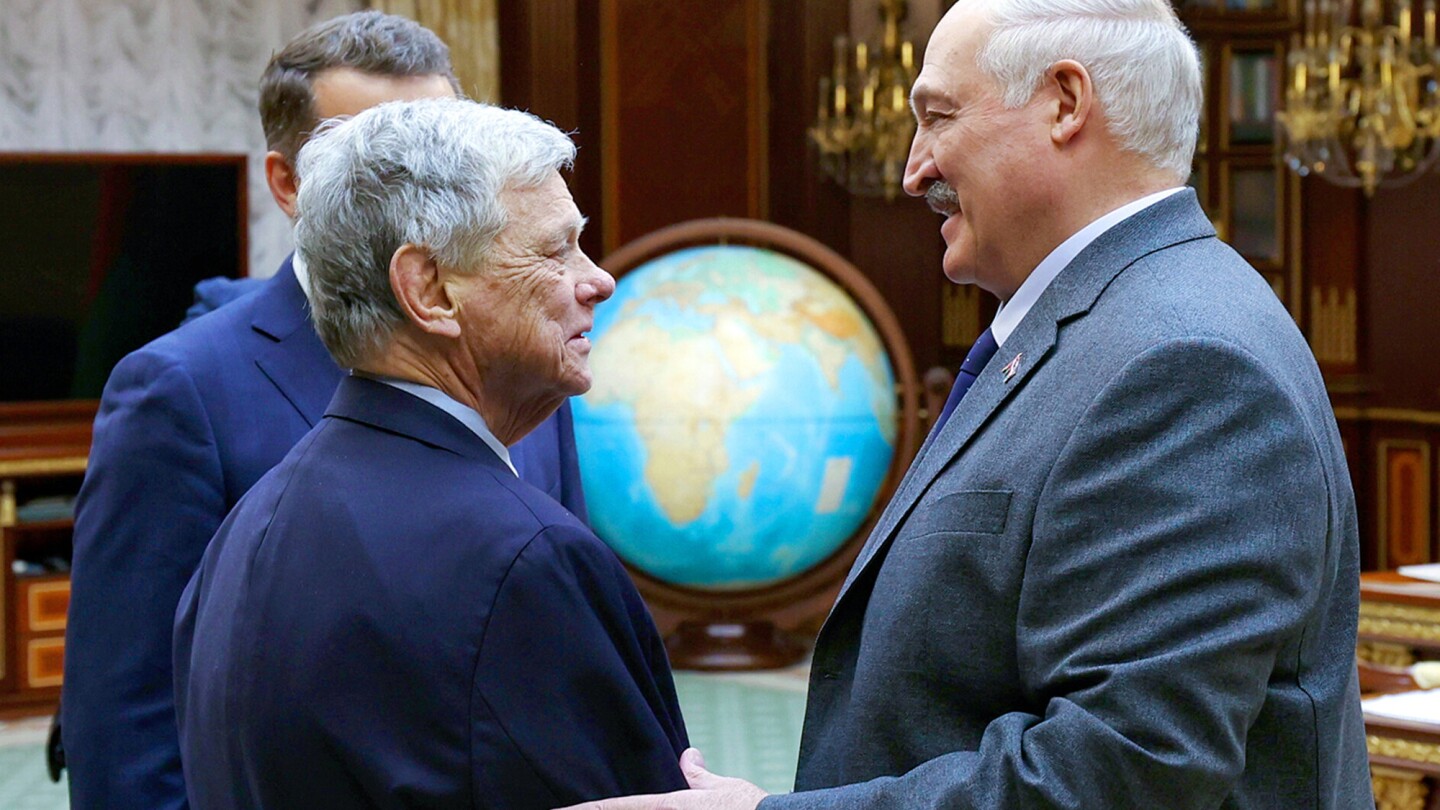
    In a significant escalation of military posturing, Belarusian President Alexander Lukashenko confirmed on Thursday the deployment of Russia’s state-of-the-art Oreshnik intermediate-range ballistic missile system to Belarusian territory. The nuclear-capable system reportedly entered combat duty on Wednesday, though specific numbers and deployment details remain undisclosed.

    The announcement coincides with delicate peace negotiations to resolve the ongoing conflict in Ukraine, now entering a pivotal phase. Russian President Vladimir Putin had previously declared the system’s operational status during military consultations, explicitly linking its deployment to Moscow’s strategic demands in diplomatic talks. Putin cautioned that rejection of Kremlin terms by Kyiv and Western allies would prompt expanded Russian offensive operations in Ukraine.

    This deployment represents the latest in a series of Russian nuclear advancements in Belarus, which previously hosted tactical nuclear weapons and served as a staging ground for the February 2022 invasion. Lukashenko acknowledged possessing several dozen Russian tactical nuclear weapons, further complicating regional security dynamics.

    The Oreshnik system (named for the hazelnut tree) boasts formidable technical capabilities, including multiple warheads reaching hypersonic velocities up to Mach 10. Russian state media claims the missile could strike Polish airfields within 11 minutes and NATO headquarters in Brussels within 17 minutes. Notably, warhead type (conventional or nuclear) remains undetectable until impact.

    This development occurs against a backdrop of intensified U.S. diplomatic efforts under President Trump to broker a settlement to the conflict, though Washington faces fundamentally incompatible demands from Moscow and Kyiv. The missile deployment coincides with Lukashenko’s simultaneous overtures toward Western reconciliation, including Saturday’s release of 123 political prisoners that prompted U.S. sanctions relief on Belarusian potash exports.

    Strategic implications are profound: Intermediate-range missiles (500-5,500 km capability) had been prohibited under the now-defunct INF Treaty until 2019. Putin and Lukashenko previously committed to deploying Oreshnik before year’s end, with December 2024 agreements granting Minsk target selection authority for missions closer to Belarusian territory.

    Russia’s revised nuclear doctrine further escalates tensions by considering conventional attacks supported by nuclear powers as joint nuclear aggression, effectively lowering the threshold for potential nuclear response. The doctrine explicitly extends Russia’s nuclear umbrella over Belarus, cementing military integration between the two nations despite Lukashenko’s occasional diplomatic maneuvering.

  • Russia has few legal options to challenge EU frozen asset plan

    Russia has few legal options to challenge EU frozen asset plan

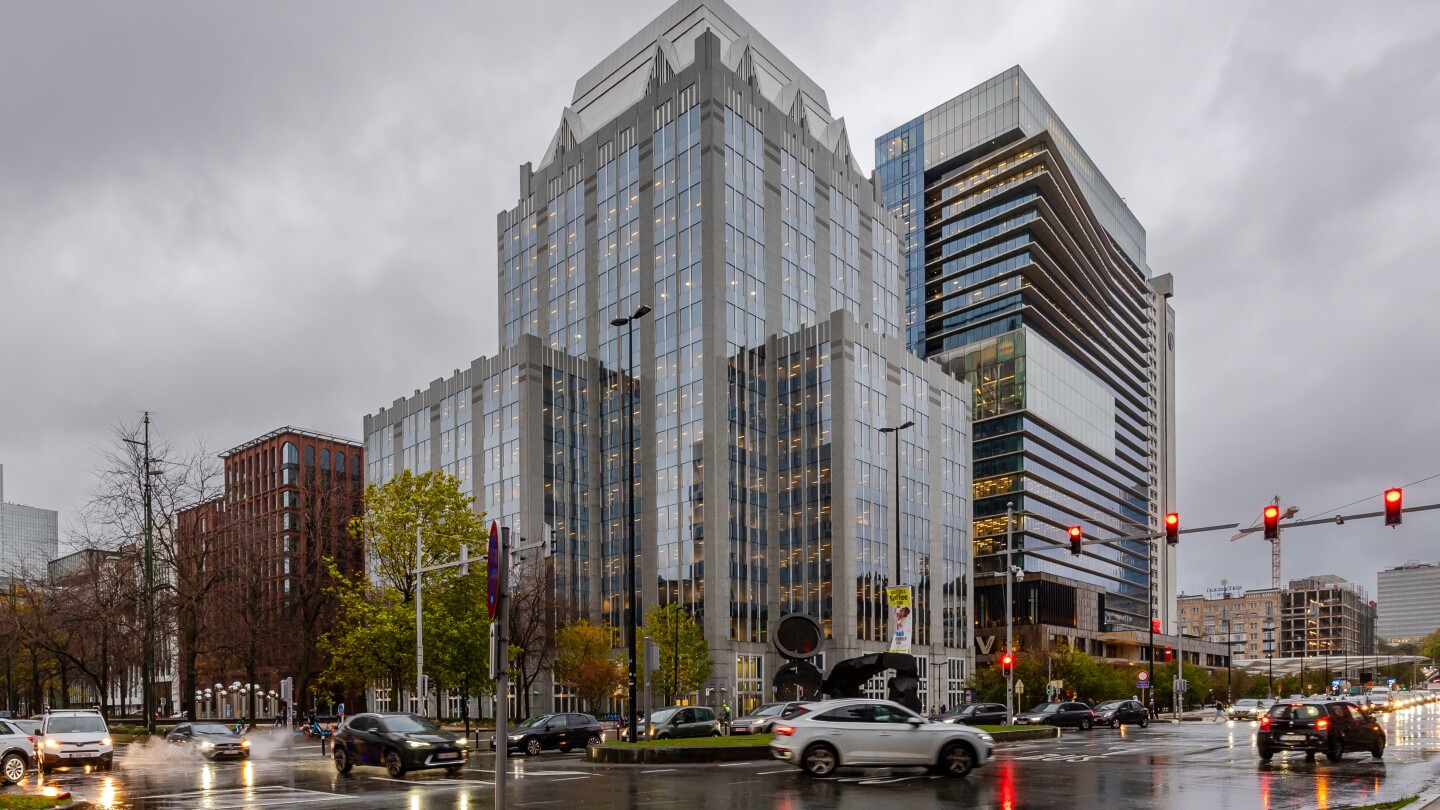
    THE HAGUE, Netherlands — European Union leaders are navigating complex legal terrain as they deliberate utilizing frozen Russian central bank assets to finance Ukraine’s military and reconstruction needs. With approximately €200 billion immobilized primarily within Belgium’s Euroclear financial clearinghouse, the proposal represents both a strategic financial solution and a legal minefield.

    The discussion centers on creating legally impregnable mechanisms to repurpose these assets as loan collateral for Ukraine. Belgian authorities have emerged as pivotal voices, demanding absolute protection from retaliatory measures before approving any action. Prime Minister Bart de Wever emphasized the necessity of addressing financial risks stemming from the 1989 bilateral investment treaty between Belgium and Russia.

    Moscow has already initiated legal countermeasures, with Russia’s Central Bank filing a lawsuit in Moscow’s Arbitration Court against Euroclear. The complaint challenges what Russia terms “illegal blocking and use of its assets” including claimed lost profits. However, European sanctions effectively neutralize Russian court judgments regarding frozen assets.

    Legal experts identify multiple potential challenge avenues for Russia, each with significant limitations. The bilateral investment treaty offers limited arbitration options primarily designed for private investor disputes rather than state-level asset conflicts. Russia could attempt litigation in domestic courts worldwide where assets are held, but this would require waiving sovereign immunity—creating vulnerability to counter-litigation.

    The Court of Justice of the European Union represents another theoretical avenue, though non-member states face high barriers. Russia previously attempted challenging EU sanctions through this court, with judges ruling the complaint inadmissible. Venezuela’s similar attempt to contest human rights-related sanctions also failed, establishing Brussels’ broad latitude in foreign security policy.

    International judicial options appear equally constrained. The European Court of Human Rights expelled Russia following the Ukraine invasion, while the International Court of Justice lacks clear jurisdiction without Russia accepting the court’s compulsory authority. Legal analyses from firms including Covington & Burling conclude Russia’s legal pathways remain severely limited despite the unprecedented nature of asset repurposing.

  • In rare ruling, EU’s top court sides with refugee’s appeal in a landmark case against Frontex

    In rare ruling, EU’s top court sides with refugee’s appeal in a landmark case against Frontex

    In a groundbreaking legal development, the European Union’s highest judicial authority has issued a landmark ruling that could transform accountability mechanisms for border operations across the continent. The Court of Justice of the European Union (CJEU) has sided with Syrian refugee Alaa Hamoudi in his unprecedented damages claim against Frontex, the EU’s border and coast guard agency.

    The Luxembourg-based court determined that lower courts had inadequately assessed Hamoudi’s allegations regarding his collective expulsion from Greece to Turkey alongside 21 other migrants in April 2020. Judicial authorities found Hamoudi’s evidence “sufficiently detailed, specific and consistent” to warrant reconsideration, sending the case back to the General Court for comprehensive re-evaluation.

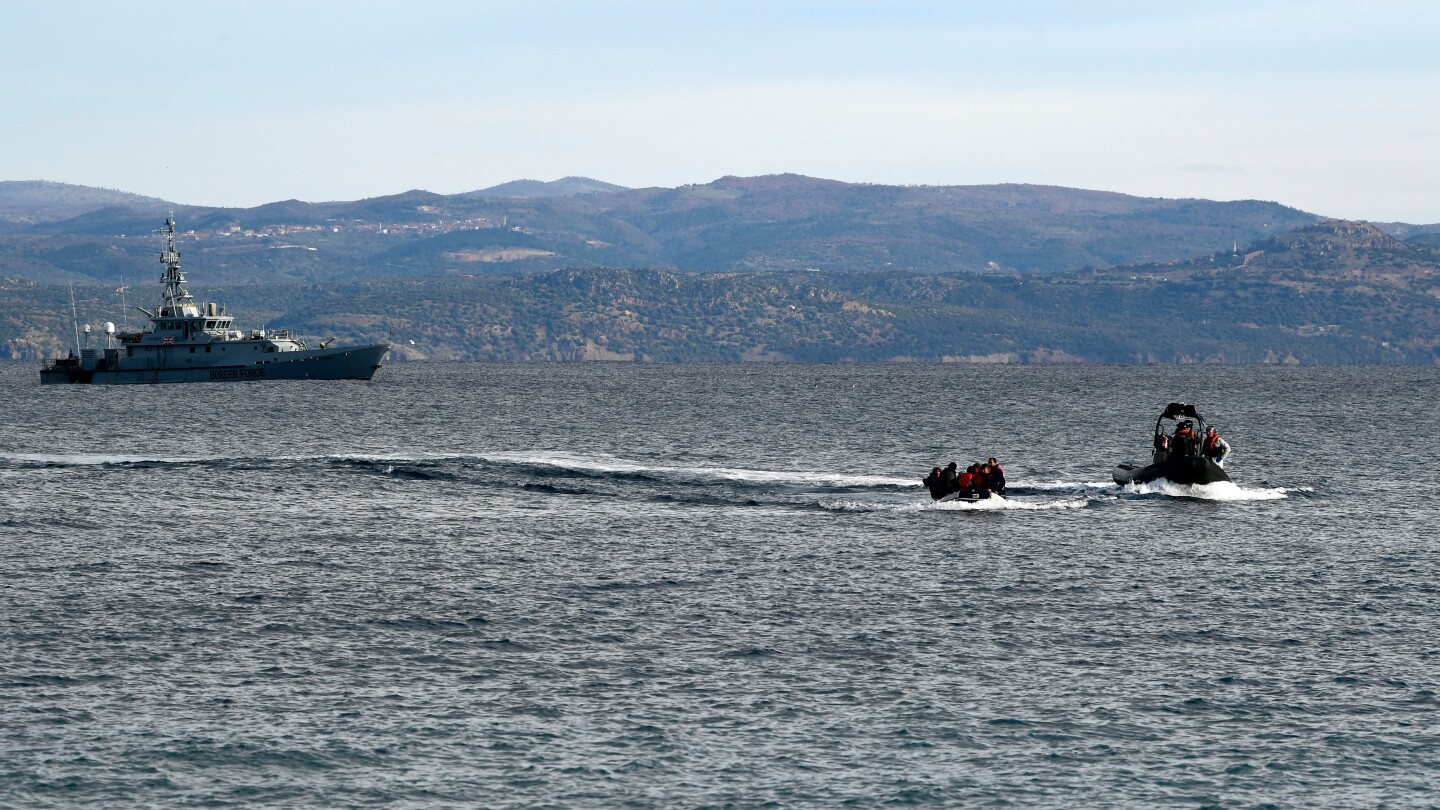
    Hamoudi’s harrowing account describes arriving on the Greek island of Samos only to have phones confiscated by police before being forced onto life rafts. The group was allegedly towed into Turkish waters and abandoned for 17 hours before rescue by Turkish coast guard, with Hamoudi reporting Frontex surveillance aircraft circling overhead twice during the ordeal.

    The ruling establishes crucial legal precedents regarding evidence standards in cases involving migrants and powerful institutions. The court acknowledged the profound power imbalance that typically prevents migrants from gathering comprehensive evidence against border agencies. This recognition potentially removes significant barriers to justice for thousands who have experienced similar pushback operations.

    Legal experts hail the decision as transformative. Iftach Cohen, lead counsel for Hamoudi, emphasized that this “historic” judgment could benefit tens of thousands of migrants subjected to similar expulsions along European borders. The case represents the first successful challenge to Frontex’s traditional legal impunity regarding border operations.

    Frontex responded to the ruling by committing to enhanced transparency and improved operational standards, stating courts now expect “close scrutiny where Frontex is involved and that fundamental rights must be taken seriously.” The agency maintains it chooses “engagement over withdrawal” to foster oversight and change from within operations.

    Human rights researchers note this decision arrives as summary expulsions have become increasingly normalized across Europe amid rising anti-migrant sentiment. The judgment potentially creates new accountability pathways for victims of border practices that human rights organizations have documented extensively for years.

    Hamoudi, now residing in Germany, described the ruling as both personal victory and critical step toward justice for countless others who “could not fight back” against similar experiences.

  • Kremlin envoy set to visit Miami for talks on US peace plan for Ukraine

    Kremlin envoy set to visit Miami for talks on US peace plan for Ukraine

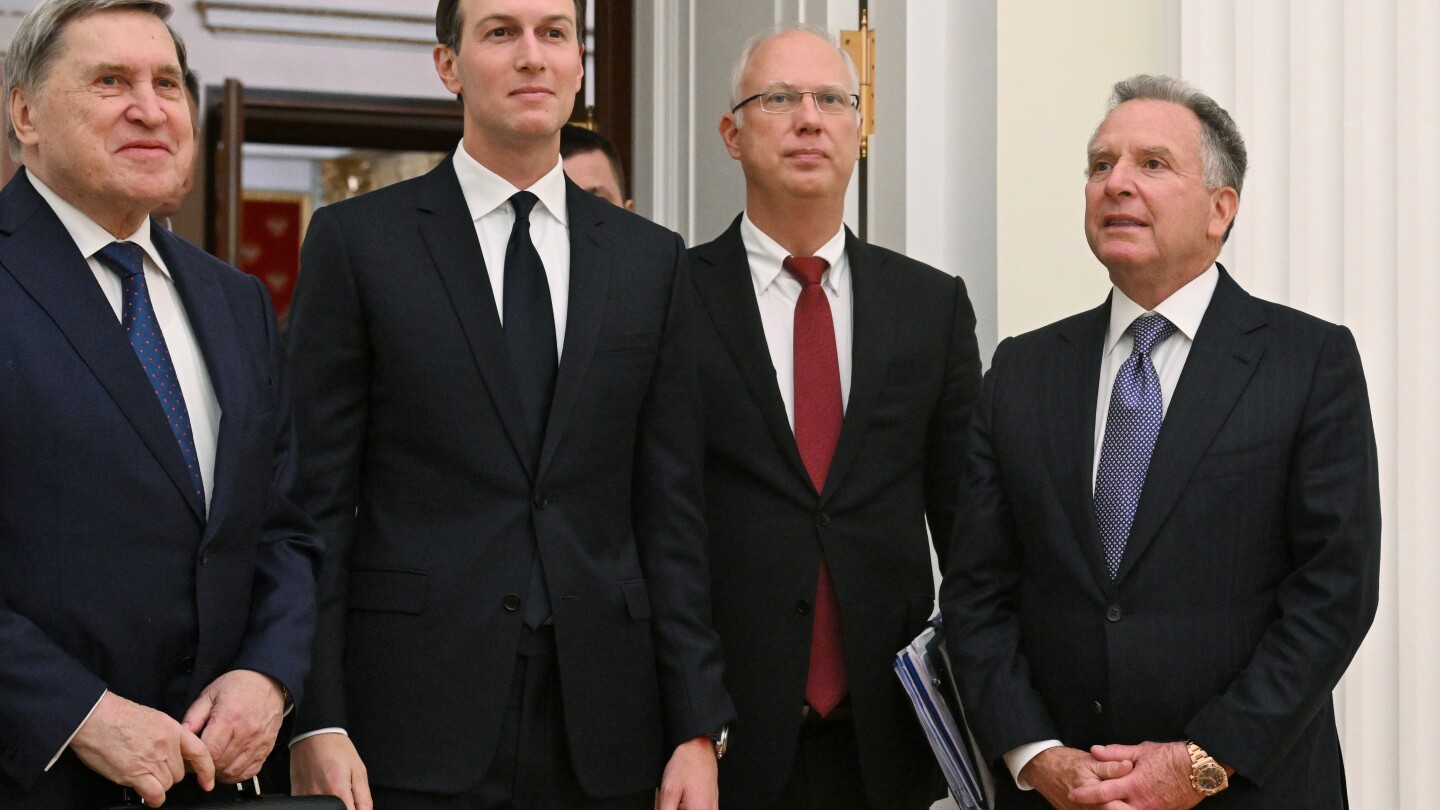
    In a significant escalation of diplomatic efforts to resolve the Ukraine conflict, a high-level Kremlin representative is scheduled to travel to Florida for confidential discussions regarding a U.S.-proposed peace framework. Kirill Dmitriev, head of Russia’s sovereign wealth fund, will meet with Trump envoy Steve Witkoff and presidential son-in-law Jared Kushner in Miami this Saturday, according to anonymous U.S. officials familiar with the arrangement.

    The upcoming meeting follows preliminary discussions held earlier this week in Berlin, where American intermediaries engaged with Ukrainian and European officials to address critical components of the proposed settlement. These include potential security guarantees for Kyiv, territorial adjustments, and other substantive elements within the American-drafted peace initiative.

    Kremlin spokesman Dmitry Peskov confirmed Moscow’s preparation for diplomatic contacts with U.S. representatives, though he withheld specific details regarding the Florida meeting. This diplomatic surge represents the most substantial American engagement attempt since Russia’s full-scale invasion commenced in February 2022, though negotiations confront fundamentally incompatible demands from both warring parties.

    The diplomatic developments occur alongside continued military aggression, with both nations exchanging aerial assaults overnight. Ukrainian authorities reported Russian forces launched 82 drones across multiple regions, resulting in civilian casualties and infrastructure damage. Simultaneously, Russian officials acknowledged Ukrainian drone strikes in the Rostov region that caused fatalities and injuries.

    President Vladimir Putin recently articulated Russia’s uncompromising position, demanding international recognition of captured territories—including four occupied regions and the illegally annexed Crimean Peninsula—as Russian sovereign territory. Additional Kremlin prerequisites include Ukraine’s permanent NATO exclusion and withdrawal from eastern territories currently under Ukrainian control.

    Ukrainian President Volodymyr Zelenskyy, while expressing willingness to consider alternative security arrangements resembling NATO protections, maintains that full alliance membership remains Ukraine’s preferred safeguard against future Russian aggression. Zelenskyy has unequivocally rejected demands for territorial concessions beyond current battle lines.

    The diplomatic proceedings coincide with crucial European Union deliberations regarding unprecedented financial support for Ukraine. EU leaders convened in Brussels to determine whether to utilize frozen Russian assets to underwrite a massive loan addressing Ukraine’s military and budgetary requirements through 2026.

  • Lion and bear kept as pets in Albania find new homes in German wildlife sanctuaries

    Lion and bear kept as pets in Albania find new homes in German wildlife sanctuaries

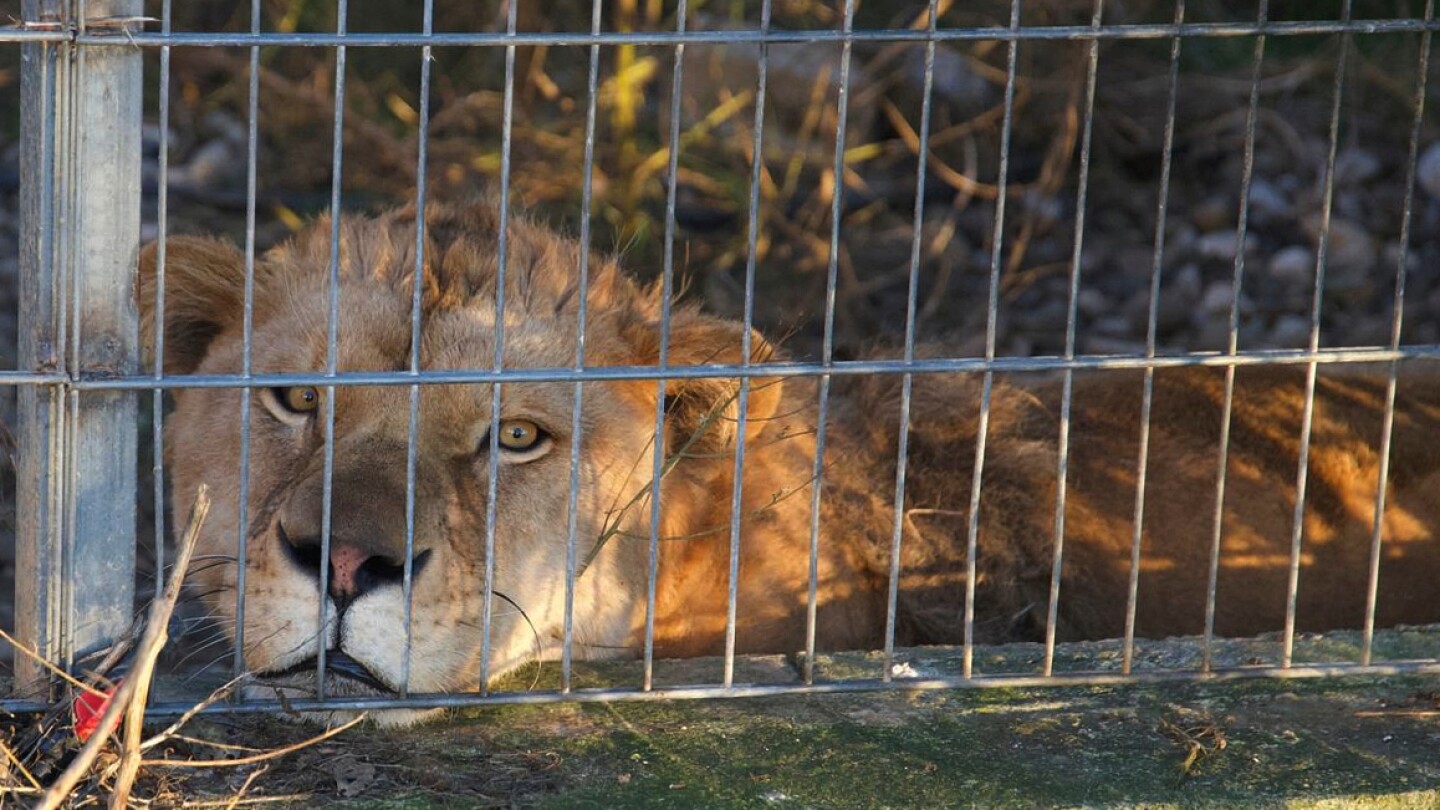
    In a significant wildlife rescue operation, a young lion and bear confiscated from illegal captivity in Albania have been successfully relocated to specialized sanctuaries in Germany. The animals, named Erion (a 3-year-old lion) and Flora (a 2-year-old bear), were discovered being kept as exotic pets on a private estate in northern Albania after authorities investigated social media posts showcasing the animals.

    The international animal welfare organization FOUR PAWS executed the complex rescue mission following their discovery by Albania’s National Forestry Agency. Veterinarians carefully sedated both animals before transporting them on a meticulously planned 70-hour journey across multiple European countries. The operation concluded on December 13th with Erion finding sanctuary at a wildlife facility in southeastern Germany while Flora was placed in a specialized bear sanctuary in northern Germany.

    Both animals arrived in concerning condition. Preliminary examinations revealed Flora suffers from severe malnutrition and dental problems, while Erion presented with unexplained hair loss affecting his mane. FOUR PAWS immediately initiated comprehensive recovery plans for both animals upon their arrival.

    Magdalena Scherk-Trettin, FOUR PAWS senior project manager, expressed relief at the successful operation: “We’re immensely grateful that authorities intervened to confiscate these animals. They now have the opportunity to experience life in species-appropriate conditions where their physical and psychological wellbeing can be properly addressed.”

    The case highlights systemic issues regarding exotic animal ownership in Albania and surrounding regions. FOUR PAWS estimates over 60 big cats remain in inadequate conditions throughout Albania alone, with bears and other exotic species frequently kept caged at restaurants or private properties without proper care.

    While Albanian legislation permits keeping wild animals born in captivity with proper documentation, enforcement remains problematic. Sajmir Shehu, a FOUR PAWS project manager, noted critical deficiencies: “The legal framework lacks stringency, creating loopholes that enable inappropriate private captivity. Current laws allow confiscation when welfare standards aren’t met but impose no penalties on owners, which fails to deter this practice.”

    The origins of both animals remain uncertain, though FOUR PAWS believes Erion was likely trafficked through illegal wildlife networks while Flora was probably poached directly from the wild. The organization emphasizes that this rescue underscores the urgent need for strengthened legislation and enforcement to combat wildlife trafficking and inappropriate private ownership throughout the region.

  • Top EU court rules Polish Constitutional Tribunal is not independent

    Top EU court rules Polish Constitutional Tribunal is not independent

    In a landmark decision with profound implications for European judicial standards, the European Court of Justice has declared Poland’s Constitutional Tribunal lacking in independence and impartiality due to politically motivated appointments during the previous conservative administration.

    The ruling specifically identified that Poland’s highest judicial body violated fundamental EU principles by disregarding effective judicial protection and undermining the primacy, autonomy, and uniform application of European law. This verdict stems from systematic reforms implemented between 2015 and 2023 by the Law and Justice party, which established political control over Poland’s top courts including both the Constitutional Tribunal and Supreme Court.

    These judicial reforms precipitated a direct confrontation with European institutions, leading the European Commission to challenge the changes before the EU’s highest court and suspend substantial financial transfers to Poland. The court’s scrutiny focused particularly on the appointment procedures for three judges and the tribunal president under the previous government, determining they compromised the body’s legitimacy under EU legal standards.

    Despite the ruling’s theoretical requirement for national reforms to restore judicial independence, practical implementation has stalled. Two successive justice ministers from the liberal government that assumed power in 2023 have been unable to reverse the changes, primarily due to resistance from Poland’s current and former presidents, both aligned with Law and Justice, who have either vetoed or threatened to veto legislative corrections.

    Justice Minister Waldemar Żurek welcomed the decision, stating on social media platform X that the ruling ‘obliges our state to take action’ and emphasizing the government’s readiness to ‘rebuild a genuine, independent Tribunal together’ as a fundamental issue for both state institutions and citizens.

  • Briton who fought in Ukraine jailed for 13 years by Russia

    Briton who fought in Ukraine jailed for 13 years by Russia

    A Russian-controlled court in occupied Donetsk has sentenced former British soldier Hayden Davies to 13 years in a maximum-security prison on charges of mercenary activity. The sentencing marks the latest development in Russia’s judicial proceedings against foreign fighters captured in Ukraine.

    Davies, reportedly captured in Ukraine’s Donbas region during late 2024 or early 2025 while serving with Ukraine’s international legion, faced trial in what Russian authorities describe as a counter-terrorism proceeding. Prosecutors alleged the British national joined the Ukrainian army in August 2024 and participated in military operations against Russian forces in Donetsk Region.

    Court footage released by Russian officials shows a man with a British accent speaking through a translator from within a barred cage, standard procedure in many Russian judicial hearings. The individual identified as Davies stated he traveled to Ukraine via Poland by bus and received a monthly salary of $400-500 for his service. When questioned about his plea, the man acknowledged guilt with a verbal affirmation and nod, though the circumstances under which this admission was made remain unclear.

    The UK Foreign, Commonwealth & Development Office has previously rejected similar charges against British nationals captured in Ukraine as baseless, maintaining that such individuals qualify as legitimate prisoners of war under the Geneva Conventions. The FCDO had specifically condemned the detention of both Davies and another Briton, James Anderson, emphasizing their official status as members of the Ukrainian Armed Forces rather than mercenaries.

    This case follows the March sentencing of Anderson to 19 years imprisonment on comparable charges of terrorism and mercenary activity. The 22-year-old previously held the distinction of being the first British national convicted by Russia during the ongoing conflict.

    The Russian Prosecutor-General’s office announced the verdict, continuing a pattern of judicial actions against foreign fighters that international observers have questioned for their adherence to international humanitarian standards.

  • Staging the Africa Cup of Nations part of Morocco’s bid to become a soccer superpower

    Staging the Africa Cup of Nations part of Morocco’s bid to become a soccer superpower

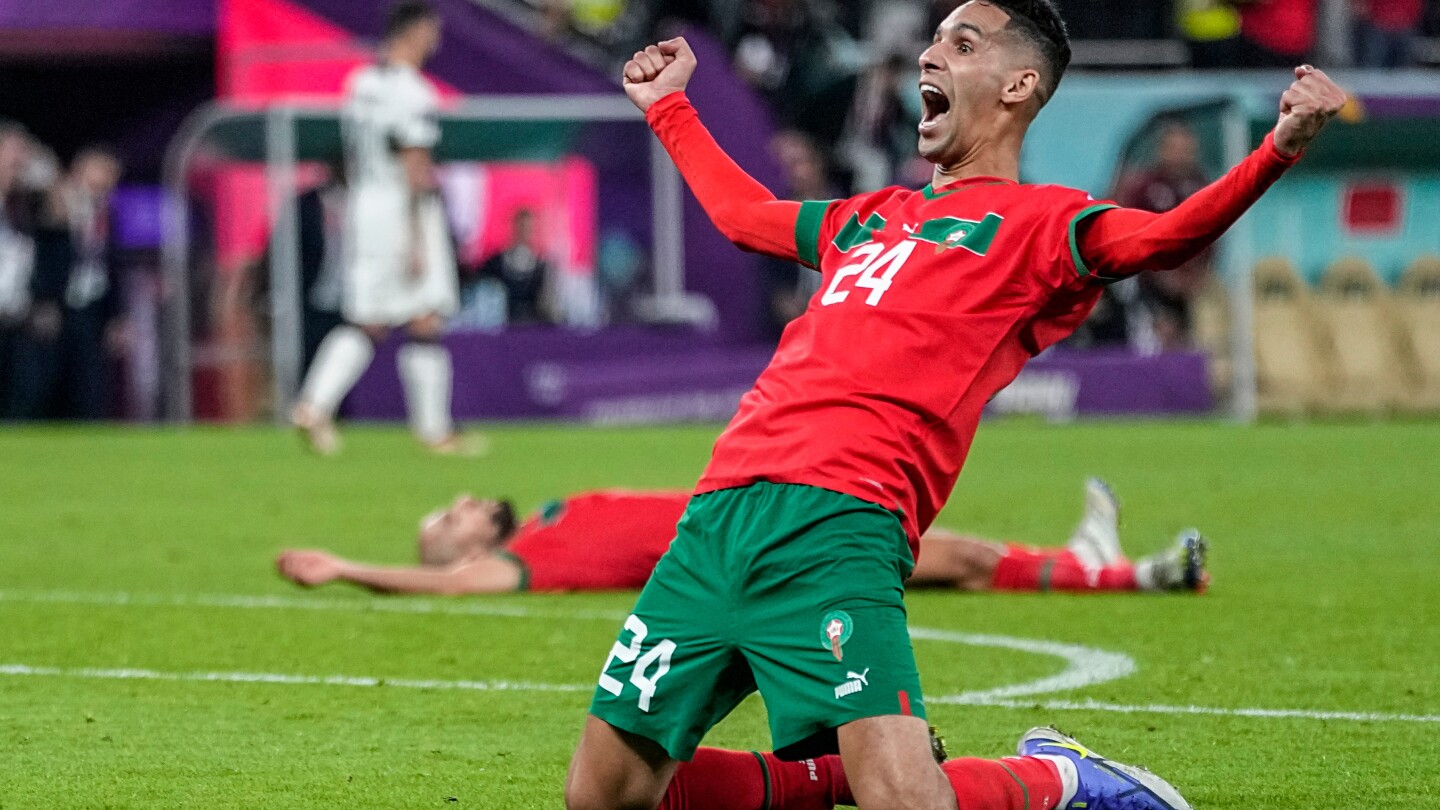
    RABAT, Morocco — This Sunday marks a pivotal moment in Morocco’s ambitious ascent within global football as the nation inaugurates the Africa Cup of Nations (AFCON). This prestigious tournament represents far more than a continental championship; it functions as a critical operational test run for Morocco’s co-hosting role in the landmark 2030 World Cup alongside Spain and Portugal.

    The North African kingdom, still buoyed by its historic semifinal achievement at the 2022 World Cup, is poised to welcome 24 national teams across nine newly constructed or extensively renovated stadiums in six host cities. This event signifies only Morocco’s second time hosting the biennial AFCON tournament, yet it arrives amidst a period of unprecedented football infrastructure development and administrative capability.

    Morocco has progressively established itself as Africa’s de facto neutral venue hub, regularly hosting World Cup qualification matches for other African nations. The country’s football credentials were further enhanced by securing hosting rights for five consecutive Under-17 Women’s World Cups and successfully organizing the Women’s Africa Cup of Nations this past July.

    Central to Morocco’s grand ambitions is the future Hassan II Stadium, projected to become the world’s largest football arena with a 115,000-seat capacity upon its anticipated 2028 completion. This monumental project anchors one of the most aggressive sports infrastructure initiatives in African history, complemented by nationwide upgrades including modernized airports, expanded high-speed rail networks, and significant tourism investments in destinations like Marrakech and Tangier.

    Beyond physical infrastructure, the Royal Moroccan Football Federation has implemented comprehensive youth development programs and coaching education systems. The state-of-the-art Mohammed VI Football Complex near Rabat serves as the national team’s base and symbolizes this commitment to technical excellence. These investments have yielded tangible success, evidenced by Morocco’s groundbreaking World Cup 2022 performance and their recent triumph at the Under-20 World Cup in October.

    Fouzi Lekjaa, President of the Royal Moroccan Football Federation and budget official within the Prime Minister’s cabinet, articulated this strategic vision to French publication L’Equipe: “These are not mere dreams but legitimate ambitions.” Lekjaa explicitly frames sporting investment as a catalyst for broader economic development.

    However, this single-minded pursuit of football prestige has generated domestic tension. Critics highlight the stark contrast between glittering new stadiums and persistent challenges in rural healthcare, education, and employment infrastructure. Youth-led protests this year featured chants of “Stadiums are here but where are the hospitals,” directly challenging the government’s allocation of billions toward prestige projects over urgent social needs. Notably, several members of Morocco’s national team expressed support for these demonstrations, though King Mohammed VI has asserted that sporting development and social progress are not mutually exclusive objectives.

    The tournament also unfolds against complex geopolitical dynamics. Morocco continues to expand its regional influence through the “Atlantic Initiative,” strengthening ties with landlocked West and Central African nations while extending its banking and telecommunications footprint. Recent diplomatic normalization with Israel improved relations with the United States, while most European Union members support Morocco’s sovereignty claim over the disputed Western Sahara territory—a persistent source of tension with Algeria and the Algeria-based Polisario Front independence movement.

    In a paradoxical immigration policy, Morocco has offered special tourist visas for AFCON spectators despite simultaneously tightening visa requirements for citizens from participating nations like Ivory Coast to curb irregular migration. The kingdom’s geographical position as Europe’s gateway—sharing borders with Spanish territories Ceuta and Melilla and proximity to the Canary Islands—has made migration management particularly contentious. Human rights organizations have criticized Morocco’s aggressive enforcement measures, including camp clearances and forced relocations of migrants away from European borders. The Moroccan Association for Human Rights reports increased arbitrary arrests and expulsions in the AFCON preparatory phase.

    The tournament will culminate on January 18th with the final at Rabat’s newly opened Prince Moulay Abdellah Stadium, marking another milestone in Morocco’s determined journey to football supremacy.
  • Schools told to keep children inside as polluted fog envelops Bosnian capital

    Schools told to keep children inside as polluted fog envelops Bosnian capital

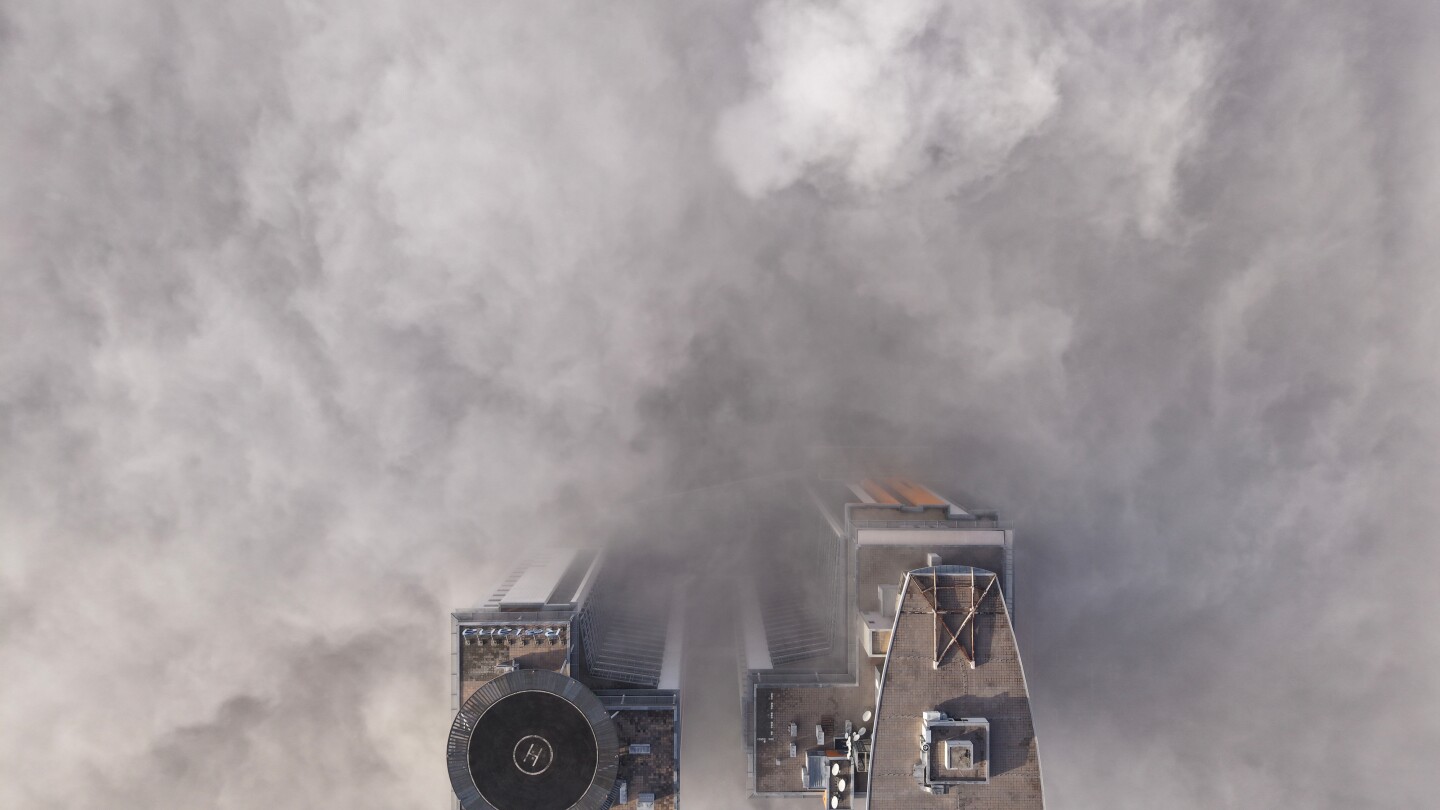
    Sarajevo, the capital of Bosnia-Herzegovina, experienced severe disruptions Thursday as a dense layer of polluted fog descended upon the city, prompting authorities to implement emergency measures. The hazardous conditions led to widespread flight cancellations at Sarajevo International Airport, while residents faced dramatically reduced visibility during morning commutes.

    The city’s geographical location within a mountain valley exacerbates its winter pollution crisis, trapping toxic air from residential heating and vehicle emissions for extended periods without wind circulation. Swiss air quality monitoring firm IQAir classified Sarajevo’s air quality as ‘unhealthy,’ maintaining its notorious position among the world’s most polluted urban centers.

    Municipal authorities responded with stringent restrictions, prohibiting trucks exceeding 3.5 tons from the city center and banning all non-EU compliant vehicles. Outdoor construction projects were suspended indefinitely, and public gatherings were prohibited to minimize exposure risks.

    Medical experts highlighted the grave health implications of PM2.5 particles—microscopic inhalable pollutants measuring 2.5 micrometers or smaller. These dangerous particulates have been directly linked to increased respiratory infections, cardiovascular diseases, cancer diagnoses, and premature mortality rates throughout Sarajevo and other Western Balkan urban areas.

    The environmental crisis extends beyond Bosnia’s borders, with Belgrade, Serbia’s capital, similarly recording ‘unhealthy for sensitive groups’ air quality levels. Despite aspirations for European Union membership, Balkan nations continue to struggle with environmental protection, evidenced by garbage-choked waterways, minimal recycling infrastructure, and unchecked urban development that eliminates green spaces.