标签: Europe

欧洲

  • Thousands cheer as the sun rises on winter solstice at Stonehenge

    Thousands cheer as the sun rises on winter solstice at Stonehenge

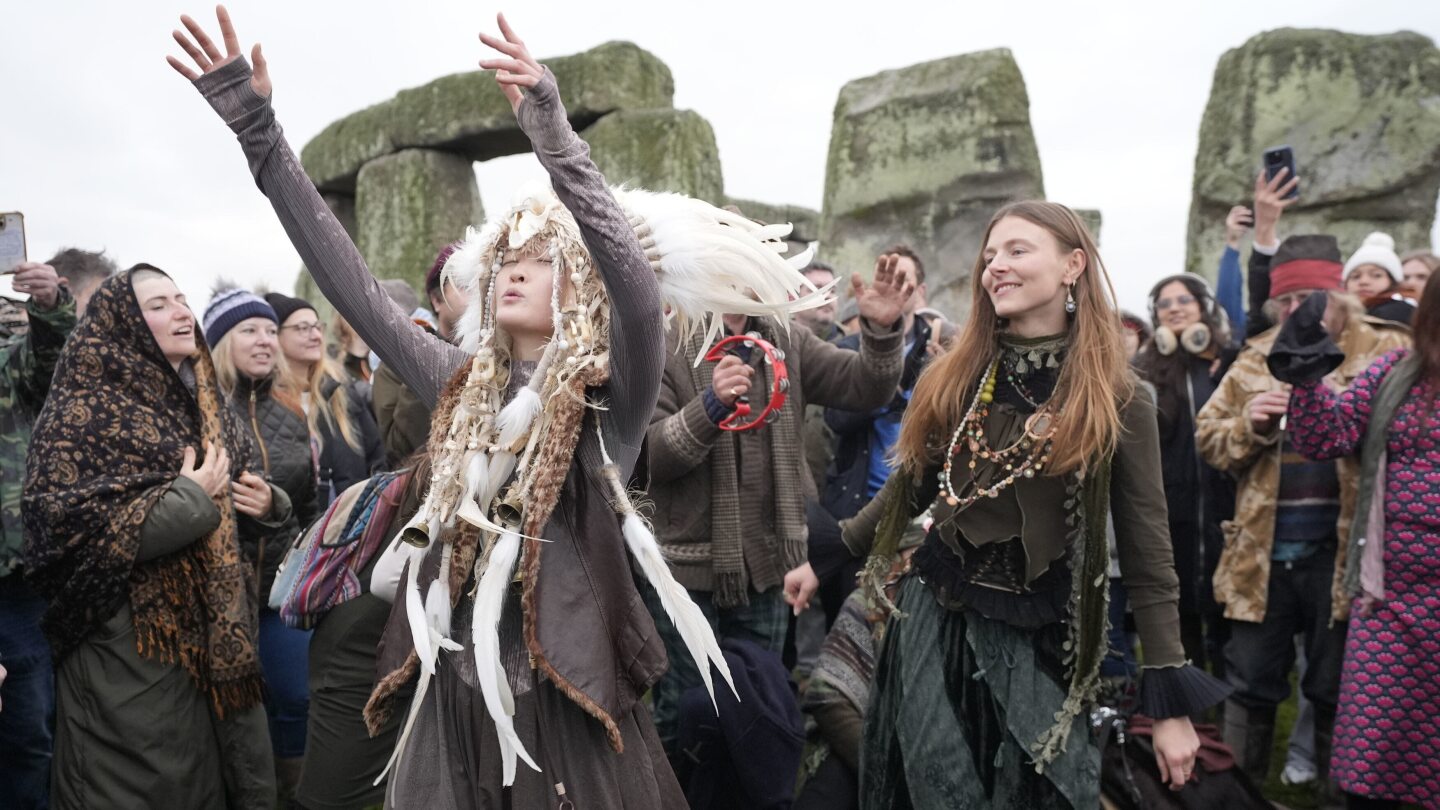
    Under the pale glow of dawn on the winter solstice, Stonehenge’s ancient stones once again served as the backdrop for one of humanity’s most enduring celestial celebrations. Thousands of pilgrims and revelers converged upon the prehistoric monument in southwest England, transforming the typically tranquil landscape into a vibrant tapestry of spiritual observance and communal festivity.

    As the shortest day of the year commenced north of the equator, participants braved the pre-dawn chill with remarkable patience. The gathering presented a striking visual spectacle—many attendees adorned in elaborate ceremonial costumes while others maintained contemplative silence among the massive stone pillars. The air resonated with rhythmic drumming and spontaneous singing, creating an auditory landscape as rich as the visual one.

    This biannual pilgrimage, occurring during both summer and winter solstices, represents far more than mere tradition. For countless participants, the experience carries profound spiritual significance, connecting modern seekers with ancient agricultural rhythms. The monument itself, constructed between 5,000 and 3,500 years ago, demonstrates remarkable astronomical precision—its stones meticulously aligned to capture the sun’s movement during these pivotal celestial events.

    While Northern Hemisphere observers marked the beginning of astronomical winter and celebrated the promise of lengthening days, simultaneous celebrations across the Southern Hemisphere honored the summer solstice—the year’s longest day. The winter solstice represents the sun’s lowest arc across the sky, yet participants universally embrace it as a moment of renewal and cosmic rebirth, anticipating the daily incremental increase of sunlight until the June solstice.
  • Élysée Palace silver steward arrested for stealing thousands of euros’ worth of silverware

    Élysée Palace silver steward arrested for stealing thousands of euros’ worth of silverware

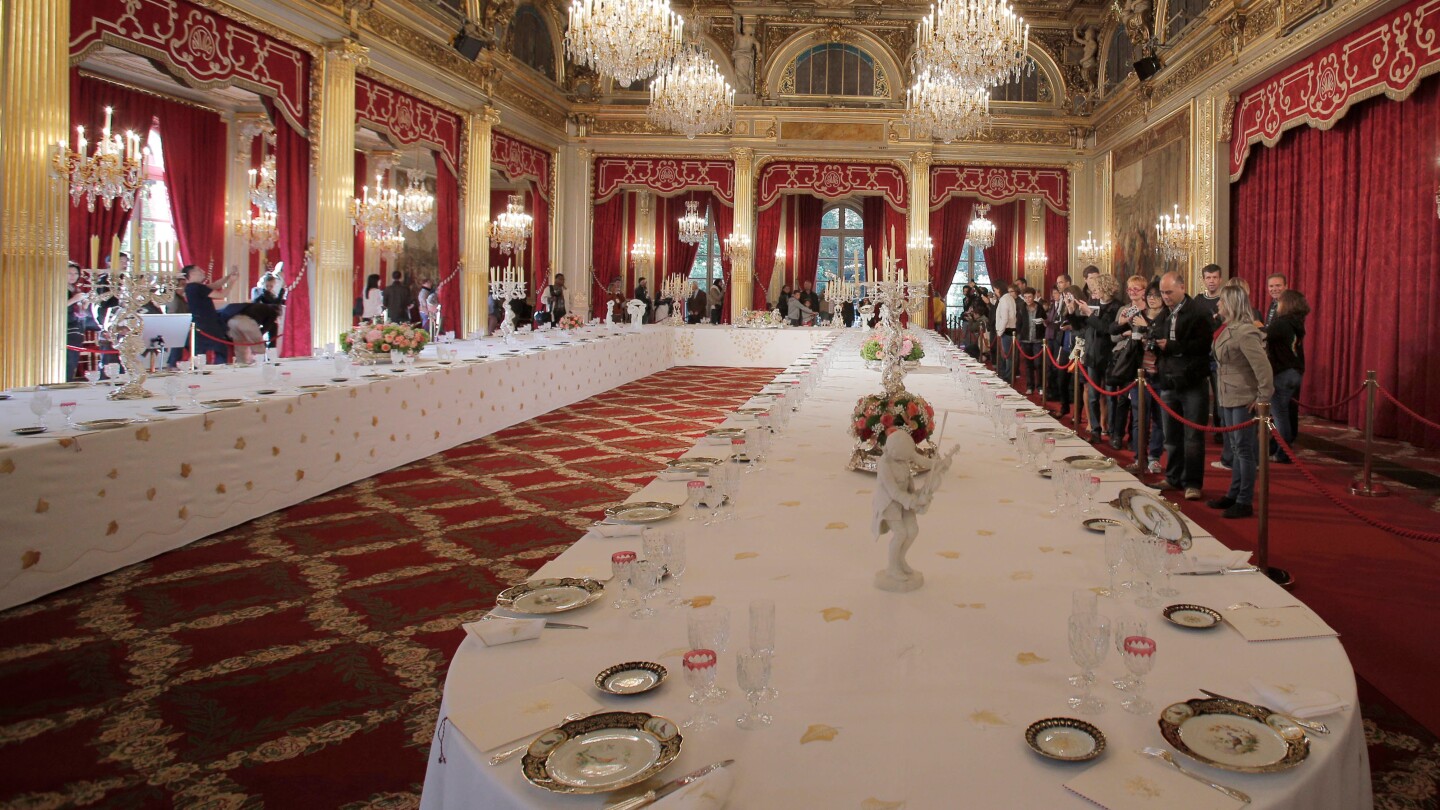
    PARIS — Three individuals will face trial next February following a sophisticated investigation into the theft of valuable silverware and table service items from the official residence of French President Emmanuel Macron. The Paris prosecutor’s office confirmed the case involves a silver steward employed at the Élysée Palace who allegedly orchestrated the theft of heritage items valued between €15,000-€40,000 ($17,500-$47,000).

    The investigation commenced when the palace’s head steward reported numerous missing items from the presidential collection. Authorities from the Sèvres Manufactory, the official supplier of Élysée tableware, subsequently identified several distinctive pieces being offered on online auction platforms. This discovery prompted an internal review that revealed suspicious inventory records maintained by one silver steward, suggesting premeditation for additional thefts.

    Forensic examination of the suspect’s digital footprint uncovered a relationship with the manager of an online tableware sales company. On the steward’s Vinted account, investigators discovered a plate marked “French Air Force” and exclusive Sèvres Manufactory ashtrays not available commercially. A comprehensive search of the primary suspect’s personal locker, vehicle, and residence yielded approximately 100 stolen objects, including copper saucepans, Sèvres porcelain, a René Lalique statuette, and Baccarat champagne coupes.

    The steward and their accomplice were apprehended on Tuesday, while authorities identified a third individual as the exclusive receiver of the stolen goods. All recovered items have been returned to the Élysée Palace collection.

    The three defendants appeared before court on Thursday facing charges of jointly stealing movable property classified as national heritage—an offense carrying penalties of up to 10 years imprisonment and €150,000 fines—along with aggravated handling of stolen goods. The court postponed the trial to February 26 and imposed strict judicial supervision measures, including contact bans between defendants, prohibition from auction venues, and suspension from professional activities.

  • Russia says talks on US peace plan for Ukraine ‘are proceeding constructively’

    Russia says talks on US peace plan for Ukraine ‘are proceeding constructively’

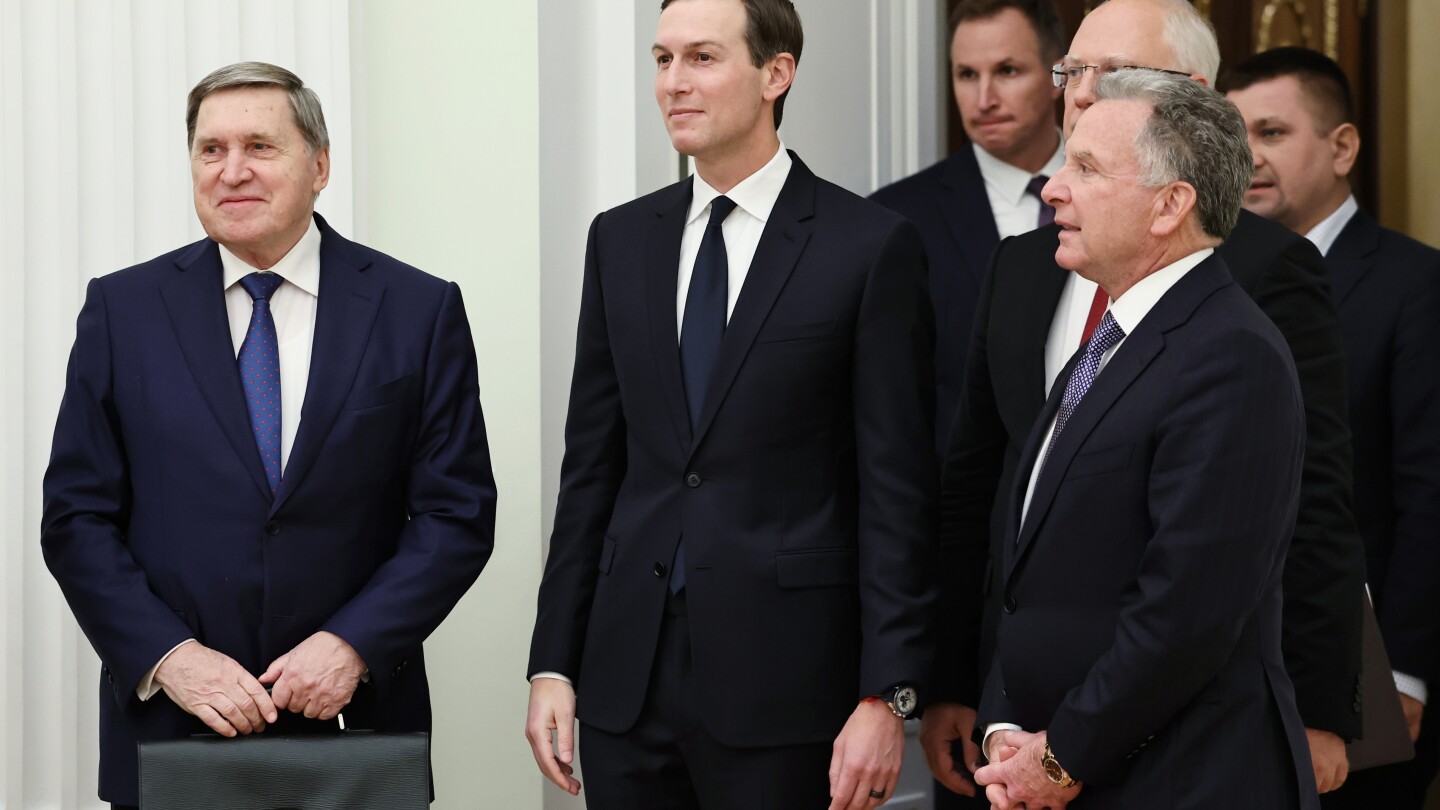
    Diplomatic efforts to resolve the protracted conflict in Ukraine are advancing constructively, according to a senior Kremlin envoy participating in U.S.-brokered peace negotiations. Kirill Dmitriev, representing Russian interests, confirmed that discussions with Trump administration officials—including presidential envoy Steve Witkoff and senior advisor Jared Kushner—are ongoing in Florida, following earlier consultations with Ukrainian and European representatives in Berlin.

    Ukrainian President Volodymyr Zelenskyy emphasized the critical importance of the United States’ diplomatic stance following these engagements with Russian counterparts. This development comes shortly after Ukraine’s negotiation team concluded parallel meetings with American and European partners in the United States.

    Despite the Trump administration’s intensive diplomatic campaign to broker peace, significant obstacles remain due to fundamentally incompatible positions between Moscow and Kyiv. Russian President Vladimir Putin has recently reinforced his maximalist demands regarding Ukraine, even as Russian forces continue incremental territorial advances despite substantial military casualties.

    Putin reiterated confidence on Friday that the Kremlin would ultimately accomplish its military objectives should Ukraine refuse to accept Russia’s terms in peace negotiations. Meanwhile, European Union leaders demonstrated continued support for Ukraine by approving €90 billion ($106 billion) in funding to address the nation’s military and economic requirements over the next two years. While initially considering utilizing frozen Russian assets, the EU ultimately secured these funds through capital market borrowing after failing to resolve legal complications with Belgium.

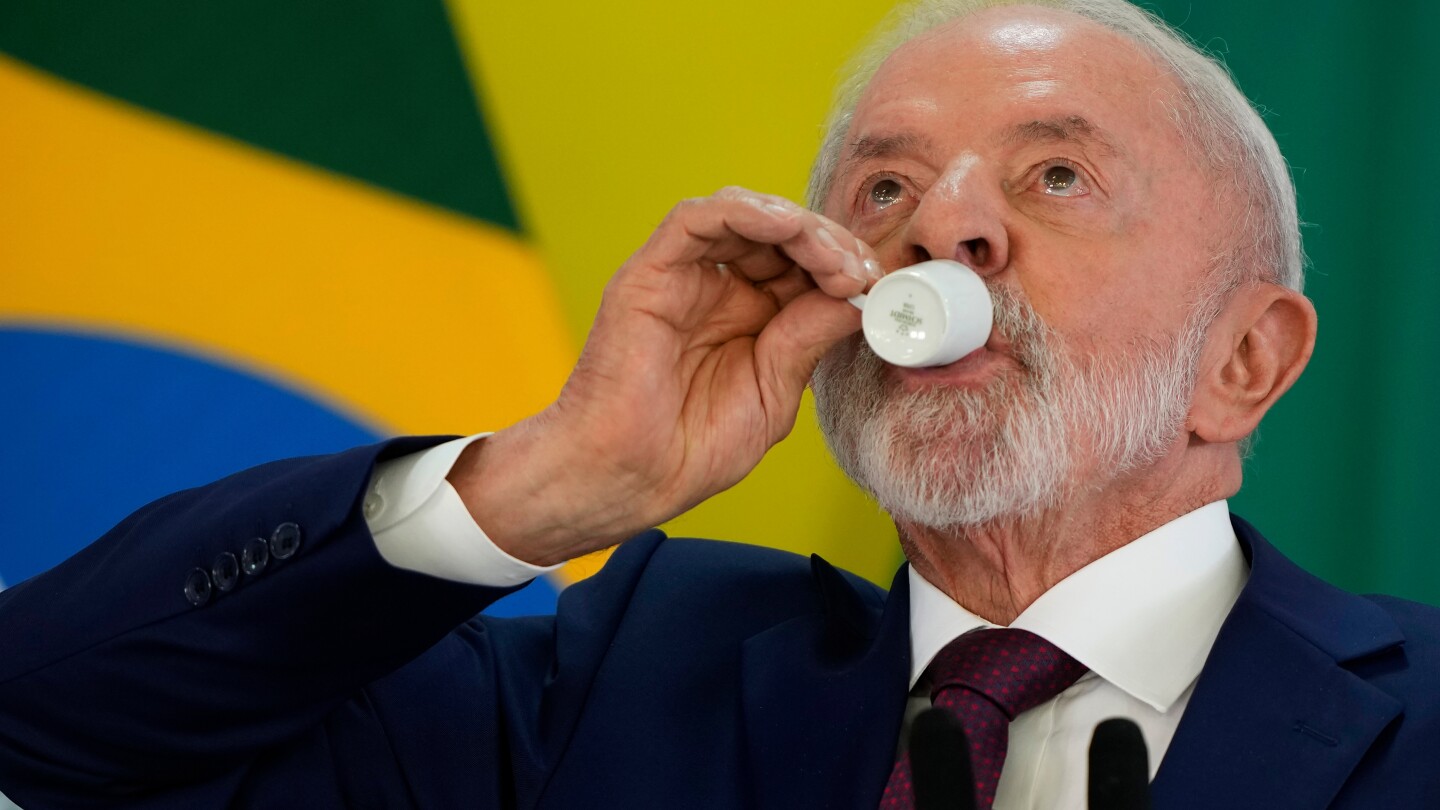
  • Brazil’s Lula hopes EU-Mercosur trade deal will be signed in January

    Brazil’s Lula hopes EU-Mercosur trade deal will be signed in January

    Brazilian President Luiz Inácio Lula da Silva expressed cautious optimism on Saturday that the landmark free-trade agreement between South America’s Mercosur bloc and the European Union could be finalized by January. This development follows a significant postponement announced by European Commission President Ursula von der Leyen, who cited the need for additional weeks to resolve outstanding concerns among member states.

    The delay emerged amidst substantial opposition from France and Italy, compounded by widespread protests from European farmers who fear market disruption. President Lula revealed that Italian Premier Giorgia Meloni specifically requested additional time for consideration, contributing to the stalled negotiations during what was anticipated to be a signing ceremony at the EU summit.

    Von der Leyen requires approval from at least two-thirds of EU nations to ratify the agreement. Italy’s opposition provides France with sufficient voting power to potentially veto the deal, creating a significant diplomatic hurdle for the European Commission president.

    President Lula emphasized the critical need for political determination to conclude negotiations that have spanned 26 years. Speaking at a Mercosur summit in Foz do Iguacu, Brazil, the president noted that while European negotiators had previously indicated willingness to sign, the anticipated completion did not materialize. He confirmed receiving communication from EU leadership targeting January for finalization.

    The Brazilian leader maintained that Mercosur would continue pursuing alternative international partnerships regardless of the EU outcome. “The world is eager to make deals with Mercosur,” Lula stated, highlighting the bloc’s attractiveness to global trading partners.

    French President Emmanuel Macron has emerged as a primary opponent of the agreement, expressing reservations about supporting the pact next month. Macron has coordinated with counterparts from Italy, Poland, Belgium, Austria, and Ireland to address agricultural sector concerns. However, Lula countered that France alone cannot obstruct the agreement’s progression.

    The prospective trade deal would create one of the world’s largest free-trade zones, encompassing 780 million consumers and representing a quarter of global GDP. The agreement would progressively eliminate tariffs on nearly all goods exchanged between the economic blocs, fundamentally reshaping transatlantic trade dynamics.

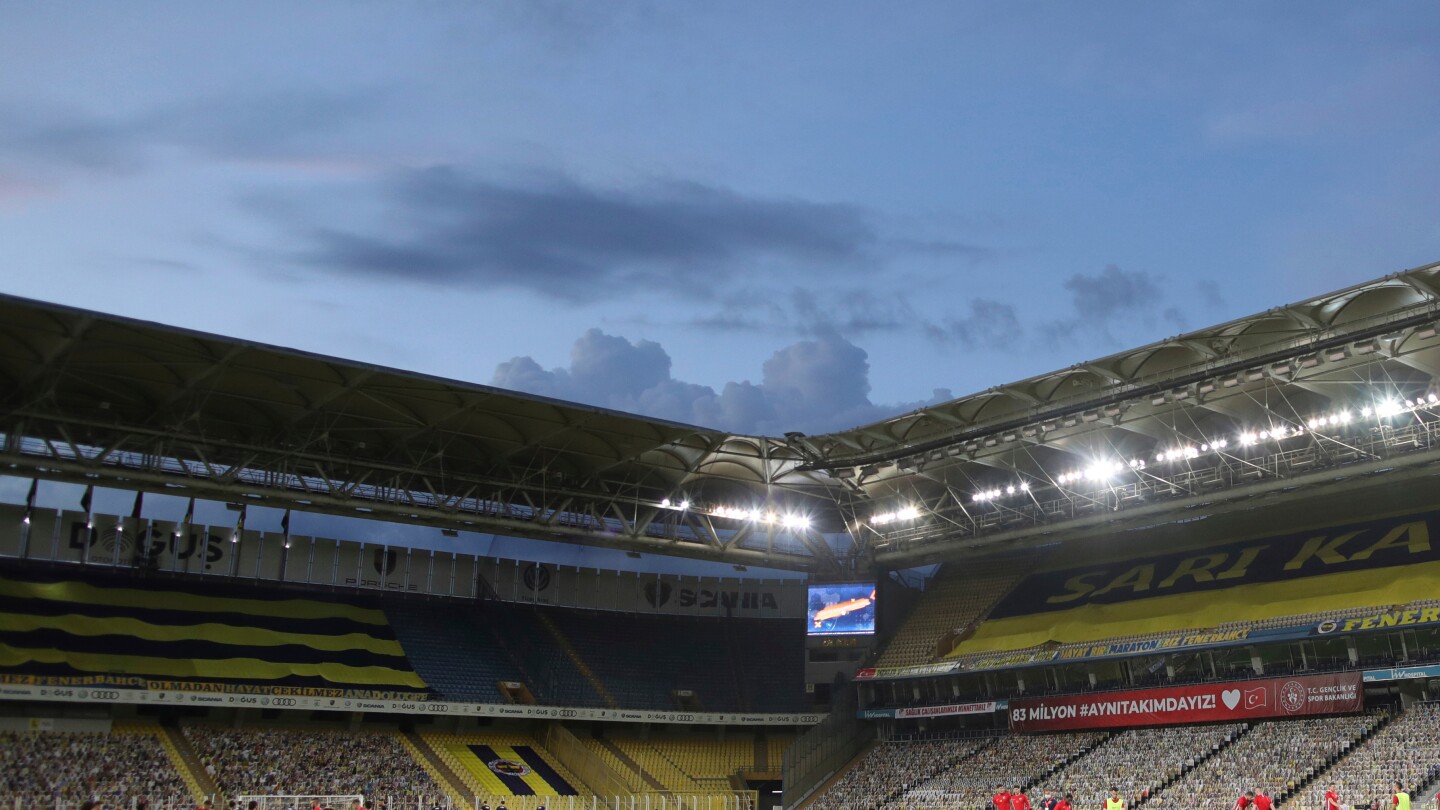
  • Chair of leading Turkish sports club Fenerbahce questioned in a drugs probe

    Chair of leading Turkish sports club Fenerbahce questioned in a drugs probe

    ISTANBUL — Sadettin Saran, the high-profile chairman of Turkish sports giant Fenerbahce, underwent police interrogation Saturday as part of a sweeping narcotics investigation that has ensnared numerous celebrities and media personalities. The state-operated Anadolu Agency confirmed that Saran, who possesses dual Turkish-American citizenship, provided an official statement to authorities upon returning from international travel. Following his deposition, he was escorted to a medical facility for compulsory blood and hair sample collection to screen for illicit substances.

    This development represents the latest escalation in an extensive probe initiated by the Istanbul Chief Prosecutor’s Office earlier this December. The investigation has already resulted in the detention of over a dozen prominent figures from television journalism, music, acting, and social media influencing circles. Charges range from narcotics production and distribution to involvement in organized prostitution activities.

    According to judicial sources, Saran faced specific allegations related to enabling and supplying controlled substances. After completing forensic testing at the Caglayan Courthouse complex, the sports executive was released subject to ongoing judicial supervision requirements. The case continues to develop as prosecutors examine potential connections between entertainment industry elites and underground narcotics networks.

    Fenerbahce’s institutional history adds contextual significance to these developments. The club previously endured governance challenges when former president Aziz Yildirim served prison time between 2012-2013 regarding match-fixing allegations. Those convictions were ultimately overturned due to judicial corruption affecting the original proceedings. Separately, the organization remains connected to an ongoing inquiry into systemic match-fixing within Turkish professional football.

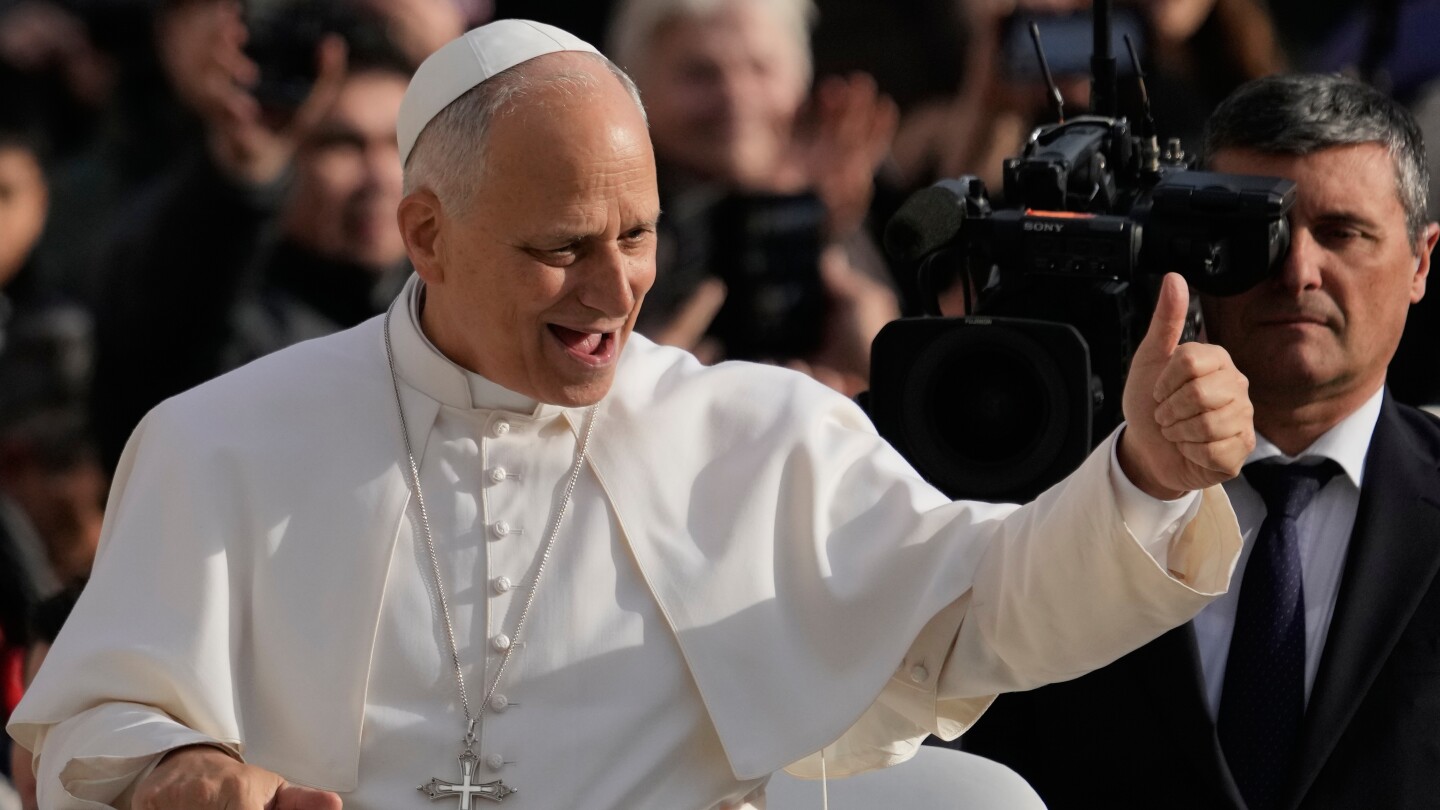
  • Pope Leo summons world’s cardinals for a key assembly to help him govern the church

    Pope Leo summons world’s cardinals for a key assembly to help him govern the church

    In a significant move signaling the formal commencement of his leadership era, Pope Leo XIV has called for an extraordinary assembly of all cardinals worldwide. The Vatican announced on Saturday that this pivotal gathering, known as a consistory, will take place January 7-8, 2025, immediately following the conclusion of the quarter-century Holy Year celebrations.

    The upcoming summit represents a strategic shift in papal governance approaches. Unlike his predecessor Francis, who predominantly relied on a select group of eight to nine cardinal advisors, Leo XIV is embracing a more collaborative leadership model. The January meeting will focus exclusively on consultative dialogue rather than ceremonial functions, with no new cardinals to be appointed during the sessions.

    Vatican officials clarified that the consistory aims to “foster common discernment and offer support and advice to the Holy Father in the exercise of his high and grave responsibility in the governance of the universal Church.” This gathering marks a definitive transition from the initial months of Leo’s papacy, which were largely devoted to fulfilling Holy Year obligations and concluding outstanding matters from Pope Francis’s tenure.

    The January summit holds particular historical significance as it will be the first opportunity for the first American pontiff, elected on May 8, to articulate and advance his own agenda for the global Catholic community. The convocation of all cardinals to Rome demonstrates Pope Leo’s commitment to collective ecclesiastical governance and signals a new chapter in modern papal leadership.

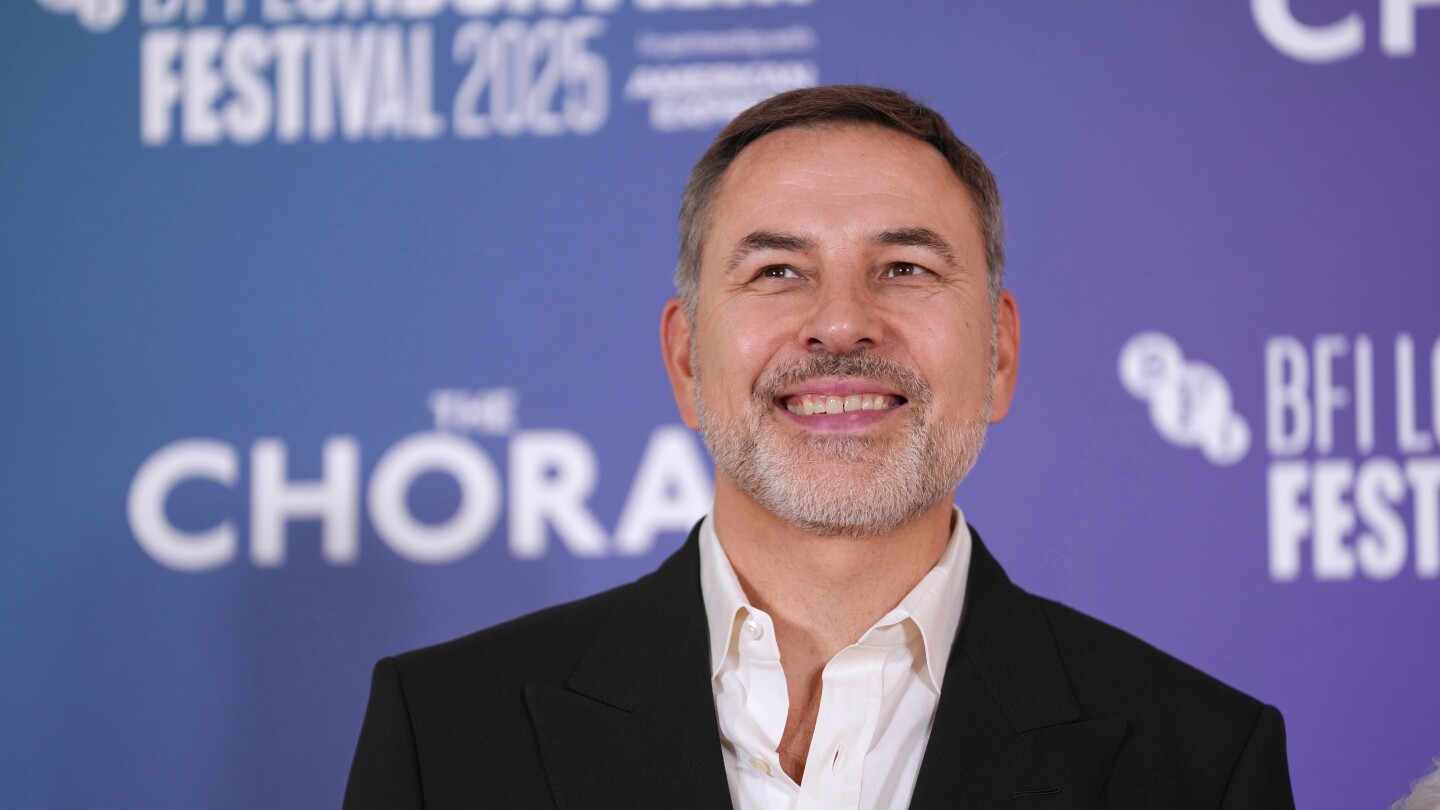
  • Children’s author David Walliams denies inappropriate behavior after publisher drops him

    Children’s author David Walliams denies inappropriate behavior after publisher drops him

    In a significant development within the British publishing industry, HarperCollins UK has severed ties with renowned children’s author and television personality David Walliams following unspecified allegations. The 54-year-old comedian, whose literary works have achieved global recognition, finds himself at the center of controversy as the publishing giant announced it would cease publication of any new titles from the author.

    The decision, confirmed through an official statement released on Friday, marks a dramatic turn in Walliams’ prolific career. HarperCollins indicated the move came “after careful consideration” under the direction of its new chief executive, though the publisher declined to elaborate on specific details regarding the allegations, citing respect for individual privacy and internal processes.

    Walliams’ representatives have issued a forceful response, asserting the author had received no formal notification of any allegations from HarperCollins prior to the termination decision. According to his spokesperson, Walliams was excluded from any investigative proceedings and denied opportunity to address concerns directly. The author maintains his innocence regarding any alleged inappropriate conduct and has sought legal counsel in response to the publisher’s actions.

    The publishing house emphasized its commitment to employee welfare, noting it maintains established protocols for reporting and examining workplace concerns. This separation occurs despite Walliams’ extraordinary commercial success within children’s literature—his website documents over 40 published works with more than 60 million copies sold internationally. Several of his most popular titles, including “Gangsta Granny,” have been adapted into successful television productions and theatrical performances.

    This professional setback follows previous controversy surrounding Walliams’ tenure as a judge on “Britain’s Got Talent,” from which he departed in 2022 after issuing apologies for making disrespectful remarks about participants during auditions.

  • Russian missile strike on Odesa kills 8 as US hosts a Kremlin envoy for talks on peace plan

    Russian missile strike on Odesa kills 8 as US hosts a Kremlin envoy for talks on peace plan

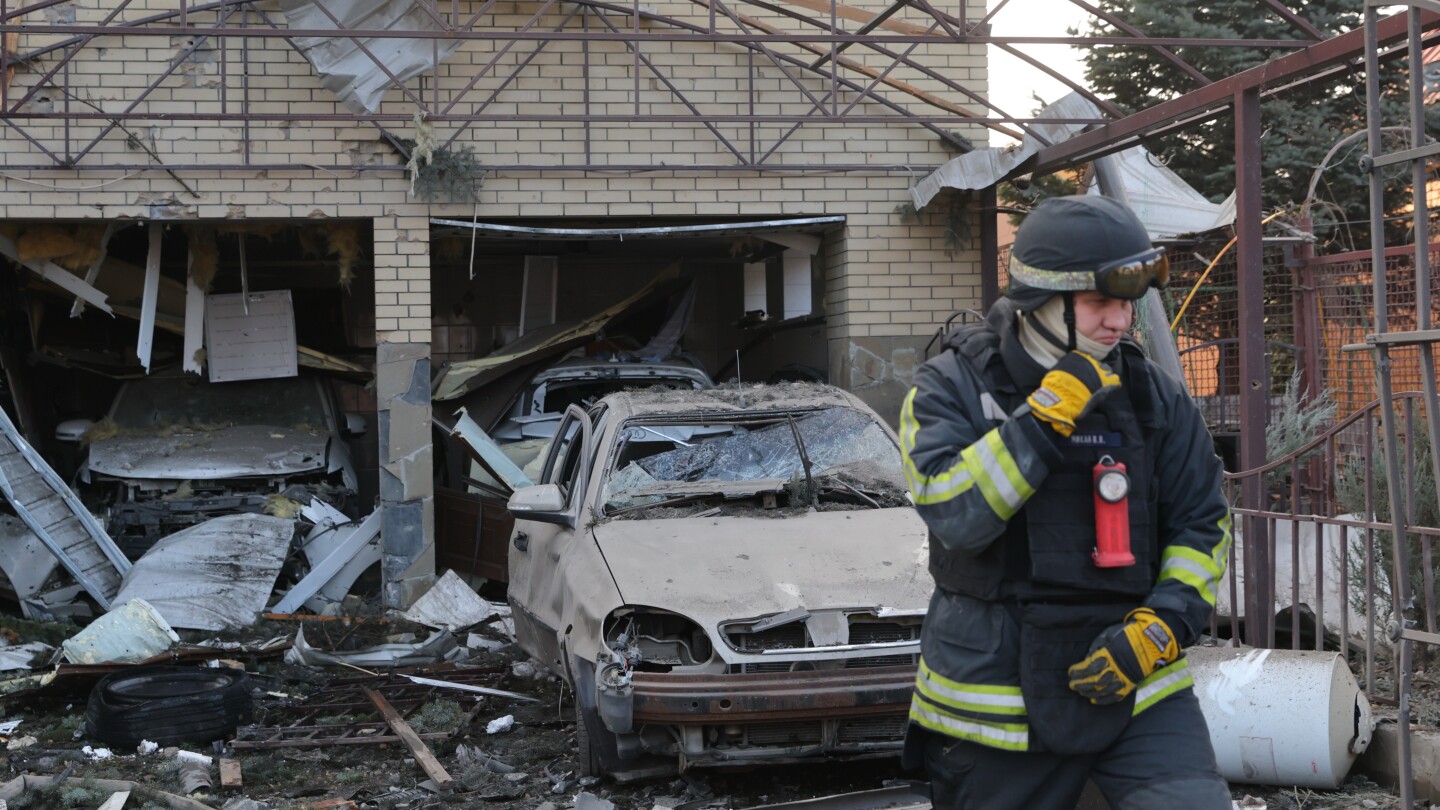
    A devastating Russian missile attack on Odesa’s port infrastructure has resulted in eight fatalities and 27 injuries, according to Ukraine’s emergency services. The strike, which occurred late Friday, targeted transport facilities where ballistic missiles ignited trucks in parking areas and damaged civilian vehicles, with some casualties occurring on a public bus caught in the bombardment.

    While Moscow’s defense ministry acknowledged striking Ukrainian “transport and storage infrastructure” supporting military operations, it did not specifically address the Odesa casualties. The attack coincides with significant diplomatic developments, including a planned meeting between Kremlin envoy Kirill Dmitriev and Trump administration officials Jared Kushner and Steve Witkoff in Miami to discuss U.S.-proposed peace terms.

    Simultaneously, Ukraine demonstrated its offensive capabilities with drone strikes targeting Russian energy infrastructure. Ukrainian forces hit the patrol ship Okhotnik in the Caspian Sea, along with drilling platforms at the Filanovsky oil and gas field operated by Lukoil—a company recently sanctioned by the U.S. to cripple Russia’s war-funding energy revenues.

    The diplomatic landscape remains complex as European Union leaders committed €90 billion ($106 billion) in interest-free loans to support Ukraine’s military and economic needs over the next two years. This financial package, however, falls short of the €137 billion estimated necessary by the International Monetary Fund for 2026-2027, leaving Kyiv facing critical funding shortages.

    President Vladimir Putin has maintained Russia’s maximalist demands while expressing confidence in military solutions if diplomatic efforts fail. The conflicting positions between Moscow and Kyiv continue to challenge the Trump administration’s extensive peace initiative, which has included recent meetings with European and Ukrainian officials in Berlin and Washington.

    Ukraine’s chief negotiator Rustem Umerov confirmed separate meetings with American and European partners, noting agreement to continue “joint work in the near future” without elaborating on specific outcomes. The multipronged diplomatic offensive occurs as the conflict approaches its fourth year with no clear resolution in sight.

  • Prisoners freed by Belarus say their passports are taken away in a final ‘dirty trick’ by officials

    Prisoners freed by Belarus say their passports are taken away in a final ‘dirty trick’ by officials

    In a controversial prisoner exchange that has drawn international condemnation, Belarus has released 123 detainees in exchange for the United States lifting certain trade sanctions. However, emerging accounts reveal these releases constitute forced deportations rather than genuine pardons, with prisoners systematically stripped of identification documents and transported blindfolded to neighboring countries.

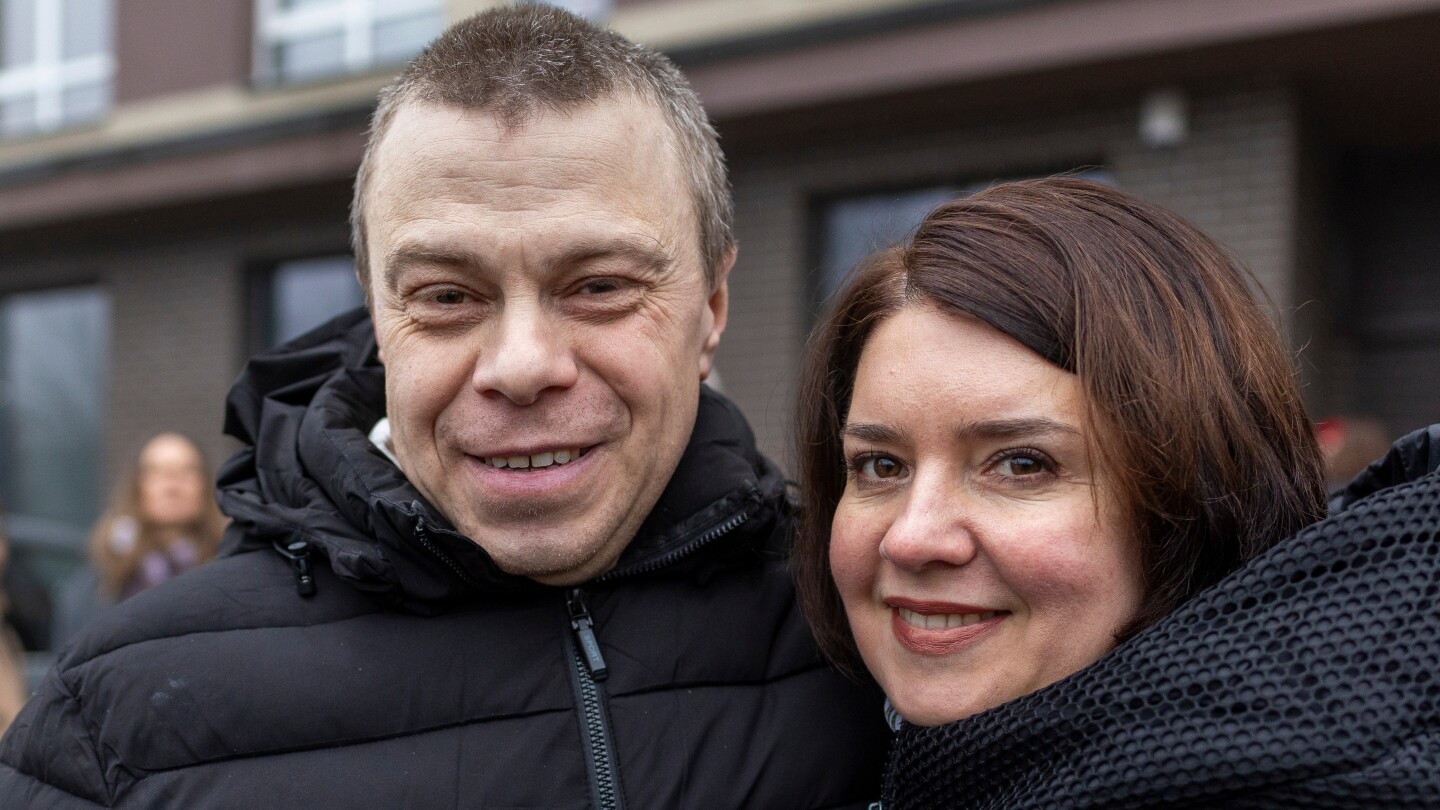
    Uladzimir Labkovich, a 47-year-old human rights advocate who endured four and a half years of imprisonment, described his sudden release as yet another “dirty trick” by Belarusian authorities. “I was thrown out of my own country without a passport or valid documents,” Labkovich reported from Ukraine, where he now faces complex bureaucratic hurdles to rebuild his life.

    The December 13th release included Nobel Peace Prize laureate Ales Bialiatski and prominent opposition figures, with 114 prisoners transported to Ukraine and nine to Lithuania. This pattern follows earlier releases where prisoners were similarly expelled without documentation. In September, over 50 political prisoners were taken to the Lithuanian border without passports, with activist Mikola Statkevich refusing to leave and subsequently being returned to prison.

    Testimonies from released prisoners describe systematic confiscation of personal documents. Journalist Ihar Losik reported having all his papers—including diaries—confiscated, while activist Mikalai Dabiadok witnessed security operatives tearing up his passport before his eyes.

    United Nations Special Rapporteur Nils Muižnieks condemned these actions as “not pardons, but forced exile,” noting that individuals were “expelled from the country, left without means of subsistence and, in some cases, stripped of identity documents.”

    The releases occur against the backdrop of President Alexander Lukashenko’s ongoing crackdown on dissent. Despite recent attempts to improve relations with the West, Belarus continues to target critics both domestically and abroad. Belarusians living overseas cannot renew passports through embassies, while opposition figures face in-absentia trials and property confiscation.

    With over 1,100 political prisoners still detained and new arrests continuing simultaneously with releases, Amnesty International’s Marie Struthers warns against viewing these exchanges as genuine reform: “If this release is part of political bargain, it only underscores the Belarusian authorities’ cynical treatment of people as pawns.”

  • Artist’s battlefield collection captures the lived experience of Ukraine’s resistance to invasion

    Artist’s battlefield collection captures the lived experience of Ukraine’s resistance to invasion

    In a concealed basement near Kyiv’s Maidan Square, Ukrainian street artist Maxim Kilderov has created a profound testament to human resilience amid conflict. His unconventional exhibition, assembled from the visceral remnants of battle, serves as an organic archive of Russia’s ongoing invasion of Ukraine.

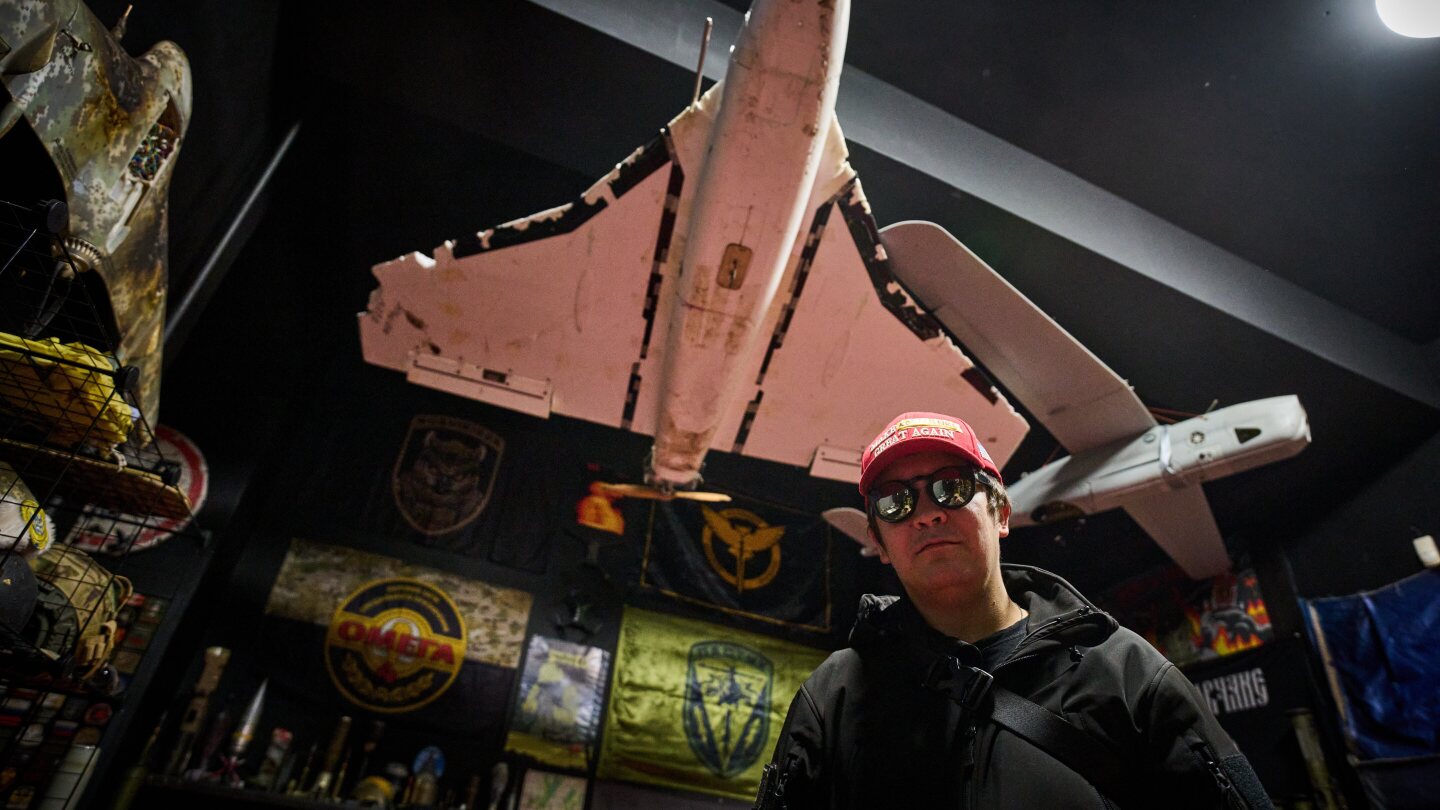
    The space contains a haunting array of artifacts: rocket launch tubes stand adjacent to a Russian intelligence officer’s personal diary; captured military uniforms drape darkened walls; thousands of vibrantly colored unit patches create a mosaic of military identity, defiance, and dark humor. For Kilderov, who survived 55 days under Russian occupation in Nova Kakhovka, these objects constitute crucial evidence that transcends official war narratives.

    What began as a personal collection in his home has evolved into a comprehensive repository featuring captured documents, passports, helmets, weapon fragments, and specialized military equipment. Among the most poignant items is a smartphone pierced by shrapnel that saved a soldier’s life, alongside personal effects like soldiers’ drawings and partially consumed cigarette packets.

    Kilderov’s distinctive artistic style—doodle-like calligraphy concealing symbols and resistance messages—permeates the exhibition. A centerpiece is his 5-meter painting titled “55,” an intricate maze of colored lines and symbols representing each day of his occupation experience, during which he organized underground aid networks and documented life under Russian control.

    Since fleeing westward, Kilderov has expanded his mission, creating military patch designs, transforming battlefield debris into art, and converting rocket tubes into Bluetooth speakers—donating most proceeds to Ukrainian military units. His Kyiv basement has become an organic gathering place where soldiers contribute new artifacts and stories, continually expanding this raw documentation of Ukraine’s lived reality.

    As Ukraine enters its fourth winter of conflict, Kilderov expresses concern about diminishing social unity despite the ongoing emergency. His deliberate wearing of a red MAGA hat during interviews serves as ironic commentary on Ukraine’s precarious dependence on foreign aid that could be withdrawn without warning.

    The artist ultimately plans to formalize the collection into a museum that concentrates emotional impact within a single immersive space, rejecting traditional museum formats in favor of immediate, powerful confrontation with war’s human cost.