标签: Europe

欧洲

  • China to impose up to 42.7% provisional tariffs on EU dairy products

    China to impose up to 42.7% provisional tariffs on EU dairy products

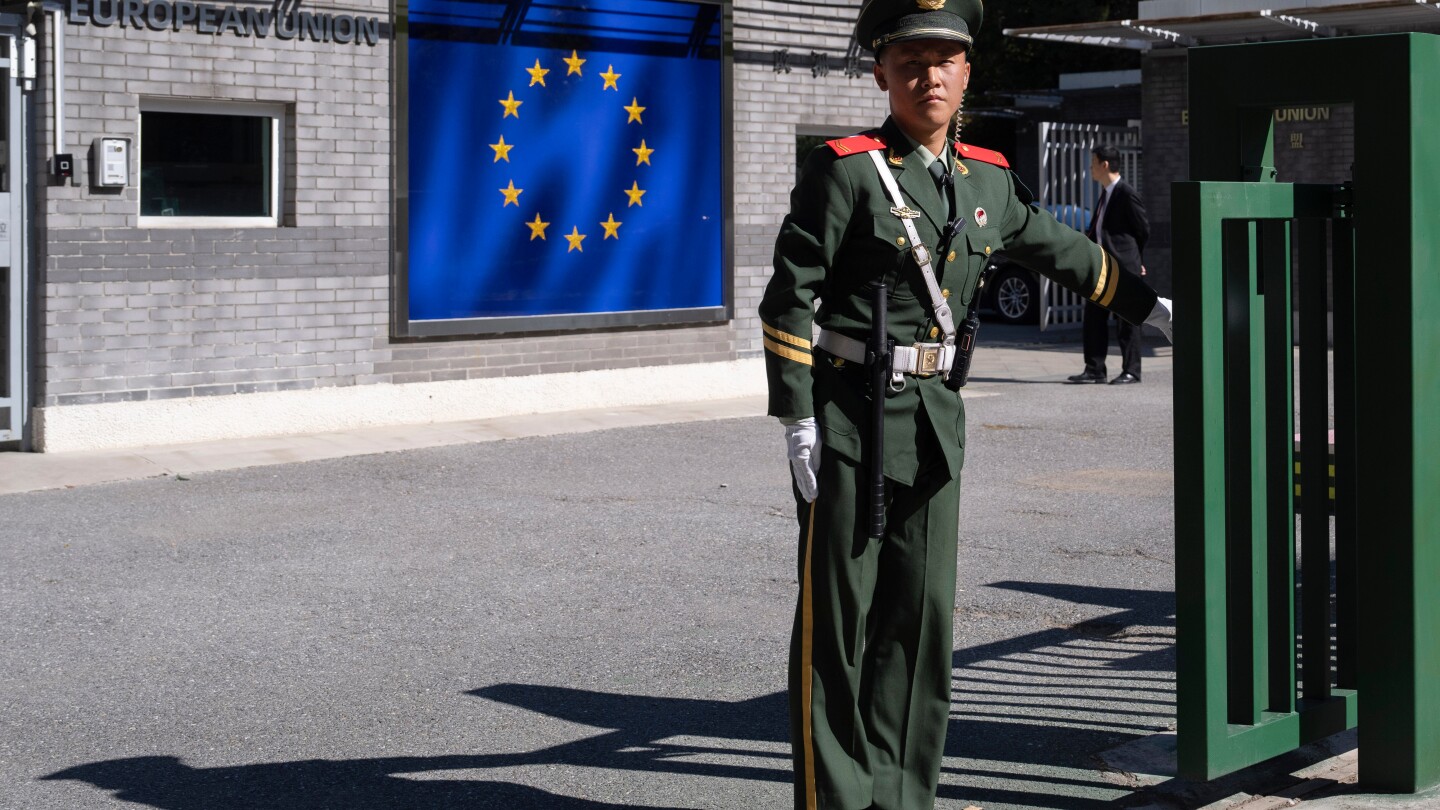
    China has announced substantial provisional tariffs reaching 42.7% on European Union dairy imports, marking a significant escalation in the ongoing trade tensions between Beijing and Brussels. The measures, effective immediately, target a comprehensive range of dairy commodities including fresh and processed cheeses, blue cheese, milk, and cream with fat content exceeding 10%.

    The Ministry of Commerce clarified that these punitive duties stem from preliminary findings of an investigation initiated in August 2024, which examined subsidies provided by EU member states under the Common Agricultural Policy and national programs in countries including Italy, Ireland, and Finland. Chinese authorities determined these subsidies had caused material damage to China’s domestic dairy industry.

    This development represents the latest chapter in a series of reciprocal trade measures between the economic powers. The dairy tariffs directly respond to the EU’s earlier imposition of tariffs up to 45.3% on Chinese-manufactured electric vehicles. Beijing has concurrently pursued investigations into European brandy and pork imports as complementary countermeasures.

    The trade relationship between China and the EU remains increasingly strained, with the EU’s substantial trade deficit exceeding €300 billion ($352 billion) with China becoming a focal point of economic discussions. Just last week, Beijing implemented tariffs up to 19.8% on EU pork imports—significantly reduced from initially proposed rates of 62.4%—citing dumping practices that harmed domestic producers.

    In July, China had previously announced tariffs up to 34.9% on EU brandy imports, though several major cognac producers received exemptions. Throughout these developments, Chinese officials have consistently urged the EU to rescind its electric vehicle tariffs, positioning Beijing’s actions as necessary responses rather than escalatory measures.
  • Denmark insists on respect for territorial integrity after Trump appoints envoy to Greenland

    Denmark insists on respect for territorial integrity after Trump appoints envoy to Greenland

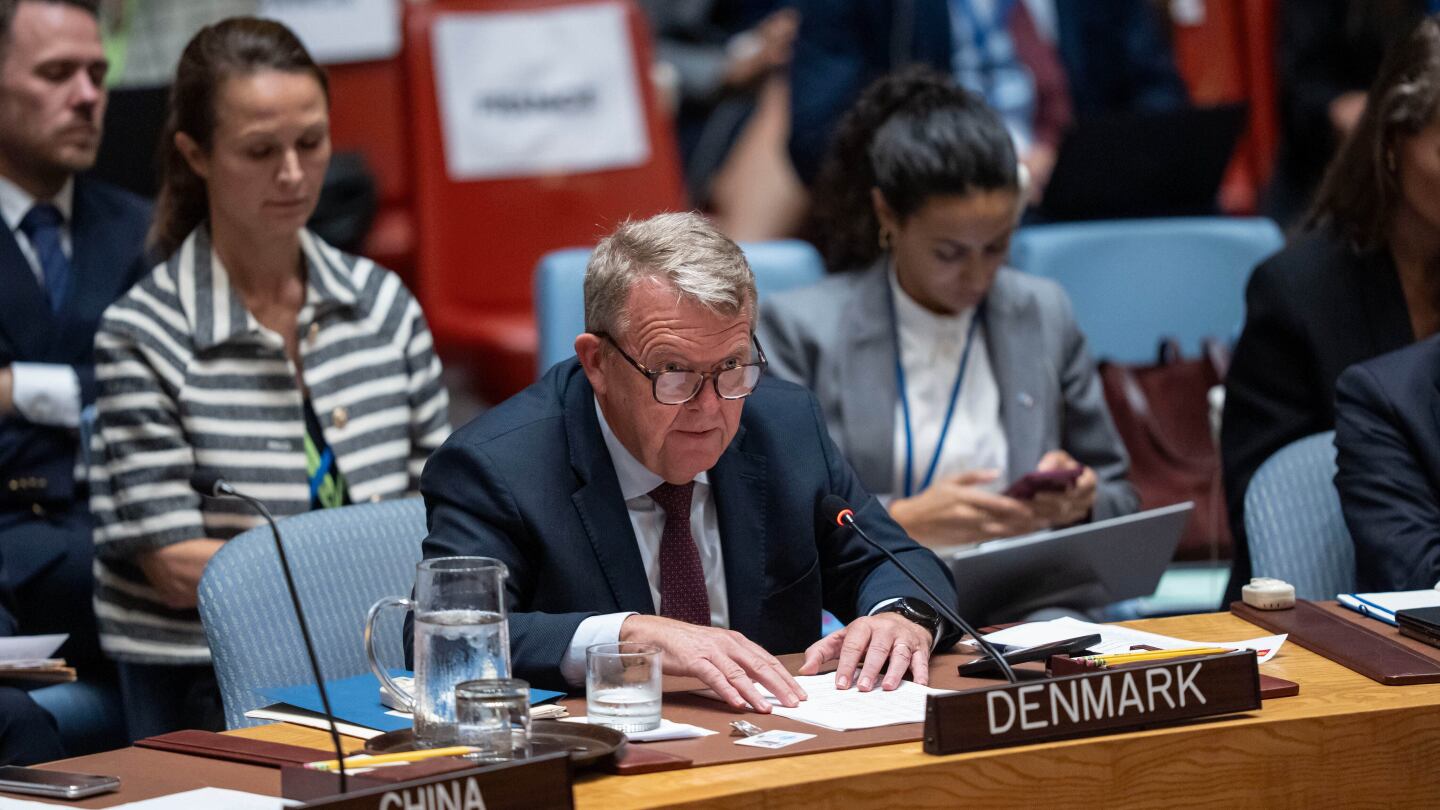
    COPENHAGEN (AP) — Denmark has issued a firm diplomatic statement reinforcing its territorial sovereignty over Greenland following the United States’ appointment of a special envoy to the Arctic territory. The declaration from Danish Foreign Minister Lars Løkke Rasmussen came directly after former President Donald Trump designated Louisiana Governor Jeff Landry as special envoy to Greenland.

    Minister Rasmussen emphasized through an official ministry communiqué that while Denmark acknowledges sustained American interest in Greenland, all nations—including the United States—must unequivocally respect the territorial integrity of the Kingdom of Denmark. This diplomatic response highlights escalating tensions between the NATO allies regarding the strategically significant, mineral-rich island.

    The background to this development traces to Trump’s presidency, when he repeatedly expressed interest in acquiring U.S. jurisdiction over Greenland and reportedly contemplated military options for securing control. The situation intensified in March when Vice President JD Vance visited Thule Air Base in Greenland and criticized Denmark’s investment levels in the region. Further diplomatic strain emerged in August when Danish authorities summoned the U.S. ambassador following reports of covert influence operations in Greenland by individuals connected to Trump.

    In his announcement, Trump characterized Landry’s role as crucial to advancing U.S. national security interests and ensuring the safety of American allies. Landry subsequently expressed honor at the appointment through social media, explicitly referencing ambitions to facilitate Greenland’s incorporation into the United States.

    The Danish Defense Intelligence Service’s recent annual assessment adds context to these developments, noting that the U.S. has increasingly leveraged economic influence and military posturing to assert its geopolitical objectives with both allies and adversaries.

  • Russian general killed by car bomb in Moscow, officials say

    Russian general killed by car bomb in Moscow, officials say

    A high-ranking Russian military commander has been assassinated in a targeted car bombing in central Moscow, according to official statements from Russia’s Investigative Committee. Lieutenant General Fanil Sarvarov, 56, perished on Monday morning when an improvised explosive device concealed beneath his vehicle detonated abruptly.

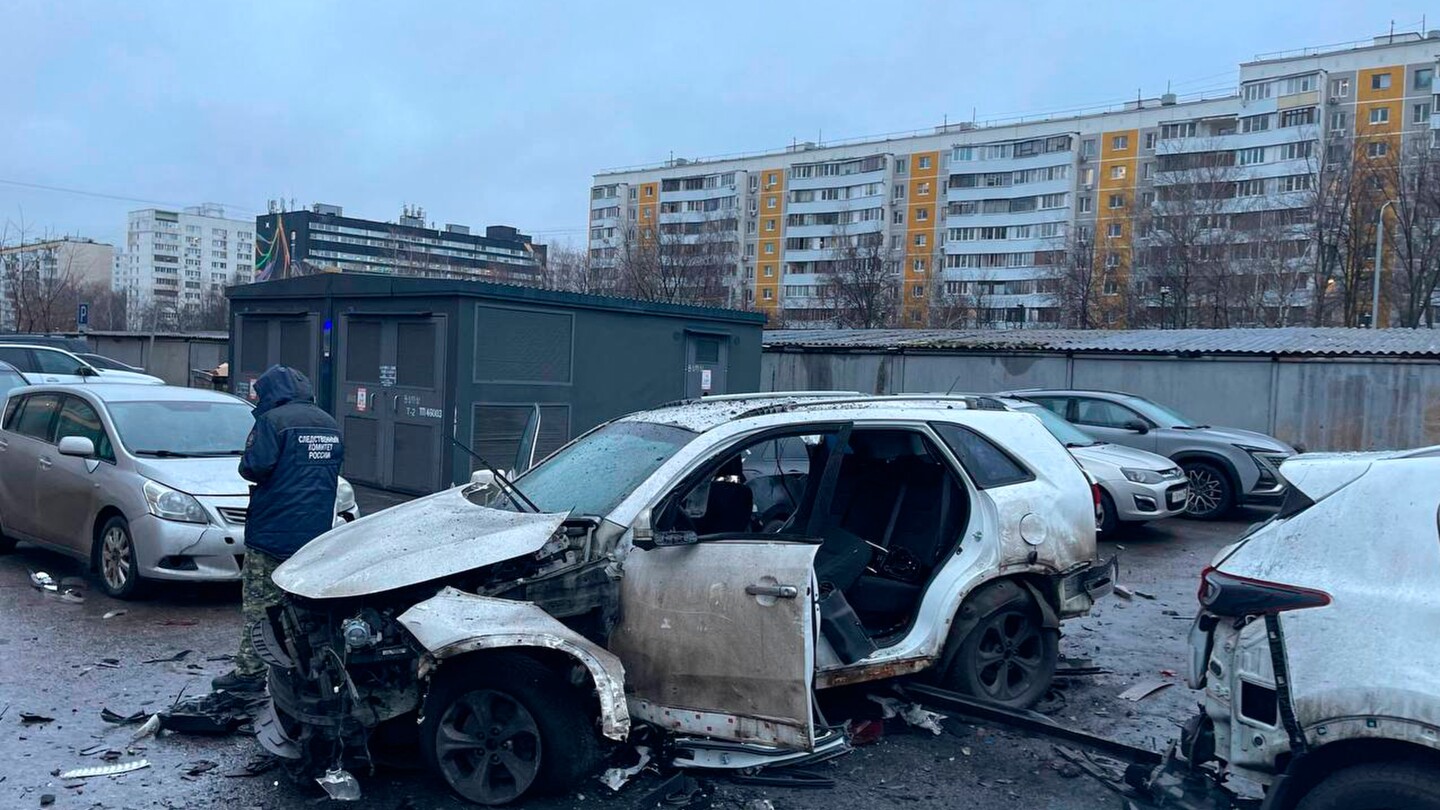
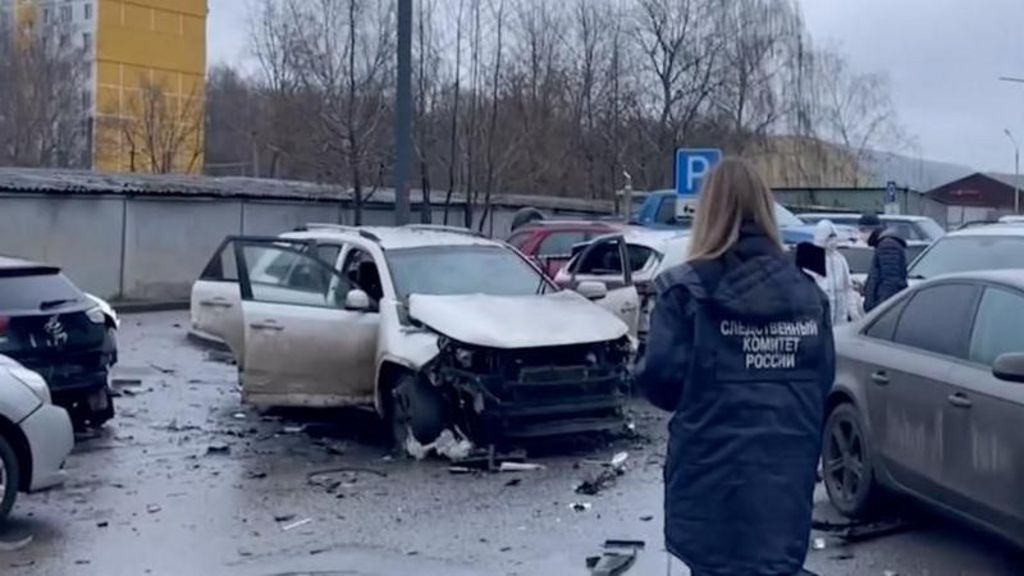
    General Sarvarov held the prestigious position of leading the armed forces’ operational training department, making him a significant figure within Russia’s military command structure. The explosive device, strategically planted under his personal vehicle, ignited in a residential parking facility in southern Moscow, leaving the white automobile severely damaged with its doors completely blown off.

    Law enforcement agencies have dispatched specialized investigative teams to conduct thorough forensic examination of the blast site. While the investigation remains ongoing, preliminary theories suggest potential involvement of Ukrainian intelligence operatives in orchestrating the assassination. Ukrainian authorities have maintained their characteristic silence regarding the incident, consistent with their established policy of neither confirming nor denying involvement in targeted operations against Russian officials.

    This event represents the latest in a series of attacks against Russian military leadership since the commencement of full-scale hostilities in Ukraine in February 2022. Previous incidents include the April car bombing that claimed the life of General Yaroslav Moskalik and the December 2024 assassination of General Igor Kirillov via remotely detonated scooter bomb. While unnamed Ukrainian sources have previously claimed responsibility for such operations to international media, official Kyiv maintains a consistent policy of non-acknowledgement regarding targeted strikes against Russian military figures.

  • Russian general killed by bomb under his car in Moscow

    Russian general killed by bomb under his car in Moscow

    A senior Russian military commander, Lieutenant General Fanil Sarvarov, was killed on Monday when an explosive device detonated beneath his vehicle in Moscow. This incident marks the third assassination of a high-ranking Russian military official within the past year, raising serious concerns about security vulnerabilities within Russia’s defense establishment.

    Svetlana Petrenko, spokesperson for Russia’s Investigative Committee, confirmed that General Sarvarov, who headed the Operational Training Directorate of the Russian Armed Forces’ General Staff, succumbed to injuries sustained in the blast. Petrenko stated that multiple investigative avenues are being pursued, with Ukrainian intelligence services representing a primary line of inquiry regarding potential orchestration of the attack.

    This pattern of targeted killings began exactly one year prior on December 17, 2024, when Lieutenant General Igor Kirillov, commander of Russia’s nuclear, biological and chemical protection forces, was assassinated by a bomb concealed on an electric scooter outside his residence. Ukraine’s security service publicly claimed responsibility for that operation, which also resulted in the death of Kirillov’s assistant. Russian authorities subsequently apprehended and charged an Uzbek national with carrying out the attack on behalf of Ukrainian intelligence.

    President Vladimir Putin characterized Kirillov’s assassination as a ‘major blunder’ by Russian security agencies, urging enhanced operational efficiency. Despite this directive, another senior officer, Lieutenant General Yaroslav Moskalik—a deputy head of the main operational department in the General Staff—was killed in April by an explosive device planted in his vehicle near his Moscow-area apartment. Russian law enforcement made a prompt arrest of a suspected perpetrator in that case.

    Moscow has consistently attributed numerous bombings and attacks on Russian soil to Ukrainian operatives, alleging a coordinated campaign targeting military leadership. These incidents highlight escalating covert operations within Russian territory amid the ongoing conflict between the two nations.

  • Western intelligence suspects Russia is developing new weapon to target Musk’s Starlink satellites

    Western intelligence suspects Russia is developing new weapon to target Musk’s Starlink satellites

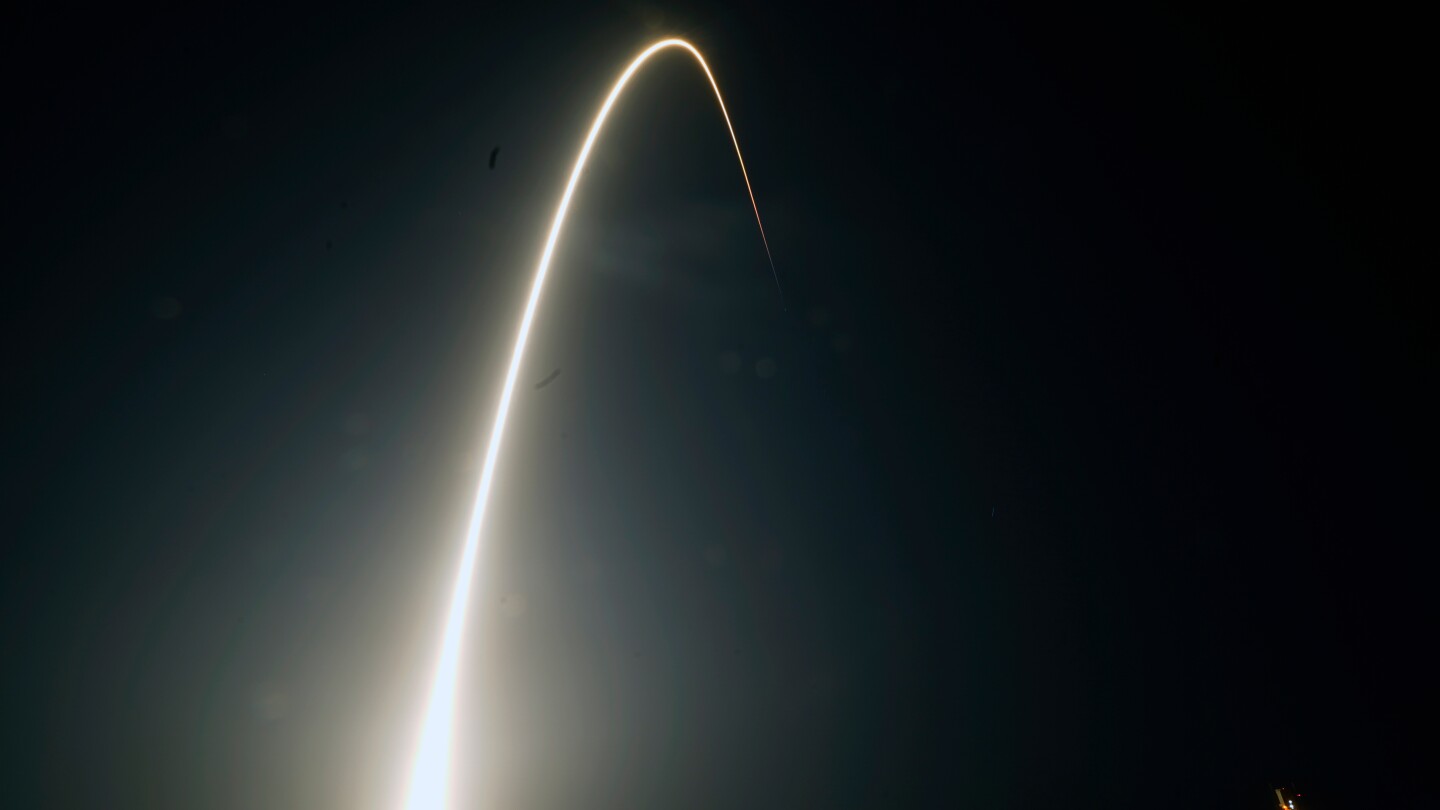
    According to intelligence assessments from two NATO-member agencies, Russia is reportedly advancing development of a revolutionary anti-satellite weapon system designed to counter Elon Musk’s Starlink constellation. The alleged system would deploy expansive clouds of high-density metallic pellets in orbital pathways, potentially incapacitating multiple satellites simultaneously through destructive shrapnel impacts.

    This unconventional approach differs fundamentally from Russia’s 2021 missile test that destroyed a single defunct satellite. The new weapon concept aims to create orbital denial zones by saturating specific altitudes with hundreds of thousands of millimeter-scale projectiles. Intelligence officials, who shared findings with The Associated Press under condition of anonymity, indicate this development represents Moscow’s attempt to counter Western space capabilities that have provided critical advantages to Ukrainian forces.

    However, space security experts express significant skepticism regarding both the technical feasibility and strategic rationale of such a system. Victoria Samson of the Secure World Foundation questioned the plausibility of deployment, noting the catastrophic collateral damage that would affect all spacefaring nations, including Russia and its ally China. The weapon’s indiscriminate nature could render entire orbital regimes unusable for decades, potentially damaging Russia’s own satellite infrastructure and the International Space Station.

    Brigadier General Christopher Horner, commander of Canada’s Space Division, acknowledged that while he hasn’t been briefed on such a system, previous reports of Russian space-based nuclear weapons development make the concept “not implausible.” The Kremlin has previously denied developing orbital weapons and has called for UN measures to prevent weaponization of space.

    The intelligence findings suggest the pellet-based approach offers plausible deniability advantages, as the small projectiles might evade detection systems. Yet analysts note that attribution would likely occur once satellites began failing simultaneously. The system remains in developmental stages according to intelligence assessments, with deployment timelines considered too sensitive to disclose.

    Strategic analysts suggest the weapon concept might serve dual purposes: as an experimental capability and as psychological deterrence. The mere threat of orbital chaos could potentially constrain Western space operations without actual deployment. However, most experts conclude that Russia’s substantial investments in space capabilities make deliberate creation of uncontrollable orbital debris fields strategically counterproductive.

  • Ukraine is leveraging its powerful – and cheap – new drone killers for air defense

    Ukraine is leveraging its powerful – and cheap – new drone killers for air defense

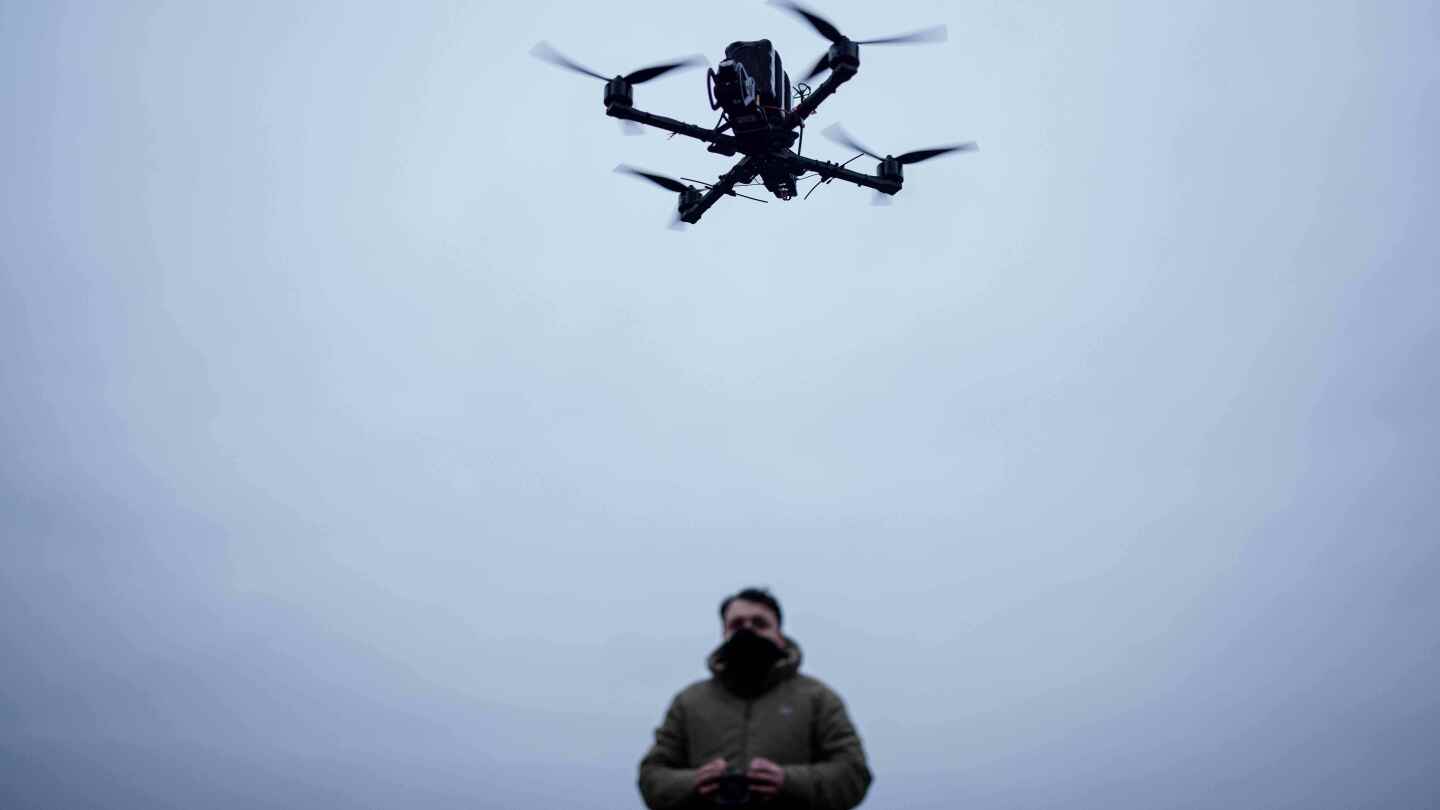
    On the frozen Ukrainian terrain, elite drone-hunting teams deploy cutting-edge technology against Russia’s evolving aerial threats. Under the crackling ice, specialists assemble sophisticated monitoring equipment and prepare a revolutionary domestic weapon system—the Sting interceptor, resembling a flying thermos—that represents Ukraine’s innovative response to nightly attacks on urban centers and critical infrastructure.

    This tactical evolution stems from military necessity: Ukrainian defense strategists have completely rewritten air defense doctrine by developing affordable drone-killing solutions costing as little as $1,000 per unit. According to a commander identified only by the call sign “Loi” under Ukrainian military protocol, these interceptors effectively counter Russia’s increasingly sophisticated suicide drones that now operate at higher altitudes with enhanced speed. “Every destroyed target is something that did not hit our homes, our families, our power plants,” Loi stated, emphasizing their continuous operational readiness: “The enemy does not sleep, and neither do we.”

    The rapid development cycle—from prototype to mass production within months during 2025—demonstrates Ukraine’s remarkable adaptive capabilities. Startup companies like Wild Hornets (producing the Sting model) and General Cherry (developing the Bullet interceptor) have pioneered these systems that can surge in speed before colliding with enemy drones. These are operated by pilots monitoring screens or using first-person-view goggles, creating a new paradigm in aerial warfare.

    Economic considerations prove fundamental to this strategy. Andrii Lavrenovych of General Cherry’s strategic council revealed that the destroyed Russian drones cost between $10,000 and $300,000, meaning Ukraine inflicts substantial economic damage with each successful interception. Russia primarily employs Iranian-designed Shahed suicide drones with numerous variants featuring jammers, cameras, and turbojet engines, creating an ongoing innovation race between the two nations. “In some areas they are one step ahead. In others, we invent an innovative solution, and they suffer from it,” Lavrenovych noted.

    Defense analyst Federico Borsari from the Center for European Policy Analysis in Washington confirmed these interceptors’ strategic value: “Cheap interceptor drones have become so important, and so quickly, that we can consider them a cornerstone of modern counter-unmanned aerial systems. They realign the cost and scale equation of air defense.” However, Borsari cautioned against viewing them as standalone solutions, emphasizing their dependence on sensors, rapid command systems, and skilled operators within a layered defense framework that includes multimillion-dollar missiles and traditional antiaircraft weapons.

    The conflict has accelerated drone production scaling on both sides, with NATO and Ukrainian defense planners anticipating continued escalation through 2026. This urgency has propelled European initiatives to establish a comprehensive “drone wall” along eastern borders—a networked system designed to detect, track, and intercept drones over two years, potentially incorporating Ukrainian-style interceptors as central components.

    Future developments include expanded coproduction agreements between Ukrainian drone manufacturers and Western firms, merging battle-tested designs and valuable combat data with Western production capabilities and funding. This collaboration will increase output while integrating Ukraine into NATO-member supply chains. Lavrenovych also predicts increased automation: “Our mobile groups shouldn’t have to approach the front line, where they become targets. Drones must become fully autonomous robots with artificial intelligence—as scary as that may sound—to help our soldiers survive.”

  • US and Ukraine call Miami talks productive despite no breakthrough

    US and Ukraine call Miami talks productive despite no breakthrough

    High-level diplomatic negotiations between United States, Ukrainian, and Russian representatives concluded in Miami with participants characterizing the discussions as “productive and constructive,” though significant obstacles to ending the nearly four-year conflict remain unresolved.

    Special Envoy Steve Witkoff, appointed by former President Donald Trump, and Ukrainian lead negotiator Rustem Umerov issued a joint statement following three days of intensive meetings with European allies. The discussions centered on aligning positions regarding a comprehensive 20-point peace framework, multilateral security guarantees, a specific US security assurance package for Ukraine, and an economic recovery plan aimed at ensuring long-term stability.

    Concurrently, separate negotiations occurred between American officials and Russian envoy Kirill Dmitriev in southern Florida. Witkoff confirmed these parallel discussions with Russian representatives, including Trump’s son-in-law Jared Kushner, were similarly constructive, noting that “Russia remains fully committed to achieving peace in Ukraine.”

    The Miami meetings represent the latest development in intensified diplomatic efforts triggered by the recent leak of a 28-point US peace proposal that initially alarmed Ukrainian and European officials due to perceived concessions favoring Russia. Despite the positive rhetoric, fundamental disagreements persist, particularly regarding Moscow’s insistence on retaining control of captured Ukrainian territories.

    This diplomatic activity unfolds against a backdrop of continued military operations. Russian authorities reported Ukrainian drone attacks damaging two vessels and port infrastructure in the Krasnodar region, resulting in significant fires though without crew casualties.

    Meanwhile, US intelligence assessments, corroborated by six sources familiar with the matter, indicate Russian President Vladimir Putin maintains ambitions to control all of Ukraine and potentially reclaim former Soviet territories in Europe. This contrasts with Putin’s recent BBC interview statements suggesting Russia seeks peaceful relations if treated with “respect and recognition of our interests.”

  • Why Croatia’s capital wants to hold Europe’s best Christmas market

    Why Croatia’s capital wants to hold Europe’s best Christmas market

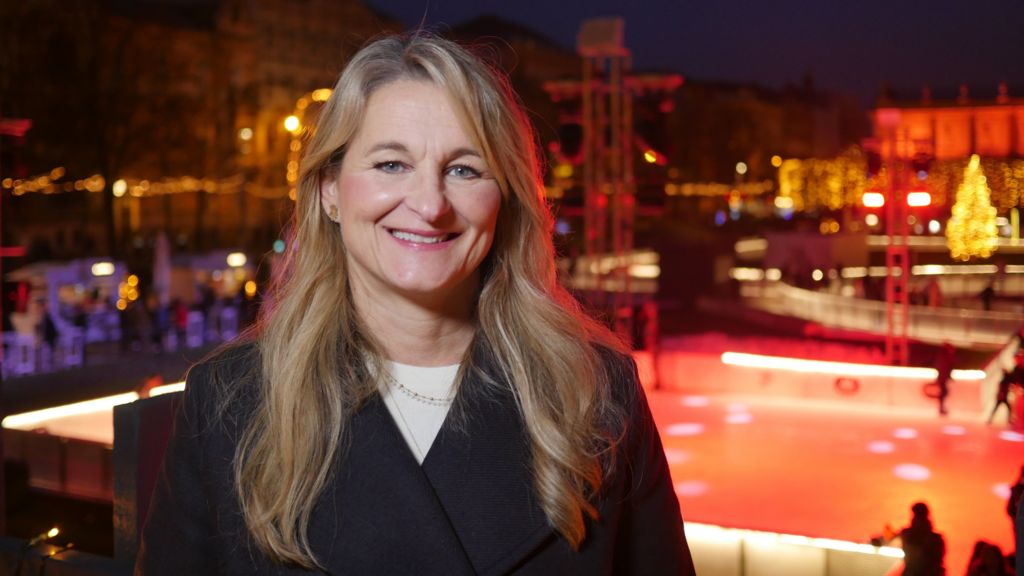
    Zagreb’s acclaimed Christmas market has emerged as a transformative economic engine for Croatia, strategically repositioning the Balkan nation from a seasonal summer destination to a year-round tourism hub. The capital’s Zagreb Advent event, recognized as Europe’s best Christmas market for three consecutive years (2015-2017), has become the centerpiece of Croatia’s ambitious tourism diversification strategy.

    Croatia’s tourism sector, accounting for over 20% of the national economy, has historically relied heavily on summer visitors drawn to the Adriatic coast. Tourism Minister Tonci Glavina emphasizes the strategic shift: ‘We are developing as a year-round tourism destination – we are not a summer destination anymore. Croatia has achieved significant development beyond just sun and sea.’

    Zagreb Advent represents a multi-venue urban transformation that engulfs the city center throughout December. Unlike single-location markets elsewhere, Zagreb’s offering features distinct thematic areas with unique decorations and content. The experience encompasses traditional seasonal staples like sausages and mulled wine alongside multiple music stages, craft stalls, traditional Croatian food vendors, art installations, and a massive ice rink.

    The economic impact has been substantial. Overnight stays in December more than doubled from 100,198 in 2014 to 245,352 in 2024, generating approximately €100 million in economic activity. Marketing efforts have expanded from neighboring countries to international campaigns in London tube stations and Milan buses, with special trains bringing visitors from Slovenia and Hungary.

    Despite its success, Zagreb remains a newcomer compared to European Christmas market heavyweights. Cologne’s market anticipates four million visitors with €229 million economic impact, while Vienna attracts 2.8 million and Strasbourg two million. Dresden’s market, dating to 1434, highlights Zagreb’s relatively brief 11-year history.

    Academic experts like Marko Peric, Dean of Tourism at the University of Rijeka, acknowledge the ‘unusually high’ December arrivals but caution that Croatia must further develop its off-season offerings. Minister Glavina points to promising trends, including 5% growth in June and September arrivals and a 10% year-on-year increase in early December visitors, indicating successful shoulder season development.

    The strategy exemplifies sustainable tourism transformation, balancing peak season stability with expanded shoulder season offerings while promoting lesser-known destinations across Croatia.

  • France will build a new aircraft carrier as it increases defense spending

    France will build a new aircraft carrier as it increases defense spending

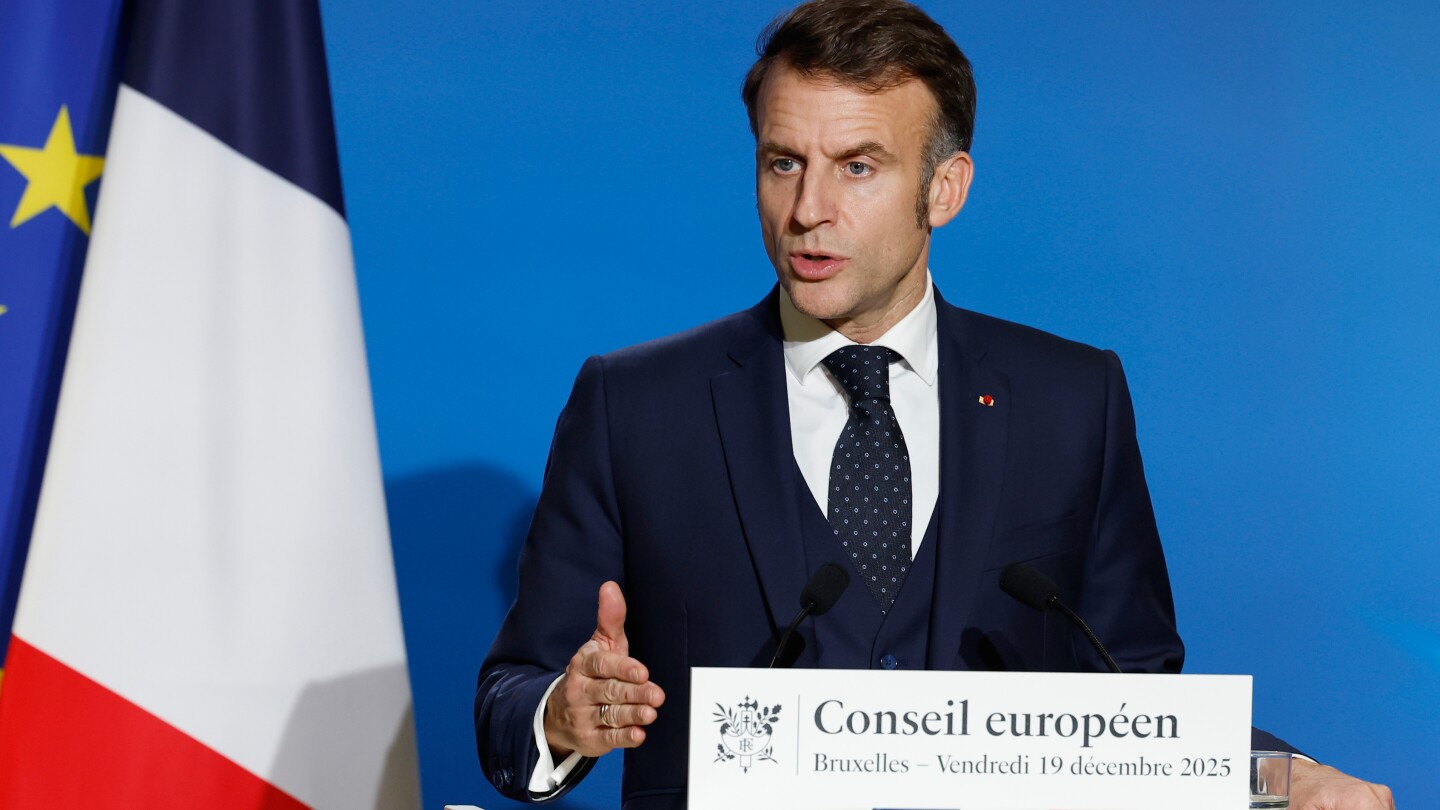
    French President Emmanuel Macron has unveiled ambitious plans for a next-generation nuclear aircraft carrier during his address to French troops stationed in Abu Dhabi on Sunday. The monumental defense project represents France’s strategic response to evolving global security challenges and reinforces its commitment to maritime superiority.

    The new vessel, scheduled for completion by 2038, will serve as the replacement for France’s current flagship, the Charles de Gaulle aircraft carrier that entered service in 2001. With specifications showcasing significant technological advancement, the future carrier will displace approximately 78,000 tons and extend 310 meters (1,017 feet) in length—marking a substantial increase from the Charles de Gaulle’s 42,000-ton displacement and 261-meter frame.

    While the French carrier will remain smaller than the United States’ USS Gerald Ford—the world’s largest warship at over 100,000 tons—it will maintain France’s distinctive nuclear propulsion capability and deploy advanced Rafale M fighter jets. The vessel is designed to accommodate up to 30 aircraft and support a crew of 2,000 personnel, enabling extended operational deployments with enhanced combat readiness.

    President Macron characterized the initiative as ‘the display of our nation’s power in the service of freedom on the seas,’ emphasizing that ‘in an age of predators, we must be strong in order to be feared, and especially strong at sea.’ The project aligns with France’s broader military modernization strategy, which includes increasing defense spending to 64 billion euros by 2027—doubling the budget from Macron’s initial term in 2017.

    The defense ministry confirms the carrier will provide rapid response capabilities for heavily armed, long-range missions with minimal preparation time. Economically, the program is expected to benefit hundreds of suppliers, predominantly small- and medium-sized enterprises, with Macron personally committing to oversee industrial partnerships during a scheduled shipyard visit in February.

    Financial projections from former Defense Minister Sébastien Lecornu (now Prime Minister) estimated the project cost at approximately 10 billion euros ($11.7 billion). This investment occurs alongside Macron’s announcement of an additional 6.5 billion euros ($7.6 billion) in military expenditures over the next two years, reinforcing France’s position as the European Union’s second-largest military force behind Poland.

  • Prince William brings his son to the same homeless shelter he first visited with Princess Diana

    Prince William brings his son to the same homeless shelter he first visited with Princess Diana

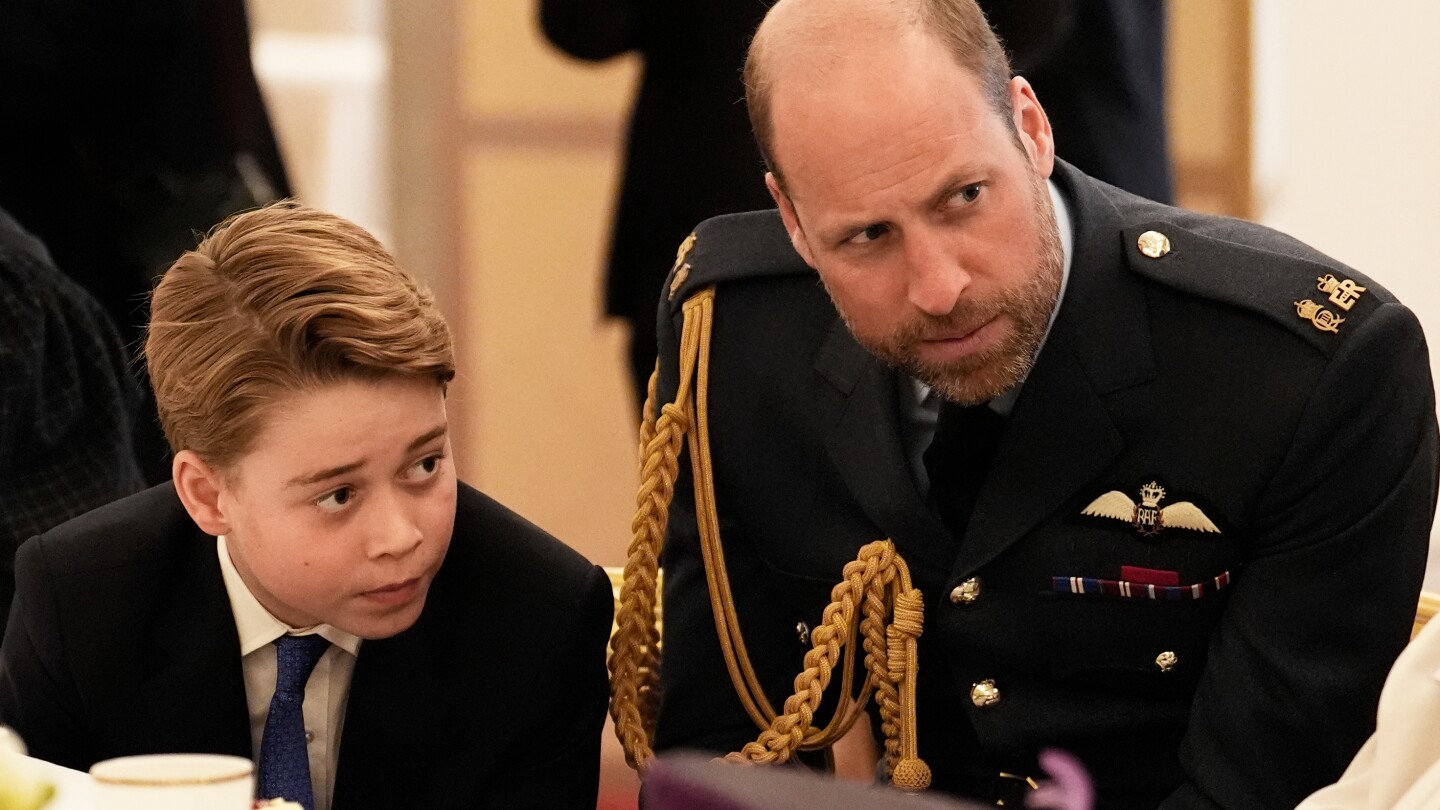
    In a poignant display of intergenerational service, the Prince of Wales and his heir, Prince George, participated in Christmas preparations at The Passage homeless shelter in central London. The royal duo engaged in various charitable activities, including decorating festive trees and assisting with culinary preparations for holiday meals.

    The visit carried profound historical significance, marking Prince George’s inaugural volunteering experience at the same institution where his father first accompanied Princess Diana over three decades ago. Notably, the young royal signed the charity’s visitor book on the very page containing signatures from both his grandmother and father dated December 1993.

    Footage released through official channels captured the heir to the throne handling Brussels sprouts preparation while his son arranged Yorkshire puddings and organized dining arrangements for shelter attendees. The royal family’s social media accounts characterized the event as featuring ‘another pair of helping hands,’ emphasizing the continuity of their commitment to homelessness advocacy.

    This engagement aligns with Prince William’s broader Homewards initiative, launched earlier this year to develop innovative solutions for addressing homelessness across the United Kingdom. The Passage maintains its special status as one of the Prince’s longest-standing patronages, representing a tangible connection to his mother’s philanthropic legacy.