标签: Europe

欧洲

  • Élysée Palace staff member to stand trial over theft of precious tableware

    Élysée Palace staff member to stand trial over theft of precious tableware

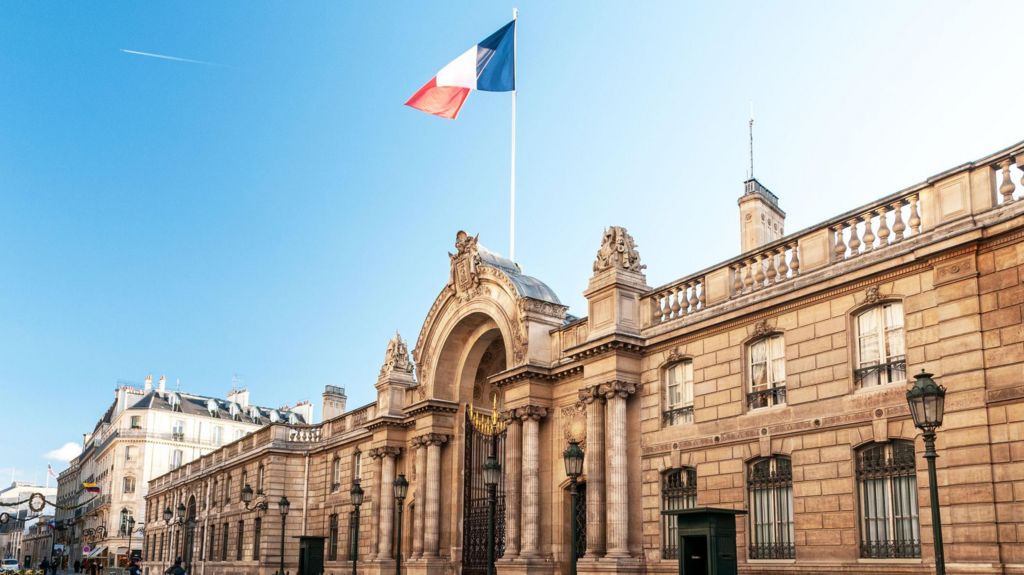
    A senior staff member at France’s presidential Élysée Palace is set to stand trial following allegations of systematically stealing valuable tableware from the official collection. Thomas M, identified as the palace’s chief butler, stands accused of pilfering approximately 100 precious items including Baccarat Champagne glasses, Sèvres porcelain plates, solid silver cutlery, and a René Lalique figurine over several months.

    Investigators discovered the missing objects—valued between €15,000 and €40,000—in Thomas M’s locker, vehicle, and personal residence. Evidence suggests he attempted to sell portions of the collection through his Vinted account, with officials from Sèvres porcelain factory confirming identification of their items on various online auction platforms.

    The alleged theft operation involved sophisticated methods, with prosecutors indicating Thomas M falsified official records to conceal the missing items. The inventory documentation suggested he was planning additional thefts before being apprehended.

    Two accomplices face related charges: Damien G, Thomas M’s partner and manager of an online auction company, was arrested on suspicion of involvement in the thefts. Ghislain M, a Louvre Museum guard described as having a ‘passion’ for rare antiques, was arrested the following day accused of receiving stolen goods. He has been suspended from his position pending trial.

    The case emerges just months after Paris’s Louvre Museum suffered a separate €88 million jewel heist, raising concerns about security protocols at France’s most prestigious institutions. The Élysée Palace has already initiated recruitment proceedings for a new chief butler according to TF1 Info reports.

    The trial is scheduled for February, marking a significant embarrassment for French presidential operations ahead of high-profile state functions.
  • The killing of a general in Moscow follows a series of assassinations Russia blames on Ukraine

    The killing of a general in Moscow follows a series of assassinations Russia blames on Ukraine

    Moscow has leveled accusations against Kyiv for conducting a systematic campaign of targeted killings against prominent Russian figures since the onset of the full-scale invasion nearly four years ago. While Ukrainian officials have frequently employed strategic ambiguity—sometimes hinting at involvement, denying responsibility, or offering detailed accounts without formal acknowledgment—this pattern of attacks represents a significant dimension of the ongoing conflict.

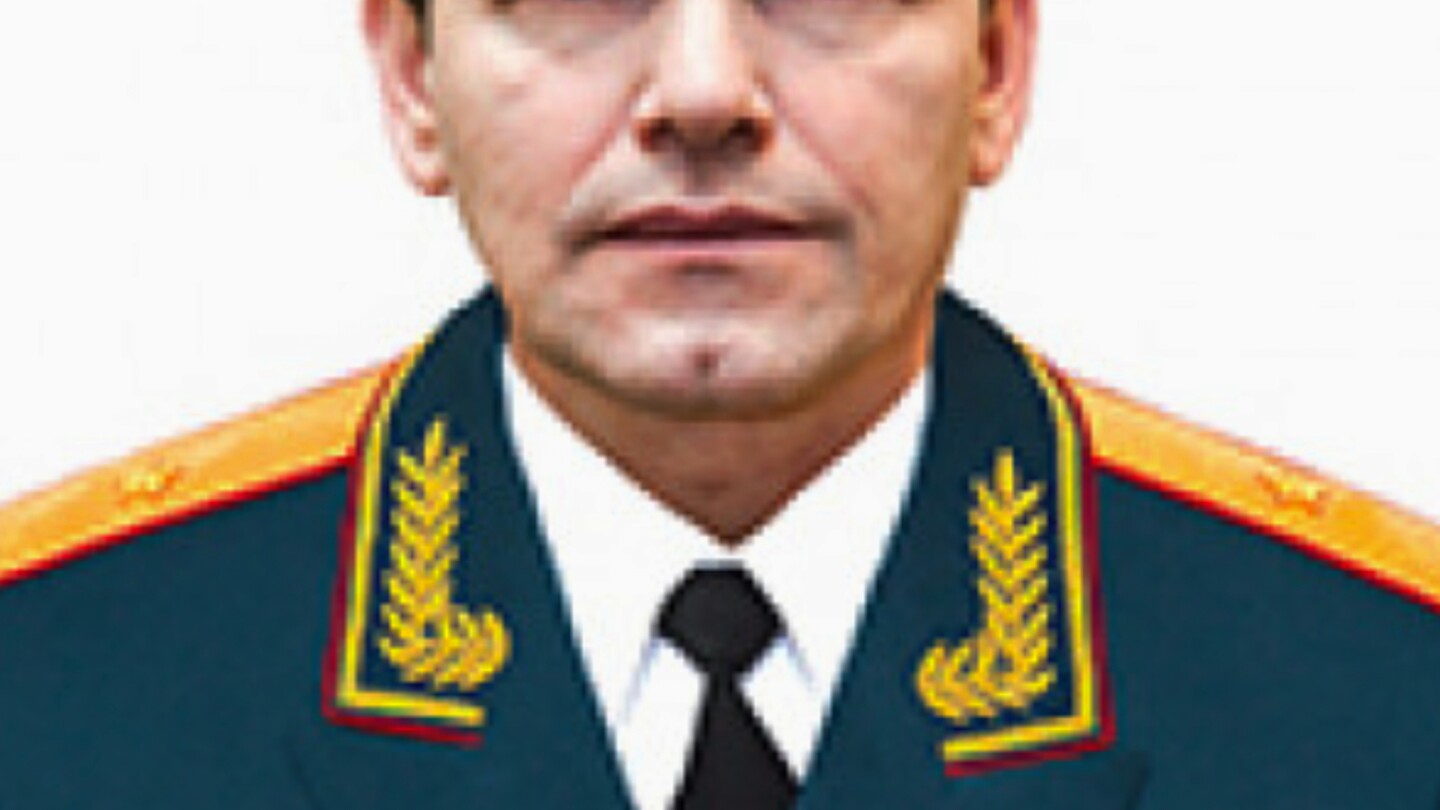
    The most recent incident occurred on Monday with the assassination of Lt. Gen. Fanil Sarvarov via a car bomb in Moscow. Russian investigators are currently probing potential Ukrainian involvement, though Kyiv has yet to issue an official statement.

    A review of major incidents blamed on Ukraine includes:

    • **Lt. Gen. Igor Kirillov** (Dec. 2024): Head of Russia’s nuclear, biological, and chemical protection forces, killed alongside his assistant by a scooter bomb outside a Moscow apartment. Ukraine’s Security Service (SBU) had charged him in absentia just prior to the attack and later claimed responsibility. An Uzbek national was arrested for carrying out the operation.

    • **Lt. Gen. Yaroslav Moskalik** (Apr. 2025): A high-ranking General Staff official killed by an under-car bomb near his residence outside Moscow. President Zelenskyy indirectly referenced the ‘elimination’ of Russian command personnel, and a Russian suspect confessed to being paid by Ukrainian security services.

    • **Stanislav Rzhitsky** (Jul. 2023): A former submarine commander linked to missile strikes on Vinnytsia was shot dead while jogging in Krasnodar. While Ukraine’s military intelligence directorate denied involvement, it released precise operational details. A dual citizen was later convicted.

    • **Zakhar Prilepin** (May 2023): The nationalist writer survived a car bombing that killed his driver. A Ukrainian was sentenced to life imprisonment by Russian courts. SBU chief Vasyl Maliuk declined formal responsibility but revealed specific knowledge of Prilepin’s injuries.

    • **Vladlen Tatarsky** (Apr. 2023): A pro-war military blogger was assassinated by an explosive statue presented to him in a St. Petersburg cafe. The perpetrator received a 27-year sentence while claiming ignorance of the bomb. Maliuk described Tatarsky as having ‘paid a karmic price.’

    • **Illia Kyva** (Dec. 2023): The defected Ukrainian lawmaker was found shot dead near Moscow after being convicted of treason in absentia. Ukrainian intelligence warned that ‘the same fate will befall other traitors.’

    • **Darya Dugina** (Aug. 2022): Killed by a car bomb likely intended for her father, philosopher Alexander Dugin. Ukraine explicitly denied responsibility, while Russia’s FSB identified Ukrainian suspects who had allegedly fled abroad.

    This series of incidents illustrates Ukraine’s alleged extraterritorial operations against military leadership, propagandists, and defectors, representing a shadow war within the broader conflict.

  • Ukraine strikes oil terminal, planes and ships in an array of strikes inside Russia

    Ukraine strikes oil terminal, planes and ships in an array of strikes inside Russia

    KYIV, Ukraine — Ukrainian forces have executed a coordinated series of precision strikes targeting critical Russian military and energy infrastructure, marking a significant escalation in tactics aimed at disrupting Moscow’s war capabilities. The multi-pronged offensive, confirmed by officials on Monday, demonstrates Kyiv’s growing capacity to project force deep into Russian territory and occupied regions.

    The strategic operations damaged a vital oil terminal operated by Tamanneftegaz, severed pipeline connections, destroyed two docked naval vessels in the Krasnodar region, and ignited substantial fires at energy facilities. Simultaneously, Ukrainian partisans successfully destroyed two Russian jet fighters at an airbase near Lipetsk in western Russia through covert operations.

    According to Ukraine’s General Staff, additional strikes targeted ammunition depots, drone launch sites, and a temporary base for Russia’s 92nd River Boat Brigade in occupied Crimea. These calculated attacks represent a deliberate shift in Ukrainian military strategy toward undermining Russia’s logistical chain and challenging the perception of Moscow’s operational security.

    Military analysts indicate these operations serve dual purposes: physically disrupting Russia’s war machinery through destruction of energy infrastructure and military assets, while psychologically challenging President Vladimir Putin’s narrative of Russian military dominance amid ongoing peace negotiations. The strikes occur as Ukrainian forces face increasing pressure along the front lines against Russia’s numerically superior army.

    Meanwhile, Russian forces continued their systematic targeting of Ukraine’s energy infrastructure, launching 86 drones overnight in what Kyiv describes as Moscow’s strategy of ‘weaponizing winter’ against civilian populations. Ukrainian air defenses reported intercepting 58 of the incoming drones, though energy facilities across five regions sustained damage.

    The escalation comes as U.S.-led diplomatic efforts continue seeking breakthroughs in the nearly four-year conflict, with both sides demonstrating capabilities to strike deep behind conventional front lines.

  • Cyberattack disrupts France’s postal service and banking during Christmas rush

    Cyberattack disrupts France’s postal service and banking during Christmas rush

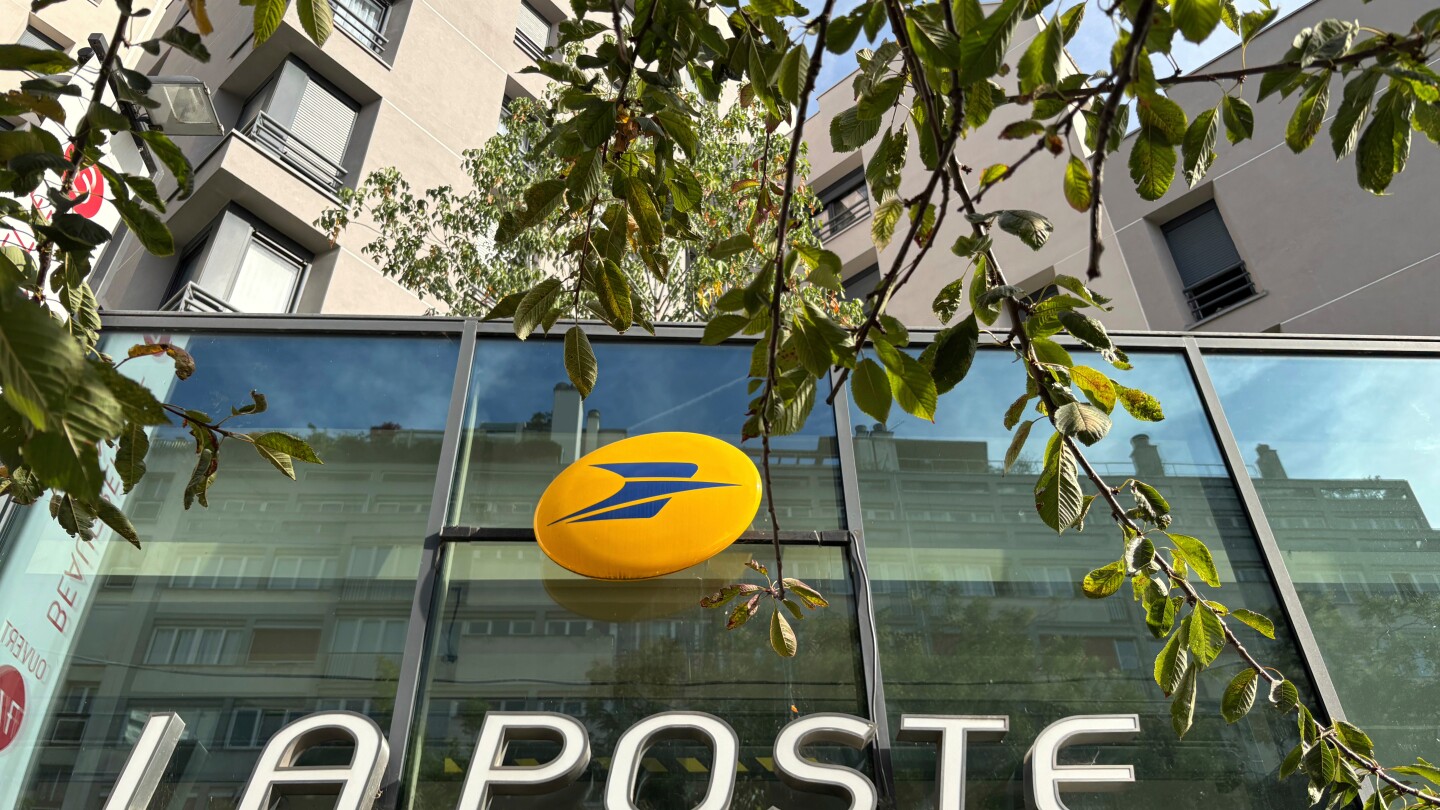
    France’s critical postal infrastructure faced severe disruption on Monday as a sophisticated distributed denial-of-service (DDoS) attack targeted La Poste and its financial subsidiary La Banque Postale. The cyber assault paralyzed online services during one of the busiest retail periods, creating nationwide logistical challenges during the crucial Christmas delivery window.

    La Poste’s official communication confirmed the cyber incident rendered digital platforms inaccessible, significantly impacting package processing and mail distribution systems. While customer data remained uncompromised according to preliminary assessments, the attack caused substantial operational paralysis across physical locations. At Parisian postal facilities adorned with seasonal decorations, frustrated customers encountered turned away as employees struggled to manage the technological breakdown.

    The banking division experienced parallel disruptions, with mobile application functionalities for payment authorization becoming completely inoperative. La Banque Postale implemented emergency protocols, redirecting transaction validations through SMS-based authentication systems as technical teams worked to restore full operational capacity.

    This incident represents the latest in a series of cybersecurity emergencies affecting French institutions. Just one week prior, the Interior Ministry suffered a significant breach where hackers extracted sensitive police files and accessed restricted law enforcement databases. Interior Minister Laurent Nunez attributed that breach to departmental ‘imprudence,’ resulting in one arrest.

    Simultaneously, French authorities disclosed an unrelated counterespionage investigation involving suspected cyber sabotage targeting international ferry operations. A Latvian national remains in custody for allegedly deploying remote-access software on behalf of an unidentified foreign power.

    Security experts note these events occur within a broader context of alleged ‘hybrid warfare’ tactics European nations attribute to Russian state actors. Western allies increasingly report coordinated campaigns combining cyber intrusions, disinformation operations, and other asymmetric threats that challenge conventional attribution methodologies.

  • Trump names envoy to Greenland, sparking fresh row with Denmark

    Trump names envoy to Greenland, sparking fresh row with Denmark

    The Trump administration has triggered a fresh diplomatic confrontation with Denmark following the unexpected appointment of a special envoy to Greenland, reigniting tensions over the Arctic territory’s sovereignty. President Donald Trump announced on Sunday that Louisiana Governor Jeff Landry would assume the role of U.S. Special Envoy to Greenland, characterizing the move as vital to American national security interests.

    In a social media statement, Trump emphasized Greenland’s critical strategic importance, while Governor Landry described his volunteer position as an effort to ‘make Greenland a part of the United States’—a remark that immediately drew fierce condemnation from Danish officials. The appointment has been interpreted as a revival of Trump’s previously expressed interest in acquiring the semi-autonomous Danish territory, which he has cited for its mineral wealth and strategic positioning.

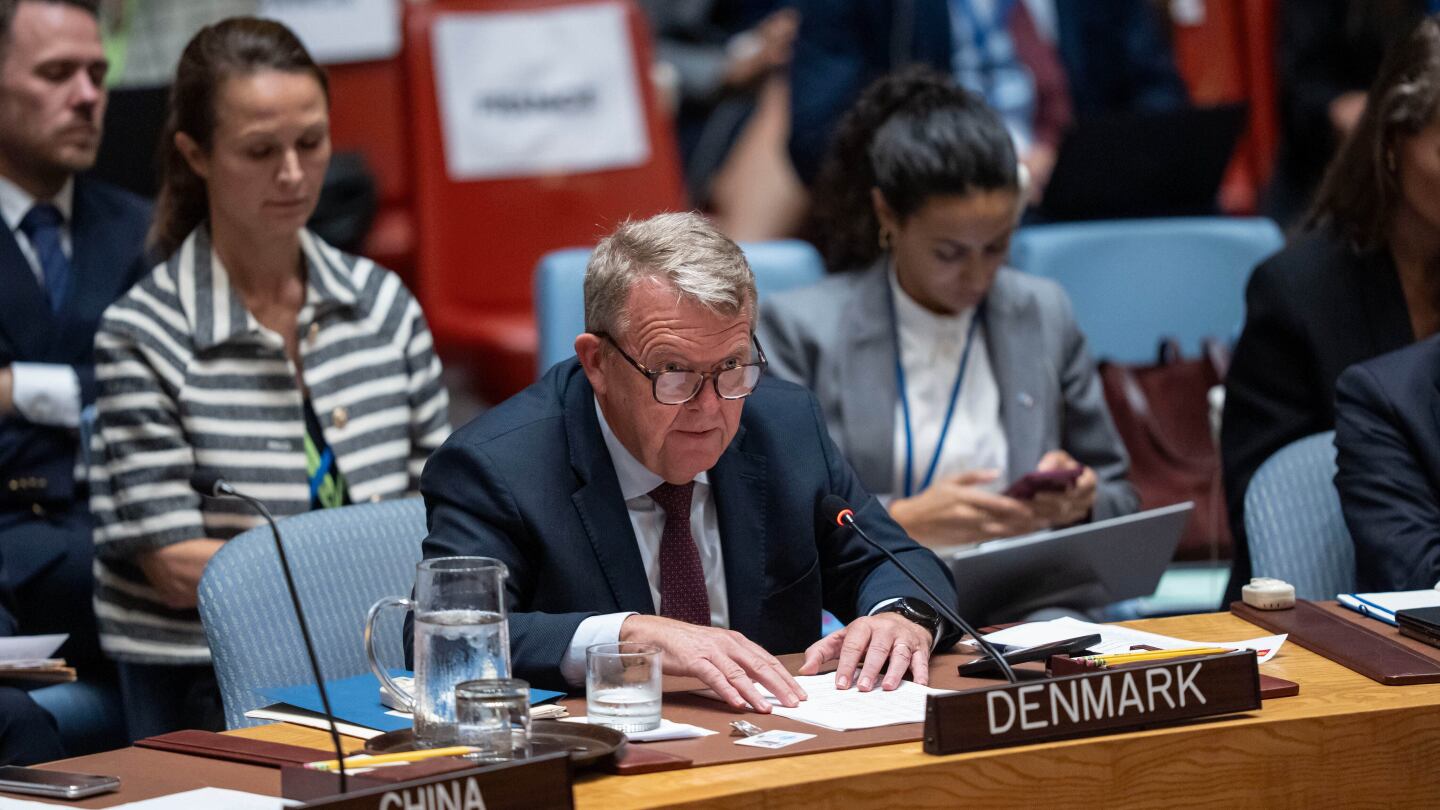
    Danish Foreign Minister Lars Lokke Rasmussen condemned the move as ‘deeply upsetting,’ demanding respect for Danish sovereignty and territorial integrity. Meanwhile, Greenland’s Prime Minister Jens-Frederik Nielsen asserted that ‘Greenland belongs to Greenlanders,’ emphasizing that the island must determine its own future. Although open to international cooperation, Nielsen stressed that any engagement must be founded on mutual respect.

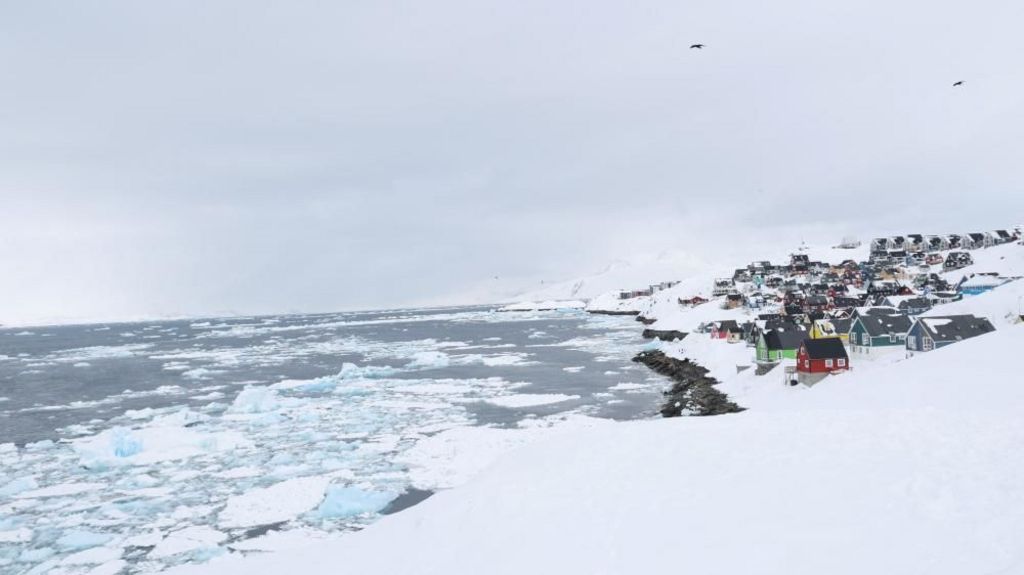
    The controversy emerges amid escalating geopolitical competition in the Arctic, where melting ice is unlocking new shipping lanes and access to valuable resources. Greenland’s location between North America and Europe positions it as a crucial asset in regional security architecture, including NATO defense planning and potential missile pathways between the U.S. and Russia.

    Despite enjoying extensive self-governance since 1979, Greenland remains part of the Kingdom of Denmark, which manages its foreign and defense policies. While many Greenlanders support eventual independence from Denmark, polls indicate strong opposition to integration with the United States. The Danish government has summoned the U.S. ambassador for clarification, signaling a notable rift between the historically aligned NATO allies.

  • Pope offers gentle critique of Vatican culture in Christmas greeting reminiscent of past

    Pope offers gentle critique of Vatican culture in Christmas greeting reminiscent of past

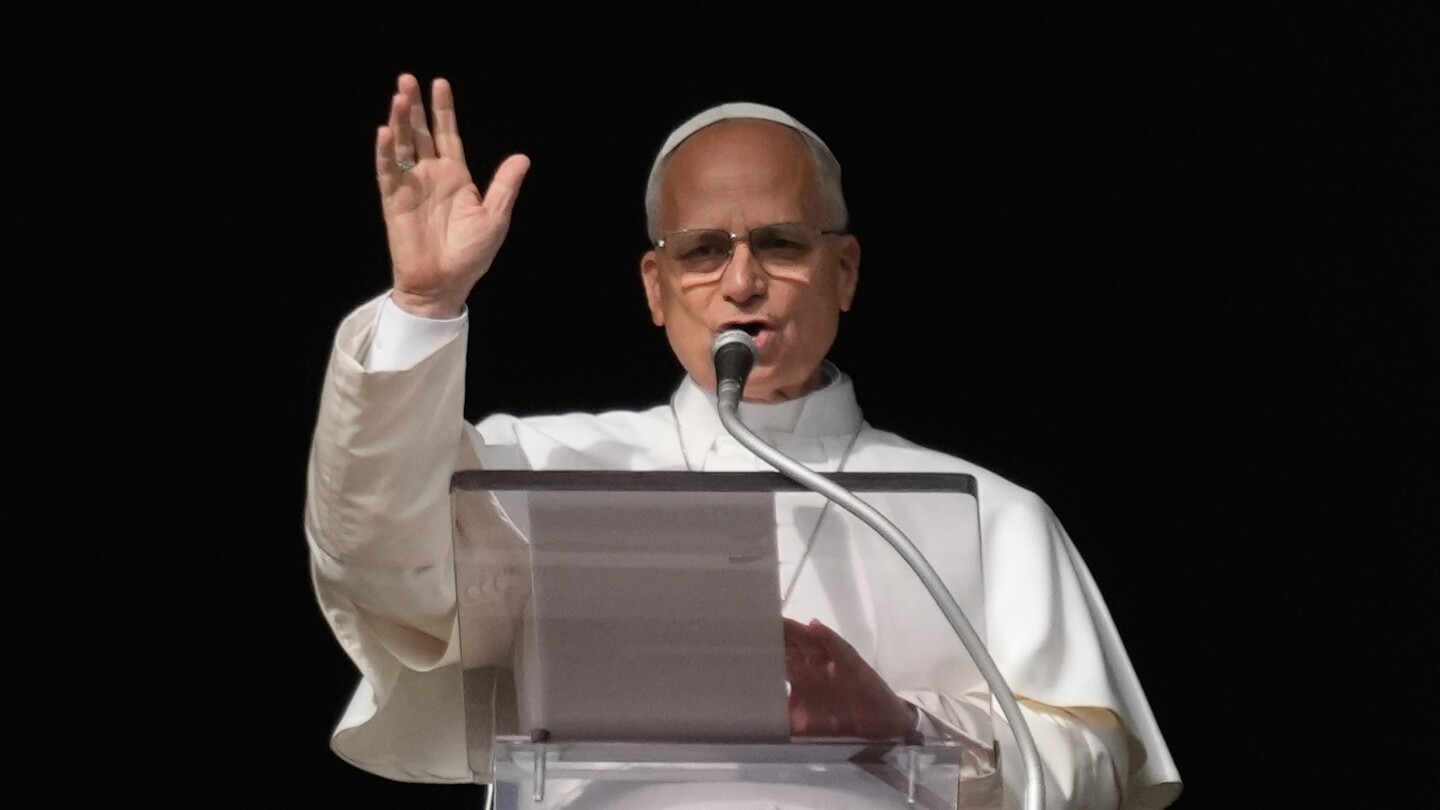
    In a significant address to Vatican cardinals on Monday, Pope Leo XIV delivered a thoughtful critique of the Holy See’s administrative culture, urging officials to prioritize authentic relationships over personal ambitions. The American pontiff posed a fundamental question to the Roman Curia: “Is it possible to be friends in the Roman Curia? To have relationships of genuine fraternal friendship?”

    While maintaining a more diplomatic tone than his predecessor Pope Francis, who famously described problematic behaviors as “spiritual Alzheimer’s” and “cancerous cliques,” Leo XIV acknowledged persistent institutional challenges. He expressed disappointment that “certain dynamics—linked to the exercise of power, the desire to prevail, or the pursuit of personal interests—are slow to change” despite years of service.

    The pope emphasized the transformative power of trustworthy friendships within the bureaucracy, where “masks fall away, no one is used or sidelined, genuine support is offered, and each person’s worth and competence are respected.” This approach marks a continuation of Francis’s tradition of using Christmas addresses for institutional reflection while adopting a more conciliatory tone.

    Leo XIV, who worked within the Vatican for two years before his election, called for curial officials to foster communion both within the Church and in the wider world. He connected this internal reform to broader global challenges, noting that “in a world wounded by discord, violence and conflict, where we also witness a growth in aggression and anger, often exploited by both the digital sphere and politics, Christmas invites everyone to work for peace and universal fraternity.”

    The address reflects the pontiff’s balancing act between maintaining reform momentum and healing divisions within the Church hierarchy following Francis’s sometimes tumultuous 12-year pontificate.

  • China to impose up to 42.7% provisional tariffs on EU dairy products

    China to impose up to 42.7% provisional tariffs on EU dairy products

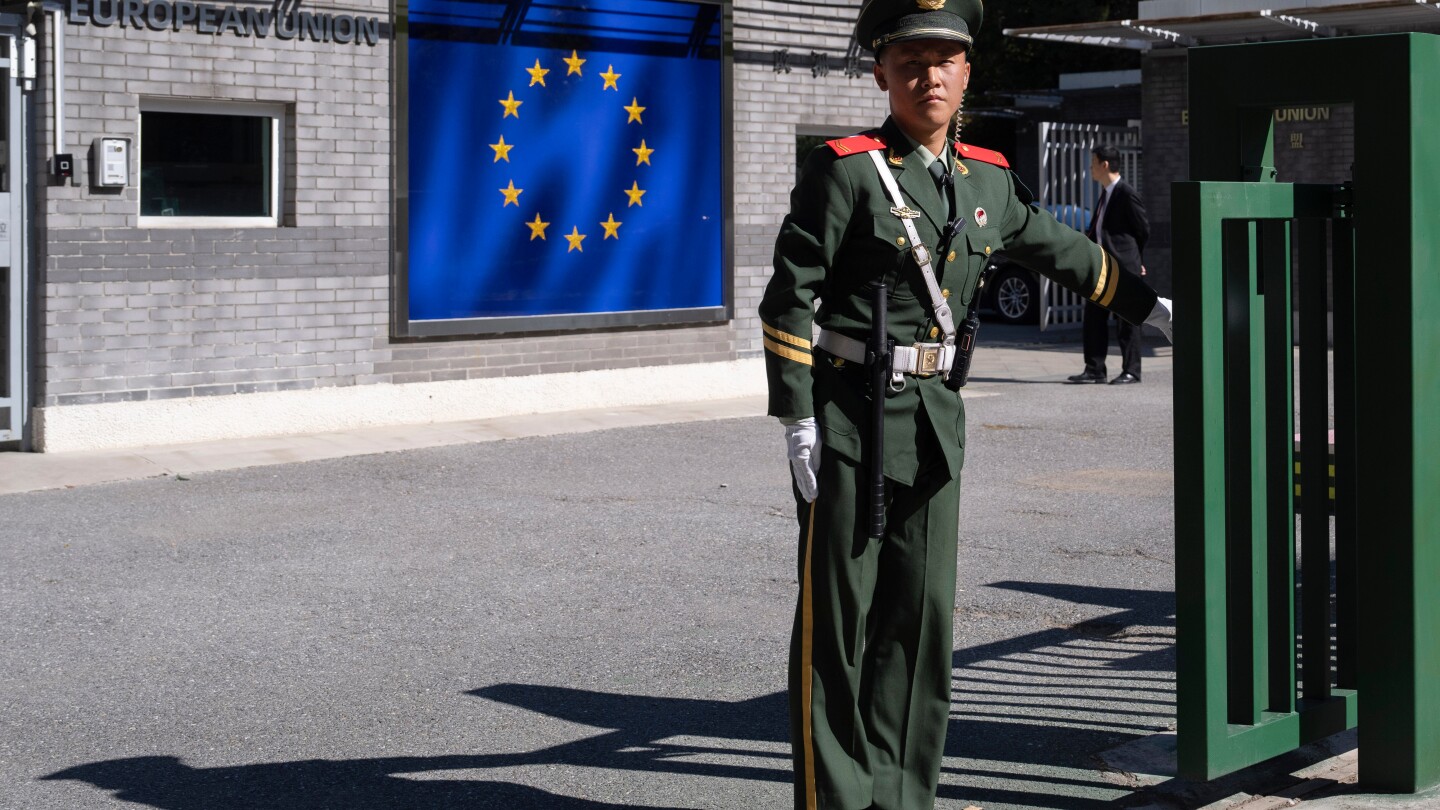
    China has announced substantial provisional tariffs reaching 42.7% on European Union dairy imports, marking a significant escalation in the ongoing trade tensions between Beijing and Brussels. The measures, effective immediately, target a comprehensive range of dairy commodities including fresh and processed cheeses, blue cheese, milk, and cream with fat content exceeding 10%.

    The Ministry of Commerce clarified that these punitive duties stem from preliminary findings of an investigation initiated in August 2024, which examined subsidies provided by EU member states under the Common Agricultural Policy and national programs in countries including Italy, Ireland, and Finland. Chinese authorities determined these subsidies had caused material damage to China’s domestic dairy industry.

    This development represents the latest chapter in a series of reciprocal trade measures between the economic powers. The dairy tariffs directly respond to the EU’s earlier imposition of tariffs up to 45.3% on Chinese-manufactured electric vehicles. Beijing has concurrently pursued investigations into European brandy and pork imports as complementary countermeasures.

    The trade relationship between China and the EU remains increasingly strained, with the EU’s substantial trade deficit exceeding €300 billion ($352 billion) with China becoming a focal point of economic discussions. Just last week, Beijing implemented tariffs up to 19.8% on EU pork imports—significantly reduced from initially proposed rates of 62.4%—citing dumping practices that harmed domestic producers.

    In July, China had previously announced tariffs up to 34.9% on EU brandy imports, though several major cognac producers received exemptions. Throughout these developments, Chinese officials have consistently urged the EU to rescind its electric vehicle tariffs, positioning Beijing’s actions as necessary responses rather than escalatory measures.

  • Denmark insists on respect for territorial integrity after Trump appoints envoy to Greenland

    Denmark insists on respect for territorial integrity after Trump appoints envoy to Greenland

    COPENHAGEN (AP) — Denmark has issued a firm diplomatic statement reinforcing its territorial sovereignty over Greenland following the United States’ appointment of a special envoy to the Arctic territory. The declaration from Danish Foreign Minister Lars Løkke Rasmussen came directly after former President Donald Trump designated Louisiana Governor Jeff Landry as special envoy to Greenland.

    Minister Rasmussen emphasized through an official ministry communiqué that while Denmark acknowledges sustained American interest in Greenland, all nations—including the United States—must unequivocally respect the territorial integrity of the Kingdom of Denmark. This diplomatic response highlights escalating tensions between the NATO allies regarding the strategically significant, mineral-rich island.

    The background to this development traces to Trump’s presidency, when he repeatedly expressed interest in acquiring U.S. jurisdiction over Greenland and reportedly contemplated military options for securing control. The situation intensified in March when Vice President JD Vance visited Thule Air Base in Greenland and criticized Denmark’s investment levels in the region. Further diplomatic strain emerged in August when Danish authorities summoned the U.S. ambassador following reports of covert influence operations in Greenland by individuals connected to Trump.

    In his announcement, Trump characterized Landry’s role as crucial to advancing U.S. national security interests and ensuring the safety of American allies. Landry subsequently expressed honor at the appointment through social media, explicitly referencing ambitions to facilitate Greenland’s incorporation into the United States.

    The Danish Defense Intelligence Service’s recent annual assessment adds context to these developments, noting that the U.S. has increasingly leveraged economic influence and military posturing to assert its geopolitical objectives with both allies and adversaries.

  • Russian general killed by car bomb in Moscow, officials say

    Russian general killed by car bomb in Moscow, officials say

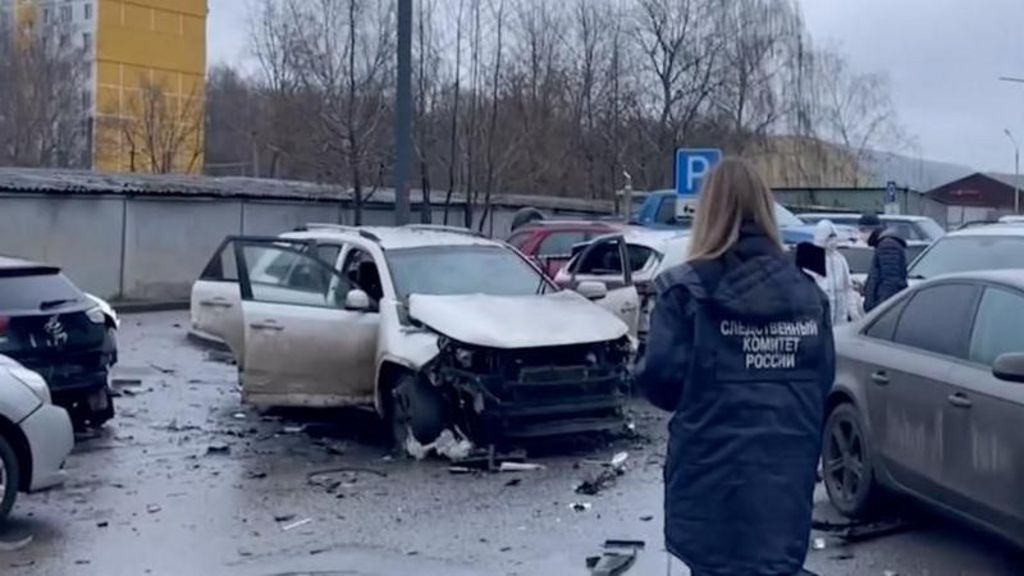
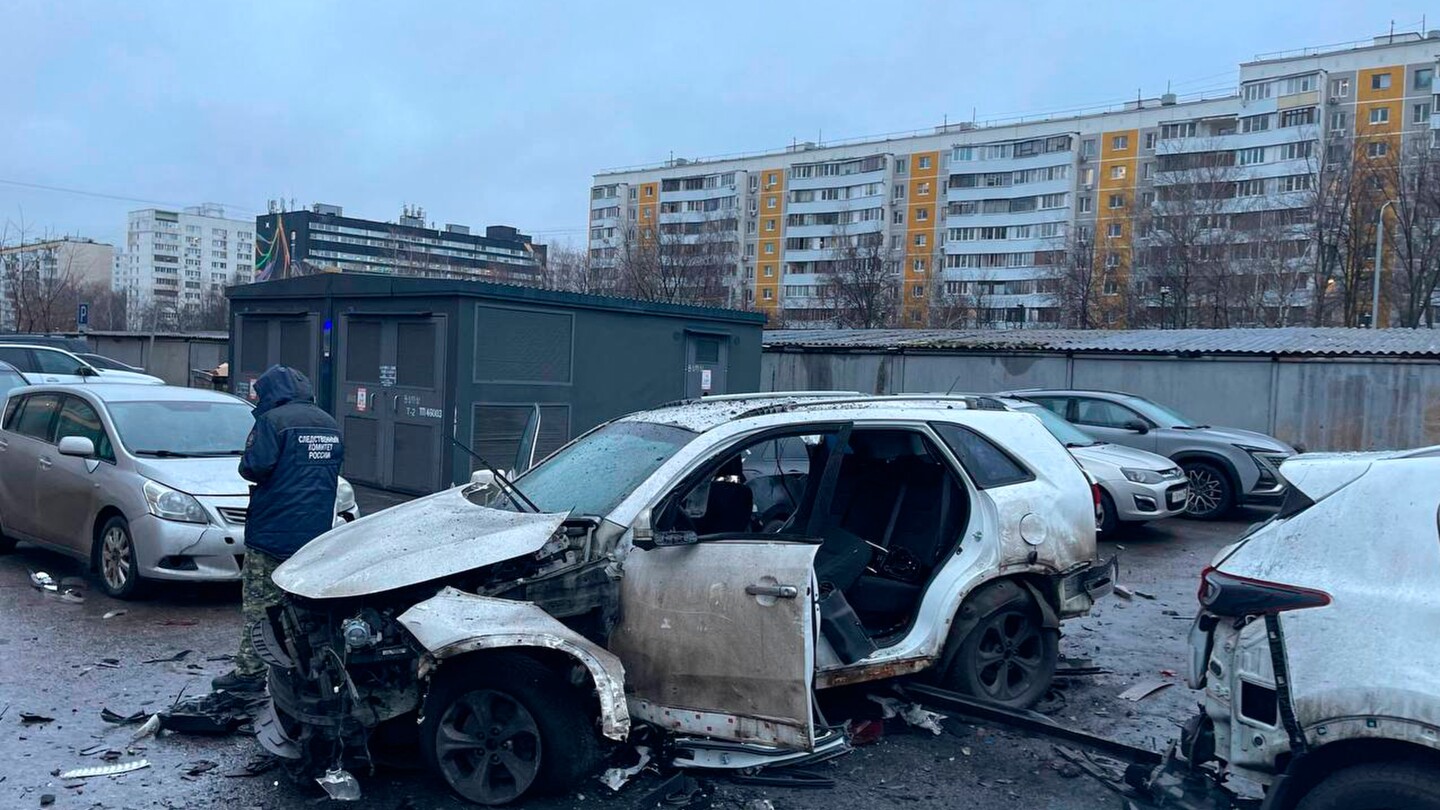
    A high-ranking Russian military commander has been assassinated in a targeted car bombing in central Moscow, according to official statements from Russia’s Investigative Committee. Lieutenant General Fanil Sarvarov, 56, perished on Monday morning when an improvised explosive device concealed beneath his vehicle detonated abruptly.

    General Sarvarov held the prestigious position of leading the armed forces’ operational training department, making him a significant figure within Russia’s military command structure. The explosive device, strategically planted under his personal vehicle, ignited in a residential parking facility in southern Moscow, leaving the white automobile severely damaged with its doors completely blown off.

    Law enforcement agencies have dispatched specialized investigative teams to conduct thorough forensic examination of the blast site. While the investigation remains ongoing, preliminary theories suggest potential involvement of Ukrainian intelligence operatives in orchestrating the assassination. Ukrainian authorities have maintained their characteristic silence regarding the incident, consistent with their established policy of neither confirming nor denying involvement in targeted operations against Russian officials.

    This event represents the latest in a series of attacks against Russian military leadership since the commencement of full-scale hostilities in Ukraine in February 2022. Previous incidents include the April car bombing that claimed the life of General Yaroslav Moskalik and the December 2024 assassination of General Igor Kirillov via remotely detonated scooter bomb. While unnamed Ukrainian sources have previously claimed responsibility for such operations to international media, official Kyiv maintains a consistent policy of non-acknowledgement regarding targeted strikes against Russian military figures.

  • Russian general killed by bomb under his car in Moscow

    Russian general killed by bomb under his car in Moscow

    A senior Russian military commander, Lieutenant General Fanil Sarvarov, was killed on Monday when an explosive device detonated beneath his vehicle in Moscow. This incident marks the third assassination of a high-ranking Russian military official within the past year, raising serious concerns about security vulnerabilities within Russia’s defense establishment.

    Svetlana Petrenko, spokesperson for Russia’s Investigative Committee, confirmed that General Sarvarov, who headed the Operational Training Directorate of the Russian Armed Forces’ General Staff, succumbed to injuries sustained in the blast. Petrenko stated that multiple investigative avenues are being pursued, with Ukrainian intelligence services representing a primary line of inquiry regarding potential orchestration of the attack.

    This pattern of targeted killings began exactly one year prior on December 17, 2024, when Lieutenant General Igor Kirillov, commander of Russia’s nuclear, biological and chemical protection forces, was assassinated by a bomb concealed on an electric scooter outside his residence. Ukraine’s security service publicly claimed responsibility for that operation, which also resulted in the death of Kirillov’s assistant. Russian authorities subsequently apprehended and charged an Uzbek national with carrying out the attack on behalf of Ukrainian intelligence.

    President Vladimir Putin characterized Kirillov’s assassination as a ‘major blunder’ by Russian security agencies, urging enhanced operational efficiency. Despite this directive, another senior officer, Lieutenant General Yaroslav Moskalik—a deputy head of the main operational department in the General Staff—was killed in April by an explosive device planted in his vehicle near his Moscow-area apartment. Russian law enforcement made a prompt arrest of a suspected perpetrator in that case.

    Moscow has consistently attributed numerous bombings and attacks on Russian soil to Ukrainian operatives, alleging a coordinated campaign targeting military leadership. These incidents highlight escalating covert operations within Russian territory amid the ongoing conflict between the two nations.