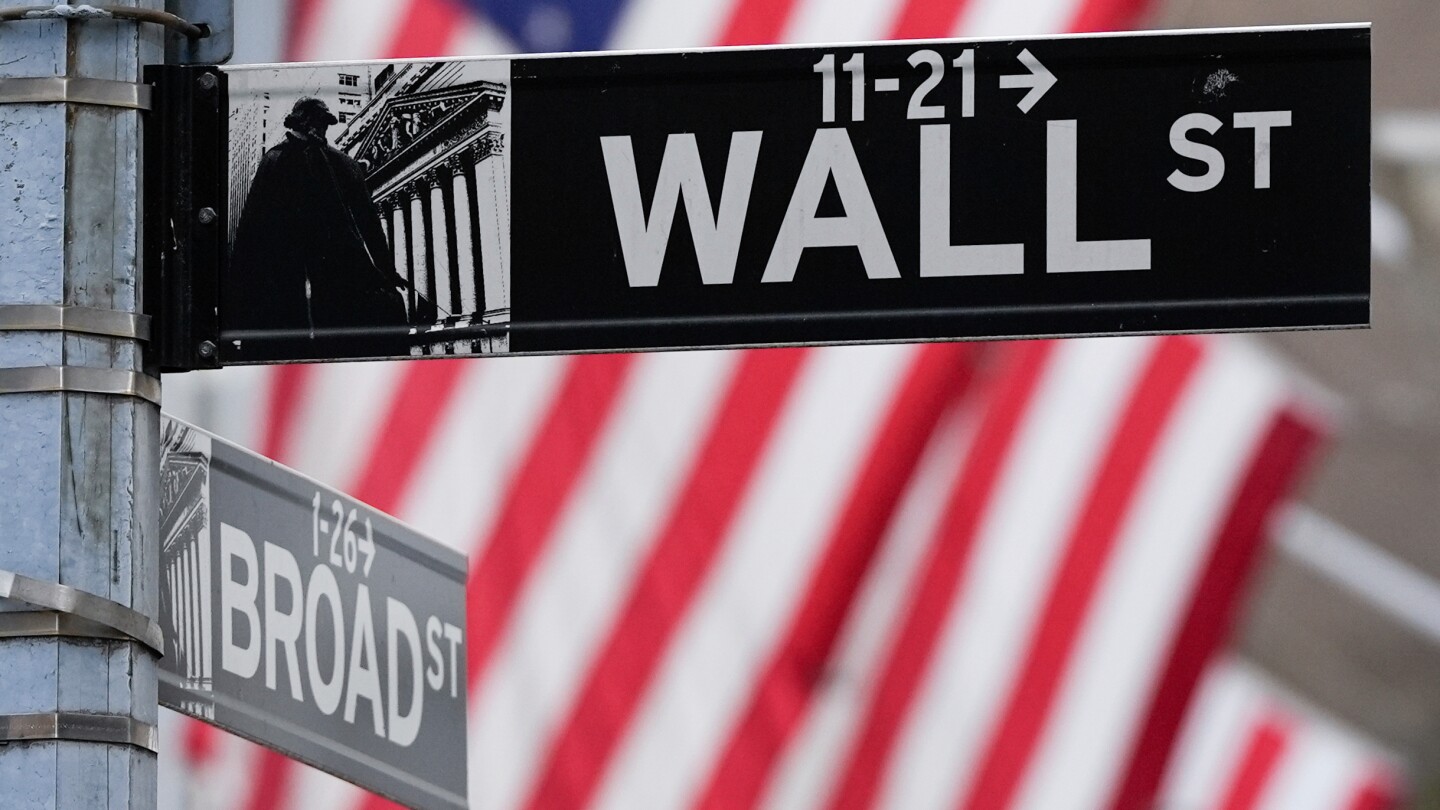
Wall Street exhibited a cautious stance on Thursday as U.S. President Donald Trump announced sanctions targeting Russian oil giants Rosneft and Lukoil, causing crude oil prices to surge over 5%. Futures for the S&P 500 and Nasdaq edged up marginally, while Dow Jones futures dipped slightly. The sanctions aim to pressure Russian President Vladimir Putin to negotiate an end to the ongoing conflict in Ukraine. Concurrently, European Union leaders convened to approve additional sanctions and explore utilizing frozen Russian assets to support Ukraine’s economy and war efforts for the next two years. U.S. benchmark crude oil rose to $61.63 per barrel, with Brent crude climbing to $65.72. In corporate news, Tesla’s shares dropped 3.2% after reporting a 37% decline in third-quarter earnings, marking its fourth consecutive quarterly profit drop. CEO Elon Musk shifted focus to Tesla’s AI and robotaxi ventures during an investor call. IBM’s shares fell 6.8% despite beating sales and profit targets, as cloud revenue growth slowed. Molina Healthcare plummeted over 20% after missing profit forecasts and revising its full-year earnings outlook downward. European markets showed mixed results, with Germany’s DAX down 0.3%, Britain’s FTSE 100 up 0.6%, and France’s CAC 40 rising 0.4%. Asian markets were similarly mixed, with Hong Kong’s Hang Seng gaining 0.7% and Japan’s Nikkei 225 shedding 1.4% amid stimulus package discussions. Gold prices rebounded 1.6% to $4,131.80 after a two-day decline.
标签: Europe
欧洲
-
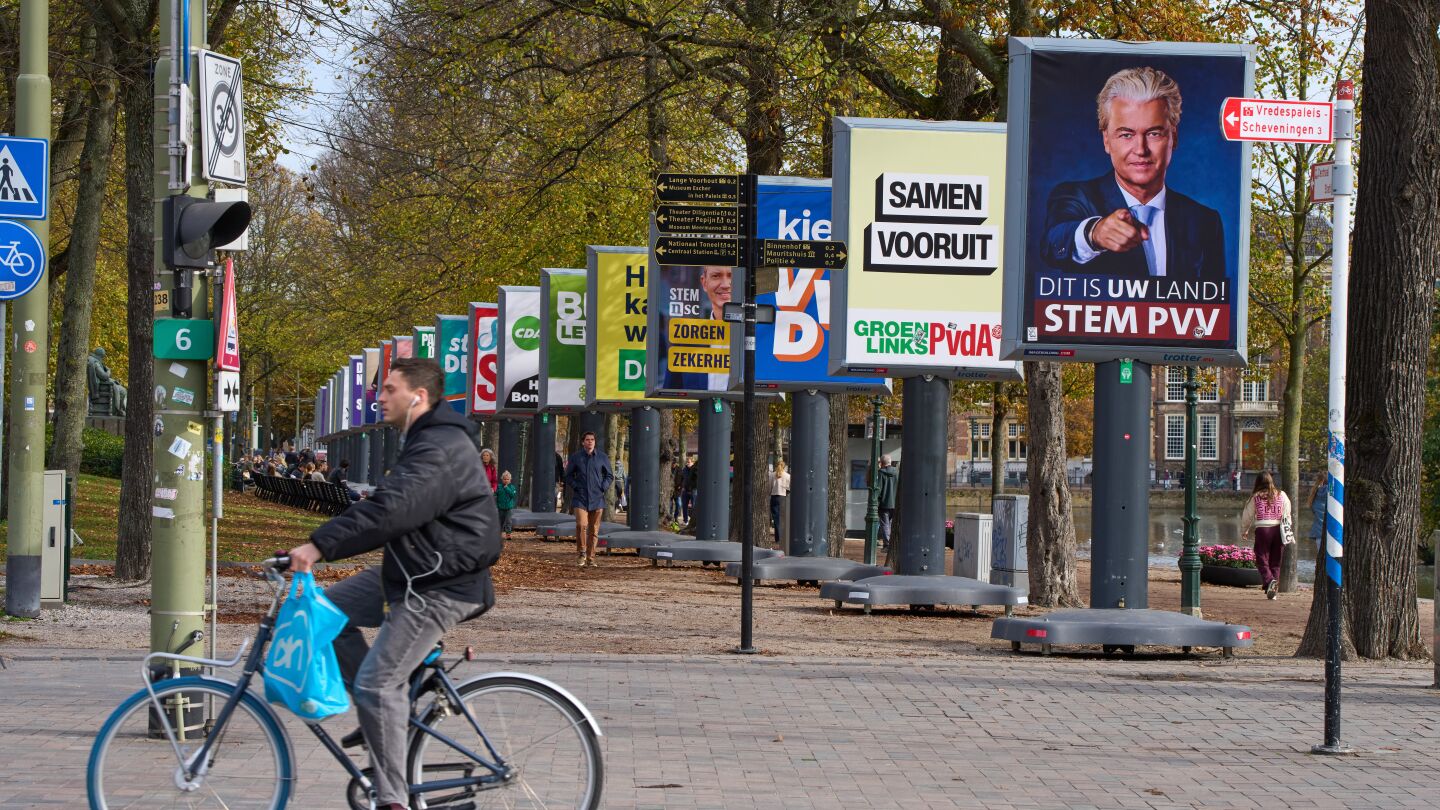
Dutch general election focuses on migration and housing crisis as Wilders seeks another win
As the Netherlands approaches its parliamentary elections on October 29, the political discourse is dominated by two contentious issues: migration and the chronic housing shortage. These themes reflect broader debates across Europe, where right-wing politics are gaining traction.
-
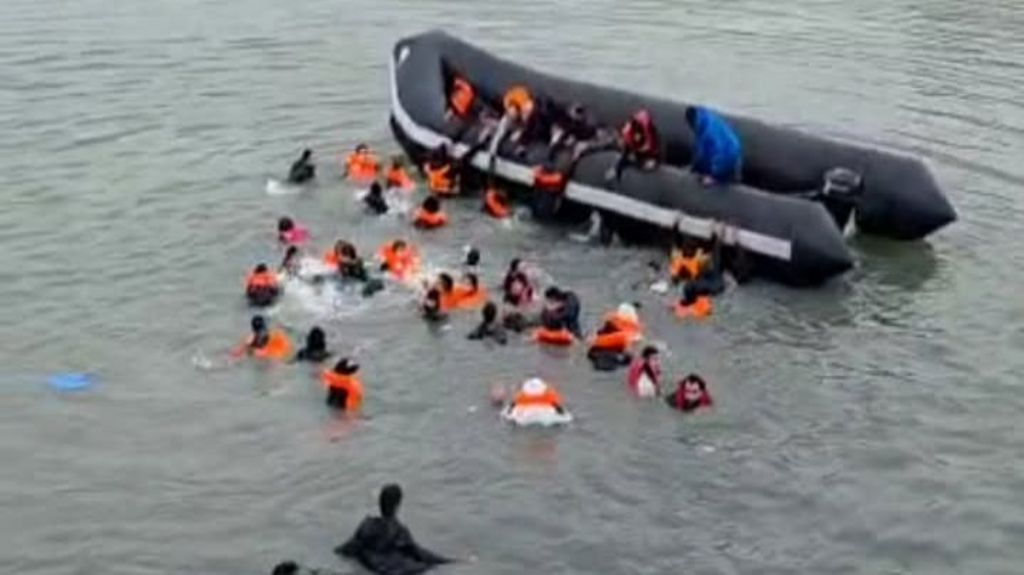
French vow to intercept migrant boats hit by delays and political turmoil
Recent developments indicate that France is stepping back from its earlier pledge to intensify maritime interventions aimed at curbing the influx of small boats crossing the English Channel. This shift comes amid ongoing political instability in France, which has reportedly hindered the implementation of a new ‘maritime doctrine’ designed to intercept and redirect these vessels. The UK government, which has long sought stronger French cooperation on this issue, views this as a significant setback.
-
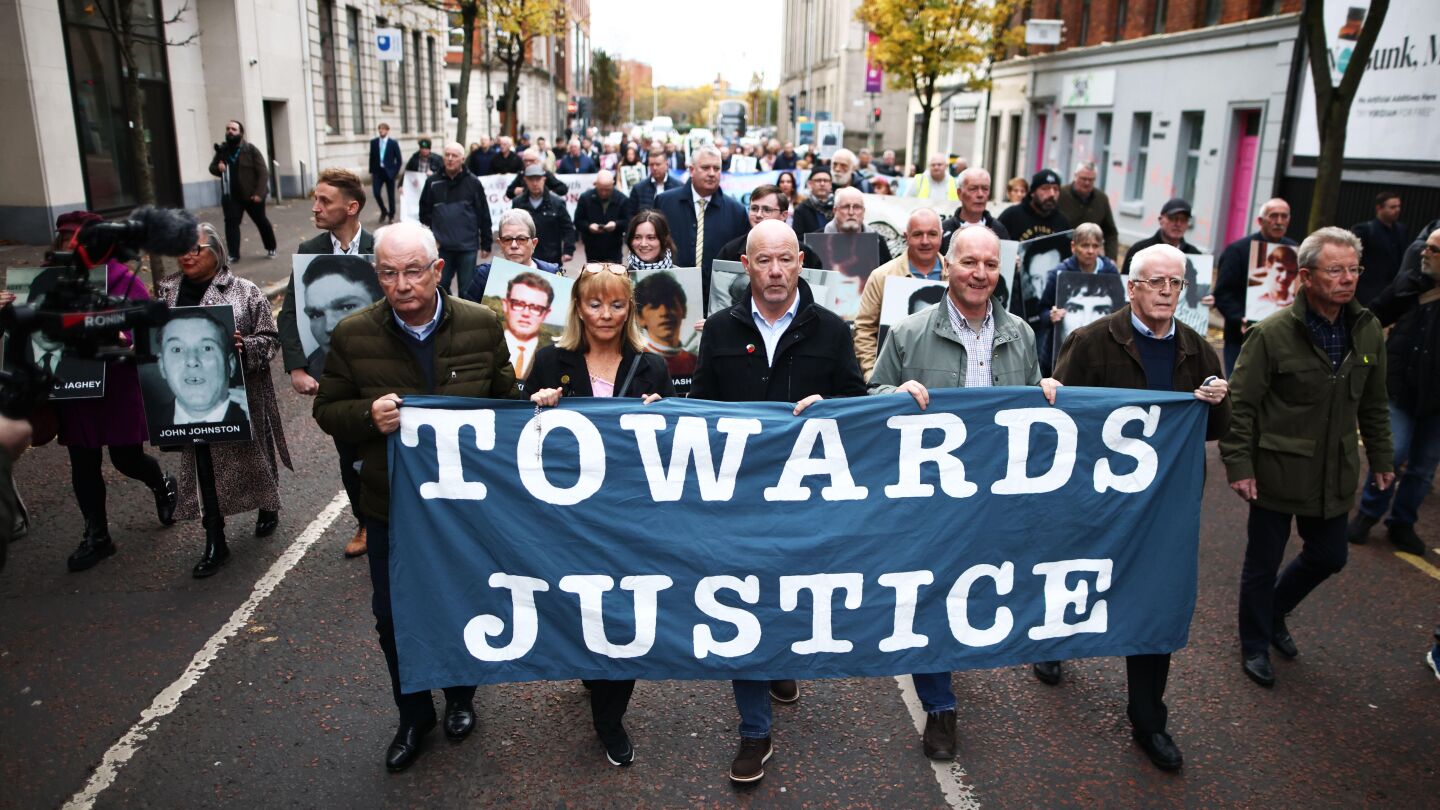
Judge to rule in 1972 Bloody Sunday murder case against former British soldier
In a landmark ruling set for Thursday, the fate of the only British soldier charged in the 1972 Bloody Sunday massacre will be determined in a Northern Ireland courtroom. Judge Patrick Lynch will deliver the verdict at Belfast Crown Court, deciding whether the former paratrooper, identified only as Soldier F, is guilty of murder and attempted murder during one of the deadliest episodes of sectarian violence known as ‘The Troubles.’ The incident, which occurred on January 20, 1972, in Londonderry (also known as Derry), saw 13 people killed and 15 wounded when British troops opened fire on unarmed civilians during a civil rights march. Soldier F, whose identity remains protected to prevent retaliation, is accused of killing two individuals and attempting to kill five others. The event has become a symbol of the conflict between Catholic supporters of a united Ireland and Protestant factions loyal to the United Kingdom. While the 1998 Good Friday Agreement largely ended the violence, tensions persist. Families of the victims continue to seek justice, while supporters of army veterans argue that investigations have unfairly targeted them. Soldier F, who did not testify in his defense, claimed in a 2016 police interview that he had no ‘reliable recollection’ of the events but was certain he had fulfilled his duties. Defense lawyer Mark Mulholland criticized the prosecution’s case as ‘fundamentally flawed,’ citing reliance on unreliable witnesses and fading memories. The prosecution, however, argued that Soldier F and his comrades acted without justification, intending to kill. The case has been marred by delays and setbacks since the 2010 Saville Inquiry, which overturned an earlier exoneration of the troops and paved the way for Soldier F’s prosecution. Former Prime Minister David Cameron previously described the killings as ‘unjustified and unjustifiable.’ Soldier F has pleaded not guilty to two counts of murder and five counts of attempted murder.
-
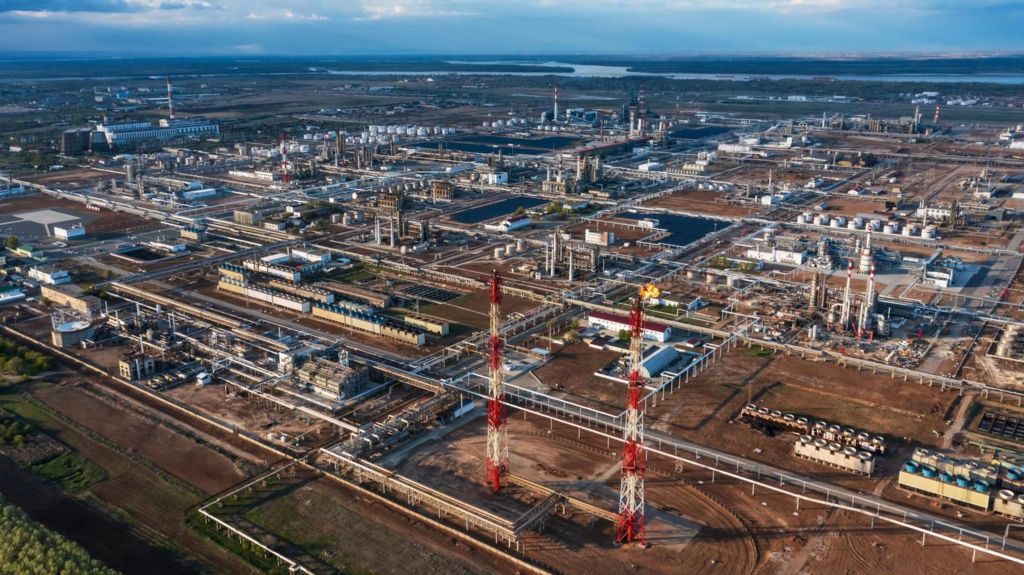
What do US sanctions on Russian oil mean, and who could be affected?
In a significant escalation of economic measures, US President Donald Trump announced stringent new sanctions targeting Russia’s two largest oil producers, Rosneft and Lukoil. The move, unveiled via Trump’s Truth Social platform, aims to pressure Moscow into ending its ongoing conflict in Ukraine. US Treasury Secretary Scott Bessent emphasized that these companies are critical financiers of the Kremlin’s military operations, describing the sanctions as a response to Russian President Vladimir Putin’s refusal to halt what he termed a “senseless war.”
The sanctions, administered by the US Department of the Treasury’s Office of Foreign Assets Control (OFAC), effectively blacklist Rosneft and Lukoil, which together account for nearly half of Russia’s crude oil exports. Rosneft, a state-controlled entity led by Putin’s close ally Igor Sechin, is responsible for almost half of Russia’s oil production, contributing 6% of global output. Lukoil, a privately held firm, also plays a pivotal role in Russia’s energy sector. Combined, the two companies export approximately 3.1 million barrels of oil daily.
Trump’s decision follows similar measures by the UK and comes just a day after he indefinitely postponed a planned meeting with Putin in Budapest. The US president expressed frustration over the lack of progress in peace negotiations, stating, “Every time I speak to Vladimir, I have good conversations and then they don’t go anywhere.”
Experts suggest the sanctions have dual objectives: to cripple Russia’s industrial capacity to wage war and to coerce Moscow into accepting peace terms. Dr. Stuart Rollo of the University of Sydney’s Centre for International Security Studies noted that while the sanctions may not immediately alter the military balance in Ukraine, they could force Russia to reconsider its stance as economic pressures mount. Michael Raska of Nanyang Technological University added that shrinking profit margins may compel Russia to choose between socio-economic stability and financing a protracted conflict.
The sanctions are expected to have far-reaching implications, not only for Russia but also for its major oil importers, including China and India. Both nations have significantly increased their reliance on Russian energy since the Ukraine war began. Trump has urged these countries to halt purchases of Russian oil, warning of potential secondary sanctions. Indian state refiners are reportedly reviewing their trade documents to ensure compliance, while Reliance, India’s top buyer of Russian oil, is recalibrating its imports.
The announcement has already caused global oil prices to surge, with Brent crude rising by 5%. While the long-term impact on oil prices remains uncertain, the immediate effect underscores the interconnectedness of global energy markets and the potential for further economic disruptions.
-
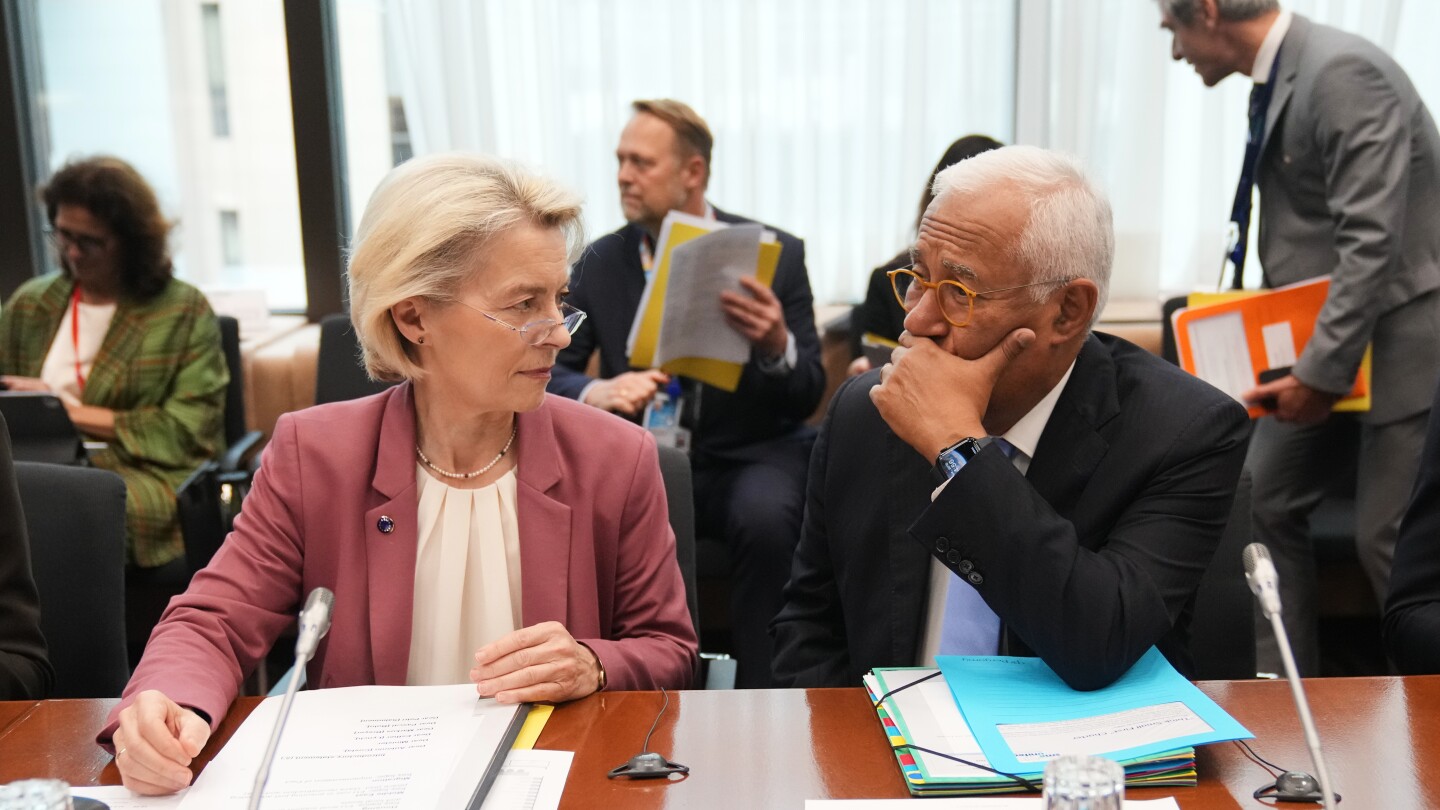
EU summit aims for new Russia sanctions and a plan to use Moscow’s assets to help Ukraine
European Union leaders convened in Brussels on Thursday for a critical summit aimed at approving a new set of sanctions against Russia and advancing plans to utilize Moscow’s frozen assets to bolster Ukraine’s war effort and economy over the next two years. Ukrainian President Volodymyr Zelenskyy participated in the one-day meeting, joining his European allies in advocating for a ceasefire to end nearly four years of conflict. EU Council President António Costa emphasized in his invitation letter that both sustained support for Ukraine and continued pressure on Russia are essential for achieving a just and lasting peace. The summit follows U.S. President Donald Trump’s announcement that his proposed meeting with Russian President Vladimir Putin is on hold, citing concerns over its potential futility. This development adds another layer of complexity to Trump’s fluctuating approach to resolving the Ukraine crisis. Meanwhile, EU leaders are also focused on Trump’s Gaza peace plan, seeking ways to maintain the bloc’s involvement in the process. Despite being the largest provider of aid to Palestinians, the EU faces challenges in influencing Israel due to internal divisions among member states. The summit occurs as Russian forces intensify attacks on Ukraine’s power grid, exacerbating the humanitarian crisis as winter approaches. Earlier this week, Ukraine’s staunchest European allies, part of the ‘coalition of the willing,’ rejected any proposal requiring Ukraine to cede territory in exchange for peace, a suggestion recently floated by Trump. The U.K. is set to host a meeting of this coalition on Friday. On the financial front, EU leaders are determined to proceed with plans to use billions of dollars in frozen Russian assets to support Ukraine’s military and economic needs, despite reservations from some member states. Belgium, which holds the largest portion of these assets—approximately $225 billion—has expressed caution, seeking assurances from its European partners before taking action. Ukraine’s projected budget and military requirements for 2026 and 2027 are estimated at $153 billion. Additionally, EU leaders are expected to endorse a new ‘road map’ to enhance Europe’s defense capabilities against a potential Russian attack by the end of the decade, with top officials warning that Russia could target another European country within 3-5 years.
-

Sam Ryder: I felt I was worthless
Sam Ryder, the UK’s Eurovision sensation, has embarked on a transformative journey, both personally and musically, culminating in his latest album, *Heartland*. After achieving global fame with his Eurovision hit *Space Man*, Ryder faced a series of challenges that tested his resilience and authenticity. His debut album, rushed in the aftermath of his Eurovision success, received mixed reviews, with critics labeling it as uninspired. The situation worsened when his record label dismissed the team that had supported his rise, prompting Ryder to leave the label and pursue an independent path. This decision, while empowering, led to a period of self-doubt and depression. Ryder retreated from the spotlight, locking away his phone and questioning his worth as an artist. However, a move to Nashville, the spiritual home of country music, marked the beginning of his recovery. Inspired by the city’s creative energy, Ryder found solace in long, solitary walks and reconnected with his faith and partner, Lois Gaskin-Barber. These experiences shaped *Heartland*, an album that reflects a newfound maturity and authenticity. Departing from the retro rock of *Space Man*, Ryder explores a more introspective sound, blending soulful vocals with a desert aesthetic he calls ‘Frontier Soul.’ Tracks like *Armour* and *Better Man* delve into themes of vulnerability and resilience, while others pay tribute to his enduring relationship with Gaskin-Barber. Despite the struggles, Ryder remains optimistic, viewing his trials as a test of his positivity. ‘What is optimism, if it’s not tested?’ he reflects. With *Heartland*, Ryder has not only reclaimed his artistic identity but also solidified his place as a musician of substance and depth.
-
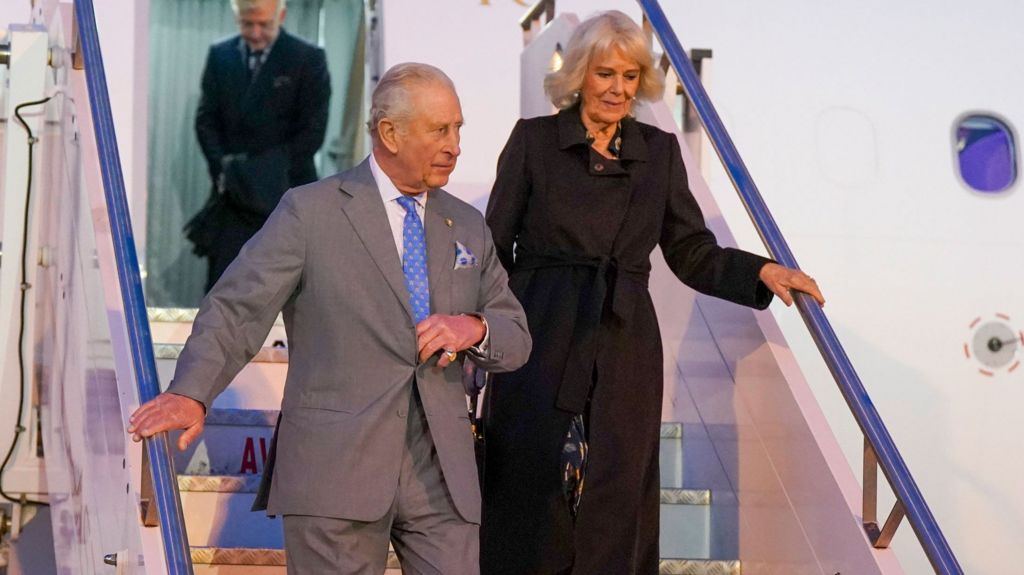
King lands in Rome for historic visit to meet Pope
In a landmark moment for interfaith relations, King Charles III and Queen Camilla have arrived in Rome for a historic state visit to the Vatican. The visit, which began on Wednesday evening with their arrival at Ciampino Airport, marks the first time a British monarch will pray with a pope since the 16th-century Reformation. This symbolic gesture underscores the growing unity between the Church of England and the Catholic Church, a relationship described by the King’s spokesman as a ‘bulwark against those promoting conflict, division, and tyranny.’
The royal couple’s visit comes amid ongoing controversies surrounding Prince Andrew, whose recent loss of titles has dominated headlines. The Palace has been keen to shift focus to this significant diplomatic endeavor, emphasizing its importance in fostering global Christian unity. The King, as the Supreme Governor of the Church of England, has long championed interfaith dialogue, making this visit deeply personal and meaningful.
On Thursday morning, King Charles will meet Pope Leo at the Vatican, followed by a joint service in the Sistine Chapel. This service, held beneath Michelangelo’s iconic ceiling, will bring together Catholic and Anglican clergy, royal and Vatican choirs, and highlight the warm relations between the two denominations. The event will also feature a rare public display of prayer, breaking royal convention to emphasize solidarity.
In another gesture of reconciliation, the King will attend a service at St. Paul’s Outside the Walls, a church with pre-Reformation ties to the English monarchy. Here, he will assume the honorary title of ‘royal confrater,’ further cementing the historic links between the abbey and the British crown.
Cardinal Vincent Nichols, Archbishop of Westminster, noted the King and Pope’s differing approaches but expressed confidence in their ability to find common ground. He also reflected on the spiritual significance of the visit, stating that both leaders would seek divine guidance to navigate the challenges facing the Royal Family.
The Foreign Office hailed the visit as an opportunity to strengthen the UK’s relationship with the Catholic Church, the world’s largest Christian denomination. This trip not only highlights the King’s commitment to interfaith harmony but also reinforces the UK’s role as a bridge between diverse religious communities in an increasingly divided world.
-
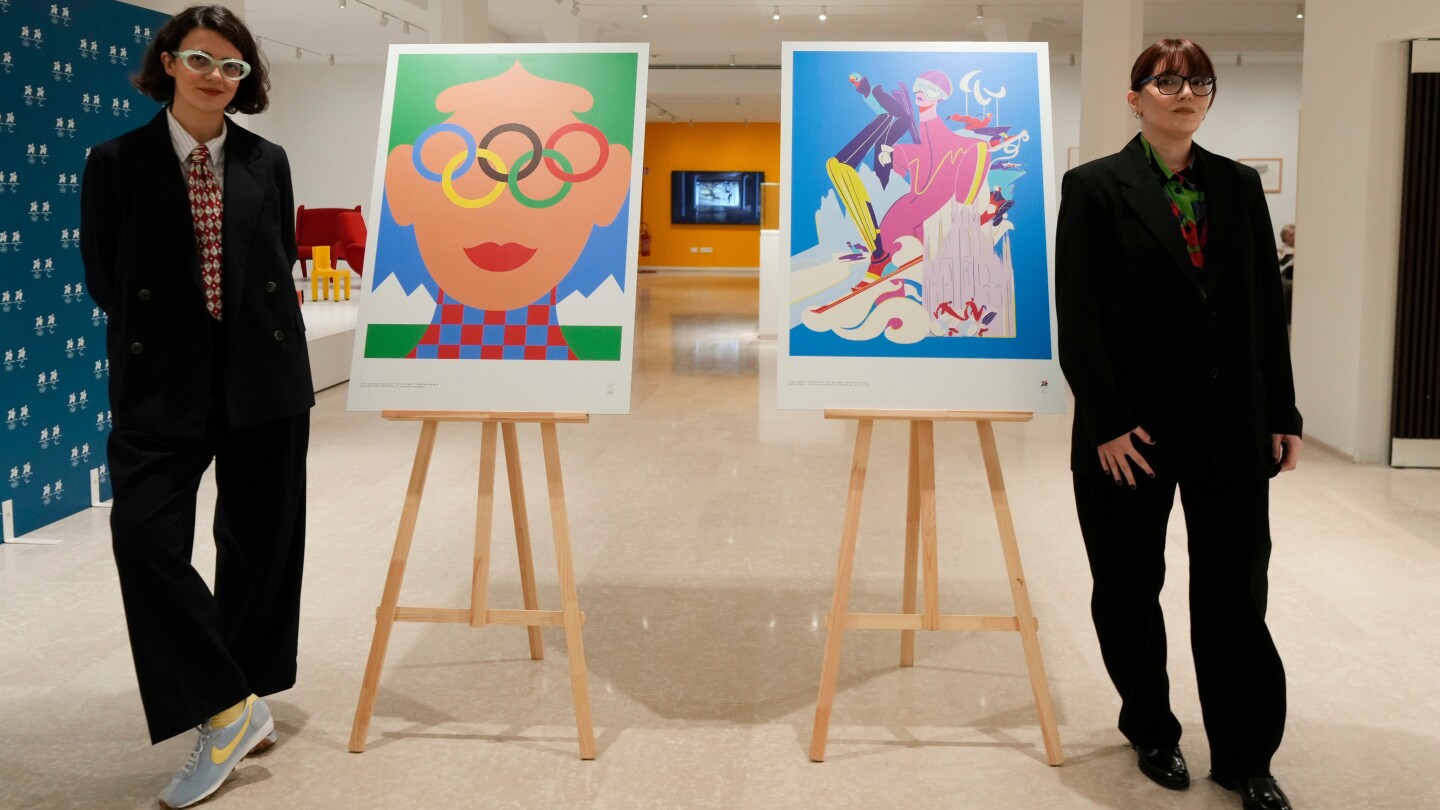
Milan-Cortina 2026 unveils official posters for Winter Olympic and Paralympic Games
The Milan-Cortina 2026 Winter Olympic and Paralympic Games have revealed their official posters, showcasing vibrant and symbolic designs that embody the spirit of the host cities. Created by Italian artists Olimpia Zagnoli and Carolina Altavilla, the posters were unveiled on Wednesday, marking a significant milestone in the lead-up to the global event. Posters have been a cherished tradition since the early 20th century, serving as both artistic expressions and historical artifacts of the Games. Zagnoli’s design, titled ‘Olympic Vision,’ features a central figure peering through glasses shaped like Olympic rings, set against a backdrop of snow-capped mountains. The artist explained that her work reflects Milan’s iconic style and Cortina’s alpine charm while celebrating the unity of athletes and spectators. Altavilla’s untitled poster for the Paralympic Games captures the dynamic energy of all six Paralympic Winter sports, rendered in a striking palette of pinks, blues, and chartreuse. The design includes Milan’s Duomo cathedral in the foreground and incorporates the ‘Agitos,’ Latin for ‘I move,’ as a symbol of Paralympic movement. Large-scale versions of the posters, alongside the official torches, will be displayed at Milan’s Triennale design museum and other venues during the Games. Smaller prints are available for purchase at 35 euros (approximately $41). This follows the organizers’ earlier release of 10 artistic posters by a diverse group of artists, which are also on exhibit at the Triennale.
-
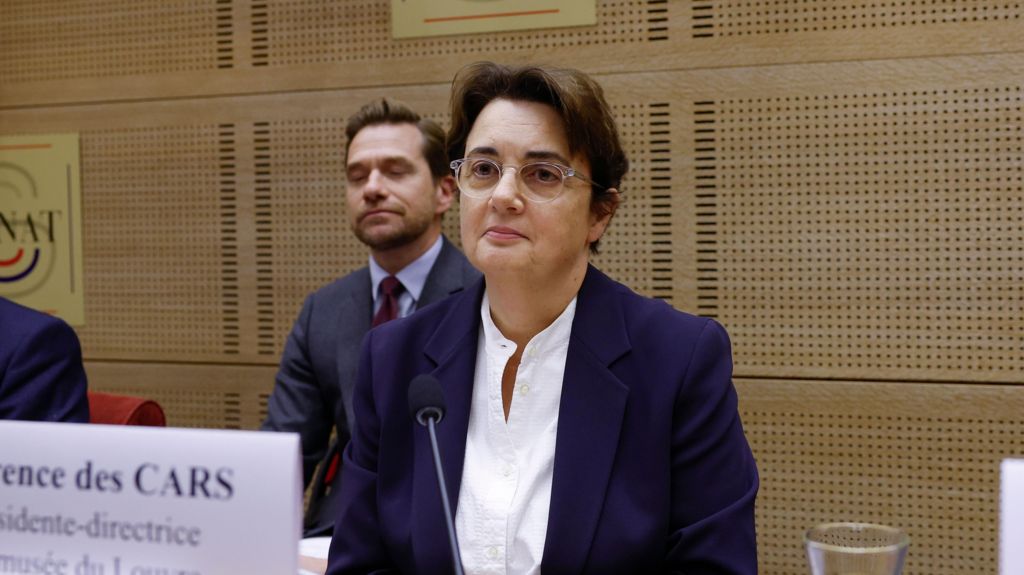
No camera covered Louvre wall where jewel thieves broke in, reveals director
In a shocking revelation, Laurence des Cars, the director of the Louvre Museum, has admitted that the institution’s security systems were inadequate to prevent the theft of French crown jewels valued at €88 million (£76 million). Speaking publicly for the first time since the heist on Sunday, des Cars addressed French senators, highlighting the museum’s aging and insufficient CCTV infrastructure. The only camera monitoring the exterior wall where the thieves entered was misaligned, failing to capture the first-floor balcony that led to the Gallery of Apollo, where the jewels were housed. ‘We failed these jewels,’ des Cars lamented, emphasizing that even the Louvre was not immune to ‘brutal criminals.’
The heist, carried out by a gang of four in less than 10 minutes last Sunday morning, saw the thieves make off with eight priceless pieces of jewelry, including a diamond and emerald necklace gifted by Emperor Napoleon to his wife. During their escape, they dropped a 19th-century diamond-studded crown belonging to Empress Eugenie, which was later recovered but damaged. Des Cars noted that the crown had likely been crushed as the thieves forcibly removed it from its display case. While initial assessments suggest a delicate restoration is possible, the incident has exposed significant vulnerabilities in the museum’s security.
The thieves used a truck equipped with a mechanical ladder to access the first-floor gallery at 09:30 (07:30 GMT), just half an hour after the museum opened. Des Cars praised the security guards for their swift evacuation of the building but conceded that the museum’s perimeter protection was weak and outdated. The Louvre reopened on Wednesday, though the Gallery of Apollo remains closed.
Des Cars, who became director in 2021, revealed that she had been warning about the museum’s deteriorating infrastructure and cuts to surveillance and security staff over the past decade. She expressed her intention to double the number of CCTV cameras and begin security upgrades in early 2026, though the aging infrastructure of the former royal palace poses significant challenges. Following the heist, des Cars tendered her resignation to the culture ministry but was refused. ‘I am wounded as chair and director that the warnings I was raising, as a whistle-blower, have come to pass,’ she said, taking full responsibility for the museum’s failure.
Interior Minister Laurent Nuñez expressed confidence that the thieves would be apprehended, with prosecutors theorizing that the robbery was orchestrated by a criminal organization. The incident has raised questions about the security of one of the world’s most renowned cultural institutions, home to priceless works such as Leonardo da Vinci’s Mona Lisa.