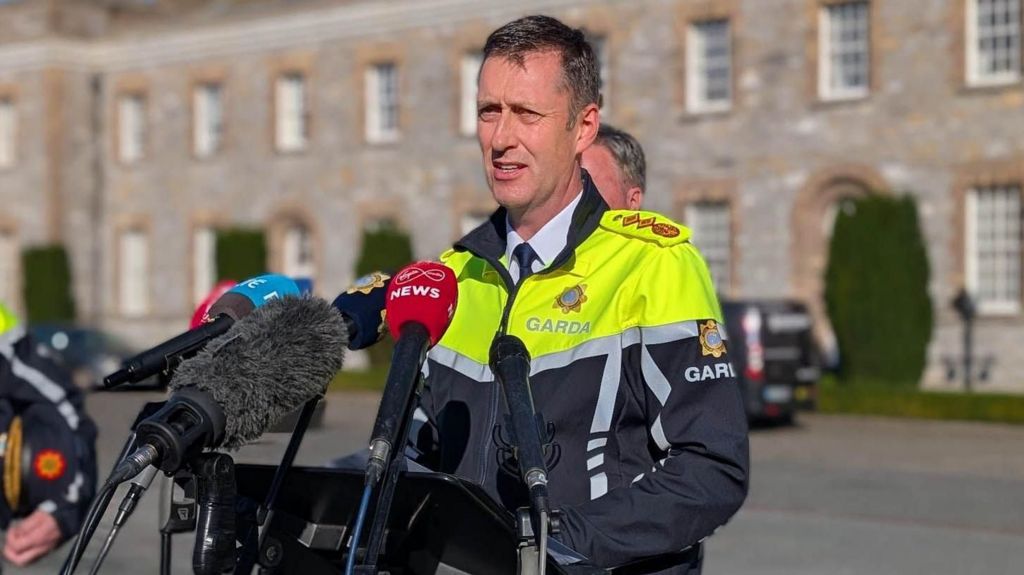
Garda Commissioner Justin Kelly has strongly denounced the violent incidents that erupted in Dublin on Tuesday night, emphasizing that such acts were deliberate attempts to intimidate individuals within the Citywest building. Commissioner Kelly clarified that peaceful protests should never involve aggression or attacks on law enforcement officers. The disturbances, which escalated into clashes with police, have raised concerns about public safety and the integrity of lawful demonstrations. Authorities are now investigating the incident to identify and hold accountable those responsible for the violence. The Commissioner reiterated the importance of maintaining order and ensuring that protests remain non-violent, in line with democratic principles.
标签: Europe
欧洲
-
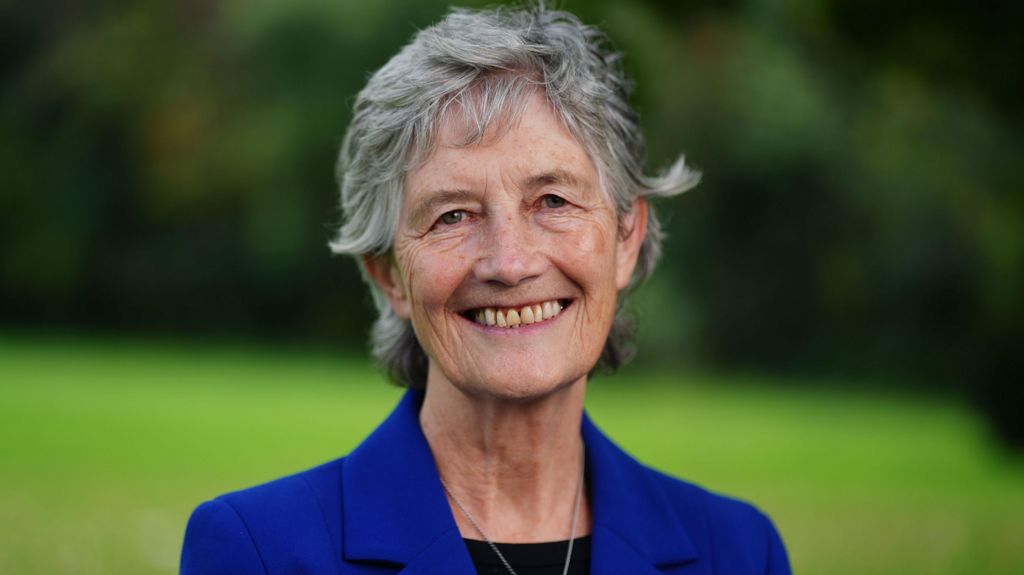
‘Disgraceful’ deep-fake AI video condemned by presidential candidate
Catherine Connolly, an independent candidate in Ireland’s presidential election, has formally lodged a complaint with the Electoral Commission regarding a malicious deepfake video circulating online. The AI-generated video, which surfaced on Tuesday night, falsely depicted Connolly announcing her withdrawal from the upcoming election scheduled for Friday. Connolly, a member of the Irish parliament (TD) for Galway West since 2016, condemned the video as a ‘disgraceful attempt to mislead voters and undermine democracy.’ She reaffirmed her candidacy, stating, ‘I am absolutely still in the race to become Ireland’s 10th president.’ Connolly urged the public not to share the video but to report it, emphasizing that the best response to such disinformation is to vote. Her campaign team has flagged the video to social media platforms, demanding its immediate removal and clear labeling as fake. Connolly, a former deputy speaker in the Dáil and ex-member of the Irish Labour Party, has garnered support from several left-leaning parties and independent figures in her presidential bid. This incident highlights the growing threat of AI-generated deepfakes in electoral processes and the need for robust measures to combat digital misinformation.
-
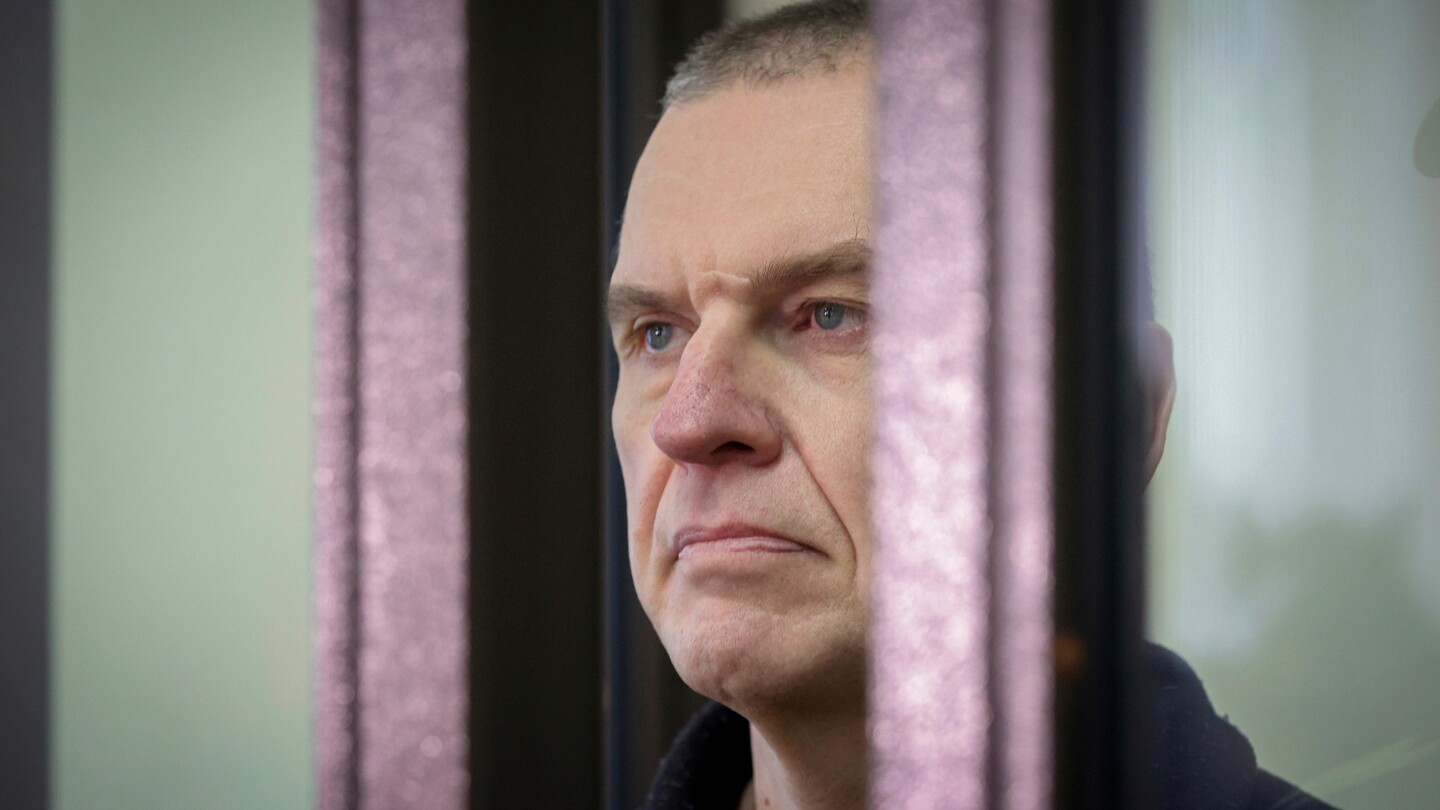
Jailed journalists win Sakharov Prize for speaking against injustice, European Parliament says
In a powerful testament to the resilience of press freedom, two journalists imprisoned for their unwavering commitment to truth and justice have been awarded the European Parliament’s prestigious Sakharov Prize. Andrzej Poczobut of Belarus and Mzia Amaghlobeli of Georgia were recognized for their courage in the face of oppressive regimes, despite facing severe personal and professional consequences.
-
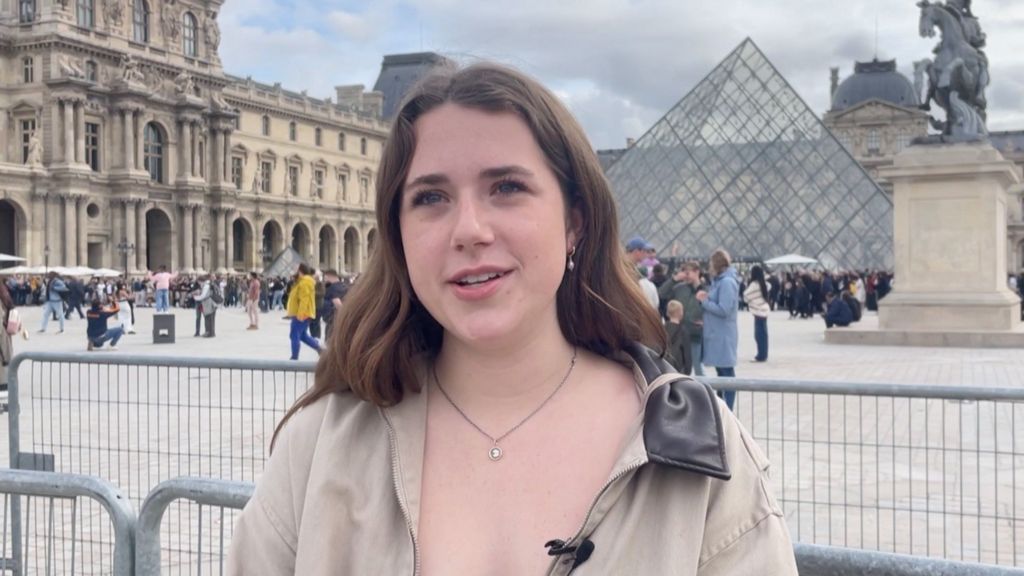
‘Heist made it more exciting to go to the Louvre’: Tourists react as museum reopens
The Louvre Museum in Paris resumed operations on Wednesday, just three days after a brazen daylight robbery saw millions of euros worth of jewelry stolen from its premises. The incident, which has captivated global attention, has surprisingly added an unexpected layer of intrigue for visitors. ‘The heist made it more exciting to go to the Louvre,’ remarked one tourist, reflecting a sentiment shared by many who flocked to the iconic museum upon its reopening. The theft, executed with remarkable audacity, has not only heightened public interest but also raised questions about security measures at one of the world’s most renowned cultural institutions. Despite the breach, the Louvre’s reopening signals a return to normalcy, with officials emphasizing enhanced security protocols to prevent future incidents. The event has sparked conversations about the intersection of art, security, and public fascination, as the museum continues to draw crowds eager to witness its treasures firsthand.
-
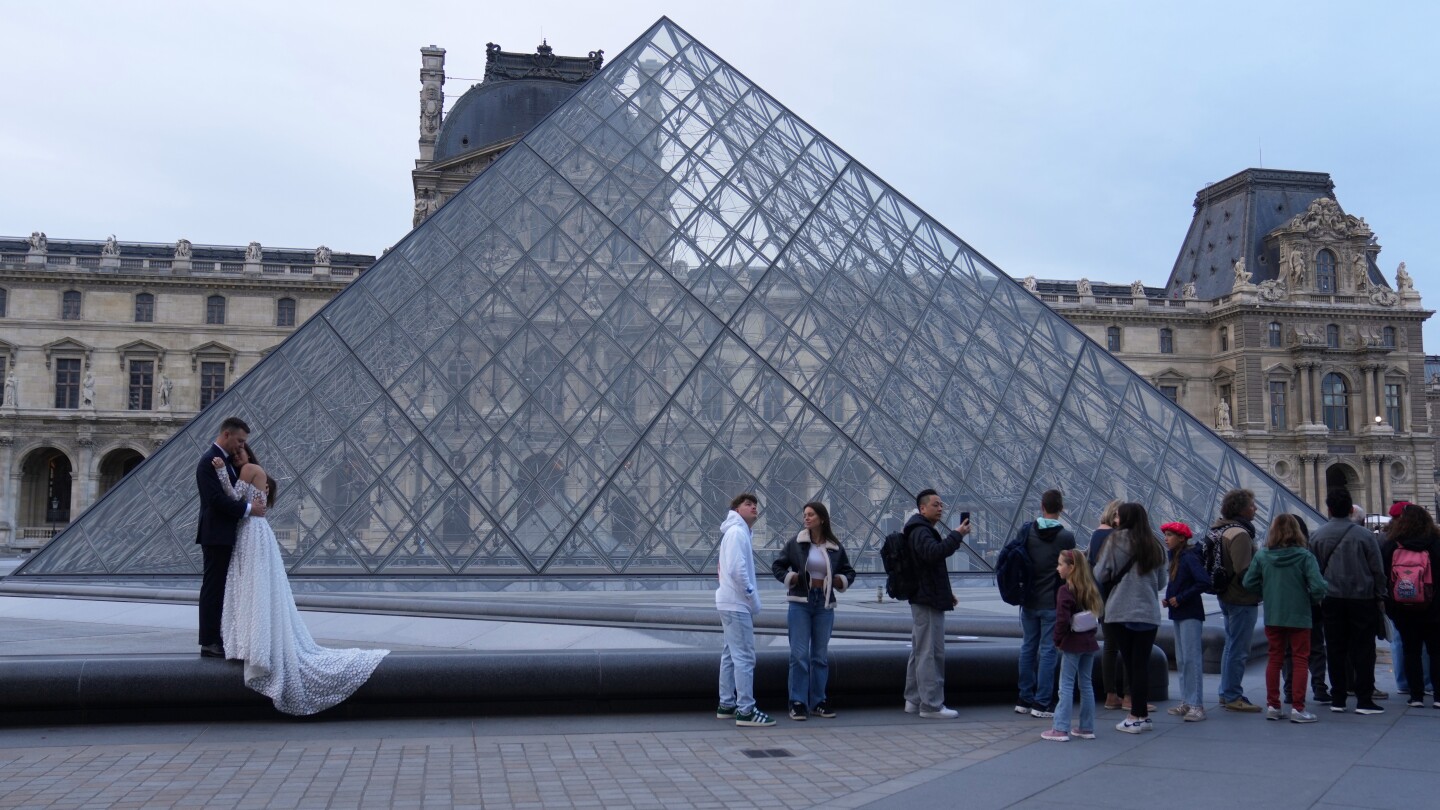
A timeline of the jewel heist at the Louvre in Paris
In a brazen daylight heist that has stunned the world, thieves made off with crown jewels valued at 88 million euros ($102 million) from the Louvre Museum in Paris. The audacious robbery unfolded in less than eight minutes on Sunday morning, October 19, leaving authorities and the public in disbelief. The thieves, posing as renovation workers, used a stolen basket lift to scale the museum’s facade, forced open a window, and smashed display cases to seize the priceless treasures. They spent less than four minutes inside the museum before fleeing on scooters, leaving behind equipment and a yellow construction jacket. The stolen items included eight historically significant objects, though the emerald-set imperial crown of Empress Eugénie, wife of Napoleon III, was later found outside the museum. French officials revealed that the thieves had stolen the basket lift on October 10, using threats to obtain it from a company in Louvres, a town coincidentally named similarly to the museum. The Louvre, the world’s most visited museum, reopened on October 22 as investigators, including forensics experts, analyzed surveillance footage and collected evidence from the scene. Culture Minister Rachida Dati confirmed the robbery on social media, praising security officers for preventing the thieves from setting the truck on fire. The incident has raised questions about the museum’s security measures and the audacity of the criminals involved.
-
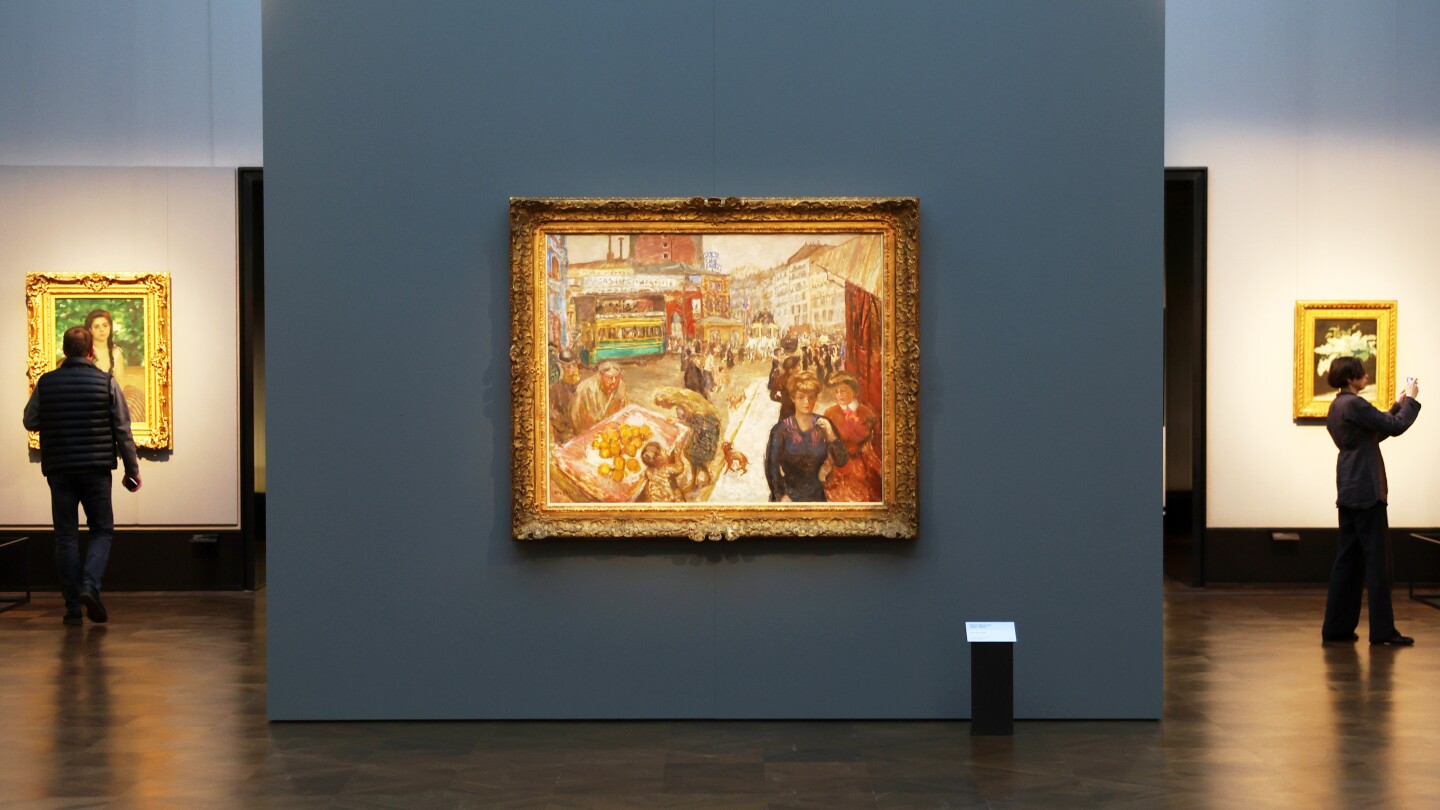
Who’s who of French artists in focus as a major private art collection goes on show in Berlin
Berlin is set to host a landmark exhibition showcasing the Scharf Collection, a private art treasure trove spanning four generations. This extraordinary collection, rooted in the early 20th century by Otto Gerstenberg, a prominent Berlin insurance magnate, has been meticulously expanded by his great-grandson, René Scharf, and his wife, Christiane. For the first time, the public will have the opportunity to view approximately 150 works at the Alte Nationalgalerie, ranging from Francisco de Goya’s 19th-century masterpieces to contemporary abstract art by Katharina Grosse and Anselm Reyle. The exhibition, titled ‘The Scharf Collection. Goya — Monet — Cézanne — Bonnard — Grosse,’ opens on Friday and will run until February 15, 2026. Highlights include iconic pieces by French masters such as Eugène Delacroix, Gustave Courbet, Claude Monet, and Pablo Picasso, alongside modern works by Sam Francis and Jasper Johns. René Scharf emphasized the collection’s evolution, noting his passion for impressionism, cubism, and contemporary art. He expressed hope that visitors would draw connections between Grosse’s vibrant abstract pieces and Monet’s timeless impressionist works. The exhibition will later move to Düsseldorf’s Kunstpalast, offering art enthusiasts another chance to experience this unparalleled collection.
-
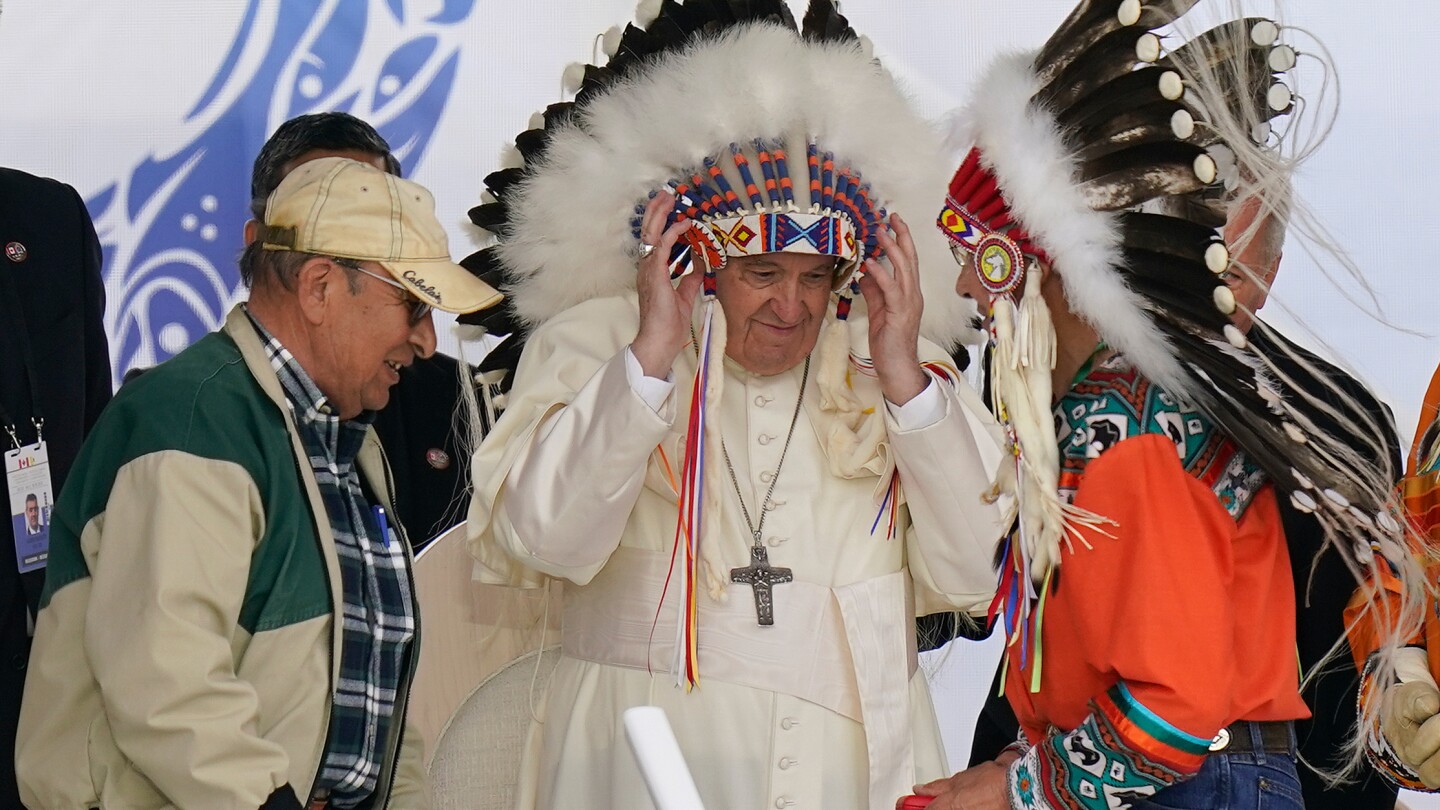
Vatican will return dozens of artifacts to Indigenous groups in Canada as gesture of reconciliation
The Vatican is poised to announce the return of several dozen Indigenous artifacts to Canada, marking a significant step in addressing the Catholic Church’s historical role in suppressing Indigenous cultures in the Americas. The items, including an Inuit kayak, are part of the Vatican Museum’s ethnographic collection, known as the Anima Mundi museum. This move comes amid growing global debates over the restitution of cultural goods taken from Indigenous peoples during colonial periods. The decision follows Pope Francis’s 2022 meeting with Indigenous leaders, during which he apologized for the Church’s involvement in Canada’s residential school system. The leaders, shown artifacts such as wampum belts, war clubs, and masks, requested their return. Francis later expressed support for returning items on a case-by-case basis, emphasizing the importance of making gestures of reconciliation. The Canadian Conference of Catholic Bishops has been collaborating with Indigenous groups to facilitate the return, with an official announcement expected soon. The artifacts, accompanied by provenance information, will first be sent to the Canadian Museum of History in Gatineau, Quebec, where experts and Indigenous communities will determine their origins and future. This process follows the “church-to-church” model used in 2023 when the Vatican returned Parthenon Marbles to Greece. The return of these items, acquired during an era of “Catholic Imperialism,” is seen as a pivotal moment in recognizing Indigenous sovereignty and fostering healing.
-
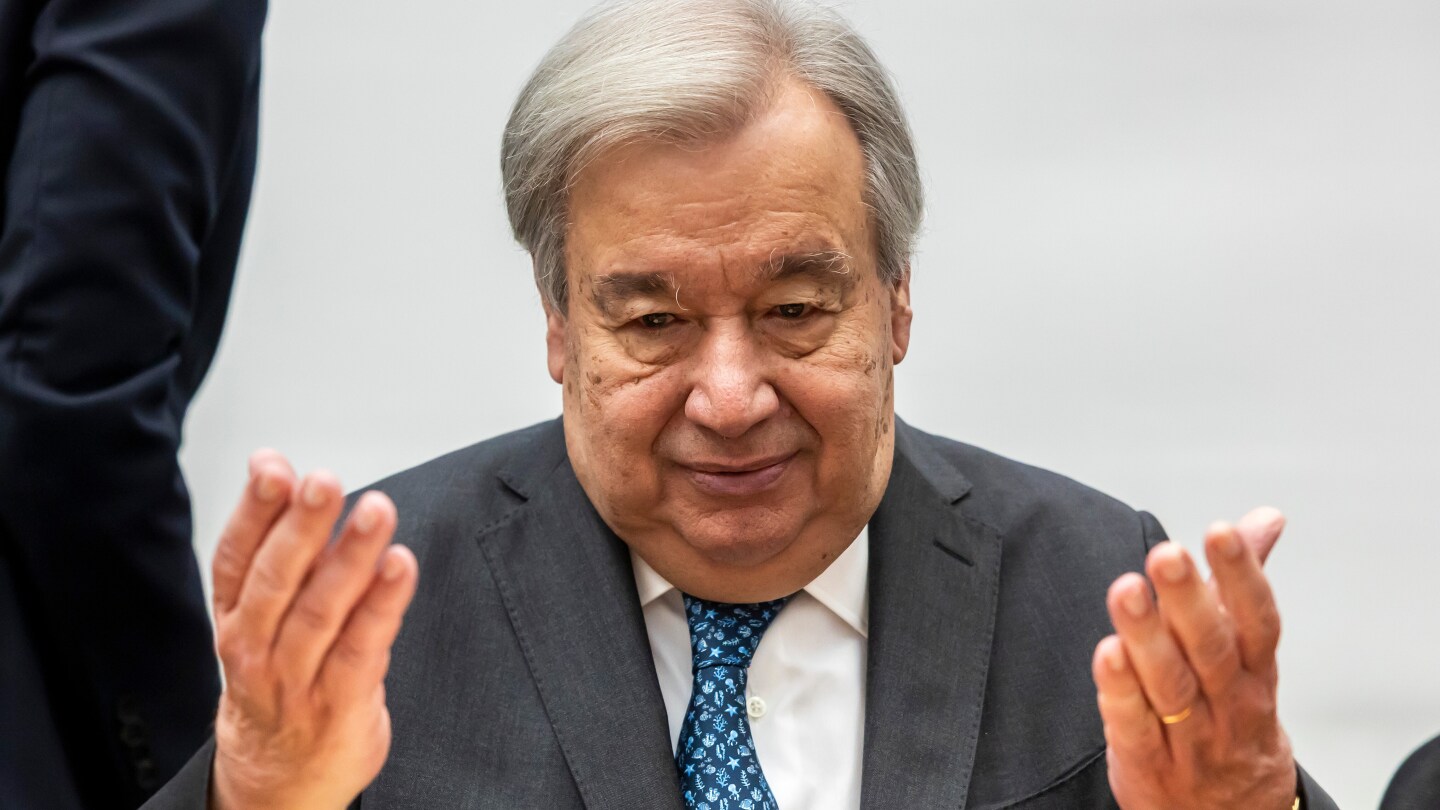
UN chief defends science and weather forecasting as Trump threatens both
In a powerful address to the World Meteorological Organization (WMO) in Geneva, United Nations Secretary-General Antonio Guterres underscored the critical role of science and meteorology in combating climate change and saving lives. Speaking at a special WMO meeting on Wednesday, Guterres lauded the agency’s efforts in developing early-warning systems that help nations prepare for climate-related disasters such as floods, storms, wildfires, and heatwaves. He emphasized that these systems have protected communities and saved millions of lives annually, calling climate change a ‘dangerous and existential threat.’ Guterres’ remarks come amid a contentious anti-science stance in the United States, where the Trump administration has slashed funding for the National Weather Service and dismissed hundreds of employees at the National Oceanic and Atmospheric Administration. Last week, the WMO reported a record surge in atmospheric carbon dioxide levels, reaching unprecedented heights in human history and exacerbating extreme weather events. Guterres urged scientists to remain fearless in their pursuit of truth, describing WMO staff as the ‘quiet force’ guiding rational climate decisions.
-
Five family members of Ashling Murphy’s killer jailed
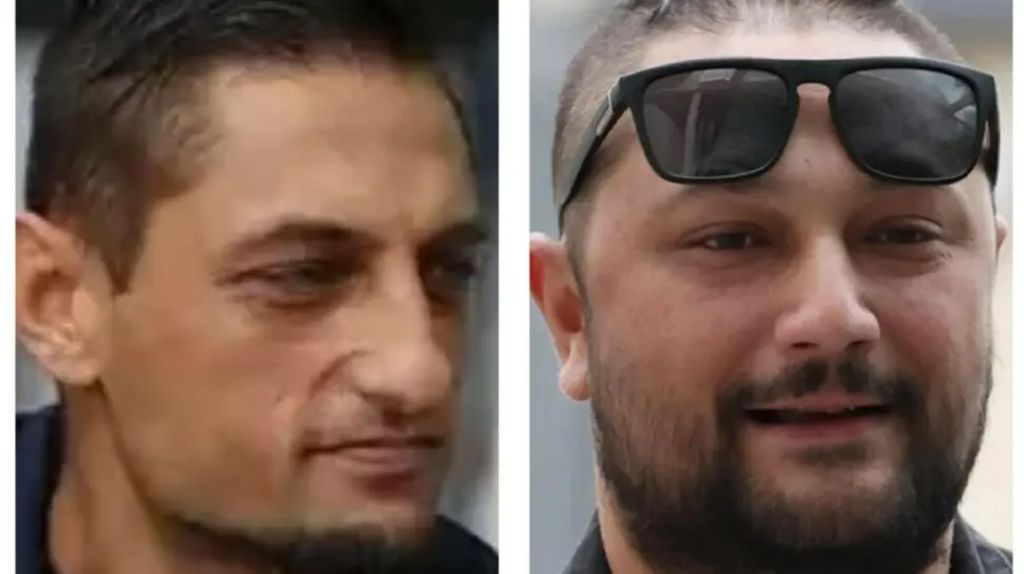
Five relatives of Jozef Puska, the convicted murderer of Ashling Murphy in the Republic of Ireland, have been sentenced for their involvement in obstructing justice. The tragic incident occurred in January 2022 when Murphy, a young woman, was fatally stabbed while walking near her home in Tullamore, County Offaly. Puska’s wife, Lucia Istokova, and his brothers, Marek and Lubomir Puska Jr., were found guilty of withholding crucial information from the Irish police, known as gardaí. Istokova received a 20-month prison sentence, while the brothers were each sentenced to two and a half years. The maximum penalty for this offense is five years. Additionally, Puska’s sisters-in-law, Viera Gaziova and Jozefina Grundzova, were convicted of assisting an offender by destroying evidence, specifically burning Puska’s clothes. Gaziova was sentenced to two years, and Grundzova to one year and nine months, with the maximum sentence for this crime being 10 years. During the trial, the Murphy family expressed their profound grief and frustration. Raymond Murphy, Ashling’s father, stated that the family’s small solace in knowing Puska was imprisoned and isolated would have been stripped away if his relatives had successfully concealed his guilt. Ashling’s sister, Amy, described how the murder had devastated their lives, robbing them of joy and meaning. The judge acknowledged the Murphy family’s immense suffering, emphasizing the limitations of the criminal justice system in alleviating their pain. She noted that the defendants’ actions represented a deliberate effort to protect Puska, despite his confession to the murder.
-
Man charged with sexually assaulting girl defers bail application
A 26-year-old man, accused of sexually assaulting a 10-year-old girl in Dublin in the early hours of Monday, has postponed his application for bail. Due to Republic of Ireland’s strict regulations regarding sexual assault cases, the identity of the accused remains undisclosed. During the court proceedings, the defense solicitor indicated that no bail application would be submitted on Wednesday but reserved the possibility for a future request. Judge Alan Mitchell stipulated that a 48-hour notice must be provided before any bail application is made. Additionally, the judge approved a request for a comprehensive evaluation of the accused’s fitness to stand trial. This includes both medical and psychiatric assessments, with the provision of necessary medical treatment as required. The accused, who communicated through an interpreter, has been remanded in custody and is scheduled to appear via videolink at Cloverhill District Court on November 5.