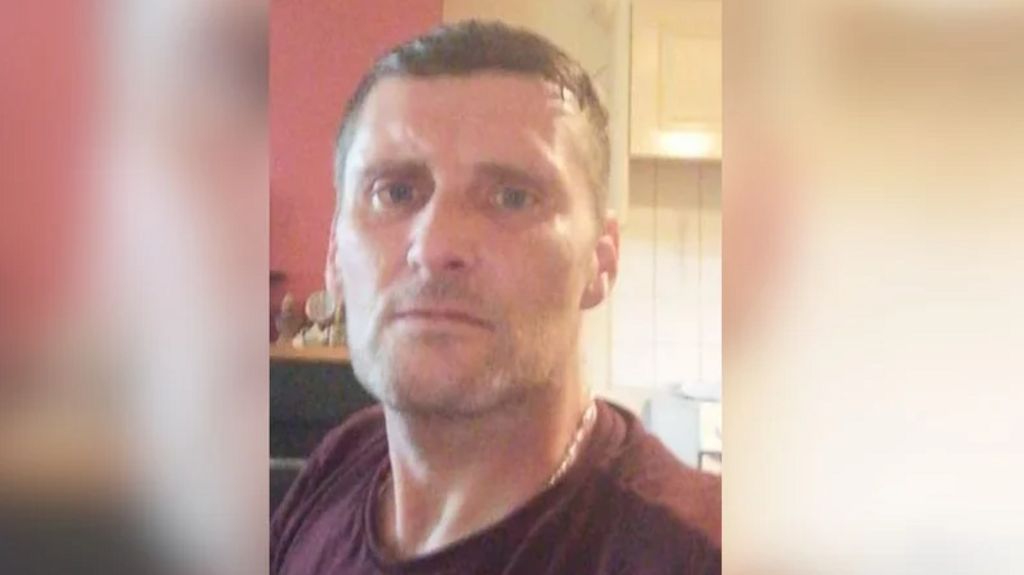
In a chilling case that has gripped the Republic of Ireland, 33-year-old Niall Long has been found guilty of the murder of Kieran Quilligan, a 47-year-old man whose skeletal remains were discovered in a carrier bag in a County Cork ravine. The victim had been missing for five months before his remains were found by An Garda Síochána (Irish police) in February 2024. Quilligan was last seen alive on September 1, 2023. The Central Criminal Court in Cork heard that Quilligan was ‘lured’ to his death, according to prosecution senior counsel Donal O’Sullivan, who praised the meticulous investigative efforts of the gardaí in uncovering the remains. Due to the advanced state of decomposition, the exact cause of death could not be determined. However, a pathologist testified that injuries, including fractures to the ribs, chest, neck, and skull, indicated a ‘severe assault.’ The jury is set to resume deliberations on Friday regarding Long’s co-accused, 27-year-old Luke Taylor, who denies involvement in the murder. The case has shed light on the challenges of investigating such harrowing crimes and the dedication of law enforcement in pursuing justice.
标签: Europe
欧洲
-

Pump prices could rise after US, EU hit Russian oil companies with new sanctions and oil spikes
In a significant move to pressure Russia amid its ongoing conflict with Ukraine, the United States imposed sweeping sanctions on Russia’s oil industry on Thursday. This decision sent shockwaves through global energy markets, with U.S. benchmark crude prices surging by 6% to $62 per barrel. Analysts predict that American consumers could soon face higher gasoline prices, with the full impact expected to materialize within days. Patrick De Haan, head of petroleum analysis at GasBuddy, noted that while the exact timeline remains uncertain, motorists are likely to see price increases at the pump as early as next week. The sanctions target major Russian oil companies, including Rosneft and Lukoil, and come in response to bipartisan calls for stronger economic measures against Moscow. The European Union also announced parallel sanctions on Russian oil and gas, further intensifying the global response. Brent crude, the international benchmark, rose by $3.57 to $66.15 per barrel, reflecting the market’s reaction to the geopolitical tensions. The OPEC+ alliance, which includes Russia as a key non-OPEC member, has been gradually increasing oil production this year, but the new sanctions could disrupt this stability. The broader economic implications include potential inflationary pressures, as higher energy costs often ripple through various industries, affecting prices for goods and services. The situation remains fluid, with analysts suggesting that the duration of these price increases will depend on how Russia and the U.S. respond in the coming weeks.
-
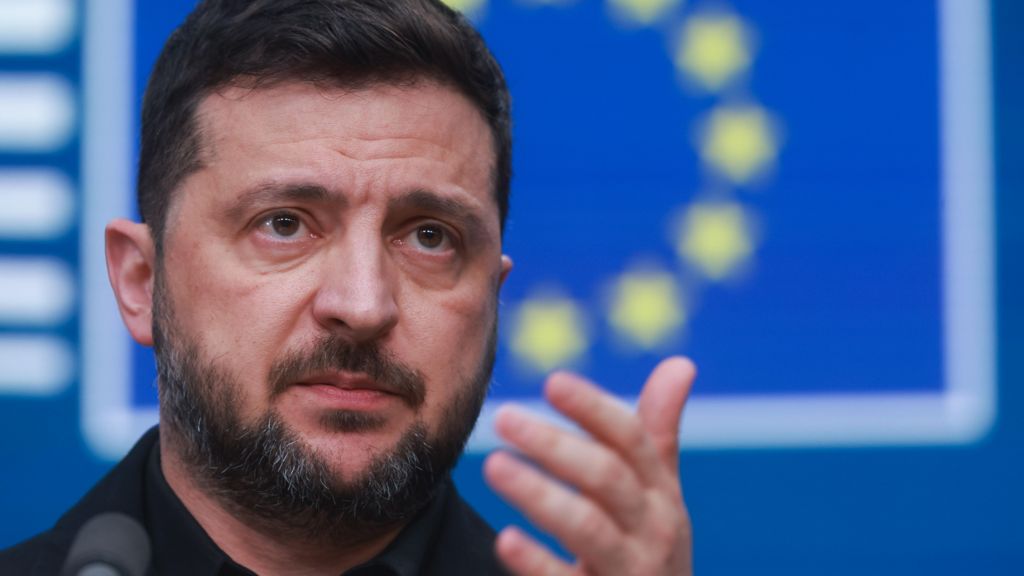
Ukraine urges EU to back loan using frozen Russian cash
Ukrainian President Volodymyr Zelensky has made a compelling appeal to the European Union to support a plan that would release billions of euros in frozen Russian assets to bolster Ukraine’s defense efforts. Speaking during the EU leaders’ summit in Brussels, Zelensky expressed hope for a ‘positive decision’ regarding the utilization of €140 billion (£122 billion) in Russian funds currently held in a Belgian clearing house. This proposal, which has sparked significant debate, would complement the existing sanctions imposed on Russia, including recent measures targeting the Kremlin’s oil revenues. The EU’s latest sanctions, announced on Thursday, follow similar actions by the United States against Russia’s oil industry, marking the first time President Donald Trump has sanctioned Moscow amid growing frustration over President Vladimir Putin’s refusal to end the conflict. Trump also confirmed the indefinite postponement of a planned meeting with Putin in Budapest, citing unproductive discussions. The US sanctions specifically targeted Russian oil giants Rosneft and Lukoil. Meanwhile, European ministers have been deliberating on how to allocate the frozen Russian assets as a ‘reparations loan’ to Ukraine. Zelensky, attending the Brussels summit, emphasized the moral and financial responsibility of Russia, stating, ‘Russia brought war to our land, and they have to pay for this war.’ However, the proposal faces legal and political hurdles, with Belgium expressing reluctance due to potential legal challenges from Russia. EU foreign affairs chief Kaja Kallas acknowledged the complexities but stressed that ‘Russia is responsible for the damages in Ukraine and has to pay.’ Russia has vehemently criticized the plan, with foreign ministry spokeswoman Maria Zakharova warning of a ‘painful response’ to any confiscatory measures. The EU’s latest sanctions also targeted three Chinese businesses involved in purchasing Russian crude oil, a move condemned by China as undermining economic cooperation. The overarching goal of these measures, according to Kallas, is to ‘deprive Russia of the means to fund this war’ and send a clear message that ‘Russia can’t outlast us.’
-
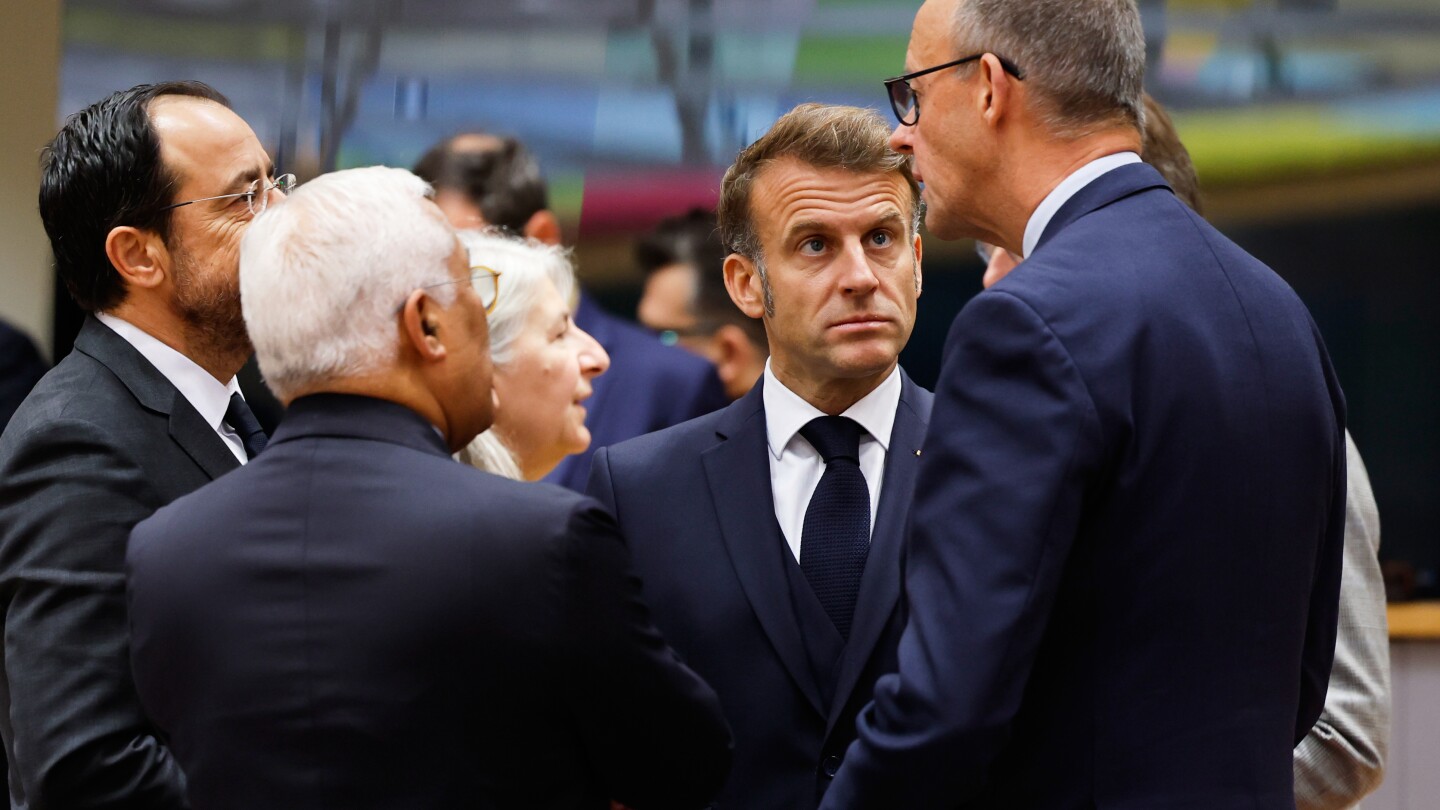
EU leaders endorse a plan to ensure that Europe can defend itself from outside attack by 2030
In a decisive move to bolster Europe’s defense capabilities, European Union leaders have endorsed a comprehensive strategy titled ‘Readiness 2030.’ This initiative aims to fortify the 27-nation bloc against potential external aggressions by the end of the decade, with a particular focus on countering Russian threats. The plan was unveiled during a summit in Brussels, where leaders emphasized the existential challenge posed by Russia’s ongoing war in Ukraine and its broader implications for global security.
-
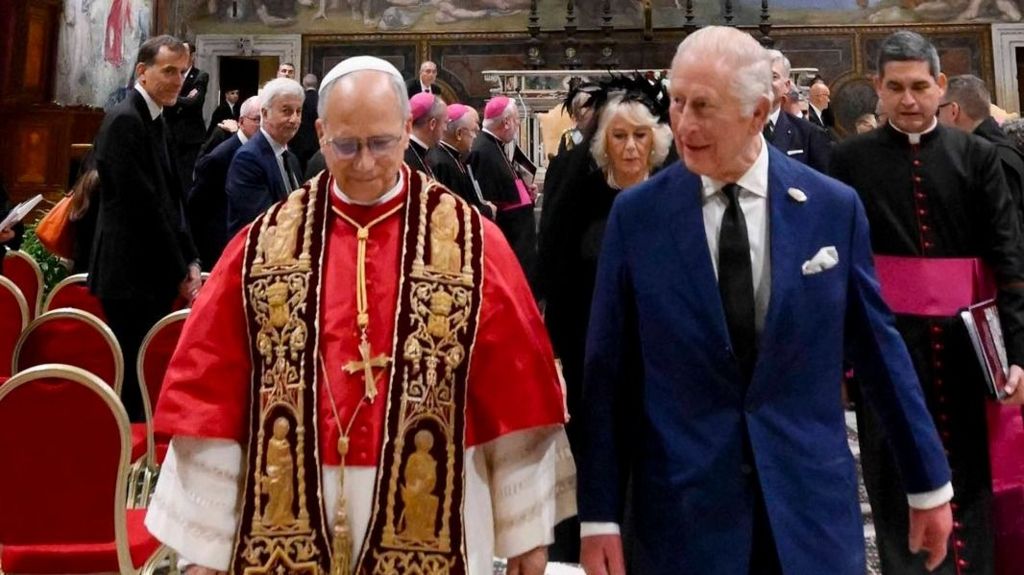
‘A hugely symbolic moment’: King Charles and Pope pray together
In a groundbreaking moment of interfaith unity, King Charles III, the head of the Church of England, joined Pope Francis in a public prayer session. This historic event marks the first time a British monarch, who also serves as the Supreme Governor of the Church of England, has engaged in such a public display of spiritual solidarity with the leader of the Roman Catholic Church. The meeting, described as ‘hugely symbolic,’ underscores the ongoing efforts to bridge divides between Christian denominations. Both leaders emphasized the importance of mutual respect, dialogue, and collaboration in addressing global challenges. This unprecedented act of unity is seen as a significant step toward fostering greater understanding and cooperation between the Anglican and Catholic communities worldwide.
-
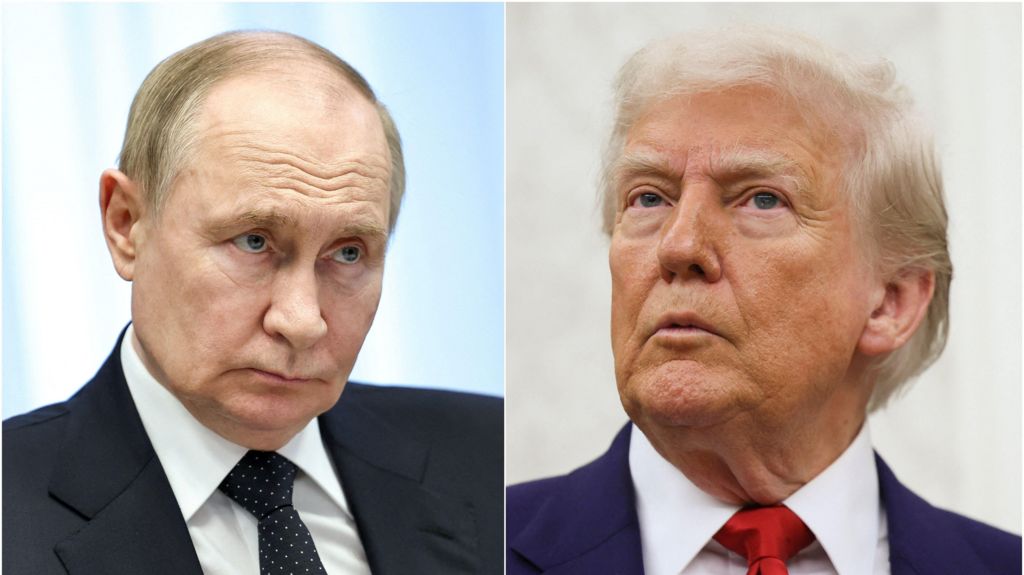
Rosenberg: Trump abandons carrot and wields stick over Putin in Ukraine talks
In a dramatic turn of events, President Donald Trump has called off the highly anticipated US-Russia summit in Budapest, signaling a shift in his approach to dealing with Moscow. This decision comes just weeks after the announcement of the meeting, which was intended to address the ongoing conflict in Ukraine. The cancellation underscores the growing frustration within the Trump administration over Russia’s unwillingness to compromise or make concessions to end the war.
-
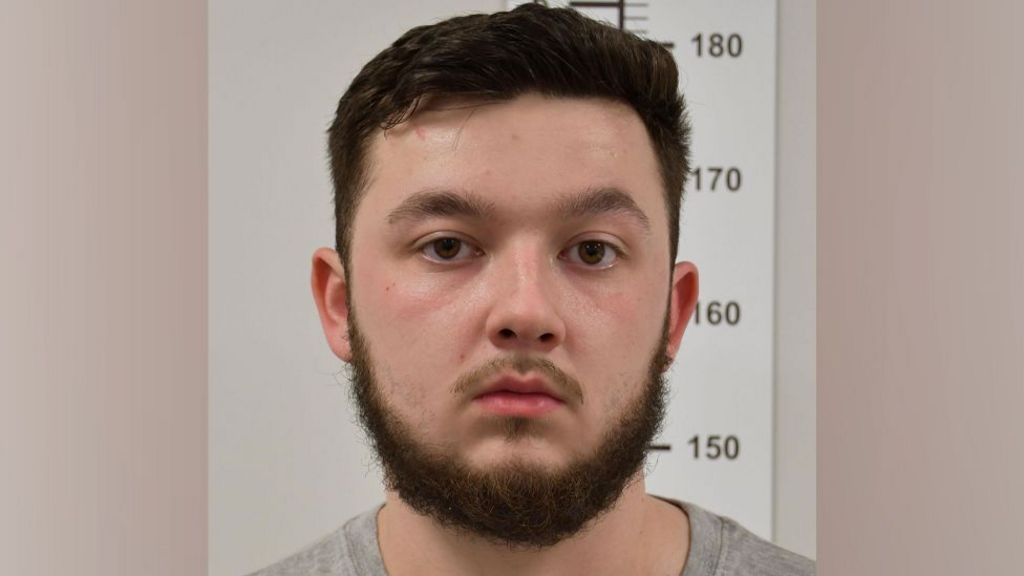
Dealer waged ‘sustained terror campaign’ for Russia in UK
In a landmark case at the Old Bailey, 21-year-old Dylan Earl has pleaded guilty to orchestrating a series of pro-Russia sabotage acts on UK soil, including a devastating arson attack on a Ukrainian-owned warehouse in East London. This marks the first sentencing under the newly enacted National Security Act, which could see Earl imprisoned for life. The warehouse, targeted in March 2024, was a hub for dispatching essential equipment, including Starlink satellite terminals, to Ukraine. Earl’s actions were part of a broader campaign supporting Russia’s aggressive war against Ukraine, as highlighted by prosecutor Duncan Penny KC. Earl’s involvement extended beyond arson; he attempted to recruit a British soldier for intelligence gathering on behalf of the Wagner Group, a Russian mercenary organization. Messages revealed in court showed Earl discussing plans for further attacks, including a potential arson in the Czech Republic, and even exploring extortion schemes. Despite his barrister’s portrayal of Earl as a ‘sad individual’ influenced by online gaming and drug use, the judge emphasized the seriousness of his crimes. Five other men, including Jake Reeves and Ashton Evans, are also implicated in related offenses. Sentencing is scheduled for Friday, with the case underscoring the UK’s heightened focus on national security threats linked to foreign powers.
-
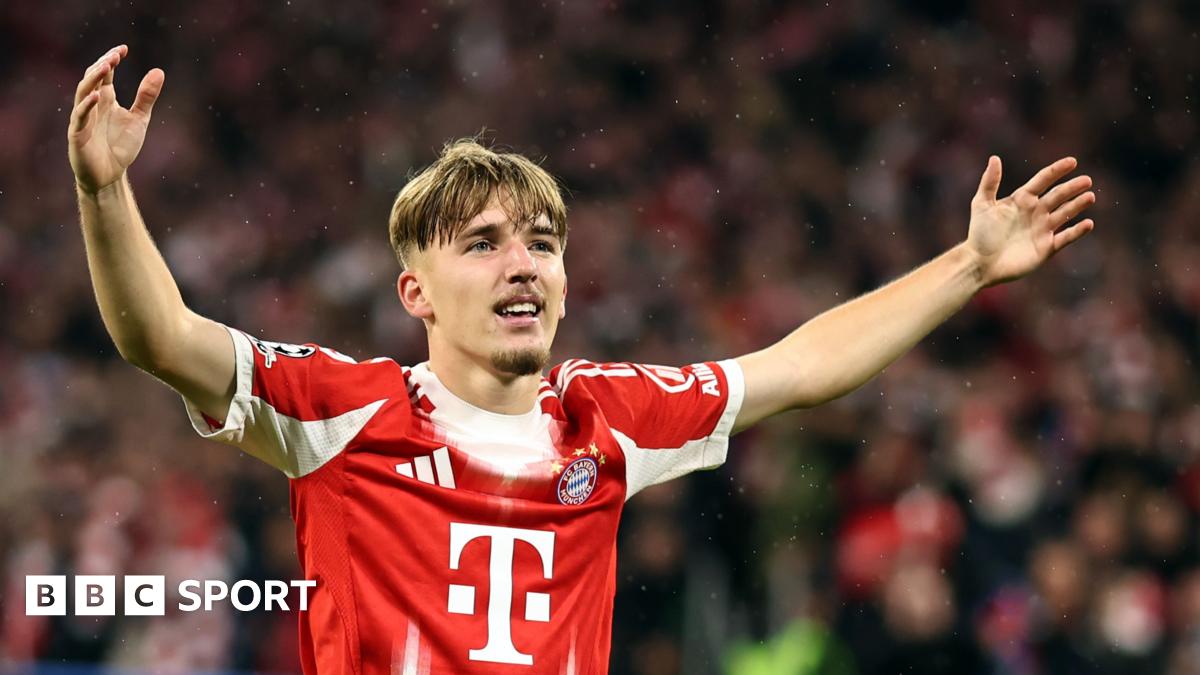
Week of the wonderkids – who shone in Champions League?
The UEFA Champions League this week became a stage for young prodigies to showcase their burgeoning talent, with six teenagers making their mark on the scoresheet—a record-equaling feat for a single round of the competition. While established names like Barcelona’s Lamine Yamal and Arsenal’s Myles Lewis-Skelly continued to impress, the spotlight turned to emerging stars who announced their arrival on the European stage. Chelsea’s youthful squad stole the show with a dominant 5-1 victory over Ajax, fielding 10 players aged 21 or younger and becoming the first team in Champions League history to have three teenage scorers in a single match. Marc Guiu, 19, opened the scoring, only for his record as Chelsea’s youngest Champions League goalscorer to be broken 33 minutes later by Estevao Willian, 17, who netted a penalty. Tyrique George, 19, added to the tally, while Reggie Walsh, 17, became Chelsea’s youngest-ever player in the competition. Meanwhile, Bayern Munich’s Lennart Karl, 17, dazzled with a stunning goal in a 4-0 win over Club Brugge, and Copenhagen’s Viktor Dadason, 17, became the third-youngest scorer in Champions League history with a late consolation goal. Barcelona’s Dro Fernandez, 17, also impressed with a visionary assist in a 6-1 thrashing of Olympiacos, drawing comparisons to club legends. These performances underscore the rise of a new generation of footballing talent, poised to shape the future of the sport.
-
UK police arrest 3 men in London on suspicion of spying for Russia
In a significant development, British counterterrorism authorities apprehended three individuals in London on Thursday, suspecting them of espionage activities on behalf of Russia. The Metropolitan Police confirmed that the men, aged 44, 45, and 48, were taken into custody under the National Security Act, accused of aiding a foreign intelligence service, specifically Russia. Simultaneously, law enforcement officers conducted searches at multiple properties across the city as part of the ongoing investigation.
-
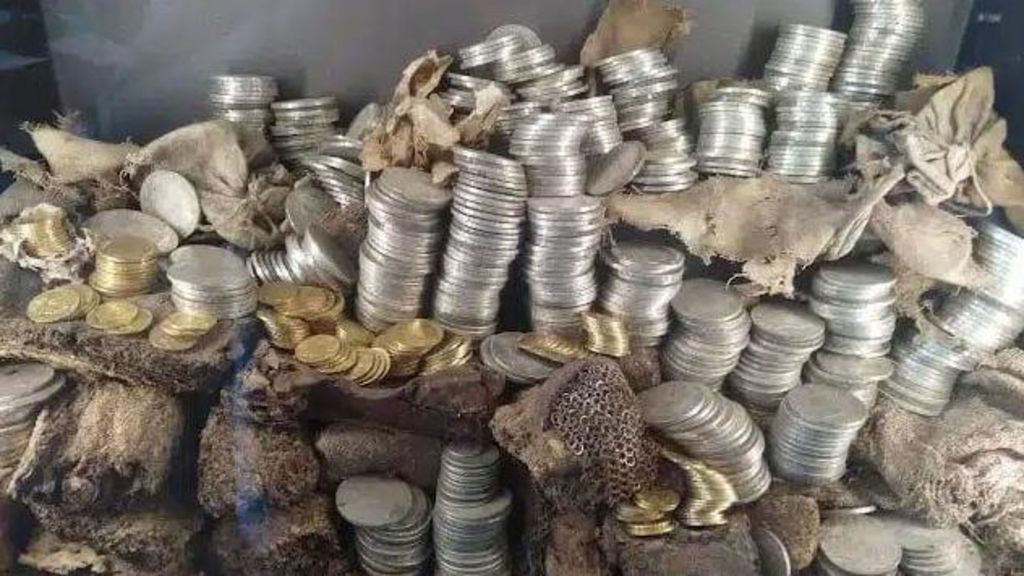
Another French museum robbery sees 2,000 gold and silver coins stolen
A series of audacious thefts at prominent French museums has highlighted significant security vulnerabilities in the country’s cultural institutions. The latest incident occurred at the Maison des Lumières in Langres, where thieves made off with approximately 2,000 gold and silver coins valued at €90,000. The heist took place just hours after the brazen theft of French crown jewels from the Louvre in Paris. The stolen coins, part of a private collection, were meticulously selected, indicating the perpetrators’ expertise. This theft follows a string of recent robberies, including the theft of six gold nuggets worth €1.5 million from Paris’s Natural History Museum and the disappearance of Chinese porcelain artifacts valued at €6.55 million from Limoges. The Louvre heist, involving €88 million worth of historic jewelry, has drawn global attention. Thieves, disguised as workers, used power tools and a mechanical ladder to access the Gallery of Apollo. The stolen items included a diamond and emerald necklace gifted by Napoleon to his wife and a tiara worn by Empress Eugenie. French authorities have acknowledged security failures, with the Louvre’s director, Laurence des Cars, admitting that CCTV coverage was inadequate and the alarm system failed to activate. Justice Minister Gérald Darmanin described the breaches as a ‘terrible image’ for France, emphasizing the need for enhanced security measures.