
Australian literary icon Helen Garner has been awarded the esteemed Baillie Gifford Prize for Nonfiction for her compelling and unflinchingly honest diaries, titled ‘How to End a Story.’ The 82-year-old author received the £50,000 ($65,000) accolade at a ceremony in London on Tuesday. Garner’s work, which chronicles her life and career from 1978 to 1998, was praised by the judging panel for its sharp observations and ‘reckless candor.’ Robbie Millen, the jury chair, described the 800-page opus as ‘remarkable and addictive,’ blending the intimate, intellectual, and mundane into a groundbreaking diary format. Garner’s win marks the first time a diary has claimed the prize since its inception in 1999. She triumphed over five other finalists, including biographies of poet Alfred, Lord Tennyson and writer Muriel Spark, as well as works on 1970s revolutionaries, European wolves, and the history of slavery in the Muslim world. Garner, whose 1977 debut novel ‘Monkey Grip’ is hailed as a modern Australian classic, has long been celebrated in her homeland but is only now gaining broader international recognition. Her diverse body of work includes novellas, short stories, screenplays, and true crime books. Singer Dua Lipa, a devoted fan, recently selected Garner’s ‘This House of Grief’ for her book club, calling it ‘a thrilling discovery.’ Garner’s latest co-authored work, ‘The Mushroom Tapes,’ explores a notorious Australian murder case and is set for release this month in Australia and the U.K. Millen expressed hope that the prize would solidify Garner’s status as a literary giant. This marks the second consecutive year an Australian has won the Baillie Gifford Prize, following Richard Flanagan’s victory in 2023.
标签: Europe
欧洲
-
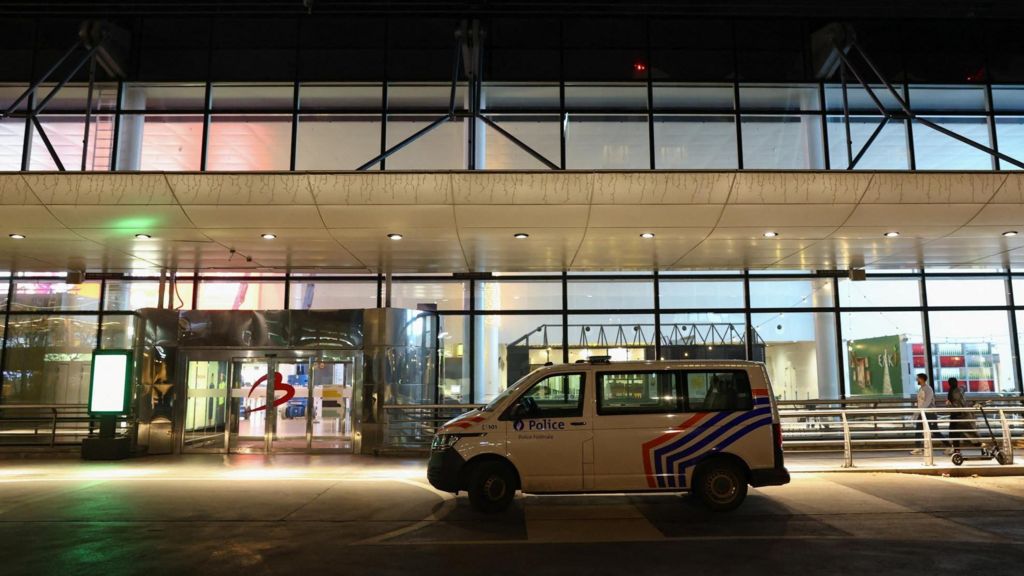
Suspected drone sightings disrupt flights at Belgium airports
Airports across Belgium were thrown into disarray on Tuesday as suspected drone sightings forced the suspension of all flights at Brussels Airport, the nation’s busiest aviation hub. The disruption began around 20:00 local time (19:00 GMT) following a reported drone sighting, prompting an immediate halt to air traffic. Although operations briefly resumed an hour later, they were swiftly suspended again due to further sightings. Liege Airport also experienced similar disruptions, with no clear timeline for when normal operations might resume. Local media further reported drone sightings at Kleine-Brogel and Florennes military airbases, compounding the crisis. This incident marks the latest in a series of drone-related disruptions at European airports, including Munich, Copenhagen, and Oslo. A statement on the Brussels Airport website confirmed the suspension of all departing and arriving flights, with officials closely monitoring the situation and promising updates as they become available. Images from inside the airport showed camp beds being prepared for stranded passengers. Charleroi, Belgium’s second-largest airport, also briefly halted air traffic as a precaution. Initially, flights were diverted to Liege, but operations there were subsequently suspended due to additional drone sightings. Flights have since been redirected to nearby airports, including Ostend and Charleroi in Belgium, as well as Eindhoven and Maastricht in the Netherlands. This incident marks the fourth consecutive night of drone sightings over Kleine-Brogel, a key military base near the Dutch border. Belgium’s Defence Minister, Theo Francken, announced on Monday that an investigation is underway, describing the incidents as ‘a clear mission targeting Kleine Broge.’ Belgian news site VRT also reported drone sightings near Ostend and Antwerp’s Deurne airports over the weekend, further highlighting the growing threat posed by unauthorized drone activity.
-
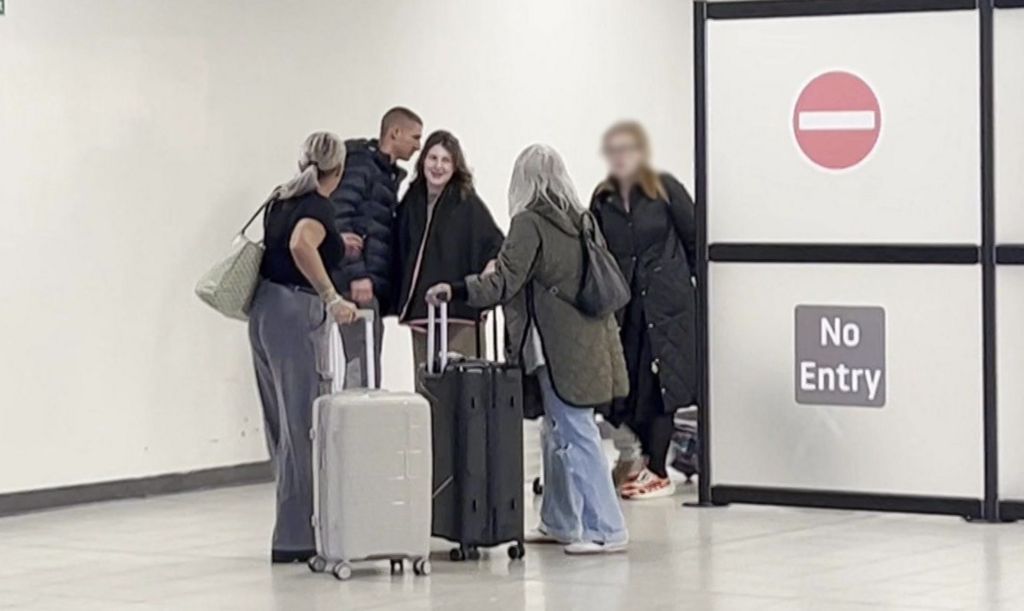
Bella Culley home after early Georgia jail release
Bella Culley, a 19-year-old pregnant teenager from Billingham, Teesside, has returned home after being released from prison in Georgia. Culley, who admitted to drug trafficking charges, had initially faced up to 20 years in jail. However, prosecutors revised the terms of her plea bargain, leading to her release. She had spent nearly six months in custody, including time in Georgia’s Rustavi Prison Number Five, before being transferred to a ‘mother and baby’ unit due to her advanced pregnancy. Culley was detained on May 10 after authorities discovered 12kg of marijuana and 2kg of hashish in her luggage at Tbilisi International Airport. Her family paid £137,000 to reduce her sentence to two years. On Monday, she walked free from court in Tbilisi, accompanied by her mother, and arrived at Luton Airport on an Easyjet flight. Culley claimed she was coerced into trafficking drugs by gangsters who allegedly tortured her with a hot iron. Georgian police have launched a separate investigation into her allegations of coercion.
-

Fire at a retiree boarding house in Bosnia kills several people, media reports say
A tragic fire broke out on Tuesday at a retirement boarding house in Tuzla, a town in northeastern Bosnia-Herzegovina, resulting in multiple fatalities. According to reports from Bosnian media, including the prominent daily newspaper Dnevni Avaz, at least eight individuals lost their lives in the incident. The fire originated on one of the higher floors of the building, causing significant damage and prompting an urgent evacuation by firefighters. Although police sources were cited in the media reports, official confirmation of the details has yet to be released. Visuals from the scene depicted intense flames engulfing one of the facility’s floors, highlighting the severity of the disaster. The incident has raised concerns about safety standards in such facilities and has left the local community in mourning.
-
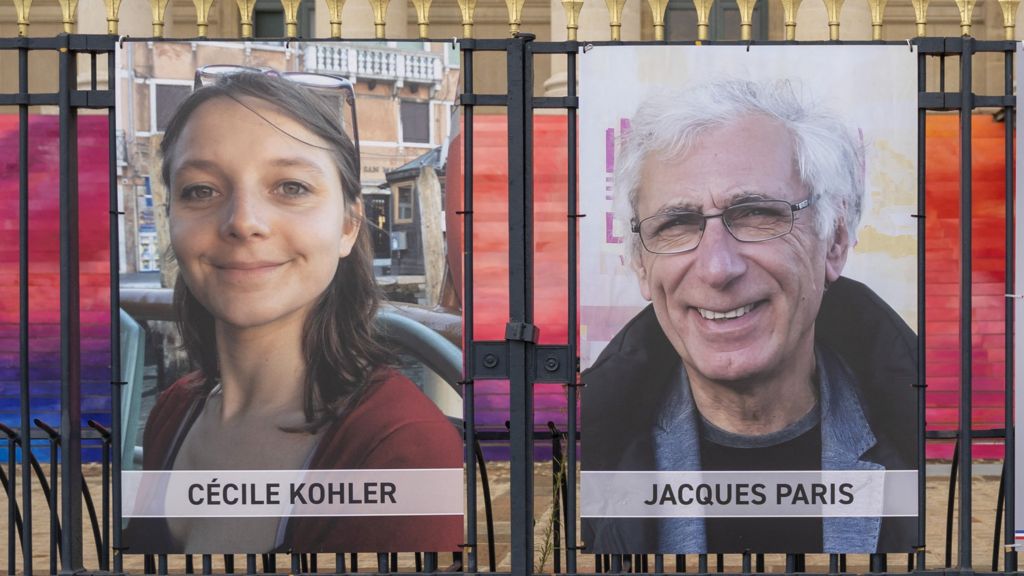
Iran releases two French nationals from detention
In a significant diplomatic development, Iran has released two French nationals, Cécile Kohler, 41, and her partner Jacques Paris, 72, who had been detained since May 2022. French President Emmanuel Macron announced their release from Evin prison on Tuesday, with France’s foreign minister confirming their safety at the embassy in Tehran, pending their final return to France. Macron expressed relief at this initial step and emphasized ongoing dialogue to expedite their repatriation. The couple, arrested during a tourist trip, were the last French nationals held in Iran. Last month, Iranian state media reported they were convicted of espionage for France and Israel, receiving lengthy prison sentences. Their release follows a potential prisoner exchange deal involving Mahdieh Esfandiari, an Iranian woman detained in France on terrorism charges, who was conditionally released last month. France has repeatedly accused Iran of state hostage-taking and inhumane detention conditions, allegations Tehran denies. The legal team of Kohler and Paris, based in Paris, stated their 1,277-day arbitrary detention had ended, with their families maintaining their innocence. This development marks a pivotal moment in Franco-Iranian relations, though underlying tensions persist.
-
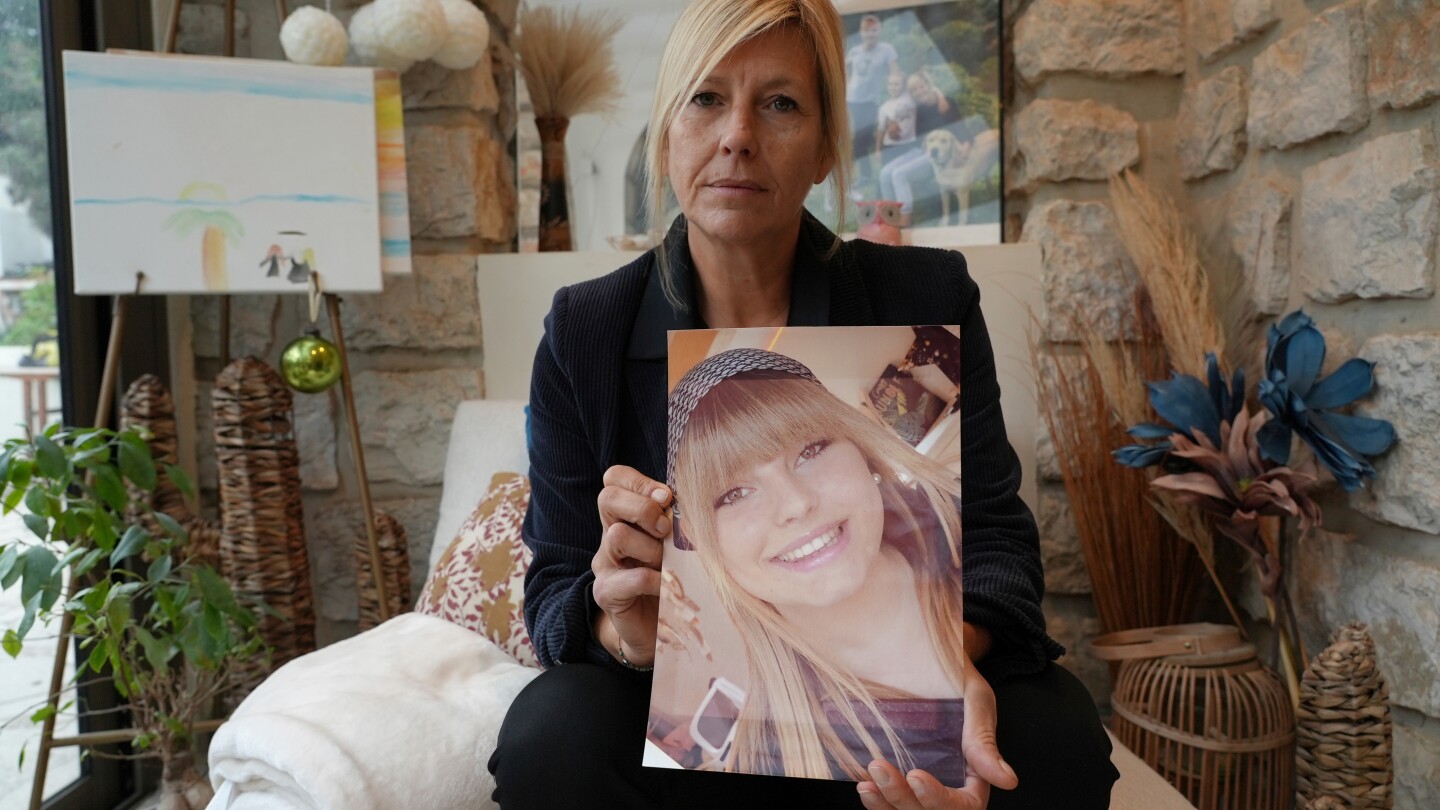
Paris prosecutor’s office investigates TikTok over youth suicide content
The Paris prosecutor’s office has initiated an investigation into TikTok, following allegations that the platform facilitates the dissemination of content promoting suicide and that its algorithms may be influencing vulnerable young individuals towards self-harm. This development comes in the wake of a lawsuit filed by several French families, a parliamentary inquiry into TikTok’s psychological impact on children, and reports from Amnesty International and the French Senate highlighting similar concerns. The investigation will scrutinize content that promotes suicide and assess whether TikTok has complied with its obligations to report such violations to the authorities. TikTok has denied the allegations, emphasizing its commitment to teen safety through numerous pre-set features and the removal of 90% of violative videos before they are viewed. The Paris police cybercrime brigade will explore potential crimes, including the promotion of methods for self-harm and illicit transactions linked to organized crime. Convictions could result in significant prison sentences and fines. This case follows a lawsuit last year by seven French families, two of whom lost children, accusing TikTok of inadequate content moderation and exposing minors to harmful material. One mother, Stephanie Mistre, discovered that TikTok’s algorithm had repeatedly shown her deceased daughter, Marie Le Tiec, videos encouraging suicide. TikTok and other social media platforms are increasingly under global scrutiny for their role in inciting violence and bullying, particularly among younger users.
-

Zelensky visits troops near embattled front line town of Pokrovsk
Ukrainian President Volodymyr Zelensky recently visited troops near the embattled town of Pokrovsk, a key strategic location in the ongoing conflict between Russia and Ukraine. Accompanied by Commander-in-Chief Oleksandr Syrskyi, Zelensky met with soldiers at a command post in the Dobropillya sector, approximately 20 kilometers north of Pokrovsk in the Donetsk region. The visit underscores the town’s critical importance as a logistical hub and frontline stronghold in the war-torn Donbas region.
-
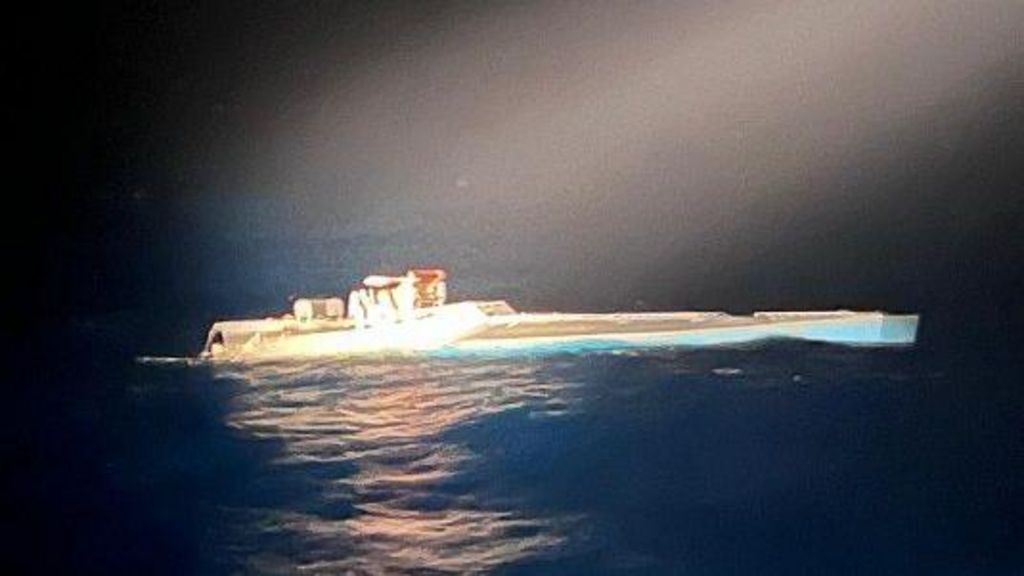
Narco-sub carrying 1.7 tonnes of cocaine seized in Atlantic
In a significant maritime operation, Portuguese authorities have intercepted a semi-submersible vessel transporting over 1.7 tonnes of cocaine in the mid-Atlantic, approximately 1,000 nautical miles off the coast of Lisbon. The vessel, en route to the Iberian Peninsula, was seized in a coordinated effort involving the Portuguese police, navy, and international agencies, including the UK’s National Crime Agency and the US Drug Enforcement Administration. Four crew members, identified as two Ecuadorians, a Venezuelan, and a Colombian, were arrested and remanded in pre-trial custody following their court appearance in the Azores. Vítor Ananias, head of Portugal’s drug trafficking police unit, highlighted the multinational nature of the operation, suggesting the involvement of a transnational criminal organization. The narco-sub, deemed too fragile to tow back to shore due to adverse weather conditions, eventually sank in the open sea. This incident follows a similar seizure in March, where a vessel carrying 6.5 tonnes of cocaine was intercepted 1,200 nautical miles from Lisbon. Meanwhile, the Trump administration has intensified its crackdown on drug smuggling, with recent strikes on alleged drug vessels in the Caribbean drawing criticism from Latin American leaders over their legality and human rights implications.
-
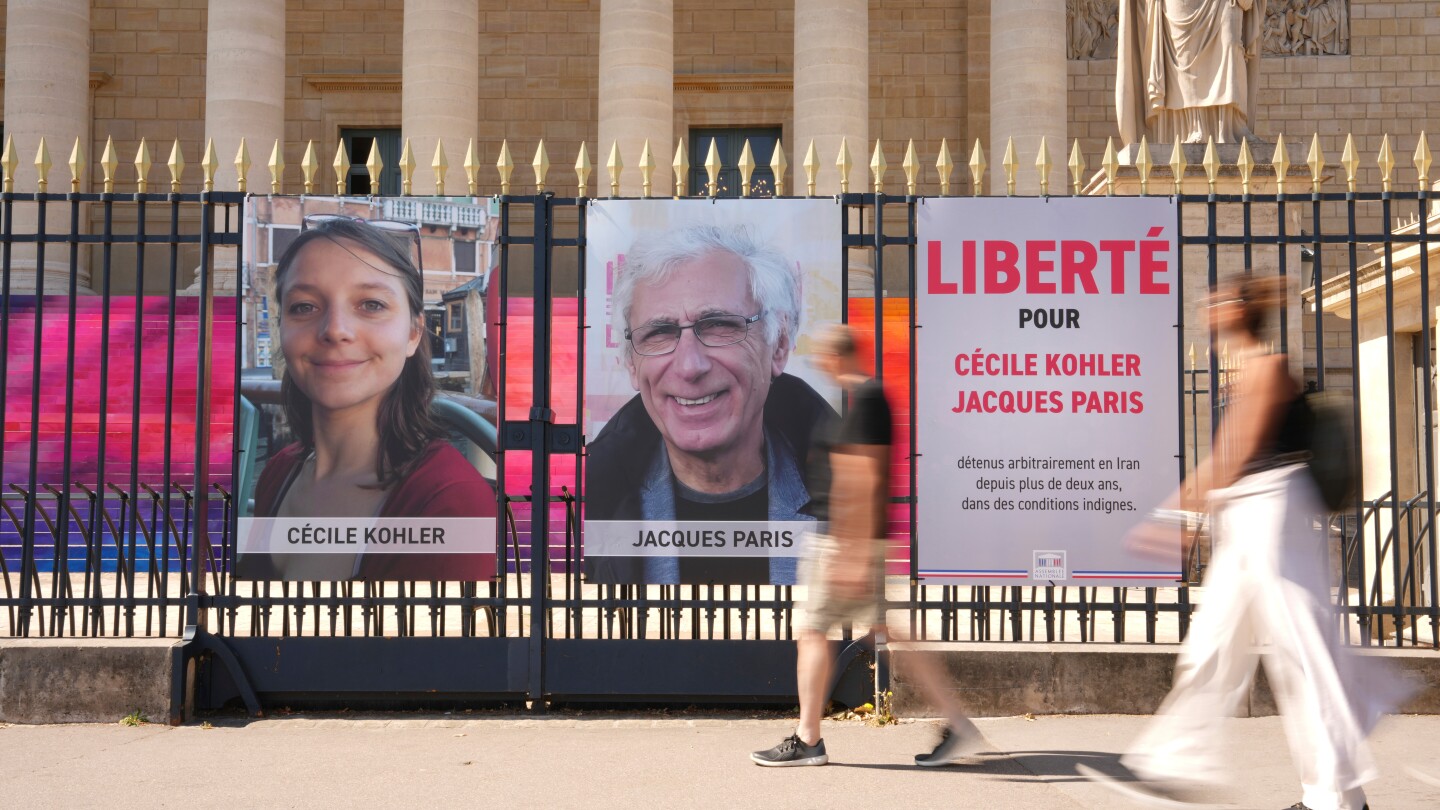
2 French nationals freed from Iranian prison after more than 3 years in detention
In a significant diplomatic breakthrough, French President Emmanuel Macron announced on Tuesday the release of two French citizens, Cécile Kohler, 41, and Jacques Paris, 72, from an Iranian prison after over three years of detention. The pair had been held on espionage charges, which France consistently labeled as baseless. Macron expressed profound relief, describing the release as a “first step” and emphasizing ongoing dialogue with Iranian authorities to facilitate their swift return to France. French Foreign Minister Jean-Noël Barrot confirmed that Kohler and Paris are currently safe at the French Residence in Tehran, awaiting their final release. The couple was arrested in May 2022 during a visit to Iran, with Paris condemning their detention as unjustified. Relatives recently shared their anguish after a rare phone call revealed the detainees’ despair. Last month, Iranian media reported that a Revolutionary Court in Tehran had sentenced the pair to a cumulative 63 years in prison on charges of espionage and alleged cooperation with Israel. Western nations have long accused Iran of using foreign prisoners as leverage in diplomatic negotiations, a claim Tehran denies.
-
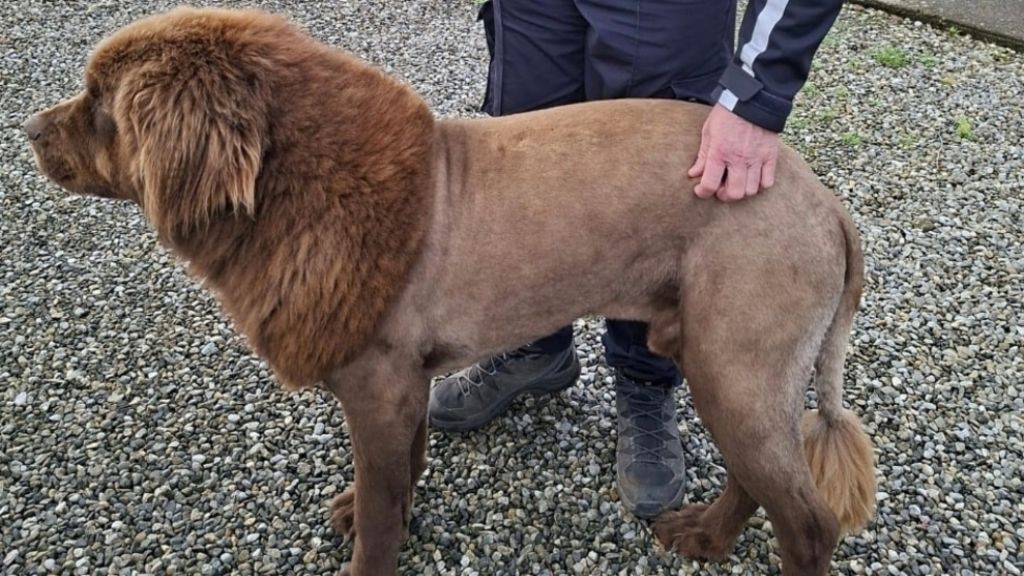
The County Clare lion which was actually a ‘Mouse’
A recent case of mistaken identity in County Clare, Ireland, has brought unexpected fame to a Newfoundland dog named Mouse. Reports of a ‘lion-like’ animal spotted in a wooded area prompted a police investigation after a video went viral on social media on October 29. Gardaí (Irish police) later confirmed that the animal in question was not a lion but Mouse, a friendly Newfoundland dog. The confusion arose due to Mouse’s shaved coat, which altered his appearance significantly. Gardaí from Killaloe humorously remarked, ‘If you go down to the woods today… it’s not a lion you will find but the very friendly Newfoundland dog named Mouse.’
Mouse’s owner had recently shaved his coat, a practice generally discouraged for Newfoundland dogs due to their double-layered fur, which regulates body temperature and protects their skin. Siobhan McHaffie, Director of Operations at The Ulster Society for the Prevention of Cruelty to Animals (USPCA), emphasized that shaving such breeds is not advisable unless for medical reasons. ‘Their thick double coat plays a vital role in regulating temperature and protecting their skin. Removing it can lead to sunburn, overheating, and other health complications,’ she explained.
Despite the grooming controversy, Mouse has reportedly embraced his newfound fame. The USPCA expressed relief that the situation was resolved without harm to the dog or the public. The incident highlights the importance of proper pet care and the unexpected consequences of viral social media posts.